
How to Test Baking Powder Freshness with a Simple Kitchen Trick

Welcome to BakeWithEase, your haven for all things baking! Ever wondered if your baking powder is actually doing its job? Don't let flat cakes and disappointing cookies ruin your baking adventures. Discover the surprisingly simple kitchen trick in our article below, "How to Test Baking Powder Freshness," and unlock the secrets to perfectly risen treats every time. Let's get baking!
- Introduction: Ensuring Baking Powder Effectiveness for Perfect Bakes
- Understanding Baking Powder: Types and How They Work
- The Baking Powder Freshness Test: A Step-by-Step Guide
- Interpreting the Results: What the Reaction Tells You
- Beyond the Fizz: Other Ways to Check Baking Powder Quality
- Baking with Confidence: Using Fresh Baking Powder
- Troubleshooting: Common Issues and Solutions
- Conclusion: Guaranteeing Baking Success with Fresh Baking Powder
-
Frequently Asked Questions
- How can I quickly test if my baking powder is still good?
- Why is it important to test baking powder before using it in a recipe?
- What's the science behind the baking powder freshness test?
- How long does baking powder typically last?
- Besides the hot water test, are there other ways to check baking powder freshness?
- Final Reflection: The Humble Rise of Baking Powder
- Unleash Your Baking Potential: Freshness First!
Introduction: Ensuring Baking Powder Effectiveness for Perfect Bakes
Why Fresh Baking Powder Matters for Baking Success
Baking powder is a crucial leavening agent in countless recipes, from fluffy pancakes to sky-high cakes. Its primary job is to create lift and texture by producing carbon dioxide gas, which forms bubbles in the batter or dough as it bakes. If your baking powder isn't fresh and active, it simply won't produce enough gas, leading to sad, dense, and flat baked goods. Imagine spending time and money on ingredients like flour, sugar, eggs, and butter, only for the final product to be a disappointment because one key ingredient failed.
Using fresh baking powder is non-negotiable for predictable and successful baking results. Recipes are carefully formulated assuming the leavening agent is potent. A common issue reported by bakers, especially those troubleshooting a flat cake or dense muffins, is stale baking powder. While many ingredients last a long time, baking powder's effectiveness diminishes over time, particularly after the can has been opened and exposed to moisture in the air. Knowing how to test baking powder freshness ensures your efforts in the kitchen aren't wasted and that you achieve the desired light and airy texture.
The Simple Kitchen Trick to Check Baking Powder Activity
Fortunately, you don't need fancy lab equipment to determine if your baking powder is still active and ready to work its magic. There's a very simple, quick test you can perform right in your kitchen using just two common ingredients: hot water and the baking powder itself. This straightforward method relies on observing the chemical reaction that occurs when the leavening agent is activated.
This easy test is often the first step recommended when troubleshooting baking failures related to leavening. It takes less than a minute to perform and provides a clear visual cue about the ingredient's potency. Before embarking on a new baking project, especially if the container has been sitting in your pantry for a while, learning how to test baking powder this way can save you from potential disappointment and wasted ingredients. It's a fundamental skill for any baker aiming for consistent, high-quality results.
Understanding Baking Powder: Types and How They Work
Single-Acting vs. Double-Acting Baking Powder: A Quick Overview
Baking powder typically comes in two main types: single-acting and double-acting. Single-acting baking powder contains an acid that reacts with the alkaline baking soda component as soon as it comes into contact with moisture. This means the leavening action begins immediately upon mixing the wet and dry ingredients, and the batter or dough must be baked right away to capture the gas before it dissipates.
Double-acting baking powder, which is the most common type found in grocery stores today, contains two different acids. One acid reacts with moisture upon mixing (the first action), similar to single-acting powder. The second acid, however, requires heat to react (the second action).
This means it produces gas both when the ingredients are mixed and again when the mixture is heated in the oven. This provides a more sustained and reliable lift, offering bakers a little more flexibility in handling their doughs or batters before baking. The simple kitchen trick discussed here primarily demonstrates the first action of double-acting baking powder, but a strong first reaction is a good indicator that the second reaction will also occur.
What Happens When Baking Powder Reacts?
At its core, baking powder is a mixture of an acid, an alkali (specifically baking soda, or sodium bicarbonate), and usually a filler like cornstarch. The cornstarch helps keep the acid and alkali separate and dry, preventing them from reacting prematurely in the container, and also acts as a buffer. When baking powder comes into contact with liquid, the acid and alkali dissolve and react chemically.
The chemical reaction between the acid and the sodium bicarbonate produces carbon dioxide gas, water, and a salt. This gas is what creates tiny bubbles throughout the batter or dough. As the mixture bakes and heats up, these gas bubbles expand (especially with double-acting powder), causing the baked good to rise and achieve a light, airy texture. The simple fizz test for how to test baking powder relies on observing this gas production when moisture is added. A vigorous release of CO2 gas indicates the acid and alkali components are still capable of reacting effectively.
The Baking Powder Freshness Test: A Step-by-Step Guide
Materials You'll Need for the Baking Powder Test
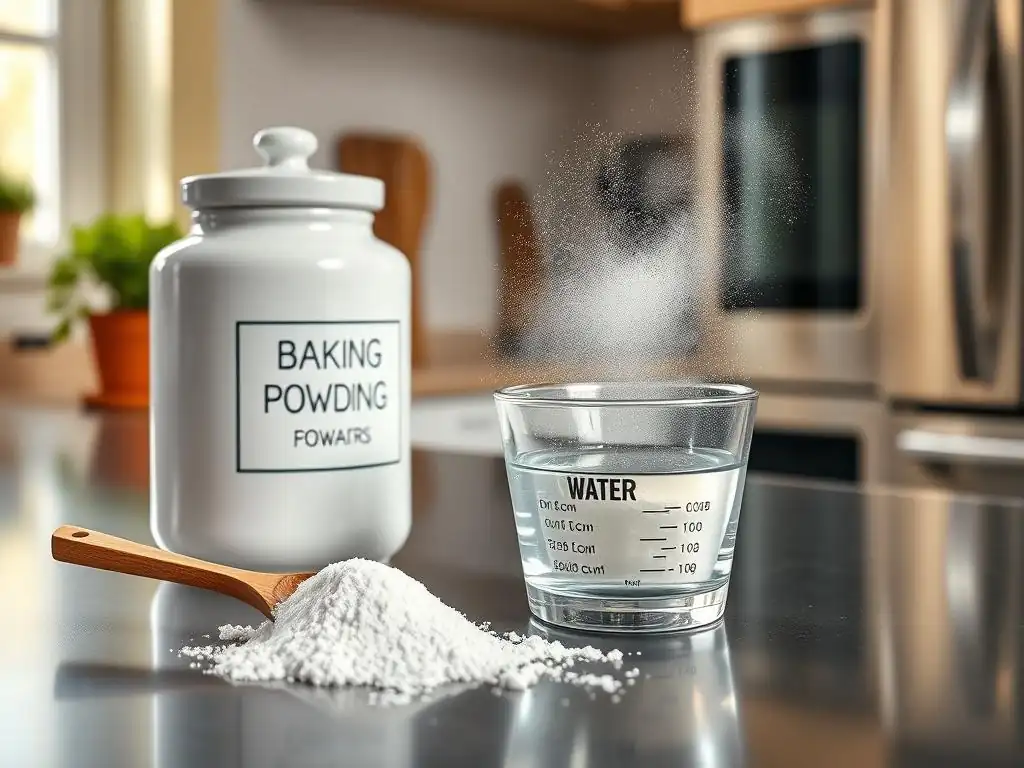
Performing the baking powder freshness test is incredibly simple and requires minimal supplies that you likely already have in your kitchen. You won't need any specialized equipment, just a few basic items.
Here is a list of the materials required:
- A small bowl or cup
- Hot water (from the tap is fine, it doesn't need to be boiling)
- Your container of baking powder
- A measuring spoon (specifically, a 1-teaspoon measure)
That's it! With these simple items gathered, you are ready to proceed with learning how to test baking powder's activity level.
Step 1: Prepare Your Testing Station [1/2 Cup Hot Water, 1 Teaspoon Baking Powder]
Begin by setting up your testing area. Find a clear spot on your counter or table. Measure out approximately 1/2 cup of hot tap water. The water should be warm to hot, but not necessarily boiling. The heat helps ensure that if you have double-acting baking powder, the second acid component (which is activated by heat) might also start reacting, giving you a more complete picture of its potential activity, although the primary fizz is from the first reaction with moisture.
Pour the measured hot water into your small bowl or cup. Have your baking powder container open and your 1-teaspoon measure ready. This preparation step takes mere moments but ensures you can quickly proceed with the next step, allowing you to observe the reaction right away. This is the foundation for how to test baking powder effectively at home.
Step 2: Combine Baking Powder and Hot Water [Pour hot water into a bowl and add baking powder]
With the hot water in the bowl, it's time to introduce the baking powder. Carefully measure out 1 teaspoon of the baking powder from your container. Try to get a level spoonful for a more consistent test.
Once measured, gently sprinkle or pour the teaspoon of baking powder into the hot water in the bowl. Do not stir the mixture initially; you want to observe the immediate reaction as the powder hits the water. The interaction between the dry powder and the liquid is what triggers the chemical process you need to see. This simple combination is the core of how to test baking powder for freshness.
Step 3: Observe the Reaction: Is Your Baking Powder Still Good?
Immediately after adding the baking powder to the hot water, watch closely. You should see a reaction occurring. The key is to observe the vigor and duration of the fizzing and bubbling that takes place.
A strong, immediate, and sustained fizzing indicates that the baking powder is actively producing carbon dioxide gas. Think of the bubbles in a carbonated drink; a good baking powder reaction should be similarly lively. The bubbles should be visible and numerous, creating a noticeable effervescence on the surface of the water. Observing this reaction is the definitive way to how to test baking powder's current activity level.
Interpreting the Results: What the Reaction Tells You
A Vigorous Fizz: Your Baking Powder is Active and Ready to Use
If, upon adding the baking powder to the hot water, you observe a strong, immediate, and lively bubbling or fizzing reaction, congratulations! This indicates that your baking powder is active and potent. The vigorous release of carbon dioxide gas means the chemical components are still capable of reacting effectively to provide lift in your baked goods.
A good fizz should start almost instantly and continue for several seconds, producing a noticeable amount of foam or bubbles on the surface. This is exactly the kind of reaction you want to see, as it confirms the leavening power is still intact. Knowing how to test baking powder and seeing this result gives you confidence to proceed with your recipe, trusting that this essential ingredient will perform its function correctly.
A Weak or No Fizz: Time to Replace Your Baking Powder
Conversely, if you add the baking powder to the hot water and observe only a weak, minimal fizz, or perhaps no fizzing whatsoever, this is a clear sign that your baking powder has lost its potency. A few sparse, lazy bubbles are not sufficient to properly leaven baked goods.
A lack of reaction means the chemical components within the baking powder are no longer capable of producing a significant amount of carbon dioxide gas. Using baking powder that yields this result in the freshness test will almost certainly lead to flat, dense, and heavy baked goods, regardless of how perfectly you follow the rest of the recipe. If your test shows a weak or absent fizz when you how to test baking powder, it's time to discard that container and purchase a fresh one.
Understanding False Positives and Negatives [Water temperature, humidity]
While the hot water test is generally reliable, it's important to be aware of factors that could potentially affect the result, leading to a false positive or negative. One critical factor is the water temperature used in the test. If the water is not hot enough, especially when testing double-acting baking powder, you might get a weaker fizz than the powder is truly capable of, potentially leading you to discard a still-good product (a false negative). Using sufficiently hot water helps ensure both stages of a double-acting powder's reaction can be initiated.
Another factor to consider is the storage environment. Baking powder is highly sensitive to moisture. If stored improperly in a humid environment, it can react prematurely in the can, exhausting its leavening power even before its marked expiration date. While the fizz test directly checks for current activity, prolonged exposure to humidity can degrade it over time. This is why proper storage after you how to test baking powder and confirm its freshness is also vital.
Beyond the Fizz: Other Ways to Check Baking Powder Quality
Checking the Expiration Date: A First Line of Defense
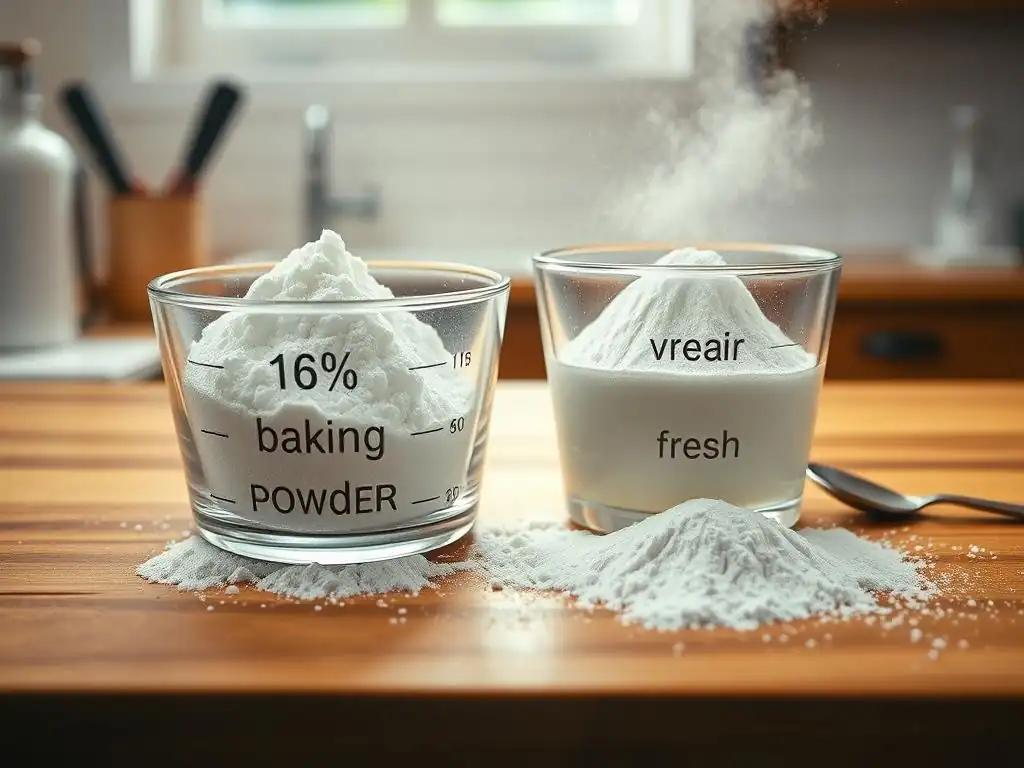
While the fizz test is the most reliable way to check the current activity of your baking powder, the expiration date printed on the container serves as a useful first line of defense. Manufacturers typically provide a "Best By" or expiration date based on optimal storage conditions. This date offers an estimate of how long the product is expected to remain potent.
Generally, an unopened container of baking powder is expected to remain fresh for 18 to 24 months. Once opened, its shelf life significantly decreases, typically to between 6 and 12 months. Checking this date gives you an initial idea of whether the product is likely still good or if it's well past its prime. However, even if the date hasn't passed, improper storage can still render it inactive, making the fizz test essential for a definitive answer on how to test baking powder activity.
The Smell Test: Identifying Stale Baking Powder
Another simple, albeit less definitive, method to assess the quality of your baking powder is the smell test. Fresh baking powder should have a relatively neutral smell, perhaps slightly metallic or chalky. It should not have a strong, pungent, or vinegary odor.
If you open the container and detect a strong, unpleasant smell, it could be an indication that the baking powder has reacted prematurely due to moisture or age. While a lack of smell doesn't guarantee freshness (it still needs to react with liquid), an off-smell is a strong warning sign that the product is likely stale and should not be used for baking. This test complements the fizz test when you are trying to determine how to test baking powder's overall condition.
Baking with Confidence: Using Fresh Baking Powder
Adjusting Recipes for Potentially Weak Baking Powder [Add 1/4 teaspoon extra baking powder per teaspoon called for]
If you perform the fizz test and get a result that is only slightly weaker than a vigorous fizz, but not completely flat, you might be tempted to try and compensate in your recipe. In some cases, for less critical recipes like simple muffins or quick breads, you could potentially try adding a little extra baking powder. A common guideline suggests adding an extra 1/4 teaspoon of baking powder for every 1 teaspoon called for in the recipe if you suspect it might be slightly weak.
However, this is more of a workaround than a recommended practice. Adding too much baking powder can lead to undesirable outcomes, such as a bitter or metallic taste, the baked good rising too quickly and then collapsing, or developing large, unsightly tunnels. The most reliable approach after learning how to test baking powder and finding it weak is simply to replace it with a fresh container.
Where to Store Baking Powder for Optimal Freshness [Cool, dry place in an airtight container]
Proper storage is paramount to maintaining the freshness and potency of baking powder over time. Because baking powder is activated by moisture, it must be protected from humidity. The ideal storage location is a cool, dry place away from heat sources and moisture, such as a pantry or cupboard.
Crucially, baking powder should always be stored in an airtight container. Many commercial containers are designed to be reasonably airtight, but ensuring the lid is securely closed after each use is vital. If you live in a particularly humid climate, or if the original container doesn't seal well, transferring the baking powder to a dedicated airtight jar or container can significantly extend its useful life. Proper storage after you how to test baking powder is confirmed fresh helps ensure it stays that way until you need it for your next bake.
Troubleshooting: Common Issues and Solutions
What if the Water Isn't Hot Enough?
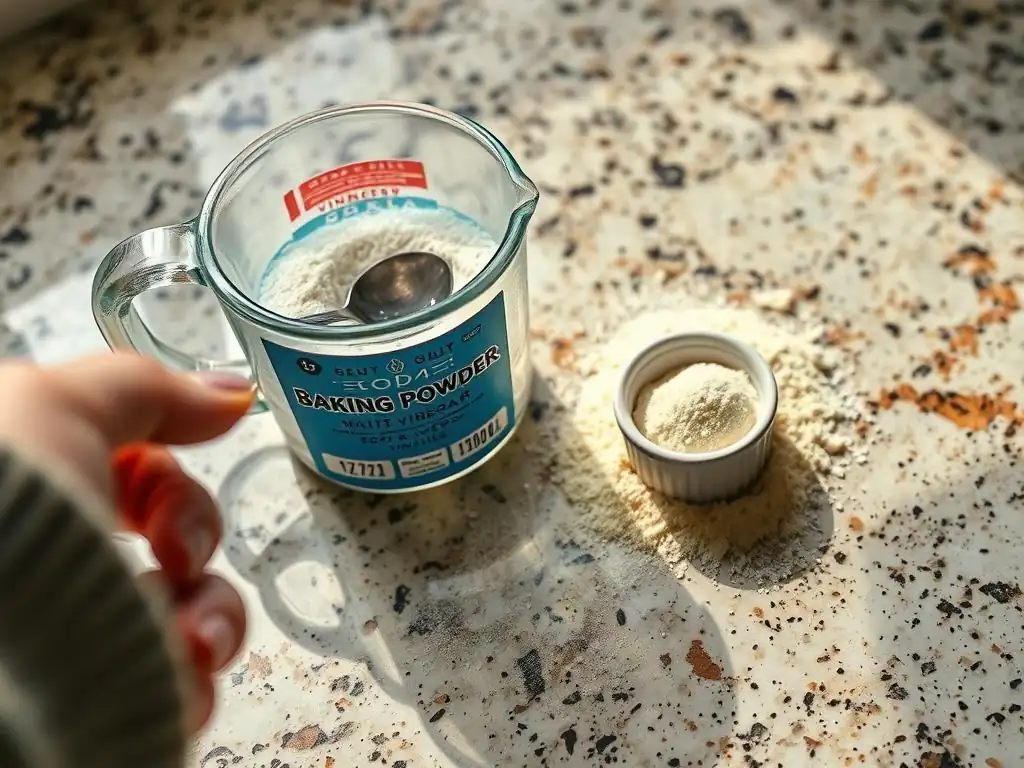
The temperature of the water used in the baking powder test is more important than you might initially think, especially if you are testing double-acting baking powder, which is the most common type. While the first reaction occurs with any moisture, the second, heat-activated reaction contributes significantly to its overall leavening power. If the water you use is too cool, you might only see a minimal fizz from the first reaction, or perhaps a delayed or weak fizz overall.
This could lead you to incorrectly conclude that your baking powder is stale (a false negative). To get the most accurate reading of its potential, use hot tap water. It doesn't need to be boiling, but it should be noticeably warm to the touch. Re-running the test with properly hot water will give you a much clearer picture of the baking powder's true activity level when you are learning how to test baking powder.
What if I Used Too Much Baking Powder?
While the focus is on ensuring your baking powder is potent enough, using too much in a recipe is also a common issue with negative consequences. Adding more baking powder than a recipe calls for, perhaps in an attempt to compensate for suspected staleness or simply by mistake, can ruin your baked goods.
Excess baking powder leads to an overly rapid and aggressive rise, which can cause the structure of the baked good to collapse during or after baking. It also often imparts a distinctively bitter, metallic, or soapy flavor. Furthermore, it can cause excessive tunneling (large holes) in the texture.
If you suspect you've used too much, there's little you can do to fix the batter or dough. The best solution is to measure accurately and ensure you are using fresh, properly tested baking powder to begin with. Knowing how to test baking powder helps prevent the need for such risky adjustments.
Conclusion: Guaranteeing Baking Success with Fresh Baking Powder
Recap: The Importance of Testing Baking Powder Regularly
Ensuring the freshness of your baking powder is a fundamental step towards consistent baking success. Stale baking powder is a frequent culprit behind dense, flat, and disappointing results. The simple fizz test using hot water provides a quick, reliable way to check its activity level and avoid wasting time and ingredients on recipes that are doomed to fail from the start. Regularly performing this test, especially if the container has been open for several months or is nearing its expiration date, is a smart practice for any baker.
Combined with checking the expiration date, performing a quick smell test, and storing your baking powder properly in a cool, dry, airtight location, the fizz test gives you the confidence that your leavening agent is ready to perform. Mastering how to test baking powder is a small effort that yields significant rewards in the quality of your baked goods.
Enjoy Perfectly Leavened Bakes Every Time!
By taking the simple step to how to test baking powder before you bake, you eliminate a major variable that can impact your results. A successful fizz test means you can proceed with your recipe knowing that your baking powder is ready to provide the lift and texture needed for light, airy, and delicious creations.
So, the next time you pull out that canister of baking powder, remember this simple kitchen trick. A few seconds spent on the fizz test can be the difference between a baking triumph and a frustrating failure. Bake with confidence, bake with fresh ingredients, and enjoy perfectly leavened bakes every single time!
Frequently Asked Questions
How can I quickly test if my baking powder is still good?
The easiest way is to add a teaspoon of baking powder to a half-cup of hot water. If it fizzes vigorously, it's still active. If not, it's likely expired.
Why is it important to test baking powder before using it in a recipe?
Using expired baking powder can result in flat baked goods that don't rise properly. This is because it loses its leavening ability over time.
What's the science behind the baking powder freshness test?
Baking powder contains both an acid and a base which react in the presence of liquid to release carbon dioxide. The fizzing indicates this chemical reaction is still happening effectively.
How long does baking powder typically last?
Unopened baking powder usually lasts for 12-18 months from the production date. Once opened, it's best to use it within 6-12 months for optimal results. Always check the expiration date on the container.
Besides the hot water test, are there other ways to check baking powder freshness?
While the hot water test is the most common, you can also mix a small amount of baking powder with vinegar or lemon juice. A similar fizzing reaction should occur if it's still good.
Final Reflection: The Humble Rise of Baking Powder
The simple act of testing baking powder's freshness, a seemingly insignificant kitchen task, speaks volumes about the power of observation and the pursuit of culinary perfection. A flat cake or a stubbornly un-risen muffin isn't just a baking failure; it's a testament to the importance of understanding the fundamental ingredients that bring our recipes to life. This seemingly small detail can significantly impact the success of countless baked goods, reminding us that even the smallest components deserve our attention.
The impact of a single, seemingly insignificant ingredient like baking powder extends far beyond the individual kitchen. It's a thread woven into the fabric of countless family recipes, traditions passed down through generations, and the shared joy of creating something delicious. The simple act of testing its freshness connects us to a long history of baking, a history built on experimentation, innovation, and the pursuit of the perfect rise. Baking is at once child's play and adult joy. And love, of course.
– Alma Flor Ada. This quote perfectly encapsulates the emotional connection we have with baking, and how a simple test can ensure that connection remains strong.
Now, consider your own baking adventures. Do you take the time to ensure your ingredients are at their peak freshness? I encourage you to take a moment, before your next baking project, to perform this simple test. It's a small act that can prevent disappointment and elevate your baking experience. Remember the power of observation, the importance of understanding your ingredients, and the joy that comes from creating something delicious from scratch. Let the humble baking powder be a reminder that even the smallest details can make all the difference.
Unleash Your Baking Potential: Freshness First!
Thanks for taking the time to learn about testing your baking powder! You're now equipped to avoid those disappointing flat baked goods. Ready to put your newfound knowledge to the test?
- Bake something amazing! Use your freshly-tested baking powder to create your favorite treat—and enjoy the fluffy perfection.
- Share your baking triumphs (or tales of expired baking powder!) with fellow bakers in the comments below. Let's build a community of baking enthusiasts!
- Try a blind taste test with friends and family—can they tell the difference between goods made with fresh and old baking powder?
So, what delicious recipe will you tackle first?