
Understanding Cocoa Butter Content in HighQuality Baking Chocolate

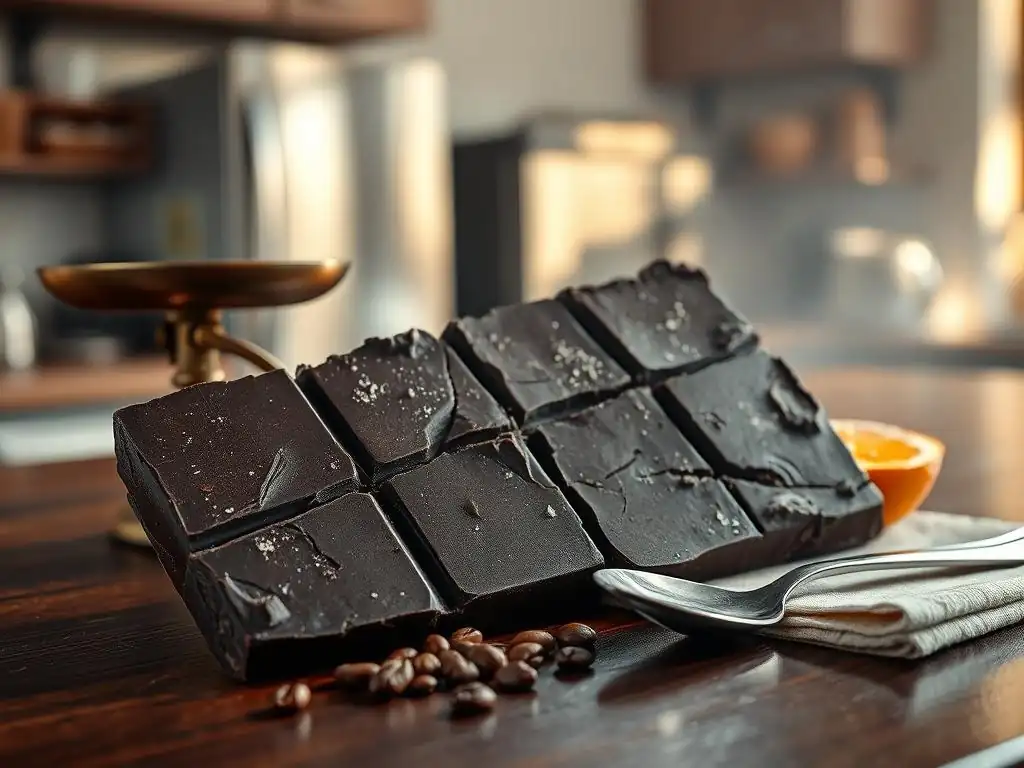
Welcome to BakeWithEase, your guide to effortless baking! Ever wondered what really sets apart a truly exceptional chocolate dessert? Dive into our exploration of high quality baking chocolate and unlock the secrets hidden within its cocoa butter content. Discover how this key ingredient impacts flavor, texture, and the overall baking experience – and learn how to choose the perfect chocolate for your next masterpiece. Get ready to elevate your baking game!
- The Key to Baking Success: High-Quality Baking Chocolate and Cocoa Butter
- Deciphering Chocolate Labels: Cocoa Butter Percentage and its Impact
- The Role of Cocoa Butter in Baking Applications
- Identifying High-Quality Baking Chocolate: Beyond the Label
- Top Baking Chocolate Brands and Their Cocoa Butter Content
- Best Practices for Storing Baking Chocolate to Preserve Cocoa Butter Quality
- Recipes That Showcase High-Quality Baking Chocolate and Cocoa Butter
- Troubleshooting Common Baking Problems Related to Cocoa Butter
- Where to Buy High-Quality Baking Chocolate with Optimal Cocoa Butter
-
Frequently Asked Questions
- What makes baking chocolate "high quality" according to BakeWithEase?
- How does cocoa butter content affect the final baked product?
- Where can I find high quality baking chocolate recommended by BakeWithEase?
- Are there any specific brands BakeWithEase suggests for beginners using high quality chocolate?
- What are some common mistakes people make when using high quality baking chocolate?
- Final Reflection: The Unsweetened Truth About High-Quality Baking Chocolate
- Unlock the Secrets of Richer, Deeper Chocolate!
The Key to Baking Success: High-Quality Baking Chocolate and Cocoa Butter
Achieving bakery-quality results at home often hinges on the ingredients you choose, and few are as critical as high-quality baking chocolate. Unlike everyday eating chocolate, baking chocolate is specifically formulated to perform well in varying temperatures and preparations, from melting smoothly into ganaches to providing structure in cakes and brownies. The secret ingredient that dictates much of this performance is cocoa butter, the natural fat extracted from the cocoa bean.
Understanding the role and content of cocoa butter is fundamental to selecting the best chocolate for your baking projects and elevating your creations from good to truly exceptional. When you use high-quality baking chocolate, you're not just adding chocolate flavor; you're incorporating a complex ingredient whose fat structure, largely determined by cocoa butter, influences texture, meltability, and overall richness.
Cocoa butter is a unique fat because it is solid at room temperature but melts just below human body temperature, giving chocolate its characteristic melt-in-your-mouth quality. In the context of high-quality baking chocolate, a higher proportion of cocoa butter generally signifies a more fluid chocolate when melted, which is crucial for tasks like tempering or creating smooth glazes. It also contributes to a firmer, snappier finished product once cooled.
Choosing chocolate with the right cocoa butter content for your specific recipe is a hallmark of a skilled baker, ensuring that your efforts result in the desired texture and finish. This knowledge is particularly important when working with delicate recipes where the structure and behavior of the chocolate fat are paramount to success.
Why Cocoa Butter Matters in Baking Chocolate Quality
Cocoa butter is more than just fat; it's the backbone of high-quality baking chocolate's performance characteristics. Its unique crystalline structure allows chocolate to temper, a process of heating and cooling that aligns the fat crystals, resulting in a stable, shiny, and snappy chocolate that resists melting at room temperature. Without sufficient cocoa butter, achieving a proper temper is difficult, if not impossible, leading to dull, soft, and streaky chocolate.
Furthermore, cocoa butter carries flavor compounds from the cocoa solids, contributing to a richer and more complex taste experience. A higher cocoa butter content often dilutes the bitterness of cocoa solids slightly while enhancing the overall creaminess and depth of flavor, which is essential in premium baking chocolate.
The amount of cocoa butter present directly impacts the viscosity of melted chocolate. Chocolate with a higher percentage of cocoa butter will be more fluid when melted compared to one with less. This fluidity is vital for applications like dipping, molding, or creating thin, even coatings.
For instance, a couverture chocolate, which is specifically designed for professional use and tempering, typically contains a high percentage of cocoa butter, often 32% to 39% or even higher, in addition to the cocoa solids. This high fat content ensures excellent flow properties and results in a superior finish. Understanding this relationship helps bakers select the appropriate high-quality baking chocolate for techniques requiring specific melt characteristics.
Understanding Different Types of Baking Chocolate: A Beginner's Guide
The world of baking chocolate can seem vast, but it primarily breaks down into a few key types, distinguished largely by their composition, including cocoa butter content. Unsweetened chocolate, also known as baking chocolate or bitter chocolate, contains 100% cocoa solids and cocoa butter with no added sugar. It's intensely flavored and used in recipes where sugar is added separately.
Dark chocolate varies widely in cocoa solid content (typically 35% to 100%), with the remainder being sugar, and crucially, cocoa butter. High-quality dark baking chocolate often has a higher cocoa solid percentage, which implies a significant amount of cocoa butter relative to the total mass, contributing to its richness and melt profile.
Milk chocolate contains cocoa solids, cocoa butter, sugar, and milk powder or condensed milk. It has a lower percentage of cocoa solids (often 10-40%) and is sweeter and creamier than dark chocolate due to the milk fat and sugar. While delicious, its lower cocoa solid and potentially lower cocoa butter content compared to dark or unsweetened varieties makes it less ideal for certain high-temperature baking applications or tempering requiring a very stable structure.
White chocolate, uniquely, contains no cocoa solids, only cocoa butter, sugar, milk solids, and vanilla. Its quality is almost entirely dependent on the quality and quantity of the cocoa butter used. A high-quality white baking chocolate will have a substantial percentage of cocoa butter, often 20% or more, which gives it a smooth texture and clean melt, making it excellent for specific uses like white chocolate ganache or flavoring delicate pastries.
Deciphering Chocolate Labels: Cocoa Butter Percentage and its Impact
Navigating the world of high-quality baking chocolate requires understanding what the numbers on the label truly mean. While the overall "cacao percentage" (which includes cocoa solids and cocoa butter) is a major indicator of intensity and quality, the proportion of cocoa butter within that percentage plays a critical role in how the chocolate behaves in the oven and on your palate. Manufacturers are increasingly transparent about their chocolate's composition, and learning to read these labels empowers you to choose the perfect high-quality baking chocolate for every recipe.
What Does Cocoa Butter Percentage Actually Mean?
The cocoa butter percentage on a chocolate label refers to the weight of cocoa butter relative to the total weight of the chocolate. This figure is often not explicitly stated but is implicitly understood or can sometimes be found in the ingredients list or technical specifications provided by premium chocolate makers. For example, a dark chocolate labeled as 70% cacao means that 70% of the chocolate's weight comes from components derived from the cocoa bean – specifically, cocoa solids (the non-fat part) and cocoa butter.
The remaining 30% is typically sugar, and sometimes vanilla or lecithin. The ratio of cocoa solids to cocoa butter within that 70% cacao can vary between manufacturers and even between different products from the same manufacturer.
While the total cacao percentage gives you a general idea of how "chocolatey" and less sweet the product is, the proportion of cocoa butter within that percentage determines its fluidity when melted and its structure when solid. Two chocolates both labeled 70% cacao might have different cocoa butter contents. One might have a higher ratio of cocoa butter to cocoa solids, making it melt more easily and flow more smoothly, ideal for coating or molding.
Another might have a lower ratio of cocoa butter to cocoa solids (meaning more cocoa solids), resulting in a thicker melted chocolate and a more intense, perhaps slightly drier, flavor profile, which might be preferred for brownies or cakes where intense flavor is key and extreme fluidity isn't necessary. Understanding this nuance is key to mastering high-quality baking chocolate.
High vs. Low Cocoa Butter Content: Which is Best for Your Recipe?
Choosing between high and low cocoa butter content in your high-quality baking chocolate depends entirely on the desired outcome of your recipe. Chocolate with high cocoa butter content (often found in couverture chocolates, typically above 32% total fat) is exceptionally fluid when melted. This makes it the ideal choice for processes requiring smooth coverage, such as dipping candies, coating pastries, or creating delicate chocolate decorations that require precise piping.
Its high fat content also facilitates easier and more stable tempering, resulting in a glossy finish and a satisfying snap. For applications where a very smooth texture and clean mouthfeel are paramount, such as fine truffles or professional-grade glazes, a high cocoa butter chocolate is indispensable.
Conversely, chocolate with a relatively lower cocoa butter content (though still considered high-quality if the overall cacao percentage is high) will be thicker when melted. This can be advantageous in recipes where you need the chocolate to hold its shape or contribute to a fudgy, dense texture, like in some brownie recipes or chocolate chip cookies where you want distinct pockets of chocolate. While still melting, it won't spread as much.
It's also often used in cakes or muffins where extreme fluidity isn't necessary, and the focus is more on integrating the intense chocolate flavor. However, be aware that chocolate with very low cocoa butter relative to its cocoa solids percentage might require adding a small amount of extra fat (like butter or oil) in certain applications to achieve the desired texture or prevent it from becoming too stiff when melted.
Factors Affecting Cocoa Butter Content in Baking Chocolate
Several factors influence the final cocoa butter content in a bar of high-quality baking chocolate. Primarily, the type of chocolate dictates the general range. Unsweetened chocolate is essentially 100% cocoa bean derivatives, so its fat content is the inherent fat in the beans, typically ranging from 50% to 60% cocoa butter.
Dark chocolate's cocoa butter content is determined by the manufacturer's recipe – how much cocoa butter they add back to the mixture of cocoa solids and sugar. Premium dark chocolates often have added cocoa butter to increase fluidity and improve texture, pushing the total fat content higher than what would naturally be present from the cocoa solids alone.
The quality and origin of the cocoa beans themselves also play a role. Beans from different regions and varieties can have slightly different fat contents. Furthermore, the processing methods used by the chocolate maker are crucial.
The "pressing" stage, where cocoa liquor is separated into cocoa solids (press cake) and cocoa butter, allows manufacturers to control how much cocoa butter is later added back to create specific types of chocolate. A company aiming for a very fluid couverture will press out a significant amount of cocoa butter and then add a precise amount back, often resulting in a higher overall percentage than in a standard baking bar. This careful control over the cocoa butter content is a hallmark of producers creating high-quality baking chocolate tailored for specific culinary uses.
The Role of Cocoa Butter in Baking Applications
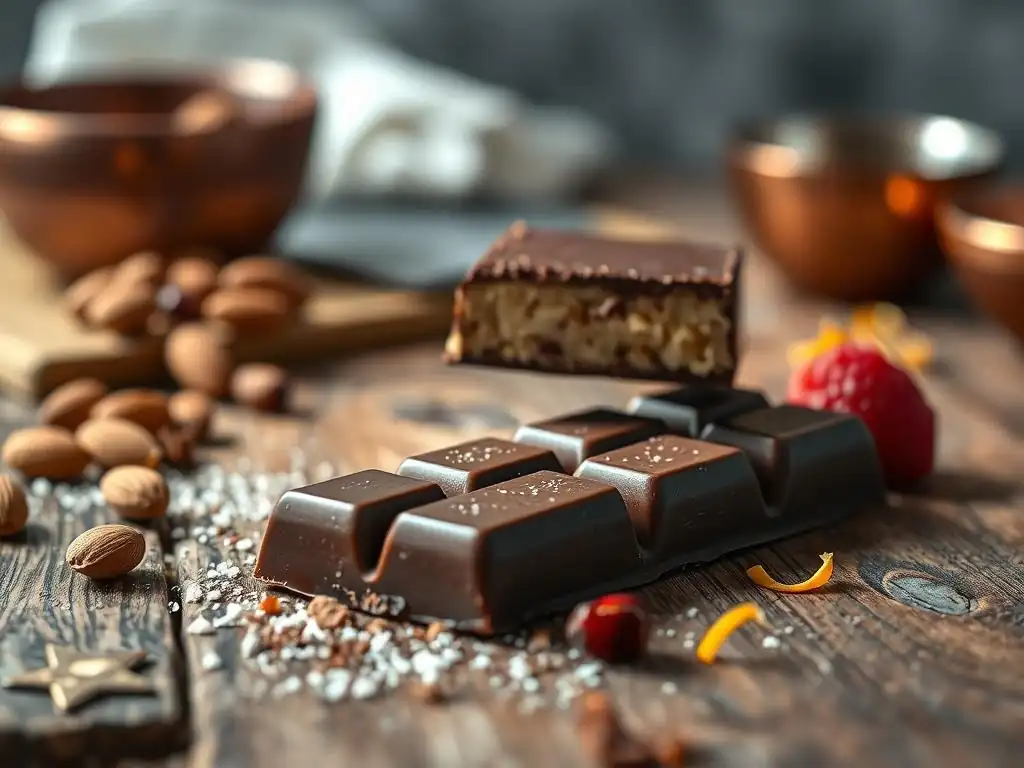
Cocoa butter isn't just an ingredient; it's a functional component that performs specific jobs in various baking applications. Its unique physical properties, particularly its melting point and crystalline structure, make it indispensable for achieving desired textures and finishes in everything from delicate glazes to sturdy brownies. Understanding these roles helps bakers select the right high-quality baking chocolate and troubleshoot potential issues.
Cocoa Butter for Smooth Melting and Tempering
One of cocoa butter's most critical roles in high-quality baking chocolate is facilitating smooth melting and, especially, tempering. Cocoa butter contains different types of fat crystals, each melting at a slightly different temperature. Tempering is the process of carefully heating, cooling, and agitating chocolate to encourage the formation of only the most stable crystal form (Type V). This specific crystal structure is what gives properly tempered chocolate its desirable characteristics: a firm snap when broken, a smooth, glossy surface, and resistance to melting at room temperature (it melts around 90-95°F or 32-35°C).
Chocolate with insufficient cocoa butter, or chocolate where the cocoa butter is not properly processed, will be difficult to temper. It may melt unevenly and, when cooled, result in a soft, dull, or streaky finish known as "bloom." High-quality baking chocolate, particularly those labeled as couverture, is formulated with a higher cocoa butter content (often 32-39% or more) specifically to make tempering easier and more successful.
This extra cocoa butter provides ample fat crystals to manipulate during the tempering process, ensuring a stable structure is formed. For applications like chocolate molding, dipping truffles, or creating decorative elements, using a high-quality baking chocolate with optimal cocoa butter content for tempering is non-negotiable.
Achieving the Perfect Chocolate Ganache: Cocoa Butter's Influence
Chocolate ganache, a simple mixture of chocolate and cream, relies heavily on the quality and cocoa butter content of the chocolate for its final consistency and texture. When hot cream is poured over chopped high-quality baking chocolate, the heat from the cream melts the cocoa butter and cocoa solids. The fat from the chocolate (primarily cocoa butter) then emulsifies with the water from the cream, creating a stable, smooth mixture. The ratio of chocolate to cream, combined with the cocoa butter content of the chocolate, dictates the ganache's thickness.
Using a high-quality baking chocolate with adequate cocoa butter results in a smoother, more stable ganache. If the chocolate has too little cocoa butter relative to its solids, the ganache can turn out grainy or greasy because the emulsion isn't as stable. A higher cocoa butter content contributes to a richer mouthfeel and a glossier finish in the ganache.
For instance, a ganache intended for a pourable glaze might use a 1:1 ratio of chocolate to cream with a dark chocolate around 60-70% cacao, where the cocoa butter content is sufficient for fluidity. A thicker ganache for filling or frosting might use a 2:1 ratio, and the cocoa butter still plays a key role in achieving that dense, yet smooth, consistency. The quality of the cocoa butter itself also affects flavor and mouthfeel, making premium chocolate the best choice for this classic preparation.
Cocoa Butter and Texture: From Fudge to Brownies
Beyond melting and tempering, cocoa butter significantly impacts the final texture of baked goods like fudge and brownies. In fudge, cocoa butter contributes to the setting and firmness. When chocolate is melted and combined with sugar and milk solids, the cocoa butter solidifies as the fudge cools, creating its characteristic structure. Using a high-quality baking chocolate with a good amount of cocoa butter helps ensure the fudge sets properly with a smooth, rather than crumbly or greasy, texture. The quality of the cocoa butter also influences how smoothly the fudge melts in your mouth.
In brownies, high-quality baking chocolate, particularly one with a substantial cocoa butter content, contributes to a rich, moist, and sometimes fudgy texture. As the brownies bake, the cocoa butter melts and integrates with the other fats and ingredients. Upon cooling, it re-solidifies, contributing to the brownie's structure and density.
Brownies made with chocolate containing more cocoa butter tend to be denser and fudgier than those made with cocoa powder alone or with chocolate with less cocoa butter. The fat carries flavor and moisture, preventing the brownies from becoming dry. For a truly decadent, fudgy brownie, selecting a high-quality baking chocolate with a generous cocoa butter percentage is a key step.
Cocoa Butter in Chocolate Frosting: Achieving the Right Consistency
Chocolate frosting relies on fat for its structure and spreadability, and when using chocolate, cocoa butter is a primary contributor. In buttercreams or ganache-based frostings, melted high-quality baking chocolate is incorporated with butter, powdered sugar, and/or cream. As the mixture cools, the cocoa butter in the chocolate, along with the butterfat, solidifies, giving the frosting its body and ability to hold its shape.
The amount and quality of cocoa butter influence the frosting's consistency and mouthfeel. Chocolate with higher cocoa butter content will result in a frosting that sets up more firmly when chilled but softens beautifully at room temperature for easy spreading. It also contributes to a smoother, less greasy texture compared to frostings relying solely on butter or shortening.
For a silky smooth and stable chocolate buttercream or a rich, spreadable ganache frosting, using a high-quality baking chocolate with a good proportion of cocoa butter is essential. It ensures the frosting is not only delicious but also has the perfect texture for piping or spreading smoothly onto cakes and cupcakes.
Identifying High-Quality Baking Chocolate: Beyond the Label
While labels provide crucial information about cocoa percentage and ingredients, truly identifying high-quality baking chocolate involves engaging your senses. The appearance, aroma, flavor, and even the sound it makes when broken offer valuable clues about its quality and, implicitly, the careful processing of its cocoa butter and other components. Learning to assess these characteristics will help you choose the best ingredients for your baking projects.
Texture and Appearance: Visual Cues for Quality
High-quality baking chocolate should have a smooth, even texture both visually and to the touch. It should appear glossy and free from streaks, spots, or a dusty, gray film (known as bloom, which we'll discuss later).
The color should be rich and consistent, appropriate for the type of chocolate – a deep, dark brown for dark chocolate, a milky brown for milk chocolate, and a creamy ivory for white chocolate. A dull or uneven appearance can indicate issues during manufacturing, storage, or tempering, all of which can affect the behavior of the cocoa butter and thus the chocolate's performance in baking.
When broken, the chocolate should have a clean, sharp edge, not crumble or splinter excessively (though very high cocoa content chocolate can be brittle). If you rub a small piece between your fingers, it should melt smoothly and relatively quickly due to the cocoa butter melting at body temperature. A waxy or greasy feel that lingers, or chocolate that feels gritty, suggests lower quality ingredients or poor manufacturing practices, potentially involving alternative fats or poorly processed cocoa butter. The smooth, rapid melt is a key indicator of well-processed, ample cocoa butter content in high-quality baking chocolate.
Before you even taste it, the aroma of high-quality baking chocolate can tell you a lot. It should have a rich, complex fragrance that speaks of roasted cocoa beans, perhaps with notes of fruit, floral, nutty, or earthy undertones depending on the origin and processing. It should smell purely of chocolate, without off-putting chemical or stale odors. A weak or flat aroma suggests lower quality beans or less careful processing.
When tasted, high-quality baking chocolate should melt smoothly in your mouth without feeling waxy or greasy. The flavor should be deep, complex, and well-balanced, not just intensely bitter or overwhelmingly sweet. For dark chocolate, you should taste nuanced cocoa flavors, not just a generic chocolatey taste.
The finish should be clean, without an unpleasant aftertaste. The smooth melt and the way the flavors are released are directly influenced by the quality and structure of the cocoa butter. Premium chocolate makers pay meticulous attention to bean selection, roasting, and conching (a process that develops flavor and texture), all of which impact the final flavor profile and the behavior of the cocoa butter.
The Snap Test: Assessing Cocoa Butter Crystallization
The "snap test" is a classic method for quickly assessing the quality and temper of solid chocolate, particularly dark and milk varieties. High-quality dark or milk baking chocolate, especially if it's been properly tempered (which is often the case for bars intended for melting and tempering), should break with a distinct, sharp snap. This clean break and audible snap are a direct result of the stable crystal structure formed by the cocoa butter when it solidifies correctly.
If the chocolate bends or crumbles rather than snapping crisply, it indicates that the cocoa butter crystals did not form the most stable structure. This might be due to improper tempering during manufacturing or poor storage conditions that caused the chocolate to melt and recrystallize incorrectly (leading to bloom).
While chocolate that doesn't snap can still be used in recipes where it's fully melted (like cakes or brownies), it's less ideal for applications requiring tempering, such as coatings or molded chocolates. A good snap is a strong indicator that the high-quality baking chocolate you've chosen has well-formed cocoa butter crystals, promising good performance when melted and cooled.
Top Baking Chocolate Brands and Their Cocoa Butter Content
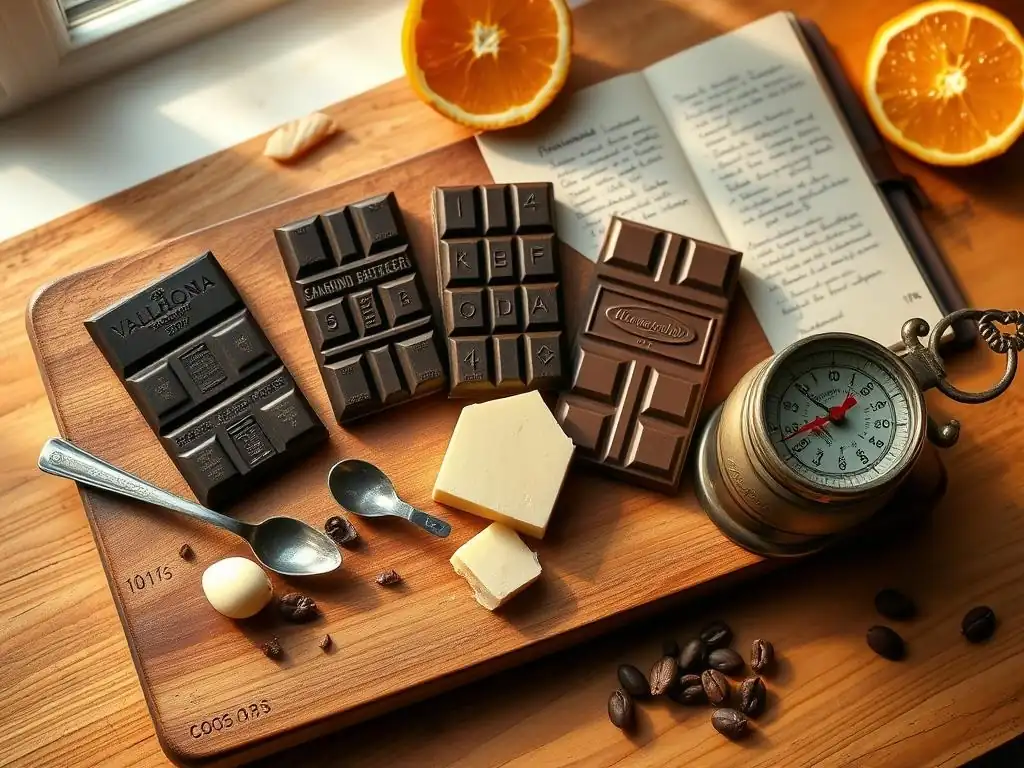
Exploring specific brands known for their high-quality baking chocolate can provide practical examples of how cocoa butter content varies and impacts usability. While precise cocoa butter percentages can sometimes be proprietary information, the total cacao percentage and the intended use of the chocolate often give strong clues about its fat content relative to solids. Let's look at a few prominent names in the world of premium baking chocolate.
Valrhona: A Benchmark for High Cocoa Butter Content
Valrhona, a French brand, is widely regarded as a benchmark for professional-grade, high-quality baking chocolate. Their chocolates are known for their exceptional flavor profiles and excellent working properties, largely due to their careful processing and often higher cocoa butter content, particularly in their couverture lines. Valrhona produces a wide range of chocolates with varying cacao percentages, specifically designed for different baking applications. Their commitment to quality beans and precise manufacturing results in chocolates that melt smoothly and temper beautifully, making them a favorite among pastry chefs and serious home bakers.
Valrhona Guanaja 70%: Cocoa Butter Analysis and Baking Applications
Valrhona Guanaja 70% is one of their most iconic dark chocolates, named after the Guanaja island where Columbus first discovered cocoa beans. While the label states 70% cacao, Valrhona is known for having a generous proportion of cocoa butter within this percentage to ensure superior fluidity and tempering performance. Although the exact cocoa butter percentage isn't always front and center, sources suggest Valrhona 70% chocolates typically have a total fat content (primarily cocoa butter) in the range of 40-42%.
This relatively high fat percentage for a 70% chocolate makes Guanaja incredibly smooth when melted, ideal for creating glossy glazes, tempering for molded chocolates or decorations, and making rich, stable ganaches. Its balanced flavor profile, with notes of fruit and nuts, makes it versatile for many high-quality baking chocolate applications where a deep, intense flavor is desired without excessive bitterness.
Guittard: Balancing Flavor and Cocoa Butter
Guittard Chocolate Company, a family-owned American company, also produces high-quality baking chocolate that balances excellent flavor with functional performance. They offer a range of products from baking bars to wafers, catering to different needs. Guittard emphasizes traditional methods and quality ingredients, resulting in chocolates that are reliable for home baking. While their cocoa butter percentages might vary by product, their standard baking chocolates are formulated to melt well and provide a good texture in baked goods.
Guittard Semisweet Baking Chocolate: A Cost-Effective High-Quality Option
Guittard's Semisweet Baking Chocolate (often around 60% cacao) is a popular choice for everyday high-quality baking chocolate needs. While perhaps not having the extremely high cocoa butter content of a professional couverture like Valrhona Guanaja, it is formulated to melt smoothly and contribute a rich flavor to cookies, brownies, and cakes.
The exact cocoa butter percentage might not be advertised, but as a baking-specific product, it contains sufficient cocoa butter to perform reliably in standard recipes. It provides a good balance between intense chocolate flavor (from the cocoa solids) and smooth melting (from the cocoa butter), offering a more accessible, yet still high-quality, option compared to some ultra-premium brands, making it a staple for many home bakers seeking reliable results.
Ghirardelli: Accessibility and Cocoa Butter Levels
Ghirardelli is a widely available brand that offers several products marketed as high-quality baking chocolate. While perhaps not in the same ultra-premium category as Valrhona, Ghirardelli provides accessible options that are significantly better than standard chocolate chips or candy bars for baking. Their products are designed for convenience while aiming for better flavor and texture compared to basic alternatives. Understanding their cocoa butter levels helps manage expectations for different baking tasks.
Ghirardelli 60% Cacao Baking Chips: Understanding its Cocoa Butter Content
Ghirardelli's 60% Cacao Baking Chips are a popular product for home bakers. As baking "chips," they are formulated to hold their shape better during baking compared to fèves or bars, which often means they contain stabilizers or have a slightly different ratio of cocoa butter to solids than a melting bar of the same cacao percentage.
While labeled 60% cacao, the specific cocoa butter percentage isn't typically listed. However, compared to standard chocolate chips (which can be as low as 30-40% cacao and contain less cocoa butter relative to sugar), the 60% Cacao chips have a higher proportion of actual chocolate components.
They melt reasonably well, contributing good flavor to cookies, muffins, and melting for simple sauces, but their formulation as chips means they may not temper as reliably or melt as fluidly as a high-quality baking chocolate bar designed for melting or tempering. They represent a step up in quality from basic chips, offering better flavor and performance for general baking tasks.
Comparing Cocoa Butter Content Across Brands: A Quick Reference Table
While precise, comparable cocoa butter percentages are hard to compile universally due to proprietary recipes and varying labeling practices, we can provide approximate ranges or relative comparisons based on product type and reputation for high-quality baking chocolate.
| Brand | Product Example | Cacao % (Approx.) | Total Fat % (Approx.) | Primary Use Case | Cocoa Butter Relative Level |
|---|---|---|---|---|---|
| Valrhona | Guanaja Fèves | 70% | 40-42% | Tempering, Ganache, Molding | High |
| Valrhona | Inspiration Passion | N/A (Compound) | ~36% | Flavoring, Coating | High (often uses other fats) |
| Guittard | Semisweet Bar | 60% | ~35-38% | General Baking, Melting | Medium-High |
| Guittard | Bittersweet Wafers | 70% | ~38-40% | Melting, Tempering | High |
| Ghirardelli | 60% Cacao Chips | 60% | ~32-35% | Cookies, Muffins, Simple Melt | Medium |
| Callebaut | 811 Dark Couverture | 54.5% | ~36% | Tempering, Ganache, Molding | High |
| Scharffen Berger | 70% Bittersweet Bar | 70% | ~38-40% | Baking, Eating, Melting | High |
Note: Total Fat % includes cocoa butter and potentially other fats like milk fat if present. Cocoa butter relative level is an estimation based on product type and reputation for fluidity/tempering.
Best Practices for Storing Baking Chocolate to Preserve Cocoa Butter Quality
Proper storage is crucial for maintaining the quality of high-quality baking chocolate, particularly the stability of its cocoa butter. Incorrect storage can lead to bloom, off-flavors, and poor performance in baking, even if you started with a premium product. Protecting the chocolate from its environmental enemies is key to ensuring it performs as intended whenever you're ready to bake.
Temperature and Humidity: Enemies of Cocoa Butter
Cocoa butter is sensitive to temperature fluctuations and high humidity. The ideal storage temperature for high-quality baking chocolate is cool and stable, typically between 60°F and 70°F (15°C and 21°C). Temperatures above this range can cause the least stable cocoa butter crystals to melt, and if they recrystallize incorrectly, it leads to fat bloom (a dull, gray surface).
Storing chocolate in too cold conditions, like the refrigerator, can also cause issues. While it prevents melting, taking cold chocolate into a warmer room can cause condensation on the surface (due to humidity), which can lead to sugar bloom (a white, gritty surface) or even cause the chocolate to seize when melted. Avoid storing chocolate near heat sources like ovens or sunny windows.
Humidity is another major enemy. Chocolate is porous and can absorb moisture and odors from its surroundings. High humidity, especially when combined with temperature fluctuations, can accelerate bloom and degrade the chocolate's texture and flavor. Always store chocolate in a dry environment. The pantry or a cool cupboard away from appliances is generally the best place.
Proper Storage Containers: Maintaining Freshness
To protect high-quality baking chocolate from humidity, odors, and temperature swings as much as possible, store it in airtight containers. Original packaging is often sufficient if it's a sealed bag or wrapper, but once opened, transferring the chocolate to a resealable bag, a plastic container with a tight lid, or even wrapping it tightly in plastic wrap followed by foil is recommended.
This creates a barrier against moisture and prevents the chocolate from absorbing strong smells from other pantry items like spices or onions, which can taint its delicate flavor. Ensure the container is clean and completely dry before storing the chocolate.
For larger quantities or open bags of high-quality baking chocolate chips or fèves, a sturdy, airtight plastic bin or glass jar with a sealed lid works well. The goal is to minimize exposure to air, moisture, and fluctuating temperatures. Proper containment helps preserve the stable crystalline structure of the cocoa butter, ensuring the chocolate melts smoothly and performs optimally when you're ready to bake.
Shelf Life and Degradation: When to Discard Your Chocolate
Even properly stored high-quality baking chocolate doesn't last forever, though its shelf life is surprisingly long due to the stability of cocoa butter. Dark chocolate generally has the longest shelf life, typically 1-2 years if stored correctly. Milk and white chocolate, containing milk solids, have a slightly shorter shelf life, usually around 6-12 months, as the milk fats can become rancid over time. While chocolate might not become unsafe to eat past its prime, its quality for baking purposes degrades.
Signs that your chocolate might be past its best include persistent off-flavors (stale, chemical, or soapy tastes), a crumbly or excessively hard texture that doesn't melt smoothly, or severe bloom that covers the entire surface and penetrates deep into the chocolate. While minor bloom doesn't affect taste or usability in recipes where the chocolate is fully melted (like cakes or brownies), significant degradation in texture and flavor will negatively impact your baked goods. For recipes relying on the chocolate's smooth melt and finish, like ganaches or tempering, using fresh, properly stored high-quality baking chocolate is essential.
Recipes That Showcase High-Quality Baking Chocolate and Cocoa Butter

Using high-quality baking chocolate with optimal cocoa butter content truly shines in recipes where chocolate is a star ingredient, not just an accent. These recipes highlight the smooth texture, rich flavor, and excellent melting properties that premium chocolate provides.
Decadent Chocolate Cake Recipe Using Valrhona Guanaja 70% Chocolate
This recipe leverages the intense flavor and smooth melt of Valrhona Guanaja 70% to create an exceptionally moist and rich chocolate cake.
- Yields: One 8-inch round cake, approximately 10-12 servings.
- Ingredients:
- 8 oz Valrhona Guanaja 70% high-quality baking chocolate, finely chopped
- 1 cup (2 sticks) unsalted butter, softened
- 2 cups granulated sugar
- 4 large eggs
- 1 tsp vanilla extract
- 1 ¾ cups all-purpose flour
- ¾ cup unsweetened cocoa powder (high-quality)
- 1 ½ tsp baking soda
- ¾ tsp baking powder
- 1 tsp salt
- 1 cup buttermilk
- ½ cup hot strong coffee
- Instructions:
- Preheat oven to 350°F (175°C). Grease and flour an 8-inch round cake pan.
- Melt the chopped Valrhona Guanaja 70% chocolate gently over a double boiler or in the microwave in 30-second intervals, stirring until smooth. Let cool slightly.
- In a large bowl, cream together the softened butter and sugar until light and fluffy.
- Beat in the eggs one at a time, then stir in the vanilla and the slightly cooled melted chocolate.
- In a separate bowl, whisk together the flour, cocoa powder, baking soda, baking powder, and salt.
- In a small bowl, combine the buttermilk and hot coffee.
- Alternately add the dry ingredients (in three additions) and the wet ingredients (in two additions) to the butter mixture, beginning and ending with the dry ingredients. Mix until just combined after each addition.
- Pour batter into the prepared pan and bake for 30-35 minutes, or until a wooden skewer inserted into the center comes out with moist crumbs.
- Let cool in the pan for 10 minutes before inverting onto a wire rack to cool completely. The high cocoa butter content contributes to the cake's moist crumb and deep flavor.
Rich Chocolate Brownies Recipe: Maximizing Cocoa Butter's Potential
Using a high-quality baking chocolate with good cocoa butter content is key to achieving that sought-after fudgy brownie texture. This recipe highlights that.
- Yields: 16-20 brownies from a 9x13 inch pan.
- Ingredients:
- 10 oz high-quality dark baking chocolate (e.g., Guittard 70% Bittersweet Wafers or Scharffen Berger 70%), chopped
- 1 cup (2 sticks) unsalted butter, cut into pieces
- 1 ½ cups granulated sugar
- ½ cup packed light brown sugar
- 4 large eggs
- 1 tsp vanilla extract
- 1 cup all-purpose flour
- ½ tsp salt
- Optional: 1 cup chocolate chips (use 60% cacao chips for more chocolate pockets)
- Instructions:
- Preheat oven to 350°F (175°C). Grease and flour a 9x13 inch baking pan.
- Melt the chopped high-quality dark baking chocolate and butter together in a heatproof bowl set over a pot of simmering water (double boiler method), stirring until smooth. Remove from heat and let cool slightly.
- Whisk the granulated sugar and brown sugar into the melted chocolate mixture until well combined.
- Whisk in the eggs one at a time until incorporated, then stir in the vanilla extract.
- In a separate bowl, whisk together the flour and salt.
- Add the dry ingredients to the wet ingredients and mix with a spatula until just combined. Do not overmix. If using, stir in chocolate chips.
- Spread the batter evenly into the prepared pan.
- Bake for 25-30 minutes, or until a toothpick inserted into the center comes out with moist crumbs (not wet batter). The cocoa butter helps create the dense, fudgy texture.
- Let cool completely in the pan on a wire rack before cutting into squares.
Silky Smooth Chocolate Ganache Recipe: Achieve Perfection with the Right Chocolate
This recipe requires a high-quality baking chocolate with sufficient cocoa butter for a stable, glossy, and smooth ganache, perfect for pouring or whipping.
- Yields: About 2 cups.
- Ingredients:
- 8 oz high-quality dark baking chocolate (e.g., Valrhona Guanaja 70% or Callebaut 811), finely chopped
- 1 cup heavy whipping cream
- Optional: 1 tbsp unsalted butter, softened (for extra shine and smoothness)
- Instructions:
- Place the finely chopped high-quality dark baking chocolate in a heatproof bowl. Ensure the chocolate is in small, uniform pieces for even melting.
- Heat the heavy cream in a small saucepan over medium heat until it just begins to simmer around the edges. Do not boil vigorously.
- Pour the hot cream immediately over the chopped chocolate in the bowl.
- Let stand for 5 minutes without stirring to allow the heat from the cream to melt the cocoa butter and chocolate solids.
- After 5 minutes, gently whisk or stir the mixture starting from the center and working outwards until it is completely smooth and emulsified. Avoid incorporating too much air.
- If using, stir in the softened butter for added shine and silkiness.
- Pour the ganache through a fine-mesh sieve into a clean container for an extra smooth finish.
- Let cool at room temperature, stirring occasionally, until it reaches the desired consistency (pourable glaze, spreadable frosting, etc.). The high cocoa butter content of the high-quality baking chocolate ensures a stable emulsion and a beautifully smooth texture.
Even with high-quality baking chocolate, issues can arise. Many common problems, like seizing or bloom, are directly related to how the cocoa butter behaves under certain conditions. Understanding the role of cocoa butter helps in diagnosing and fixing these issues.
Chocolate Seizing: Causes and Prevention
Chocolate seizing is a frustrating problem where melted chocolate suddenly turns from a smooth, fluid state into a thick, lumpy, and unusable mass. This happens when a small amount of liquid, often just a few drops of water, comes into contact with melted chocolate. The cocoa solids, which are not fat-soluble, clump together around the water droplets, while the cocoa butter separates, leading to the grainy texture. Even steam from a double boiler or condensation can cause seizing. Using high-quality baking chocolate doesn't make it immune to seizing, but understanding the cause allows for prevention.
To prevent seizing, ensure all your equipment (bowls, spatulas) is completely dry before melting chocolate. If using a double boiler, make sure the bottom of the bowl does not touch the simmering water and that no steam escapes into the chocolate. If melting in the microwave, stir frequently to prevent hot spots and avoid adding any liquids until the chocolate is fully melted and smooth.
If your chocolate does seize, it can sometimes be rescued by whisking in a tablespoon or two of hot liquid (like hot cream, milk, or even hot melted butter, depending on your recipe) until it becomes a usable, albeit often less glossy, paste. However, prevention is always best.
Bloom on Chocolate: Understanding and Addressing the Issue
Bloom is the appearance of a dull, gray or white film on the surface of chocolate. There are two types: fat bloom and sugar bloom, both related to improper storage and the behavior of cocoa butter or sugar. Fat bloom occurs when chocolate is stored at fluctuating or warm temperatures.
The less stable cocoa butter crystals melt, rise to the surface, and recrystallize in an unorganized way, creating the dusty-looking film. Sugar bloom occurs when moisture condenses on the chocolate's surface (often from moving cold chocolate into a warm, humid room), dissolving sugar crystals which then recrystallize as a white, gritty layer.
While bloom makes high-quality baking chocolate look unappealing and can affect its texture and melting properties, it does not make the chocolate unsafe to eat. For recipes where the chocolate is fully melted and mixed into a batter or ganache (like cakes, brownies, or sauces), bloomed chocolate is often perfectly fine to use; the bloom will disappear upon melting.
However, for applications requiring tempered chocolate (molding, dipping, decorations) or where the chocolate is simply melted for a glaze or frosting where smoothness and appearance matter, bloomed chocolate is not suitable as it will not temper correctly and the texture may be compromised. Proper storage at a consistent, cool temperature (60-70°F) and low humidity is the best way to prevent bloom.
Adjusting Recipes Based on Cocoa Butter Content: Tips and Tricks
Knowing the approximate cocoa butter content of your high-quality baking chocolate can help you adjust recipes for optimal results. If a recipe calls for "bittersweet chocolate" (which can range widely, say 60-75% cacao) and you're using a chocolate known for very high cocoa butter content (like some premium couverture), your melted chocolate will be more fluid. This might require slight adjustments, such as reducing added fat slightly in ganaches or being mindful of how it sets in other preparations.
Conversely, if you're using a high-quality baking chocolate with a lower relative cocoa butter content for its cacao percentage (perhaps a baking bar formulated more for flavor than extreme fluidity), it might be thicker when melted. In some recipes, like a glaze or a very fluid ganache, you might need to add a tiny bit of extra fat (like a teaspoon of neutral oil or softened butter) to achieve the desired consistency.
For tempering, always choose a chocolate specifically formulated as couverture with a reliably high cocoa butter percentage. Pay attention to how the chocolate melts; its fluidity is a direct indicator of its cocoa butter content and will guide any necessary minor adjustments in your recipe.
Where to Buy High-Quality Baking Chocolate with Optimal Cocoa Butter
Finding high-quality baking chocolate with the right cocoa butter content for your needs is easier than ever, thanks to various retail options. Choosing the right source helps ensure you're getting fresh, properly stored chocolate.
Online Retailers
Online retailers offer the widest selection of high-quality baking chocolate brands, including many premium and professional-grade options like Valrhona, Callebaut, and Michel Cluizel that might be hard to find locally. Websites specializing in baking supplies or gourmet foods often carry a vast inventory of different cacao percentages and formats (bars, fèves, wafers). This allows you to compare options and find chocolates specifically noted for their high cocoa butter content or suitability for tempering.
When buying online, consider shipping during warm weather months; reputable retailers often use insulated packaging and ice packs to protect the chocolate from melting in transit, which can damage the cocoa butter structure and lead to bloom. Check shipping policies and reviews. Buying online also offers convenience, allowing you to order specific types of high-quality baking chocolate tailored to advanced techniques like chocolate sculpture or intricate molding.
Specialty Baking Supply Stores
Specialty baking supply stores are excellent resources for high-quality baking chocolate. These shops cater specifically to bakers and often stock a curated selection of premium brands known for their performance. The staff at these stores are usually knowledgeable and can offer advice on which chocolate is best suited for different applications, including recommendations based on cocoa butter content or tempering properties.
Shopping in person allows you to visually inspect the chocolate for signs of bloom or improper storage before purchasing. You might find professional-sized bags of fèves or wafers, which can be more cost-effective for frequent bakers and are often the best formats for melting and tempering due to their uniform size and shape designed for even melting. Specialty stores are a reliable source for ensuring you get genuine, high-quality baking chocolate.
Local Grocery Stores
While the selection at local grocery stores can be more limited compared to online or specialty shops, many supermarkets now carry higher-quality baking chocolate options beyond basic chips. Look for brands like Ghirardelli (their higher cacao percentage bars), Lindt (their baking bars), or sometimes even smaller craft chocolate brands depending on your location. Check the ingredient list for cocoa butter listed early on and look for a specific cacao percentage (e.g., 60%, 70%, or higher) as an indicator of quality above standard chocolate.
Grocery stores offer convenience for last-minute purchases. However, be mindful of where the chocolate is stored in the store; avoid buying chocolate that has been sitting under hot lights or near drafty freezers. Check the packaging for any signs of damage or improper storage. While you might not find professional couverture with extremely high cocoa butter content at every grocery store, you can often find reliable high-quality baking chocolate options suitable for many common baking tasks like making cookies, brownies, cakes, and simple ganaches.
Frequently Asked Questions
What makes baking chocolate "high quality" according to BakeWithEase?
High quality baking chocolate, as discussed on BakeWithEase, is largely defined by its cocoa butter content. Higher cocoa butter typically results in a smoother texture and richer flavor. Ingredient quality is also a key factor.
How does cocoa butter content affect the final baked product?
Cocoa butter impacts the texture and mouthfeel of baked goods. More cocoa butter leads to a creamier, melt-in-your-mouth experience. It also affects how the chocolate melts and blends into batters.
Where can I find high quality baking chocolate recommended by BakeWithEase?
BakeWithEase recommends checking specialty baking supply stores or online retailers specializing in chocolate. Look for brands that clearly state the cocoa butter percentage on the packaging.
Are there any specific brands BakeWithEase suggests for beginners using high quality chocolate?
While specific brands might vary, BakeWithEase encourages beginners to start with well-known, reputable brands that offer a good balance of quality and affordability. Experiment with different cocoa percentages to find your preference.
What are some common mistakes people make when using high quality baking chocolate?
A common mistake is overheating, which can cause the chocolate to seize. Also, improper storage can affect the chocolate's quality. Be sure to temper the chocolate correctly for a glossy finish.
Final Reflection: The Unsweetened Truth About High-Quality Baking Chocolate
The quest for the perfect chocolate chip cookie, the decadent brownie, or the intensely rich ganache often begins with a single ingredient: high-quality baking chocolate. Understanding its cocoa butter content is not merely a technical detail; it's the key to unlocking superior flavor, texture, and overall baking success. The subtle nuances in cocoa butter percentage directly impact the final product, influencing everything from melt-in-your-mouth texture to the depth of chocolate flavor.
This exploration into the world of cocoa butter and its impact on baking chocolate has been a journey of discovery, revealing the often-overlooked importance of ingredient quality. It's easy to overlook the seemingly minor differences in percentages, but these variations significantly affect the final outcome. As a baker myself, I've experienced firsthand the transformative power of using chocolate with a higher cocoa butter content. The best things in life are simple, but not easy.
This rings true for baking; while the process might be straightforward, achieving truly exceptional results requires attention to detail, starting with the foundational ingredient: the chocolate itself.
Now, it's your turn. Consider the chocolate you currently use. Does its cocoa butter content align with your desired baking results? Perhaps it's time to experiment, to delve deeper into the world of high-quality baking chocolate and discover the transformative potential of a higher percentage. Don't just bake; create – and let the richness of truly exceptional chocolate elevate your culinary creations to new heights.
Unlock the Secrets of Richer, Deeper Chocolate!
Thank you for exploring the world of high-quality baking chocolate with us! We hope you now have a deeper appreciation for the role of cocoa butter in creating truly exceptional desserts. Ready to put your newfound knowledge to the test?
- Experiment with different cocoa butter percentages: Try baking your favorite recipe with chocolates containing varying cocoa butter levels to taste the difference firsthand. Note the texture and flavor variations!
- Share your chocolate discoveries: Tell us about your baking experiences – what recipes did you try, and what were the results? We’d love to hear from you in the comments!
- Elevate your chocolate game: Consider exploring bean-to-bar chocolate making, a rewarding journey that truly connects you to the origin of your chocolate.
What unique chocolate creation will you bake next, now that you understand the power of cocoa butter?