
The Secret to Crispy Almond Croissants (Double Baking)

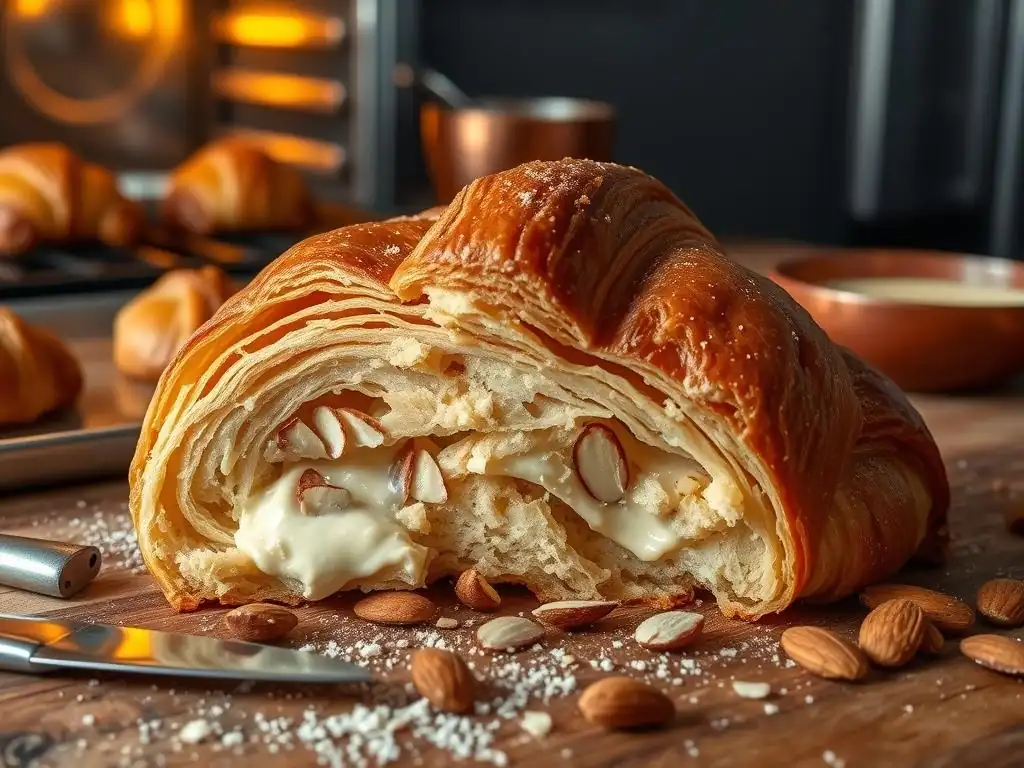
Welcome to BakeWithEase, your trusted companion on your baking journey! Ever wondered what the real secret is behind those irresistibly crispy almond croissants you crave? We're about to unveil the technique, and it's simpler than you might think. Prepare to elevate your baking game with our guide to achieving almond croissant perfection. Keep reading to discover our double-baking method and unlock the secrets to that delightful, flaky texture.
- The Secret to Crispy Almond Croissants (Double Baking) - BakeWithEase
- Introduction to Crispy Almond Croissants: A BakeWithEase Guide
- Understanding the Crispy Almond Croissant Baking Process
- Crispy Almond Croissant Recipe: Ingredients and Equipment
-
Step-by-Step Guide: Double Baking for Ultimate Crispness
- Step 1: Preparing Day-Old Croissants for Almond Transformation
- Step 2: Making the Almond Frangipane Filling
- Step 3: Assembling the Almond Croissants: Soak, Fill, and Top
- Step 4: The First Bake: Setting the Frangipane
- Step 5: Preparing the Almond Topping and Syrup
- Step 6: The Second Bake: Achieving Maximum Crispness
- Step 7: Cooling and Finishing Touches
- Crispy Almond Croissant Baking Tips for Home Bakers
- Troubleshooting Common Crispy Almond Croissant Problems
- Variations and Enhancements for Your Crispy Almond Croissants
- Storing and Serving Your Homemade Crispy Almond Croissants
- Conclusion: Enjoying Your Crispy Almond Croissant Masterpiece
-
Frequently Asked Questions
- How does double baking make almond croissants crispier?
- What type of almonds are best for crispy almond croissants?
- Can I use day-old croissants for almond croissants?
- What's the best temperature for the second bake to achieve maximum crispness?
- How can I prevent the almond croissant filling from leaking out during baking?
- Final Reflection: The Enduring Allure of the Perfectly Crispy Croissant
- Unleash Your Inner Croissant King!
The Secret to Crispy Almond Croissants (Double Baking) - BakeWithEase
Introduction to Crispy Almond Croissants: A BakeWithEase Guide
Elevate Your Baking: Mastering the Crispy Almond Croissant
Welcome to the delightful world of enhanced pastries! If you've mastered the basic croissant and are looking to take your skills to the next level, perfecting the crispy almond croissant is a fantastic goal. These aren't just croissants with almond paste; they are a transformation, taking a day-old pastry and giving it a second life that's even more indulgent and texturally exciting than the first.
The key lies in understanding how the ingredients interact during the double baking process to create that signature crackly top and soft, flavorful interior. It's a technique favored by patisseries worldwide, and with the right crispy almond croissant baking tips, you can achieve professional results right in your own kitchen.
Baking these treats involves a few distinct stages, each contributing to the final product's success. From the initial preparation of the base croissant to the creation of a rich frangipane filling and the crucial second bake, every step matters. This guide from BakeWithEase will walk you through the nuances, providing practical advice and insights. We'll delve into the specifics of ingredient ratios, temperature control, and handling techniques that separate a good almond croissant from a truly great, crispy one. Get ready to impress yourself and your loved ones with these elevated pastries.
Why Double Baking is Key to the Perfect Crispy Almond Croissant
The secret weapon behind the unparalleled texture of a great almond croissant is the double baking method. Unlike a standard croissant baked only once from raw dough, the almond version typically starts with a pre-baked, often day-old, croissant. This initial bake establishes the foundational structure and flakiness.
The second bake, after the croissant has been filled and soaked, serves multiple critical functions. Firstly, it allows the frangipane filling to cook through and set, transforming from a soft paste into a luscious, slightly firm center. Secondly, and perhaps most importantly for achieving that desired crispiness, the heat interacts with the sugar and butter in the frangipane and any added syrup, caramelizing and drying the surface of the pastry.
Consider the science: during the second bake, moisture from the frangipane and soaking syrup evaporates from the surface layers of the croissant. The sugars brown and harden, creating a brittle, shatteringly crisp crust that contrasts beautifully with the tender, almond-rich interior. Without this second exposure to heat, the filling would remain uncooked or gooey, and the croissant exterior would be soft or merely warmed, lacking that essential textural contrast.
This double process is fundamental to producing the signature delightful bite of a truly authentic and crispy almond croissant. Mastering crispy almond croissant baking tips around this second bake is paramount.
Understanding the Crispy Almond Croissant Baking Process
What Makes a Crispy Almond Croissant Different?
A crispy almond croissant stands apart from its plain counterpart due to several key features, primarily its texture, flavor profile, and the unique baking process it undergoes. While a classic croissant is celebrated for its light, airy layers and buttery flakiness, the almond version introduces a richer, denser element with the frangipane filling and a distinctly crispy exterior.
This crispness isn't just a slight crunch; it's a more pronounced, almost brittle texture on the surface, often enhanced by toasted sliced almonds and a dusting of powdered sugar. The flavor shifts from purely buttery to a complex mix of butter, sweet almond, and sometimes a hint of liqueur or vanilla, soaked into the pastry.
The transformation begins with a base croissant that has already completed its first bake. This allows the pastry's structure to be set before it's subjected to soaking and filling, which would otherwise compromise the delicate layers of raw dough. The addition of the almond frangipane, a rich cream made from ground almonds, sugar, butter, and eggs, adds weight and moisture.
When this filled pastry is baked again, the exterior sugars caramelize, and the surface dries out more significantly than in a single bake, resulting in that characteristic crispy finish. Understanding these fundamental differences is the first step in mastering crispy almond croissant baking tips.
The Importance of Twice-Baked Croissants
As highlighted earlier, the twice-baked nature is non-negotiable for achieving the desired outcome in a crispy almond croissant. This method isn't just a tradition; it's a functional necessity rooted in how the ingredients behave under heat. When a pre-baked croissant is used, its internal structure is already stable. This allows it to absorb a significant amount of soaking syrup (often a simple sugar syrup, sometimes flavored with rum or orange blossom water) without collapsing into a soggy mess. The syrup adds moisture back into the slightly stale pastry and provides surface sugar for caramelization during the second bake.
The second bake, typically conducted at a moderate temperature (around 170-180°C or 340-350°F) for a substantial period (often 15-25 minutes), is where the magic happens. It allows the frangipane to bake fully and creates the signature crispy crust. Without this second round in the oven, the frangipane would remain undercooked, and the surface wouldn't develop the required dryness and caramelization for that satisfying crunch. It's this deliberate re-baking that elevates a simple almond-filled pastry to the iconic, texturally complex crispy almond croissant we know and love. Implementing effective crispy almond croissant baking tips for this stage is crucial.
Crispy Almond Croissant Recipe: Ingredients and Equipment
Essential Ingredients for Crispy Almond Croissants
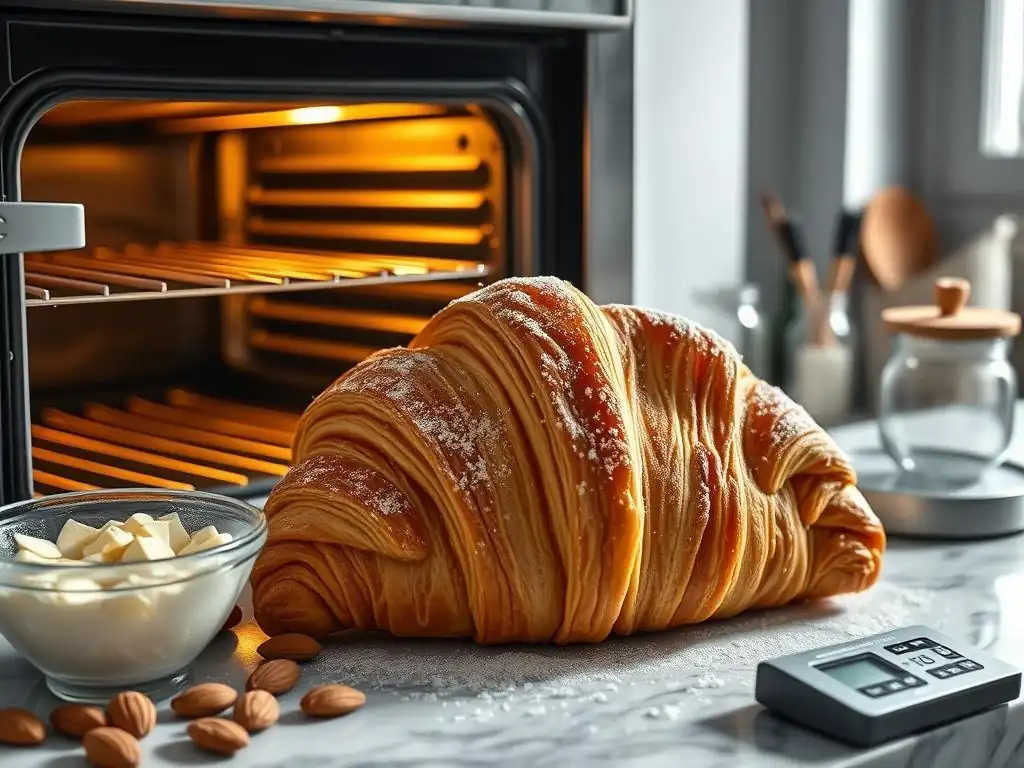
Creating delicious crispy almond croissants requires a few key components, starting with the foundation:
- Day-old Croissants: Approximately 6-8 medium-sized, pre-baked croissants. Using day-old pastries is traditional and works best as they are slightly drier and absorb the soaking syrup effectively without becoming overly saturated. Fresh croissants are too delicate and can become soggy.
- Almond Frangipane: This is the heart of the filling. You'll need:
- 100g Unsalted Butter, softened
- 100g Granulated Sugar
- 100g Fine Almond Flour (or ground almonds)
- 1 Large Egg
- 1/2 tsp Almond Extract (optional, but enhances flavor)
- A pinch of Salt
- Soaking Syrup: A simple syrup is needed to moisten the croissants.
- 100g Water
- 100g Granulated Sugar
- Optional flavorings: 1 tbsp Rum, 1/2 tsp Vanilla Extract, or a strip of orange peel.
- Topping:
- Approximately 50-70g Sliced Almonds
- Powdered Sugar for dusting
These ingredients, when combined through the specific double-baking process, yield the rich flavor and signature crispy texture. The quality of your almond flour and butter will significantly impact the final taste and consistency of the frangipane, so opt for good quality options where possible. Ensuring your croissants are indeed day-old is one of the simplest yet most effective crispy almond croissant baking tips.
Must-Have Baking Equipment for Almond Croissant Perfection
While you don't need a professional patisserie setup, having the right tools will make the process smoother and contribute to better results when making crispy almond croissants.
- Sharp Serrated Knife: Essential for cleanly slicing the croissants horizontally without crushing them. A bread knife works well here.
- Small Saucepan: For making the soaking syrup.
- Whisk or Electric Mixer: To cream the butter and sugar for the frangipane and incorporate other ingredients smoothly. A stand mixer with a paddle attachment or a hand mixer is ideal for achieving a light and airy frangipane texture.
- Mixing Bowls: Several bowls will be needed for the frangipane, soaking syrup (if transferring), and holding sliced almonds.
- Pastry Brush: Crucial for generously applying the soaking syrup to the croissants.
- Baking Sheets: At least one, preferably two, lined with parchment paper or silicone mats. This prevents sticking and makes cleanup easy.
- Oven: A reliable oven with consistent temperature is key for the crucial second bake to achieve the perfect crispy finish. An oven thermometer can be helpful to verify accuracy.
- Wire Cooling Rack: To cool the finished croissants.
Having these basic pieces of equipment ensures you can execute each step of the process efficiently, from slicing and filling to the critical double bake. Proper preparation with the right tools is a foundational element of successful crispy almond croissant baking tips.
Step-by-Step Guide: Double Baking for Ultimate Crispness
Step 1: Preparing Day-Old Croissants for Almond Transformation
The journey to a crispy almond croissant begins with the base pastry. As mentioned, using day-old croissants is highly recommended. They should still be in good condition but slightly drier than fresh ones. Begin by taking each croissant and slicing it horizontally through the middle, almost like opening a book, but leave a small hinge intact on one side. This creates a pocket for the frangipane while keeping the two halves connected. Use a sharp serrated knife for a clean cut that doesn't squash the delicate layers.
Once sliced, the croissants are ready to be moistened. Prepare your soaking syrup by heating the water and sugar in a small saucepan until the sugar is completely dissolved. If adding flavorings like rum or vanilla, stir them in after removing the syrup from the heat. Let the syrup cool slightly so it's warm, not boiling hot.
Using a pastry brush, generously brush the inside surfaces of both halves of each croissant with the warm syrup. Some bakers also lightly brush the exterior. The goal is to rehydrate the pastry slightly and introduce sugar for later caramelization, but avoid soaking them so much they become saturated and fall apart. Aim for even coverage.
Step 2: Making the Almond Frangipane Filling
While the croissants are soaking up the syrup, prepare the luscious almond frangipane. In a mixing bowl, cream together the softened unsalted butter and granulated sugar until the mixture is light and fluffy. This usually takes about 2-3 minutes with an electric mixer. Scraping down the sides of the bowl is important to ensure everything is well combined.
Next, beat in the large egg until fully incorporated. The mixture might look slightly curdled initially, but keep mixing until it smooths out. Stir in the fine almond flour (ground almonds) and the pinch of salt. If using, add the almond extract at this stage. Mix until just combined; do not overmix once the almond flour is added. The frangipane should be a thick, spreadable paste. It should hold its shape somewhat but be soft enough to pipe or spoon easily. This rich filling is central to the flavor and texture of the crispy almond croissant.
Step 3: Assembling the Almond Croissants: Soak, Fill, and Top
With the croissants sliced and brushed with syrup, and the frangipane ready, it's time for assembly. Open up each sliced croissant. Using a spoon or a piping bag (a piping bag makes it neater), generously fill the inside of each croissant with the almond frangipane. Spread the frangipane evenly over the bottom half of the croissant, making sure to get it into the corners. Use a substantial amount – typically 2-3 tablespoons per croissant, depending on its size. The frangipane will spread slightly as it bakes, so don't overfill to the point where it oozes out excessively.
Close the top half of the croissant over the frangipane filling, gently pressing down slightly to sandwich the filling. At this point, the croissants are filled but not yet topped. Place the assembled croissants on your prepared baking sheet, ensuring they are spaced a few inches apart to allow for heat circulation during baking. Some frangipane will inevitably be visible around the edges, which is desirable as it will bake into a delicious, slightly caramelized crust.
Step 4: The First Bake: Setting the Frangipane
Wait, didn't we already use pre-baked croissants? Yes! This step refers to the first bake of the assembled almond croissant, where the frangipane is cooked and the structure is set before the final crisping stage. Preheat your oven to a moderate temperature, around 170-180°C (340-350°F). This temperature is lower than a typical bread bake, which helps the frangipane cook through without burning the exterior too quickly.
Place the baking sheet with the assembled croissants in the preheated oven. Bake for approximately 10-15 minutes. During this time, the frangipane inside will begin to set and puff up slightly. The exterior of the croissant will start to feel firm, but it won't have developed its final crispy texture yet. This bake is essentially about cooking the filling and preparing the surface for the subsequent steps. Monitoring them is key; they should be lightly golden, not deeply browned at this stage.
Step 5: Preparing the Almond Topping and Syrup
While the croissants are undergoing their initial bake with the frangipane, prepare the elements for the final touches. If you haven't already, toast your sliced almonds. You can do this gently in a dry pan over medium heat, stirring frequently until they are lightly golden and fragrant, or spread them on a small baking sheet and toast them in the oven for 5-8 minutes at around 160°C (320°F), watching them closely as they can burn quickly. Toasted almonds add a deeper nutty flavor and extra crunch to the final product.
You will also need the remaining soaking syrup, or make a little more if you used all of it in Step 1. This syrup will be brushed onto the exterior of the croissants after the first bake to provide more sugar for caramelization and help the sliced almonds adhere. Ensure the syrup is warm enough to be easily brushed. Have your toasted sliced almonds and powdered sugar ready for the final assembly and finishing steps.
Step 6: The Second Bake: Achieving Maximum Crispness
This is the critical stage where the crispy almond croissant earns its name! Once the croissants have finished their first bake (frangipane set, lightly golden), remove them from the oven. Immediately and generously brush the tops and sides of each croissant with the warm soaking syrup prepared in Step 5. This rehydrates the surface slightly and provides the necessary sugar for caramelization.
While the syrup is still wet, press a generous amount of toasted sliced almonds onto the top and sides of each croissant. Don't be shy with the almonds; they contribute significantly to the crispy texture and appearance. Return the loaded croissants to the oven, which should still be at 170-180°C (340-350°F). Bake for another 10-15 minutes, or until the frangipane oozing from the sides is deeply golden brown and the sliced almonds on top are toasted to a rich brown color.
The surface of the croissant should feel firm and look dry and crispy. This second bake is longer and hotter than the first (relative to the state of the pastry), focusing on drying out and caramelizing the exterior. This double heat exposure is a core element of successful crispy almond croissant baking tips.
Step 7: Cooling and Finishing Touches
Once the crispy almond croissants emerge from their second bake, they will be very hot and the frangipane will be bubbling. Carefully transfer them from the baking sheet to a wire cooling rack using a spatula. It's important to cool them on a rack to allow air circulation around all sides, preventing the bottoms from becoming soft with trapped steam.
Allow the croissants to cool for at least 15-20 minutes before handling them too much. As they cool, the caramelized sugars on the exterior will harden, further enhancing the crispy texture. Just before serving, give them a generous dusting of powdered sugar. This classic finish adds a touch of sweetness and visual appeal, contrasting beautifully with the dark, caramelized crust and toasted almonds. Serve them slightly warm for the best experience, where the frangipane is still soft and the exterior is wonderfully crisp.
Crispy Almond Croissant Baking Tips for Home Bakers
Achieving the Perfect Texture: Tips for Crispy Layers
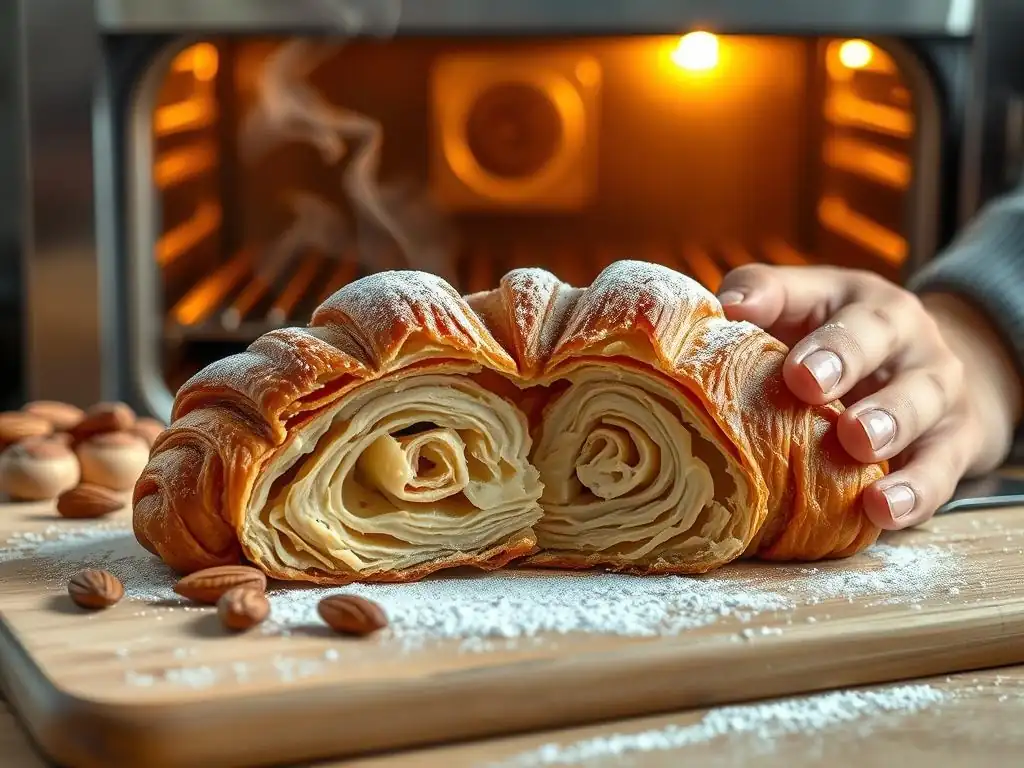
Getting that ideal crispy texture on your almond croissants involves several factors beyond just the double bake. Firstly, start with good quality day-old croissants that have well-defined layers from their initial bake. If the base croissant is poor, the final texture will suffer. Secondly, don't skimp on the soaking syrup before the second bake. A generous application provides the necessary sugar for the surface to caramelize and crisp up.
Thirdly, ensure your oven temperature is accurate during the second bake. Too low, and the surface won't dry and crisp sufficiently; too high, and it might burn before the frangipane is fully set and the exterior is properly caramelized. Baking at around 170-180°C (340-350°F) for 10-15 minutes in the second round is a good starting point, but watch for visual cues: deeply golden frangipane edges and richly toasted almonds.
Finally, cooling on a wire rack is non-negotiable. Placing hot croissants on a solid surface traps steam and will immediately begin to soften the hard-earned crispy crust. Implementing these crispy almond croissant baking tips will greatly improve your results.
Preventing Soggy Croissants: Double Baking Techniques
Preventing sogginess is a primary concern when making twice-baked pastries. The most common culprits are over-soaking the base croissant and insufficient baking during the second phase. When applying the soaking syrup in Step 1, brush generously but avoid dipping the entire croissant. The goal is to moisten and add sugar, not saturate the pastry. Excess syrup can make the frangipane filling too wet and prevent the exterior from crisping.
During the second bake (Step 6), ensure the oven temperature is adequate and the baking time is sufficient. The heat needs to penetrate the pastry, cook the frangipane, and, crucially, evaporate moisture from the surface layers. If your croissants aren't crisping up, they likely need more time in the oven.
Look for visual cues like deep golden-brown frangipane and toasted almonds, which indicate moisture has evaporated and sugars have caramelized. Don't be afraid to bake them until they look significantly browned on the outside; that's where the crispness comes from. Proper execution of these crispy almond croissant baking tips focused on the second bake is key to avoiding a soggy outcome.
Mastering the Frangipane: Flavor and Consistency
The frangipane is the delicious core of the almond croissant, and its quality directly impacts the final product. The consistency of your frangipane should be thick but spreadable, like a firm paste. If it's too runny, it will ooze out excessively during baking and might make the croissant soggy. If it's too stiff, it will be hard to spread and result in a dry filling. Ensure your butter is properly softened (not melted) before creaming with the sugar.
For flavor, good quality almond flour provides the best base. A touch of almond extract enhances the nutty flavor, but use it sparingly as it can be overpowering. Some bakers add a tablespoon of rum, amaretto, or orange blossom water to the frangipane for added complexity, which pairs wonderfully with almond.
Ensure the frangipane is mixed until just combined after adding the almond flour; overmixing can develop the gluten in the flour (even nut flour has some protein) and result in a tougher texture. Tasting a tiny bit of the raw frangipane can help you adjust the sweetness or almond flavor before baking. Mastering frangipane is a crucial part of effective crispy almond croissant baking tips.
Getting the Right Color: Baking Time and Temperature
Achieving the perfect rich, golden-brown color on your crispy almond croissants is a visual cue that indicates they have developed the desired crispy texture and caramelized flavor. This color is primarily developed during the second bake. The sugars in the soaking syrup and the frangipane caramelize under heat, turning from pale to deep brown. The sliced almonds on top also toast and darken.
Baking temperature and time in the second bake (Step 6) are critical here. A temperature range of 170-180°C (340-350°F) is generally effective. Baking time can vary depending on your oven and the size of the croissants, but typically falls between 10-15 minutes, sometimes up to 20 minutes. Don't rely solely on time; watch the color.
You are looking for a deep golden-brown on the frangipane that has oozed out and on the sliced almonds. A pale color usually means the surface hasn't caramelized and dried sufficiently to be truly crispy. If they are browning too quickly, you might need to slightly lower the temperature or tent them loosely with foil, but ensure they bake long enough for the internal frangipane to set and the exterior to crisp. These visual indicators are vital crispy almond croissant baking tips.
Troubleshooting Common Crispy Almond Croissant Problems
Soggy Croissants: Causes and Solutions
Soggy crispy almond croissants are disappointing, but the issue can usually be traced back to a few common causes. The most frequent culprits are over-soaking the base croissant with syrup, or not baking the croissants long enough or hot enough during the second bake. If you dipped the croissants entirely in the syrup instead of brushing, they might have absorbed too much liquid. Solution: Brush the syrup on, focusing on the cut surfaces, and be generous but not drowning.
Insufficient baking time or temperature during the second bake prevents moisture from evaporating and sugars from caramelizing. If your oven runs cool, verify its temperature with an oven thermometer. Solution: Increase the baking time in the second bake until the croissants are deeply golden brown and the exposed frangipane is caramelized. Ensure they are baked at the recommended temperature range (170-180°C / 340-350°F).
Another cause could be cooling on a solid surface. Solution: Always cool on a wire rack to allow steam to escape. By adjusting your soaking technique and prioritizing the second bake's duration and temperature, you can avoid this common pitfall and ensure a truly crispy result, applying essential crispy almond croissant baking tips.
Dry Croissants: Hydration and Baking Time Adjustments
While sogginess is a common problem, ending up with dry almond croissants can also happen, usually due to insufficient moisture or over-baking. If the base croissants were excessively stale or dry to begin with, even the syrup might not fully rehydrate them. Solution: Try to use day-old croissants that are still relatively pliable, not rock hard. Ensure you are generous when brushing the soaking syrup onto the cut surfaces; don't be too light-handed.
Over-baking during the second phase can dry out both the frangipane and the pastry itself, resulting in a hard, rather than crispy, exterior and a dry filling. While you want the exterior to be crisp, you don't want it to be brittle or tough. Solution: Monitor the croissants closely during the second bake after about 10 minutes.
Look for the deep golden-brown color and crisp texture, but remove them before the frangipane or almonds look burnt or excessively dark. If your oven runs hot, you might need to slightly reduce the temperature or baking time. Balancing hydration from the syrup with proper baking time is key to preventing dryness, a vital aspect of crispy almond croissant baking tips.
Frangipane Issues: Consistency and Flavor Corrections
Problems with frangipane can range from a filling that's too runny or too dry to one that lacks flavor. If your frangipane is too runny, it might be because the butter was too soft (melted) or you added too much egg or liquid (like rum). Solution: Ensure butter is only softened, not melted. If the mixture is too wet, you can try adding a tablespoon or two more almond flour, but be careful not to add too much, which can make it dry.
If the frangipane is too dry or stiff, it could be due to not creaming the butter and sugar enough, using too much almond flour, or the butter being too cold. Solution: Ensure ingredients are at room temperature. Cream butter and sugar properly. If it's too stiff, you can try adding a tiny splash of milk or an extra egg yolk (not a whole egg, which adds too much liquid) to loosen it, but be cautious.
For flavor issues, ensure your almond flour is fresh and good quality. Adjust sweetness to your preference. If it tastes bland, add a pinch more salt or a tiny bit more almond extract or flavoring (like rum). Getting the frangipane right is foundational to great crispy almond croissant baking tips.
Variations and Enhancements for Your Crispy Almond Croissants
Adding Flavors: Exploring Different Extracts and Spices
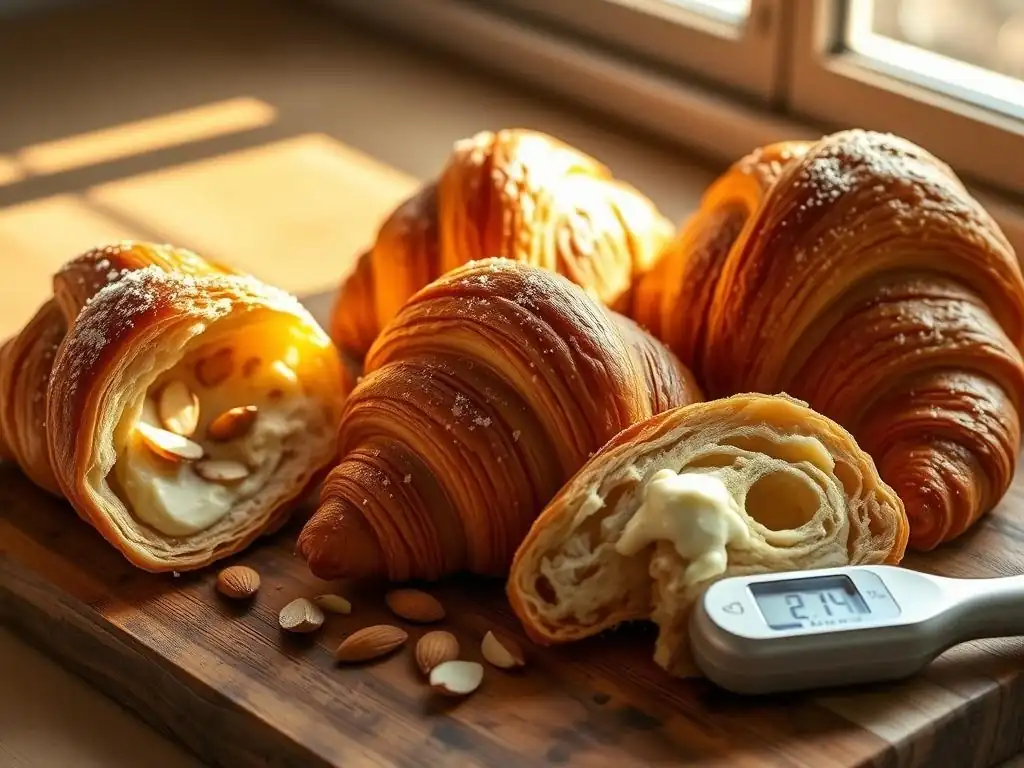
While classic almond is delicious, you can easily customize your crispy almond croissants by incorporating other flavors into the frangipane or soaking syrup. Vanilla extract is a natural addition that complements the almond beautifully; add 1/2 to 1 teaspoon to the frangipane along with the almond extract. Citrus zests, particularly orange or lemon, can brighten the flavor profile; add a teaspoon of finely grated zest to the frangipane or infuse the soaking syrup with a strip of peel.
Spices like cardamom, cinnamon, or nutmeg can add warmth and complexity. A pinch of ground cardamom in the frangipane offers an aromatic twist. For a more festive feel, a touch of ground cinnamon or mixed spice can be lovely, especially in autumn or winter. Consider adding a tablespoon of liqueur to the frangipane or soaking syrup – rum, amaretto (almond liqueur), or even Grand Marnier (orange liqueur) are excellent choices that enhance both flavor and moisture retention, contributing to the overall success of your crispy almond croissant baking tips.
Nut Variations: Pecans, Hazelnuts, and More
Don't feel limited to just almonds! The frangipane principle works well with other nuts, allowing you to create exciting variations of the crispy double-baked pastry. Pecan frangipane is rich and buttery; simply substitute finely ground pecans for the almond flour (ensure they are ground very finely, almost to a flour consistency, not chunky). This pairs wonderfully with a hint of maple extract or bourbon in the frangipane or syrup.
Hazelnut frangipane is another popular variation, often used in pastries like Paris-Brest. Use finely ground hazelnuts (often sold as hazelnut meal or flour) in place of almond flour. Toasted hazelnuts provide an even deeper flavor. This variation pairs exceptionally well with chocolate. Experimenting with different nuts allows you to expand your baking repertoire and discover new favorite flavor combinations for your crispy almond croissant baking tips.
Chocolate Almond Croissants: A Decadent Twist
Combining chocolate and almond is a classic pairing, and it works wonderfully in a crispy almond croissant. There are a couple of ways to incorporate chocolate. One method is to add cocoa powder or melted chocolate to the frangipane itself. For example, you can whisk 1-2 tablespoons of unsweetened cocoa powder into the dry almond flour mixture before adding it to the creamed butter and sugar. Alternatively, fold in 20-30g of finely chopped dark chocolate or chocolate chips into the finished frangipane.
Another delicious approach is to add a layer of chocolate inside the croissant along with the frangipane. After spreading the frangipane on the bottom half, place a few squares of good quality dark or milk chocolate (or a tablespoon of chocolate chips) on top of the frangipane before closing the croissant. As the pastry bakes, the chocolate will melt into a gooey layer within the almond filling, creating a truly decadent treat. This decadent twist adds a new dimension to your crispy almond croissant baking tips.
Storing and Serving Your Homemade Crispy Almond Croissants
Best Practices for Storing Almond Croissants
Proper storage is key to maintaining the quality, especially the crispy texture, of your homemade almond croissants. Once they have cooled completely on a wire rack, they are best enjoyed the same day they are baked for optimal crispness. However, they can be stored for later enjoyment.
Store cooled crispy almond croissants in an airtight container at room temperature for up to 2 days. Avoid refrigerating them, as the cold temperature can negatively affect the texture and flavor, making them dense and causing the exterior to lose its crispness. If you need to store them for longer, they freeze exceptionally well. Wrap each cooled croissant individually in plastic wrap, then place them together in a freezer-safe bag or container for up to 1-2 months. Proper storage ensures your efforts in applying crispy almond croissant baking tips aren't wasted.
Reheating for Optimal Crispness
One of the great advantages of crispy almond croissants is how well they reheat, allowing you to revive that wonderful texture. If stored at room temperature, preheat your oven to around 160-170°C (320-340°F). Place the croissants directly on a baking sheet (no need for parchment unless you want easier cleanup). Bake for 5-10 minutes, or until they are warmed through and the exterior has re-crisped. Watch them closely to prevent burning the almonds.
If reheating from frozen, do not thaw first. Place the individually wrapped croissants on a baking sheet and bake in a preheated oven at 160-170°C (320-340°F) for about 15-20 minutes, or until heated through and crispy. The goal is to gently warm them and reactivate the sugars on the surface to bring back the crunch without drying them out. Reheating properly is a final, important step in enjoying your crispy almond croissant baking tips success.
Conclusion: Enjoying Your Crispy Almond Croissant Masterpiece
BakeWithEase: Your Journey to Crispy Almond Croissant Success
You've now unlocked the secrets to creating truly exceptional crispy almond croissants using the classic double-baking method. From understanding why the second bake is essential for that signature texture to mastering the frangipane and troubleshooting common issues, you have the knowledge to bake like a pro. Remember that practice makes perfect, and each batch will help you refine your technique, particularly in judging the perfect baking time and temperature for that ultimate crispy finish. Don't be discouraged if your first attempt isn't absolutely perfect; baking is a journey of learning and delicious discovery.
At BakeWithEase, our goal is to empower you with the confidence and skills to tackle intermediate pastries like these. By applying these detailed crispy almond croissant baking tips, you are well on your way to producing pastries that rival those from your favorite bakery. Enjoy the process, savor the incredible aroma filling your kitchen, and most importantly, delight in the flaky, rich, and wonderfully crispy results of your hard work. Share them with friends and family, or keep them all to yourself – you've earned it! Happy Baking!
Frequently Asked Questions
How does double baking make almond croissants crispier?
Double baking helps to remove excess moisture and caramelize the almond topping more effectively. This results in a crispier, more textured final product.
What type of almonds are best for crispy almond croissants?
Sliced almonds are ideal for the topping because they provide maximum surface area for crisping. Almond flour or paste is also crucial for the frangipane filling, adding moisture and almond flavor.
Can I use day-old croissants for almond croissants?
Yes, using day-old croissants is actually recommended! Slightly stale croissants absorb the almond syrup better and become wonderfully crispy after the second bake, reducing waste and enhancing flavor.
What's the best temperature for the second bake to achieve maximum crispness?
A slightly lower temperature, around 325-350°F (160-175°C), is recommended. This allows the croissants to dry out slowly and develop a golden-brown, crispy exterior without burning.
How can I prevent the almond croissant filling from leaking out during baking?
Ensure the frangipane filling is not overly wet and that the croissants are properly sealed. Baking them on a parchment-lined sheet can also catch any potential leaks and prevent sticking.
Final Reflection: The Enduring Allure of the Perfectly Crispy Croissant
The pursuit of the perfect croissant, with its shatteringly crisp layers and delicate almond topping, is more than just a culinary quest; it's a testament to the enduring power of patience and precision in baking. This article explored the often-overlooked secret to achieving that coveted crispness: double baking. We delved into the science behind the process, examining how a second, lower-temperature bake transforms a good croissant into a truly exceptional one. This isn't just about a recipe; it's about mastering a technique that elevates the entire baking experience.
The impact of mastering techniques like double baking extends far beyond the individual croissant. It speaks to a broader appreciation for the artistry and dedication involved in creating something truly delicious. It's about understanding the nuances of ingredients and processes, and the satisfaction that comes from transforming simple elements into something extraordinary. As Julia Child once wisely said, Find something you're passionate about and keep tremendously interested in it.
For me, that passion lies in the pursuit of the perfect bake, and sharing that journey with others. The joy of a perfectly crisp almond croissant is a shared experience, connecting bakers and eaters alike through a common appreciation for culinary excellence.
Now, I invite you to take what you've learned and apply it to your own baking endeavors. Don't be afraid to experiment, to tweak the techniques, and to embrace the occasional imperfection. The journey towards mastering the art of the crispy almond croissant is a rewarding one, filled with delicious discoveries and the satisfaction of creating something beautiful and delicious. So, gather your ingredients, preheat your oven, and embark on your own culinary adventure. The perfectly crispy croissant awaits!
Unleash Your Inner Croissant King!
Thanks for taking the time to explore the art of perfectly crispy almond croissants! You've just unlocked a secret weapon in your baking arsenal. Now it's time to put your new skills to the test.
- Bake a batch of these amazing croissants this weekend! Use the techniques you just learned to create an unforgettable treat for yourself or loved ones. Imagine the delicious aroma filling your kitchen...
- Share your baking journey – post a photo of your creations on social media using #BakeWithEaseAlmondCroissants and tag us! We’d love to see your masterpiece.
- Consider experimenting with different nut varieties – what other delicious combinations can you dream up?
Ready to transform your baking game? What delicious variations will you create with your newfound croissant expertise?