
Easy Torrone Recipe (Baked Version) for the Holidays


Welcome to BakeWithEase, your passport to a world of delicious baking adventures! Ever dreamt of crafting authentic holiday treats without the fuss? This week, we're diving into a simplified, baked take on a classic Italian confection. Discover our Easy Baked Torrone Holiday Recipe and unlock the secrets to creating this festive delight in your own kitchen. Curious about how to achieve that perfect balance of sweet, nutty, and chewy? Read on and let's get baking!
- Discover the Best Easy Baked Torrone Holiday Recipe
- What is Torrone? Unveiling a Classic Italian Confection
- Why Make Your Own Torrone? The Advantages of Homemade
-
Easy Baked Torrone Holiday Recipe: Step-by-Step Guide
- Gathering Your Ingredients for Baked Torrone
- Preparing Your Baking Sheet or Mold
- Cooking the Honey-Sugar Syrup to the Perfect Stage
- Whipping the Egg Whites
- Combining Syrup and Egg Whites to Form Nougat
- Incorporating the Nuts and Flavorings
- Spreading and Cooling Your Baked Torrone
- Breaking and Storing Your Peanut Brittle
- Cutting and Storing Your Baked Torrone
- Tips and Tricks for the Perfect Baked Torrone
- Serving Suggestions for Your Homemade Holiday Torrone
- Embrace the Italian Confection Tradition with this Easy Baked Torrone Recipe
-
Frequently Asked Questions
- What is Torrone and why should I try this easy baked recipe?
- What makes this Torrone recipe "easy" compared to other recipes?
- What are the key ingredients needed for this baked Torrone recipe?
- Can I substitute ingredients in this easy baked Torrone recipe?
- How long does this baked Torrone take to make, from start to finish?
- Final Reflection: The Sweet Symphony of Tradition and Ease
- Unleash Your Inner Pastry Chef: Bake This Torrone Today!
Discover the Best Easy Baked Torrone Holiday Recipe
Embarking on the journey of making traditional Italian confections at home can seem daunting, but crafting your own torrone, especially a baked version perfect for the holidays, is a truly rewarding experience. This classic nougat, rich with nuts and often enjoyed during festive periods, offers a delightful sweetness and satisfying chewiness or crunch, depending on the style. Forget store-bought versions; a homemade easy baked torrone holiday recipe allows you to control the quality of ingredients and tailor the flavors to your liking, resulting in a treat that tastes authentically delicious and carries the warmth of your kitchen.
This guide walks you through creating a delightful baked torrone. Unlike some softer nougats, the baked method typically yields a firmer, sometimes crunchy texture, making it a wonderful contrast to other holiday sweets. We'll simplify the process, ensuring that even if you're new to candy making, you can successfully create this impressive Italian delicacy. Get ready to fill your home with the sweet aroma of honey, sugar, and toasted nuts, a true herald of holiday cheer with your very own easy baked torrone holiday recipe.
What is Torrone? Unveiling a Classic Italian Confection
Torrone is a traditional Southern European nougat confection, most commonly associated with Italy and Spain (where it's known as turrón). It's primarily made from honey, sugar, egg whites, and nuts, often almonds or hazelnuts, and sometimes pistachios. The texture can range from soft and chewy (torrone morbido) to hard and brittle (torrone duro). Its history dates back centuries, with various regions in Italy boasting their own specific variations and traditions surrounding its preparation and consumption, especially during Christmas and other festive occasions.
This beloved sweet is more than just candy; it's a symbol of celebration and togetherness in many cultures. The addition of nuts provides not only flavor and texture but also gives it a substantial, satisfying quality. While the basic ingredients remain consistent, regional differences abound, incorporating additions like citrus zest, vanilla, chocolate, or even spices. Making torrone at home connects you to this rich culinary heritage, allowing you to participate in a time-honored tradition right in your own kitchen.
A Brief History of Torrone and its Holiday Appeal
The origins of torrone are debated, with some theories tracing it back to ancient Roman times or even earlier to Arab influences in the Mediterranean. A popular legend attributes its creation to a wedding feast in Cremona, Lombardy, in 1441, where a confection shaped like the city's Torrazzo tower was served. While the exact story may be apocryphal, Cremona remains one of Italy's most famous centers for torrone production, known for its high-quality, often hard torrone.
Torrone's association with holidays, particularly Christmas, is deeply rooted in tradition. Its rich ingredients – nuts, honey, and sugar – were historically considered luxurious and celebratory. Sharing torrone during festive gatherings became a customary way to mark the special time of year. Families would often make large batches to enjoy throughout the holiday season and to give as gifts. This tradition continues today, making an easy baked torrone holiday recipe a perfect project for anyone wanting to embrace this festive spirit and share a taste of Italian heritage.
Understanding the Key Ingredients: Nuts, Honey, Sugar, and Egg Whites
At the heart of any torrone recipe are four fundamental components: nuts, honey, sugar, and egg whites. The nuts, typically whole or roughly chopped almonds and sometimes pistachios or hazelnuts, provide structure, flavor, and that characteristic bite. They are usually toasted beforehand to enhance their aroma and crunch.
Honey and sugar form the sweet base. The type of honey used can subtly influence the flavor; a lighter honey will result in a milder taste, while a darker, more robust honey will impart a distinct profile. Sugar, usually granulated, is cooked with the honey to a very high temperature.
The egg whites are whipped into a stiff meringue, and the hot sugar-honey syrup is carefully poured into the meringue, cooking the egg whites and creating the nougat base. The precise temperatures reached by the syrup and the method of combining are crucial for achieving the desired texture, whether you're aiming for a soft or a hard, baked torrone.
Why Make Your Own Torrone? The Advantages of Homemade
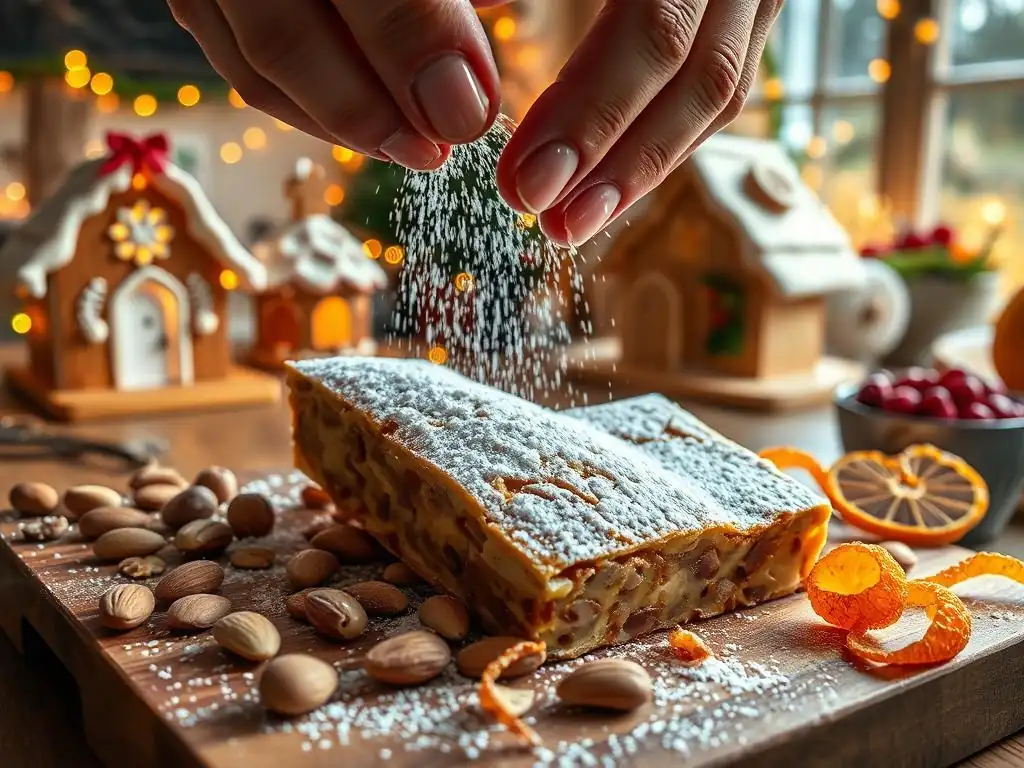
Making torrone at home, especially following an easy baked torrone holiday recipe, offers several distinct advantages over purchasing pre-made versions. Beyond the simple pleasure of creating something delicious from scratch, homemade torrone provides a level of quality and customization that is hard to match. It transforms the act of preparing a holiday treat into a meaningful and enjoyable activity, perfect for getting into the festive spirit.
One of the most significant benefits is the superior taste and texture you can achieve. Store-bought torrone can sometimes be overly sweet or have a generic flavor. When you make it yourself, you control every element, ensuring a fresh product bursting with the authentic flavors of toasted nuts and quality honey. It’s a difference you can truly taste, making your holiday treats stand out.
Freshness and Flavor: Homemade Torrone Tastes Better
There's an undeniable difference in taste and aroma when you bite into a piece of freshly made torrone. The nuts retain their crispness and toasted flavor, the honey's complex notes shine through, and the nougat base has a fresh, pure sweetness. Commercial torrone, while convenient, can sometimes have a slightly stale quality, especially if it has been sitting on shelves for a while.
Making your own ensures that you're using the freshest ingredients and enjoying the torrone at its peak. The process of cooking the syrup and incorporating the nuts releases wonderful aromas that fill your kitchen, adding another sensory layer to the holiday baking experience. This freshness translates directly into a superior flavor that simply cannot be replicated by mass-produced candies. An easy baked torrone holiday recipe guarantees this delightful freshness.
Control Over Ingredients: Adjusting Sweetness and Texture
Another major advantage of making torrone at home is the ability to control the ingredients and customize the outcome. Are you sensitive to overly sweet treats? You can slightly adjust the sugar-to-honey ratio (within limits, as candy making relies on specific proportions). Do you prefer more nuts? Add a generous handful! You can also choose the quality of your ingredients, opting for premium nuts, local honey, or high-quality vanilla extract.
Furthermore, with an easy baked torrone holiday recipe, you have some control over the final texture. While baking generally leads to a firmer result, slight adjustments in cooking temperatures or baking time can influence the chewiness or hardness. This level of customization is impossible with store-bought versions, allowing you to create a torrone that perfectly suits your personal preference or that of your loved ones.
A Fun and Engaging Holiday Activity
Making torrone, while requiring attention to detail and some patience, can be a wonderfully fun and engaging activity, especially during the busy holiday season. It's a project that can involve the whole family – perhaps older children can help measure ingredients or stir (with supervision around hot syrup), while younger ones can assist with wrapping the finished pieces.
The process, from watching the sugar and honey bubble to seeing the meringue transform into a glossy nougat and finally incorporating the nuts, is quite fascinating. It provides a tangible sense of accomplishment. Sharing the homemade torrone afterward, whether enjoying it together or gifting it, adds another layer of joy. It's a sweet tradition in itself, making this easy baked torrone holiday recipe more than just a recipe, but a festive experience.
Easy Baked Torrone Holiday Recipe: Step-by-Step Guide
Ready to create your own Italian masterpiece? This easy baked torrone holiday recipe breaks down the process into manageable steps, ensuring a smooth and successful candy-making experience. While candy making requires precision, especially with temperatures, following these instructions carefully will guide you to a delicious result. Remember, safety first when working with hot sugar syrup!
Gathering Your Ingredients for Baked Torrone
Preparation is key to successful candy making. Before you start heating anything, gather all your ingredients and have them measured out and ready to go. This prevents frantic searching mid-process when timing is crucial. Toasting your nuts beforehand is also recommended to bring out their flavor; spread them on a baking sheet and bake in a preheated oven at around 175°C (350°F) for 8-10 minutes, watching carefully to prevent burning.
List of Ingredients: Nuts (Almonds, Pistachios), Honey, Sugar, Egg Whites, Vanilla, Wafer Paper (Optional)
Here's a typical list of ingredients you'll need for an easy baked torrone holiday recipe. Approximate quantities are provided, but feel free to adjust based on your desired yield:
- ~300g (about 2 cups) Mixed Nuts (e.g., 200g whole blanched almonds, 100g pistachios), toasted
- ~200g (about 2/3 cup) Honey
- ~300g (about 1.5 cups) Granulated Sugar
- ~50ml (about 1/4 cup) Water
- 2 large Egg Whites
- 1 tsp Vanilla Extract
- Pinch of Salt
- Wafer Paper (optional, but highly recommended for easy handling and traditional presentation)
Preparing Your Baking Sheet or Mold
Baked torrone is often made in a rectangular mold or spread onto a baking sheet. If using a baking sheet, line it completely with wafer paper. If using a mold, line it with parchment paper, leaving some overhang to help lift the torrone out later, and then line the bottom and sides with wafer paper if desired. Wafer paper prevents the sticky nougat from sticking and makes it easy to handle and cut.
Ensure your prepared sheet or mold is ready before you start cooking the syrup and meringue, as the torrone needs to be spread quickly once it's ready. Having everything in place streamlines the process and minimizes stress.
Cooking the Honey-Sugar Syrup to the Perfect Stage
This is perhaps the most critical step in any nougat recipe. Combine the honey, sugar, and water in a heavy-bottomed saucepan. Stir gently over low heat until the sugar dissolves completely. Once dissolved, increase the heat to medium-high and bring the syrup to a boil without stirring (you can brush down the sides of the pan with a wet pastry brush to prevent sugar crystals from forming).
You will need a candy thermometer for accuracy. Cook the syrup until it reaches the hard-ball stage, approximately 125-130°C (257-266°F). For a firmer, baked torrone, some recipes may even go slightly higher, towards the soft-crack stage (around 140-145°C / 284-293°F). Achieving the correct temperature is vital for the final texture.
Whipping the Egg Whites
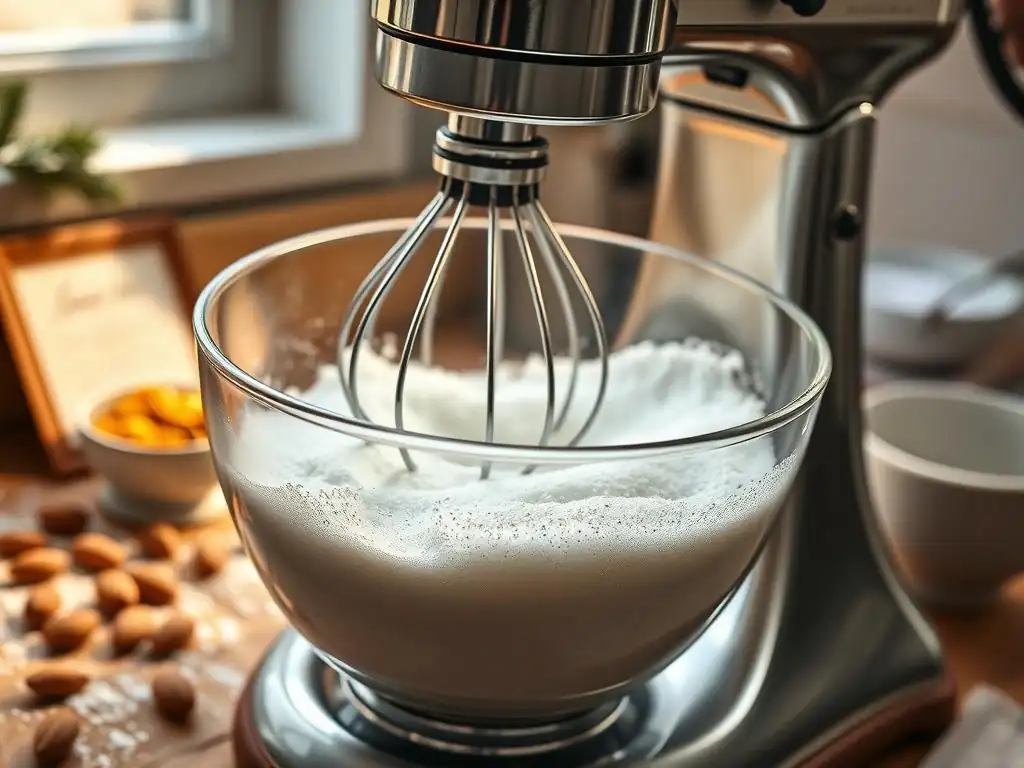
While the syrup is cooking, begin whipping the egg whites in a separate, very clean bowl (preferably a stand mixer bowl). Add a pinch of salt and whip on medium speed until soft peaks form.
Once soft peaks are achieved, gradually increase the speed and continue whipping until stiff, glossy peaks form. Be careful not to over-whip. The meringue needs to be ready just as the sugar-honey syrup reaches its target temperature.
Combining Syrup and Egg Whites to Form Nougat
This step requires caution and precision. With the mixer running on low speed, slowly and carefully pour the hot sugar-honey syrup in a thin, steady stream into the whipped egg whites. Aim the stream between the whisk and the side of the bowl to avoid splattering hot syrup onto the whisk.
Continue mixing on low speed until all the syrup is incorporated. Once incorporated, increase the speed to medium and beat the mixture. This process cooks the egg whites further and cools the nougat base slightly. You'll notice the mixture becoming very thick, glossy, and cohesive. This beating can take 10-15 minutes or even longer. The nougat is ready when it pulls away from the sides of the bowl and starts to hold its shape.
Incorporating the Nuts and Flavorings
Once the nougat base has reached the desired consistency and cooled slightly in the mixer, it's time to add the toasted nuts and vanilla extract. You can also add any other flavorings at this stage, such as citrus zest or a touch of almond extract.
Stop the mixer and fold in the warm, toasted nuts and vanilla using a sturdy spatula. Work quickly but gently to distribute the nuts evenly throughout the thick nougat. The mixture will be very stiff and sticky.
Spreading and Cooling Your Baked Torrone
Immediately transfer the hot, sticky nougat mixture to your prepared baking sheet or mold lined with wafer paper. This is where having everything ready pays off, as the mixture cools and becomes harder to work with very quickly.
Achieving an Even Layer
Use an offset spatula or a greased rolling pin (cover it with parchment paper or grease it well) to spread the nougat evenly into the prepared area. If using a mold, press it firmly into the corners. If using a baking sheet, spread it to your desired thickness, aiming for a uniform layer. Placing another sheet of wafer paper on top before pressing can make this step easier.
Breaking and Storing Your Peanut Brittle
Correction: This heading should be about Cutting and Storing Torrone, not Breaking Peanut Brittle.
Cutting and Storing Your Baked Torrone
Once the torrone has cooled completely and firmed up, it's ready to be cut. Baked torrone is typically quite firm, so you'll need a sharp, heavy knife. If it's very hard, you might need to warm the knife slightly under hot water and dry it thoroughly before cutting.
Tips for Cutting into Pieces
Cut the torrone into your desired shapes – traditional rectangles or squares are common. Working on a sturdy surface is essential. If using wafer paper, it will cut cleanly with the nougat. For easier cutting, some people find that chilling the torrone briefly helps.
Proper Storage to Maintain Texture
To keep your homemade baked torrone fresh and prevent it from becoming sticky, proper storage is key. Wrap each piece individually in wax paper or plastic wrap. Then, store the wrapped pieces in an airtight container at room temperature. Avoid refrigeration, as this can introduce moisture and make the torrone sticky. Stored correctly, homemade baked torrone can last for several weeks, although it's often enjoyed much sooner!
Tips and Tricks for the Perfect Baked Torrone
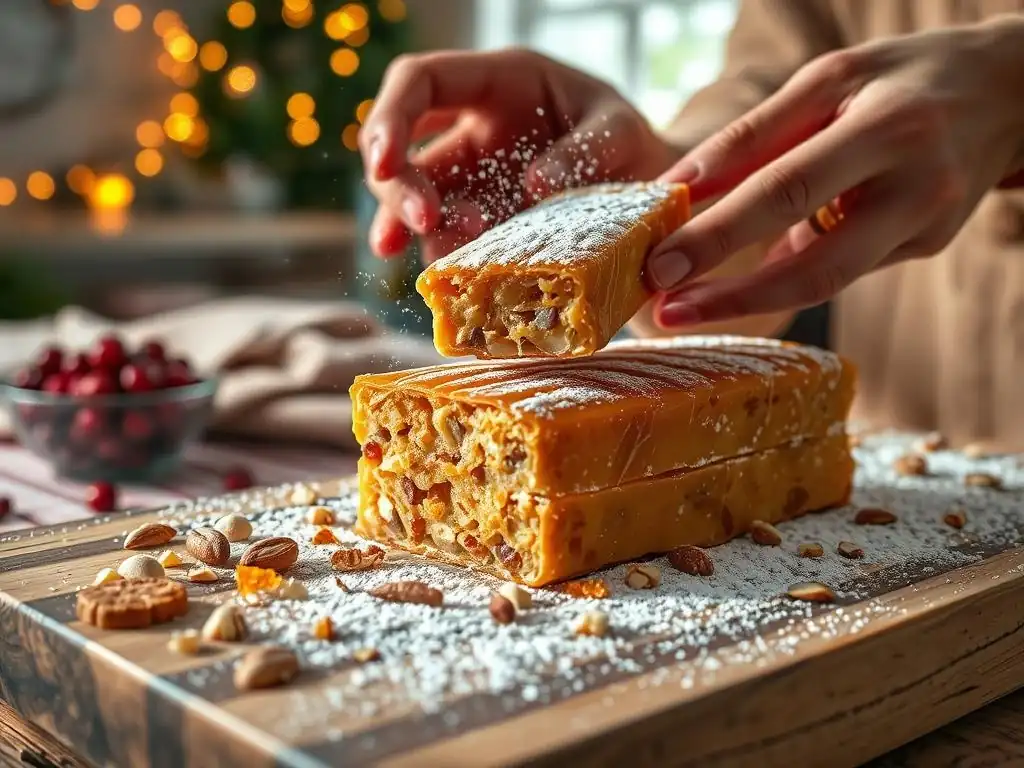
Making torrone is a skill that improves with practice. While this is an easy baked torrone holiday recipe, a few tips and tricks can help ensure your success and allow you to troubleshoot common issues that might arise during the process. Don't be discouraged if your first batch isn't absolutely perfect; candy making can be finicky!
Accuracy is paramount, especially regarding temperature. Using a reliable candy thermometer is non-negotiable. Also, humidity can affect candy making; low humidity days are generally better for making nougat and other sugar candies.
Troubleshooting Common Baked Torrone Issues
Even with careful attention, you might encounter some challenges. One common issue is the nougat not firming up properly. This is usually due to the sugar-honey syrup not reaching a high enough temperature. It needs to reach the hard-ball or soft-crack stage to provide the necessary structure.
Another potential problem is the nougat becoming too hard or brittle. This can happen if the syrup is cooked to too high a temperature (beyond the soft-crack stage) or if it's baked for too long or at too high a temperature in the oven (if your recipe includes a baking step after mixing). Pay close attention to your thermometer and oven temperature.
Preventing a Sticky Texture
A sticky torrone is often the result of insufficient cooking of the sugar-honey syrup or not beating the nougat mixture long enough after adding the syrup. The high temperature of the syrup cooks the egg whites, and the subsequent beating helps develop the structure and cool the mixture. Ensure your syrup reaches at least 125°C (257°F). Using wafer paper also significantly helps in preventing sticking during handling and storage.
Humidity can also contribute to stickiness, as sugar is hygroscopic (absorbs moisture from the air). Storing the torrone properly in an airtight container is crucial for preventing it from absorbing ambient moisture.
Achieving the Right Level of Firmness
The desired firmness of your baked torrone depends largely on the final temperature of the sugar syrup. For a firmer, more classic hard torrone, aim for the upper end of the hard-ball stage or into the soft-crack stage (around 130-145°C / 266-293°F). The baking step in a baked torrone recipe also helps to dry out the nougat slightly, contributing to firmness.
If your torrone turns out too soft, it likely means the syrup didn't get hot enough. If it's too hard, the syrup may have been too hot, or it was over-baked. Making notes of your temperatures and timings can help you adjust for future batches to achieve your perfect texture with this easy baked torrone holiday recipe.
Flavor Variations for Your Baked Torrone Recipe
While classic almond and pistachio torrone is delicious, don't hesitate to experiment with flavor variations to make your easy baked torrone holiday recipe uniquely yours. The base nougat provides a wonderful canvas for creativity.
Consider adding different types of nuts, such as hazelnuts, walnuts, or pecans, either alone or in combination with almonds and pistachios. Toasting them brings out their best flavor.
Adding Citrus Zest or Other Extracts
A popular and delightful variation is to add the zest of an orange or lemon to the nougat mixture along with the vanilla. The bright citrus notes cut through the sweetness and add a refreshing layer of flavor. Ensure you only use the colored part of the zest, avoiding the bitter white pith.
Other extracts like almond extract, orange extract, or even a touch of rosewater (used sparingly) can introduce different aromatic dimensions to your torrone. Add extracts at the same time as the vanilla.
Incorporating Dried Fruits or Chocolate
For added texture and flavor, consider folding in chopped dried fruits like cranberries, cherries, or figs along with the nuts. These add chewy pockets of sweetness and color.
Another indulgent variation is to drizzle or dip cooled torrone pieces in melted dark or milk chocolate. The combination of crunchy nougat, nuts, and smooth chocolate is irresistible. You could also fold in chopped chocolate chips or chunks along with the nuts, allowing them to melt slightly in the warm nougat.
Serving Suggestions for Your Homemade Holiday Torrone
Once your easy baked torrone holiday recipe has cooled, set, and been cut, it's time to enjoy the fruits of your labor! Homemade torrone is a versatile treat that can be enjoyed in many ways, whether as a simple snack or incorporated into more elaborate presentations.
Its firm texture makes it easy to handle, and its rich flavor profile pairs well with various beverages and other sweets. Sharing it is part of the holiday tradition, so think about how you want to present your beautiful homemade confection.
Enjoying Torrone as a Snack or Dessert
The most straightforward way to enjoy your baked torrone is simply to savor a piece as a snack alongside a cup of coffee or tea. The combination of sweet nougat, crunchy nuts, and the warmth of a hot beverage is pure comfort, especially on a chilly holiday evening.
Torrone also makes an excellent addition to a dessert platter. Arrange pieces alongside cookies, chocolates, and fresh or dried fruits for a festive spread. Its unique texture and appearance add visual interest. It can also be crumbled and used as a topping for ice cream or yogurt.
Presenting Torrone as a Festive Holiday Gift
Homemade torrone makes a deeply appreciated and thoughtful holiday gift. Its traditional nature and the effort involved in making it convey a special message.
Wrap individual pieces or small stacks in cellophane bags or tie them with festive ribbons. Arrange them in decorative tins or boxes. You can even layer different flavors or colors of torrone if you made variations. Including a small tag indicating that it's homemade adds a personal touch. Gifting your easy baked torrone holiday recipe creations is a wonderful way to share the sweetness and warmth of the season with friends and family.
Embrace the Italian Confection Tradition with this Easy Baked Torrone Recipe
Making torrone at home allows you to connect with a rich Italian culinary tradition and create a truly special holiday treat. This easy baked torrone holiday recipe provides a clear path to success, resulting in a delicious, nutty confection that's perfect for sharing. The process, while requiring care, is rewarding and becomes part of the festive joy.
From understanding the simple yet crucial ingredients to mastering the syrup temperature and adding your personal flavor touches, you're now equipped to create beautiful, tasty torrone. Enjoy the process, savor the aromas, and delight in the finished product.
There's immense joy in sharing homemade treats, especially during the holidays. Your delicious easy baked torrone holiday recipe is perfect for gifting to neighbors, friends, and family, or simply for placing in a bowl for guests to enjoy. Each piece is a testament to your effort and a little taste of Italian festive tradition. Spread the holiday cheer, one sweet, nutty bite at a time!
Frequently Asked Questions
What is Torrone and why should I try this easy baked recipe?
Torrone is a traditional Italian nougat candy, often enjoyed during the holidays. This baked version is easier than traditional methods, requiring less specialized equipment and offering a simplified process.
What makes this Torrone recipe "easy" compared to other recipes?
This recipe simplifies the process by baking the meringue base, eliminating the need for constant stirring and precise temperature control often required in traditional Torrone recipes. It also uses easy-to-find ingredients.
What are the key ingredients needed for this baked Torrone recipe?
The key ingredients include egg whites, honey, sugar, almonds (or other nuts), and vanilla extract. Some recipes may include citrus zest or other flavorings.
Can I substitute ingredients in this easy baked Torrone recipe?
While substitutions are possible, they may affect the final texture and flavor. For instance, other nuts like pistachios or hazelnuts can replace almonds. Use caution when substituting sweeteners or binding agents.
How long does this baked Torrone take to make, from start to finish?
While the baking process itself is relatively short, the entire process, including preparation, baking, cooling, and setting, typically takes around 2-3 hours. Be sure to allow sufficient cooling time for proper setting.
Final Reflection: The Sweet Symphony of Tradition and Ease
The simple act of baking torrone, a confection steeped in history, has become a surprisingly relevant act in our modern, fast-paced world. It's a reminder that even amidst the whirlwind of holiday preparations, we can find joy and connection in creating something delicious and meaningful from scratch. The ease of this baked version, however, doesn't diminish the impact; it amplifies it, making this cherished tradition accessible to everyone.
The enduring appeal of torrone lies not just in its delightful taste, but in its ability to bridge generations and cultures. It's a sweet symbol of togetherness, a taste of home, and a testament to the power of simple ingredients transformed into something extraordinary. The best things in life are simple,
a phrase often repeated, rings especially true when considering the humble yet magnificent torrone. This recipe, I hope, has helped to make that simplicity accessible, allowing you to share this tradition with loved ones and create lasting memories in the kitchen.
This holiday season, I encourage you to embrace the spirit of this recipe. Don't be intimidated by the idea of making something "from scratch." Instead, see it as an opportunity to slow down, connect with your inner chef, and create something truly special. The aroma of baking torrone will fill your home with warmth, and the taste will bring joy to your heart and the hearts of those you share it with. Let the sweet symphony of tradition and ease resonate through your holidays.
Unleash Your Inner Pastry Chef: Bake This Torrone Today!
Thanks for taking the time to explore this easy torrone recipe! We hope you've gained the confidence to tackle this delicious holiday treat. Now it's time to put your newfound skills to the test.
- Bake your own batch of irresistible torrone: Gather your ingredients and follow the recipe – you'll be amazed at how simple it is! This is your chance to impress friends and family with a homemade delight.
- Share your baking journey: Post a picture of your finished torrone on social media and tag us – we'd love to see your creations!
- Explore other holiday recipes on BakeWithEase.com for even more festive baking inspiration.
What unique twist will you add to your homemade torrone this year? Let us know in the comments below!