
Using Wine in Italian Baking: A Flavor Guide

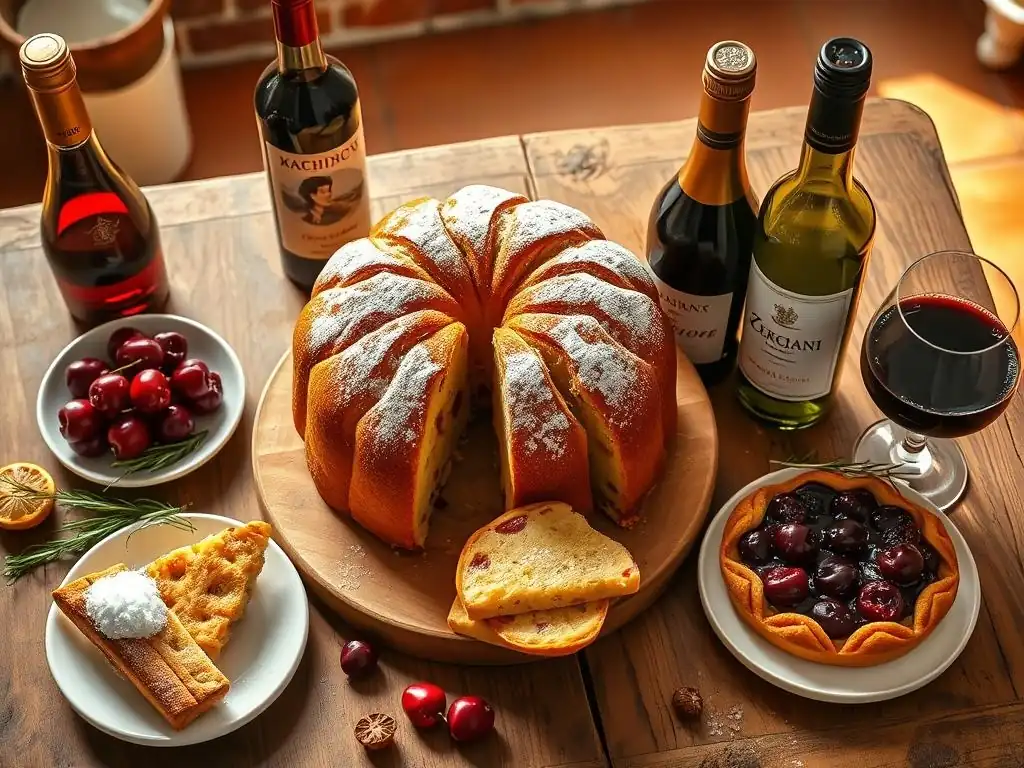
Welcome to BakeWithEase!
Ever wondered how to elevate your Italian baking beyond the ordinary? Prepare to unlock a world of flavor you never knew existed! This guide delves into the fascinating art of wine pairing Italian baking, revealing how the perfect vintage can transform your dolci from delightful to divine. Discover the secrets of infusing your creations with the essence of wine, and prepare to experience a symphony of tastes that will leave you craving more. Intrigued? Let's explore the delightful dance between wine and dough...
- Using Wine in Italian Baking: A Flavor Guide | BakeWithEase.com
- Introduction to Wine Pairing in Italian Baking Traditions
- Understanding Wine Varieties for Italian Baking
- Wine Pairing Italian Baking: A Practical Guide
- Recipes Featuring Wine: A BakeWithEase Collection
- Wine and Dough: Enhancing Bread Flavors
- The Science Behind Wine in Baking
- Tips for Baking with Wine Successfully
- Beyond Dessert: Wine in Savory Italian Baking
- Conclusion: Elevating Your Italian Baking with Wine
- Frequently Asked Questions
- Final Reflection: The Unexpected Symphony of Wine and Italian Baking
- Unleash the Flavor: Elevate Your Baking with Wine!
Using Wine in Italian Baking: A Flavor Guide | BakeWithEase.com
Introduction to Wine Pairing in Italian Baking Traditions
BakeWithEase Explores the Art of Wine-Infused Italian Desserts
Welcome to BakeWithEase, where we delve into the delightful world of Italian baking! While often associated with savory dishes, wine plays a fascinating, albeit sometimes subtle, role in traditional Italian pastries, cookies, and cakes. Think beyond just a beverage pairing; we're talking about integrating the nuanced flavors and unique properties of wine directly into your baked goods. This practice is particularly prevalent in regional specialties, where local wines naturally find their way into the kitchen, creating desserts that are deeply rooted in their terroir.
Exploring wine pairing Italian baking opens up a new dimension of flavor. Using wine in desserts can add moisture, acidity, and complex aromatic compounds that enhance other ingredients. For instance, a splash of dry white wine in a delicate cookie dough can contribute to crispness and a subtle tang, balancing sweetness. Red wine, with its tannins and fruit notes, can deepen the richness of chocolate cakes or add a rustic charm to simple pastries. It's a culinary tradition that celebrates the interconnectedness of Italian agriculture and cuisine, turning humble ingredients into something truly special.
The History of Wine in Italian Culinary Arts
Italy's relationship with wine stretches back thousands of years, long before the Roman Empire. The ancient Etruscans and Greeks cultivated vines on the peninsula, establishing a culture where wine was not just a drink but a vital part of daily life and ritual. This deep historical connection naturally led to wine being incorporated into cooking. In Roman times, passum, a sweet raisin wine, was used in various recipes, including those involving baked goods and sweets, for both flavor and as a sweetener before sugar became widely available.
Throughout the centuries, wine continued to be a staple in Italian kitchens. Regional cooking developed hand-in-hand with regional wine production. In many rural areas, wine was more readily available than other liquids, making it a practical addition to doughs and batters. Recipes like ciambelline al vino, simple ring-shaped cookies found in regions like Lazio, are direct descendants of this tradition, using local wine as a primary liquid ingredient. This historical context underscores that wine pairing Italian baking isn't a modern fad but a time-honored practice.
Understanding Wine Varieties for Italian Baking
Exploring Red Wine Options for Baking: Lambrusco, Chianti Classico, Barbera
Red wines can lend depth, color, and interesting fruit or earthy notes to baked goods. When considering wine pairing Italian baking with reds, think about their body and tannin levels. Lambrusco, often a slightly effervescent red from Emilia-Romagna, can range from dry to sweet. A dry Lambrusco offers bright fruit notes and acidity, potentially working well in glazes or fruit-based fillings. A sweeter version could enhance berry tarts or even be used in a chocolate cake for moisture and flavor.
Chianti Classico, a Sangiovese-based wine from Tuscany, is typically dry with notes of cherry, plum, and sometimes earthy undertones. Its tannins can add a subtle structure, particularly in richer applications like a red wine reduction poured over a baked pear or incorporated into a dark chocolate dessert. Barbera, from Piedmont, is known for its vibrant acidity and flavors of cherry and raspberry, often with fewer tannins than Sangiovese. This makes it a versatile choice for adding a fruity lift to cakes or even in savory baked items like wine-infused bread.
White Wine Selection for Baking: Pinot Grigio, Vermentino, Passito di Pantelleria
White wines generally bring acidity and lighter, often floral or citrusy notes to baking. Pinot Grigio, widely produced across Italy, is usually dry and crisp with subtle apple or pear flavors. Its neutral profile makes it a good choice for adding liquid and acidity without overpowering delicate flavors, perhaps in a lemon cake or a light pastry cream.
Vermentino, prominent in Sardinia and Liguria, offers more aromatic complexity, often with notes of herbs, citrus, and a slight salinity. This can be intriguing in recipes that benefit from a fragrant lift, such as a savory focaccia or a light almond cake.
For a sweeter application, Passito di Pantelleria is a remarkable sweet wine made from dried Zibibbo grapes on the island of Pantelleria. It boasts intense aromas of dried fruit, honey, and apricot. While often enjoyed as a dessert wine, its concentrated sweetness and flavor make it an excellent candidate for soaking dried fruits for cakes or tarts, or even adding a few drops to enhance the flavor of a fruit filling. Using such distinct sweet wines offers a different dimension to wine pairing Italian baking compared to dry varieties.
Sweet Wine Varieties and Their Baking Applications: Vin Santo del Chianti Classico, Marsala, Moscato d'Asti
Sweet wines are perhaps the most intuitive choice for desserts, and Italy offers some exceptional options. Vin Santo del Chianti Classico, a "holy wine" from Tuscany, is traditionally made from dried Malvasia and Trebbiano grapes, resulting in a rich, often oxidative wine with notes of nuts, caramel, and dried fruit. It is famously paired with cantucci (almond biscotti) for dipping, but it can also be used in baked goods. A tablespoon or two can enrich a panna cotta, be incorporated into a tiramisu instead of or alongside coffee, or add depth to fruit tarts.
Marsala, a fortified wine from Sicily, comes in various styles (fine, superior, superiore riserva, vergine) and sweetness levels (secco, semisecco, dolce). Marsala Superiore Dolce, with its notes of brown sugar, apricot, and vanilla, is a classic for adding flavor to zabaglione or enhancing the richness of a crostata filling. Moscato d'Asti, a lightly sparkling, sweet white wine from Piedmont with low alcohol, offers delightful floral and peach notes.
Its effervescence usually dissipates during baking, but its sweetness and aroma are perfect for infusing light cakes, fruit tarts, or adding a fragrant touch to biscotti dough before baking. These sweet wines are cornerstones for successful wine pairing Italian baking in the dessert realm.
Wine Pairing Italian Baking: A Practical Guide
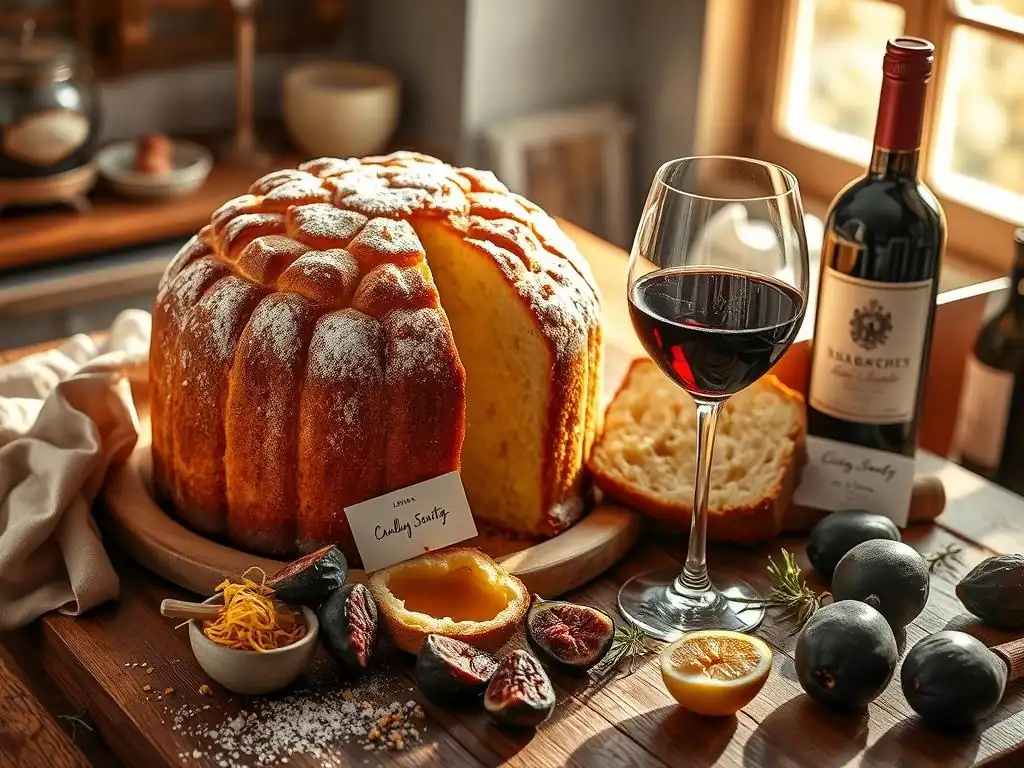
Substituting Wine for Other Liquids in Recipes
Incorporating wine into your baking often involves substituting it for other liquids like milk, water, or juice. This isn't a simple one-to-one swap without consideration. Wine contains alcohol, which evaporates during baking, and also brings its own acidity and sugar levels (especially sweet wines).
A general guideline when substituting wine for water or milk in doughs or batters might be to start by replacing about 1/4 to 1/2 of the original liquid volume with wine. For instance, in a cookie recipe calling for 1/2 cup of milk, you might try using 1/4 cup of milk and 1/4 cup of dry white wine.
It's crucial to consider the wine's flavor profile and how it will interact with other ingredients. A robust red wine might overpower a delicate vanilla cake, while a crisp white could brighten a lemon pound cake. The acidity in wine can also affect leavening agents, potentially reacting with baking soda. If a recipe relies heavily on baking soda activated by an acidic liquid (like buttermilk), you might need to adjust the leavener slightly or use a less acidic wine. Experimentation in small batches is key to finding the right balance for your wine pairing Italian baking endeavors.
Adjusting Baking Time and Temperature with Wine
Using wine in your baking can slightly alter the baking process. The alcohol in wine has a lower boiling point than water (around 173°F or 78.5°C compared to 212°F or 100°C), meaning it will evaporate more quickly. This can potentially lead to baked goods that set faster or have a slightly different texture. However, the overall impact is often minimal in typical baking temperatures (usually 300°F to 400°F or 150°C to 200°C), where water also rapidly turns to steam.
More significant is the potential for the added moisture from the wine to affect the final texture. If you substitute a large portion of the liquid with wine, you might find your baked goods take a few extra minutes to bake through, or they might brown slightly differently due to the residual sugars from the wine.
Always monitor your bake closely – use visual cues like golden-brown edges, a toothpick test, or internal temperature rather than relying solely on the clock. Minor adjustments to baking time (a few extra minutes) or temperature (perhaps a slight decrease if browning too quickly) might be necessary depending on the specific recipe and the amount of wine used.
Measuring Wine Accurately for Baking Success
Just like any other ingredient in baking, precise measurement of wine is important for consistent results. While a splash of wine might be fine in a savory sauce, baking requires accuracy. Use standard liquid measuring cups, placed on a flat surface, and pour the wine to the desired mark at eye level. Avoid using dry measuring cups for liquids, as this can lead to inaccurate volumes.
The specific gravity of wine is close to water, so you can generally measure it by volume just as you would water or milk. However, remember that the type of wine matters. A dry wine has very little residual sugar (often less than 1-2 grams per liter), while a sweet dessert wine like Moscato d'Asti or Vin Santo can have significant sugar (ranging from 50 to over 100 grams per liter).
This sugar content will impact the overall sweetness and moisture level of your baked good, so factor this into your recipe design when exploring wine pairing Italian baking. Always measure carefully to ensure the intended balance of flavors and textures.
Recipes Featuring Wine: A BakeWithEase Collection
Red Wine Chocolate Cake: A Rich Italian Delight
A Red Wine Chocolate Cake is a decadent way to use a bold Italian red wine. A recipe might call for replacing some of the liquid (like milk or water) with a dry, fruity red wine such as Barbera or a young Sangiovese. The process often involves creaming butter and sugar, adding eggs, then alternating dry ingredients (flour, cocoa powder, baking soda, salt) with the liquid mixture, which includes the red wine. Baking it at around 350°F (175°C) for 30-40 minutes, depending on the size.
The magic happens as the cake bakes. The alcohol from the wine evaporates, leaving behind the complex fruit notes and subtle tannins that complement the bitterness of the cocoa. This creates a deeper, more sophisticated chocolate flavor than a standard chocolate cake. You might notice hints of berry or cherry that enhance the richness without making the cake taste overtly like wine. It's a perfect example of how wine pairing Italian baking can elevate classic desserts.
Moscato-Infused Biscotti: A Crunchy Treat
Biscotti, the twice-baked Italian cookies, are traditionally dipped in Vin Santo, but incorporating wine into the dough offers a delightful twist. Moscato d'Asti, with its low alcohol and fragrant peach and floral notes, is an excellent choice. A recipe could involve adding about 1/4 to 1/2 cup of Moscato d'Asti to a standard biscotti dough base made with flour, sugar, eggs, and almonds. The dough is typically formed into logs, baked at around 350°F (175°C) until firm, then sliced and baked again at a lower temperature (around 300°F or 150°C) until dry and crisp.
The Moscato adds a subtle sweetness and a beautiful aroma to the biscotti, enhancing the almond flavor without making the cookie soggy. The slight acidity can also contribute to a pleasing crispness. These Moscato-infused biscotti are wonderful on their own or still excellent dipped in a glass of the same Moscato or another sweet wine, showcasing a lovely instance of wine pairing Italian baking both within the food and alongside it.
Vin Santo Tiramisu: An Elegant Italian Classic
Tiramisu, meaning "pick me up," is a beloved Italian dessert, traditionally made with coffee-soaked ladyfingers layered with a mascarpone cream. While coffee is standard, using Vin Santo adds a layer of sophisticated flavor. Instead of solely using coffee, ladyfingers can be quickly dipped in a mixture of strong coffee and Vin Santo, or even just Vin Santo diluted slightly with a touch of water or coffee for a pronounced wine flavor. A typical ratio might be 2 parts coffee to 1 part Vin Santo, or varying based on desired intensity.
The nutty, dried fruit, and sometimes oxidative notes of Vin Santo pair exquisitely with the rich mascarpone and cocoa. It provides a different kind of complexity than coffee alone, adding warmth and depth. The alcohol content helps to keep the dessert from freezing solid if chilled deeply and contributes to the overall luxurious texture and flavor. This variation on a classic demonstrates how integral wine can be to achieving specific, traditional Italian dessert profiles, highlighting a key aspect of wine pairing Italian baking.
Wine and Dough: Enhancing Bread Flavors
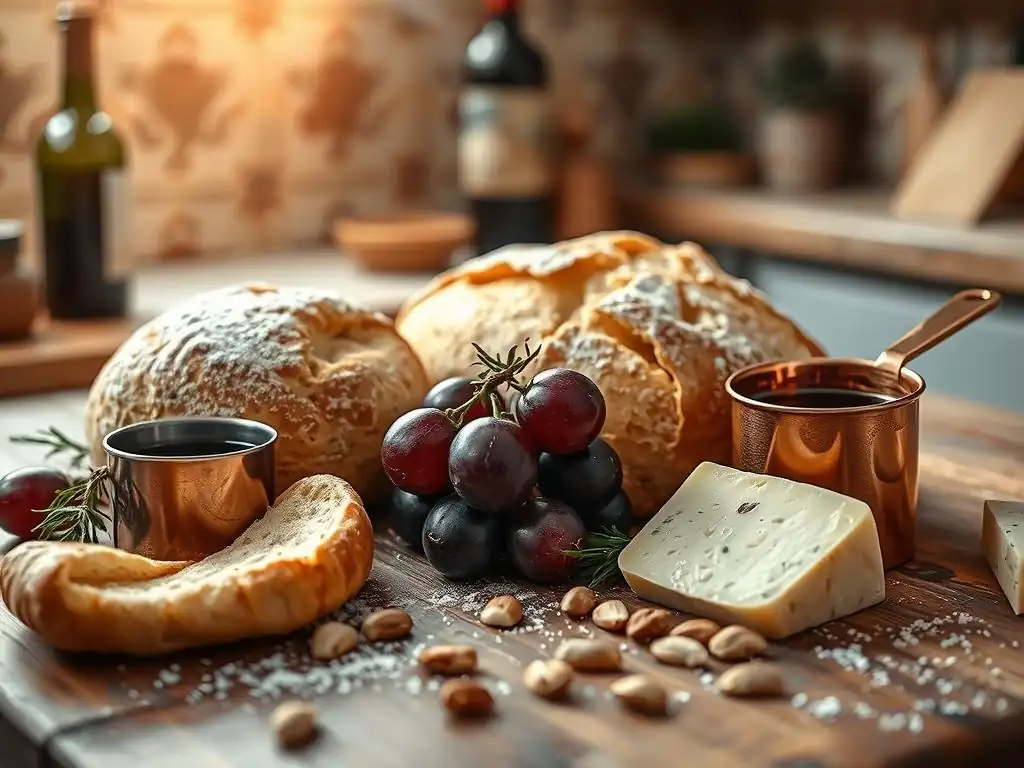
Wine-Infused Pizza Dough: Adding Complexity to Your Base
Adding wine to pizza dough is a simple yet effective way to introduce a subtle layer of flavor and complexity to your homemade pizzas. You can substitute a portion of the water called for in your dough recipe with a dry Italian wine, either red or white. For a standard dough using about 1.5 cups of water, try replacing 1/4 to 1/2 cup with wine.
A dry red like Sangiovese can add a rustic, slightly savory note that pairs well with robust toppings like sausage and mushrooms. A crisp white like Pinot Grigio could offer a subtle tang that complements lighter toppings like fresh tomatoes and mozzarella.
The alcohol in the wine evaporates during the high heat of pizza baking, leaving behind the wine's non-alcoholic flavor compounds and acidity. This acidity can sometimes interact with the yeast, potentially affecting the rise slightly, but often it simply adds a nuanced background flavor. The result is a crust that has a little something extra, a hint of regional Italian character that plain water doesn't provide. It's a practical application of wine pairing Italian baking in a savory context.
Using Wine in Focaccia: Aromatic and Flavorful Variations
Focaccia, the beloved Italian flatbread, is another excellent candidate for wine infusion. Wine can be added to the dough itself or incorporated into the liquid brushed over the top before baking. For the dough, similar to pizza, replace some of the water with wine. A dry white wine like Vermentino or a light red like Bardolino can add a lovely aroma and subtle flavor to the airy, olive oil-rich dough. The wine's acidity can also contribute to a tender crumb.
Alternatively, or in addition, you can mix wine with olive oil and herbs (like rosemary and sea salt) to create the liquid that is typically drizzled over the dimpled surface of the focaccia before it goes into the oven. As this mixture bakes, the wine reduces, concentrating its flavors and infusing the top crust with aromatic notes. This method is particularly effective for imparting the specific character of a wine without significantly altering the dough structure.
Wine-Soaked Savory Breads: Rosemary and Red Wine Bread
Beyond just adding wine to the dough, some savory bread recipes incorporate wine in other ways to enhance flavor. A Rosemary and Red Wine bread, for instance, might use a rustic red wine like Chianti not just in the dough (replacing some water) but also potentially to soak dried fruits (like raisins or currants) or even nuts before adding them to the mix. The wine plumps up the dried ingredients and infuses them with flavor, which is then released throughout the loaf during baking.
Another technique involves reducing red wine with herbs like rosemary and garlic to create a concentrated syrup. This reduction can then be swirled into the dough just before the final rise or drizzled over the top before baking. The deep, savory notes of the reduced red wine pair wonderfully with fragrant rosemary and hearty bread, creating a loaf perfect for accompanying cheeses or stews. This highlights how wine pairing Italian baking can extend to hearty, rustic loaves.
The Science Behind Wine in Baking
How Alcohol Affects Gluten Development
In baking, gluten development is crucial for the structure of many items, particularly breads and cakes. Gluten forms when proteins in flour (glutenin and gliadin) combine with liquid and are agitated (through mixing or kneading). Alcohol, present in wine, can interfere with this process. Ethanol, the primary alcohol in wine, is a solvent that can disrupt the formation of the gluten network.
When wine is added to dough or batter, the alcohol competes with water for interaction with the flour proteins. This can result in less robust gluten development compared to using water alone. In applications like cakes or cookies where a tender crumb is desired, this effect can be beneficial, leading to a softer texture. In bread making, using a large proportion of wine might result in a denser loaf with less chewiness, although moderate amounts often have a subtle impact, primarily contributing flavor rather than drastically altering structure.
The Role of Tannins and Acidity in Baking
Wine contains tannins, compounds found primarily in grape skins, seeds, and stems, especially in red wines. Tannins contribute to the astringency or dryness you feel in your mouth when drinking wine. In baking, tannins can add complexity, particularly when paired with ingredients like chocolate or nuts. They can provide a subtle bitterness or earthy note that balances sweetness. However, using too much wine high in tannins in delicate recipes might result in an undesirable dry or slightly bitter taste.
Acidity is another key component of wine, measured by its pH level. Wines typically have a pH between 2.5 and 4.5. This acidity can interact with leavening agents like baking soda. Baking soda requires an acid to produce carbon dioxide gas, which creates lift.
If a recipe uses baking soda and relies on the acidity of wine for leavening, the amount and type of wine (and thus its pH) will matter. Acidity also impacts flavor balance, brightening other tastes and preventing baked goods from tasting flat or overly sweet. Understanding the acidity and tannin profile of the wine is important for successful wine pairing Italian baking.
Wine's Impact on Moisture and Texture
Wine is primarily water, so adding it to a recipe contributes moisture. However, it also contains alcohol and other dissolved solids (sugars, acids, tannins, flavor compounds). The alcohol evaporates during baking, which can slightly affect the rate at which the product dries out and sets. Residual sugars from the wine (especially in sweet wines) will contribute to moisture retention, browning, and overall tenderness.
The non-alcoholic components left behind after evaporation contribute significantly to the final texture and mouthfeel. Acids can tenderize gluten (as mentioned before) and also break down other components. Sugars contribute to tenderness and a finer crumb. Tannins can add a slight chewiness or structure. The combination of these factors means that substituting wine for another liquid isn't just about adding flavor; it's also about subtly altering the hydration dynamics and chemical reactions that determine the final texture of your baked creation. This is a fascinating aspect of wine pairing Italian baking to explore.
Tips for Baking with Wine Successfully
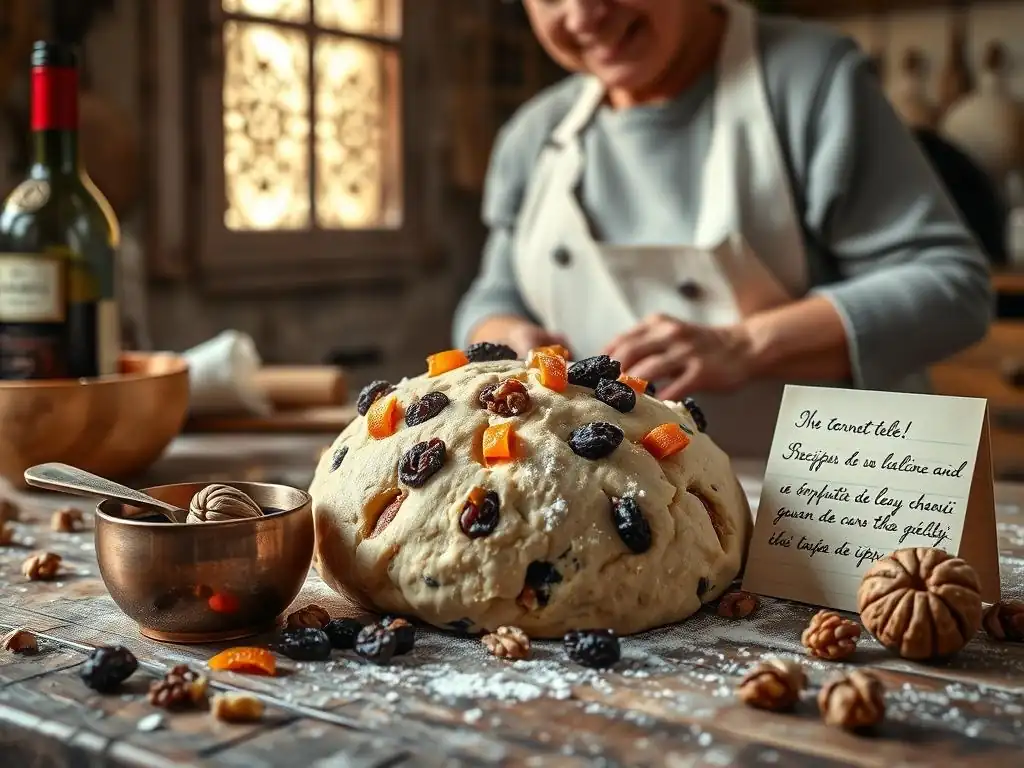
Choosing the Right Wine for Your Recipe
The most important tip for baking with wine is to choose a wine you would actually drink. Avoid using "cooking wine," which often contains added salt and preservatives that can negatively impact the flavor of your baked goods. The quality of the wine directly influences the quality of the final product. Match the wine to the recipe's flavor profile: robust reds for chocolate or savory items, crisp whites for lighter, fruitier, or herbal bakes, and sweet wines for desserts where their sweetness and concentrated flavors are desired.
Consider the wine's characteristics – is it dry or sweet? High or low in tannins? Fruity or earthy? A dry, tannic Cabernet might be too harsh for a delicate cookie, but a fruity Barbera could be perfect for a chocolate cake. A very sweet Vin Santo is ideal for soaking ladyfingers but might make a dry cookie dough too sticky. Think about how the wine's primary flavors will complement or contrast with the other ingredients. Successful wine pairing Italian baking starts with thoughtful selection.
Storing Wine for Baking: Maintaining Freshness
Once opened, wine begins to oxidize, which can alter its flavor. For baking, where precise flavors are important, it's best to use wine that hasn't been open for too long. Red wines generally last 3-5 days after opening, while white wines might last 3-7 days, and fortified wines like Marsala or Vin Santo can last much longer, sometimes weeks or even months if stored properly.
Store opened wine bottles upright in the refrigerator, even reds, as the cooler temperature slows down oxidation. For longer storage of opened wine specifically for baking, consider using vacuum pumps or inert gas preservers to remove oxygen from the bottle before resealing. Alternatively, if you frequently bake with wine and only need small amounts, you could freeze leftover wine in ice cube trays. Once frozen, transfer the cubes to an airtight bag in the freezer. Thaw them as needed for recipes, ensuring you have wine ready for your next wine pairing Italian baking project.
Avoiding Common Mistakes When Baking with Wine
One common mistake is using too much wine, overpowering the other flavors in the baked good. Start with small substitutions (e.g., replacing 1/4 to 1/2 of the liquid) and adjust in subsequent trials. Another error is not considering the wine's sweetness or acidity, which can throw off the balance of the recipe, affecting taste and texture. Always factor in the wine's profile when adjusting sugar or leavening agents.
Using wine that has gone bad is also detrimental. If the wine tastes vinegary or off, it will make your baked goods taste bad too. As mentioned, use wine you'd be happy to drink. Lastly, don't assume all wines are interchangeable. A recipe designed for a sweet Marsala will not work the same way with a dry Chianti. Pay attention to the type of wine recommended (if any) or choose a wine whose characteristics align with the desired outcome for your wine pairing Italian baking creation.
Beyond Dessert: Wine in Savory Italian Baking
Wine-Braised Meats in Pies and Tarts
Wine is a classic ingredient in savory Italian cooking, often used to braise meats. These wine-braised meats can then become delicious fillings for savory pies, tarts, or pastries. Imagine slow-cooked beef or lamb simmered in a rich red wine like Barolo or Aglianico until incredibly tender and flavorful. The wine not only tenderizes the meat but also reduces into a concentrated, savory sauce that coats the filling.
This filling, perhaps combined with vegetables like onions, carrots, and herbs, can then be encased in a buttery pastry crust and baked. The flavors of the wine reduction permeate the filling, creating a deeply satisfying savory bake. The choice of wine is crucial here; a robust, full-bodied red stands up well to long cooking times and rich meats, demonstrating a savory application of wine pairing Italian baking.
Wine-Marinated Vegetables for Baking
Wine marinades aren't just for grilling; they can also be excellent for vegetables destined for the oven. Hardier vegetables like potatoes, carrots, onions, or bell peppers can be marinated in a mixture of wine, olive oil, herbs, garlic, and seasoning before roasting or incorporating into savory baked dishes like stratas or vegetable bakes. A dry white wine with good acidity, like Vernaccia di San Gimignano, can add brightness to a vegetable marinade, helping to tenderize slightly and infuse flavor.
For root vegetables or those with more earthy flavors, a lighter red wine could be used. The wine's acidity and flavor compounds penetrate the vegetables during the marination period, adding complexity that develops further as they bake and caramelize in the oven. This technique adds an extra layer of gourmet flavor to simple baked vegetable sides or fillings.
Exploring Savory Wine Cakes and Breads
While most wine in baking discussions focus on sweet items, there are savory Italian baked goods where wine plays a role. Some regional savory breads or cakes might incorporate wine into the dough for flavor and texture. A savory cake, similar to a quick bread or muffin batter but seasoned with cheese, herbs, or vegetables, could use white wine as part of the liquid component. The wine adds a subtle tang and moisture, complementing the savory ingredients.
Recipes for rustic savory tarts might also use wine in the filling. For instance, a tart filled with sausage and greens could use a splash of white wine to deglaze the pan when cooking the filling, incorporating those caramelized bits and the wine's flavor into the mix before it's baked in a pastry shell. These examples show the versatility of wine pairing Italian baking beyond the dessert course.
Conclusion: Elevating Your Italian Baking with Wine
Embrace the Flavor of Wine in Your BakeWithEase Creations
As we've explored, incorporating wine into Italian baking is a rewarding way to add depth, complexity, and a touch of regional authenticity to your creations. From the subtle sweetness and aroma that a Moscato lends to biscotti, to the rich depth a Sangiovese brings to a chocolate cake, or the rustic charm a red wine adds to savory bread, the possibilities are vast. Wine is more than just a liquid; it's a source of unique flavors, acids, and compounds that interact with other ingredients in fascinating ways, transforming simple recipes into something truly special.
Don't be afraid to experiment with wine pairing Italian baking. Start with recipes specifically designed to use wine, or try substituting small amounts of liquid in your favorite Italian baking recipes. Pay attention to the type of wine you use and how its characteristics will influence the final taste and texture. With a little practice and an adventurous spirit, you can unlock new levels of flavor and impress your friends and family with your sophisticated, wine-infused baked goods.
Further Exploration of Italian Baking Traditions at BakeWithEase.com
Baking with wine is just one facet of the rich and diverse world of Italian baking traditions. BakeWithEase.com is dedicated to helping you explore all these wonderful techniques and recipes. Whether you're interested in mastering classic pasta fresca, perfecting your sourdough, exploring regional cakes and pastries, or delving deeper into the history and culture behind Italian food, you'll find resources, guides, and recipes to support your baking journey.
Continue exploring our site for more articles on regional specialties, ingredient spotlights, and step-by-step guides that make mastering Italian baking accessible and enjoyable for everyone. From simple cookies to elaborate festive breads, BakeWithEase is here to help you bring the authentic flavors of Italy into your kitchen. Happy baking!
Frequently Asked Questions
How does wine generally enhance Italian baking?
Wine adds complex flavors and moisture to baked goods. It can also help to tenderize the dough and enhance aroma.
What types of wine are best suited for Italian baking?
Generally, wines that complement the other ingredients are best. For sweet treats, consider dessert wines like Moscato or Vin Santo. For savory, try dry reds like Chianti or Barbera.
Can I substitute wine with something else in a recipe?
Yes, you can substitute wine, but the flavor will change. Grape juice or broth are common alternatives, though they won't replicate the wine's complexity.
How much wine should I typically use in a baking recipe?
The amount varies, but usually a small amount is enough to impart flavor. Start with a few tablespoons and adjust to your taste. Be mindful of the liquid content.
Will the alcohol in the wine bake off when heated?
Yes, the alcohol will mostly evaporate during the baking process, especially at higher temperatures. However, some residual alcohol may remain depending on the baking time and temperature.
Final Reflection: The Unexpected Symphony of Wine and Italian Baking
The subtle art of incorporating wine into Italian baking is far more than a culinary quirk; it's a testament to the deep-rooted connection between Italian terroir and its culinary traditions. This exploration into the diverse ways wine enhances the flavors of Italian baked goods reveals a nuanced world of possibilities, far beyond the simple addition of a splash of liquid. From the robust notes of a Chianti in biscotti to the delicate floral hints of Pinot Grigio in a delicate cake, the right wine elevates the entire baking experience.
The influence of wine in Italian baking isn't merely about taste; it's a reflection of the country's rich agricultural heritage and its deeply ingrained culinary philosophy. The careful selection of grapes, the meticulous winemaking process, and the subsequent integration into baked goods represent a holistic approach to food production. It's a tradition passed down through generations, a testament to the enduring power of simple, yet deeply flavorful ingredients. The best food is made with love, and the best wine is made with passion. When you combine the two, magic happens.
- Unknown. This quote perfectly encapsulates the essence of this culinary journey.
Now, consider your own baking. What unexpected flavor combinations might you explore? Dare to experiment with different wine varietals and discover the unique symphony they create with your favorite Italian recipes. Don't be afraid to deviate from traditional pairings; the most exciting culinary discoveries often come from embracing the unexpected. Let the rich history and vibrant flavors of Italian wine inspire your next baking adventure, and remember, the perfect pairing is often the one that brings you the most joy.
Unleash the Flavor: Elevate Your Baking with Wine!
Thanks for exploring the wonderful world of wine-infused Italian baking! We hope you discovered some delicious inspiration for your next culinary adventure. Ready to take your baking to the next level?
- Try our recommended wine pairing today! Choose one recipe from the article and experiment with the suggested wine – you might be surprised at the results!
- Share your baking creations with us! Use #BakeWithWine and tag @BakeWithEase (fictional social media handle) on your favorite platform. Let's build a community of wine-loving bakers!
- Explore our other recipes featuring surprising ingredients. Who knows what tasty combinations you might uncover?
What unique wine-baking experiment will you tackle first?