
Italian Cake Traditions You Can Easily Bake

Welcome to BakeWithEase!
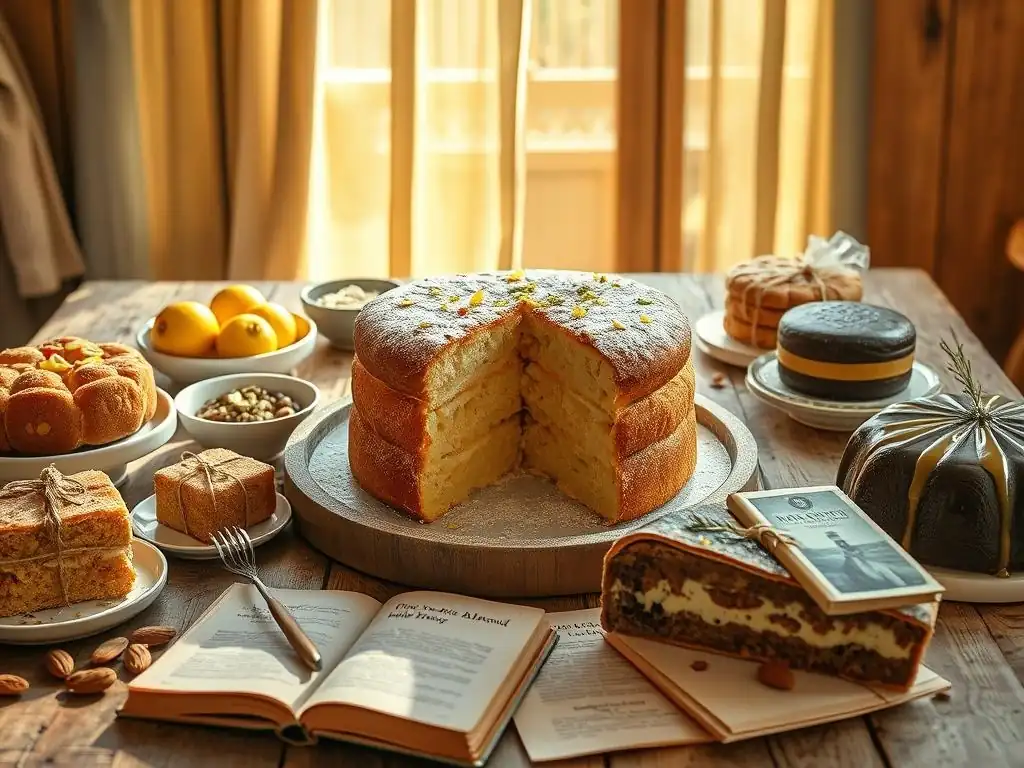
Ever wondered how to bring the authentic taste of Italy to your kitchen? Then you've come to the right place! Dive into the delightful world of Italian baking where tradition meets simplicity. Discover easy Italian cake recipes that will transport your taste buds to the sun-drenched shores of Italy. Get ready to experience baking like never before – but what makes Italian cakes so uniquely delicious? Keep reading to unlock the secrets!
- BakeWithEase: Discover Simple Italian Cake Recipes
- Exploring Italian Baking Traditions: A Cake Lover's Guide
- Easy Italian Cake Recipes for Home Bakers
- Traditional Italian Cakes: Recipes Made Easy
- The Best Italian Cakes to Bake: A Selection of Easy Recipes
- Mastering Italian Cake Baking: Essential Techniques
- Baking Italian Cakes: Troubleshooting Common Issues
- Beyond the Basics: Elevating Your Easy Italian Cake Recipes
- Enjoy the Sweetness of Italy: Easy Baking for Everyone
-
Frequently Asked Questions
- What makes Italian cakes different from other cakes?
- Are Italian cake recipes generally considered easy to make?
- What are some popular Easy Italian cake recipes that I can find on BakeWithEase.com?
- Can I adapt Italian cake recipes to be gluten-free or vegan?
- What are some essential tips for baking an authentic Italian cake at home?
- Final Reflection: A Slice of Italy, Baked with Love
- Unlock the Secrets of Italian Baking!
BakeWithEase: Discover Simple Italian Cake Recipes
Welcome to BakeWithEase, your guide to unlocking the sweet secrets of Italian baking! Italy, a country celebrated for its culinary prowess, offers a treasure trove of cake traditions that are surprisingly accessible for the home baker. Forget complicated techniques and exotic ingredients; many classic Italian cakes rely on pantry staples and straightforward methods, making easy Italian cake recipes a delightful reality for anyone looking to add a touch of Mediterranean sweetness to their repertoire.
Embarking on the journey of baking Italian cakes doesn't require a Nonna's decades of experience. Our focus at BakeWithEase is on simplifying these cherished recipes, preserving their authentic flavors while ensuring they fit seamlessly into your busy life. From rustic apple cakes perfect for a family breakfast to elegant custard tarts ideal for a special occasion, you'll find that baking these simple Italian cake recipes is not just achievable, but incredibly rewarding. Get ready to fill your kitchen with the inviting aromas of Italy!
Exploring Italian Baking Traditions: A Cake Lover's Guide
Italy's rich history and diverse regional cultures are beautifully reflected in its baking traditions. While pasta and pizza often steal the spotlight, the world of Italian cakes is equally vibrant and varied. Each region, from the sun-drenched south to the alpine north, boasts unique sweet creations shaped by local ingredients, historical influences, and festive celebrations. Exploring these traditions is like taking a delicious tour across the country, one slice at a time.
Understanding the origins of these cakes provides a deeper appreciation for their simplicity and ingenuity. Many traditional Italian cakes were born out of necessity, utilizing readily available ingredients like olive oil, nuts, dried fruit, and ricotta cheese. Others were created for specific holidays or family gatherings, becoming integral parts of cultural celebrations. These time-honored recipes, passed down through generations, form the foundation of what we now enjoy as easy Italian cake recipes, bringing centuries of flavor right into your home kitchen.
Regional & Cultural Baking: A Journey Through Italy's Sweet Treats
Italy is a patchwork quilt of culinary diversity, with each of its roughly 20 regions contributing distinct flavors and techniques to the national dessert landscape. This regionality is particularly evident in cakes. For example, Sicily is renowned for its elaborate pastries and cakes like Cassata Siciliana, a ricotta and candied fruit-laden masterpiece, while Tuscany is famous for simpler, rustic bakes often featuring nuts and dried fruits.
Venture further north, and you might encounter cakes incorporating apples and butter, reflecting Austrian influences in regions like Trentino-Alto Adige. Meanwhile, central Italy often features cakes using ricotta, like the Roman Ricotta and Sour Cherry tart (Crostata di Ricotta e Visciole). This incredible variety means there's an easy Italian cake recipe for almost every taste and occasion, each telling a story about its place of origin and the ingredients that thrive there. Embracing this regional diversity is key to mastering the art of Italian baking.
Easy Italian Cake Recipes for Home Bakers

Bringing the authentic taste of Italy into your kitchen is simpler than you might think, thanks to the accessibility of many classic Italian cake recipes. These aren't the multi-tiered, fondant-covered creations you might associate with elaborate baking; rather, they are honest, flavorful cakes perfect for everyday enjoyment or casual entertaining. The beauty of easy Italian cake recipes lies in their emphasis on quality ingredients and straightforward techniques.
Whether you're a complete novice or looking to expand your baking repertoire, you'll find that recipes for favorites like Ciambellone or Torta di Mele are incredibly forgiving and require minimal specialized equipment. A mixing bowl, a whisk, and a cake pan are often all you need to create something truly delicious. Our goal is to demystify Italian baking, proving that you don't need a passport to bake like an Italian.
Simple Ingredients, Authentic Flavors: Baking Italian Cakes at Home
One of the hallmarks of traditional Italian baking is the reliance on simple, high-quality ingredients to produce authentic, deep flavors. You'll frequently encounter staples like olive oil, ricotta cheese, fresh citrus zest (especially lemon and orange), almonds, pine nuts, and "00" flour. These basic components, when combined correctly, create the distinct taste and texture that define Italian cakes.
Consider the ubiquitous use of olive oil in many southern Italian cakes. Instead of butter, olive oil contributes moisture and a subtle, fruity flavor that pairs beautifully with citrus or nuts. Ricotta, a fresh cheese, adds incredible moisture and a creamy texture to cakes like Torta di Ricotta. Using fresh zest from organic lemons or oranges can elevate a simple sponge cake to something truly special. Many easy Italian cake recipes demonstrate how a few key ingredients can yield surprisingly complex and satisfying results.
Traditional Italian Cakes: Recipes Made Easy
Adapting time-honored traditional Italian cake recipes for the modern home kitchen is our specialty. We take cherished classics, often passed down verbally or scribbled on aging recipe cards, and translate them into clear, step-by-step guides that are easy to follow. The goal is to honor the spirit and flavor of the original while making the process achievable for bakers of all skill levels.
This adaptation often involves clarifying instructions, providing precise measurements (as traditional recipes sometimes use "a handful" or "enough"), and suggesting readily available ingredient substitutions where necessary (though we always encourage using authentic ingredients for the best results). By simplifying the steps without sacrificing authenticity, we make baking these easy Italian cake recipes a joyful and stress-free experience.
From Grandma's Kitchen: Adapting Classic Italian Cake Recipes for Modern Baking
Recipes inherited from Italian grandmothers (Nonna) are often treasures, full of love and flavor, but sometimes light on specific details. A typical Nonna recipe might say "add flour until it feels right" or "bake until golden." While this intuitive approach works for experienced bakers, it can be daunting for beginners. Our process involves testing and refining these classic methods.
For example, a traditional recipe for a rustic fruit cake might involve lengthy proofing times or specific hand-mixing techniques. We adapt this by suggesting alternative methods like using a stand mixer for kneading or providing clear guidelines on oven temperatures and baking times based on modern equipment. This ensures that the essence of the "Nonna-approved" flavor and texture is captured in an easy Italian cake recipe format that anyone can successfully follow.
The Best Italian Cakes to Bake: A Selection of Easy Recipes
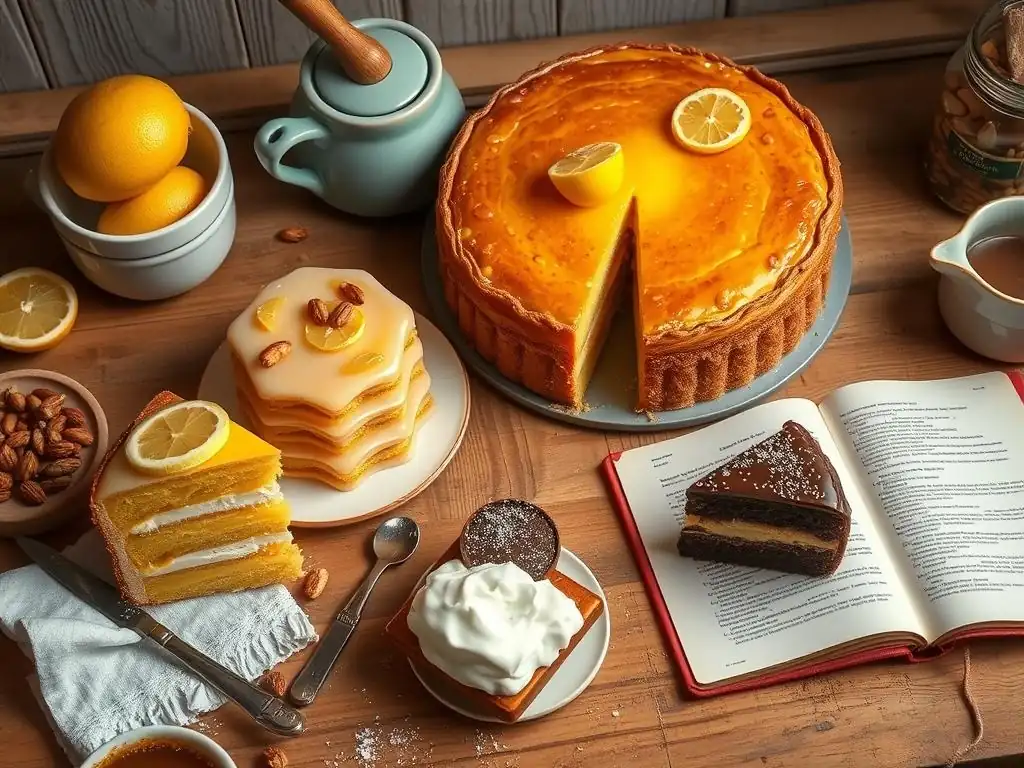
Choosing which Italian cake to bake first can be tough, given the vast selection! However, some stand out as particularly well-suited for beginners due to their simple ingredients and straightforward techniques. We've curated a selection of beloved classics that exemplify easy Italian cake recipes, proving that delicious results are within reach even for novice bakers.
These chosen cakes represent different styles and flavors found across Italy, from comforting everyday bakes to slightly more refined (yet still easy) options. They are perfect starting points for exploring the world of Italian sweets and building confidence in your baking skills. Get ready to discover your new favorite easy Italian cake recipe!
Torta della Nonna: The Quintessential Italian Grandmother's Cake
Torta della Nonna, meaning "Grandmother's Cake," is a beloved Tuscan classic that perfectly embodies rustic elegance. It consists of a simple shortcrust pastry base and top, filled with a smooth, rich lemon-infused pastry cream (crema pasticcera), typically finished with a dusting of powdered sugar and pine nuts. Despite its impressive appearance, it's surprisingly achievable for the home baker.
The charm of Torta della Nonna lies in its comforting simplicity and the delightful contrast between the flaky pastry and the creamy, bright custard. While making pastry cream might sound intimidating, it's a straightforward process of whisking eggs, sugar, milk, and cornstarch. The pastry itself is a simple mix-and-chill dough. Mastering this easy Italian cake recipe will give you a showstopper dessert that tastes like pure Italian sunshine.
Baking Torta della Nonna: A Step-by-Step Guide for Beginners
Making Torta della Nonna involves two main components: the pastry and the custard filling.
- Pastry: Combine about 300g of all-purpose flour with 150g of cold butter cut into cubes, a pinch of salt, about 100g of sugar, and 1-2 egg yolks. Work quickly until it resembles coarse crumbs, then add a tablespoon or two of cold water or milk to bring it together into a dough. Chill for at least 30 minutes.
- Custard: Heat about 500ml of milk with lemon zest. In a separate bowl, whisk together 3-4 egg yolks with 100-120g of sugar and 40-50g of cornstarch until smooth. Gradually temper the hot milk into the egg mixture, then return everything to the saucepan. Cook over medium heat, whisking constantly, until thickened and smooth. Remove zest and let cool, covered with plastic wrap directly on the surface to prevent a skin.
- Assembly: Divide the chilled pastry dough into two portions, one slightly larger for the base. Roll out the larger portion and line a 20-24cm tart pan. Pour in the cooled custard. Roll out the remaining pastry and place it over the custard, sealing the edges. Brush with egg wash if desired and sprinkle with pine nuts. Bake at around 180°C (350°F) for 30-40 minutes until golden brown. Let cool completely before dusting with powdered sugar. This approach simplifies the process, making this a truly easy Italian cake recipe.
Ciambellone: Italy's Everyday Cake, Simplified
Ciambellone is arguably the most classic Italian cake, found in nearly every Italian home. It's a simple ring-shaped cake, similar to a pound cake or bundt cake, known for its light, fluffy texture and subtle flavor, often enhanced with lemon zest or yogurt. It's the quintessential breakfast cake, perfect for dunking in milk or coffee, and equally lovely for an afternoon snack.
The beauty of Ciambellone lies in its utter simplicity. It typically uses basic ingredients like flour, sugar, eggs, milk or yogurt, oil or butter, and baking powder. The method is usually a straightforward mix-and-bake process, making it an ideal candidate for an easy Italian cake recipe. Its versatility means you can easily adapt it by adding chocolate chips, dried fruit, or different citrus zests.
Making a Perfect Ciambellone: Tips and Tricks for a Fluffy Cake
Achieving the perfect fluffy texture in a Ciambellone is key.
- Ingredients at Room Temperature: Ensure your eggs, milk, and yogurt (if using) are at room temperature. This helps them emulsify better with the other ingredients, resulting in a smoother batter and lighter cake.
- Proper Mixing: Cream the sugar and eggs together thoroughly until pale and fluffy before adding the wet ingredients (milk/yogurt, oil/melted butter). Then, gently fold in the dry ingredients (flour, baking powder, salt) until just combined. Do not overmix, as this can develop the gluten too much, leading to a tough cake.
- Leavening: Use fresh baking powder. A typical recipe for a standard 24cm ring pan might call for 16g of baking powder. Ensure it's evenly distributed in the flour.
- Baking: Bake in a preheated oven (around 180°C or 350°F) until a skewer inserted into the thickest part comes out clean. Avoid opening the oven door too early, especially in the first 20-25 minutes, as this can cause the cake to sink.
Follow these simple tips, and your Ciambellone will be light, airy, and utterly delightful, a true testament to how easy Italian cake recipes can be.
Torta di Mele: The Italian Apple Cake, Your Way
Torta di Mele, the Italian apple cake, is a comforting classic found across Italy, with countless regional variations. It's typically a moist, tender cake studded generously with slices or chunks of apple, often flavored with cinnamon, lemon zest, or sometimes rum. Unlike some American apple cakes that can be dense, the Italian version is often lighter and more delicate.
What makes Torta di Mele a fantastic easy Italian cake recipe is its flexibility. You can use different types of apples, adjust the amount of spice, or even add nuts or raisins. The basic batter is usually a simple mix, and the apples are often just folded in or layered on top before baking. It's a perfect example of Italian home baking at its finest – simple, seasonal, and incredibly satisfying.
Easy Apple Cake Recipe: A Family Favorite Italian Dessert
Creating a delicious Torta di Mele is wonderfully straightforward.
- Ingredients: You'll need basic cake ingredients: flour (around 200-250g), sugar (about 150-200g), eggs (2-3), butter or oil (about 100g), milk or yogurt (100-150ml), baking powder (10-12g), and a pinch of salt. The star ingredient is apples – 2 to 3 medium apples, peeled, cored, and sliced or diced.
- Flavoring: Lemon zest is essential for brightness. Cinnamon (about 1-2 teaspoons) is a common addition, though not universally Italian. Some recipes add a splash of rum or vanilla extract.
- Method: Cream the softened butter (or whisk oil) with sugar until light. Beat in the eggs one at a time. Stir in the milk or yogurt and lemon zest. In a separate bowl, whisk together the flour, baking powder, and salt (and cinnamon, if using). Gradually add the dry ingredients to the wet ingredients, mixing until just combined. Gently fold in most of the prepared apples.
- Baking: Pour the batter into a greased and floured 22-24cm cake pan. Arrange the remaining apple slices on top if desired. Bake at 180°C (350°F) for 40-50 minutes, or until a skewer comes out clean. Let cool before slicing. This uncomplicated process makes Torta di Mele a go-to easy Italian cake recipe for cozy moments.
Mastering Italian Cake Baking: Essential Techniques
While many Italian cakes are lauded for their simplicity, understanding a few key techniques can elevate your baking from good to exceptional. These aren't complex culinary maneuvers, but rather foundational practices that ensure your cakes have the right texture, rise, and flavor distribution. Incorporating these into your routine will make baking easy Italian cake recipes even more successful.
Focusing on techniques like proper flour handling, effective whipping, and thoughtful flavor pairing will help you achieve the authentic results you desire. Don't think of these as hurdles, but as simple steps towards perfecting your craft and consistently producing delicious Italian cakes.
Using Italian Flour: Understanding the Different Types for Cakes
Italian flour is often classified by its fineness, indicated by numbers like "00," "0," "1," and "2," or by its protein content (Manitoba). "00" flour is very finely milled and has a lower protein content than typical bread flour, but often a similar protein content to American all-purpose flour (around 10-12%). It's excellent for cakes as it creates a tender crumb.
For easy Italian cake recipes, using standard all-purpose flour (which is roughly equivalent to Italian "0" or a blend between "0" and "00") works perfectly well for most recipes like Ciambellone or Torta di Mele. For more delicate pastries or sponge cakes, seeking out "00" flour can make a noticeable difference in texture. However, don't let flour type be a barrier; start with what you have, and experiment later if you wish.
The Secret to Light and Airy Italian Cakes: Whipping Techniques
Many light and airy Italian cakes, particularly sponge cakes or those using oil instead of butter, rely on proper whipping techniques to incorporate air. This often involves beating eggs and sugar together until they are pale, thick, and significantly increased in volume – a stage known as the "ribbon stage" because the mixture falls from the whisk like a ribbon.
For cakes using butter, the creaming method (beating softened butter and sugar together until light and fluffy) is crucial for incorporating air. Even in easy Italian cake recipes like Ciambellone, taking the time to properly cream the wet ingredients or whip the eggs and sugar can make a huge difference in the final texture, ensuring a tender, airy crumb rather than a dense one. Patience during the mixing process is key.
Adding Italian Flair: Flavor Combinations and Toppings
Italian cakes are known for clean, bright flavors, often derived from simple ingredients. Lemon zest is incredibly common, providing a fragrant, slightly tart note that cuts through sweetness. Orange zest is also popular, particularly in southern Italy. Almonds (ground or slivered) and pine nuts are frequently used, offering nutty depth and texture.
Beyond citrus and nuts, common flavor pairings include ricotta cheese for moisture and richness, olive oil for a unique depth, and sometimes dried fruits like raisins or figs. Toppings are often simple: a dusting of powdered sugar, a sprinkle of pine nuts, or a light glaze. Embracing these classic combinations is an easy way to add authentic Italian flair to your easy Italian cake recipes.
Baking Italian Cakes: Troubleshooting Common Issues
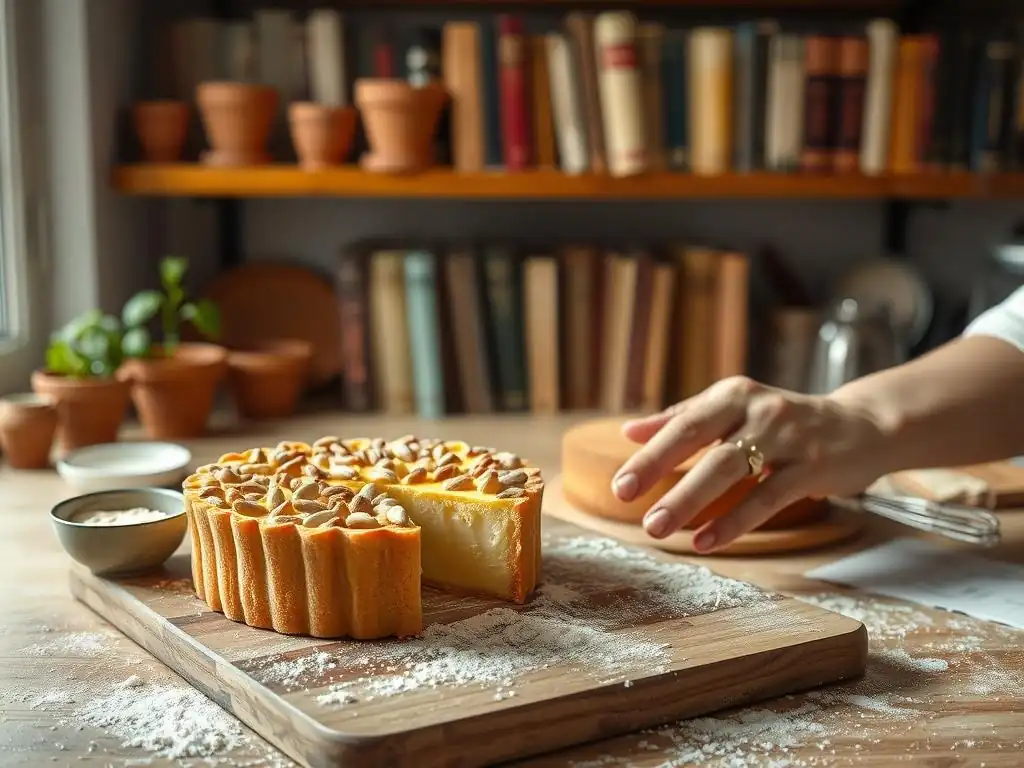
Even with easy Italian cake recipes, baking can sometimes present challenges. Knowing how to identify and fix common issues like dry cakes or sunken centers will save you frustration and help you achieve perfect results every time. Most problems can be traced back to simple factors like ingredient measurement, mixing technique, or oven temperature.
Don't be discouraged if your first attempt isn't perfect. Baking is a science, and understanding the 'why' behind potential issues is key to improving. We'll cover some frequent stumbling blocks and provide straightforward solutions to keep your Italian cake baking journey smooth and enjoyable.
Avoiding a Dry Cake: Keeping Your Italian Cakes Moist
A dry cake is a common disappointment, but it's usually preventable. The most frequent culprits are over-measuring flour, over-baking, or using too little fat or liquid.
- Flour Measurement: Always spoon flour into your measuring cup and level it off with a straight edge. Scooping directly from the bag can pack the flour, adding too much. An extra 20-30 grams of flour can significantly dry out a cake.
- Baking Time: Ovens vary. Use the baking time in the recipe as a guide, but rely on visual cues and the skewer test (insert a skewer into the center; it should come out clean or with a few moist crumbs, not wet batter). Over-baking by just 5-10 minutes can strip moisture.
- Fat/Liquid Ratio: Ensure you're using the specified amount of oil, butter, milk, or yogurt. For richer cakes, ingredients like ricotta or olive oil naturally contribute significant moisture. For easy Italian cake recipes using butter, ensure it's softened correctly for creaming.
By paying attention to these details, you can ensure your Italian cakes stay tender and moist.
Preventing a Sunken Cake: Tips for Even Baking
A cake with a sunken center is often the result of uneven heat, opening the oven door too early, or using too much leavening.
- Oven Temperature: Ensure your oven thermostat is accurate. An oven that runs too hot or too cool can cause issues. Consider using an oven thermometer. Uneven heating can also cause one part of the cake to set before the center.
- Opening Oven Door: Resist the urge to check on your cake too early, especially during the first two-thirds of the baking time. A sudden drop in temperature can cause the delicate structure to collapse before it's fully set.
- Leavening: Using too much baking powder or baking soda can cause the cake to rise too quickly and dramatically, leading to a collapse. Ensure you measure leavening agents accurately. Also, ensure your baking powder isn't expired; old leavening won't provide enough lift, which can also lead to a dense, potentially sunken cake.
Following the recipe instructions precisely and being patient during baking are your best defenses against a sunken cake, even with easy Italian cake recipes.
Achieving the Perfect Golden Crust: Baking Temperatures and Times
The beautiful golden crust on many Italian cakes isn't just for looks; it contributes to flavor and texture. Achieving it depends on the correct oven temperature and baking time.
- Temperature: Most cakes bake best in a moderately hot oven, typically between 170°C and 190°C (340°F to 375°F). This range allows the cake to rise and set properly while the outside browns. If the temperature is too low, the cake may spread too much before setting; if too high, the outside may burn before the inside is cooked.
- Time: The baking time provided in easy Italian cake recipes is an estimate. Factors like the specific pan material, your oven's calibration, and even humidity can affect baking time. Start checking for doneness a few minutes before the minimum time specified. The cake should look set around the edges and golden brown, and the skewer test should confirm it's cooked through.
A perfectly golden crust indicates a cake that is likely cooked through and has developed lovely caramelized flavors on its exterior.
Beyond the Basics: Elevating Your Easy Italian Cake Recipes
Once you've mastered a few easy Italian cake recipes, you might want to experiment and add your own touch. Italian baking, while rooted in tradition, also encourages creativity within certain parameters. Simple additions or presentation tweaks can elevate your cakes and make them uniquely yours.
Exploring variations on classic themes and considering how to best serve and store your creations will enhance your Italian baking experience. These steps go beyond just following a recipe and move into the realm of truly embracing the joy of baking.
Adding Citrus Zest: Experimenting with Lemon and Orange Flavors
Citrus zest is a cornerstone of Italian baking, providing a vibrant, aromatic lift to cakes without adding excess liquid. While many easy Italian cake recipes call for lemon zest, don't hesitate to try orange zest as well, especially in cakes featuring olive oil, almonds, or chocolate.
Consider using a microplane grater for the finest zest, ensuring you only get the colored part of the peel and avoid the bitter white pith. You can also infuse milk or cream with citrus peel before adding it to batters or custards. A simple Ciambellone can be transformed by swapping lemon for orange, or by using a combination of both. Experimenting with citrus is an easy way to add an authentic and refreshing twist.
Serving Suggestions: Pairing Your Italian Cakes with Coffee or Vin Santo
Italian cakes are often enjoyed simply, allowing their flavors to shine. A slice of Ciambellone or Torta di Mele is perfect with a morning cappuccino or an afternoon espresso. The slightly bitter notes of the coffee complement the sweetness of the cake beautifully.
For richer cakes like Torta della Nonna or those with nuts, consider pairing them with Vin Santo, a traditional Tuscan dessert wine. The sweet, often nutty or raisiny notes of Vin Santo create a harmonious pairing. Alternatively, a glass of chilled Moscato d'Asti offers a lighter, bubbly contrast. Simple easy Italian cake recipes become elegant desserts when served with the right accompaniment.
Storing Your Italian Cakes: Keeping Them Fresh for Days
Proper storage is key to keeping your delicious easy Italian cake recipes fresh and enjoyable. Most simple Italian cakes, like Ciambellone or Torta di Mele, can be stored at room temperature for 2-3 days if kept in an airtight container. This prevents them from drying out.
Cakes with fresh cream or custard fillings, such as Torta della Nonna, must be refrigerated. Store them in an airtight container or covered well with plastic wrap. They will typically last 2-3 days in the refrigerator. For longer storage, many simple cakes freeze well. Wrap slices or the whole cooled cake tightly in plastic wrap, then in foil, and freeze for up to 2-3 months. Thaw at room temperature.
Enjoy the Sweetness of Italy: Easy Baking for Everyone
Baking easy Italian cake recipes is a wonderful way to connect with a rich culinary heritage and bring delicious, comforting flavors into your home. From the rustic simplicity of a Ciambellone to the classic elegance of Torta della Nonna, these recipes prove that authentic Italian taste is well within reach for bakers of all levels.
We encourage you to start with a recipe that excites you, gather your ingredients, and enjoy the process. Don't strive for perfection on your first try; focus on the joy of baking and the delicious outcome. These simple Italian cake recipes are designed to build confidence and create sweet memories in your kitchen.
We love seeing what our community is baking! If you try one of our easy Italian cake recipes or adapt one in your own way, we encourage you to share your results. Your experiences and insights are valuable to others on their baking journey.
Sharing your baking triumphs (and even the occasional learning experience!) helps build a supportive community of home bakers. We can all learn from each other's successes and challenges. Keep baking, keep experimenting, and keep sharing the sweetness!
Frequently Asked Questions
What makes Italian cakes different from other cakes?
Italian cakes often emphasize simple, fresh ingredients and rustic flavors. They frequently feature olive oil or almond flour instead of butter, resulting in a unique texture and taste.
Are Italian cake recipes generally considered easy to make?
Many Italian cake recipes, particularly those found on BakeWithEase, are designed to be easy and approachable for bakers of all skill levels. Our focus is on simple techniques and readily available ingredients.
What are some popular Easy Italian cake recipes that I can find on BakeWithEase.com?
BakeWithEase offers a variety of Easy Italian cake recipes, including classics like Torta Paradiso and Ciambellone. These recipes emphasize straightforward instructions and minimal fuss.
Can I adapt Italian cake recipes to be gluten-free or vegan?
Yes, many Italian cake recipes can be adapted. BakeWithEase often provides suggestions for substituting gluten-free flours or vegan egg replacements to cater to dietary needs.
What are some essential tips for baking an authentic Italian cake at home?
Use high-quality ingredients, especially olive oil or almond flour. Don't overmix the batter to maintain a light and airy texture. And follow the recipe closely for the best results, all available on BakeWithEase.
Final Reflection: A Slice of Italy, Baked with Love
The enduring appeal of Italian baking lies not just in its deliciousness, but in its ability to connect us to history, family, and a simpler way of life. These easy Italian cake recipes, explored throughout this article, offer a tangible link to a rich culinary heritage, proving that creating authentic Italian flavors doesn't require years of training or a professional kitchen.
The influence of Italian cake traditions extends far beyond the kitchen table; it's woven into the fabric of celebrations, family gatherings, and everyday moments of joy. These recipes, passed down through generations, represent more than just ingredients and instructions; they are vessels of memory and connection. Food is symbolic of love when words are inadequate.
- Alan D. Wolfelt. This sentiment perfectly captures the emotional weight and significance of sharing these cakes, whether with loved ones or as a personal act of self-care.
Now, I invite you to roll up your sleeves, gather your ingredients, and embark on your own Italian baking adventure. Don't be intimidated by the seemingly complex techniques; embrace the process, savor the aromas, and allow yourself to be transported to the sun-drenched landscapes of Italy, one delicious bite at a time. The joy of baking, and the joy of sharing, awaits.
Unlock the Secrets of Italian Baking!
Thanks for joining us on this delicious journey through Italian cake traditions! We hope you’ve been inspired by the rich history and simple techniques we've shared. Now it's time to get baking!
- Master your first Italian cake: Choose one recipe from the article and give it a try. We promise, it's easier than you think!
- Share your baking journey: Post a photo of your creation on social media and tag us – we’d love to see your results! Use #BakeWithEaseItalianCakes.
- Explore more Italian recipes: Dive deeper into our archive for more delightful Italian baking inspiration – maybe try a biscotti next?
What Italian cake will you conquer first?