
HighQuality Chocolate for Cookies: Finding the Ideal Melt and Flavor

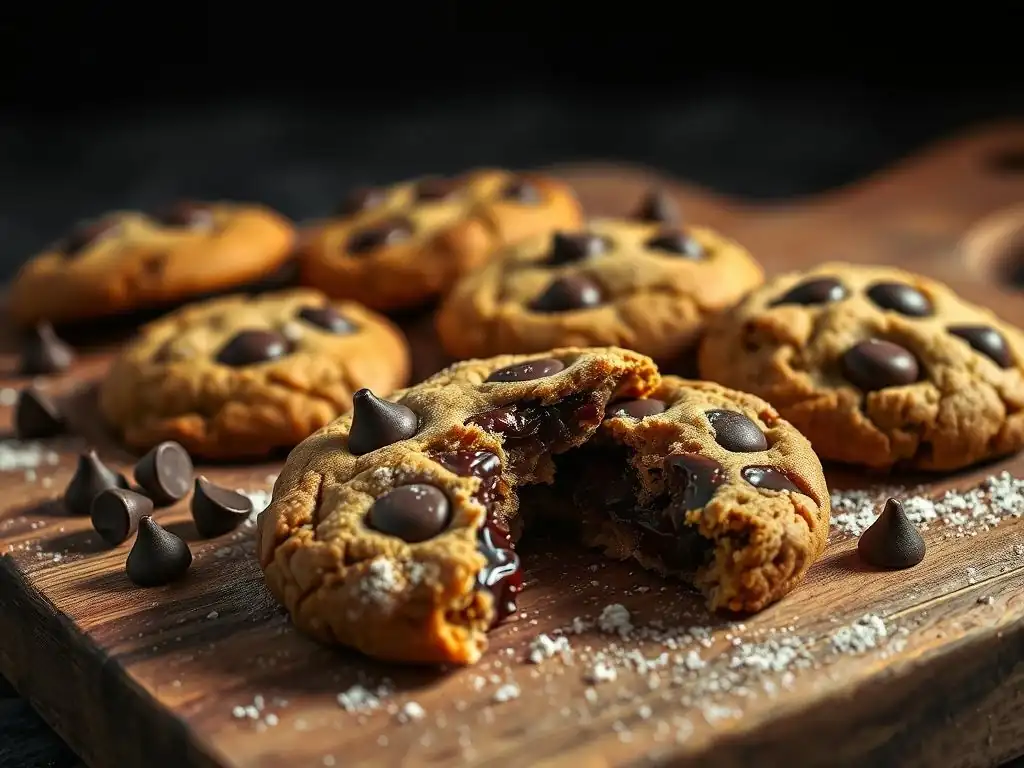
Welcome to BakeWithEase, your trusted guide to creating delightful treats! Ever wondered how to achieve that perfect, irresistible melt in your best chocolate cookies? We'll unravel the secrets to choosing the ideal high-quality chocolate, ensuring your cookies not only taste incredible but also boast that coveted, melty texture. Discover the key to unlocking superior flavor and a flawless melt in our deep dive into Premium Baking Ingredients – your baking adventures are about to get a whole lot sweeter.
- Understanding Chocolate for Cookies: A Baker's Guide
- Types of Chocolate and Their Melting Characteristics
- Achieving the Perfect Chocolate Melt for Your Cookies
- Top Chocolate Brands for the Best Chocolate Cookie Melt: A Comparative Review
- Recipe Adjustments for Different Types of Chocolate
- Storing Chocolate Properly for Optimal Flavor and Melt
- Elevate Your Cookie Baking: Final Thoughts on Chocolate Selection
-
Frequently Asked Questions
- How does the type of chocolate impact the "melt" in chocolate chip cookies?
- What is the best percentage of cocoa for achieving the ideal melt in chocolate chip cookies?
- What factors other than chocolate type can affect the melt of chocolate in cookies?
- Can using chocolate chips versus a chocolate bar affect the melt quality?
- How can I ensure my chocolate chip cookies have a softer, more melty texture?
- Final Reflection: The Enduring Allure of the Perfect Chocolate Chip Cookie Melt
- Unlock Your Cookie's Chocolate Potential!
Selecting high-quality chocolate is paramount for achieving the best chocolate cookies melt and overall flavor experience. Think of chocolate as a primary ingredient, much like flour or butter. Using subpar chocolate can result in a flat, waxy taste and a less-than-desirable texture. Premium chocolates, often made with a higher percentage of cocoa butter and fine cacao beans, offer complex flavor notes—ranging from fruity and floral to nutty and earthy—that simply aren't present in compound chocolates or lower-grade options. These nuances elevate a simple cookie from good to unforgettable.
Furthermore, the quality of chocolate directly impacts its melting properties. High-quality chocolate, particularly those made with cocoa butter and not vegetable oils, melts smoothly and evenly. This is crucial for creating those coveted pools of molten chocolate within a warm cookie. When cooled, this chocolate sets with a pleasant snap and texture, contributing significantly to the cookie's structural integrity and mouthfeel. Investing in better chocolate is investing in the ultimate enjoyment of your baked goods, ensuring the best chocolate cookies melt every time you pull a batch from the oven.
The flavor profile of the chocolate is arguably the most significant factor influenced by its quality. Mass-produced chocolates often rely heavily on sugar and artificial vanilla, masking the true taste of the cacao. In contrast, artisan or high-quality brands highlight the origin and processing of the cacao bean, resulting in distinct, nuanced flavors. For example, a chocolate from Madagascar might offer bright, red fruit notes, while one from Ecuador could lean towards floral or nutty profiles. These subtle differences translate directly into the finished cookie, adding layers of complexity beyond just sweetness.
Beyond flavor, texture is profoundly affected. High-quality chocolate with a good amount of cocoa butter melts into a luxurious, glossy liquid. When baked into a cookie, it creates pockets of rich, gooeyness. As the cookie cools, this chocolate solidifies with a firm but not hard texture, often with a satisfying snap when broken.
Lower quality chocolates, which may contain hydrogenated oils or less cocoa butter, can melt poorly, sometimes seizing or becoming grainy. After baking, they might set into a brittle, waxy, or even chalky texture that detracts from the cookie's overall appeal. Achieving the best chocolate cookies melt relies heavily on starting with chocolate that has superior melting characteristics.
Key Factors to Consider When Selecting Chocolate for Baking
When choosing chocolate for baking, several key factors come into play to ensure the best chocolate cookies melt and flavor. First, consider the cacao percentage, especially for dark chocolate. This indicates the proportion of the chocolate derived from cacao beans (cocoa solids and cocoa butter). A higher percentage generally means a less sweet, more intense chocolate flavor. For cookies, a range between 60% and 75% is often ideal for dark chocolate chips or chunks, providing a good balance of richness and sweetness that complements the cookie dough.
Second, look at the ingredients list. High-quality chocolate should primarily list cocoa mass (or cocoa liquor), sugar, and cocoa butter. Avoid chocolates that list vegetable oils or hydrogenated fats as primary ingredients, as these are often compound chocolates that do not melt or taste as well as pure chocolate.
The form of the chocolate also matters: baking bars, fèves (large discs), or high-quality chips specifically designed for baking (which often contain less lecithin to help hold their shape) are usually preferable to standard snacking chocolate bars. Finally, consider the intended flavor profile of your cookie – do you want a bold, intense chocolate presence, or something sweeter and creamier? This will guide your choice between dark, milk, or white chocolate options.
Types of Chocolate and Their Melting Characteristics
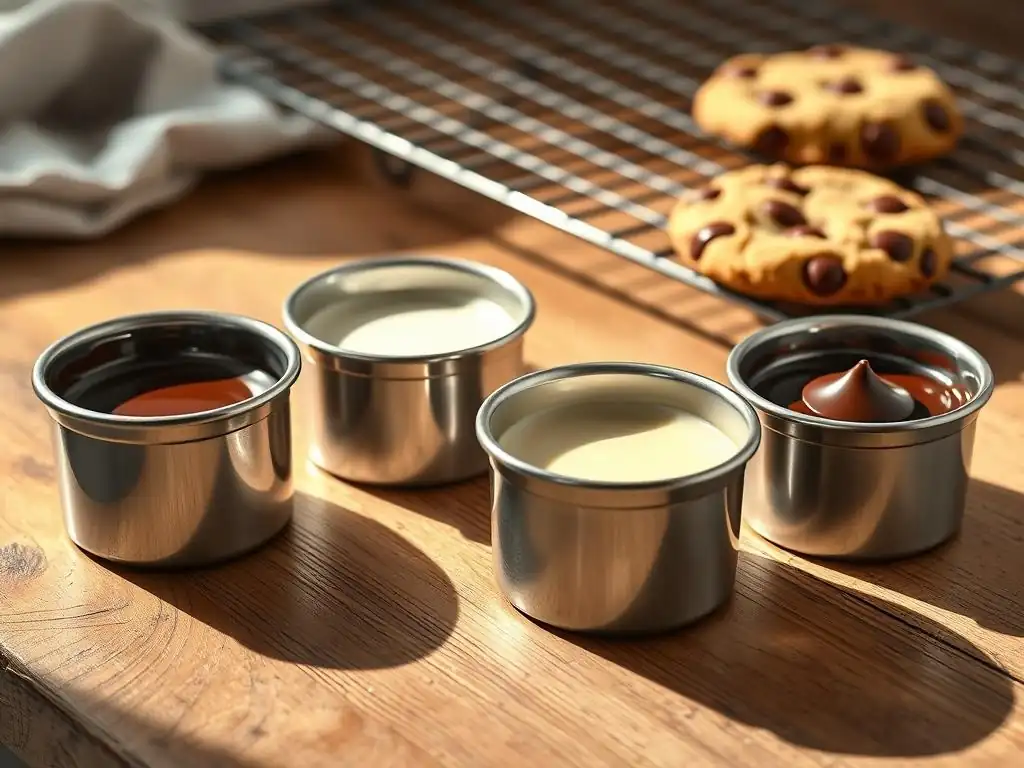
Dark Chocolate: Achieving a Deep, Rich Flavor and Smooth Melt
Dark chocolate is a favorite for cookies, offering a depth of flavor that provides a wonderful contrast to sweet dough. Its composition, primarily cocoa solids and cocoa butter with less sugar than milk chocolate, means it has a relatively high melting point, typically between 85-90°F (29-32°C) for tempering and around 105-115°F (40-46°C) to fully melt. This higher melting point is beneficial in cookies as it allows the chocolate chunks or chips to hold their shape slightly longer during baking, resulting in distinct pockets of molten chocolate rather than disappearing into the dough.
To achieve the best chocolate cookies melt with dark chocolate, using baking-specific versions is often recommended. These are formulated to melt more slowly and maintain their form better in the oven. The high cocoa butter content in quality dark chocolate ensures a smooth, fluid melt when heated properly, leading to a luxurious texture in the finished cookie. The rich, slightly bitter notes of dark chocolate also balance the sweetness of classic cookie doughs beautifully, creating a more sophisticated flavor profile.
Exploring Dark Chocolate Percentages: From 60% to 85% Cacao
The cacao percentage in dark chocolate is a key indicator of its intensity and sweetness level, significantly impacting the best chocolate cookies melt experience for your specific recipe. Chocolates around 60-65% cacao are moderately intense, with a good balance of cocoa flavor and sweetness. This range is often very versatile for cookies, appealing to a broad palate. Brands like Guittard's 63% or Ghirardelli's 60% chips fall into this category and melt reliably.
Moving up to 70-75% cacao, the chocolate becomes notably less sweet and the cocoa flavor is more pronounced, sometimes revealing fruity, floral, or earthy undertones depending on the bean origin. Scharffen Berger's 70% is a popular choice for bakers seeking this intensity. Chocolates at 80% cacao and above are significantly less sweet and can have a pronounced bitterness or astringency.
While they offer a very deep chocolate flavor, they might be too intense for some cookie recipes or palates. They tend to melt similarly to lower percentages but can feel slightly less "gooey" due to the lower sugar content. Experimentation is key to finding the percentage that delivers your best chocolate cookies melt and flavor.
Recommended Dark Chocolate Brands for Cookies: Guittard vs. Scharffen Berger
When aiming for the best chocolate cookies melt using dark chocolate, Guittard and Scharffen Berger are frequently cited as top contenders by serious bakers. Guittard, a family-owned company since 1868, offers a range of dark chocolates known for their consistent quality and excellent melting properties. Their 63% Extra Dark Chocolate Chips or wafers are widely available and perform beautifully in cookies, providing a classic, well-rounded dark chocolate flavor that melts into perfect pockets. They are known for being reliable and accessible.
Scharffen Berger, now part of Hershey but founded as an artisan bean-to-bar maker, is celebrated for its bold, intense flavors, often with higher cacao percentages like their 70% or 82%. Their chocolate tends to have more complex, sometimes fruitier or earthier notes compared to the more traditional profile of Guittard. Scharffen Berger chocolate melts smoothly and contributes a deep, sophisticated chocolate presence to cookies. While potentially slightly more expensive and sometimes harder to find than Guittard, many bakers find its distinct flavor profile worth the investment for achieving a truly memorable best chocolate cookies melt.
Milk Chocolate: A Sweet and Creamy Option
Milk chocolate, characterized by the addition of milk solids, offers a significantly sweeter and creamier profile compared to dark chocolate. It typically contains a lower percentage of cocoa solids (often 30-40%) and a higher percentage of sugar and milk powder. This composition results in a lower melting point, usually around 80-85°F (27-29°C) for tempering and 95-105°F (35-40°C) for full melting. This lower melting point means milk chocolate melts more readily and can become quite soft and gooey in a warm cookie.
While often overlooked by dark chocolate purists, high-quality milk chocolate can provide a delightful, comforting sweetness and a very smooth, almost liquid melt in cookies, contributing to a wonderfully soft texture. The key is to choose a good quality milk chocolate, as cheaper options can be overly sweet or waxy. When seeking the best chocolate cookies melt with milk chocolate, look for brands with a decent cocoa percentage (above 30% is a good start) and a creamy texture.
When Milk Chocolate Works Best in Cookies
Milk chocolate excels in cookies where a classic, sweet, and creamy flavor is desired, evoking a sense of nostalgia or comfort. It pairs particularly well with doughs that aren't excessively sweet themselves, such as a standard chocolate chip cookie dough or an oatmeal cookie. The richness of the milk solids complements ingredients like brown sugar and butter beautifully. For instance, a chewy oatmeal cookie with large chunks of melted milk chocolate provides a different, but equally satisfying, experience compared to one made with dark chocolate.
Using milk chocolate can also be ideal when baking for those who find dark chocolate too intense or bitter. It creates a universally appealing cookie.
To achieve the best chocolate cookies melt with milk chocolate, consider using larger chunks or fèves instead of standard chips, as their size allows them to melt into substantial pockets of gooeyness rather than spreading too thinly due to the lower melting point. Combining milk and dark chocolate in the same cookie is also a popular technique to get the best of both worlds: the intensity of dark chocolate and the creamy sweetness of milk chocolate.
Top Milk Chocolate Choices: Valrhona Jivara and Lindt
For bakers seeking the best chocolate cookies melt with milk chocolate, premium options like Valrhona Jivara and high-quality Lindt varieties are excellent choices. Valrhona Jivara 40% Milk Chocolate is renowned among pastry chefs for its incredibly smooth texture and complex flavor profile, featuring notes of caramel and vanilla without being overly sweet. Its high quality ensures a beautiful, fluid melt that creates luxurious, gooey pockets in cookies. While a more premium price point, a small amount can significantly elevate your milk chocolate chip cookie game.
Lindt offers several milk chocolate options suitable for baking, particularly their higher-cacao percentage bars (like 30% or 35%) or baking-specific products if available. Lindt's chocolate is generally accessible and provides a reliable, creamy melt and a classic milk chocolate flavor that is well-balanced. While perhaps not reaching the artisanal complexity of Valrhona, Lindt represents a high-quality, widely available option for achieving a delicious and reliably gooey best chocolate cookies melt with milk chocolate.
White Chocolate: Adding Sweetness and a Unique Texture
White chocolate is technically not chocolate in the traditional sense, as it contains no cocoa solids, only cocoa butter, sugar, milk solids, and often vanilla. This composition gives it a distinct sweet, creamy flavor and a lower melting point than dark or even milk chocolate, typically around 80-85°F (27-29°C). When melted, high-quality white chocolate made with real cocoa butter becomes very fluid and smooth, offering a unique textural contribution to cookies.
Its primary role in cookies is to add sweetness and richness without any of the cocoa flavor found in dark or milk chocolate. This makes it a versatile ingredient for pairing with flavors like macadamia nuts, cranberries, lemon zest, or matcha, where you want sweetness and creaminess without competing chocolate notes. Achieving the best chocolate cookies melt with white chocolate involves careful handling due to its sensitivity to heat.
White Chocolate Considerations for Optimal Melting
White chocolate's composition makes it particularly prone to seizing or burning if overheated. Because it lacks cocoa solids, the sugar and milk solids are more exposed to direct heat. For the best chocolate cookies melt with white chocolate, gentle, indirect heat is crucial. Using a double boiler is often preferred over a microwave, as it provides more controlled heating. If using a microwave, heat in very short intervals (15-20 seconds) on a low power setting, stirring thoroughly after each interval, even if it doesn't look melted, until it's completely smooth.
The quality of the white chocolate is paramount, perhaps even more so than with dark or milk. Cheaper white chocolates often contain hydrogenated vegetable oils instead of cocoa butter, resulting in a waxy texture that doesn't melt smoothly or taste good. Real white chocolate made with cocoa butter melts into a luxurious, glossy liquid. When baked into cookies, it creates pockets of creamy sweetness that can spread more than dark or milk chocolate due to its lower melting point, contributing to a softer texture around the white chocolate areas.
Best White Chocolate for Baking: Valrhona Opalys and Guittard
For bakers aiming for the best chocolate cookies melt and superior flavor with white chocolate, Valrhona Opalys 33% and high-quality white chocolate from Guittard are top recommendations. Valrhona Opalys is considered a benchmark for professional white chocolate. It has a high cocoa butter content (33%), resulting in an exceptionally smooth melt and a pure, creamy flavor with notes of fresh milk and vanilla, without excessive sweetness. Its quality ensures it melts beautifully in cookies, creating luscious, creamy pockets.
Guittard also offers excellent white chocolate options, such as their 31% White A'Peels or wafers, which are more readily available than Valrhona for many home bakers. Guittard's white chocolate is known for its reliable performance in baking, melting smoothly and providing a balanced sweet and creamy flavor. While the flavor profile might be slightly less complex than Valrhona Opalys, it is a significant step up from standard supermarket white chocolate chips and reliably delivers a good best chocolate cookies melt experience in cookies.
Semisweet Chocolate: A Versatile Baking Staple
Semisweet chocolate is perhaps the most classic choice for chocolate chip cookies and is known for its versatility. By definition, it must contain at least 35% cocoa solids, but most baking semisweet chocolates range from 40% to 50% cacao. This range offers a balance between the intensity of dark chocolate and the sweetness of milk chocolate. Its melting point is typically similar to dark chocolate, making it reliable for maintaining shape somewhat during baking while still melting into gooey pockets.
The appeal of semisweet chocolate lies in this balance. It provides enough cocoa flavor to satisfy chocolate cravings but is sweet enough to be widely appealing. For many, this is the standard for achieving the best chocolate cookies melt in a traditional chocolate chip cookie. It complements the brown sugar and vanilla in classic doughs without overpowering them, offering a pleasant, familiar chocolate experience.
Semisweet Chocolate's Ideal Balance of Sweetness and Bitterness
Semisweet chocolate strikes a harmonious balance between sweetness and the slight bitterness inherent in cocoa solids. This makes it incredibly adaptable to various cookie recipes. Unlike very dark chocolate which can dominate other flavors, or milk chocolate which can sometimes be too sweet, semisweet provides a reliable middle ground. A typical semisweet chocolate chip (around 40-45% cacao) offers enough cocoa flavor to provide a pleasant contrast to the sweet dough, while the remaining sugar ensures it remains approachable and doesn't taste bitter.
This balance also contributes to its melting behavior. The combination of cocoa butter and sugar allows it to melt smoothly and maintain a desirable viscosity when warm. In a baked cookie, this translates to those iconic, slightly spread-out, gooey pools of chocolate that define a classic chocolate chip cookie. For many bakers and eaters, this reliable, balanced melt and flavor profile is the epitome of the best chocolate cookies melt.
Recommended Semisweet Chocolate Brands for Cookies: Ghirardelli & Nestle Toll House
When discussing semisweet chocolate for cookies, Ghirardelli and Nestle Toll House are two of the most ubiquitous brands, each offering a different take on the classic. Nestle Toll House is the original and most widely recognized name in chocolate chip cookies. Their semisweet chips (typically around 46% cacao) are formulated to hold their shape relatively well during baking while still melting adequately into soft centers. They provide a familiar, comforting sweetness and a decent, though often not the most complex, chocolate flavor. They are accessible and reliable for a traditional best chocolate cookies melt.
Ghirardelli offers a range of semisweet baking chips and bars, often with a slightly higher perceived quality and sometimes a higher cacao percentage than standard Toll House. Their 60% Cacao Bittersweet Chips, while technically bittersweet, are often used in place of semisweet for a richer flavor. Their standard Semisweet Chips also perform well, melting smoothly and providing a good balance.
Many bakers find Ghirardelli chips melt into slightly gooier puddles than Toll House, contributing to a perhaps more desirable best chocolate cookies melt texture for some. Both are solid choices, with Ghirardelli often preferred by those seeking a slightly more intense flavor.
Tempering chocolate is a crucial technique if you're using chocolate bars or fèves and want the chocolate to set with a glossy sheen and a firm snap at room temperature after baking, or if you plan to dip finished cookies. Untempered chocolate, when melted and cooled, can result in dull, streaky, or soft chocolate with a crumbly texture (known as bloom). Tempering involves carefully melting and cooling chocolate to specific temperature ranges to stabilize the cocoa butter crystals in their most desirable form (Form V).
While not strictly necessary for chocolate chunks or chips within a cookie (as the heat of baking changes the crystalline structure anyway, and the goal is often a gooey melt), understanding tempering is vital if you're using melted chocolate as a coating or drizzle after baking. Properly tempered chocolate will cool and set quickly, shrink slightly for easy release from molds, and provide a satisfying snap when broken. This contributes to the overall aesthetic and textural quality, ensuring your best chocolate cookies melt looks as good as it tastes.
Melting Chocolate Techniques: Double Boiler vs. Microwave
Choosing the right method to melt your chocolate is key, whether you're tempering or simply creating chunks from a bar to get the best chocolate cookies melt in your dough. The two most common methods are using a double boiler or a microwave. Both can be effective, but each requires careful attention to prevent seizing or burning the chocolate.
The double boiler method offers more control and is generally considered safer, especially for delicate white or milk chocolate. It uses indirect heat from steam to gently melt the chocolate. The microwave method is faster but requires vigilance, as chocolate can overheat and burn very quickly. Regardless of the method, always start with finely chopped chocolate or small pieces for even melting and stir frequently.
Double Boiler Method: Step-by-Step Guide
Using a double boiler is a classic, gentle way to melt chocolate, ideal for achieving the best chocolate cookies melt without risk of burning. You'll need a saucepan and a heatproof bowl that fits snugly over the top of the saucepan without touching the water.
- Fill the saucepan with about an inch or two of water. Bring the water to a gentle simmer over medium heat.
- Place the finely chopped chocolate or fèves in the heatproof bowl.
- Set the bowl over the simmering water. Ensure the bottom of the bowl does not touch the water. The steam from the simmering water will provide indirect heat to melt the chocolate.
- Stir the chocolate gently and continuously with a dry rubber spatula or spoon.
- Continue stirring until the chocolate is about 75-80% melted and smooth.
- Remove the bowl from the heat immediately. The residual heat will melt the remaining chocolate as you continue to stir.
- Stir until completely smooth and melted. Use immediately or proceed with tempering if desired. Ensure no water or steam comes into contact with the chocolate, as this can cause it to seize.
Microwave Method: Tips for Preventing Seizing
Melting chocolate in the microwave is faster but requires careful technique to prevent overheating and seizing, which ruins the texture and makes it unusable for achieving a smooth best chocolate cookies melt.
- Place the finely chopped chocolate or fèves in a microwave-safe bowl.
- Heat on a medium power setting (around 50%) for 30-second intervals.
- After each 30-second interval, remove the bowl and stir the chocolate thoroughly, even if it doesn't appear to be melting much at first. The heat distributes unevenly in a microwave, and stirring helps to melt the chocolate from the residual heat.
- Reduce heating intervals to 15 seconds as the chocolate begins to melt.
- Continue heating and stirring until the chocolate is mostly melted, with just a few small solid pieces remaining.
- Remove from the microwave and stir continuously. The residual heat will melt the remaining pieces, resulting in a smooth, liquid chocolate. Do not try to melt all the pieces in the microwave, as this is when it's most likely to overheat.
Troubleshooting Common Chocolate Melting Issues
Even with careful technique, melting chocolate for the best chocolate cookies melt can sometimes go wrong. The most common issue is seizing, where the chocolate suddenly turns from a smooth liquid into a thick, grainy, or pasty mass. This usually happens when chocolate comes into contact with even a tiny amount of water or steam, or when it is severely overheated, especially in the microwave.
Another issue can be burning, where the chocolate develops a burnt odor and hardens, becoming unusable. This is also caused by excessive heat. Knowing how to troubleshoot these problems, or ideally, prevent them from happening in the first place, is a valuable skill for any baker working with chocolate.
Dealing with Seized Chocolate: Rescue Strategies
If your chocolate seizes, don't despair immediately – sometimes it can be rescued, though it won't be suitable for tempering or fine applications like coating. For seized chocolate intended to be used as chips or chunks within a cookie dough where precise texture isn't critical, you might be able to incorporate it as is, though the texture won't be ideal for the best chocolate cookies melt.
To attempt a rescue, try stirring in a very small amount of a neutral, hot liquid, like vegetable oil or melted butter, one teaspoon at a time, stirring vigorously. The hot liquid can sometimes help to smooth out the consistency. Be cautious, as adding too much liquid can make it greasy.
Another method is to try stirring in a tablespoon of melted cocoa butter. While these methods can sometimes make seized chocolate usable in certain recipes (like brownies or cakes where the texture is less critical), they rarely restore it to a perfectly smooth, glossy state suitable for achieving the best chocolate cookies melt in a premium cookie. Prevention is truly the best strategy.
Achieving a Smooth, Even Melt Every Time
To consistently achieve a smooth, even melt essential for the best chocolate cookies melt in your cookies, follow a few key principles. Always start with high-quality chocolate made with real cocoa butter. Chop bar chocolate into small, uniform pieces so they melt at the same rate. Use clean, dry utensils and bowls – even a single drop of water can cause seizing.
Employ gentle heat, whether using a double boiler with simmering (not boiling) water or the microwave on a low power setting with short intervals. Stir frequently to distribute heat evenly and monitor the chocolate constantly. Remove the chocolate from the heat source before it's fully melted and rely on residual heat to finish the job. Patience and low heat are your best friends when melting chocolate for baking.
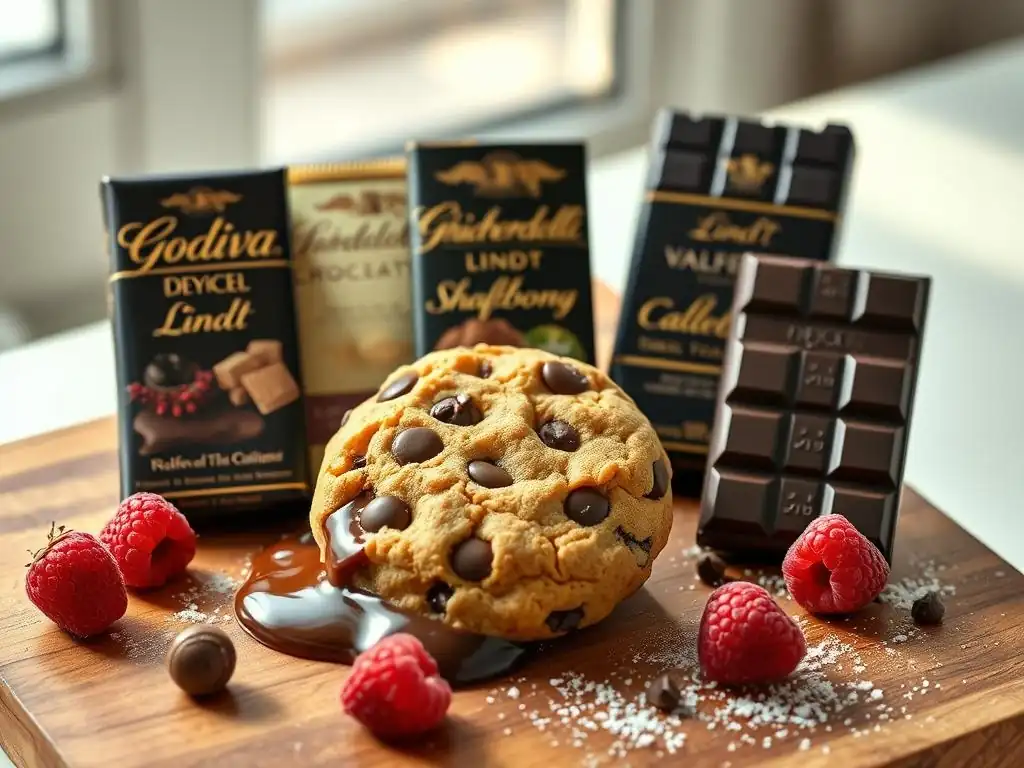
Guittard Baking Chocolate: Features, Pros, and Cons
Guittard is a respected American chocolate maker with a long history, offering a wide range of baking chocolates popular with both home bakers and professionals. Their products are made with real cocoa butter and come in various forms, including chips, wafers (A'Peels), and bars, across different cacao percentages (from white to extra dark). Their chips, particularly the 63% Extra Dark and 46% Semisweet, are specifically formulated to hold their shape somewhat in the oven while still melting into soft centers, contributing to a reliable best chocolate cookies melt.
Pros:
- Consistent quality and reliable performance in baking.
- Excellent melting properties for chips, creating distinct pockets.
- Widely available in many grocery stores and specialty shops.
- Offers a good range of cacao percentages and types.
- Generally considered a step up in quality from mass-market brands like Nestle or Hershey's.
Cons:
- Flavor profile is classic and reliable but perhaps less complex or unique compared to some artisan brands.
- Can be slightly more expensive than standard supermarket brands.
Flavor Profile and Melting Performance of Guittard
Guittard's dark chocolates typically offer a balanced, classic cocoa flavor that isn't overly bitter, often with subtle notes of fruit or earthiness depending on the specific percentage. Their semisweet has a pleasant sweetness with a noticeable cocoa presence. The flavor is clean and pairs well with traditional cookie ingredients.
In terms of melting performance, Guittard chips are designed for baking, meaning they resist spreading completely thin in the oven while still becoming beautifully soft and gooey inside a warm cookie. Their wafers and bars, when chopped, melt smoothly and consistently using standard methods, making them excellent for creating chunks that yield a lovely best chocolate cookies melt texture.
Potential Affiliate Links and Cost Considerations for Guittard
(As per instructions, I cannot include actual links or discuss specific pricing, but I can discuss cost generally.)
Guittard baking chocolate is typically priced in the mid-range for baking chocolate. It is more expensive than basic supermarket brands like Nestle Toll House or Hershey's but less costly than premium European brands like Valrhona or Callebaut.
The cost can vary depending on the product form (chips are often less expensive per ounce than wafers or bars) and the retailer. While specific affiliate links are not allowed, it's worth noting that Guittard products are commonly available through major online retailers and baking supply stores, making them relatively easy to source for those seeking a reliable best chocolate cookies melt option without breaking the bank.
Ghirardelli Baking Chocolate: A Classic Choice
Ghirardelli is another well-established American chocolate company, widely available and popular for baking. They offer a broad selection of baking chips, wafers, and bars in various types (semisweet, milk, white, bittersweet, 60% cacao, 74% cacao). Their chips are a staple in many pantries for making classic chocolate chip cookies. Ghirardelli positions itself as offering premium quality accessible to the home baker.
Pros:
- Very widely available in most grocery stores.
- Offers a good variety of types and cacao percentages.
- Generally reliable performance for baking chips, melting into good gooey centers.
- Often competitively priced, especially when on sale.
- Flavor is familiar and appealing to a broad audience.
Cons:
- Flavor profile can sometimes be less complex than more artisanal brands.
- Some bakers find their chips spread slightly more than brands like Guittard, depending on the specific product.
Ghirardelli's Range of Baking Chocolate: Options and Applications
Ghirardelli provides numerous options suitable for achieving a great best chocolate cookies melt. Their Semisweet Chips are a go-to for classic chocolate chip cookies. Their 60% Cacao Bittersweet Chips offer a richer flavor for those who prefer less sweetness. They also offer Milk Chocolate Chips and White Chips, allowing for versatility in different cookie recipes. Beyond chips, they have baking bars and wafers that can be chopped for creating larger chocolate chunks, which often result in more substantial pockets of melted chocolate in cookies.
These different options mean Ghirardelli can be used in almost any cookie recipe calling for chocolate. The 60% Bittersweet chips, for instance, are excellent in recipes designed for a deeper chocolate flavor, while the milk chocolate chips work well in softer, sweeter cookies like those with oatmeal or nuts.
Pros and Cons of Using Ghirardelli in Your Cookies
Using Ghirardelli in your cookies offers the significant advantage of accessibility and familiarity. Their chips are reliably found in most supermarkets, making last-minute baking easy. They perform consistently, generally melting well to create satisfying pockets of chocolate, contributing positively to the best chocolate cookies melt experience for many classic recipes. The flavor is broadly appealing and balanced.
However, compared to truly premium brands, the flavor complexity might be less pronounced. Some bakers also note that Ghirardelli chips can spread a bit more than some other brands designed specifically to hold shape, which might affect the final aesthetic of the chocolate pieces in the cookie, although they still melt into a gooey texture. Despite these minor points, Ghirardelli remains a solid, dependable choice for everyday cookie baking.
Valrhona is a French chocolate manufacturer highly regarded by pastry chefs and serious bakers worldwide for its exceptional quality and complex flavor profiles. Valrhona produces couverture chocolate, which has a high cocoa butter content, making it ideal for melting and tempering, and contributing to a luxurious best chocolate cookies melt. They offer a range of products, including fèves (large oval discs), bars, and some baking-specific items, often highlighting specific cacao bean origins.
Pros:
- Exceptional, complex flavor profiles based on high-quality cacao beans.
- High cocoa butter content ensures a superior, smooth melt and glossy finish when tempered.
- Considered a top-tier chocolate for professional results.
- Wide variety of origins and percentages to explore different flavors.
Cons:
- Significantly more expensive than most other baking chocolates.
- Less widely available in standard grocery stores, often requiring purchase from specialty shops or online.
- Requires careful handling (like tempering if using fèves/bars for coatings) to achieve its full potential.
Valrhona's Unique Flavor Profiles and Melting Properties
Valrhona chocolates are known for their distinct and nuanced flavors, often described with tasting notes similar to fine wine or coffee. For example, their Guanaja 70% is noted for its bitterness and floral notes, while Caraïbe 66% offers roasted cocoa and almond flavors. This complexity translates directly into the cookie, adding layers of flavor beyond simple chocolate.
Valrhona's high cocoa butter content (often around 30-40% for dark varieties) results in superior melting properties. Their fèves melt incredibly smoothly and evenly, creating rich, liquid pools of chocolate in cookies. When cooled, this chocolate maintains a lovely texture. While Valrhona is often used in professional settings where tempering is common, simply chopping their bars or using their fèves directly in cookie dough will still yield a best chocolate cookies melt experience characterized by intense flavor and luxurious texture.
Investing in Valrhona: Is It Worth the Cost for Your Cookies?
Investing in Valrhona for your cookies is a decision based on prioritizing exceptional flavor and texture. While undeniably more expensive than brands like Ghirardelli or Guittard, the difference in quality is often noticeable, especially in recipes where chocolate is a star ingredient. If you're baking for a special occasion, aiming to replicate a high-end bakery cookie, or simply passionate about experiencing the full potential of chocolate in baking, Valrhona is absolutely worth the cost.
For everyday baking or large batches, it might be cost-prohibitive for some. However, even using a smaller amount of high-quality Valrhona chunks can elevate a standard recipe significantly. The best chocolate cookies melt achieved with Valrhona is characterized by its intense, complex flavor and incredibly smooth, almost fudge-like texture when cool, offering a truly premium baking experience.
Scharffen Berger Baking Chocolate: A Bold and Complex Option
Scharffen Berger, originally an American artisan bean-to-bar chocolate maker and now part of Hershey, is known for its high-cacao, intensely flavored dark chocolates. They offer bars and baking chunks, particularly focusing on percentages like 70% Cacao and 82% Cacao Extra Dark. Their chocolate is characterized by a bold, robust flavor profile, often with fruity or earthy undertones, appealing to those who prefer less sweetness and more pure cocoa intensity.
Pros:
- Intense, complex flavor profiles with prominent cocoa notes.
- High cacao percentages available for deep flavor.
- Good melting properties, creating rich, dark pools.
- Offers baking chunks designed for cookies.
Cons:
- Flavor intensity might be too strong for some palates or recipes.
- Less sweet than many other baking chocolates, requiring recipe adjustments if substituting.
- Availability can be inconsistent in standard grocery stores.
Scharffen Berger's Intense Flavor and High Cacao Content
Scharffen Berger's hallmark is its focus on the pure flavor of the cacao bean, often roasted darker than many European chocolates. Their 70% cacao is a popular choice, offering a balance of intensity and approachability, with notes that can range from cherry to espresso. Their 82% is significantly more intense and less sweet, suitable for those who love very dark chocolate. This focus on high cacao content results in a less sweet chocolate that provides a powerful chocolate punch in cookies, contributing to a very distinct best chocolate cookies melt flavor.
The high cocoa butter content in their quality chocolate ensures it melts smoothly and creates lovely, dark, gooey pockets in cookies. Because of the lower sugar content compared to semisweet, the melted pools might appear slightly less spread-out but retain a rich, almost fudge-like texture upon cooling, providing a satisfying contrast to the cookie dough.
Scharffen Berger Baking Chocolate: Best Uses for Cookies?
Scharffen Berger excels in cookie recipes where you want the chocolate flavor to be front and center and where a less sweet profile is desired. Their 70% chunks are fantastic in classic chocolate chip cookies for a more sophisticated, less sweet version. They pair wonderfully with ingredients that can stand up to the intense flavor, such as walnuts, pecans, or a hint of sea salt sprinkled on top.
Using Scharffen Berger's 82% in cookies is best suited for recipes specifically designed for very dark chocolate, perhaps balanced with sweeter doughs or other sweet mix-ins. If substituting Scharffen Berger for a semisweet in a standard recipe, you might consider slightly increasing the sugar in the dough to balance the chocolate's bitterness. For a bold, intense best chocolate cookies melt experience, Scharffen Berger is an excellent, albeit potent, choice.
Recipe Adjustments for Different Types of Chocolate
Adapting your cookie recipe based on the type of chocolate you use is crucial for achieving the best chocolate cookies melt and overall flavor balance. Swapping dark, milk, or white chocolate into a recipe originally designed for semisweet without adjustments can sometimes throw off the sweetness, texture, or even the baking time.
Consider the sugar content and melting point of the chocolate. Dark chocolate has less sugar and a higher melting point than milk or white. White chocolate has no cocoa solids and a low melting point. These differences mean you might need to tweak the dough composition or baking process slightly to get optimal results.
When adapting a standard chocolate chip cookie recipe (typically using semisweet) for dark chocolate, especially those 70% cacao and above, you might consider slightly increasing the sugar in the dough. Dark chocolate is less sweet, and adding a touch more sugar (perhaps 1-2 tablespoons per batch) can help balance the bitterness and create a more harmonious flavor profile. This is particularly true if you're using chocolate above 75%.
Additionally, ensure your dark chocolate is chopped into appropriate-sized chunks or use baking-specific chips. High-quality dark chocolate melts beautifully, but its higher melting point means it will hold its shape slightly better than semisweet or milk chocolate chips, resulting in more defined pockets of chocolate. The best chocolate cookies melt with dark chocolate is rich and intense, so ensure the dough flavor complements this.
Substituting milk chocolate for semisweet in a cookie recipe will introduce more sweetness and a creamier texture. If the original recipe is already quite sweet, using milk chocolate might make the finished cookie overly sugary for some tastes. Consider slightly reducing the sugar in the dough (perhaps by 1-2 tablespoons per batch) to compensate for the added sweetness of the milk chocolate.
Because milk chocolate has a lower melting point, it will spread more readily in the oven. Using larger chunks or fèves instead of standard chips can help ensure you get substantial pockets of melted chocolate rather than it disappearing into the dough. The best chocolate cookies melt with milk chocolate is very soft and gooey, providing a comforting texture. Ensure your baking time isn't excessively long, which could potentially cause the milk chocolate to burn due due to its sugar content.
Adapting a recipe for white chocolate requires careful consideration of both sweetness and melting characteristics. White chocolate is very sweet and lacks the balancing bitterness of cocoa solids. If replacing semisweet or dark chocolate, you will almost certainly need to reduce the sugar in the dough significantly (potentially by 1/4 cup or more per batch, depending on the recipe's original sweetness and the amount of white chocolate used).
White chocolate melts at a low temperature and can scorch easily. Use high-quality white chocolate with real cocoa butter for the best chocolate cookies melt. Chopping it into chunks or using wafers is better than standard chips, which may contain stabilizers that affect melting texture. Be mindful of baking time; white chocolate can caramelize or brown faster than dark or milk chocolate due to its high sugar content. The melted white chocolate will be very fluid and creamy, contributing a unique texture to the cookie.
Semisweet chocolate is often the default for many cookie recipes, so adaptation is usually minimal or unnecessary if you're using a standard recipe. However, if you are substituting it into a recipe designed for milk or dark chocolate, consider the sweetness balance. If the recipe was for very dark chocolate, semisweet will make the cookie sweeter. If it was for milk chocolate, semisweet will make it less sweet and add cocoa flavor.
Using high-quality semisweet chips or chopped bars designed for baking will ensure a reliable best chocolate cookies melt. These are formulated to hold their shape slightly while baking, creating those classic gooey centers. Pay attention to the cacao percentage within the semisweet range (40-50%); a 40% will behave more like milk chocolate in terms of sweetness, while a 50% will lean closer to dark chocolate.
Storing Chocolate Properly for Optimal Flavor and Melt
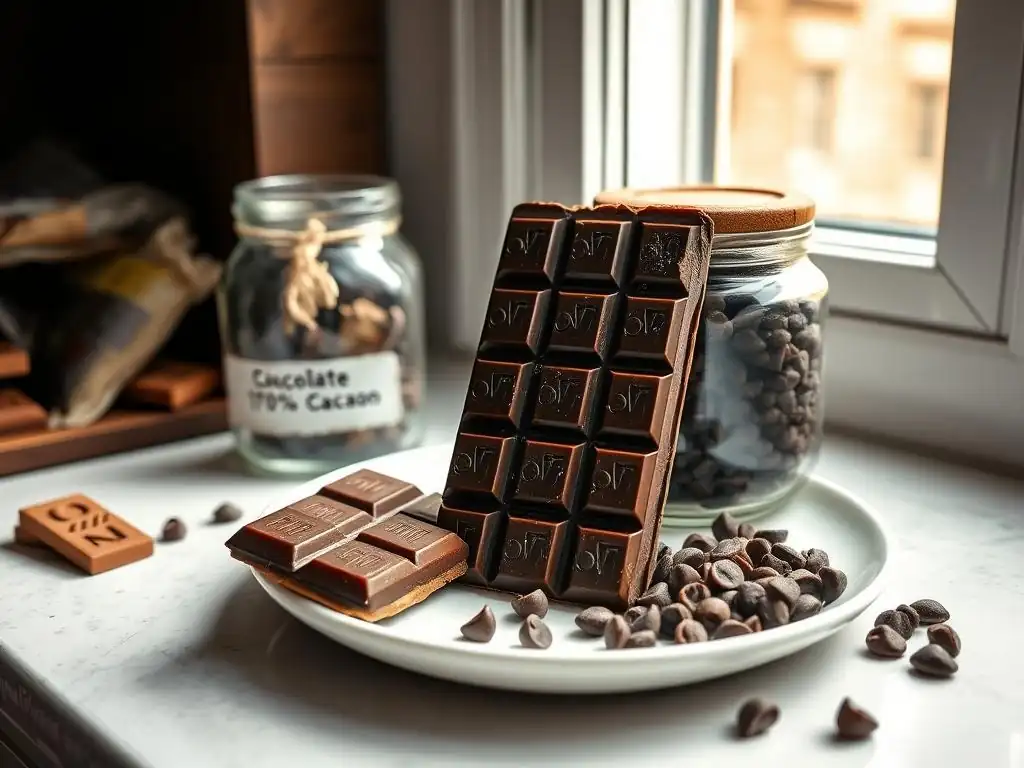
Proper storage is essential for maintaining the quality of your chocolate, ensuring it retains its flavor and melts correctly when you're ready to bake the best chocolate cookies melt. Chocolate is sensitive to temperature, humidity, odors, and light. Storing it incorrectly can lead to flavor degradation, textural issues, and the dreaded sugar or fat bloom.
The goal is to keep the chocolate stable and protected from environmental factors. This means finding a cool, dry place away from anything that could compromise its quality. Taking a little care in storage goes a long way in preserving the integrity of this precious baking ingredient.
Best Practices for Keeping Chocolate Fresh
To keep your chocolate fresh and ready to deliver the best chocolate cookies melt, store it in a cool, dark place. An ideal temperature is between 60°F and 70°F (15°C and 21°C). Avoid refrigeration if possible, as the humidity and fluctuating temperatures can cause sugar bloom (a white, dusty layer) and condensation, which is detrimental to chocolate.
If you must refrigerate due to a hot climate, wrap the chocolate very tightly in plastic wrap and then place it in an airtight container to protect it from moisture and odors. Allow it to come to room temperature gradually before unwrapping to prevent condensation.
Store chocolate away from strong odors; it can absorb smells from nearby foods. Keep it away from direct sunlight or artificial light, which can cause fat bloom (a white, streaky layer) and degrade the flavor. Use airtight containers or resealable bags to protect it from air and moisture. While bloomed chocolate is usually still safe to eat and use in baking (the bloom is just cosmetic and textural), it won't provide the best chocolate cookies melt or flavor compared to properly stored chocolate.
The Impact of Temperature and Humidity on Chocolate Quality
Temperature and humidity are the two most critical environmental factors affecting chocolate quality. High temperatures cause the cocoa butter to melt and separate, potentially leading to fat bloom when it resolidifies. Repeated temperature fluctuations can also lead to bloom and affect the chocolate's temper, making it harder to melt smoothly. Temperatures above 75°F (24°C) are generally detrimental for storage.
High humidity is equally problematic. Moisture can cause the sugar in chocolate to dissolve on the surface and recrystallize as sugar bloom when the moisture evaporates. This results in a grainy, unpleasant texture. Humidity above 50% is not ideal for chocolate storage. The ideal storage environment is consistently cool and dry, ensuring the cocoa butter and sugar remain stable, preserving the chocolate's original texture, flavor, and ability to melt into the best chocolate cookies melt for your baking projects.
Choosing the right chocolate is a fundamental step in elevating your cookie baking from good to truly exceptional. It's not just about adding sweetness; it's about contributing flavor, texture, and visual appeal. The quality and type of chocolate you select will profoundly influence the final taste and the coveted best chocolate cookies melt experience your cookies deliver.
Don't be afraid to explore beyond the standard options available at your local supermarket. While classic brands are reliable, venturing into premium or artisan chocolates can unlock new dimensions of flavor in your baking. Think about the specific characteristics you want the chocolate to contribute to your cookie recipe.
The "right" chocolate depends entirely on the specific cookie recipe and the desired outcome. For a classic, comforting chocolate chip cookie, a high-quality semisweet or a balanced 60-65% dark chocolate is often ideal, providing that familiar best chocolate cookies melt. If you're making a rich, dark chocolate cookie dough, pairing it with chunks of intense 70-75% dark chocolate can enhance the overall chocolate experience.
For cookies with complementary flavors like nuts, dried fruit, or citrus zest, consider how the chocolate will interact. White chocolate pairs beautifully with macadamia nuts and cranberries. Milk chocolate can add creamy sweetness to oatmeal or peanut butter cookies. Think about the texture too – do you want distinct, firm chunks after cooling, or soft, gooey pools? This will influence your choice between chips (designed to hold shape) and chopped bars/fèves (which melt more fully).
Experimenting with Different Chocolate Types to Find Your Perfect Match
The journey to finding your best chocolate cookies melt is often one of delicious experimentation. Don't settle for using the same chocolate every time. Buy small quantities of different high-quality chocolates – a few bars or small bags of fèves from various brands and percentages. Bake small test batches of your favorite cookie recipe using each chocolate.
Pay attention to how each chocolate melts during baking, its texture when warm and when cooled, and its flavor contribution to the finished cookie. Does the 70% dark chocolate provide the intensity you crave? Does the Valrhona milk chocolate offer the creamy sweetness you envision? Keep notes on your results. Over time, you'll discover which chocolates yield your best chocolate cookies melt for different recipes and preferences, making your cookie baking truly your own.
Frequently Asked Questions
The type of chocolate significantly impacts the melt. Higher cocoa butter content leads to a smoother, more fluid melt. Lower quality chocolate may not melt as evenly.
A cocoa percentage between 60-70% is generally considered ideal. This range provides a good balance of intense chocolate flavor and a desirable melt.
Other factors include oven temperature and the amount of time the cookies are baked. Overbaking can dry out the chocolate and prevent a proper melt.
Can using chocolate chips versus a chocolate bar affect the melt quality?
Yes, chocolate chips often contain stabilizers that prevent them from melting as readily as a chopped chocolate bar. Using a bar typically results in a more desirable, flowing melt.
To achieve a softer texture, avoid overmixing the dough and use a higher fat content chocolate. You can also chill the dough before baking to control the spread and melt.
The quest for the ideal chocolate chip cookie melt is more than just a culinary pursuit; it's a reflection of our collective desire for comfort, nostalgia, and pure, unadulterated deliciousness. The journey through various chocolate types, percentages, and melting points, as explored in this article, highlights the surprising complexity hidden within something so seemingly simple. The perfect melt isn't just about texture; it's about the symphony of flavors and the emotional connection we forge with each bite.
The pursuit of the perfect chocolate melt in cookies transcends mere recipe following; it's a deeply personal exploration of taste and memory. The way chocolate melts in a cookie evokes powerful feelings – childhood memories, shared moments with loved ones, and the simple joy of a perfectly baked treat. As the renowned chef Julia Child once said, Find something you're passionate about and keep tremendously interested in it.
This passion for the perfect chocolate chip cookie, and the pursuit of that ideal melt, is a testament to the enduring power of food to connect us to ourselves and to each other.
So, the next time you bake, consider the journey this article has taken you on. Don't just follow a recipe; experiment. Explore different chocolates, pay attention to the subtle nuances of each melt, and most importantly, savor the experience. Remember the joy of that first perfect bite, the way the warm chocolate spreads across your tongue, and the comforting feeling that only a truly exceptional chocolate chip cookie can provide. The perfect melt awaits – go find it.
Thanks for diving into the world of high-quality chocolate with us! You've now got the knowledge to elevate your baking game. Ready to put your new skills to the test?
- Experiment with different chocolate types: Try substituting your usual chocolate with a dark, milk, or even white variety to see how the flavor profile changes your cookies.
- Share your cookie creations with our community on social media using #BakeWithEaseChocolateCookies – we’d love to see your baking masterpieces!
- Dive deeper into chocolate varieties by exploring different origins and percentages – learn what makes each unique!
What's your favorite type of chocolate for cookies, and why? Let's discuss!