
Prevent Grainy Fudge Forever: Easy Steps to CrystalFree Results

Welcome to BakeWithEase, your guide to unlocking baking brilliance! Ever dreamt of creating perfectly smooth, melt-in-your-mouth fudge, free from that dreaded grainy texture? You're in the right place. Dive into our Baking Science Deep Dive as we unravel the crystalfree fudge recipe secrets that will transform your confections. Curious how to achieve that flawless, creamy consistency every time? Let's explore the science behind it and banish grainy fudge forever!
- Achieving Silky Smooth Fudge: A Guide to Crystal-Free Results
- The Art of Crystal-Free Fudge: Mastering Smoothness
- Understanding Fudge Crystallization: The Science of Smoothness
- Techniques for Crystal-Free Fudge: Secrets to a Smooth Texture
- Steps to a Crystal-Free Fudge Recipe
- Troubleshooting Crystal-Free Fudge: Solutions to Common Problems
- Advanced Techniques for Crystal-Free Fudge: Consistent Results
- A Crystal-Free Fudge Recipe: Achieving Perfection
- Enjoy Your Smooth, Crystal-Free Fudge!
-
Frequently Asked Questions
- How can I prevent my fudge from turning out grainy?
- What are the key "CrystalFree fudge recipe secrets" I should know?
- Why is a candy thermometer so important for a crystal-free fudge recipe?
- What ingredients can help prevent sugar crystals from forming in fudge?
- What are the most common mistakes that lead to grainy fudge and how can I avoid them?
- Final Reflection: The Sweet Science of Crystal-Free Fudge
- Unlock Silky-Smooth Fudge: Your Next Batch Awaits!
Achieving Silky Smooth Fudge: A Guide to Crystal-Free Results
The Art of Crystal-Free Fudge: Mastering Smoothness
Creating perfectly smooth, melt-in-your-mouth fudge is a true delight for any baker. The goal is a texture free from any noticeable sugar crystals, offering a luxurious, creamy bite. While fudge recipes often seem simple, achieving this ideal texture consistently involves understanding a bit of science and mastering a few key techniques. It's about controlling the sugar's behavior as it cooks and cools.
Many home bakers struggle with fudge turning out grainy. This common issue stems from uncontrolled sugar crystallization. But fear not! With the right approach, you can unlock the secrets to consistently smooth, crystal-free fudge. This guide will walk you through the essential science, techniques, and troubleshooting tips needed to master the art of making perfect fudge every time, revealing the true crystalfree fudge recipe secrets.
Understanding Fudge Crystallization: The Science of Smoothness
Achieving that coveted smooth texture in fudge relies heavily on controlling how sugar molecules behave. When sugar is heated with liquid and then cools, it forms a supersaturated solution. As this solution cools, the sugar molecules want to return to their solid, crystalline state. The challenge in fudge making is to manage this process so that either no crystals form, or if they do, they are incredibly small – too small for your tongue to detect.
This delicate balance between liquid and sugar, temperature, and agitation is what separates grainy fudge from gloriously smooth fudge. Understanding the underlying science helps you anticipate potential problems and implement strategies to prevent them, leading you closer to mastering crystalfree fudge recipe secrets. It's not magic; it's chemistry in your kitchen!
The Science Behind Grainy Fudge: Understanding Sugar Crystallization
Grainy fudge is primarily caused by large sugar crystals forming within the candy matrix. When you heat sugar and liquid, the sugar dissolves, creating a syrup. As this syrup cools, the sugar concentration becomes higher than the liquid can normally hold at that temperature – this is called a supersaturated solution. Sugar molecules in a supersaturated solution are unstable and eager to link back together to form crystals.
Crystallization begins when a "seed" crystal forms or is introduced. This seed could be an undissolved sugar grain, a splash of syrup drying on the side of the pan, or even a dust particle. Once a seed exists, other sugar molecules rapidly attach to it, causing the crystal to grow. If this happens prematurely or without proper control, you end up with large, noticeable crystals throughout your fudge, resulting in that undesirable grainy texture. The goal for crystalfree fudge recipe secrets is to prevent these large formations.
Common Causes of Grainy Fudge: Identifying the Culprits
Several factors can contribute to unwanted crystallization and grainy fudge. One of the most frequent causes is stirring the fudge while it is boiling or cooling before it reaches the correct temperature. Agitation at these stages can introduce seed crystals or promote the rapid growth of existing ones. For instance, scraping down the sides of the pan during the boil can wash undissolved sugar crystals back into the mixture.
Another common culprit is not cooking the mixture to the precise temperature. Undercooking means the sugar concentration isn't high enough to form a stable supersaturated solution needed for smooth cooling. Overcooking can lead to excessive water evaporation, making the solution too concentrated and prone to rapid crystallization. Furthermore, any impurities or undissolved sugar left on the sides of the pan can act as nucleation points, triggering crystallization prematurely. Even using ingredients directly from the bag without sifting can introduce tiny particles that act as seeds.
Techniques for Crystal-Free Fudge: Secrets to a Smooth Texture
Achieving smooth fudge isn't just about having the right ingredients; it's about mastering the process. Several key techniques are crucial in controlling sugar crystallization and ensuring a silky texture. These methods focus on managing temperature, limiting agitation, and ensuring the sugar is completely dissolved and the mixture is cooled correctly before working with it.
Implementing these techniques consistently is a cornerstone of any successful crystalfree fudge recipe. They represent the accumulated knowledge of generations of candy makers who have perfected the art of manipulating sugar's crystalline tendencies. Paying close attention to these steps will dramatically increase your success rate in producing smooth, delicious fudge.
The Critical Role of Temperature Control in Fudge Making
Precise temperature control is arguably the most critical factor in achieving crystal-free fudge. Fudge recipes typically require cooking the sugar mixture to the "soft-ball" stage, which corresponds to a temperature range of approximately 112-116°C (234-240°F) at sea level. This temperature range indicates that the syrup has reached a specific concentration of sugar – roughly 85% sugar and 15% water.
Cooking to this exact point is vital because it ensures the supersaturated solution will have the correct ratio of sugar to water when it cools. If you undercook, there's too much water, and the fudge won't set properly. If you overcook, there's too little water, making the fudge hard, brittle, and highly susceptible to rapid, uncontrolled crystallization as it cools, leading to a grainy texture even with proper handling afterward. Using a reliable candy thermometer is essential for accuracy.
Stirring Techniques for Optimal Smoothness: When and How to Stir
The timing and method of stirring are paramount in preventing graininess. During the initial heating phase, you should stir the mixture gently only until the sugar is completely dissolved. Once it comes to a boil, stop stirring. Any agitation during the boiling process can splash syrup onto the cooler sides of the pan, where it dries slightly and forms tiny seed crystals that can fall back into the main mixture, initiating large-scale crystallization.
After the fudge has cooked to the correct soft-ball stage temperature and is removed from the heat, it must be cooled undisturbed to a specific lower temperature, typically around 43-49°C (110-120°F). Only then do you begin to stir or beat the fudge. Stirring at this cooler temperature encourages the sugar crystals that do form to be incredibly small and numerous, rather than large and few. This rapid, controlled crystallization process creates the smooth, creamy texture characteristic of good fudge.
Sugar Dissolution: Ensuring Complete Sugar Dissolution
Ensuring that every single sugar crystal is fully dissolved before the mixture comes to a rolling boil is a fundamental step towards crystal-free fudge. Undissolved sugar granules act as perfect nucleation sites – the starting points for large crystals to form later. Think of them as the "seeds" that will sprout unwanted graininess in your finished product.
To achieve complete dissolution, heat the sugar and liquid mixture gently over low to medium heat, stirring constantly, until you can no longer feel any grit when you rub a tiny amount of the syrup between your fingers. You can also use a clean pastry brush dipped in water to wash down any sugar crystals that splash onto the sides of the pan before the mixture boils. Once it reaches a boil and you've confirmed all sugar is dissolved, cease stirring to prevent introducing new seed crystals.
The Function of Fat: Preventing Sugar Crystals
Fats, such as butter, chocolate, or peanut butter, play a crucial role in achieving a smooth, crystal-free fudge texture. While the primary science revolves around sugar crystallization control, fats act as a barrier, coating the sugar crystals as they form and hindering their ability to join together and grow large. This interference helps keep the sugar crystals small, contributing to the overall smooth mouthfeel.
Adding fat at the correct stage, usually after the mixture has cooked and cooled slightly but before the final beating, allows it to be incorporated effectively into the candy matrix. For instance, many recipes add butter after the candy is removed from the heat but before it's cooled for beating. The fat disperses throughout the syrup, surrounding the sugar molecules and crystals as they begin to form during the beating process, thus promoting a finer, smoother texture. This is one of the subtle crystalfree fudge recipe secrets.
Steps to a Crystal-Free Fudge Recipe
Making crystal-free fudge involves a series of precise steps, from preparation to storage. Each stage contributes to the final texture, and skipping or altering steps can easily lead to a grainy outcome. By following a reliable recipe and paying close attention to the details, you can significantly increase your chances of success.
This section outlines the typical steps involved in a crystalfree fudge recipe, highlighting the critical points where attention to detail is paramount. Mastering these steps is key to consistently producing smooth, creamy fudge that everyone will rave about.
Step 1: Accurate Ingredient Measurement
Accurate measurement of ingredients is foundational to any successful baking or candy-making endeavor, and it's especially critical for crystal-free fudge. The ratio of sugar to liquid and fat directly impacts the final consistency and the tendency for crystallization. Using measuring cups designed for liquids for liquid ingredients and dry measuring cups for dry ingredients is important, but for sugar and other solids, weighing is often the most accurate method.
Slight variations in sugar or liquid amounts can shift the boiling point and final sugar concentration, disrupting the delicate balance required for smooth fudge. For example, a recipe calling for 3 cups of granulated sugar might mean anywhere from 600 to 630 grams depending on how it's scooped and leveled; weighing ensures you get the exact amount specified. Ensure all ingredients, like butter or chocolate, are measured precisely according to the recipe's instructions before you even begin cooking.
Step 2: Equipment Preparation
Preparing your equipment properly before you start cooking is another essential step in preventing grainy fudge. The primary tool you'll need is a heavy-bottomed saucepan. A heavy bottom distributes heat more evenly, reducing the risk of scorching the sugar, which can introduce impurities that encourage crystallization. Ensure the pan is impeccably clean, as even tiny food particles can act as seed crystals.
You will also need a reliable candy thermometer. Clip it securely to the side of the pan, ensuring the bulb is submerged in the syrup but not touching the bottom of the pan. Have your prepared pan or dish ready where you will pour the cooked fudge to cool; this should also be clean and potentially lightly greased or lined with parchment paper, depending on the recipe. Having everything ready means you won't be scrambling once the candy reaches the critical temperature.
Step 3: Cooking to the Target Temperature
Cooking the fudge to the precise target temperature is the make-or-break step for texture. Begin by combining your sugar, liquid (like milk or cream), and any corn syrup or other liquid ingredients in your clean, heavy-bottomed saucepan. Heat the mixture gently over low to medium heat, stirring constantly with a clean spoon or spatula until all the sugar crystals are completely dissolved. You can verify this by rubbing a drop of syrup between your fingers or checking for grit against the side of the pan.
Once the sugar is dissolved, increase the heat to medium-high and bring the mixture to a boil. From this point, do not stir. Insert your candy thermometer and monitor the temperature carefully. Cook the mixture steadily until it reaches the soft-ball stage, typically between 112-116°C (234-240°F). Maintain a steady boil without letting it boil over. Once the target temperature is reached, immediately remove the pan from the heat.
Step 4: Cooling and Achieving the Right Texture
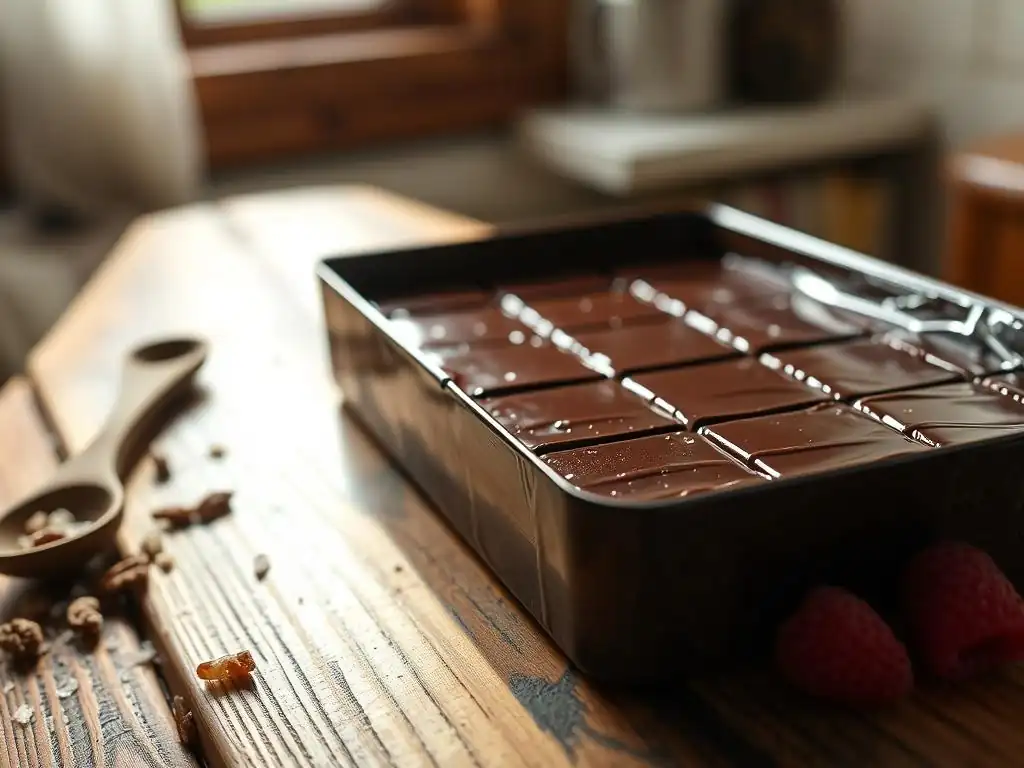
After removing the fudge mixture from the heat, this is a critical period for preventing large crystal growth. Do not stir or disturb the fudge as it cools. Pour the hot fudge into your prepared pan or dish. Allow it to cool completely and undisturbed to the correct temperature range, usually between 43-49°C (110-120°F). You can tell it's ready when the bottom of the pan feels just warm to the touch, not hot. Some recipes suggest cooling right in the saucepan.
Once the fudge has cooled sufficiently without being agitated, it's time for the transformation. Begin beating or stirring the fudge vigorously. You can do this with a wooden spoon, an electric mixer with paddle attachments, or even a stand mixer. As you stir, you'll notice the fudge losing its glossy shine and becoming thicker, duller, and more opaque.
This process encourages the formation of many tiny sugar crystals. Continue beating until the fudge thickens enough to hold its shape and starts to lose its sheen, indicating it's ready to be spread into the pan. This beating process is key to achieving a smooth, crystal-free texture.
Step 5: Cutting and Storage of Your Fudge
Once the fudge has been beaten to the correct consistency, quickly spread it evenly into your prepared pan. Work relatively fast, as the fudge will start to set as it cools further. Smooth the top with a spatula. Let the fudge set completely, which can take several hours at room temperature or about 1-2 hours in the refrigerator. Once fully set, lift it out of the pan (if using parchment paper) and place it on a cutting board.
Use a sharp knife to cut the fudge into desired squares. For clean cuts, wipe the knife blade clean between cuts, especially after the first few. Store the fudge in an airtight container at room temperature. Layer pieces between parchment or wax paper to prevent them from sticking together. Properly stored fudge can last for 1-2 weeks at room temperature. For longer storage, it can be refrigerated for 3-4 weeks or frozen for several months, ensuring your crystalfree fudge recipe secrets yield lasting results.
Troubleshooting Crystal-Free Fudge: Solutions to Common Problems
Even with the best intentions and careful measurements, sometimes fudge doesn't turn out exactly as planned. Graininess is the most common issue, but occasionally fudge can be too hard, too soft, or simply not set correctly. Don't despair! Many common fudge problems can be addressed or prevented with a little know-how.
Understanding what went wrong is the first step to fixing it or preventing it from happening again. This section addresses some typical issues encountered when making fudge and provides practical solutions, helping you refine your crystalfree fudge recipe secrets.
Addressing Seizing: Quick Fixes for Hardened Fudge
"Seizing" in candy making typically refers to a liquid mixture suddenly turning into a solid, grainy mass. While less common in fudge than in something like melted chocolate, a similar effect can happen if the fudge cools too much before you start beating it, or if it's beaten for too long. The sugar crystals form too quickly and become too large.
If your fudge becomes too hard or seizes before you can spread it, you might be able to salvage it. Return the fudge to the saucepan. Add a small amount of liquid, like milk or cream (start with a tablespoon or two for a standard batch). Gently heat the mixture over very low heat, stirring constantly, until it softens and becomes workable again.
Be careful not to overheat it. Once it's molten and smooth, you can try beating it again off the heat, starting at a warmer temperature than before (perhaps around 55-60°C or 130-140°F), and monitor its texture closely, stopping as soon as it thickens appropriately. This isn't a guaranteed fix, but it's worth trying before discarding the batch.
Preventing Crystal Formation: Tips and Tricks
Preventing large crystal formation is the core challenge of achieving crystal-free fudge. Beyond the critical steps of temperature control and proper stirring timing, there are additional tips that can help. Ensure your saucepan is spotless before starting, as even tiny residues can act as seed crystals. Use a clean, damp pastry brush to wash down the sides of the pan above the boiling line during the cooking process to dissolve any splashed sugar crystals.
Adding an interfering agent, such as corn syrup or butter, as discussed earlier, is also a powerful preventative measure. These substances physically get in the way of sugar molecules trying to link up and form large crystals. Cooling the fudge undisturbed to the correct temperature before beating is non-negotiable; impatience at this stage is a primary cause of graininess. Also, avoid scraping the bottom or sides of the pan while pouring the hot fudge, as this can introduce larger, already-formed crystals.
Troubleshooting Chart: Issue, Cause, Solution
Here's a quick guide to common fudge problems:
- Issue: Fudge is Grainy/Sugary Texture
- Cause: Stirred while boiling; Cooled too quickly; Cooled incorrectly (not undisturbed); Not cooled enough before beating; Cooked to wrong temperature; Seed crystals introduced.
- Solution: Melt fudge with a little liquid, reheat to soft-ball stage, cool undisturbed to 110-120°F (43-49°C), beat vigorously. Next time, ensure sugar is dissolved before boiling, don't stir while boiling, cool undisturbed, use a thermometer, wash down sides of pan.
- Issue: Fudge is Too Hard/Brittle
- Cause: Cooked to too high a temperature (above soft-ball stage); Too little liquid in recipe.
- Solution: Melt fudge with a little liquid, reheat only until smooth and melted (do not re-cook to temperature), pour and let set. Next time, use a reliable thermometer and remove from heat promptly at 112-116°C (234-240°F).
- Issue: Fudge is Too Soft/Doesn't Set
- Cause: Undercooked (below soft-ball stage); Too much liquid or fat in recipe; Not beaten long enough.
- Solution: Return fudge to saucepan, add a little more sugar (optional, can make it grainy), reheat to soft-ball stage, cool undisturbed to 110-120°F (43-49°C), beat vigorously until thick and losing sheen. Next time, ensure thermometer accuracy and cook to the correct temperature range.
- Issue: Fudge Oily Separation
- Cause: Fat wasn't properly incorporated; Cooked too hot or too fast; Beaten at wrong temperature.
- Solution: Gently reheat fudge until just melted, stir well to emulsify fat, pour into pan, cool undisturbed, then beat correctly. Next time, ensure fat is added at the specified stage and temperature, and follow cooling/beating steps precisely.
Advanced Techniques for Crystal-Free Fudge: Consistent Results
Beyond the fundamental steps, certain ingredients and techniques can further enhance the smoothness of your fudge and provide a greater margin for error. These methods often involve introducing substances that interfere with the natural tendency of sugar molecules to crystallize into large formations. Incorporating these advanced tips can help ensure consistently perfect results, solidifying your understanding of crystalfree fudge recipe secrets.
While not strictly necessary for all recipes, these techniques are particularly useful when working in challenging conditions (like high humidity) or when striving for the absolute smoothest possible texture every time. They add another layer of control to the candy-making process.
Utilizing Corn Syrup: A Crystal Inhibitor
Corn syrup is a common ingredient found in many candy recipes, including fudge, precisely because of its ability to inhibit the formation of large sugar crystals. Corn syrup is primarily composed of glucose, maltose, and dextrose – sugars with different molecular structures than sucrose (table sugar). When added to a sucrose solution, these different molecules get in the way of the sucrose molecules trying to link up and form organized crystal lattices.
Even a small amount of corn syrup – often just a tablespoon or two per batch – can significantly interfere with crystallization. It acts as a "buffer" or "interfering agent," promoting the formation of much smaller, often imperceptible crystals, or sometimes even preventing crystallization altogether, resulting in a smoother texture. This is a key element in many commercial and successful home crystalfree fudge recipe secrets.
Incorporating Invert Sugar: Enhancing Smoothness
Invert sugar, such as honey or golden syrup, or even making your own by heating sucrose with an acid like cream of tartar or lemon juice, is another effective crystal inhibitor. Invert sugar is created when sucrose is broken down into its constituent parts: glucose and fructose. Like corn syrup, the presence of these different sugar molecules (glucose and fructose alongside sucrose) disrupts the organized structure needed for large crystal growth.
Using invert sugar in fudge recipes can lead to an exceptionally smooth texture that is less prone to graininess over time. Honey, for example, naturally contains invert sugar and adds a distinctive flavor. Creating invert sugar during the cooking process by adding a pinch of cream of tartar (about 1/8 teaspoon per cup of sugar) can also help ensure a crystal-free outcome by breaking down some of the sucrose molecules.
Exploring Alternative Sweeteners
While traditional fudge relies on sucrose, exploring alternative sweeteners can sometimes impact texture and crystallization. However, replicating the exact texture of sucrose-based fudge with other sweeteners can be challenging, as their chemical structures and crystallization properties differ significantly.
Some alternative sweeteners, like maple syrup (which contains sucrose, glucose, and fructose) or condensed milk-based recipes (where lactose is the primary sugar), inherently have different crystallization tendencies. Fudge made primarily with powdered sugar (which often contains cornstarch to prevent clumping) bypasses the boiling and crystallization control stages entirely, relying instead on fat and stabilizers for texture, and thus is typically crystal-free but has a different mouthfeel. Using sugar substitutes often requires entirely different techniques and may not yield a product that behaves like traditional fudge. For classic crystalfree fudge recipe secrets, sucrose combined with inhibitors is the standard.
A Crystal-Free Fudge Recipe: Achieving Perfection
Putting all the techniques together is best done by following a reliable crystalfree fudge recipe. This section provides an example recipe incorporating the principles discussed, guiding you step-by-step to achieve that desirable smooth texture. Remember, accuracy in temperature and patience during cooling are your best friends here.
This recipe is designed to be straightforward while incorporating the crucial steps needed to prevent graininess. Follow it closely, and you'll be well on your way to enjoying homemade fudge with a texture that rivals professional candy makers.
Recipe: Chocolate Peanut Butter Fudge
Yields: Approx. 2 lbs
Prep time: 15 minutes
Cook time: 20-30 minutes
Cooling/Setting time: 2-4 hours
Ingredients:
3 cups (approx. 600g) granulated sugar1 1/2 sticks (approx. 170g) unsalted butter, cut into pieces2/3 cup (approx. 160ml) evaporated milk1/4 teaspoon salt1 1/2 cups (approx. 250g) milk chocolate chips1 cup (approx. 250g) creamy peanut butter1 teaspoon vanilla extract
Equipment:
- Heavy-bottomed 3-quart saucepan
- Candy thermometer
- 9x13 inch baking pan, lined with parchment paper
Visual Guide: Step-by-Step Fudge-Making Process
- Prepare the Pan: Line a 9x13 inch baking pan with parchment paper, leaving an overhang on the sides for easy lifting. Set aside.
- Combine Ingredients (Initial): In the heavy-bottomed saucepan, combine the granulated sugar, butter pieces, evaporated milk, and salt.
- Dissolve Sugar: Heat the mixture over low to medium heat, stirring constantly with a clean spoon or spatula. Continue stirring until the butter is melted and the sugar is completely dissolved. Rub a little between your fingers to check for grit – there should be none. Use a damp pastry brush to wash down any sugar crystals on the sides of the pan.
- Boil Without Stirring: Increase heat to medium-high and bring the mixture to a rolling boil. Insert your candy thermometer, ensuring it's in the liquid but not touching the bottom. From this point, do not stir.
- Cook to Temperature: Continue to boil steadily until the thermometer reaches 112-116°C (234-240°F), the soft-ball stage. This usually takes 10-20 minutes depending on your stove.
- Remove from Heat: Immediately remove the saucepan from the heat.
- Add Flavorings/Fats: Stir in the milk chocolate chips and creamy peanut butter. Stir gently just enough to combine them slightly.
- Cool Undisturbed: Pour the hot fudge mixture into the prepared pan. Do not scrape the bottom or sides of the saucepan. Let the fudge cool completely and undisturbed in the pan to about 43-49°C (110-120°F). This takes 1-2 hours at room temperature. The top will look dull, not glossy.
- Beat the Fudge: Once cooled to the correct temperature, add the vanilla extract. Begin beating the fudge vigorously with a wooden spoon or an electric mixer. Continue beating until the fudge thickens, loses its glossy appearance, and holds its shape when stirred. This may take 5-10 minutes. The texture will change noticeably.
- Spread and Set: Quickly spread the thickened fudge evenly into the prepared pan. Smooth the top with a spatula.
- Cool and Cut: Let the fudge set completely at room temperature or in the refrigerator until firm. Lift the fudge out of the pan using the parchment paper overhang. Place on a cutting board and cut into squares using a sharp knife, wiping the blade clean between cuts.
Enjoy Your Smooth, Crystal-Free Fudge!
Congratulations! By understanding the science behind sugar crystallization and applying the techniques for temperature control, proper stirring, and cooling, you've unlocked the secrets to making perfectly smooth, crystal-free fudge. No more grainy disappointment – just pure, creamy indulgence.
Making fudge can feel intimidating at first, but with practice and attention to these key steps, you'll gain confidence and consistency. Share your delicious, smooth creations with friends and family, or simply savor them yourself. Keep these crystalfree fudge recipe secrets in mind, and you'll enjoy perfect fudge every time you bake!
Frequently Asked Questions
How can I prevent my fudge from turning out grainy?
Grainy fudge is usually caused by sugar crystals forming. To prevent this, ensure the sugar is completely dissolved during cooking and avoid stirring once the mixture reaches the correct temperature.
What are the key "CrystalFree fudge recipe secrets" I should know?
The most important secrets involve controlling sugar crystallization. This includes using a candy thermometer to accurately measure the temperature and adding ingredients like corn syrup to inhibit crystal formation.
Why is a candy thermometer so important for a crystal-free fudge recipe?
A candy thermometer ensures you reach the precise temperature needed for the sugar to properly caramelize without crystallizing. Too low, and it won't set; too high, and it becomes grainy.
What ingredients can help prevent sugar crystals from forming in fudge?
Ingredients like corn syrup and butter can help interfere with sugar crystallization. These ingredients coat the sugar molecules, preventing them from clumping together.
What are the most common mistakes that lead to grainy fudge and how can I avoid them?
Common mistakes include not fully dissolving the sugar at the beginning, stirring too much during cooling, and not using enough fat. Avoid these by stirring carefully until dissolved, then avoiding stirring until cooled.
Final Reflection: The Sweet Science of Crystal-Free Fudge
The pursuit of perfectly smooth, melt-in-your-mouth fudge is a timeless culinary quest, and the frustration of grainy results is a common pitfall. Understanding the science behind crystal formation, as explored in this article, is no longer a niche skill but a key to unlocking consistent success in the kitchen. This isn't just about making fudge; it's about mastering a fundamental aspect of confectionery.
The journey to crystal-free fudge has taught me more than just a recipe; it's highlighted the importance of precision and patience in cooking. The subtle nuances of temperature control and ingredient interaction are fascinating, and the reward of a perfectly smooth batch is incredibly satisfying. The best things in life are worth waiting for,
and this couldn't be truer for the creamy perfection of flawlessly executed fudge. This pursuit extends beyond the kitchen; the principles of careful measurement and attention to detail are transferable to many aspects of life, demanding precision and rewarding patience.
Now, it's your turn. Don't let grainy fudge discourage you – embrace the challenge! Experiment with the techniques outlined in this article, and discover the joy of creating consistently delicious, crystal-free fudge. Remember the power of precise measurements, gentle stirring, and a watchful eye on the temperature. The satisfaction of achieving that perfect texture, that smooth, creamy bliss, will be your ultimate reward. Go forth and conquer the world of fudge, one perfectly smooth batch at a time!
Unlock Silky-Smooth Fudge: Your Next Batch Awaits!
Thanks for taking the time to learn how to avoid grainy fudge – you're well on your way to creating irresistibly creamy treats! Now it's time to put your newfound knowledge to the test.
- Bake your dream fudge: Grab your ingredients and whip up a batch using our foolproof method. Remember those key tips about temperature and stirring!
- Share your success (or questions!): Show off your perfectly smooth fudge on social media using #BakeWithEaseFudge – we'd love to see it!
- Explore more of our delicious recipes: Dive into our collection of easy baking guides and discover your next culinary adventure on bakewithease.com.
Ready to experience the joy of flawlessly smooth fudge? What's your favorite flavor combination to try next?