
Lemon Juice vs. Cream of Tartar: Choosing Your AntiCrystal Agent

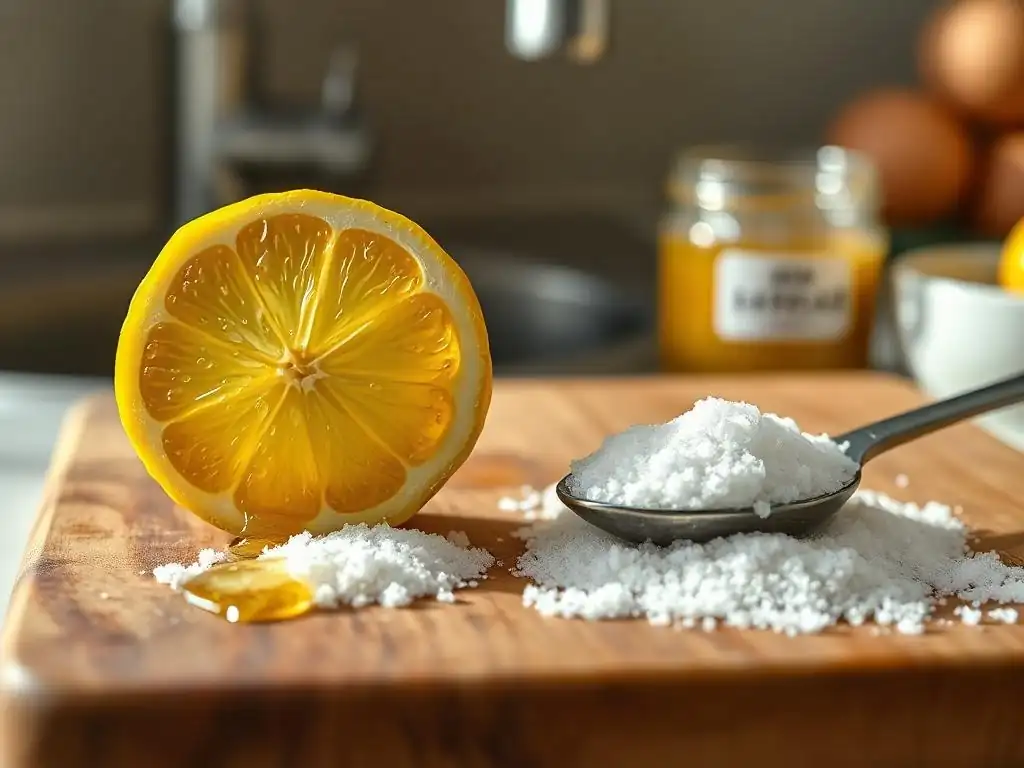
Welcome to BakeWithEase, your trusted companion on your baking journey! Ever wondered about the secret ingredient that gives your meringues that perfect peak or prevents sugar crystals from ruining your delicate candies? This week, we're diving deep into the science behind two common kitchen staples: lemon juice vs. cream of tartar. Discover which one reigns supreme as the ultimate anti-crystal agent and unlock the secrets to consistently flawless baking results. Read on to unravel the mystery!
- Lemon Juice vs. Cream of Tartar: Choosing Your Anti-Crystal Agent for Baking
- Understanding Crystallization in Sugar Work: The Baker's Foe
- Lemon Juice: A Natural Anti-Crystallization Solution
- Cream of Tartar: The Baker's Secret Weapon Against Sugar Crystals
- Lemon Juice vs. Cream of Tartar: A Detailed Comparison
- Choosing the Right Anti-Crystal Agent for Your Baking Needs
- Expert Baking Tips for Preventing Sugar Crystallization
- Conclusion: Lemon Juice or Cream of Tartar - Your Choice for Baking Success
-
Frequently Asked Questions
- What exactly is the role of an anti-crystal agent in baking, and why are they needed?
- What are the primary differences between using lemon juice and cream of tartar as anti-crystal agents?
- In what specific baking scenarios would lemon juice be a better choice than cream of tartar?
- Are there any situations where cream of tartar is definitely the superior anti-crystal agent?
- Can I substitute lemon juice for cream of tartar (or vice-versa) in a recipe? If so, what adjustments do I need to make?
- Final Reflection: The Unexpected Chemistry of Kitchen Chemistry
- Unlock Your Baking Potential: Conquer Crystal Chaos!
Lemon Juice vs. Cream of Tartar: Choosing Your Anti-Crystal Agent for Baking
Understanding Crystallization in Sugar Work: The Baker's Foe
Sugar crystallization is a common challenge faced by bakers, particularly when working with syrups, candies, or even certain icings. It occurs when dissolved sugar molecules, specifically sucrose, begin to rejoin and form organized crystalline structures. Instead of a smooth, clear syrup or a soft, creamy fudge, you end up with a grainy, often hard, and undesirable texture. This process can happen unexpectedly and ruin hours of careful work.
Imagine making a beautiful caramel sauce. You heat sugar and water, it bubbles and turns golden brown, but then suddenly, tiny hard grains appear throughout the mixture. This is crystallization. It's a physical transformation where the sugar reverts from its dissolved state back into a solid, structured form. Understanding why this happens is the first step to preventing it and achieving consistently smooth results in your sugar work.
Why Crystallization Occurs and How to Prevent It
Crystallization primarily occurs when a sugar solution becomes supersaturated and is then disturbed. As water evaporates during cooking, the ratio of sugar to water increases, leading to supersaturation. The sugar molecules are packed so tightly together that they are eager to link up. Disturbances like stirring the hot syrup, bumping the pan, or even tiny sugar crystals clinging to the side of the pan can act as nucleation points, triggering rapid crystal formation.
To prevent this, bakers employ several strategies. One is to avoid stirring the sugar solution once it begins to boil and the sugar has dissolved. Another is to wash down the sides of the pan with a wet pastry brush to dissolve any stray sugar crystals. However, the most reliable method, especially for recipes requiring high sugar concentrations or specific textures like fudge or hard candy, is the addition of an anti-crystallizing agent. These agents work by interfering with the sugar molecules' ability to bond together.
The Importance of Anti-Crystallizing Agents in Baking
Anti-crystallizing agents are crucial tools in a baker's arsenal for ensuring smooth, consistent sugar-based products. They function by introducing different types of sugar molecules or ions into the solution that physically get in the way of sucrose molecules trying to link up. This disruption prevents the formation of large, organized crystal lattices, keeping the sugar in a more amorphous, non-crystalline state.
Without these agents, achieving textures like the smooth chewiness of taffy, the soft creaminess of fudge, or the clear snap of hard candy would be incredibly difficult, if not impossible, to do consistently at home. They are particularly vital in recipes that involve cooking sugar to high temperatures, where supersaturation is easily reached. Choosing the right agent, whether it's lemon juice vs cream tartar, depends on the specific recipe and desired outcome.
Lemon Juice: A Natural Anti-Crystallization Solution
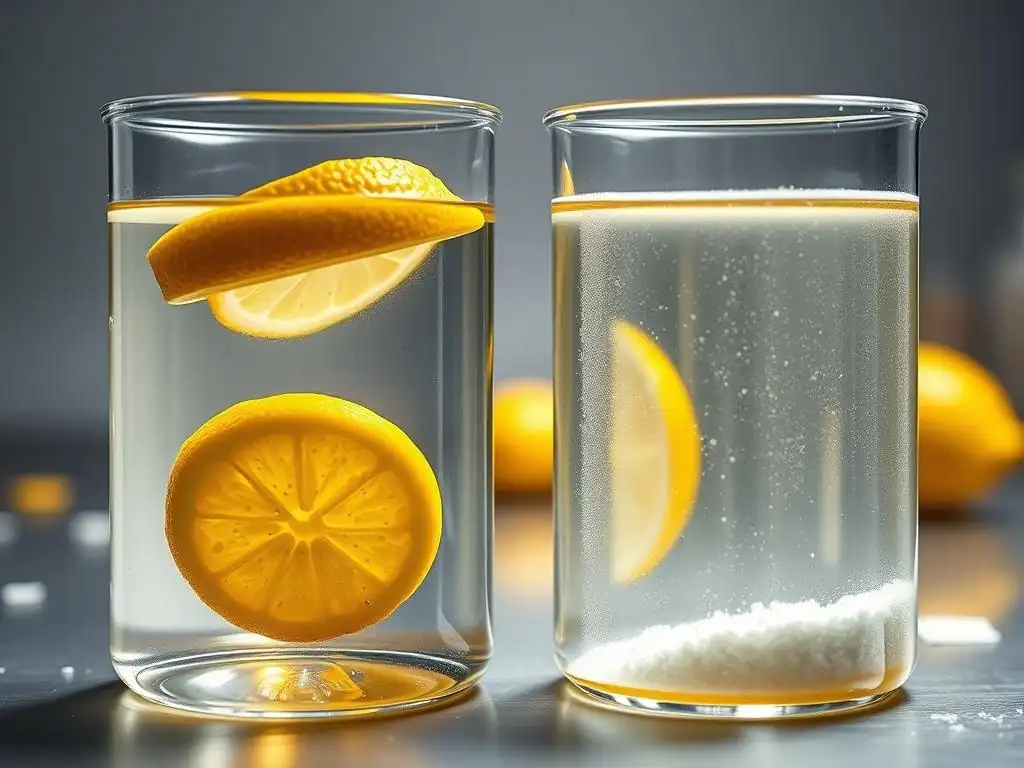
Lemon juice is a common kitchen staple often turned to by home bakers for its anti-crystallizing properties. Its effectiveness lies in its natural acidity, which helps to invert sugar during the cooking process. Invert sugar is a mixture of glucose and fructose, which are single sugar molecules (monosaccharides) rather than the double sugar molecule (disaccharide) of sucrose.
When lemon juice is added to a hot sugar solution, the acid catalyzes the hydrolysis of sucrose, breaking it down into its component monosaccharides: glucose and fructose. These smaller, differently shaped molecules integrate into the solution and physically block the sucrose molecules from neatly arranging themselves into crystals. This 'inversion' process is key to preventing graininess.
What is Lemon Juice and How Does It Work?
Lemon juice is the liquid extracted from lemons, known for its sour taste due to its high citric acid content. Chemically, it's an aqueous solution containing citric acid, ascorbic acid (Vitamin C), and various other compounds. Its pH is typically quite low, often ranging from 2.0 to 2.5, making it a relatively strong acid among common food ingredients.
When added to a boiling sugar syrup, the heat accelerates the acid-catalyzed hydrolysis of sucrose. A small amount of lemon juice, perhaps just 1/2 teaspoon per cup of sugar, can break down a significant portion of the sucrose molecules over time. The resulting mixture of sucrose, glucose, and fructose has a much lower tendency to crystallize compared to a pure sucrose solution, leading to smoother textures in candies, syrups, and frostings.
Lemon Juice's Acidity: Disrupting Sugar Crystal Formation
The effectiveness of lemon juice as an anti-crystallizing agent is directly tied to its acidity. The protons (H⁺ ions) from the citric acid in the lemon juice act as catalysts for the hydrolysis reaction that splits the sucrose molecule. This chemical reaction requires both acid and heat to proceed efficiently, which is why lemon juice is added to the sugar solution before or during the cooking process.
The lower the pH (meaning higher acidity), the faster this inversion reaction occurs. While other acids like vinegar can also invert sugar, lemon juice is often preferred in baking due to its more pleasant flavor profile. The resulting mix of sugars creates a less ordered environment, making it difficult for the sucrose molecules to align and form the rigid structure of a crystal.
Using Lemon Juice in Baking: Tips and Tricks for Optimal Results
When using lemon juice for anti-crystallization, precision is important. Too little might not invert enough sugar to prevent crystallization, while too much can introduce an unwanted sour flavor or even prevent the sugar from setting properly in recipes like hard candy or fudge. A common starting point is around 1/4 to 1/2 teaspoon of fresh lemon juice per cup of sugar in your recipe.
Add the lemon juice early in the cooking process, ideally when the sugar and water mixture is first brought to a boil. Ensure it is well mixed into the solution. Avoid adding it late in the process, as the inversion needs time and heat to occur. For best results, use fresh lemon juice, as bottled juice can sometimes have added ingredients or a less consistent pH. Remember that the water content in the juice must also be accounted for in your recipe's liquid ratio.
Lemon Juice: Advantages and Disadvantages in Baking
Lemon juice offers several advantages. It's readily available in most kitchens, relatively inexpensive, and is a natural ingredient, appealing to those seeking simpler ingredient lists. Its subtle citrus flavor can be an advantage in some recipes, adding a bright note to fruit syrups or lemon-flavored candies. It effectively prevents crystallization when used correctly.
However, it also has disadvantages. Its acidity and flavor profile mean it's not suitable for all recipes; a delicate vanilla fudge might be ruined by a lemony tang. The amount needed can vary depending on the juice's acidity and the recipe's cooking time and temperature, making it less predictable than a pure chemical agent. Using too much can also make the final product sticky or runny, as the resulting inverted sugar (glucose and fructose) is more hygroscopic (attracts moisture) than sucrose.
Cream of Tartar: The Baker's Secret Weapon Against Sugar Crystals
Cream of tartar, chemically known as potassium bitartrate, is another popular and effective anti-crystallizing agent in baking. Unlike lemon juice, which is a liquid acid mixture, cream of tartar is a dry, acidic salt. It's a byproduct of winemaking and is commonly found in the spice aisle of grocery stores.
Its function in preventing sugar crystallization is similar to that of lemon juice – it provides acidity that promotes the inversion of sucrose into glucose and fructose. However, because it is a pure chemical compound, its acidity and effect are generally more consistent and predictable than natural lemon juice, which can vary in pH. This makes it a preferred choice for bakers who require reliable results in sensitive sugar work.
What is Cream of Tartar and How Does It Function?
Cream of tartar (potassium bitartrate, KC₄H₅O₆) is an acidic salt that, when dissolved in water and heated with sugar, provides the necessary acid catalyst for sucrose inversion. Although it's a salt, it behaves as a weak acid in solution. When added to a sugar syrup undergoing heating, it facilitates the breakdown of sucrose into glucose and fructose molecules.
Its dry, powdered form makes it easy to measure precisely, contributing to its reliability. The typical ratio used is quite small, often around 1/4 teaspoon per cup of sugar. Like lemon juice, it needs heat to effectively catalyze the inversion reaction. The presence of glucose and fructose alongside sucrose disrupts the orderly structure needed for crystallization, resulting in a smoother texture in the finished product.
Cream of Tartar's Chemical Properties: Stabilizing Sugar Solutions
Cream of tartar is a stable, crystalline powder. When dissolved in a hot sugar solution, it dissociates slightly, releasing hydrogen ions that lower the pH of the mixture. While its acidity is less pronounced than pure citric acid, it is sufficient, in combination with heat, to catalyze the hydrolysis of sucrose. This reaction yields invert sugar, which is less prone to crystallization.
Beyond sugar work, cream of tartar is famous for its role in stabilizing egg whites, increasing their heat tolerance and volume in meringues and soufflés. This stabilizing property also extends to sugar solutions, helping to maintain a smooth, non-crystalline state even as the syrup cools and concentrates. It's a reliable agent for achieving consistent results in recipes like divinity or hard candies.
Incorporating Cream of Tartar in Baking: Best Practices
Using cream of tartar is straightforward. Measure the required amount precisely, typically 1/4 teaspoon per cup of sugar, and add it to the sugar and liquid mixture before you begin heating. Stir it in to ensure it dissolves completely before the syrup starts to boil vigorously. Once boiling, avoid stirring to prevent premature crystallization triggered by mechanical disturbance.
Because it's a dry ingredient, it doesn't add extra liquid to the recipe, which can be a consideration in recipes where liquid ratios are critical. Ensure it's fresh and stored in a cool, dry place, as it can lose potency over time. Its neutral flavor profile makes it versatile, suitable for recipes where you don't want any citrus notes, such as classic vanilla fudge or clear sugar decorations.
Cream of Tartar: Advantages and Disadvantages in Baking
A major advantage of cream of tartar is its reliability and consistency. As a pure chemical compound, its effect is predictable, making it a favorite for professional bakers and those tackling sensitive sugar recipes. It has a relatively neutral flavor profile compared to lemon juice, meaning it won't interfere with the intended taste of your baked goods or candies.
On the downside, cream of tartar is not as commonly stocked in every home kitchen as lemon juice. It needs to be purchased specifically. While generally inexpensive, it's not 'free' like squeezing a lemon you might already have. Like lemon juice, using too much can lead to an overly soft or sticky texture in the final product due to excessive invert sugar formation. Some might also prefer using a natural ingredient over a chemical salt, although cream of tartar is a natural byproduct.
Lemon Juice vs. Cream of Tartar: A Detailed Comparison
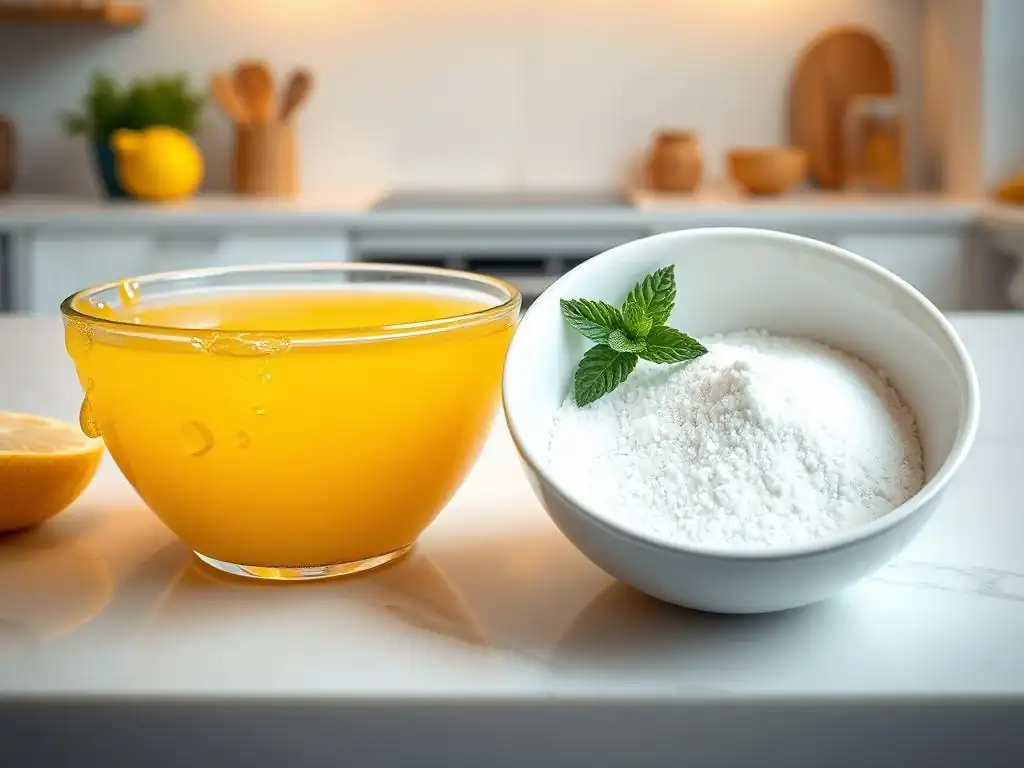
Deciding between lemon juice vs cream tartar often comes down to a few key differences: their anti-crystallization power, flavor impact, ease of use, and availability/cost. Both work by promoting sucrose inversion, but they do so with slightly different characteristics and implications for your final product. Understanding these nuances helps you make the best choice for your specific baking project.
While both agents are effective at preventing crystallization, their suitability varies depending on the recipe and desired outcome. For instance, in a light, fruity syrup, lemon juice might be perfect, adding both function and flavor. In a delicate, pure-flavored candy, cream of tartar's neutrality is often preferred. Let's break down the comparison points.
Anti-Crystallization Power: Which Agent is More Effective?
Both lemon juice and cream of tartar are effective anti-crystallizing agents when used correctly. Their effectiveness stems from their ability to provide acidity for sucrose inversion. However, cream of tartar, being a pure chemical compound, generally offers more consistent acidity than natural lemon juice, whose pH can vary slightly depending on the lemon's ripeness and variety.
For recipes that are highly sensitive to crystallization, such as those cooked to high temperatures (like hard crack stage for candies, around 300°F or 150°C), the predictable acidity of cream of tartar might offer a slight edge in reliability. That said, a sufficient amount of fresh lemon juice can achieve the same result. The key is using enough of either agent to achieve the necessary pH drop and allow the inversion reaction time to occur during cooking. Neither is inherently "more powerful" in a general sense, but cream of tartar is often considered more consistently reliable.
Flavor Impact: How Lemon Juice and Cream of Tartar Affect Taste
This is perhaps the most significant difference when choosing between lemon juice vs cream tartar. Lemon juice, as its name suggests, imparts a distinct citrus flavor. While this is desirable in some applications, like lemon drops or a berry syrup, it can be detrimental in others, such as a classic vanilla fudge or a peppermint candy.
Cream of tartar, on the other hand, is relatively flavorless, especially in the small quantities typically used for anti-crystallization (e.g., 1/4 tsp per cup of sugar). It allows the true flavors of the other ingredients in your recipe to shine through without any acidic or fruity undertones. If your recipe has a delicate or neutral flavor profile, cream of tartar is almost always the preferred choice to avoid introducing unwanted taste notes.
Ease of Use: Comparing the Application of Each Agent
Both agents are quite easy to use. Lemon juice requires squeezing a fresh lemon or pouring from a bottle. Cream of tartar requires measuring a small amount of powder. Both are added early in the cooking process and stirred in.
However, measuring cream of tartar powder is often considered slightly easier for achieving precise, consistent amounts compared to squeezing juice, where the acidity might vary. Also, lemon juice adds liquid, which needs to be factored into the recipe's liquid balance, while cream of tartar adds negligible volume. For recipes where precise measurements are critical for consistency, cream of tartar might have a slight advantage in ease of use.
Availability and Cost: Lemon Juice vs. Cream of Tartar
Availability is a point where lemon juice often wins, at least in a typical home kitchen. Many bakers keep fresh lemons or bottled lemon juice on hand for various cooking and baking needs. Cream of tartar is more of a specialty baking ingredient, though it is widely available in the spice aisle of most supermarkets.
In terms of cost, both are relatively inexpensive per use, given the small quantities required. A bag or container of cream of tartar will last through many baking projects. Fresh lemons or a bottle of juice are also cost-effective, especially if you already have them. There isn't a significant cost difference that would typically be the deciding factor for home bakers when comparing lemon juice vs cream tartar.
Choosing the Right Anti-Crystal Agent for Your Baking Needs
Selecting the appropriate anti-crystallizing agent boils down to understanding your recipe's requirements and your desired outcome. There's no single "better" agent; the best choice depends entirely on the context. Consider the flavor profile you want, the type of sugar product you are making, and even your own experience level.
Making the right choice ensures your sugar work is smooth, stable, and delicious. For instance, if you're whipping up a batch of lemon drops, lemon juice is the obvious choice. If you're aiming for perfectly smooth fudge or a delicate meringue icing, cream of tartar is likely the superior option.
Factors to Consider: Recipe, Desired Flavor, and Baking Experience
When deciding between lemon juice vs cream tartar, first look at the recipe itself. Does it specifically call for one? If so, trust the recipe writer. If it offers a choice or leaves it open, consider the flavor. Is a citrus note welcome or undesirable? For example, in a recipe for peanut brittle, the slight tang of lemon juice would likely clash, making cream of tartar the clear winner.
Your baking experience can also play a role. If you are just starting with sugar work, cream of tartar's consistent nature might offer more predictable results. However, if you're comfortable adjusting based on observation, using lemon juice you have on hand is perfectly viable for many applications. The type of sugar product is key: hard candies, caramels, fudges, and syrups all benefit from anti-crystallization, but the impact of flavor is different for each.
When to Use Lemon Juice: Specific Baking Applications
Lemon juice is ideal when a recipe benefits from or isn't harmed by a touch of citrus flavor. Consider using lemon juice in:
- Fruit Syrups: Enhances fruit flavor and prevents sugar from crystallizing as the syrup cools and concentrates.
- Lemon-Flavored Candies: Obviously, it complements the main flavor.
- Some Jams and Jellies: The pectin requires acid to set, and the juice also helps prevent sugar crystallization.
- Simple Syrups for Beverages: Prevents the syrup from turning grainy in storage.
For example, when making a raspberry syrup for drizzling over pancakes, adding a teaspoon of lemon juice per cup of sugar not only helps keep it smooth but also brightens the berry flavor.
When to Use Cream of Tartar: Ideal Scenarios
Cream of tartar is the go-to agent when flavor neutrality is paramount or maximum reliability is needed. Use cream of tartar in:
- Fudge: Ensures a creamy, non-grainy texture without altering the chocolate or vanilla flavor.
- Hard Candies (like lollipops): Helps maintain clarity and prevents graininess, crucial for a smooth, hard snap.
- Caramels: Prevents the sugar from seizing or becoming grainy.
- Divinity and Nougat: Crucial for achieving the correct smooth, pliable texture.
- Meringues (as a stabilizer): While primarily for protein stabilization, it also helps prevent weeping by controlling sugar structure slightly.
A prime example is making classic vanilla fudge. You want pure vanilla and chocolate flavor, not lemon. Cream of tartar, used at about 1/4 teaspoon per cup of sugar, provides the necessary anti-crystallization without adding any competing taste.
Expert Baking Tips for Preventing Sugar Crystallization
While choosing the right anti-crystallizing agent is vital, it's just one piece of the puzzle. Mastering sugar work involves several techniques that work together to ensure smooth, crystal-free results. Pay attention to temperature, minimize disturbance, and understand how other ingredients can help.
Achieving perfectly smooth caramels or clear hard candies involves a combination of chemical prevention and careful technique. Incorporating these expert tips alongside your chosen anti-crystallizing agent will significantly improve your success rate in sugar-based baking projects.
Controlling Temperature and Agitation During Cooking
Temperature control is critical. Sugar solutions need to reach specific temperatures to achieve different stages (thread, soft ball, hard crack, etc.). Using a reliable candy thermometer is essential. Cooking sugar too slowly can increase the risk of crystallization, while cooking too fast can lead to burning.
Equally important is minimizing agitation once the sugar has dissolved and the syrup is boiling. Resist the urge to stir! Stirring introduces potential nucleation points and encourages the dissolved sugar molecules to align and crystallize. If you need to add ingredients late in the process, do so carefully and with minimal disturbance. Washing down the sides of the pan with a wet pastry brush early on is the only acceptable form of 'agitation' and is done specifically to prevent crystals from forming on the sides.
Adding Invert Sugars: Another Anti-Crystallization Strategy
Beyond using acids like lemon juice or cream of tartar to create invert sugar during cooking, you can also add invert sugars directly to your recipe. Corn syrup is a common example. It is primarily composed of glucose, maltose, and dextrins – all of which interfere with sucrose crystallization.
Many candy recipes explicitly call for a combination of granulated sugar and corn syrup. For instance, a recipe for caramel might use 2 cups of granulated sugar and 1/2 cup of corn syrup. The corn syrup acts as an immediate anti-crystallizing agent, making the process more forgiving. Honey and maple syrup also contain varying amounts of invert sugars and can offer similar benefits while adding their own distinct flavors. Using a combination of techniques, like corn syrup and a touch of cream of tartar, can provide robust protection against crystallization.
Mastering Sugar Work: Achieving Smooth and Consistent Results
Mastering sugar work requires practice and attention to detail. Start with simple recipes and work your way up. Always use clean equipment, free from any residual sugar crystals. Measure ingredients accurately. Understand the different candy stages and how they relate to temperature.
By combining proper technique – controlling temperature, avoiding unnecessary stirring, cleaning the pan sides – with the use of an effective anti-crystallizing agent like lemon juice or cream of tartar, you can confidently tackle recipes that involve cooking sugar. Whether you choose lemon juice vs cream tartar, the goal is the same: smooth, delicious results every time.
Conclusion: Lemon Juice or Cream of Tartar - Your Choice for Baking Success
When facing the challenge of sugar crystallization in your baking, both lemon juice and cream of tartar stand out as effective anti-crystallizing agents. Both work by promoting the inversion of sucrose into glucose and fructose, disrupting the formation of unwanted sugar crystals and ensuring smooth textures in your finished products.
Your decision between using lemon juice vs cream tartar ultimately depends on the specific demands of your recipe and your personal preferences. Lemon juice offers convenience and a pleasant citrus note suitable for certain applications, while cream of tartar provides reliable, neutral-flavored anti-crystallization power, making it ideal for delicate or pure-flavored candies and fudges.
Summarizing the Key Differences and Benefits
Lemon juice is a readily available, natural option that imparts a citrus flavor, making it excellent for fruit-based sugar work. It's easy to use but can vary slightly in potency. Cream of tartar is a reliable, flavor-neutral chemical salt that offers consistent anti-crystallization, making it a favorite for sensitive recipes like fudge and hard candy where precise results and pure flavors are desired.
Both agents, when used correctly, successfully prevent the graininess that can ruin sugar-based treats. The benefit of using either is achieving the smooth, desirable texture that elevates your baking from good to great.
Mastering Anti-Crystallization: Elevating Your Baking Skills
Understanding the science behind sugar crystallization and how agents like lemon juice vs cream tartar work is a significant step in elevating your baking skills. It allows you to move beyond simply following a recipe to truly understanding the process and troubleshooting potential issues.
By confidently employing anti-crystallizing techniques, whether through careful cooking methods, adding invert sugars, or using lemon juice or cream of tartar, you unlock the ability to create a wider range of impressive baked goods and confections. So, next time you're working with sugar, consider your options and choose the agent that best fits your path to baking success!
Frequently Asked Questions
What exactly is the role of an anti-crystal agent in baking, and why are they needed?
Anti-crystal agents, like lemon juice or cream of tartar, prevent sugar crystallization in recipes like candies and syrups. They work by interfering with the formation of sugar crystals, resulting in a smoother texture.
What are the primary differences between using lemon juice and cream of tartar as anti-crystal agents?
Lemon juice is a natural acid that adds a slight citrus flavor, while cream of tartar is a powdered acid with a more neutral flavor. The choice often depends on the desired flavor profile and the specific recipe.
In what specific baking scenarios would lemon juice be a better choice than cream of tartar?
Lemon juice is preferable when a subtle lemon flavor complements the recipe, such as in lemon drops or lemon meringue pie. Its liquid form can also be easier to incorporate in some recipes.
Are there any situations where cream of tartar is definitely the superior anti-crystal agent?
Cream of tartar is often preferred in recipes where a neutral flavor is crucial, like fondant or marshmallows. It's also more concentrated than lemon juice, so less is required.
Can I substitute lemon juice for cream of tartar (or vice-versa) in a recipe? If so, what adjustments do I need to make?
Yes, you can usually substitute, but adjustments are needed. Generally, use twice the amount of lemon juice as cream of tartar. Be mindful of the added liquid from the lemon juice.
Final Reflection: The Unexpected Chemistry of Kitchen Chemistry
The age-old battle between lemon juice and cream of tartar for anti-crystallization supremacy continues, and understanding the nuances of their effectiveness is more relevant than ever. Whether you're a seasoned baker meticulously crafting the perfect meringue or a home cook striving for flawlessly smooth jams, the choice between these two common kitchen staples can significantly impact the final product. The subtle differences in their chemical properties translate directly to tangible results in your culinary creations.
This exploration into the world of anti-crystallization agents has highlighted not only the scientific principles at play but also the enduring connection between chemistry and culinary artistry. The seemingly simple act of choosing between lemon juice and cream of tartar reveals a deeper understanding of how seemingly minor ingredients can dramatically affect the texture and overall success of a recipe. The best recipes are those that are both delicious and reveal the beauty of simple ingredients.
This quote, though not directly about lemon juice or cream of tartar, perfectly encapsulates the spirit of this investigation – appreciating the subtle power of everyday kitchen elements.
Now, consider your own kitchen experiments. Which agent will you choose for your next baking project? Will you embrace the bright, acidic tang of lemon juice or the subtle, almost imperceptible influence of cream of tartar? The choice is yours, but armed with this knowledge, you can approach your culinary endeavors with a newfound appreciation for the science behind the deliciousness. Experiment, explore, and discover the perfect balance for your own unique creations. The journey of culinary discovery is a continuous one, and understanding the subtle differences between these two common ingredients is just the beginning.
Unlock Your Baking Potential: Conquer Crystal Chaos!
Thanks for diving into the world of crystal-clear baking with us! You now have the knowledge to choose the perfect anti-crystal agent for your next masterpiece. Ready to put your newfound expertise to the test?
- Experiment with both lemon juice and cream of tartar: Try substituting one for the other in your favorite recipes to see the difference in texture and taste. This hands-on approach is the best way to truly understand their unique properties!
- Share your baking triumphs (and challenges!): Let's build a community of bakers who are mastering the art of flawless frosting and smooth meringues. Share your results—and any questions—in the comments below!
- Try a recipe using both: Challenge yourself by creating a recipe that incorporates both lemon juice and cream of tartar. This can lead to some exciting and unexpected results!
Which anti-crystal agent will become your go-to for achieving perfect baking every time?