
The Easiest Way to Frost and Decorate a Layer Cake

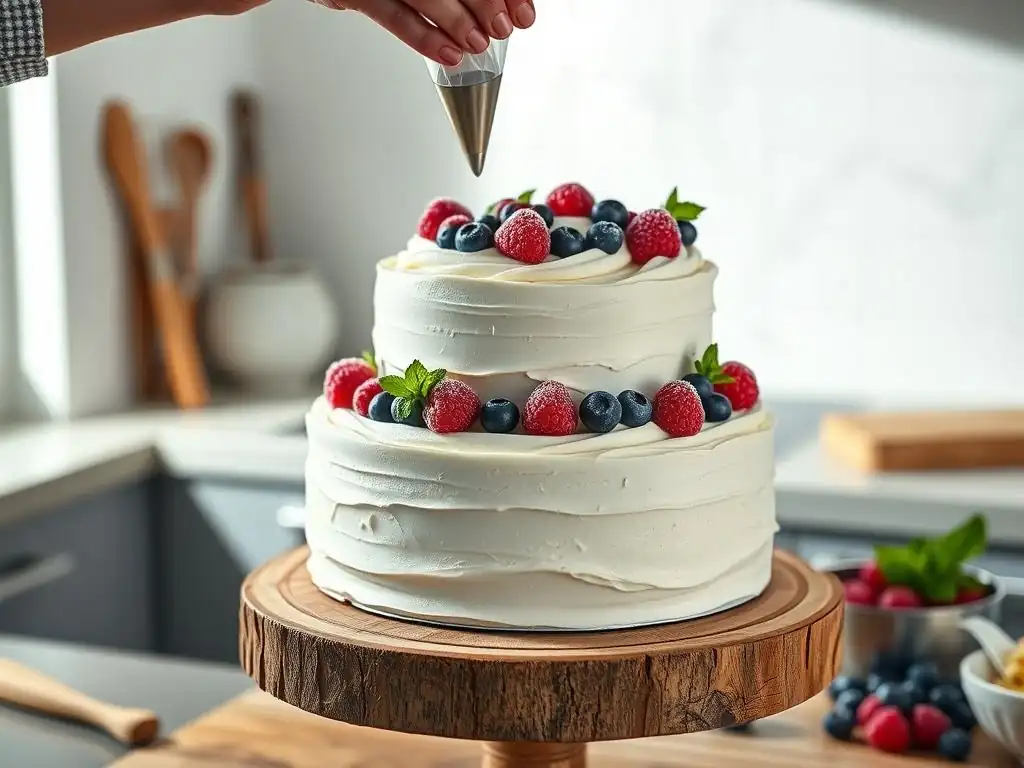
Welcome to BakeWithEase, your sanctuary for all things baking! Ever wondered how to achieve that flawless, professional-looking finish on your layer cakes? This isn't just another frosting recipe; we're unlocking the secrets to easy layer cake frosting that will transform your desserts. Get ready to discover the simplest techniques and tips that will have you creating stunning masterpieces in no time. Intrigued? Let's get started!
- Mastering Layer Cake Frosting and Decoration
- A Guide to Simple Layer Cake Frosting and Decoration
- Preparing Your Layer Cake for Frosting
- Mastering Layer Cake Frosting Techniques
- Cake Decorating Ideas
- Troubleshooting
- Storing Your Frosted Layer Cake
- Enjoy Your Decorated Layer Cake!
-
Frequently Asked Questions
- What is the easiest type of frosting to use for a layer cake, especially for beginners?
- What are some common mistakes people make when frosting a layer cake, and how can I avoid them?
- How can I achieve a smooth, professional-looking finish on my layer cake frosting?
- What are some simple decorating techniques I can use to enhance the look of my frosted layer cake?
- Can I make the frosting ahead of time, and if so, how should I store it?
- Final Reflection: Mastering the Art of the Effortless Layer Cake
- Unleash Your Inner Cake Artist!
Mastering Layer Cake Frosting and Decoration
A Guide to Simple Layer Cake Frosting and Decoration
This guide will show you techniques for achieving a beautifully frosted and decorated layer cake.
Preparing Your Layer Cake for Frosting
Leveling Your Cake Layers
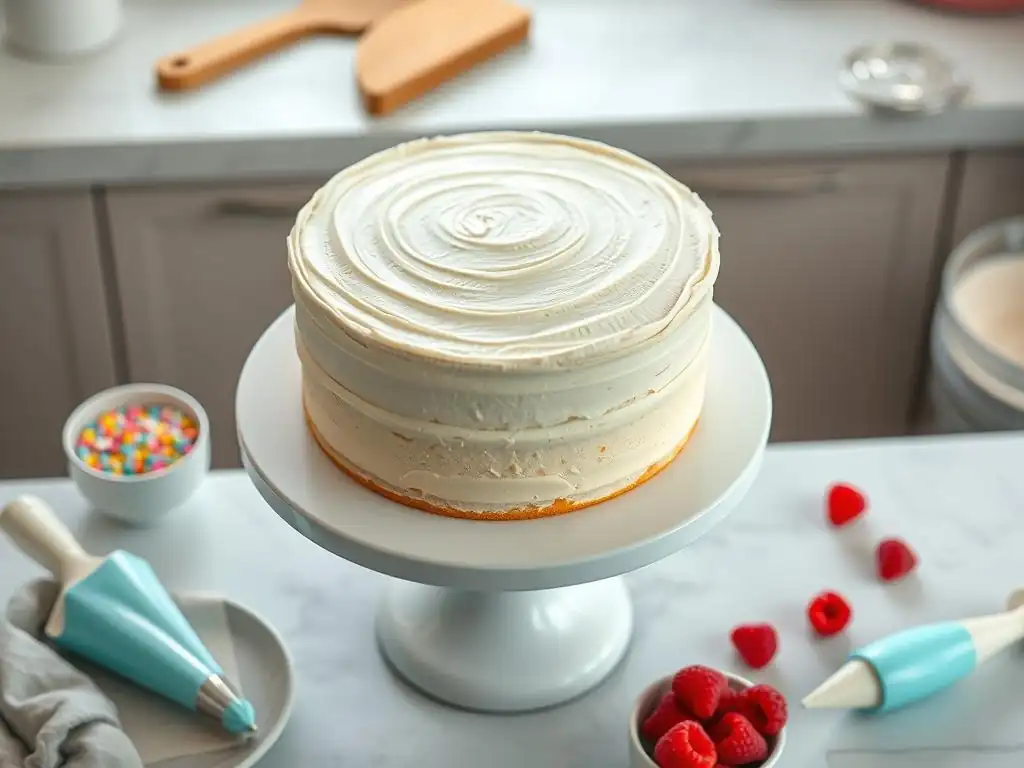
Leveling your cake layers is a fundamental step for a stable and attractive finished product. Cakes often dome slightly during baking, leaving a rounded top that makes stacking difficult and unstable. By carefully trimming off this dome, you create a flat, even surface. For instance, if your cake layers are about 1.5 inches tall after baking, trimming off a quarter-inch dome leaves you with a perfectly flat 1.25-inch layer ready for stacking. This seemingly small step prevents your finished cake from leaning or having uneven layers visible from the side, contributing significantly to an easy layer cake frosting process.
To level your cakes, you can use a long serrated knife or a specialized cake leveler. The key is to hold your tool parallel to your work surface and use a gentle sawing motion to remove the excess cake. For multiple layers, aim for consistent height across all tiers. This preparation ensures that when you apply your easy layer cake frosting, you have a flat canvas to work with, minimizing the risk of frosting bulges or structural issues later on.
Cooling the Cake Layers
Ensuring your cake layers are completely cooled is absolutely non-negotiable before you even think about frosting. Warm cake is fragile and prone to crumbling, which will make applying any frosting, let alone an easy layer cake frosting, a frustrating mess of crumbs. Warmth also causes frosting to melt and slide right off the cake. After baking, let your cakes cool in their pans for about 10-15 minutes before inverting them onto a wire rack to cool completely.
Complete cooling typically takes at least 1-2 hours at room temperature, depending on the size and density of the cake. For even better results, once cooled to room temperature, you can wrap the layers tightly in plastic wrap and chill them in the refrigerator for another 30 minutes to an hour, or even freeze them briefly. Chilled cakes are firmer, easier to handle, produce fewer crumbs, and provide a solid base for your easy layer cake frosting application.
Applying a Crumb Coat
A crumb coat is a thin layer of frosting applied to the entire cake before the final, thicker layer. Its primary purpose is to trap any loose crumbs that might detach from the cake layers during frosting, preventing them from getting mixed into your beautiful final coat. Think of it as a primer for your cake surface. This step is particularly crucial for cakes with delicate textures or those prone to crumbling, like chocolate or spice cakes.
Apply a very thin, almost translucent layer of your easy layer cake frosting over the top and sides of the stacked cake using an offset spatula. Don't worry about making it perfectly smooth at this stage; the goal is just to cover the surface and seal in those crumbs. Once the crumb coat is applied, chill the cake in the refrigerator for at least 20-30 minutes, or until the frosting is firm to the touch. This allows the crumb coat to set, creating a stable, crumb-free surface for your final, smooth application of easy layer cake frosting.
Mastering Layer Cake Frosting Techniques
Choosing the Right Frosting
The type of frosting you choose significantly impacts how easy it is to apply to a layer cake. For beginners focusing on an easy layer cake frosting experience, frostings that are relatively stable, smooth, and forgiving are best. Classic American buttercream, made primarily from butter, powdered sugar, milk or cream, and flavoring, is an excellent choice. It's sturdy enough to hold its shape, easy to color, and simple to make. Cream cheese frosting is another popular option, offering a slightly tangier flavor while still being manageable, though often softer than buttercream.
Avoid more temperamental frostings like meringue-based varieties (Swiss, Italian, French buttercream) for your first few layer cakes, as they can be trickier to get right and less stable at room temperature. A good easy layer cake frosting should have a consistency that is thick enough to spread without dripping but soft enough to glide smoothly. If your frosting is too stiff, add a tablespoon of milk or cream at a time; if too soft, beat in a little more powdered sugar.
Achieving a Smooth Frosting Finish
Getting a smooth, professional-looking finish on your layer cake might seem daunting, but it's achievable with a few simple tools and techniques, especially after applying an easy layer cake frosting crumb coat. The crumb coat provides a solid, even base free of distracting crumbs. For the final layer, apply a generous amount of frosting to the top and sides of the chilled cake. Don't spread it thinly at first; having excess frosting allows you to smooth it out without pulling up crumbs or tearing the cake.
Use an offset spatula or a bench scraper (a flat, rectangular tool) to smooth the frosting. Hold the tool against the side of the cake at a slight angle and rotate the cake on a turntable while holding the scraper steady. For the top, use the offset spatula to gently pull frosting from the center towards the edges, then clean up the top edge.
Chilling the cake briefly between smoothing steps can also help firm up the frosting, making it easier to get a clean line. Practice makes perfect, but focusing on even coverage and using the right tools makes achieving a smooth easy layer cake frosting finish much more attainable.
Simple Frosting Application
Applying the main layer of easy layer cake frosting is where your preparation pays off. After the crumb coat has chilled and firmed up, take your remaining frosting. If it's been sitting, give it a quick stir to ensure it's smooth and pliable. Start by placing a generous dollop of frosting on top of the cake. Use an offset spatula to spread it evenly across the top, pushing some frosting over the edges.
Next, apply frosting to the sides of the cake. You can either apply large dollops directly to the sides and spread, or use the excess frosting you pushed over the top edge. Work your way around the cake, ensuring complete coverage.
Once the cake is fully covered, use your offset spatula or a bench scraper as described earlier to smooth the top and sides. Don't aim for absolute perfection on your first try; even a slightly rustic texture can look charming. The goal is even coverage, which is much simpler on a properly prepared cake with an easy layer cake frosting.
Cake Decorating Ideas
Piping Techniques
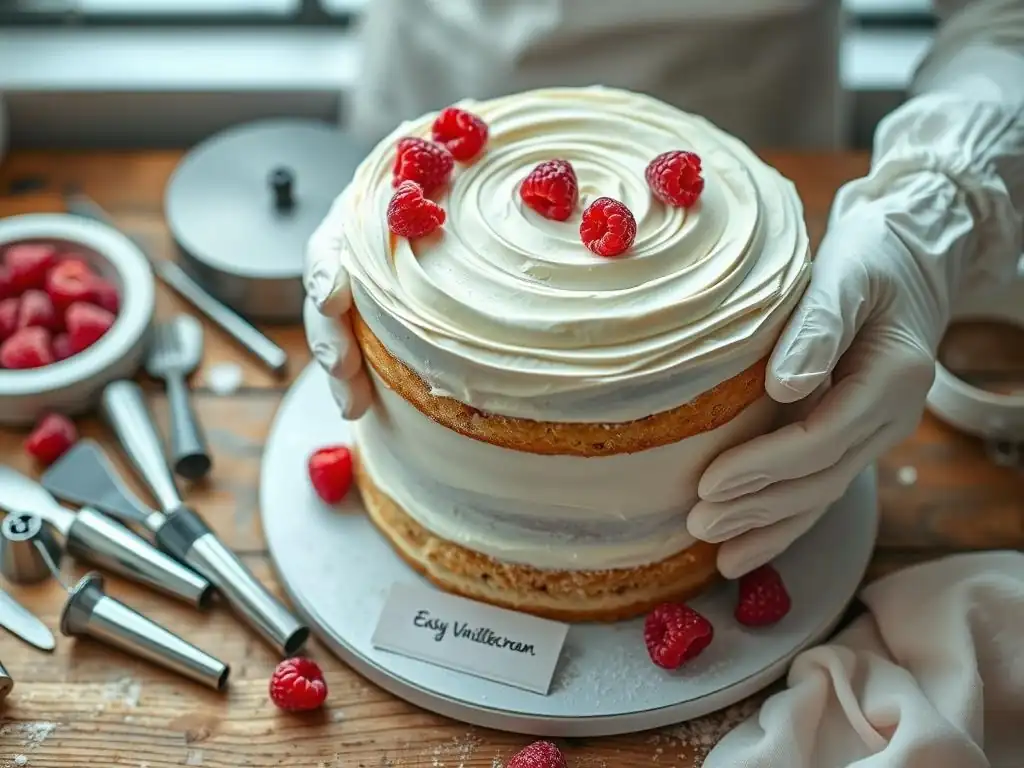
Piping frosting is a fantastic way to add decorative elements to your easy layer cake frosting with minimal effort but maximum visual impact. You'll need a piping bag and various tips. Simple star tips (like Wilton 1M or 21) are incredibly versatile for beginners. Fill the piping bag about two-thirds full with frosting, twist the top to seal, and you're ready to go.
Creating Borders
Borders add a polished finish to the base or top edge of your easy layer cake frosting. A simple star border is created by holding the piping bag at a 45-degree angle to the cake surface and applying even pressure while moving along the edge. You can make individual stars by pressing, stopping pressure, and pulling away, or create a continuous shell border by overlapping the end of one shell with the beginning of the next. This technique quickly hides any imperfections at the cake's edges and adds a classic decorative touch.
Making Rosettes
Rosettes are beautiful swirls of frosting that can decorate the top or sides of a cake. Using a large open or closed star tip (like Wilton 1M), hold the piping bag perpendicular to the cake surface. Start piping in the center of where you want the rosette and swirl outwards in a circular motion, releasing pressure as you complete the circle. A few well-placed rosettes on top of your easy layer cake frosting can create an elegant look with very little skill required.
Using Sprinkles
Sprinkles are perhaps the easiest way to add color and fun texture to an easy layer cake frosting. They come in countless shapes, sizes, and colors. You can press jimmies or nonpareils into the sides of a freshly frosted cake by gently pressing handfuls against the vertical surface over a tray or piece of parchment paper to catch the excess.
Alternatively, simply sprinkle them liberally over the top of the cake. A simple ring of sanding sugar around the border or a scattering of rainbow sprinkles across the entire surface can transform a plain easy layer cake frosting into a festive treat. This method requires no special tools and is perfect for adding a quick burst of color.
Fresh Fruit Decoration
Decorating with fresh fruit is a simple, elegant, and delicious way to adorn your easy layer cake frosting. Berries like strawberries, raspberries, blueberries, and blackberries are particularly popular due to their vibrant colors and ease of use. You can arrange whole berries artfully on top of the cake, create patterns, or simply pile them in the center.
Sliced fruits, such as strawberries or kiwi, can also be used to create fanned designs or layered patterns. For example, arranging sliced strawberries in overlapping rows on top of a white easy layer cake frosting provides a beautiful contrast. Ensure the fruit is washed and thoroughly dried before placing it on the cake to prevent moisture from affecting the frosting.
Troubleshooting
Dealing with Crumbs
Even with a crumb coat, you might encounter stubborn crumbs during the final application of your easy layer cake frosting. If you see crumbs being picked up by your spatula, stop spreading that section immediately. Scrape the crumb-laden frosting off your spatula and onto a separate plate (do not put it back in your main frosting bowl). Gently add fresh frosting to the area.
If crumbs are a persistent problem, it likely means your crumb coat wasn't thick enough or wasn't chilled properly. If you're still in the early stages of frosting, it might be worth scraping off the final coat (carefully! ), chilling the cake thoroughly, and applying a slightly thicker crumb coat before attempting the final layer again. Patience and chilling are your best friends when dealing with crumbs on an easy layer cake frosting.
Fixing a Lopsided Cake
A slightly lopsided cake can be frustrating, but it's often fixable, especially before the final easy layer cake frosting goes on. If you notice one layer is uneven when stacking, you can sometimes use the frosting between the layers to compensate, adding a little more on the side that needs lifting. However, the best fix is prevention: ensure your cakes are level before stacking.
If the cake is already frosted and looks a bit wonky, you can sometimes use the final layer of easy layer cake frosting strategically. Apply slightly more frosting to the dips or lower sides to build them up and give the illusion of straightness. For significant leaning, chilling the cake very well can help stabilize it. In some cases, embrace the slight tilt – it adds character!
Preventing Frosting Slippage
Frosting slippage, where layers slide or the whole frosting coat seems to sag, is usually caused by a combination of warm cake, soft frosting, or unstable stacking. To prevent this, ensure your cake layers are completely cool, ideally chilled, before you start frosting. A cold cake provides a firm base.
Use a thin layer of frosting between the layers to act as "glue" before stacking. Don't use too much filling that is very soft or prone to shifting. Apply the crumb coat and chill the cake until it's firm. This stabilizes the structure before the weight of the final easy layer cake frosting is added. If you're using a very soft frosting, consider chilling the cake periodically during the frosting process, especially if you're working in a warm environment.
Storing Your Frosted Layer Cake
Refrigeration Techniques
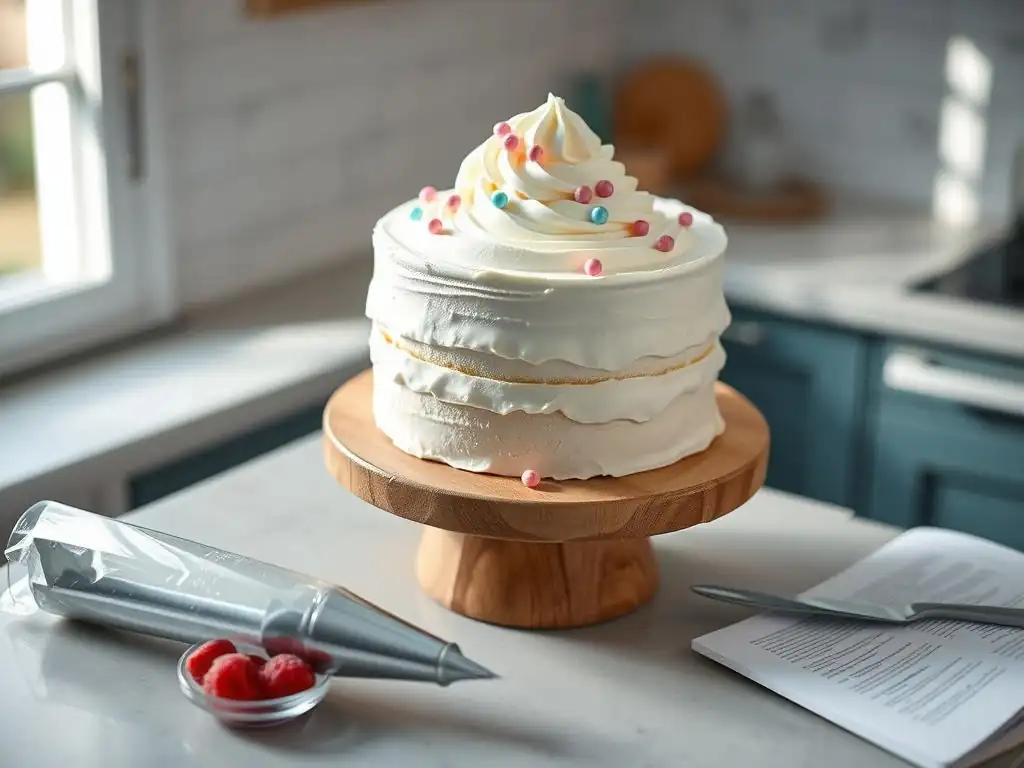
Proper storage is key to keeping your easy layer cake frosting looking and tasting fresh. If your frosting contains perishable ingredients like cream cheese, milk, or fresh fruit, refrigeration is necessary. For cakes frosted with sturdy buttercream (made primarily with butter and powdered sugar), they can often sit at cool room temperature for a day or two, but refrigeration extends their life.
To refrigerate, first chill the cake uncovered for about 15-20 minutes until the easy layer cake frosting is firm to the touch. This prevents sticking. Then, loosely cover the cake. A cake dome or an airtight container is ideal. If using plastic wrap, try to tent it so it doesn't touch the frosting surface. Properly stored in the refrigerator, most frosted layer cakes are best enjoyed within 3-4 days.
Freezing Frosted Cake
Freezing is an excellent option if you need to store your easy layer cake frosting creation for a longer period. It's best to freeze the cake after the crumb coat or after the final frosting layer is firm, but before adding any delicate decorations like fresh fruit. Chill the frosted cake in the refrigerator until the frosting is completely firm.
Once firm, wrap the cake tightly first in plastic wrap, ensuring no surface is exposed to prevent freezer burn. Then, add a layer of aluminum foil for extra protection. Frozen properly, a frosted layer cake can last for 2-3 months. To thaw, unwrap the cake and place it in the refrigerator overnight. Allowing it to thaw slowly in the fridge prevents condensation from forming on the easy layer cake frosting, which can cause it to become sticky or weep.
Enjoy Your Decorated Layer Cake!
Frequently Asked Questions
What is the easiest type of frosting to use for a layer cake, especially for beginners?
The easiest frosting is generally a simple buttercream. It's forgiving, requires minimal ingredients, and is easy to spread with a basic offset spatula.
What are some common mistakes people make when frosting a layer cake, and how can I avoid them?
One common mistake is using frosting that is too warm or too cold. Ensure it's at room temperature for optimal spreadability. Another is not using enough frosting between layers.
How can I achieve a smooth, professional-looking finish on my layer cake frosting?
Use a bench scraper or a large offset spatula to smooth the sides, and a smaller offset spatula for the top. Chill the cake between coats for a "crumb coat" effect.
What are some simple decorating techniques I can use to enhance the look of my frosted layer cake?
Sprinkles are a quick and easy way to add visual appeal. You can also use a piping bag with a simple tip to create borders or rosettes.
Can I make the frosting ahead of time, and if so, how should I store it?
Yes, buttercream frosting can be made in advance. Store it in an airtight container in the refrigerator for up to a week. Let it come to room temperature and re-whip before using.
Final Reflection: Mastering the Art of the Effortless Layer Cake
The pursuit of the perfect layer cake, once a daunting culinary challenge, is now within everyone's reach. This article has demonstrated that achieving a flawlessly frosted and decorated layer cake doesn't require years of pastry school or a professional chef's arsenal of tools. With a few simple techniques and readily available ingredients, anyone can create a stunning dessert that's as delicious as it is beautiful.
The ease of creating a beautiful layer cake has profoundly impacted the way we celebrate life's milestones. From birthdays to anniversaries, the homemade layer cake has become a symbol of love, care, and personal connection, transcending the simple act of baking. It's a testament to the power of simple acts to create lasting memories. The best things in life are simple,
a sentiment perfectly encapsulated by the joy of sharing a homemade layer cake. This simple act of baking connects us to traditions, fosters creativity, and strengthens bonds.
Now, I invite you to take what you've learned and embark on your own layer cake journey. Don't be afraid to experiment, to personalize your creations, and to share the joy of baking with those you love. Remember, the most important ingredient isn't just in the recipe, but in the love and care you put into each layer. So, gather your ingredients, preheat your oven, and let the delicious adventure begin!
Unleash Your Inner Cake Artist!
Thanks for taking the time to explore the art of frosted layer cakes! You've now got the skills to create stunning desserts that will impress your friends and family. Ready to put your new knowledge into practice?
- Frost and decorate your masterpiece! Grab your ingredients and let's turn those baking dreams into delicious reality. Remember the tips and tricks from the article—you've got this!
- Share your creation! Snap a picture of your beautiful cake and tag us on social media – we'd love to see your baking triumphs!
- Explore more easy cake recipes on BakeWithEase.com (you might even find your new signature cake!)
What unique flavor combination will you create for your next cake adventure?