
Exploring Different Sugar Types and Their Impact on Custard

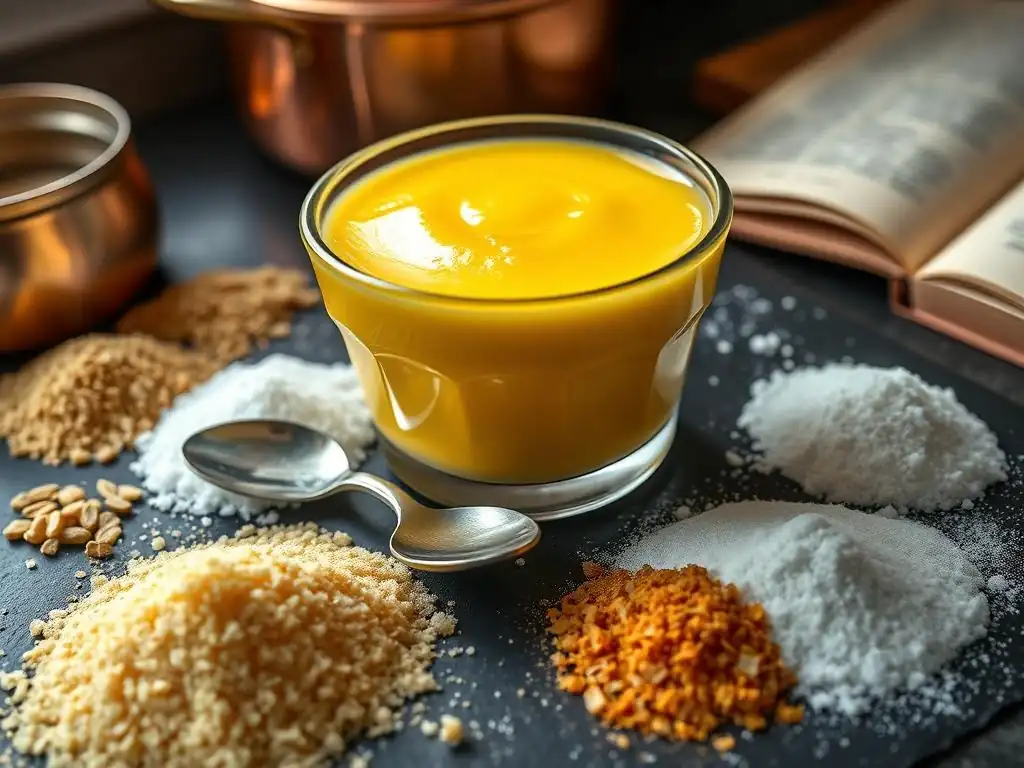
Welcome to BakeWithEase, your haven for effortless baking! Ever wondered how different sugars transform a simple custard into a culinary masterpiece? Dive into our latest article, "Exploring Different Sugar Types and Their Impact on Custard," where we unlock the secrets to perfecting sugar custard recipes easy bake. Discover how granulated, brown, and even powdered sugars can dramatically alter the texture, flavor, and overall experience of your favorite creamy dessert. Ready to unveil the sweet science behind custard perfection? Let's get baking!
- Exploring Different Sweeteners and Their Impact on Crème brûlée
- Introduction: The Sweet Science of Sweeteners in Crème brûlée
- Sweetener's Impact on Crème brûlée Texture and Stability
- A Deep Dive into Different Sweeteners for Crème brûlée
- Sweetener and Flavor Profiles in Crème brûlée
- Crème brûlée Recipes: Variations with Different Sweeteners
- Troubleshooting Sweetener-Related Crème brûlée Problems
- Tips and Tricks for Perfect Crème brûlée
- Conclusion: Mastering Crème brûlée Recipes
-
Frequently Asked Questions
- What type of sugar is generally recommended for easy bake sugar custard recipes?
- Can I use brown sugar in a sugar custard recipe, and if so, what effect will it have?
- Are there any sugar substitutes suitable for easy bake custard recipes, and what are the considerations?
- How does the amount of sugar affect the final texture of a sugar custard?
- What's the best way to ensure the sugar dissolves properly in an easy bake sugar custard recipe?
- Final Reflection: The Sweet Science of Custard Perfection
- Unlock the Secrets of the Perfect Custard!
Exploring Different Sweeteners and Their Impact on Crème brûlée
Introduction: The Sweet Science of Sweeteners in Crème brûlée
Welcome to the delightful world of crème brûlée! This classic dessert, essentially a rich baked custard topped with a brittle layer of caramelized sugar, is a staple for many dessert lovers. While the ingredients list seems simple – cream, egg yolks, sugar, and vanilla – mastering the perfect texture and that signature crack requires a nuanced understanding of each component. Among these, the sweetener plays a surprisingly significant role, influencing not just the taste but also the structure and ease of baking.
Understanding the science behind how different sweeteners interact with the other ingredients is key to achieving crème brûlée perfection. This isn't just about sweetness; it's about how the sugar affects the delicate proteins in the egg yolks, the fat in the cream, and ultimately, how the custard sets. Whether you're looking for classic sugar custard recipes easy to bake or exploring variations, getting the sweetener right is a fundamental step towards a successful dessert.
Mastering Crème brûlée Recipes
Mastering crème brûlée is a journey that involves precision and patience. While many sugar custard recipes promise an easy bake, the devil is often in the details, particularly regarding ingredient ratios and techniques. A typical classic recipe might call for about 6-8 egg yolks per quart of heavy cream, balanced with around 1/2 to 3/4 cup of granulated sugar. Deviating significantly from these proportions, especially with the sweetener, can drastically alter the outcome, leading to a custard that is too soft, too firm, or even grainy.
Successful crème brûlée relies on gently cooking the custard base, usually in a water bath (bain-marie), to ensure even heat distribution and prevent curdling. The sugar in the base contributes to this process by slightly raising the temperature at which the mixture sets, allowing for a smoother, more stable gel structure. Understanding how different sweeteners behave under heat and how they affect the setting point is crucial for adapting classic sugar custard recipes for easy baking with reliable results.
Understanding the Role of Sweeteners in Crème brûlée Creation
Sweeteners in crème brûlée do far more than just provide sweetness. They are integral to the structure and texture of the final product. Sugar, particularly sucrose (granulated sugar), affects the coagulation temperature of the egg proteins. Without enough sugar, the proteins can coagulate too quickly and tightly, resulting in a tough or rubbery custard. With the right amount, the sugar interferes with protein bonding, leading to a tender, silky set.
Beyond texture, sweeteners influence the custard's moisture retention and mouthfeel. Sugars are hygroscopic, meaning they attract and hold onto water. This property helps create a smooth, creamy consistency and prevents the custard from drying out during baking. Different sweeteners have varying degrees of hygroscopicity and sweetness levels, which means substituting one for another often requires adjusting the quantity and potentially other ingredients to maintain the desired balance and texture in your sugar custard recipes.
Sweetener's Impact on Crème brûlée Texture and Stability
The type and amount of sweetener used have a profound impact on the final texture and stability of your crème brûlée. This is where the science really comes into play, affecting everything from how the custard sets to how creamy it feels on the palate. It's a critical factor in creating those perfect sugar custard recipes easy to bake and consistently delicious.
Different sweeteners interact uniquely with the proteins and fats in the cream and egg yolks. This interaction dictates the strength and nature of the gel network that forms as the custard bakes. Getting this balance right is key to avoiding common issues like a watery or overly firm texture.
How Sweeteners Affect Setting and Consistency
Sweeteners significantly influence the setting point of crème brûlée. Sucrose, the primary component of granulated sugar, raises the coagulation temperature of egg proteins. In a typical crème brûlée base heated to around 170-175°F (77-79°C), the presence of sugar ensures the egg proteins denature and form a delicate gel network gradually and evenly.
If using a sweetener with a different chemical structure, like fructose (found in honey and agave), which caramelizes at a lower temperature (around 220°F/104°C compared to sucrose's 320°F/160°C) and is more hygroscopic, the setting dynamics can change. A higher proportion of fructose might require a slightly lower baking temperature or shorter time to prevent overcooking the edges before the center sets, impacting the overall consistency.
The concentration of sugar also matters greatly. A higher ratio of sugar to liquid can result in a softer set because the sugar molecules interfere more extensively with protein-protein interactions. Conversely, too little sugar can lead to a firmer, potentially less smooth custard as the proteins bond more readily. Finding the sweet spot is essential for that characteristic delicate wobble in the finished crème brûlée, making your sugar custard recipes truly easy to bake successfully.
The Influence of Sweeteners on Creaminess
The perception of creaminess in crème brûlée is heavily influenced by the sweetener used. Sugar contributes to mouthfeel by dissolving completely and preventing the formation of large ice crystals if the custard is chilled extensively (though crème brûlée is typically served slightly warm or at room temperature). More importantly, sugar affects the viscosity of the custard base before and during baking. A syrup solution is thicker than plain water, and this increased viscosity in the base mixture contributes to a richer, smoother texture in the finished product.
Different sweeteners impart varying degrees of perceived creaminess due to differences in molecular size and interaction with water and fat. For example, liquid sweeteners like honey or maple syrup, which contain a mix of sugars and water, can contribute to a slightly different mouthfeel compared to granulated sugar. Sugar alcohols, sometimes used in sugar-free recipes, can also affect texture, sometimes leaving a cooling sensation or a slightly different viscosity. Achieving optimal creaminess is a key goal in developing excellent sugar custard recipes easy to bake at home.
A Deep Dive into Different Sweeteners for Crème brûlée
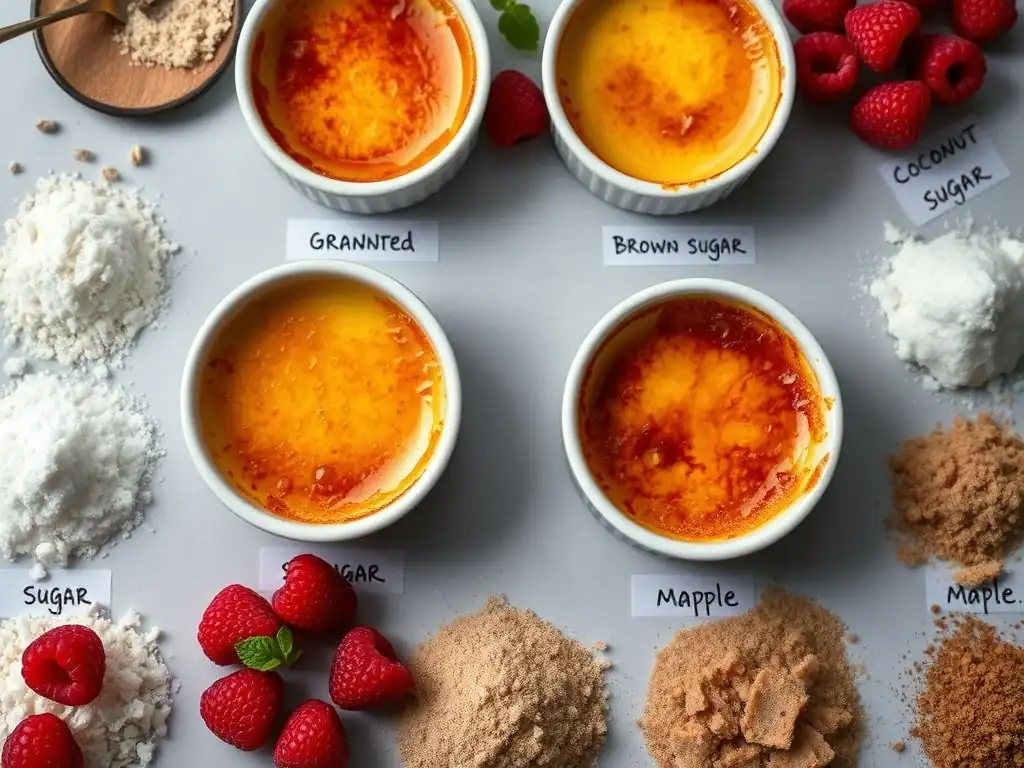
Exploring beyond the standard granulated sugar opens up a world of flavor and texture possibilities for your crème brûlée. Each sweetener brings its own unique properties to the custard base, requiring slight adjustments in technique or proportion to achieve the desired outcome.
Choosing the right sweetener depends on the flavor profile you want to achieve and the specific texture you're aiming for. Let's look at some popular options used in various sugar custard recipes.
Granulated Sugar: The Standard
Granulated sugar, or sucrose, is the traditional sweetener for crème brûlée for good reason. It dissolves easily when heated, provides clean sweetness without competing flavors, and caramelizes beautifully to form the signature brittle topping at around 320°F (160°C). In the custard base, it provides reliable structural support by interfering with protein coagulation and contributes to a smooth texture. A standard ratio might involve 1/2 cup of granulated sugar per 2 cups of cream and 6-8 egg yolks.
Its consistent crystal size and purity make it predictable in recipes. When developing sugar custard recipes easy to bake, granulated sugar is the benchmark against which others are compared. It allows for precise measurement and its interaction with egg proteins is well-documented, making troubleshooting simpler.
Honey: Adding Depth and Floral Notes
Honey offers a distinct flavor profile ranging from light and floral to dark and robust, depending on the nectar source. It also contains fructose and glucose, which are sweeter than sucrose, meaning you typically need slightly less honey than granulated sugar. For example, replacing 1/2 cup of granulated sugar might require only 1/3 to 1/4 cup of honey, depending on its sweetness intensity. Honey is also more hygroscopic than sucrose, which can lead to a slightly softer, moister custard.
When using honey in crème brûlée, its liquid nature needs to be considered. It adds a small amount of extra moisture to the base, which could slightly impact the setting time. The lower caramelization temperature of fructose in honey (around 220°F/104°C) also means the brûléed topping might caramelize quicker and potentially burn if not carefully monitored. Despite these considerations, honey adds a wonderful depth and complexity to sugar custard recipes.
Maple Syrup: A Naturally Sweet Option
Maple syrup, particularly dark or very dark varieties, brings a rich, earthy sweetness and distinct flavor that pairs wonderfully with cream and eggs. Like honey, it's a liquid sweetener, primarily composed of sucrose, glucose, and fructose, along with various flavor compounds. It's generally less sweet than honey or sucrose by volume. To replace 1/2 cup of granulated sugar, you might need closer to 1/2 to 2/3 cup of maple syrup, adjusting for desired sweetness.
The water content in maple syrup is higher than in honey or granulated sugar, which means it will add more liquid to the custard base. This extra liquid can affect the setting time and potentially result in a slightly less firm custard. However, the unique flavor it imparts can be well worth the minor textural adjustments. Using maple syrup is a great way to create naturally flavored sugar custard recipes easy to bake for a rustic touch.
Agave Nectar: A Low Glycemic Alternative
Agave nectar is often marketed as a low glycemic sweetener, primarily composed of fructose. Fructose is significantly sweeter than sucrose (about 1.5 times), so you'll need much less agave nectar – perhaps 1/4 cup to replace 1/2 cup of granulated sugar. Its neutral flavor is appealing if you want the cream and vanilla to shine through, unlike honey or maple syrup.
However, agave's high fructose content presents challenges in crème brûlée. Fructose is highly hygroscopic, potentially leading to a very soft or even unset custard if used in large quantities. Its lower caramelization temperature means the topping will color very quickly, increasing the risk of burning before achieving a hard shell. Experimentation with smaller amounts and careful temperature control is necessary when using agave in sugar custard recipes.
Stevia: A Sugar-Free Option
Stevia is a non-caloric sweetener derived from the Stevia rebaudiana plant. Its sweetness comes from steviol glycosides, which can be hundreds of times sweeter than sucrose. Using stevia in crème brûlée for a sugar-free option is challenging because sugar provides crucial bulk, texture, and caramelization properties that stevia does not. For example, replacing 1/2 cup of granulated sugar might only require a tiny pinch or a teaspoon of a stevia-based blend, offering virtually no volume or effect on protein coagulation.
Creating a sugar-free crème brûlée that mimics the texture of the traditional version requires more than just substituting sweetness. Often, recipes using stevia or other artificial sweeteners incorporate thickeners like cornstarch or gelatin to help the custard set, as the sweetener itself doesn't contribute to the protein structure in the same way sugar does. While possible, achieving that classic creamy, yet set, texture without sugar is complex and moves away from traditional sugar custard recipes easy bake methods.
Sweetener and Flavor Profiles in Crème brûlée
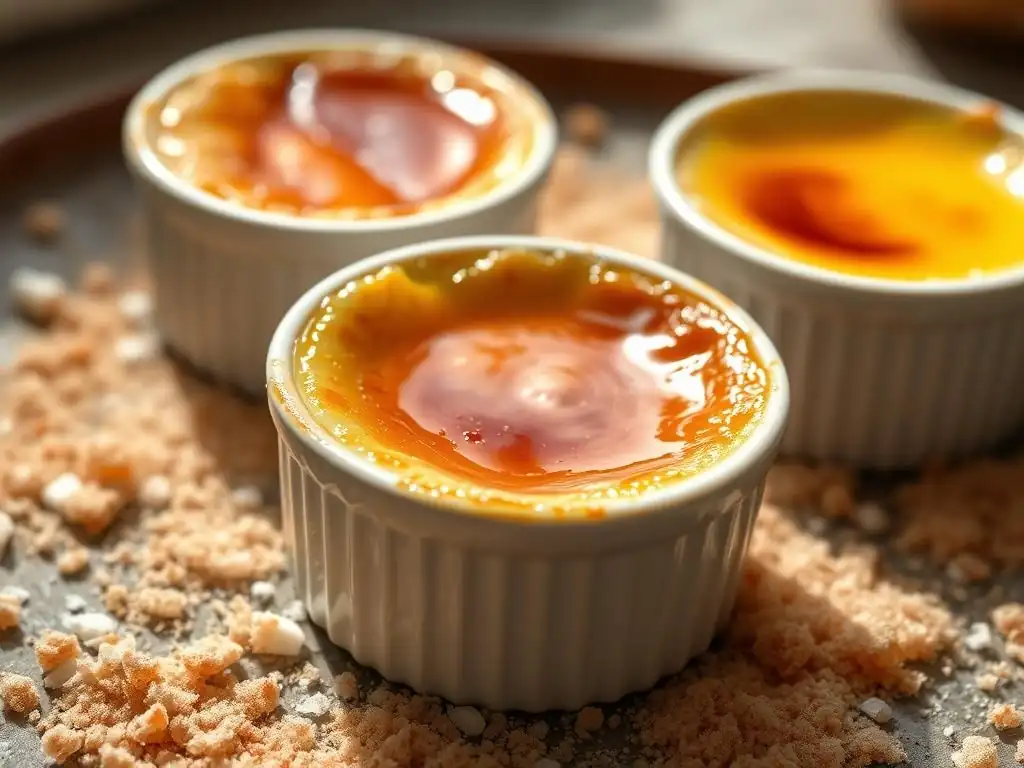
The sweetener you choose doesn't just impact texture; it fundamentally shapes the flavor profile of your crème brûlée. While granulated sugar provides a clean sweetness that allows other flavors, like vanilla bean, to dominate, alternative sweeteners contribute their own distinct notes.
Thinking about how the sweetener's flavor complements the primary flavoring of the custard is key to developing truly exceptional sugar custard recipes.
Enhancing Flavor with Different Sweeteners
Different sweeteners naturally carry their own flavors. Brown sugar, for example, contains molasses, imparting a deeper, slightly caramel note even before caramelization. Honey adds floral, fruity, or even malty undertones depending on its origin. Maple syrup brings earthy, woody richness. Using these in the custard base infuses these flavors throughout the dessert, creating a more complex profile than simple sweetness.
When caramelizing the top layer, different sugars behave differently under heat. Sucrose provides a classic, slightly bitter caramel flavor. Brown sugar caramelizes similarly but with added depth from the molasses. Honey and maple syrup contain other sugars (fructose, glucose) and compounds that caramelize at lower temperatures and can produce slightly different, sometimes more complex, burnt sugar notes. Experimenting with these variations can lead to exciting new sugar custard recipes easy to bake with unique flavor dimensions.
The Best Sweetener Choices for Specific Flavors [e.g., Vanilla Bean, Lavender]
- Vanilla Bean Crème brûlée: Granulated sugar is often considered the best choice here. Its neutral sweetness allows the pure, complex aroma and flavor of high-quality vanilla bean to be the star. Using about 1/2 cup per 2 cups of cream and 6-8 yolks provides the perfect sweetness balance without overshadowing the vanilla. This is the foundation for many classic sugar custard recipes easy to bake.
- Lavender Crème brûlée: A subtle sweetener is preferred to let the delicate floral notes of lavender shine. Again, granulated sugar works well. Some recipes might experiment with a light, floral honey, like acacia or orange blossom honey, in small quantities (e.g., replacing only a quarter of the granulated sugar) to complement the lavender without overpowering it.
- Chocolate Crème brûlée: Brown sugar or even a touch of molasses can enhance the deep, slightly bitter notes of chocolate. Replacing 1/4 to 1/2 of the granulated sugar with light or dark brown sugar can add wonderful complexity.
- Coffee or Espresso Crème brûlée: Similar to chocolate, the caramel notes in brown sugar or the earthy sweetness of maple syrup can pair beautifully with coffee flavors. Using a mix of granulated sugar and brown sugar (e.g., a 1:1 ratio for the total sweetener amount) is a popular approach in these sugar custard recipes.
Crème brûlée Recipes: Variations with Different Sweeteners
Let's look at how different sweeteners are used in practice in some popular crème brûlée variations. These examples highlight how adjusting the sweetener can transform a classic dessert into something new and exciting, while still keeping the core idea of sugar custard recipes easy to bake.
Understanding these variations helps demystify the process and encourages experimentation in your own kitchen.
Classic Vanilla Bean Crème brûlée: Granulated Sugar
This is the foundational recipe for good reason. It relies on the clean sweetness and reliable structure provided by granulated sugar.
Classic Vanilla Bean Crème brûlée Base (Approximation):
- 2 cups heavy cream
- 6-8 large egg yolks
- 1/2 cup granulated sugar
- 1 vanilla bean, split and scraped (or 1 tsp vanilla extract)
Instructions typically involve heating the cream with the vanilla, whisking the sugar into the egg yolks until pale and slightly thickened, tempering the yolks with the hot cream, straining, and baking in a water bath at around 325°F (160°C) until just set (edges firm, center slightly wobbly). The granulated sugar ensures a predictable set and a topping that caramelizes to a perfect crisp shell under a broiler or torch. This is the quintessential example of sugar custard recipes easy to bake with reliable results.
Honey Crème brûlée: A Rich and Decadent Dessert
Using honey introduces richness and a floral or earthy depth. The quantity of honey is reduced compared to granulated sugar due to its higher sweetness.
Honey Crème brûlée Base (Approximation):
- 2 cups heavy cream
- 6-8 large egg yolks
- 1/3 cup honey (adjust based on sweetness preference and honey type)
- Vanilla (optional, or choose a complementary flavor)
When making honey crème brûlée, gently whisk the honey into the egg yolks. Because honey is liquid, the mixture might be thinner than with granulated sugar. Tempering and baking proceed similarly, but monitor baking time closely as the base might set slightly differently. The brûléed topping, if using honey for the top as well (often a thin layer), will caramelize much faster due to its fructose content, requiring vigilance with the torch. This variation adds a sophisticated twist to standard sugar custard recipes.
Maple Syrup Infused Crème brûlée: A Naturally Sweet Treat
Maple syrup brings its characteristic cozy flavor, perfect for fall or winter. You'll likely use a similar volume to granulated sugar, or slightly more, depending on the syrup's grade and your desired sweetness.
Maple Syrup Crème brûlée Base (Approximation):
- 2 cups heavy cream
- 6-8 large egg yolks
- 1/2 to 2/3 cup maple syrup (pure, dark grade recommended)
- Pinch of salt (enhances maple flavor)
Integrate the maple syrup into the egg yolks. The increased liquid content from the syrup may require a slightly longer baking time or a touch lower oven temperature to ensure a proper set without overcooking. The resulting custard will have a lovely maple aroma and flavor. For the topping, while you can caramelize maple syrup, it's common to use granulated sugar for the crack, as maple syrup caramelizes differently and can be stickier or burn faster. However, some chefs use maple sugar for the top, which caramelizes beautifully. This showcases how adapting sugar custard recipes can yield unique results.
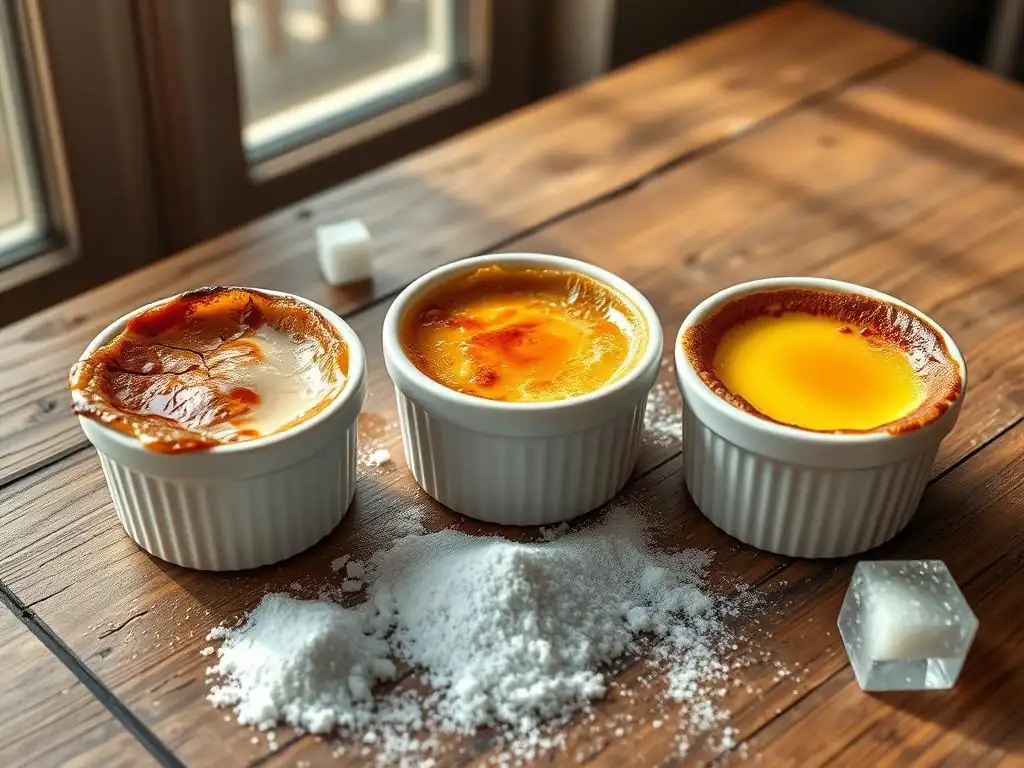
Even with the best sugar custard recipes easy to bake, sometimes things don't go exactly as planned. Sweetener issues are a common culprit behind various crème brûlée woes. Recognizing these problems and knowing how to adjust is key to consistent success.
Here are some common problems related to sweeteners and how to address them.
Crème brûlée Too Sweet: Adjusting Sweetener Levels
If your crème brûlée is overwhelmingly sweet, the most likely cause is simply using too much sweetener. This can happen easily when substituting alternative sweeteners that are sweeter than sucrose, like certain stevia blends or high-fructose agave, without adequately reducing the quantity. A standard classic recipe uses about 1/4 cup of granulated sugar per cup of liquid (cream/milk). If your ratio is significantly higher, it will be very sweet.
- Solution: For future batches, reduce the amount of sweetener used. If using a substitute, find reliable conversion charts or start with a smaller amount and taste the base mixture (carefully, before adding raw eggs!) to gauge sweetness. Remember that sweetness is perceived differently based on temperature and other flavors, but a significantly oversweet base will yield an oversweet final product. For an already baked batch that's too sweet, pairing it with something acidic (like fresh berries) or a less sweet accompaniment can help balance the flavor.
Crème brûlée Not Setting: The Sweetener-to-Liquid Ratio
A crème brûlée that fails to set properly can be frustrating. While many factors contribute (underbaking, not using a water bath, too few egg yolks), the sweetener ratio is crucial. Too high a ratio of sugar to liquid can inhibit the egg proteins from forming a strong enough gel network, resulting in a custard that remains liquid or overly soft, even after chilling. For instance, using 1 cup of sugar for only 2 cups of cream is likely too much sugar for the egg yolks to handle structurally.
- Solution: Ensure your sugar-to-liquid ratio is appropriate for the number of egg yolks used. A common guideline is 1/4 to 1/3 cup of granulated sugar per cup of cream/milk when using 3-4 egg yolks per cup of liquid. If using alternative sweeteners, be mindful of their impact on protein coagulation. Liquid sweeteners add volume, which also affects the liquid ratio. Double-check your recipe's proportions against standard sugar custard recipes known to be easy to bake and set correctly.
Preventing Grainy Crème brûlée: Choosing the Right Sweetener
A grainy texture in crème brûlée is usually caused by overcooked egg proteins (curdling) or undissolved sugar crystals. While overheating is the primary culprit for curdling, the sweetener can play a role in graininess related to crystals. If granulated sugar isn't fully dissolved in the warm cream/egg mixture before baking, the undissolved crystals can create a gritty texture in the final custard. Using very large sugar crystals or adding sugar directly to cold cream can exacerbate this.
- Solution: Ensure your sweetener is fully dissolved. When making the base, whisk the sugar thoroughly into the egg yolks until the mixture is smooth and slightly thickened before tempering with hot cream. After combining the tempered yolks and cream, stir gently until all sugar crystals have dissolved. Straining the custard base through a fine-mesh sieve before pouring it into ramekins is an essential step that catches any undissolved sugar crystals or bits of cooked egg, ensuring a silky smooth texture, a hallmark of great sugar custard recipes.
Tips and Tricks for Perfect Crème brûlée
Achieving that perfect balance of creamy custard and crisp caramelized topping is the goal for any baker tackling crème brûlée. Beyond mastering the sweetener, several techniques contribute to consistent success. These tips apply whether you're using classic sugar custard recipes or exploring variations.
Paying attention to these details elevates your crème brûlée from good to outstanding.
Measuring Sweeteners Accurately
Accuracy in measuring sweeteners is paramount, especially when working with sensitive recipes like crème brûlée. Using too much or too little can throw off the delicate balance of ingredients, affecting both texture and sweetness. For granulated sugar, use standard dry measuring cups and level off the excess. For liquid sweeteners like honey or maple syrup, use liquid measuring cups and read at eye level.
- Tip: If using a scale, measure sweeteners by weight for the highest accuracy. 1 cup of granulated sugar weighs approximately 200 grams (about 7 ounces). Liquid sweeteners vary; for instance, 1 cup of honey is roughly 340 grams (12 ounces), while 1 cup of maple syrup is about 310 grams (11 ounces). Using weight ensures consistency regardless of packing or viscosity, making your sugar custard recipes more reliable.
Stirring Techniques for Smooth and Silky Custard
Gentle and thorough stirring is key to a smooth crème brûlée base. When whisking the sugar into the egg yolks, whisk until the mixture is pale yellow and slightly thickened, ensuring the sugar begins to dissolve. When tempering the yolks with the hot cream, whisk continuously but not vigorously to avoid incorporating too much air, which can lead to a foamy or bubbly top on the custard.
- Tip: After combining the tempered yolks and cream, switch from a whisk to a spoon or spatula and stir gently until the mixture is uniform and the sugar is fully dissolved. Avoid over-mixing, which can develop gluten in the small amount of flour some recipes use (though classic crème brûlée typically contains none) and introduce excess air bubbles. Removing air bubbles by letting the mixture sit for 10-15 minutes before pouring, or by passing a torch lightly over the surface of the filled ramekins, contributes to a perfectly smooth top before baking.
Temperature Control: Preventing Burning
Temperature control is vital at two stages: baking the custard and caramelizing the topping. Baking in a water bath at a moderate temperature (typically 300-325°F / 150-160°C) prevents the edges from overcooking before the center sets, ensuring a smooth, even texture. The water bath regulates the temperature around the ramekins.
- Tip: When caramelizing the sugar topping, use a kitchen torch for best results. Sprinkle a thin, even layer of granulated sugar over the chilled custard just before serving. Hold the torch a few inches away and move it constantly in a circular motion. This provides even heat, melting and caramelizing the sugar to a beautiful amber crust without burning. If using a broiler, place the ramekins on a baking sheet filled with ice or ice water to keep the custard cold while the top caramelizes quickly under high heat. Watch constantly as broilers can burn sugar in seconds. Proper temperature control is the final step to perfecting your sugar custard recipes easy bake process.
Conclusion: Mastering Crème brûlée Recipes
Mastering crème brûlée is a rewarding culinary endeavor that hinges on understanding the subtle interactions between simple ingredients. While it might seem intimidating, grasping the role of each component, especially the sweetener, makes these elegant sugar custard recipes surprisingly easy to bake successfully. From achieving the perfect creamy texture in the custard base to creating that iconic, shatteringly crisp caramelized sugar shell, the sweetener is a quiet hero in this classic dessert.
We've explored how different sweeteners like granulated sugar, honey, maple syrup, agave, and even stevia impact not only the sweetness but also the texture, stability, and flavor profile of crème brûlée. Granulated sugar remains the standard for its reliable performance and clean taste, ideal for showcasing pure flavors like vanilla. However, venturing into alternatives opens up a world of delicious possibilities, adding depth and character with notes of caramel, floral honey, or earthy maple.
Recap of Sweetener Types and Their Effects
- Granulated Sugar (Sucrose): The classic choice. Provides clean sweetness, reliable structure by interfering with protein coagulation, contributes to smooth texture, and caramelizes predictably at high heat (around 320°F/160°C) for the topping. Essential for standard sugar custard recipes easy to bake.
- Honey: Adds floral/fruity/malty notes. Sweeter than sucrose (use less). More hygroscopic, potentially resulting in a softer custard. Fructose content means it caramelizes at a lower temperature (around 220°F/104°C), requiring care with the topping.
- Maple Syrup: Imparts earthy, woody flavors. Less sweet than sucrose by volume (use similar or slightly more). Higher water content adds liquid to the base. Caramelizes differently; often paired with a granulated sugar topping. Great for flavored sugar custard recipes.
- Agave Nectar: Neutral sweetness, lower glycemic index (primarily fructose). Much sweeter than sucrose (use significantly less). Highly hygroscopic, can lead to unset custard. Low caramelization temperature makes topping difficult. Best used sparingly or in modified recipes.
- Stevia: Non-caloric sweetness. Provides no bulk or structural support. Requires thickeners to achieve custard texture. Cannot caramelize for the topping. Makes traditional sugar custard recipes challenging to replicate directly.
Further Exploration: Experimenting with Sweeteners in Your Own Creations
Now that you have a deeper understanding of how different sweeteners behave in crème brûlée, don't hesitate to experiment! Start with small adjustments in your favorite sugar custard recipes easy to bake. Try substituting a small portion of granulated sugar with brown sugar for a hint of caramel, or explore a recipe specifically designed for honey or maple syrup.
Consider the flavor pairings – maple with a touch of cinnamon, honey with orange zest, or brown sugar with dark chocolate. Pay close attention to the texture as you make substitutions; you may need to slightly adjust baking times or temperatures. With practice and a little adventurous spirit, you'll be able to confidently adapt and create your own signature crème brûlée variations, elevating your baking skills one caramelized crack at a time.
Frequently Asked Questions
What type of sugar is generally recommended for easy bake sugar custard recipes?
Granulated sugar is usually recommended due to its consistent texture and even dissolving properties. This leads to a smooth and stable custard.
Can I use brown sugar in a sugar custard recipe, and if so, what effect will it have?
Yes, but it will impact the color and flavor. Brown sugar adds a molasses-like flavor and a slightly darker hue to the custard.
Are there any sugar substitutes suitable for easy bake custard recipes, and what are the considerations?
Yes, but carefully consider the substitution ratio and potential texture changes. Some substitutes may not provide the same thickening properties as sugar.
How does the amount of sugar affect the final texture of a sugar custard?
The sugar quantity significantly affects the texture. Too little sugar can result in a runny custard, while too much may lead to a grainy or overly sweet result.
What's the best way to ensure the sugar dissolves properly in an easy bake sugar custard recipe?
Heat the mixture gently and stir continuously until the sugar is completely dissolved. Undissolved sugar can cause a gritty texture in the final product.
Final Reflection: The Sweet Science of Custard Perfection
Understanding the nuances of sugar's impact on custard creation isn't just about achieving the perfect texture; it's about unlocking a deeper appreciation for the delicate balance of flavors and textures in baking. The seemingly simple act of adding sugar to custard transforms it from a bland base into a culinary masterpiece, a testament to the power of seemingly small ingredients. This exploration into different sugar types and their unique contributions highlights the importance of mindful ingredient selection in achieving truly exceptional results.
This journey into the world of sugar and custard has underscored for me the profound influence seemingly minor ingredients can have on the final product. The subtle differences between granulated sugar, caster sugar, and even honey, are far from insignificant. They profoundly impact the final texture, sweetness level, and even the color of the custard. The proof of the pudding is in the eating,
as the saying goes, and in this case, the proof lies in the creamy, smooth, and perfectly balanced custard that results from careful sugar selection. The subtle art of custard-making reflects a larger culinary truth: attention to detail yields extraordinary results.
Now, it's your turn. Consider the next time you bake a custard – perhaps you'll experiment with a new type of sugar, or perhaps you'll simply appreciate the subtle alchemy that occurs when sugar meets cream and eggs. Don't just follow a recipe; understand it. Embrace the science behind the sweetness, and unlock your own potential to create custards that are not only delicious but also deeply satisfying, reflecting your own unique culinary journey. The perfect custard awaits – go create it!
Unlock the Secrets of the Perfect Custard!
Thanks for exploring the fascinating world of sugars and their impact on custard with us! You've now got the knowledge to elevate your baking game. Ready to put your newfound expertise to the test?
- Experiment with different sugars: Try substituting the sugar in your favorite custard recipe with one of the alternatives discussed – you might be surprised by the results! Keep a detailed note of your observations and taste tests for future reference.
- Share your custard creations: Show off your perfectly textured custard on social media using #BakeWithEaseCustard and inspire fellow bakers.
- Join our baking community: Head over to our forum (link removed per instructions) to share your experiences and get feedback from other passionate bakers.
What unique sugar will you explore in your next custard masterpiece?