
Baking Focaccia: Does the Oil Matter?

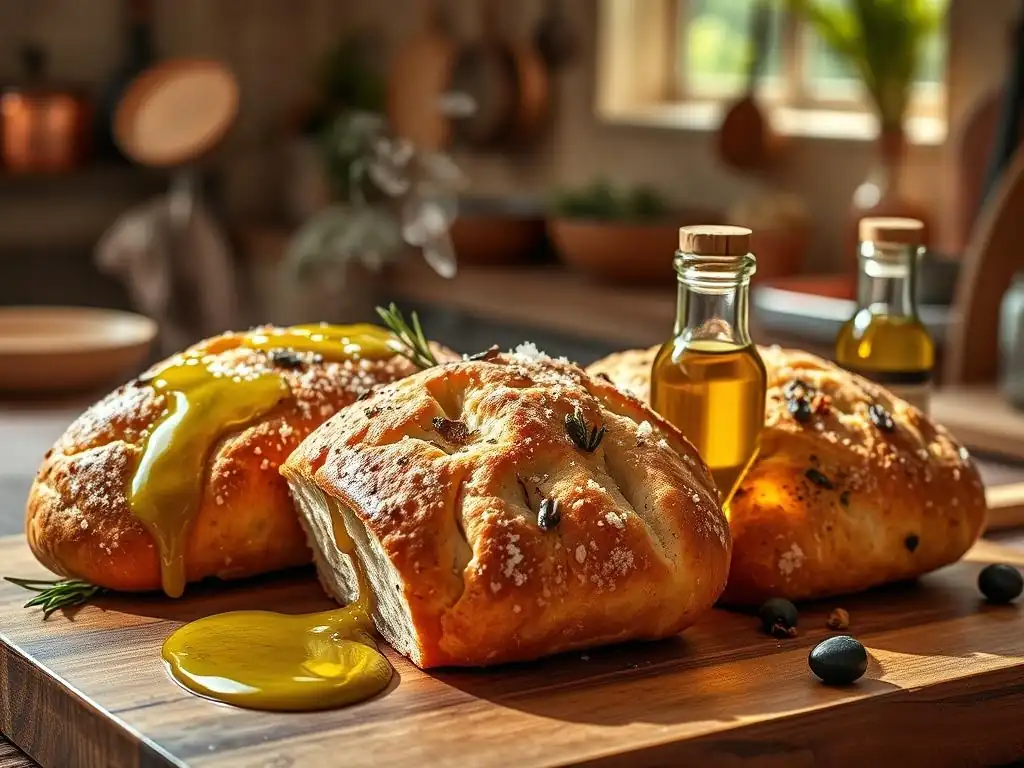
Welcome to BakeWithEase, your trusted guide to baking brilliance! Ever wondered if the secret to that perfect, golden-crusted Focaccia lies beyond the flour and technique? In this article, we're diving deep into the world of Focaccia oil type recipes, exploring how different oils impact flavor, texture, and overall success. Prepare to unlock the secrets to a truly exceptional bake – let's get started!
- Baking Focaccia: Does the Oil Type Really Matter?
- Introduction to Focaccia and the Role of Olive Oil
- Exploring Different Oil Types for Focaccia Dough
- Focaccia Oil Type Recipe: A Side-by-Side Comparison
- The Impact of Oil on Focaccia Texture and Flavor
- Choosing the Right Oil for Your Focaccia: Factors to Consider
- Troubleshooting Focaccia: Oil-Related Issues
- Tips for Baking the Perfect Focaccia with Any Oil
- Conclusion: Mastering Focaccia Oil Type Recipe
- Frequently Asked Questions
- Final Reflection: The Golden Thread of Focaccia and Oil
- Unleash Your Inner Focaccia Artisan!
Baking Focaccia: Does the Oil Type Really Matter?
Introduction to Focaccia and the Role of Olive Oil
Focaccia: A Beginner's Guide to Italian Flatbread
Focaccia is a beloved Italian flatbread, known for its dimpled surface, airy texture, and often generous topping of olive oil and herbs. It's a surprisingly forgiving bread to bake, making it an excellent starting point for novice bakers venturing into the world of yeast doughs. Unlike many traditional loaves that require extensive kneading and shaping, focaccia often involves a wetter, stickier dough that relies more on time and gentle handling to develop its structure. The simplicity of its core ingredients – flour, water, yeast, salt, and crucially, olive oil – makes each component's quality and type significant.
Baking focaccia offers a wonderful tactile experience, from mixing the shaggy dough to dimpling its surface before baking. It's a bread that invites experimentation with toppings, from classic rosemary and sea salt to olives, tomatoes, or even cheese. Mastering a basic focaccia oil type recipe is a cornerstone for anyone wanting to bake this delightful bread at home, providing a canvas for countless variations. The ease with which it comes together, often requiring only a few hours from start to finish including proofing time, makes it a perfect weekend baking project or even a weeknight treat.
The Importance of Oil in Focaccia Recipes: Beyond Just Flavor
Oil plays a multifaceted and essential role in the focaccia oil type recipe, extending far beyond simply adding flavor. Structurally, oil inhibits gluten development by coating the flour particles and strands of gluten, resulting in a more tender crumb compared to lean breads like baguettes. This is particularly important for focaccia, which should have a soft, airy interior. Furthermore, oil contributes significantly to the dough's hydration and elasticity, making it easier to handle and stretch without tearing.
On the surface, the generous amount of oil used to coat the pan and the top of the dough is responsible for creating that signature golden, crispy crust and the delightful chewy texture. It helps prevent the dough from sticking to the pan, ensures even browning, and creates the perfect environment for the dimples to hold pools of flavorful oil during baking. Understanding the specific function of oil in your focaccia oil type recipe is key to troubleshooting common issues and achieving the desired texture and richness that defines great focaccia.
Exploring Different Oil Types for Focaccia Dough
Extra Virgin Olive Oil: The Traditional Choice for Authentic Focaccia
Extra virgin olive oil (EVOO) is widely considered the gold standard for authentic Italian focaccia. Pressed from the first pressing of olives, it retains the most flavor and aroma compared to other olive oil grades. Its distinct fruity, sometimes peppery, or grassy notes are fundamental to the traditional taste profile of focaccia. The high quality of EVOO means it brings a complex flavor that complements the simple ingredients of the bread itself and stands up well to savory toppings like herbs and sea salt.
Using EVOO in a focaccia oil type recipe imparts a richness and depth of flavor that is difficult to replicate with other oils. While it has a lower smoke point than some refined oils, the baking temperatures for focaccia are typically within its acceptable range, especially when used as a finishing oil or mixed into the dough. The robust flavor of EVOO is not just an addition; it's an integral part of the focaccia experience, contributing to both the aroma while baking and the final taste of the bread.
Other Olive Oil Varieties: Virgin, Refined, and Pomace Oils
Beyond extra virgin, other grades of olive oil are available, each with different characteristics that can impact your focaccia oil type recipe. Virgin olive oil is also produced mechanically but may have slight defects in flavor or acidity compared to EVOO. It offers a good balance of flavor and a slightly higher smoke point, making it a versatile option if EVOO is too strong or expensive.
Pure olive oil, often labeled simply as "olive oil," is typically a blend of refined olive oil and some virgin or extra virgin oil. Refined olive oil is processed using heat or chemicals to remove impurities and defects, resulting in a milder flavor and higher smoke point, but significantly less of the beneficial compounds found in virgin oils.
Olive pomace oil is extracted from the leftover pulp and pits after the initial pressing, often using solvents and high heat. It has a very neutral flavor and a high smoke point, making it suitable for high-temperature cooking, but it lacks the characteristic olive flavor desired in traditional focaccia. While these oils can be used in a focaccia oil type recipe, they will yield a different result in terms of flavor and potentially texture compared to using high-quality EVOO. Using a blend, perhaps EVOO for finishing and a milder olive oil for the dough, can be a compromise.
Non-Olive Oil Alternatives: Avocado Oil, Grapeseed Oil, and Coconut Oil
Exploring non-olive oils can open up new possibilities for your focaccia oil type recipe, especially if you're looking for different flavor profiles or have dietary needs. Avocado oil is a popular alternative due to its mild flavor, high smoke point (often exceeding 500°F or 260°C), and healthy fat profile. It imparts a very subtle, almost buttery note to the bread. Grapeseed oil is another neutral-flavored option with a relatively high smoke point, making it a good choice if you want the focaccia's flavor to come entirely from the toppings.
Coconut oil, particularly refined coconut oil which has a neutral flavor, can also be used. However, its solid state at room temperature requires melting before incorporation into the dough and can affect the dough's consistency during mixing. Unrefined coconut oil will impart a distinct coconut flavor, which may not be desirable for a traditional focaccia but could work in creative recipes. When selecting a non-olive oil for your focaccia oil type recipe, consider its smoke point for baking and, importantly, its flavor profile and how it will interact with the other ingredients and potential toppings.
Considering Flavor Profiles of Alternative Oils
The flavor profile of the oil you choose will significantly influence the final taste of your focaccia. While extra virgin olive oil offers a range of complex, often fruity, peppery, or grassy notes depending on the variety and origin, alternative oils present a different palette. Avocado oil is known for its smooth, mild, almost neutral taste, allowing the flavors of the flour, yeast, and toppings to shine through without competition. Grapeseed oil is perhaps one of the most neutral oils available, making it ideal if you want a blank canvas flavor-wise.
Other oils like sunflower or canola oil are also quite neutral but are often highly refined. Sesame oil, while flavorful, is typically too strong for the amount needed in focaccia dough and is better used sparingly as a finishing touch in specific recipes. When developing your focaccia oil type recipe, think about whether you want the oil to be a prominent flavor component (like with EVOO) or merely a functional ingredient contributing to texture and moisture (like with avocado or grapeseed oil). This choice allows for considerable customization of the final bread.
Impact on Focaccia's Texture and Rise
Beyond flavor, the type and amount of oil impact the texture and rise of your focaccia. Oils with different viscosities can slightly affect how they are incorporated into the dough and how they coat the gluten strands. Generally, any liquid oil will inhibit gluten development to some extent, leading to a tender crumb. However, the amount used is usually more critical than the specific type of liquid oil in this regard. A typical focaccia oil type recipe might call for oil that is 10-20% of the flour weight.
The smoke point of the oil becomes important during the baking process, especially for the oil generously applied to the pan and the top. Oils with higher smoke points, like avocado oil (around 520°F / 271°C) or refined olive oil (around 400-450°F / 204-232°C), are less likely to smoke or burn at typical focaccia baking temperatures (often 400-450°F / 200-230°C) compared to some delicate EVOO varieties (smoke point can range from 350-410°F / 175-210°C depending on quality).
Using an oil with a sufficiently high smoke point ensures a beautifully golden-brown crust without acrid flavors from burnt oil. The oil also helps create steam in the pockets, contributing to the airy structure and crisp exterior.
Focaccia Oil Type Recipe: A Side-by-Side Comparison
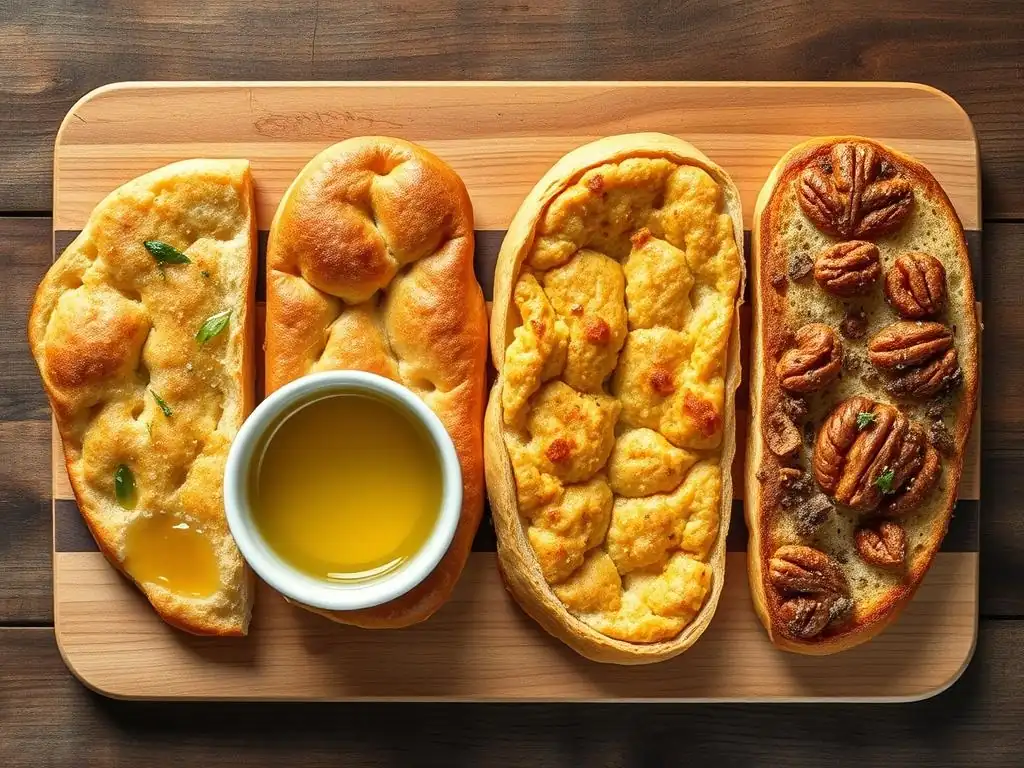
Recipe 1: Classic Focaccia with Extra Virgin Olive Oil
Ingredients and Method
Here is a foundational focaccia oil type recipe using the traditional choice, extra virgin olive oil.
Ingredients:
- 500g strong bread flour
- 400g warm water (around 95-105°F / 35-40°C)
- 7g instant dry yeast
- 10g fine sea salt
- 60g high-quality extra virgin olive oil, plus extra for the pan and finishing (at least another 50-100g)
- Flaky sea salt and fresh rosemary sprigs for topping
Method:
- In a large bowl, whisk together the warm water and yeast. Let stand for 5 minutes until frothy.
- Add the flour and fine sea salt to the bowl. Mix with a spoon or spatula until just combined into a shaggy dough. Do not knead rigorously.
- Pour 60g of the EVOO over the dough. Using your hands or a spatula, fold the edges of the dough over the oil until mostly incorporated.
- Cover the bowl and let the dough rest for 30 minutes.
- Perform a series of stretch and folds: Wet your hands slightly, grab one edge of the dough, stretch it up, and fold it over the center. Rotate the bowl and repeat 3-4 more times.
- Repeat the stretch and fold process every 30 minutes for a total of 2-3 times over 1.5 hours. The dough should become smoother and more elastic.
- Generously oil a 9x13 inch baking pan with a significant amount of EVOO (around 30-50g), ensuring the sides are well-coated.
- Transfer the dough to the prepared pan. Gently coax it towards the edges, being careful not to degas it completely. Cover and let it rest for 30 minutes.
- After resting, the dough should be more relaxed. Gently stretch it to fill the pan. Cover and let it proof at room temperature for 1-2 hours, or in the refrigerator for 8-24 hours for a more developed flavor. The dough should look puffy and filled with bubbles.
- Preheat your oven to 425°F (220°C).
- Pour another generous amount of EVOO (30-50g) evenly over the surface of the dough. Wet your fingertips with oil and gently dimple the dough all over, pushing your fingers straight down to the bottom of the pan.
- Sprinkle flaky sea salt and dot with rosemary sprigs.
- Bake for 20-30 minutes, or until golden brown and cooked through.
- Drizzle with a little more EVOO immediately after removing from the oven. Let cool slightly in the pan before transferring to a wire rack.
Expected Results: Flavor, Texture, and Appearance
Using high-quality extra virgin olive oil in this classic focaccia oil type recipe yields a bread with a pronounced, authentic flavor. You can expect notes ranging from fruity and peppery to slightly bitter, depending on the specific EVOO used. The crumb will be incredibly tender and airy, thanks to the oil inhibiting excessive gluten development and promoting moisture retention. The crust will be beautifully golden and crisp, especially on the bottom, due to the generous amount of oil in the pan.
The dimples on the surface will hold inviting pools of the flavorful EVOO, which intensifies as the bread bakes. The aroma filling your kitchen will be distinctly Mediterranean. Visually, the focaccia will have a rustic appearance with irregular bubbles and a rich, golden-brown hue. This result is the benchmark for many focaccia enthusiasts and highlights why EVOO is the traditional choice.
Recipe 2: Focaccia with Avocado Oil: A Twist on Tradition
Ingredients and Method Adjustments
Let's explore a focaccia oil type recipe using avocado oil as an alternative. The base ingredients remain largely the same, but the choice of oil changes the outcome.
Ingredients:
- 500g strong bread flour
- 400g warm water (around 95-105°F / 35-40°C)
- 7g instant dry yeast
- 10g fine sea salt
- 60g pure avocado oil, plus extra for the pan and finishing (at least another 50-100g)
- Flaky sea salt and desired toppings (e.g., cherry tomatoes, olives)
Method Adjustments:
Follow steps 1-6 from the Classic Focaccia recipe. The process of mixing and stretching will be very similar, as the viscosity of avocado oil is comparable to olive oil. 7. Generously oil a 9x13 inch baking pan with a significant amount of avocado oil (around 30-50g), ensuring the sides are well-coated. 8. Transfer dough, rest, and stretch as in step 8 of the classic recipe. 9. Proof as in step 9.
10. Preheat oven as in step 10. 11. Pour another generous amount of avocado oil (30-50g) evenly over the surface. Wet fingertips with oil and dimple the dough. 12. Sprinkle flaky sea salt and add toppings.
Consider toppings that pair well with a neutral base, like sweet cherry tomatoes or briny olives, allowing their flavors to dominate. 13. Bake for 20-30 minutes, or until golden brown. Note that avocado oil's higher smoke point might slightly alter the browning pattern compared to a very delicate EVOO, potentially allowing for a slightly crispier edge without risk of burning the oil. 14. Drizzle with a little more avocado oil (or a finishing EVOO for a flavor contrast) immediately after baking. Cool slightly.
Expected Results: Flavor, Texture, and Appearance Compared to EVOO
When using avocado oil in your focaccia oil type recipe, the most significant difference will be in the flavor. The bread will have a very clean, mild taste without the distinct olive notes. This allows the flavors of the flour, salt, and any toppings to take center stage. If you're using high-quality flour and interesting toppings, avocado oil can be an excellent choice to highlight them.
In terms of texture, the results are often quite similar to using olive oil. The crumb will still be tender and airy because the mechanism of oil inhibiting gluten is the same. The crust will be wonderfully crispy and golden, possibly even slightly more consistently so due to avocado oil's higher smoke point allowing for potentially higher heat tolerance on the surface oil without breaking down.
Visually, the appearance will be very similar – a puffy, dimpled flatbread with a lovely golden crust. The main difference is the aromatic experience during baking and the neutral base flavor of the finished loaf.
The Impact of Oil on Focaccia Texture and Flavor
How Oil Affects the Dough's Hydration and Gluten Development
Oil plays a critical role in managing the hydration and influencing gluten development in a focaccia oil type recipe. Focaccia dough is typically high hydration, meaning it has a relatively large amount of water compared to flour, often 75-85% hydration or even higher. This high water content contributes to the open, airy crumb structure. Oil, being hydrophobic, doesn't mix with water but coats the flour particles and the developing gluten network.
By coating the gluten strands formed by the interaction of flour and water, oil effectively lubricates them and prevents them from forming a strong, tight network. This inhibition of gluten development is intentional in focaccia; it results in a more tender, less chewy crumb than breads designed for maximum structure, like a baguette.
The oil also contributes to the perceived richness and moisture of the dough, making it feel more pliable and less sticky despite the high hydration. The specific focaccia oil type recipe dictates how much oil is added, directly impacting the degree of gluten inhibition and the resulting tenderness.
The Role of Oil in Creating a Crispy Crust and Soft Interior
The generous application of oil, both in the pan and on the surface of the dough, is paramount to achieving the characteristic texture of focaccia: a crispy, golden crust and a soft, airy interior. The oil in the pan creates a barrier between the dough and the hot metal, essentially shallow-frying the bottom layer of the bread. This process is what yields that wonderfully golden-brown and shatteringly crisp base, a hallmark of authentic focaccia. Using ample oil here is non-negotiable for the desired texture.
On the surface, the oil pools in the dimples and coats the top of the dough. As the focaccia bakes, this oil gets very hot, contributing to the Maillard reaction and caramelization that browns the crust. It also helps to create steam within the dough's air pockets, promoting a light and open crumb. The oil essentially fries the surface, creating a thin, crispy shell that contrasts beautifully with the soft, moist interior. The type of oil matters here primarily for its smoke point and flavor under heat, as discussed when considering your focaccia oil type recipe.
Flavor Profiles: How Different Oils Complement Focaccia Toppings
The oil in your focaccia oil type recipe isn't just about texture; it's a key flavor component that interacts with and complements your chosen toppings. Extra virgin olive oil, with its complex and sometimes pungent flavors, pairs beautifully with traditional Italian toppings like rosemary, sea salt, garlic, and tomatoes. Its robust taste can stand up to and enhance strong flavors.
Neutral oils like avocado or grapeseed oil provide a different approach. They offer a clean base that allows the flavors of the toppings to dominate. This is ideal if you want to highlight delicate herbs, specific vegetables, or cheeses without the distinct taste of olive oil interfering. For example, a focaccia topped with sweet caramelized onions or delicate roasted grapes might benefit from a neutral oil base that doesn't compete with their subtle sweetness. Considering the intended toppings is an important step when choosing the best oil for your specific focaccia oil type recipe.
Choosing the Right Oil for Your Focaccia: Factors to Consider
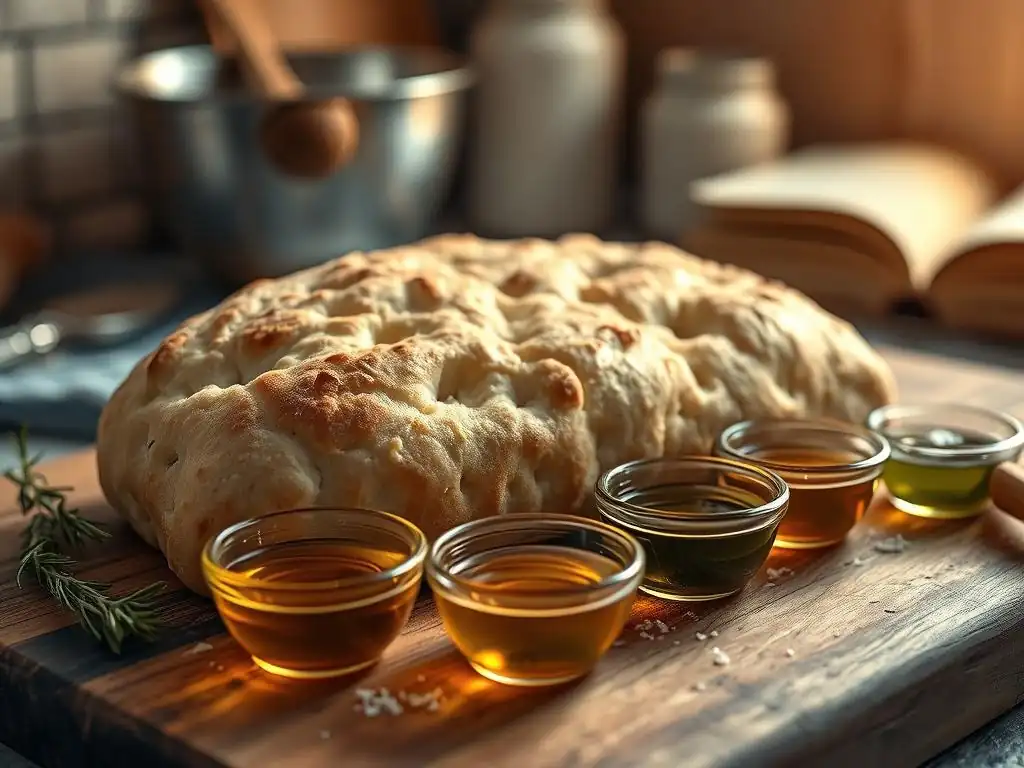
Budget: Balancing Quality and Cost
When selecting the oil for your focaccia oil type recipe, budget is often a practical consideration. High-quality extra virgin olive oils, particularly those from specific regions or with protected designations of origin, can be quite expensive. While they offer unparalleled flavor for traditional focaccia, using them in the generous quantities required for both the dough and the pan might be cost-prohibitive for some bakers, especially for frequent baking.
Fortunately, there are more budget-friendly options. Good quality "virgin" or even a standard "olive oil" blend can still provide a decent olive flavor without the premium price tag of top-tier EVOO. Neutral oils like grapeseed or sunflower oil are generally much less expensive and are perfectly functional for achieving the right texture, if flavor isn't the primary goal. Balancing the desire for authentic flavor with the practicality of cost is a personal decision for each baker developing their preferred focaccia oil type recipe.
Flavor Preference: From Robust to Subtle
Your personal flavor preference is arguably the most important factor when choosing the oil for your focaccia oil type recipe. Do you love the bold, peppery taste of fresh olive oil? Then a high-quality extra virgin olive oil is likely your best bet to achieve that classic Italian profile. Do you prefer a more subtle bread where the flavors of herbs, salt, or other toppings are the stars? A milder olive oil or a neutral oil like avocado or grapeseed might be more suitable.
Consider the context in which you plan to serve the focaccia. Will it be dipped in more olive oil? Served alongside a strongly flavored stew? Or enjoyed simply with salt? The oil you choose should complement its intended use. Experimenting with small batches using different oils can be a fun way to discover which flavor profile you prefer in your focaccia oil type recipe.
Dietary Restrictions: Addressing Allergies and Sensitivities
Dietary restrictions or sensitivities can also dictate the choice of oil for your focaccia oil type recipe. Olive oil allergies are rare but do exist. More commonly, bakers might be avoiding specific fats for health reasons or following particular diets (e.g., seed oil-free). In such cases, olive oil, grapeseed oil, or sunflower oil might be unsuitable.
Alternatives like avocado oil, coconut oil (ensure refined if a neutral flavor is needed), or even some nut oils (if nut allergies aren't a concern, though these can be strongly flavored) can be explored. Always ensure the oil you choose is safe for everyone who will be enjoying the focaccia. Reading labels carefully and understanding the sourcing and processing of the oil is essential when adapting a focaccia oil type recipe for dietary needs.
Focaccia Too Oily: Causes and Solutions
A common issue beginners face with their focaccia oil type recipe is ending up with a loaf that feels excessively greasy rather than perfectly rich. This can happen for a few reasons.
One cause is using too much oil relative to the amount of flour in the dough itself, which can prevent proper gluten development and result in a dense, oily crumb. Another, more frequent cause, is not allowing excess oil to drain slightly after baking, or simply using an overwhelming quantity on the surface or in the pan that doesn't get absorbed or contribute to crisping but just sits there.
To avoid excessively oily focaccia, ensure you are measuring the oil accurately according to your focaccia oil type recipe. While focaccia uses a lot of oil, there's a balance. For the pan and surface, use enough to coat generously and pool slightly in the dimples, but not so much that the bread is swimming in it.
After baking, if there's a significant amount of liquid oil remaining on the surface, you can carefully tilt the bread slightly to let some drain off before it cools completely. Ensuring the oven is hot enough also helps the oil achieve the desired crisping rather than just soaking in.
Focaccia Too Dry: The Oil's Role in Moisture Retention
Conversely, if your focaccia turns out dry, the oil (or lack thereof) could be a contributing factor. Oil contributes to the dough's overall hydration and helps retain moisture during the long proofing periods and the baking process. A focaccia oil type recipe that calls for too little oil relative to the flour and water may result in a dough that dries out too quickly.
Insufficient oil in the pan can lead to the bottom sticking and potentially drying out or burning instead of crisping nicely. Not enough oil on the surface means the crust won't develop that lovely golden, slightly fried exterior, potentially resulting in a drier, tougher top crust.
Ensure you are using the specified amount of oil in the dough and being generous when oiling the pan and the surface. If your focaccia consistently turns out dry, consider slightly increasing the oil in your focaccia oil type recipe or ensuring you are proofing in a humid environment and not over-baking the loaf.
Uneven Baking: How Oil Distribution Can Affect the Outcome
Uneven baking can sometimes be linked to the distribution of oil, particularly the oil in the pan. If the pan is not oiled thoroughly and evenly, certain parts of the focaccia bottom may stick or cook at a different rate, leading to patches that are burnt or undercooked. Similarly, if the oil on the surface is not distributed relatively uniformly before dimpling, some areas might crisp up more than others, resulting in an inconsistent crust texture.
To ensure even baking when following your focaccia oil type recipe, take care to spread the oil generously and evenly across the entire bottom and up the sides of the baking pan. When adding oil to the surface before dimpling, pour it slowly and try to cover as much surface area as possible before using your fingers to push it into the dimples, which helps redistribute it further. This attention to detail in oil application will contribute to a more uniformly golden and crispy focaccia crust.
Tips for Baking the Perfect Focaccia with Any Oil
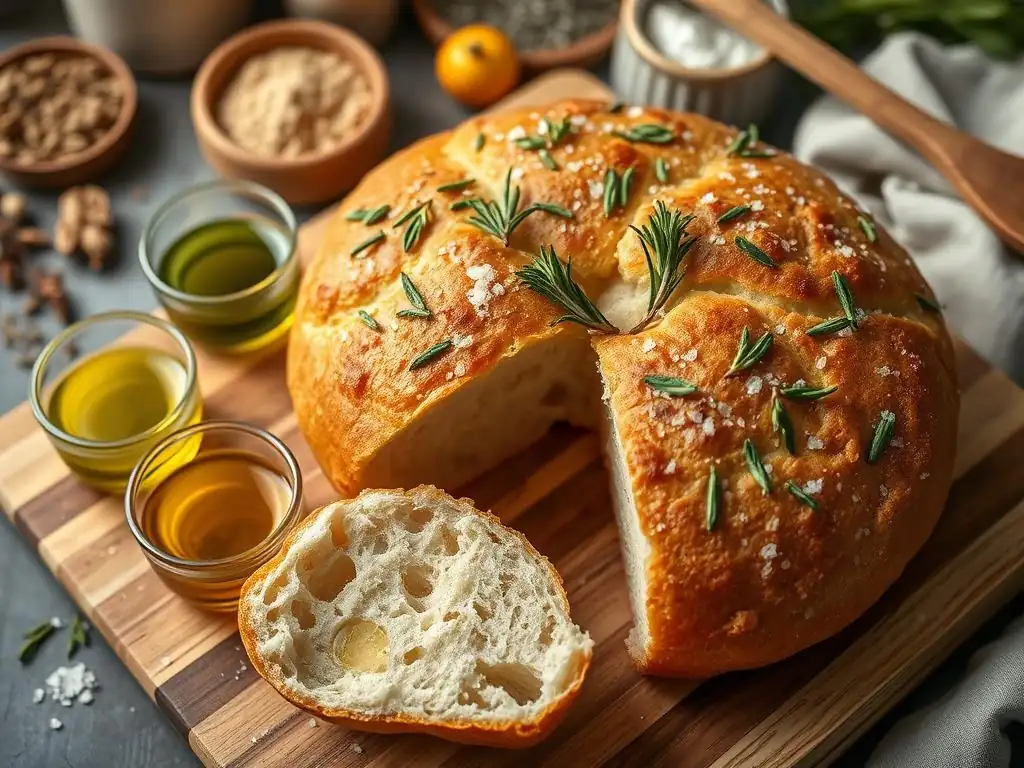
Measuring Oil Accurately for Consistent Results
Accuracy in measuring ingredients is fundamental in baking, and oil in a focaccia oil type recipe is no exception. While adding "a generous glug" might work for experienced bakers, using kitchen scales to weigh the oil specified in the recipe provides the most consistent results. Different oils have different densities, but weighing in grams is generally more accurate than measuring volume in cups or milliliters, especially for viscous liquids like oil.
Consistent measurement ensures that the oil is inhibiting gluten development and contributing moisture in the intended way each time you bake. This consistency is key to replicating successful results and understanding how small adjustments might impact the final bread. Whether you're using extra virgin olive oil, avocado oil, or another type in your focaccia oil type recipe, precise measurement is a simple step that yields significant benefits in reliability.
Incorporating Oil Correctly into the Dough
The method of incorporating oil into the focaccia dough can influence its texture. Because oil inhibits gluten, it's often added after the initial mixing of flour and water, once some gluten development has begun. Pouring the measured oil over the shaggy dough and then gently folding it in allows the oil to gradually coat the flour particles and gluten strands without disrupting the initial hydration and mixing process.
Avoid adding the oil too early, such as with the water and yeast, as this can excessively coat the flour and hinder even hydration. Similarly, avoid vigorously kneading the oil into the dough, as the goal is gentle incorporation. The stretch and fold technique, performed after the oil is added, helps distribute the oil evenly throughout the dough while also building strength gradually. Following the specific instructions in your focaccia oil type recipe regarding oil incorporation is crucial for achieving the desired airy texture.
Oiling the Pan: Ensuring a Non-Stick Surface and Crispy Bottom
Properly oiling the baking pan is a non-negotiable step for a great focaccia oil type recipe. The primary purpose is to prevent the dough from sticking, which can ruin the beautiful airy structure when trying to remove it. More importantly for texture, the generous layer of oil on the bottom of the pan is what creates the signature crispy, almost fried bottom crust.
Don't be shy with the oil here; use enough to truly coat the entire bottom and extend up the sides of the pan by at least an inch. For a standard 9x13 inch pan, this might be anywhere from 30 to 60 grams (or roughly 2-4 tablespoons), depending on the recipe and desired crispiness. Pour the oil in, then use your hands or a brush to ensure every nook and cranny is covered. This creates the essential environment for the bottom of your focaccia to crisp up beautifully during baking.
Conclusion: Mastering Focaccia Oil Type Recipe
Key Takeaways: Choosing the Best Oil for Your Focaccia Baking
Choosing the right oil for your focaccia oil type recipe is a decision that impacts flavor, texture, and even the ease of baking. Extra virgin olive oil remains the traditional choice, offering complex flavors that are integral to classic focaccia. However, other olive oil grades or neutral alternatives like avocado or grapeseed oil can be used, offering different flavor profiles and potentially higher smoke points suitable for crisping.
Ultimately, the "best" oil depends on your desired outcome – whether you prioritize authentic flavor, a neutral canvas for toppings, budget considerations, or dietary needs. Regardless of the type, using sufficient oil both in the dough and generously in the pan and on the surface is key to achieving the characteristic tender crumb and crispy crust of great focaccia. Mastering your focaccia oil type recipe involves understanding the function of oil and selecting the one that best aligns with your goals.
Further Experimentation: Encouraging Continued Exploration of Oils and Techniques
Baking focaccia is a journey of delicious discovery, and experimenting with different oils is a fantastic way to deepen your understanding and personalize your bake. Don't hesitate to try a side-by-side comparison using different oils in otherwise identical focaccia oil type recipes to truly taste and feel the difference. Perhaps try a blend – a neutral oil in the dough for texture and a flavorful EVOO poured into the dimples just before baking.
Consider how different oils interact with various toppings. A lemon-infused olive oil might be wonderful with a focaccia topped with seafood, while a neutral avocado oil might be better suited for a sweet focaccia variation with fruit. Continue to explore different focaccia oil type recipes, adjust quantities, and note the results. Each bake is an opportunity to refine your technique and discover new favorite flavor combinations, making your focaccia uniquely yours.
Frequently Asked Questions
What type of oil is best to use when baking focaccia?
While many oils can work, extra virgin olive oil is highly recommended for focaccia. It provides the most authentic flavor and contributes to a tender crumb.
Can I substitute another oil if I don't have olive oil on hand?
Yes, you can substitute. A neutral-flavored oil like canola or vegetable oil will work, but the distinctive flavor of olive oil will be missing. This will change the overall taste.
How much oil should I use in my focaccia recipe?
The amount of oil varies, but focaccia typically requires a generous amount of oil. This is because the oil contributes to the flavor, texture, and crust of the bread.
Why is oil important in focaccia baking?
Oil is crucial for focaccia because it adds moisture, creates a crispy crust, and enhances the overall flavor profile. It also helps prevent the bread from drying out.
Does the quality of the olive oil impact the final focaccia?
Yes, the quality of the olive oil significantly impacts the focaccia. Using a high-quality extra virgin olive oil will result in a more flavorful and aromatic bread.
Final Reflection: The Golden Thread of Focaccia and Oil
The seemingly simple act of choosing an oil for your focaccia dramatically impacts the final product, a testament to the power of seemingly small details in cooking. From the subtle nuances of flavor to the crucial role in achieving that signature crisp-yet-tender crumb, the oil is far more than just a lubricant; it's the heart of the focaccia experience. This exploration into the world of focaccia oils reveals a depth of flavor and texture often overlooked.
The journey through various oils – from the robust olive oil to the delicate nut oils – highlighted not just the technical aspects of baking, but also the rich cultural tapestry woven into each ingredient. The choice of oil isn't merely functional; it's a statement, a reflection of personal preference and a connection to culinary traditions. Food is symbolic of love when words are inadequate.
– Alan D. Wolfelt. This quote resonates deeply, as the careful selection of oil in focaccia baking transforms a simple bread into a vehicle for expressing care and attention to detail.
Now, consider your own focaccia journey. What oil will you choose for your next loaf? Will you embrace the familiar comfort of extra virgin olive oil, or venture into the unknown with a hazelnut or avocado oil? More importantly, what story will your focaccia tell? Experiment, explore, and discover the unique magic that the right oil can bring to your baking, transforming a simple recipe into a deeply personal and rewarding experience.
Unleash Your Inner Focaccia Artisan!
Thanks for joining us on this delicious journey into the world of focaccia! We hope you gained valuable insights into the role of oil in achieving that perfect crust and texture. Ready to put your newfound knowledge to the test?
- Bake your masterpiece! Try experimenting with different oils – olive, sunflower, even avocado – and see how the flavor and texture change. Document your results and share your experiences!
- Share your focaccia journey! Post a picture of your creation on social media using #BakeWithEaseFocaccia and tag us – we’d love to see your baking success!
- Consider exploring other bread recipes on our site for a wider baking adventure!
What unique oil will you experiment with in your next focaccia creation? Let us know in the comments!