
Mastering Dark Rye Flour: Tips for Better Baking


Welcome to BakeWithEase, your baking companion! Are you ready to unlock the rich, complex flavors of dark rye? Mastering dark rye flour can seem daunting, but with our expert tips and tricks, you'll be baking delicious, deeply satisfying breads in no time. Curious how to avoid common pitfalls and achieve that perfect crumb? Dive in and discover the secrets to successful rye baking!
- Introduction to Dark Rye Flour Baking
-
Key Dark Rye Flour Baking Tips for Success
- Tip #1: Hydration is Crucial for Dark Rye Bread
- Tip #2: The Benefits of the Autolyse Method for Dark Rye
- Tip #3: Working with Gluten Development in Dark Rye Dough
- Tip #4: The Right Mixing Technique for Dark Rye Dough
- Tip #5: Fermentation and Proofing Dark Rye Bread
- Tip #6: Shaping Dark Rye Loaves for Optimal Rise
- Tip #7: Baking Dark Rye Bread: Temperature and Time
- Tip #8: Cooling and Slicing Your Dark Rye Bread
- Troubleshooting Common Dark Rye Flour Baking Problems
- Dark Rye Flour Baking: Recipe Adaptations and Variations
- Advanced Dark Rye Flour Baking Techniques
- Storing Dark Rye Flour and Bread for Freshness
- Conclusion: Embrace the Art of Dark Rye Flour Baking
-
Frequently Asked Questions
- What exactly is dark rye flour, and how does it differ from other flours?
- Why is dark rye flour sometimes tricky to work with in baking?
- What are some essential tips for using dark rye flour successfully in bread recipes?
- Can I substitute dark rye flour for all-purpose flour in my favorite recipes?
- Where can I find high-quality dark rye flour, and how should I store it?
- Final Reflection: The Enduring Allure of Dark Rye
- Unleash Your Inner Rye Baker!
Introduction to Dark Rye Flour Baking
Welcome to the world of dark rye flour! Baking with dark rye flour can be incredibly rewarding, offering deep flavors and unique textures that differ significantly from wheat-based breads. This guide provides essential dark rye flour baking tips to help you achieve fantastic results, whether you're just starting or looking to refine your skills.
Understanding the properties of dark rye flour is key to successful baking. It behaves differently than wheat flour, largely due to its lower gluten content and higher proportion of non-starch polysaccharides (like pentosans). These components absorb a lot of water and contribute to the dense, moist crumb often associated with rye bread. Mastering dark rye flour baking tips involves learning how to work with these unique characteristics.
Understanding Dark Rye Flour: A Baker's Essential Guide
Dark rye flour is milled from the entire rye grain, including the bran, germ, and endosperm. This makes it a whole grain flour, rich in nutrients and fiber. The "dark" designation typically refers to the milling process and the inclusion of more of the outer layers of the grain, resulting in a stronger flavor and darker color compared to light or medium rye flour. Its composition means it forms a weaker gluten structure than wheat flour.
Unlike wheat flour, where gluten provides elasticity and structure, rye flour relies more on starches and pentosans for its texture. When these compounds hydrate, they form a gel-like matrix that helps hold the bread together. However, enzymes in rye flour can break down this matrix, leading to a gummy texture if not managed properly, often through acidification (like using a sourdough starter or adding vinegar). These specific traits are crucial for understanding dark rye flour baking tips.
Why Bake with Dark Rye Flour? Nutrition and Flavor
Baking with dark rye flour offers significant nutritional benefits. As a whole grain, it's an excellent source of dietary fiber, including soluble fiber which can help regulate blood sugar levels. It also provides essential vitamins and minerals like B vitamins, magnesium, iron, and zinc. Including dark rye flour in your diet can contribute to a healthier digestive system and overall well-being.
Beyond nutrition, the primary appeal of dark rye flour for many bakers is its distinct, robust flavor. It imparts a tangy, sometimes slightly earthy or malty taste to bread that pairs wonderfully with savory ingredients. The flavor profile is much deeper and more complex than that of wheat flour, offering a delightful alternative for those seeking unique bread experiences. Exploring dark rye flour baking tips allows you to unlock these rich flavors.
Key Dark Rye Flour Baking Tips for Success
Mastering dark rye flour baking requires attention to details that might differ from wheat bread baking. Here are some key tips to guide you.
Tip #1: Hydration is Crucial for Dark Rye Bread
Dark rye flour absorbs significantly more water than wheat flour due to its high pentosan content. Recipes using a high percentage of dark rye often call for hydration levels upwards of 75% to 100% or even higher, relative to the flour weight. Proper hydration is essential for developing the unique texture of rye bread and preventing it from becoming too dense or crumbly.
Achieving the right hydration involves adding water gradually until the dough reaches a sticky, paste-like consistency. Unlike wheat dough, which becomes smooth and elastic with kneading, dark rye dough will remain relatively sticky and slack. Don't be afraid of the stickiness; it's necessary for a moist crumb. Experimenting with hydration levels based on your specific flour and recipe is a key part of mastering dark rye flour baking tips. For instance, a common 100% dark rye sourdough might use 90-100% hydration.
Achieving Optimal Hydration in Dark Rye Dough
Optimal hydration for dark rye dough depends heavily on the specific flour and the desired bread texture. A typical dark rye sourdough might start with a hydration of around 90% of the flour weight, meaning for every 100g of dark rye flour, you'd use 90g of water. However, some recipes for very dense, traditional loaves might use less, while lighter rye breads with some wheat added might use less as well.
The best way to determine optimal hydration is by feel. The mixed dough should be very sticky and resemble a thick batter or paste rather than a firm dough. It won't form a taut ball like wheat dough. If your dough feels too stiff or dry, add a tablespoon of water at a time until the desired consistency is reached. This hands-on approach is vital for successful dark rye flour baking tips.
Tip #2: The Benefits of the Autolyse Method for Dark Rye
While autolyse is often discussed in the context of wheat baking to improve gluten development, it offers different benefits when working with high percentages of dark rye flour. Since rye has low gluten, autolyse doesn't focus on gluten structure but rather on allowing the flour to fully hydrate. This initial resting period helps the pentosans and starches absorb water evenly, which is crucial for the texture of rye bread.
An autolyse for dark rye flour typically involves mixing just the flour and water from the recipe and letting it rest for 20-60 minutes. This simple step allows the complex carbohydrates in the rye to begin forming their gel-like structure before other ingredients like salt or starter are added. It can lead to a smoother dough that's easier to handle despite its stickiness. Incorporating autolyse is a smart move among dark rye flour baking tips.
How Autolyse Improves Dark Rye Flour's Characteristics
The primary way autolyse improves dark rye flour is through enhanced hydration. Rye flour's components, particularly the pentosans, take time to absorb water fully. Allowing the flour and water to rest together gives these elements ample opportunity to soak up moisture, leading to more consistent hydration throughout the dough.
This thorough hydration helps activate enzymes naturally present in the flour, which, while needing management (see Tip #5), also contribute to flavor development during the rest period. The dough becomes slightly more manageable because the sticky pentosans have had time to swell and stabilize. While it won't create elasticity like in wheat dough, it sets the stage for better texture in the final loaf. This process is a fundamental aspect of refining dark rye flour baking tips.
Tip #3: Working with Gluten Development in Dark Rye Dough
Unlike wheat flour, dark rye flour contains very little gluten-forming protein. Therefore, traditional kneading to develop a strong gluten network is not the primary goal and can even be detrimental, making the dough gummy. The structure of rye bread relies more on the properties of its starches and pentosans.
When baking with 100% dark rye, you won't develop a strong, elastic gluten network. The dough will remain dense and sticky. If you are using a blend of dark rye and wheat flour, gentle kneading can help develop the wheat gluten while integrating the rye. However, for high-percentage or 100% dark rye, focus shifts from gluten development to managing hydration and fermentation to build structure. Understanding this is key to effective dark rye flour baking tips.
Techniques to Strengthen Gluten in Dark Rye Dough
Since dark rye flour has minimal gluten, techniques to "strengthen gluten" as understood in wheat baking don't apply directly to 100% rye dough. The focus shifts to techniques that support the weak structure provided by the rye's non-gluten components. This often involves using a sourdough starter, which acidifies the dough and helps inhibit enzymes that can degrade the starch-pentosan matrix, leading to a gummy texture.
Another technique, especially when blending rye with wheat, is to ensure sufficient hydration for the wheat flour to develop its gluten, while still respecting the rye's need for water. Gentle mixing rather than aggressive kneading is preferred for high-rye doughs. For recipes with a significant amount of wheat (e.g., 50% or less rye), standard kneading or stretch-and-folds are appropriate to build the wheat gluten structure, which then supports the rye. These adjustments are vital dark rye flour baking tips.
Tip #4: The Right Mixing Technique for Dark Rye Dough
Given its low gluten content and high stickiness, dark rye dough requires a different mixing approach than wheat dough. Over-mixing can actually harm the limited structure that rye does form from its starches and pentosans, leading to a pasty or gummy texture.
For high-percentage or 100% dark rye dough, a gentle, thorough mix is sufficient. The goal is simply to combine the ingredients until no dry flour remains and the dough is uniformly hydrated. This can often be achieved with a sturdy spoon or dough whisk, or briefly in a stand mixer on a low speed, followed by a short rest. Aggressive or prolonged kneading is unnecessary and counterproductive for dark rye flour baking tips.
Avoiding Over-Mixing Dark Rye Dough
Over-mixing dark rye dough can activate enzymes prematurely or disrupt the delicate structure formed by the hydrated pentosans and starches. This can result in a dough that becomes even stickier and more difficult to handle, and ultimately leads to a dense, gummy crumb in the baked bread.
Mix the dough until it just comes together and there are no pockets of dry flour. A few minutes of mixing is usually plenty, especially in a stand mixer. If mixing by hand, mix until all ingredients are incorporated. The dough will be very sticky and won't pull away from the sides of the bowl like wheat dough. Stop mixing once uniform hydration is achieved. This restraint is a key dark rye flour baking tip.
Tip #5: Fermentation and Proofing Dark Rye Bread
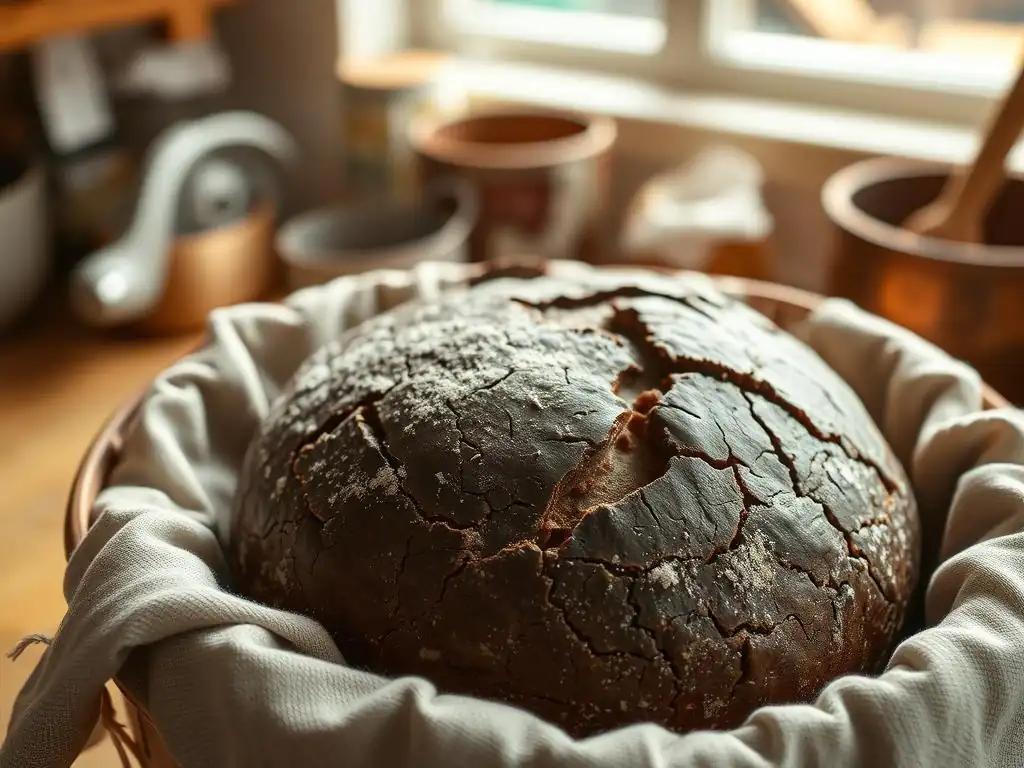
Fermentation is particularly important for dark rye bread, especially when using a sourdough starter. The acidity produced by lactic acid bacteria in sourdough helps control enzymatic activity in the rye flour, preventing the breakdown of starches that causes gumminess. Fermentation also develops flavor and contributes to the rise.
Dark rye dough ferments differently than wheat dough. It may not show as much visible rise, but you will notice changes in texture and aroma. The dough might become slightly lighter and more airy, and develop a pleasant sour smell. Pay attention to these cues rather than relying solely on volume increase. Proper fermentation is one of the most critical dark rye flour baking tips.
Understanding Dark Rye's Fermentation Process
Dark rye fermentation, particularly with sourdough, is characterized by significant acid production. This acidity is key to managing the rye flour's enzymes. The bulk fermentation period allows the sourdough culture to work, developing flavor and producing carbon dioxide gas. The dough may increase in volume by 50% to 100%, but it won't achieve the doubling seen in many wheat doughs.
Fermentation times can vary greatly depending on temperature and starter activity, but a typical bulk fermentation might last 2-4 hours at room temperature (around 70-75°F or 21-24°C). Some recipes call for longer, cooler fermentation to enhance flavor. Observing the dough for signs of activity (some bubbles, slight increase in volume) and assessing its smell are better indicators than just watching the clock. Mastering this timing is vital for dark rye flour baking tips.
Proofing Dark Rye: Signs of Readiness
Proofing (the final rise before baking) for dark rye bread is also different. Because the gluten structure is weak, over-proofing is a major risk, leading to a collapsed loaf. Dark rye dough doesn't spring in the oven as much as wheat dough, so it needs to be proofed sufficiently, but not excessively.
Signs of readiness include a noticeable, but not massive, increase in volume (perhaps 20-50%). The dough should feel light and airy for its size. A common test is the "poke test," but be cautious with rye; it may not spring back slowly like wheat dough. Instead, a gently poked indentation might remain or spring back very slowly. If it springs back immediately, it needs more proofing. If it collapses, it's over-proofed. Aim for the sweet spot – slightly under-proofed is often better than over-proofed for rye. These subtle cues are important dark rye flour baking tips.
Tip #6: Shaping Dark Rye Loaves for Optimal Rise
Shaping dark rye dough can be challenging due to its stickiness and lack of elasticity. Unlike wheat dough, you can't build significant surface tension through typical shaping techniques like preshaping and final shaping with strong folds. The goal is to create a cohesive mass that holds its shape reasonably well and fits your baking vessel.
Often, dark rye dough is simply formed into a rough log or round shape and placed directly into a loaf pan or a proofing basket lined with parchment paper (to prevent sticking). If baking a freeform loaf, using a well-floured surface and minimal handling is key. Some bakers lightly wet their hands to work with the sticky dough. Gentle handling preserves the gas built during fermentation. Effective shaping is part of successful dark rye flour baking tips.
Techniques for Shaping Dark Rye Dough
Given the sticky, slack nature of high-percentage dark rye dough, aggressive shaping is out. For a loaf pan, simply scrape the dough into the pan and smooth the top with wet hands or a spatula. For freeform loaves, gently coax the dough into a round or oval shape on a floured surface. You might perform a couple of gentle folds just to bring the edges underneath and create some surface tension, but don't expect it to become taut.
Using a well-floured banneton (proofing basket) or lining it with a floured cloth is highly recommended for freeform loaves to prevent sticking during proofing. Transfer the shaped dough carefully to the basket, seam-side up if baking seam-side down. Minimal handling is crucial to avoid degassing the delicate structure. These specific techniques are essential dark rye flour baking tips.
Tip #7: Baking Dark Rye Bread: Temperature and Time
Baking dark rye bread requires adequate time and temperature to cook through and develop a good crust. Because of its density and moisture content, rye bread often requires a longer baking time than a comparable size wheat loaf.
A common baking temperature range for rye bread is around 400-450°F (200-230°C). Starting at a higher temperature can help set the crust, and then the temperature is often lowered to ensure the interior bakes thoroughly without burning the exterior. The total baking time will depend on the size and shape of the loaf, but a standard 1-2 pound loaf might bake for 45-75 minutes. Using a baking stone or steel and steam in the oven can improve crust development. Finding the right balance is key among dark rye flour baking tips.
Finding the Perfect Oven Temperature for Dark Rye
The perfect oven temperature for dark rye bread typically involves a balance between achieving a good crust and ensuring the dense interior cooks fully. Many bakers start their bake at a higher temperature, around 450°F (230°C), for the first 15-20 minutes. This initial blast of heat, especially with steam, helps the loaf achieve some oven spring and sets the crust.
After the initial high-heat phase, the temperature is usually reduced to 400-425°F (200-220°C) for the remainder of the baking time. This allows the heat to penetrate to the center of the loaf without over-browning the exterior. For very large or dense loaves, temperatures might be even lower, around 375°F (190°C), for an extended period. Using an internal thermometer is the most reliable way to check for doneness; rye bread is typically done when the internal temperature reaches 200-210°F (93-99°C). These temperature adjustments are vital dark rye flour baking tips.
Tip #8: Cooling and Slicing Your Dark Rye Bread
Patience is a virtue when it comes to cooling dark rye bread. Due to its high moisture content and dense structure, rye bread needs a significant amount of time to cool completely before slicing. Cutting into a warm rye loaf can result in a gummy, sticky interior, even if it was baked properly.
Allowing the bread to cool fully on a wire rack lets the internal moisture redistribute evenly and the structure set. This process can take several hours, sometimes 4-8 hours or even longer for very large or dense loaves. Resist the urge to slice it prematurely! Proper cooling is a non-negotiable step in mastering dark rye flour baking tips.
Allowing Dark Rye Bread to Cool Properly
Once removed from the oven, place the dark rye loaf on a wire rack immediately. This allows air to circulate around the entire loaf, preventing the bottom crust from becoming soggy from trapped steam. The cooling process is crucial for the internal structure to stabilize and for the flavors to fully develop.
For smaller loaves (under 1.5 lbs), cooling for at least 4 hours is recommended. For larger or 100% rye loaves, waiting 6-8 hours, or even overnight, is often necessary for the best texture. The loaf should feel completely cool to the touch before you even think about slicing it. This long cooling time is just as important as the baking time for achieving a good crumb texture, making it a key step among dark rye flour baking tips.
Slicing Techniques for a Perfect Dark Rye Loaf
Once your dark rye bread is completely cool, slicing it properly will ensure you don't crush or tear the loaf. Because of its density and sometimes chewy crust, a sharp, serrated knife is essential.
Use a gentle sawing motion with your serrated knife, applying even pressure. Avoid pressing down too hard, which can compress the crumb. Take your time and let the knife do the work. For very crusty loaves, you might find it easier to slice using a slight angle. Proper slicing is the final step in executing your dark rye flour baking tips.
Troubleshooting Common Dark Rye Flour Baking Problems
Even with the best dark rye flour baking tips, you might encounter issues. Here are some common problems and their solutions.
Problem: Dense and Heavy Dark Rye Bread
One of the most common complaints about dark rye bread is that it turns out too dense and heavy, sometimes even feeling like a brick. While rye bread is naturally denser than wheat bread, excessive density can indicate a problem.
This often stems from insufficient fermentation and proofing, improper hydration (too little water), or over-mixing, which can damage the limited structure. Using a sourdough starter that isn't active enough or not allowing enough time for the acids to develop can also contribute. Addressing these points is key to improving your dark rye flour baking tips.
Solutions for Dense Dark Rye Bread
To combat excessive density, first ensure your starter (if using one) is very active and mature before baking. Increase the hydration slightly in your recipe; dark rye often needs more water than you think. Pay close attention to fermentation and proofing times, allowing sufficient time for the dough to develop flavor and some gas, but being careful not to over-proof.
Consider adding a small percentage of strong wheat flour (like bread flour) to your recipe if you're using 100% rye; even 10-20% wheat flour can provide enough gluten to significantly improve the loaf's structure and lighten the crumb without overpowering the rye flavor. Ensure you are mixing gently and only until combined, avoiding aggressive kneading. Implementing these solutions will refine your dark rye flour baking tips.
Problem: Dry and Crumbly Dark Rye Bread
Another issue can be bread that is dry and crumbly, failing to hold together when sliced. This is the opposite problem of gumminess but equally frustrating.
Dryness and crumbliness in dark rye bread are typically caused by too little hydration in the dough. Dark rye flour is very thirsty, and if not given enough water, the starches and pentosans won't hydrate properly to form the matrix that holds the bread together. Over-baking can also dry out the loaf. Adjusting hydration is a primary focus for better dark rye flour baking tips.
Solutions for Dry Dark Rye Bread
Increase the water content in your recipe. Don't be afraid of a very sticky dough; it's necessary for a moist crumb in rye bread. You might need to increase the hydration by 5-10% or more compared to your initial attempts. Pay attention to how the dough feels during mixing – it should be quite wet and paste-like.
Also, ensure you are not over-baking the loaf. Use an internal thermometer to check for doneness (200-210°F or 93-99°C) rather than relying solely on visual cues. Baking at a slightly lower temperature for a longer time can help ensure the interior is cooked without drying out the exterior. Proper cooling is also essential, as cutting too early can make the crumb seem gummy, while letting it cool fully allows moisture to distribute, preventing perceived dryness later. These adjustments are crucial dark rye flour baking tips.
Problem: Bitter Taste in Dark Rye Bread
Occasionally, dark rye bread can have an unpleasantly bitter or overly sour taste. While a slight tang is desirable, excessive bitterness can be off-putting.
A common cause for bitterness is the use of commercial yeast in high-percentage or 100% rye dough without sufficient acidification. Rye flour contains enzymes that, if not inhibited by acid (like that from a sourdough starter), can break down components in the flour and lead to off-flavors, including bitterness. Over-fermentation, especially with certain sourdough cultures, can also contribute to excessive sourness or bitterness. Selecting the right approach is key for refining dark rye flour baking tips.
Mitigating Bitterness in Dark Rye Bread
The most effective way to mitigate bitterness in dark rye bread is to use a well-maintained, active sourdough starter. The lactic acid produced by the bacteria in the starter lowers the pH of the dough, inhibiting the enzymatic activity that causes bitterness and gumminess. Aim for a pH around 4.0-4.5 in the final dough before baking.
If you prefer using commercial yeast, incorporating an acidifying agent like a small amount of vinegar (apple cider vinegar works well) or lemon juice into the dough can help lower the pH. A common ratio might be 1-2 teaspoons of vinegar per loaf. Additionally, ensure your bulk fermentation isn't excessively long, especially in warm temperatures, which can lead to over-acidification. Balancing these factors improves your dark rye flour baking tips.
Dark Rye Flour Baking: Recipe Adaptations and Variations
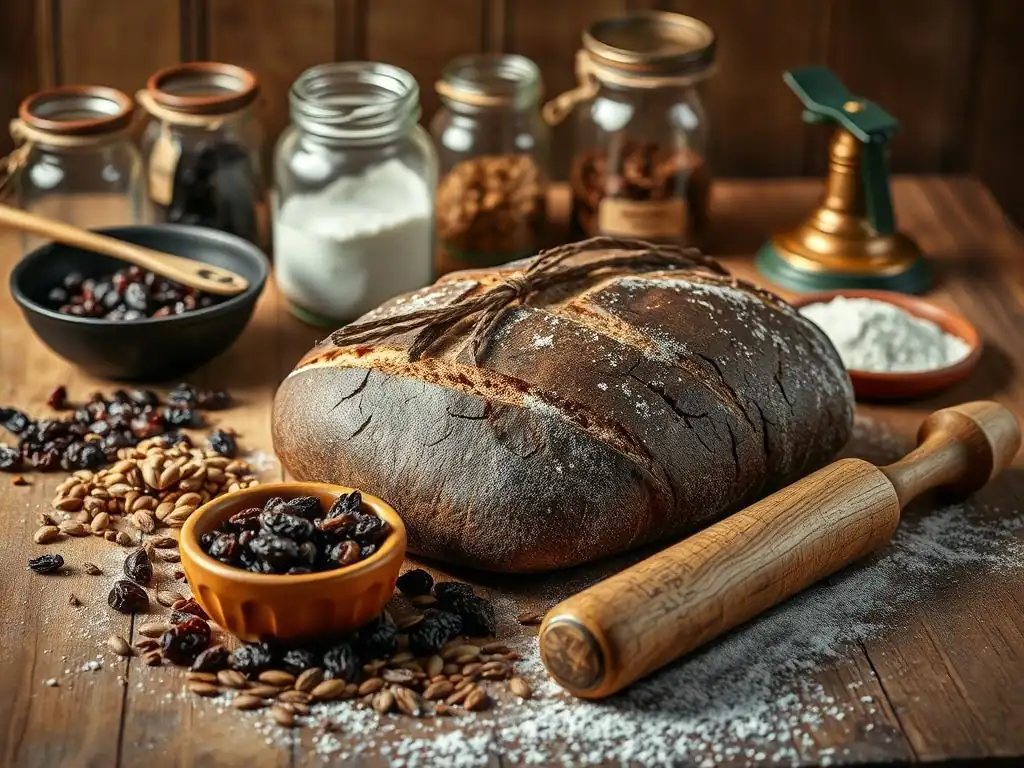
Once you're comfortable with the basics, you can start adapting your favorite recipes and exploring different types of rye.
Adapting Your Favorite Bread Recipes for Dark Rye Flour
Converting a wheat-based recipe to use dark rye flour requires more than a simple one-to-one substitution due to the differences in gluten structure and hydration needs. A good starting point is to substitute a percentage of the wheat flour with dark rye, perhaps starting with 20-30%. This allows you to get a feel for how the rye affects the dough while still relying on the wheat gluten for structure.
When substituting, you will almost certainly need to increase the hydration. For every 100g of dark rye flour added, you might need to add an extra 10-20g of water compared to using wheat flour. You'll also need to adjust your expectations regarding dough handling; it will be stickier and less elastic. For recipes with high percentages of rye, consider using a sourdough starter for better structure and flavor. Adapting recipes is a fun way to apply your dark rye flour baking tips.
Exploring Different Types of Rye Flour and Their Uses
Rye flour comes in various grades, typically categorized as light, medium, and dark, based on how much of the bran and germ is included. Pumpernickel is the coarsest grind, often including whole or cracked rye berries. Each type has different baking properties and flavors.
Light rye flour has the least bran and germ, resulting in a milder flavor and lighter color. It contains slightly more gluten-forming potential than darker grades and is often used in combination with wheat flour for lighter rye breads. Medium rye is a balance between light and dark.
Dark rye flour, as discussed here, includes most of the bran and germ, offering the strongest flavor, darkest color, and requiring specific handling due to its high pentosan content and low gluten. Pumpernickel is used for very dense, hearty loaves often requiring long, slow baking or steaming. Understanding these differences enhances your dark rye flour baking tips.
Light Rye Flour vs. Dark Rye Flour
The primary difference between light rye flour and dark rye flour lies in the amount of bran and germ retained during milling. Light rye flour is sifted to remove most of the outer layers, resulting in a finer texture, lighter color, and milder flavor. It contains less fiber and nutrients than dark rye but is easier to work with for less experienced rye bakers or when aiming for a lighter crumb.
Dark rye flour, on the other hand, is milled from the whole grain, including significant portions of the bran and germ. This gives it a darker color, richer flavor profile, and higher nutritional value. However, it also has a higher concentration of pentosans and enzymes, requiring higher hydration and often acidification (like sourdough) to manage its unique properties and achieve a good crumb structure. Baking with dark rye flour demands different dark rye flour baking tips than baking with light rye.
Advanced Dark Rye Flour Baking Techniques
Ready to take your dark rye baking to the next level? Explore these advanced techniques.
Using Sourdough with Dark Rye Flour
Using a sourdough starter is almost essential for baking high-percentage or 100% dark rye bread. The lactic and acetic acids produced by the sourdough culture play a critical role in rye baking by inhibiting the activity of amylase enzymes. These enzymes, if unchecked, would break down the starches in the rye flour into sugars too quickly, leading to a gummy, sticky interior in the finished loaf.
Beyond enzyme control, sourdough fermentation develops complex flavors that complement the robust taste of dark rye. The slow fermentation also contributes to a more open (for rye) and moist crumb structure. A stiff rye starter (lower hydration) or using a high proportion of ripe starter can further enhance the benefits. Incorporating sourdough is one of the most impactful dark rye flour baking tips.
Incorporating Seeds and Grains into Dark Rye Bread
Dark rye bread pairs wonderfully with the addition of seeds and grains, which add texture, flavor, and nutritional value. Common additions include caraway seeds (a classic pairing), sunflower seeds, pumpkin seeds, flax seeds, and cracked rye or other grains.
These additions often benefit from being soaked or scalded before being added to the dough. Soaking prevents them from absorbing moisture from the dough during fermentation and baking, which could otherwise lead to a drier loaf. Scalding involves pouring hot water over the seeds/grains and letting them cool, which softens them and enhances their flavor. Adding a scalded mix is a fantastic way to elevate your dark rye flour baking tips.
Storing Dark Rye Flour and Bread for Freshness
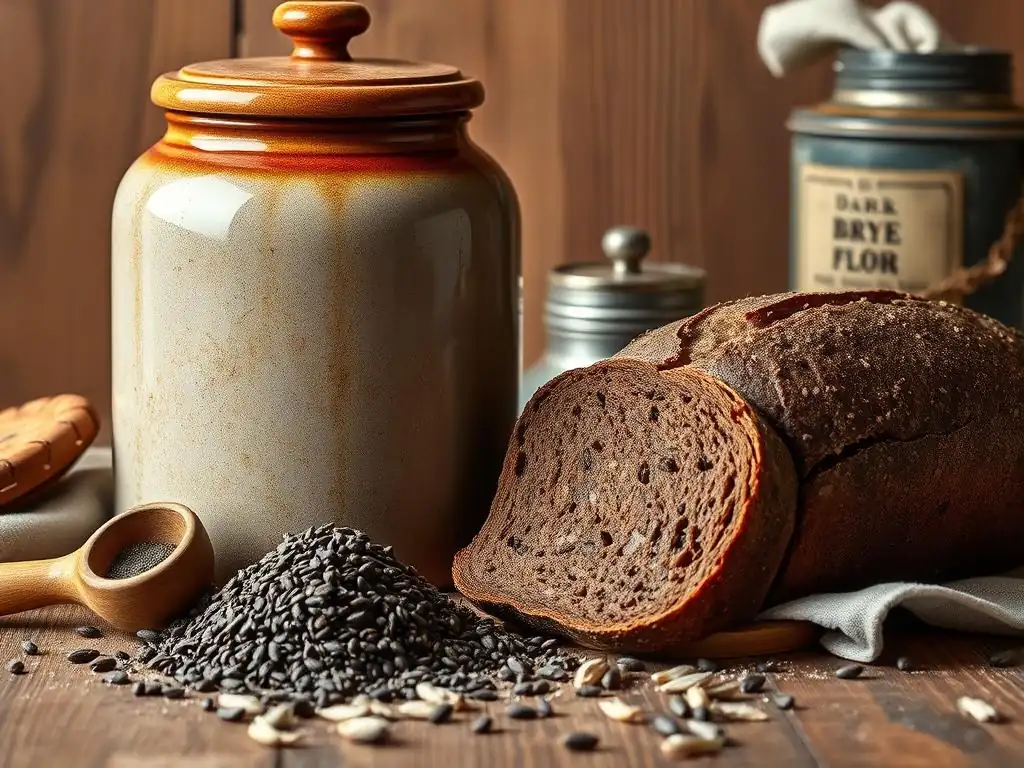
Proper storage ensures your ingredients and baked goods stay fresh and delicious.
Proper Storage of Dark Rye Flour
Like all whole grain flours, dark rye flour contains the germ, which is rich in oils. These oils can go rancid over time if not stored correctly, leading to off-flavors. Therefore, proper storage is crucial for maintaining the quality of your dark rye flour.
Store dark rye flour in an airtight container in a cool, dark place, such as a pantry. For longer-term storage, or in warm climates, it's best to keep it in the refrigerator or freezer. In the freezer, it can last for several months. Allow the flour to come to room temperature before using it in your baking. This simple step preserves the quality needed for successful dark rye flour baking tips.
Keeping Your Baked Dark Rye Bread Fresh
Dark rye bread, due to its moisture content, tends to stay fresh longer than many wheat breads. However, proper storage is still important to maintain its texture and prevent it from drying out or molding.
Once the loaf is completely cool (allow those 4-8 hours! ), store it wrapped in a clean linen cloth or a breathable bread bag at room temperature. Avoid plastic bags if storing at room temperature for more than a day or two, as they can trap moisture and encourage mold growth, especially in humid environments. For longer storage (more than 2-3 days), slice the cooled loaf and freeze the slices in an airtight bag or container. Thaw slices as needed. These storage methods help preserve the results of your dark rye flour baking tips.
Conclusion: Embrace the Art of Dark Rye Flour Baking
Baking with dark rye flour is a journey into rich flavors and hearty textures. It requires a different approach than wheat baking, focusing on hydration management, careful fermentation (especially with sourdough), and patient cooling. By understanding the unique properties of dark rye flour and applying these specific dark rye flour baking tips, you can consistently bake delicious, moist, and flavorful rye bread. Don't be discouraged by initial challenges; practice and attention to these details will lead to rewarding results. Embrace the stickiness, trust the process, and enjoy the incredible bread you create!
Frequently Asked Questions
What exactly is dark rye flour, and how does it differ from other flours?
Dark rye flour is made from the whole rye grain, resulting in a darker color and stronger flavor compared to lighter rye flours or wheat flour. It's milled from the entire rye berry.
Why is dark rye flour sometimes tricky to work with in baking?
Dark rye flour has a lower gluten content than wheat flour, leading to denser baked goods. It also absorbs more water, requiring careful hydration techniques.
What are some essential tips for using dark rye flour successfully in bread recipes?
To overcome the challenges, try combining dark rye flour with high-gluten wheat flour for structure. Also, consider using a tangzhong or soaker to improve moisture and texture.
Can I substitute dark rye flour for all-purpose flour in my favorite recipes?
Generally, no. A partial substitution (up to 50%) is recommended for best results. Complete substitution can result in a very dense and potentially dry product.
Where can I find high-quality dark rye flour, and how should I store it?
Look for dark rye flour at specialty baking stores or online retailers. Store it in an airtight container in a cool, dark place to prevent rancidity, as it has a higher oil content than wheat flour.
Final Reflection: The Enduring Allure of Dark Rye
Mastering dark rye flour isn't just about baking; it's about embracing a deeper connection with the craft and unlocking a world of complex flavors. The seemingly simple act of incorporating this intensely flavored flour into your baking opens doors to a rich history and a rewarding culinary journey. This exploration of dark rye flour's unique properties and the techniques needed to harness its potential remains incredibly relevant today, as more and more bakers seek authentic, flavorful, and wholesome bread experiences.
The enduring appeal of dark rye lies not only in its distinctive taste but also in its ability to connect us to a tradition of bread-making that spans centuries. It's a testament to the enduring power of simple ingredients transformed through skill and patience. The challenges presented by dark rye – its tendency to be sticky, its need for specific hydration levels – only serve to heighten the sense of accomplishment when a perfectly risen loaf emerges from the oven. Bread is the staff of life,
they say, and with dark rye, that staff is imbued with a particularly robust and satisfying flavor.
Now, it's your turn. Don't be intimidated by the perceived difficulty of working with dark rye flour. Take the lessons learned here, experiment with different recipes, and embrace the journey. The reward – a loaf of bread that sings with depth and character – is well worth the effort. The next time you're in the kitchen, consider the possibilities, and let the rich aroma of dark rye guide you to a new level of baking mastery.
Unleash Your Inner Rye Baker!
Thanks for diving into the world of dark rye flour with us! We hope you gained valuable insights and are ready to elevate your baking game. Now it's time to put your newfound knowledge into practice.
- Bake a delicious rye bread: This is your chance to experiment with what you’ve learned. Try out a simple recipe, or get adventurous with a new one! Consider using a sourdough starter for extra depth of flavor.
- Share your rye creations: Show us your baking prowess! Post pictures of your rye masterpieces on social media and tag us – we’d love to see them.
- Explore other rye recipes: Dive deeper into the versatility of rye flour by researching different rye bread recipes, or even trying rye cookies or crackers!
What surprising flavor combinations will you try with your next rye bread creation?