
Latvian Rupjmaize: Understanding This Traditional Sour Rye

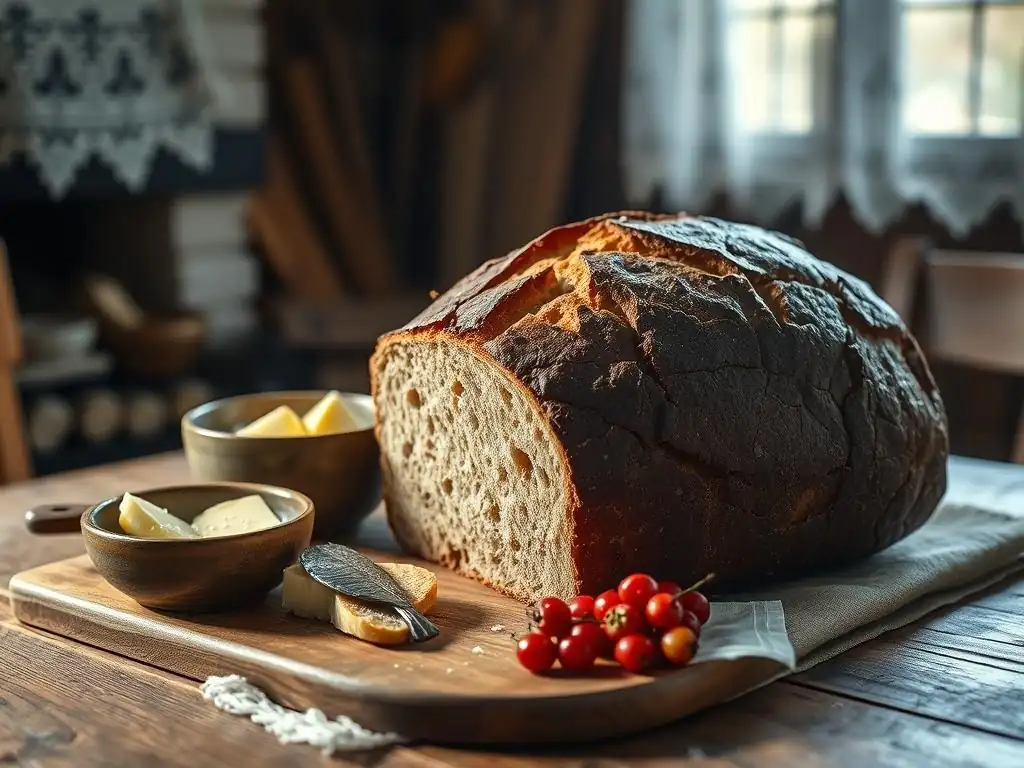
Welcome to BakeWithEase, your haven for baking bliss! Ever wondered about the secrets behind that deeply flavorful, slightly tangy bread you tasted on your travels? This week, we're diving deep into the heart of Latvian baking with our easy Latvian sourdough rye recipe. Unlock the secrets of Rupjmaize and discover a bread that's not only delicious but surprisingly simple to create at home. Ready to explore the nuances of this traditional sour rye? Let's get started!
- Latvian Rupjmaize: Understanding This Traditional Sour Rye Bread
- Baking Authentic Latvian Rupjmaize at Home
- What is Latvian Rupjmaize? Exploring its Essence
- Mastering the Rupjmaize Recipe: A Guide
- Tips and Tricks for Baking Rupjmaize
- Serving and Enjoying Rupjmaize
- Rupjmaize Recipe Summary
- More Bread Recipes
-
Frequently Asked Questions
- What makes Latvian Rupjmaize (sourdough rye) unique compared to other sourdough breads?
- What type of rye flour is best for a Latvian sourdough rye recipe?
- How do I maintain a rye sourdough starter for baking Latvian Rupjmaize?
- What are some common mistakes to avoid when making Latvian Rupjmaize?
- Can I adapt a traditional Latvian sourdough rye recipe to be easier for beginners?
- Final Reflection: The Enduring Power of Latvian Rupjmaize
- Unleash Your Inner Baker: Craft the Perfect Rupjmaize!
Latvian Rupjmaize: Understanding This Traditional Sour Rye Bread
Baking Authentic Latvian Rupjmaize at Home
A Deep Dive into Latvian Sourdough Rye Bread
Latvian sourdough rye bread, known as rupjmaize, is a cornerstone of Latvian culinary heritage. This dense, dark loaf is revered for its deep, tangy flavor, achieved through meticulous sourdough fermentation. Traditional recipes use 100% rye flour, resulting in a loaf with a firm crumb and robust crust—a far cry from the lighter wheat loaves many bakers are accustomed to. Modern home bakers can master this rye bread using a Latvian sourdough rye recipe easy approach, simplifying steps without sacrificing authenticity.
In Latvia, many households maintain a starter culture called “Rupjmaize starter,” passed down for generations. With a typical hydration level of around 75% and bulk fermentation of up to 3 hours at 22 °C, bakers develop the loaf’s characteristic sour profile. Achieving that signature dark crust often involves adding a bit of molasses or malt extract, both sources reporting 2–3 g per 100 g dough, to intensify color and caramel notes.
What is Latvian Rupjmaize? Exploring its Essence
History and Cultural Significance of Rupjmaize
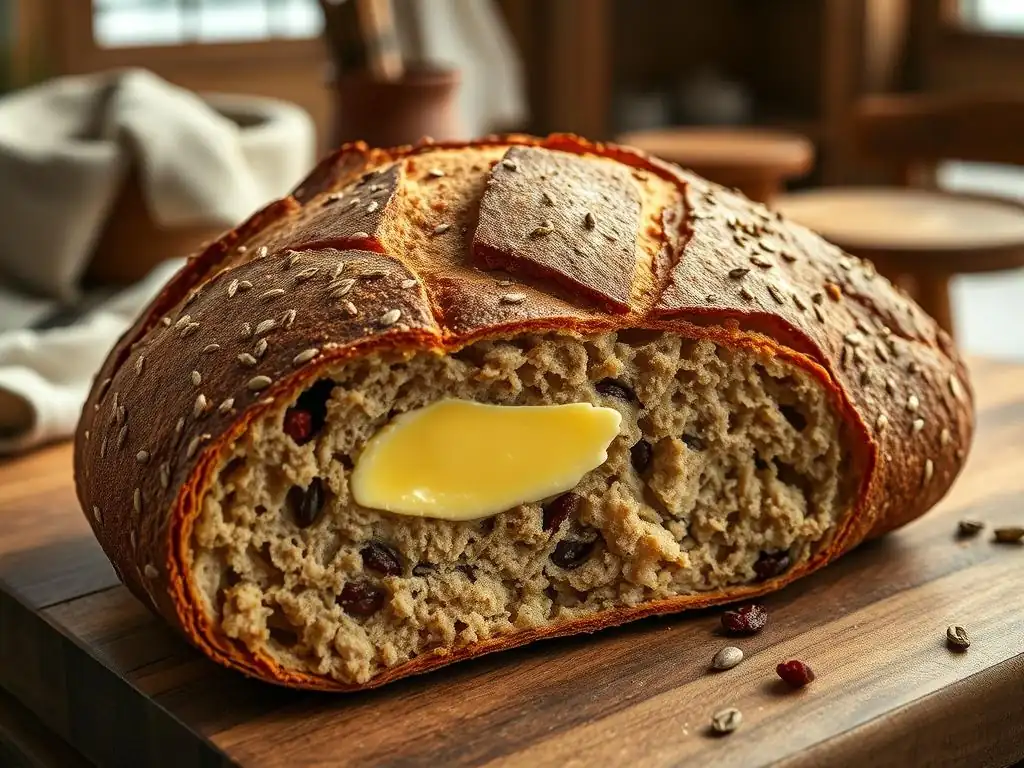
Rupjmaize dates back to the 14th century in the Courland and Zemgale regions, where rye thrived in sandy soils. By the 1800s, Latvian peasants baked these loaves monthly in communal ovens. During the midsummer festival Jāņi, housewives would dedicate an entire day to make extra loaves, celebrating the sun with freshly baked rye and caraway seeds. In 2013, Latvian rye bread tradition was shortlisted by UNESCO as an intangible cultural heritage, underscoring its national importance.
In rural Latvia, families historically relied on this bread for sustenance through harsh winters. A single 1.2 kg loaf, dense yet nutrient-rich, could last up to two weeks when stored properly. The slow fermentation not only enhances flavor but also improves digestibility—an essential benefit for communities with limited access to fresh produce through the colder months.
Key Characteristics of Traditional Latvian Rye Bread
- Deep brown to almost black crust, often achieved by adding 1–2 tbsp of molasses or malt syrup.
- Dense, moist crumb with minimal air pockets, measuring roughly 4–6 mm between air cells.
- Pronounced sourness, typically pH 4.2–4.5, balanced by subtle sweetness from rye’s natural sugars.
The crumb is remarkably cohesive, providing a chew that pairs beautifully with creamy toppings. Traditional loaves measure approximately 30 cm long, 12 cm wide, and weigh about 1.2 kg—perfect for slicing thinly and serving with butter or smoked fish.
Mastering the Rupjmaize Recipe: A Guide
Gathering Your Ingredients
Before you begin, ensure your workspace is organized and ingredients are fresh. Using quality components is crucial for developing the authentic flavor of Latvian rye bread.
The Importance of Rye Flour
Rye flour contains less gluten-forming protein (around 8%) compared to wheat (12–14%), resulting in a denser loaf. Whole-grain rye flour retains up to 12 g of fiber per 100 g, contributing to the bread’s moist texture and earthy taste. Opt for stone-milled, whole-rye flour with minimal sifting to preserve the bran and germ.
Creating a Sourdough Starter
A robust rye starter thrives on a 1:1 ratio of rye flour to water. For example:
Day 1: 50 g rye flour + 50 ml water → let rest at 25 °C for 24 h
Day 2–5: discard half, feed with 60 g flour + 60 ml water daily
By day 5, your starter should double within 6–8 h, show a bubbly surface, and emit a pleasantly sour aroma. Maintain it at room temperature or store in the fridge, feeding weekly.
Step-by-Step: Baking Rupjmaize
Preparing the Sourdough Starter
The night before baking, feed 150 g of starter with 150 g flour and 150 ml water.
- [ ] Discard excess starter
- [ ] Mix fresh flour and water
- [ ] Rest covered at 22–24 °C for 8–10 h
Your revitalized starter will power the dough, ensuring optimal rise.
Mixing and Kneading the Dough
Combine into a large bowl:
- 600 g whole-grain rye flour
- 450 ml water (≈25 °C)
- 150 g active rye sourdough starter
- 2 tsp salt
- 1 tbsp molasses or malt extract
- Optional: 2 tsp caraway seeds
Knead with a dough scraper for about 10 min until evenly hydrated. The dough will remain sticky—avoid adding extra flour, as this can dry the crumb.
Fermenting and Proofing
Bulk ferment at 22 °C for 3 h, performing 3–4 stretch-and-folds every hour.
Afterwards, shape the loaf and place it in a floured banneton or tin. Final proof: 1.5 h at room temperature.
Shaping the Loaf
Turn the dough onto a lightly floured surface.
- Gently flatten into a rectangle (≈30 × 20 cm).
- Roll tightly from the short side, pinching seams closed.
- Place seam-side down in the proofing basket.
- Score a 1 cm-deep cross to guide expansion.
Baking: Achieving the Perfect Crust and Crumb
- Preheat oven to 250 °C with a baking stone or cast-iron pan.
- Transfer loaf, add 100 ml boiling water for steam, and close the door.
- After 10 min, reduce to 200 °C and bake 45–50 min more.
- The loaf is done when internal temperature reaches 98 °C and crust is a deep mahogany brown.
Tips and Tricks for Baking Rupjmaize
Troubleshooting Common Issues
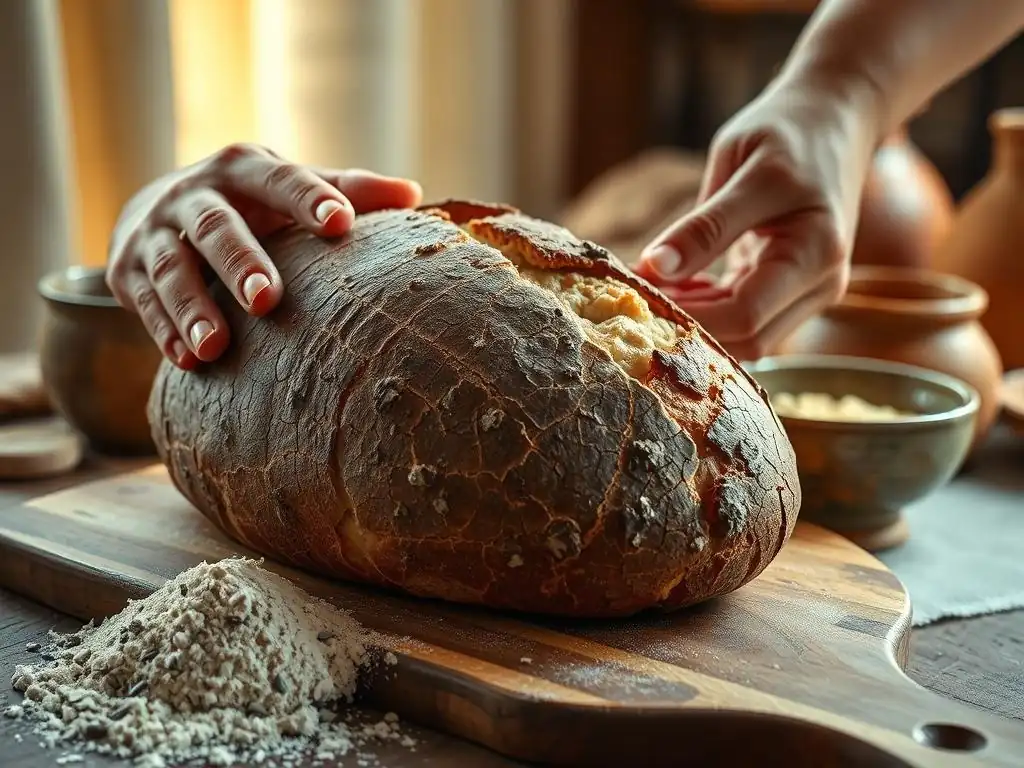
Managing Dough Consistency
- If dough tears easily, increase hydration by 5–10 ml water.
- For overly slack dough, allow a 15 min autolyse before kneading to improve gluten alignment.
Achieving Desired Sourness
- Shorter bulk ferment (2 h) yields milder tang; extend to 4 h for pronounced sour notes.
- Refrigerate shaped loaf for 12–18 h to develop a deeper, more complex flavor.
Enhancing the Flavor
Exploring Variations
- Seed Boost: Mix in 50 g each of sunflower and pumpkin seeds into the dough for texture.
- Sweet Rye: Add 1 tbsp honey or 2 tbsp dark molasses for subtle sweetness.
- Spiced Loaf: Incorporate 1 tsp fennel seeds or anise for a Nordic twist.
Serving and Enjoying Rupjmaize
Pairing Suggestions
Rupjmaize shines with:
- Butter and Radish: A Latvian breakfast staple.
- Grey Peas & Bacon: Traditional Jāņi side.
- Smoked Fish: Herring or salmon with a squeeze of lemon.
Storing for Freshness
- Wrap cooled loaf in a clean linen cloth; store at room temperature up to 5 days.
- Slice and freeze extras in airtight bags—thaw at room temperature or toast directly from frozen.
Rupjmaize Recipe Summary
Simplified Baking Guide
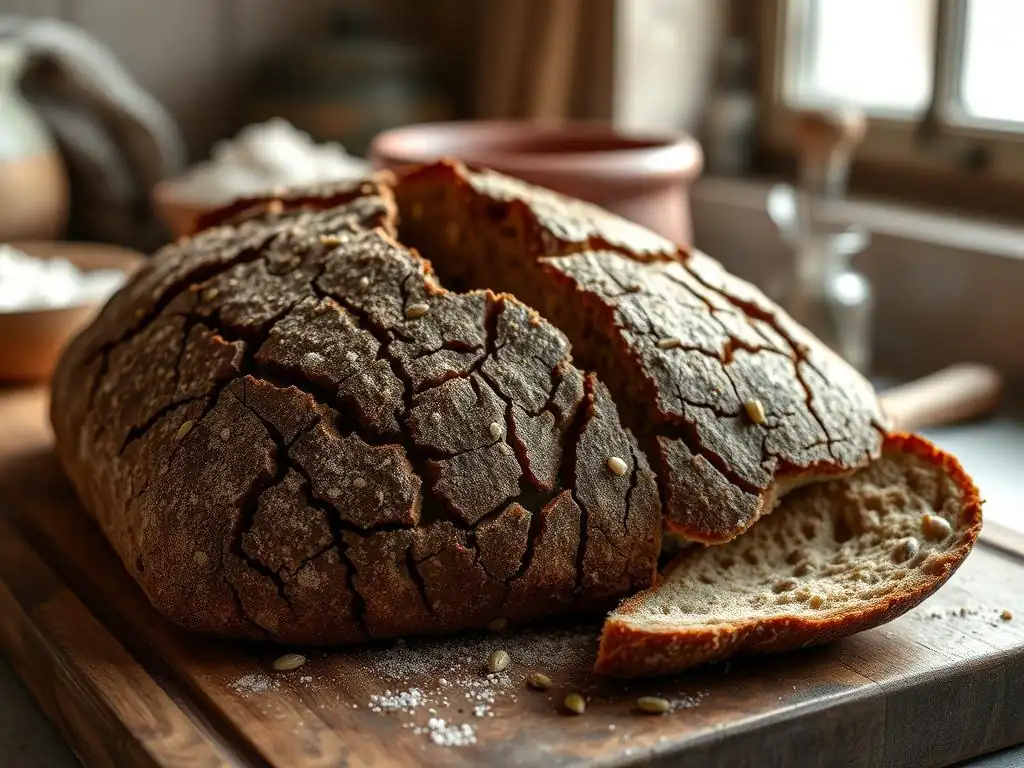
- [ ] Feed and prepare 150 g starter.
- [ ] Mix 600 g rye flour, 450 ml water, 150 g starter + salt + molasses.
- [ ] Knead 10 min; bulk ferment 3 h with folds.
- [ ] Shape, proof 1.5 h; preheat oven to 250 °C.
- [ ] Bake 10 min steam + 45 min at 200 °C.
- [ ] Cool 2 h before slicing.
Printable Recipe Card
Print or jot down this Latvian sourdough rye recipe easy guide for quick reference at your next bake!
More Bread Recipes
Explore Other Bread Variations
Looking to expand your repertoire? Try our sourdough baguette, whole wheat sandwich loaf, or seed-encrusted multigrain bread. Each recipe on BakeWithEase.com offers step-by-step guidance, ensuring your homemade breads turn out perfectly every time.
Frequently Asked Questions
What makes Latvian Rupjmaize (sourdough rye) unique compared to other sourdough breads?
Latvian Rupjmaize is known for its dense texture and distinct sour flavor derived from the rye sourdough starter. It often incorporates ingredients like malt and caraway seeds for a unique taste profile.
What type of rye flour is best for a Latvian sourdough rye recipe?
For an authentic Rupjmaize, use coarsely ground rye flour or a blend of coarsely and finely ground rye. This contributes to the characteristic texture of the bread.
How do I maintain a rye sourdough starter for baking Latvian Rupjmaize?
A rye sourdough starter needs regular feeding with rye flour and water. Keep it at a consistent temperature and observe its activity to ensure it's active and healthy for baking.
What are some common mistakes to avoid when making Latvian Rupjmaize?
Avoid over-proofing the dough, as it can lead to a flat loaf. Also, ensure your oven is hot enough to achieve a properly baked crust and fully cooked interior. Accurate measurements are also crucial.
Can I adapt a traditional Latvian sourdough rye recipe to be easier for beginners?
Yes, you can simplify the recipe by using instant dry yeast in addition to sourdough starter to ensure a good rise. Reducing the number of steps and using a more readily available rye flour can also help.
Final Reflection: The Enduring Power of Latvian Rupjmaize
The humble Latvian rupjmaize, a seemingly simple sourdough rye bread, holds a surprisingly potent cultural significance, reflecting both a deep connection to the land and a resilient spirit that continues to resonate today. Its enduring popularity isn't just a testament to its delicious, complex flavor, but also to the enduring traditions and resourcefulness it embodies. In a world increasingly dominated by mass-produced foods, the act of making rupjmaize – from sourcing the flour to nurturing the sourdough starter – offers a powerful counterpoint, a return to mindful eating and a celebration of slow food principles.
The process of making rupjmaize, with its long fermentation and simple ingredients, mirrors the patient and enduring spirit of the Latvian people themselves. It's a bread that speaks to generations past, a tangible link to a rich history. Bread is the staff of life,
a common saying, takes on a deeper meaning when considering the central role of rupjmaize in Latvian culture and cuisine. Its presence on tables across the country, from humble homes to grand celebrations, underscores its importance as a symbol of sustenance, community, and heritage.
Now, I invite you to consider the possibilities. Don't just read about the magic of Latvian rupjmaize; experience it. Try your hand at this easy recipe, and allow yourself to be transported to the heart of Latvia, even as you knead and bake in your own kitchen. Feel the connection to the past, the satisfaction of creating something nourishing and delicious from simple ingredients, and the pride in sharing this culinary tradition with others. The journey of baking rupjmaize is more than just a recipe; it's a journey of connection, discovery, and the enduring power of tradition.
Unleash Your Inner Baker: Craft the Perfect Rupjmaize!
Thanks for taking the time to explore the fascinating world of Latvian Rupjmaize! You've now unlocked the secrets to this unique sourdough rye bread. Ready to put your newfound knowledge into practice?
- Bake your own Rupjmaize: This is your chance to experience the rich flavor and satisfying texture firsthand. Follow our recipe (find it on our site! ), and share your baking journey with us!
- Experiment with flavors: Try adding different seeds, spices, or even fruits to your Rupjmaize. What unique twist will you create?
- Share your Rupjmaize masterpiece: Post a picture of your creation on social media and tag us—we'd love to see your baking success!
So, what exciting flavor combinations will you explore in your next Rupjmaize adventure?