
Baking French Brioche: An Enriched European Classic

Welcome to BakeWithEase!
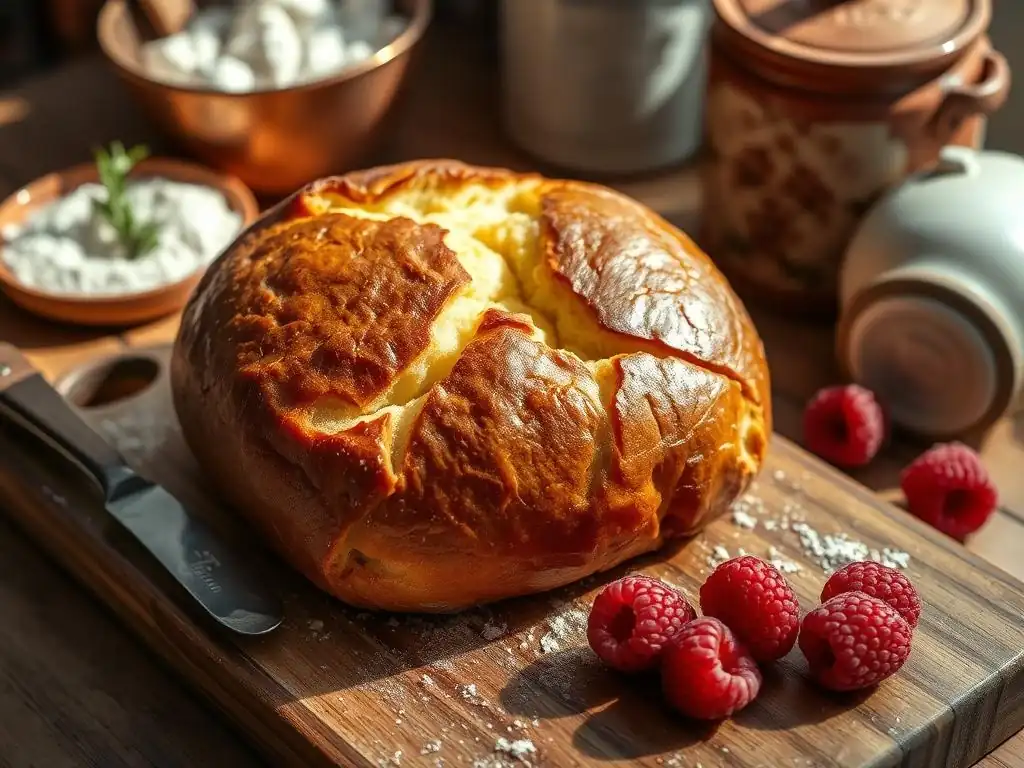
Ever dreamt of creating that perfectly golden, buttery brioche you've seen in Parisian bakeries? You're in the right place. Unlocking the secrets to baking a truly exceptional loaf doesn't have to be intimidating. Dive into our guide and discover our easy French brioche recipe, demystifying the process and empowering you to bake an enriched European classic right in your own kitchen. What are you waiting for? Let's get baking!
- Introduction to Brioche: A BakeWithEase Guide to Regional Breads
- Easy French Brioche Recipe: Step-by-Step Baking Guide
- Tips and Tricks for a Flawless French Brioche
- Serving and Storing Your Homemade Brioche
- Mastering the Easy French Brioche Recipe: Conclusion
-
Frequently Asked Questions
- What makes a French brioche different from other breads?
- What ingredients are essential for an easy French brioche recipe?
- What is the best way to ensure my brioche dough rises properly?
- Can I freeze French brioche dough or baked brioche?
- What are some variations I can make to a basic French brioche recipe?
- Final Reflection: The Enduring Allure of Easy French Brioche
- Unlock Your Inner Boulanger: Bake Brioche Today!
Introduction to Brioche: A BakeWithEase Guide to Regional Breads
What is Brioche and Why Bake It? Exploring the Enriched Dough
Brioche is a classic French bread renowned for its rich, tender crumb and golden, often slightly sweet, crust. Unlike standard lean bread doughs made simply from flour, water, yeast, and salt, brioche is an enriched dough. This enrichment comes primarily from significant amounts of eggs and butter, which contribute to its luxurious texture and flavor. Baking brioche is a rewarding experience, offering a delightful challenge that results in a versatile bread perfect for both sweet and savory applications. Its unique characteristics set it apart from simpler loaves like baguettes or rustic country bread.
The appeal of brioche lies in its versatility and decadent nature. A well-made brioche is soft enough to pull apart easily, with a subtle sweetness that makes it ideal for breakfast pastries, French toast, or even as a base for elegant desserts. The high fat content from the butter contributes to a longer shelf life compared to lean breads, keeping it soft and moist for several days. Mastering an easy French brioche recipe allows you to bring a touch of French patisserie into your own kitchen, providing a foundational skill for exploring other enriched doughs.
Brioche's Place in European Bread Baking History
Brioche holds a significant place in the history of European bread baking, particularly in France. Its origins can be traced back several centuries, evolving from simpler enriched doughs used in Normandy as early as the 15th century. Initially, it was a bread associated with the wealthy due to the cost of butter and eggs, ingredients not readily available to the general populace. Over time, as these ingredients became more accessible, brioche moved from a luxury item to a more widely enjoyed bread, though it retained its reputation as a celebratory or special occasion bake.
The development of brioche reflects the broader evolution of baking techniques in Europe. The incorporation of substantial amounts of fat and eggs was a departure from traditional bread making and paved the way for other enriched doughs like challah or panettone. Specific regional variations of brioche emerged across France, each with subtle differences in ingredients or shape, such as the Vendée brioche or the brioche de Nanterre. Understanding this history adds depth to the experience of baking an easy French brioche recipe today, connecting you to centuries of culinary tradition.
Easy French Brioche Recipe: Step-by-Step Baking Guide
Ingredient List for the Best French Brioche
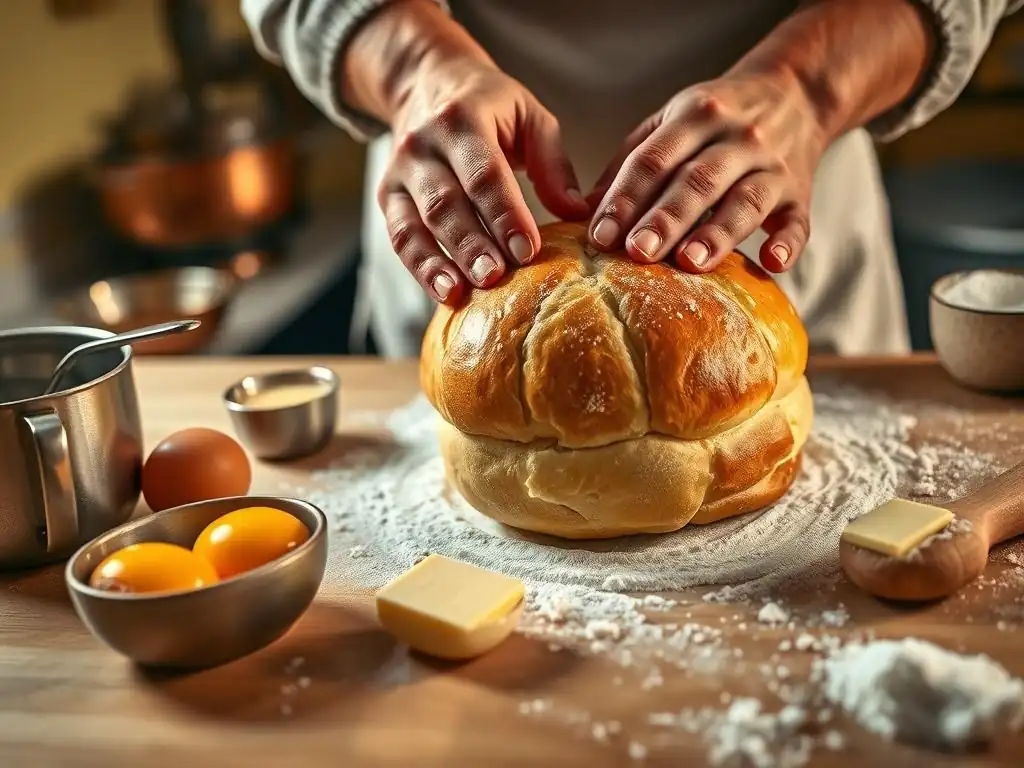
Crafting a delicious brioche begins with selecting the right ingredients. The quality of each component directly impacts the final texture, flavor, and appearance of your loaf. While the list might seem a bit longer than a simple bread, each ingredient plays a crucial role in creating that signature brioche richness. Getting the measurements right is key for a successful easy French brioche recipe.
Here are the core ingredients you'll need:
- High-quality bread flour or French Type 55 flour
- Granulated sugar
- Fine sea salt
- Active dry yeast or instant yeast
- Whole eggs, preferably at room temperature
- Whole milk, lukewarm
- Unsalted butter, softened but still cool
High-Quality Flour for Brioche: Bread Flour or Type 55
The choice of flour is fundamental to the structure of your brioche. Bread flour, with its higher protein content (typically 12-14%), is excellent for brioche as it develops strong gluten networks needed to support the rich ingredients and create that characteristic airy yet tender crumb. The robust gluten structure helps the dough rise despite the weight of butter and eggs.
Alternatively, if you can find it, French Type 55 flour is ideal. This flour is milled specifically for enriched doughs like brioche and croissants, offering a balance of protein and starch that contributes to a fine, tender texture. Using either bread flour or Type 55 flour will set you on the right path for a successful and satisfying easy French brioche recipe.
The Importance of Butter in Brioche Dough
Butter is arguably the star ingredient in brioche, contributing significantly to its flavor, richness, and texture. Traditional brioche recipes often call for a substantial amount of butter, sometimes up to 50% or more of the flour weight. This high fat content inhibits gluten development to a degree but also coats the gluten strands, resulting in a softer, more tender crumb that practically melts in your mouth.
Using unsalted butter is crucial as it allows you to control the salt level in the recipe. The butter should be softened but still cool, not melted or greasy. Incorporating the butter properly, usually after the initial mixing, is a critical step in achieving the desired texture for your easy French brioche recipe. It's this generous addition of butter that elevates brioche from a simple bread to a truly luxurious bake.
Yeast and Other Essential Ingredients
Yeast is the leavening agent that makes brioche rise, creating its light and airy structure. You can use either active dry yeast or instant yeast for an easy French brioche recipe. Active dry yeast usually needs to be proofed in warm liquid first, while instant yeast can often be added directly to the dry ingredients. Ensure your yeast is fresh for optimal results; yeast that is too old may not activate properly, leading to a dense brioche.
Eggs add richness, color, and help bind the dough, while milk provides liquid and contributes to a soft crumb. Sugar not only adds a touch of sweetness but also provides food for the yeast and helps with browning during baking. Salt is essential for flavor and also helps control yeast activity and strengthen the gluten network. Using these ingredients in the correct proportions is vital for a balanced and delicious brioche.
Preparing the Brioche Dough: A Beginner-Friendly Approach
Making brioche dough involves several stages, but with patience and attention to detail, it's achievable for home bakers. The process typically involves mixing, kneading, rising, and chilling. Chilling the dough is particularly important for brioche as the high butter content makes it sticky and difficult to handle when warm; refrigeration firms up the butter, making shaping much easier.
A stand mixer is highly recommended for making brioche dough due to the long kneading time required to develop the gluten and fully incorporate the butter. However, it is possible to make it by hand with perseverance. The key is to develop a strong, elastic dough before adding the butter, and then continue kneading until the butter is fully incorporated and the dough is smooth and shiny. This structured approach simplifies the process, making it an easy French brioche recipe to follow.
Mixing the Dough: Achieving the Right Consistency
The initial mixing stage involves combining the flour, sugar, salt, and yeast, followed by the wet ingredients like eggs and milk. Mix these together until a shaggy dough forms. Then, knead the dough until it starts to develop gluten – it should become smoother and pull away from the sides of the bowl. This can take 5-10 minutes in a stand mixer on medium speed.
Once the basic dough is somewhat developed, the softened butter is added gradually, piece by piece, while the mixer continues to run. This process, known as beurrage or incorporating the butter, can take another 10-15 minutes. The dough will likely become very wet and sticky at first, but as you continue kneading, it will absorb the butter and transform into a smooth, elastic, and slightly sticky dough that passes the windowpane test (a small piece can be stretched thinly without tearing). This consistent kneading is vital for an easy French brioche recipe that yields a light texture.
The First Rise: Patience is Key
After mixing, the brioche dough needs to undergo its first rise, also known as bulk fermentation. Due to the richness of the dough and the presence of butter, this rise is often slower than for lean bread doughs. Place the dough in a lightly oiled bowl, cover it tightly with plastic wrap, and let it rise in a warm place until it has doubled in size. This can take anywhere from 1.5 to 3 hours, depending on the room temperature and yeast activity.
Once the dough has roughly doubled, it's beneficial to punch it down gently and then refrigerate it for at least 4 hours, or preferably overnight. This slow, cold fermentation develops deeper flavors and makes the dough much easier to handle for shaping. The cold butter solidifies, giving the dough structure. This chilling step is a hallmark of an easy French brioche recipe, simplifying subsequent steps significantly.
Shaping Your Brioche: Classic and Creative Options
Shaping brioche dough is where you give your bread its final form before the second rise and baking. The chilled dough should be firm and pliable, making it easier to work with than warm, sticky dough. There are several traditional shapes for brioche, as well as creative options you can explore. Lightly flour your work surface if needed, but avoid using too much flour, which can dry out the dough.
Before shaping, gently degas the dough by pressing it down to remove large air bubbles. Then, divide the dough into portions according to the desired shape. Working with cold dough from the refrigerator is key here; if it becomes too warm and sticky, pop it back in the fridge for 15-20 minutes. Precision in shaping contributes to an even bake and a beautiful final product from your easy French brioche recipe.
Brioche à Tête: The Traditional Shape
The most iconic brioche shape is the brioche à tête (literally "brioche with a head"). This shape consists of a larger base ball of dough with a smaller ball placed on top, nestled into an indentation. To create this shape, take a portion of dough and form it into a smooth ball. Then, pinch off about a quarter of the dough from the top, roll it into a smaller ball, and use your finger to create a deep indentation in the center of the large ball. Place the small ball into the indentation.
This classic shape is often baked in fluted brioche molds, which help maintain the form as it rises and bakes. The 'head' tends to lean slightly during baking, creating a distinctive silhouette. While it requires a bit of practice to get the indentation and placement just right, mastering the brioche à tête is a rewarding step in baking an authentic easy French brioche recipe.
Other Brioche Shaping Techniques
Beyond the brioche à tête, there are many other ways to shape brioche. One popular method is baking it as a loaf, either in a standard loaf pan or as a freeform oval. For a loaf pan, you can divide the dough into several equal pieces, roll them into balls, and arrange them in the pan (often 3-5 balls depending on the pan size). This creates a pull-apart loaf.
Another common shape is the brioche Nanterre, which is made by arranging several small balls of dough in a loaf pan. You can also braid brioche dough, similar to challah, for an impressive presentation. For individual servings, divide the dough into smaller portions and bake them in muffin tins or as small freeform rolls. These alternative shapes offer simpler options for an easy French brioche recipe, without sacrificing flavor.
Baking the Brioche: Temperature and Time
Baking is the final step where your carefully prepared dough transforms into golden, fragrant brioche. Getting the oven temperature and baking time right is crucial for achieving a perfectly cooked interior and a beautiful crust. Before baking, the shaped brioche needs a second rise (proofing), which is usually shorter than the first and allows the dough to expand and become airy.
Typically, brioche is baked at a moderate temperature, often around 180°C (350°F) to 190°C (375°F). The exact temperature and time will depend on the size and shape of your brioche. Smaller rolls might bake in 15-20 minutes, while a large loaf or brioche à tête might take 30-40 minutes or even longer. Preheating your oven properly is essential to ensure an even bake from the start.
Achieving the Perfect Golden-Brown Crust
A key characteristic of great brioche is its rich, golden-brown crust. This is achieved through a combination of the sugar and eggs in the dough, which promote browning, and often, an egg wash applied just before baking. An egg wash (usually a beaten egg mixed with a little water or milk) gives the crust a beautiful shine and enhances its color.
Apply the egg wash gently with a pastry brush after the second rise, being careful not to deflate the dough. For an extra touch, you can sprinkle the top with pearl sugar or sesame seeds before baking. Keeping an eye on the brioche as it bakes is important; if it starts browning too quickly, you can tent it loosely with aluminum foil to prevent the top from burning while the inside finishes cooking. This step is key to the visual appeal of your easy French brioche recipe.
Internal Temperature: Knowing When It's Done
While visual cues like color are helpful, the most reliable way to know if your brioche is fully baked is to check its internal temperature. A probe thermometer inserted into the thickest part of the bread should register between 88°C (190°F) and 93°C (200°F). Baking to this temperature ensures that the interior is cooked through and the crumb is set.
If the crust looks done but the internal temperature is too low, continue baking and cover the top with foil if necessary. Over-baking can result in a dry brioche, while under-baking will leave you with a dense, doughy center. Using a thermometer takes the guesswork out of the process and helps ensure a perfect result every time you bake this easy French brioche recipe.
Tips and Tricks for a Flawless French Brioche
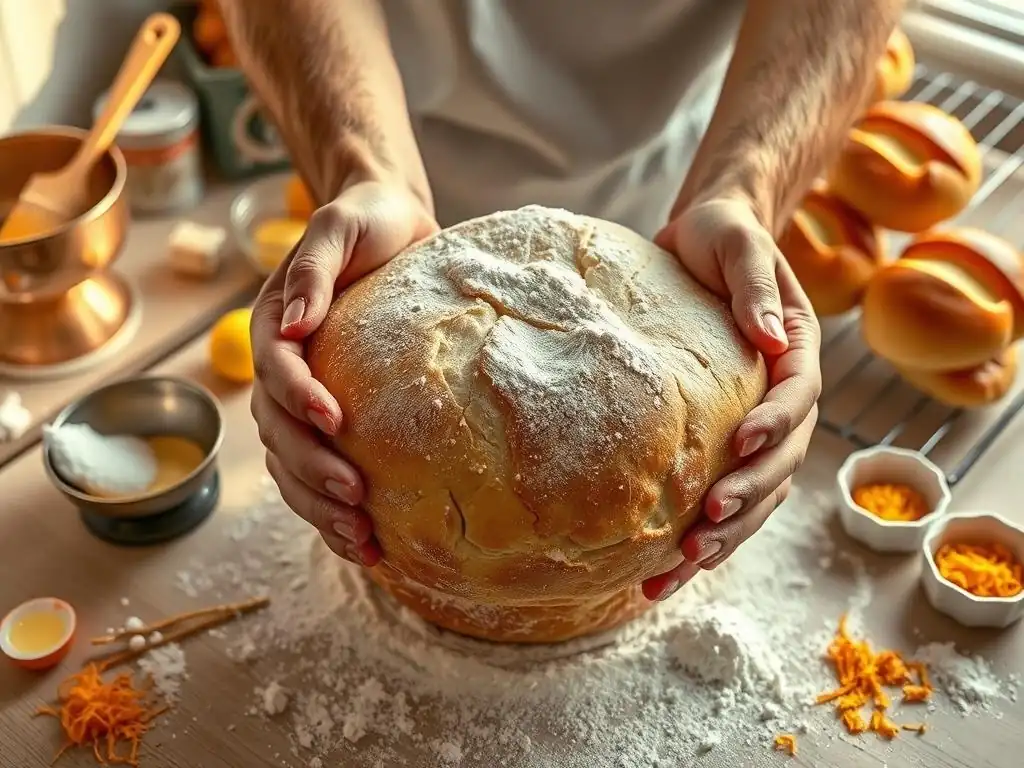
Even with an easy French brioche recipe, sometimes things don't go exactly as planned. Understanding common issues and how to troubleshoot them can save your bake and help you learn from the process. Baking is a science, but also an art, and practice makes perfect. Don't be discouraged by initial challenges; each attempt brings you closer to mastering this classic bread.
Beyond troubleshooting, there are also ways to enhance your basic brioche recipe by adding flavors. The simple, rich dough provides a wonderful canvas for incorporating sweet or savory additions, opening up a world of possibilities for your homemade brioche. Experimenting with variations keeps your baking journey exciting and allows you to customize your brioche to suit different occasions or preferences.
Troubleshooting Common Brioche Baking Problems
One common issue is brioche that doesn't rise properly. This can be incredibly frustrating after investing time and ingredients. Several factors can contribute to poor rising. The most frequent culprit is inactive or expired yeast. Always check the expiration date on your yeast and, if using active dry, proof it in warm liquid with a pinch of sugar first to ensure it's alive and bubbly before adding it to the rest of the ingredients.
Another reason for poor rise could be the temperature of your liquids; water or milk that is too hot will kill the yeast, while liquid that is too cold won't activate it effectively. Aim for lukewarm, around 40-45°C (105-115°F) for active dry yeast, or follow the instant yeast package directions. Also, ensure your rising environment is warm enough, ideally around 24-27°C (75-80°F), and free from drafts. Insufficient kneading can also hinder gluten development, which is essential for the dough to hold its shape and rise.
Dough Not Rising: Identifying the Cause
As mentioned, yeast viability is paramount. If your yeast doesn't foam or bubble when proofed, it's likely dead and you'll need to start over with fresh yeast. Dough temperature is also critical; if the dough is too cold during the bulk fermentation, the rise will be very slow or stalled. Conversely, if it's too warm, it might rise too quickly and collapse.
Another factor can be the amount of salt; too much salt can inhibit yeast activity. Ensure you're measuring accurately. Finally, the richness of brioche dough itself can slow down the rise compared to lean doughs. Be patient and allow ample time for both the initial bulk fermentation and the final proofing. Sometimes, simply waiting a bit longer is all that's needed for your easy French brioche recipe to prove correctly.
Brioche Too Dry: Solutions and Prevention
A dry brioche is often the result of over-baking or not enough fat (butter and eggs) in the recipe relative to the flour. Ensure you are using a recipe with a good ratio of fat to flour; classic brioche is very rich for a reason! When baking, always check for doneness using an internal thermometer rather than relying solely on visual cues, which can prevent over-baking.
Storing your brioche properly after baking is also key to maintaining moisture. Once cooled, wrap it tightly in plastic wrap or store it in an airtight container. If your brioche does end up a little dry, it's still excellent for French toast, bread pudding, or croutons. For future bakes of your easy French brioche recipe, double-check your ingredient measurements, especially the butter and eggs, and bake only until the internal temperature is reached.
Enhancing Your Brioche: Flavor Variations
The basic easy French brioche recipe is wonderfully versatile and can be adapted to include various flavors. One popular addition is chocolate. Chocolate chips, chunks, or even swirls of chocolate ganache can be incorporated into the dough during shaping. For a chocolate swirl, spread cooled ganache or a chocolate paste onto the rolled-out dough before shaping it into a loaf or rolls.
Adding fruit, fresh or dried, is another common variation. Raisins, cranberries, or candied orange peel can be kneaded into the dough towards the end of the mixing process. For a citrusy note, add lemon or orange zest to the dough. These additions not only enhance the flavor but also add texture and visual appeal to your brioche, making this easy French brioche recipe even more exciting.
Chocolate Brioche: Adding Decadence
Making chocolate brioche is a delightful way to add decadence to this classic bread. You can simply add chocolate chips (around 100-150g per standard loaf recipe) to the dough after the butter is fully incorporated. Mix them in just until they are evenly distributed.
Alternatively, for a more dramatic effect, you can create a chocolate swirl. Roll out the proofed and chilled dough into a rectangle. Spread a layer of chocolate filling (like a mixture of cocoa powder, sugar, and melted butter, or cooled chocolate ganache) over the dough, leaving a small border. Roll the dough up tightly like a jelly roll and place it seam-side down in a loaf pan. This method creates beautiful swirls of chocolate throughout the brioche once baked.
Savory Brioche: Exploring Cheese and Herbs
While often associated with sweetness, brioche also makes a fantastic base for savory additions. Cheese is a natural fit; grated Gruyère, Parmesan, or cheddar can be folded into the dough. Approximately 50-100g of grated cheese per loaf adds a wonderful savory depth.
Fresh or dried herbs like rosemary, thyme, or chives can also be incorporated. Approximately 1-2 tablespoons of fresh herbs or 1-2 teaspoons of dried herbs are usually sufficient. You can also add minced garlic or caramelized onions for more intense flavor. Savory brioche is excellent served with soups, stews, or as a sophisticated accompaniment to a cheese board, showing the versatility of an easy French brioche recipe.
Serving and Storing Your Homemade Brioche
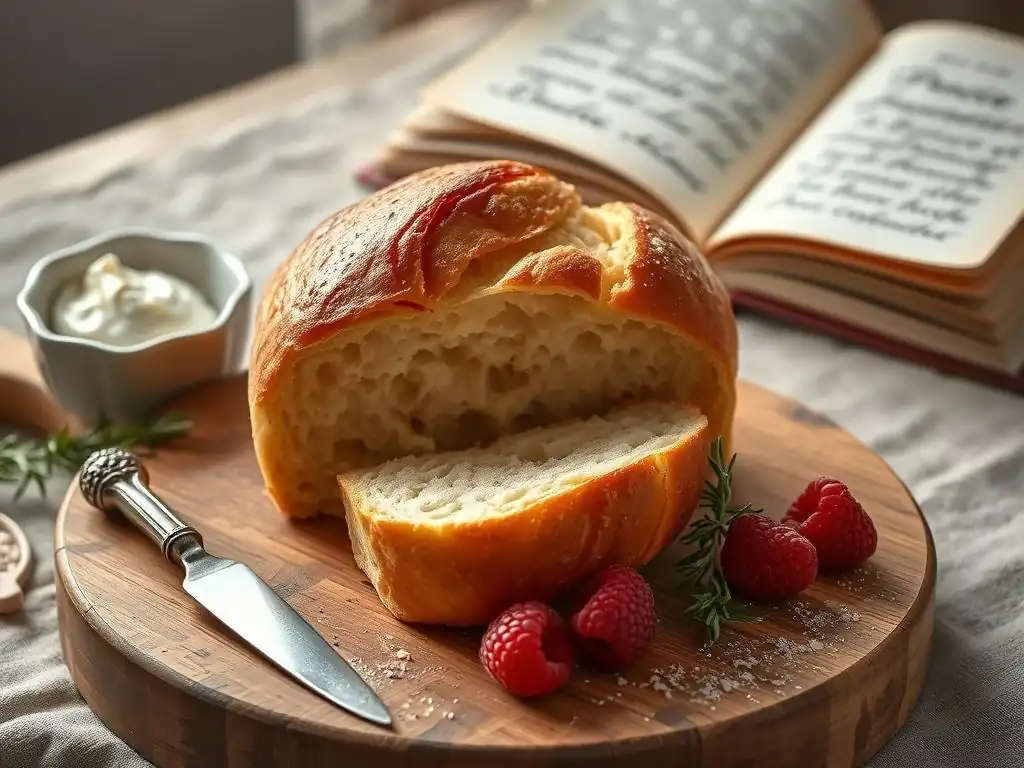
Once your brioche is baked to golden perfection, the waiting game begins – it needs to cool slightly before slicing. This allows the internal structure to set properly. The aroma of freshly baked brioche is intoxicating, making the cooling process perhaps the hardest part of the entire easy French brioche recipe! Serving it warm, but not hot, is often preferred to fully appreciate its tender crumb and rich flavor.
Proper storage is essential to keep your homemade brioche fresh and delicious for as long as possible. Unlike lean breads that can develop a tough crust when exposed to air, brioche's high fat content helps it retain moisture, but it still benefits from careful storage. Knowing the best ways to store it ensures you can enjoy the fruits of your baking labor over several days.
Best Ways to Enjoy Freshly Baked Brioche
Freshly baked brioche is a treat in itself, wonderful simply sliced and enjoyed plain. However, its versatility shines through in numerous serving suggestions. For breakfast or brunch, it's unparalleled as French toast; the rich dough absorbs the custard beautifully, resulting in a incredibly tender and flavorful dish. Approximately 1-2cm thick slices work best for French toast.
Brioche also makes elegant sandwiches, particularly for fillings like smoked salmon, chicken salad, or even burgers, offering a softer, richer alternative to standard buns. Toasted slices with butter and jam are a simple pleasure. For a dessert twist, serve it with fresh berries and whipped cream or use it as the base for a sophisticated bread pudding. The possibilities are vast once you've mastered your easy French brioche recipe.
Storing Brioche for Optimal Freshness
To keep your brioche fresh after it has completely cooled (this is important to prevent condensation), wrap it tightly. Plastic wrap is effective at preventing moisture loss. For larger loaves, you can wrap the entire loaf, or slice it and wrap individual portions or stacks of slices.
Alternatively, store the brioche in an airtight container or a resealable plastic bag at room temperature. Stored properly, homemade brioche will typically stay soft and fresh for 2-4 days. For longer storage, brioche freezes exceptionally well. Wrap slices or the entire loaf tightly in plastic wrap, then place in a freezer bag. Frozen brioche can last for several months. Thaw at room temperature or gently warm slices in a toaster or oven.
Mastering the Easy French Brioche Recipe: Conclusion
Baking brioche might seem intimidating at first, but by following a clear, step-by-step guide like this easy French brioche recipe, it becomes a truly rewarding experience. From understanding the role of each ingredient to mastering the kneading and shaping techniques, you've embarked on a journey to create a classic European bread right in your own kitchen. The result is a versatile, delicious loaf that far surpasses anything store-bought.
This process highlights that even complex-sounding bakes can be broken down into manageable steps, making them accessible to bakers of all levels. The satisfaction of pulling a golden, fragrant brioche from the oven is immense. With practice, you'll gain confidence in handling enriched doughs and develop an intuition for timing and technique, solidifying your skills in baking this easy French brioche recipe.
From Beginner to Brioche Baker: Your Baking Journey Continues
Mastering an easy French brioche recipe is a significant achievement for any home baker. It demonstrates proficiency in working with enriched doughs, which is a fundamental skill that opens the door to a wide array of other delicious bakes. Think croissants, challah, hot cross buns, and many other sweet and savory pastries that rely on similar principles of dough enrichment and handling.
Each time you bake brioche, you'll learn something new – perhaps how your oven behaves, how temperature affects rising times, or how to perfect your shaping technique. Embrace the learning process, celebrate your successes, and don't be afraid to try again if a bake doesn't turn out exactly as planned. This easy French brioche recipe is just one step on your exciting journey through the world of baking.
Further Exploration of European Breads on BakeWithEase.com
The world of European breads is incredibly diverse and rich in history and flavor. Having successfully baked an easy French brioche recipe, you're now well-equipped to explore other regional specialties. From the rustic sourdoughs of Germany to the sweet, braided loaves of Eastern Europe and the crusty baguettes of France, there's a vast landscape of bread to discover.
BakeWithEase.com offers a wealth of resources, recipes, and guides to help you continue your exploration. Dive into articles on different flour types, yeast handling, shaping techniques, and the cultural significance of various breads. Whether you're interested in mastering a perfect Italian focaccia or tackling a complex Danish rye, your experience with this easy French brioche recipe provides a strong foundation for future baking adventures. Keep baking, keep learning, and enjoy the delicious results!
Frequently Asked Questions
What makes a French brioche different from other breads?
French brioche is an enriched bread, meaning it contains a high proportion of butter and eggs. This gives it a rich, tender crumb and a characteristic slightly sweet flavor.
What ingredients are essential for an easy French brioche recipe?
The key ingredients are flour, yeast, sugar, salt, eggs, and, most importantly, a significant amount of good-quality butter. A little warm milk can also help activate the yeast.
What is the best way to ensure my brioche dough rises properly?
Ensure your yeast is active and the dough is kept in a warm, draft-free environment. Proofing time is crucial; allow the dough to double in size before baking.
Can I freeze French brioche dough or baked brioche?
Yes! Brioche dough can be frozen after the first rise. Baked brioche freezes well too; wrap it tightly to prevent freezer burn and thaw completely before enjoying.
What are some variations I can make to a basic French brioche recipe?
You can add flavorings like citrus zest, vanilla extract, or chocolate chips. Consider making brioche buns, loaves, or even using the dough for savory applications like filled pastries.
Final Reflection: The Enduring Allure of Easy French Brioche
The simple act of baking a French brioche transcends mere culinary creation; it's a journey into history, a testament to patience, and a celebration of the senses. This seemingly straightforward recipe, designed for ease of access and execution, unlocks a world of rich flavor and satisfying texture that belies its surprisingly simple approach. The accessibility of this recipe, coupled with the undeniable deliciousness of the final product, makes it a perfect entry point for aspiring bakers of all skill levels.
The enduring appeal of brioche lies not just in its taste, but in its ability to connect us to a rich culinary heritage. It's a bread that has graced tables for centuries, a symbol of celebration and comfort. The process itself, from the careful kneading to the satisfying rise, is a meditative experience. Baking is at once child's play and adult joy. And love, of course.
– This sentiment perfectly encapsulates the emotional connection one forms with the craft, and with the delicious results. The simple act of sharing a warm, buttery slice of brioche with loved ones creates lasting memories, further solidifying its place in our cultural landscape.
Now, I invite you to take what you've learned here and embark on your own brioche baking adventure. Don't be intimidated by the seemingly complex process; embrace the challenge, savor the journey, and revel in the delicious reward. The aroma of freshly baked brioche filling your kitchen, the soft texture melting in your mouth – these are the experiences that make baking, and specifically baking this classic French bread, so profoundly rewarding. So, gather your ingredients, preheat your oven, and let the magic begin. You might just surprise yourself with what you can create.
Unlock Your Inner Boulanger: Bake Brioche Today!
Thanks for joining us on this delicious journey into the world of French brioche! We hope you've gained a new appreciation for this enriched dough and its endless possibilities. Now it's time to put your newfound knowledge to the test.
- Bake your own brioche! Use the recipe provided (or your favorite) and experience the satisfaction of creating this beautiful bread from scratch. This is the ultimate test of your newfound skills!
- Share your baking journey! Post a picture of your creation on social media using #BakeWithEaseBrioche and inspire others to try their hand at this classic.
- Explore variations: Try adding different fruits, nuts, or spices to your brioche to create unique and flavorful variations. What exciting combinations will you discover?
Ready to transform your kitchen into a Parisian patisserie? What unique twist will you add to your first brioche bake?