
Baking Enriched Sourdough: Adding Fat and Sugar Successfully

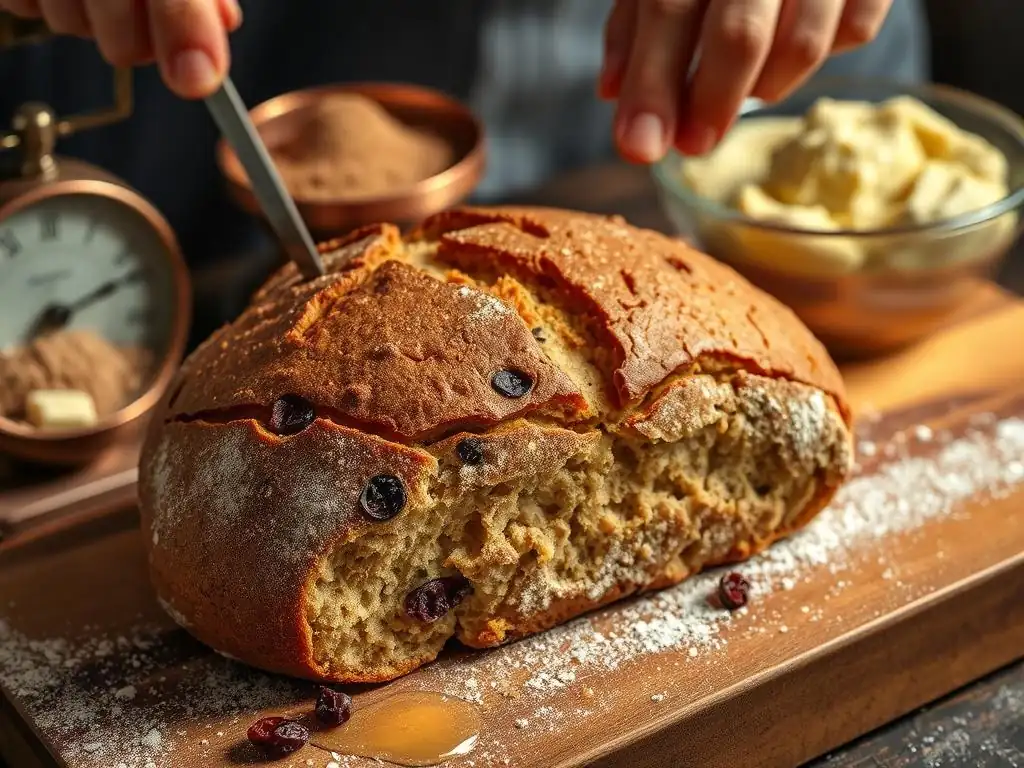
Welcome to BakeWithEase, where baking becomes a delightful journey, not a daunting task! Ever wondered how to elevate your sourdough game? Dive into the secrets of crafting the perfect sourdough bread with fat sugar—a delicious twist that adds richness and depth. Ready to unlock the techniques that transform your starter into a masterpiece? Let's get baking!
- Introduction to Enriched Sourdough: Elevating Your Sourdough Bread
- Understanding Enriched Sourdough vs. Traditional Sourdough
- Choosing the Right Fats for Your Sourdough Bread
- Selecting Sugars for Sweetening Your Sourdough
- The Science of Adding Fat and Sugar to Sourdough
- Frequently Asked Questions
- Final Reflection: The Sweet Science of Enriched Sourdough
- Unlock the Secrets of Luscious Enriched Sourdough!
Introduction to Enriched Sourdough: Elevating Your Sourdough Bread
Baking sourdough bread is a deeply rewarding craft, offering incredible flavor and texture through natural fermentation. While traditional sourdough relies on just flour, water, salt, and starter, the world of baking expands wonderfully when we introduce enrichments. Adding fat and sugar to your sourdough dough transforms it into something richer, softer, and often sweeter, opening the door to creations like brioche, challah, and sweet rolls. This process, known as baking enriched sourdough, elevates your skills and palate.
Understanding how fat and sugar interact with your active sourdough starter and the gluten structure is key to success. Unlike lean doughs which develop a strong, chewy crumb, enriched doughs aim for tenderness and a finer texture. Mastering the balance of ingredients and fermentation requires patience and attention, but the results—a beautifully soft, flavorful sourdough bread with fat and sugar—are absolutely worth the effort.
Understanding Enriched Sourdough vs. Traditional Sourdough
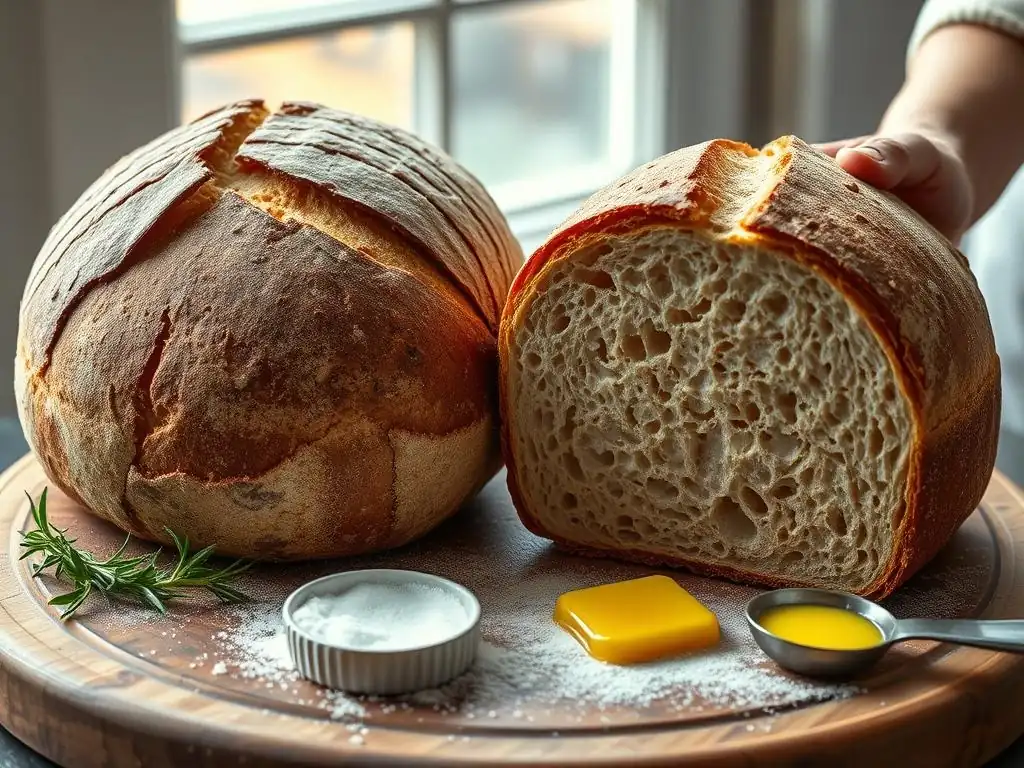
What Makes Enriched Sourdough Different?
Enriched sourdough stands apart from traditional or "lean" sourdough primarily due to the inclusion of ingredients beyond the basic flour, water, salt, and starter. The defining characteristics are the addition of fats (like butter, oil, or eggs) and sugars. Often, other enrichments such as milk or cream are also incorporated. These additions dramatically alter the dough's composition and behavior.
The presence of fat coats the gluten strands, hindering their full development compared to a lean dough. This results in a much softer, more tender crumb and a less chewy texture. Sugar not only adds sweetness but also provides additional food for the sourdough starter's yeast, potentially speeding up fermentation initially, while also contributing to crust browning and moisture retention in the finished loaf. An enriched sourdough bread with fat and sugar is fundamentally different in handling, fermentation, and final eating experience than a rustic country loaf.
The Role of Fat and Sugar in Sourdough Bread
Fat plays several crucial roles when added to sourdough bread dough. It shortens the gluten strands, leading to a tender crumb that is less prone to staling, extending the shelf life of the baked good. Fat also contributes richness and flavor, particularly when using ingredients like butter or olive oil. During baking, fat helps create a softer crust compared to the typically crisp crust of lean sourdough.
Sugar serves multiple purposes in baking sourdough enriched with fat and sugar. It sweetens the dough, enhances crust browning through caramelization and the Maillard reaction, and helps retain moisture, keeping the bread softer for longer. Furthermore, sugar provides a readily available energy source for the yeast and bacteria in the sourdough starter, which can influence fermentation speed and the overall development of flavor and texture in the sourdough bread with fat sugar.
Choosing the Right Fats for Your Sourdough Bread
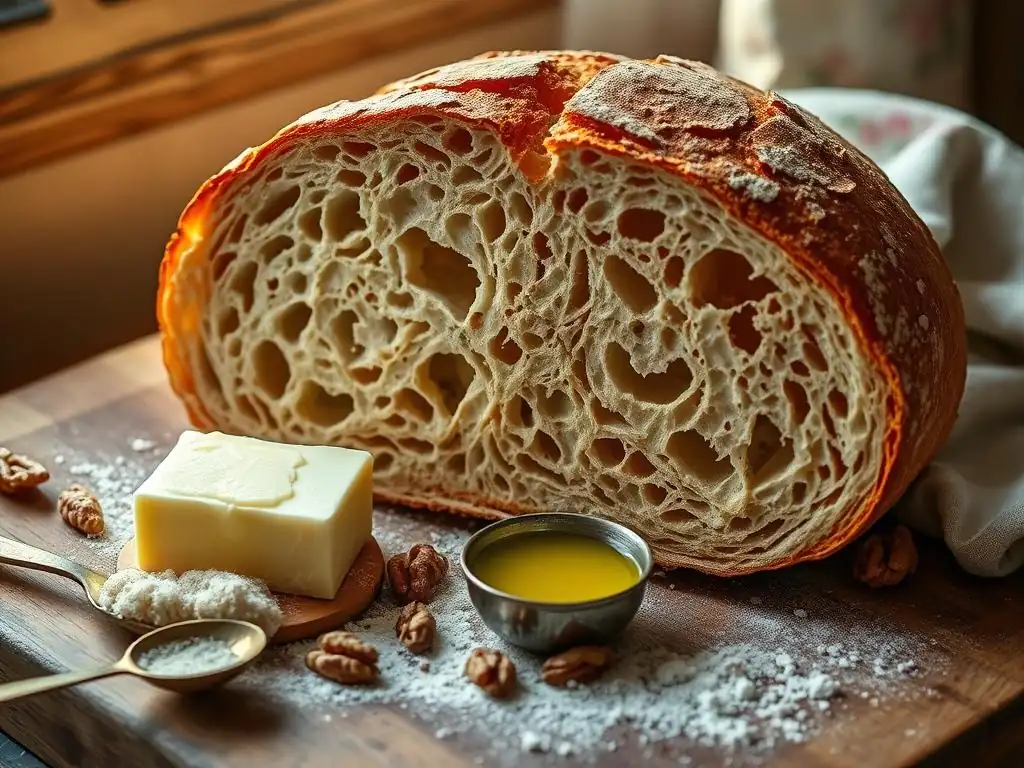
Butter: Adding Richness and Flavor to Sourdough
Butter is perhaps the most classic fat used in enriched sourdough baking, especially for recipes like brioche or challah. Its high fat content (around 80-82% in unsalted butter) contributes unparalleled richness, tenderness, and a delicious dairy flavor to the final bread. Incorporating butter effectively is key; it's often added to the dough after the initial mixing and gluten development, usually softened or sometimes melted, to allow the flour to hydrate properly first.
Using unsalted butter is generally recommended as it gives the baker control over the total salt content in the recipe. High-quality butter can significantly impact the flavor profile of your enriched sourdough bread. When working with butter, managing dough temperature is vital, as cold butter can be difficult to incorporate, while excessively warm butter can make the dough greasy and hard to handle during kneading and shaping.
Olive Oil: A Healthier Option for Enriched Sourdough
For those seeking a dairy-free alternative or a different flavor profile, olive oil is an excellent choice for adding fat to sourdough dough. It contributes moisture and tenderness, resulting in a soft crumb. Extra virgin olive oil, with its distinct fruity or peppery notes, can add a wonderful dimension to savory enriched sourdough rolls or breads, while a lighter olive oil offers a more neutral effect.
Unlike solid fats like butter, olive oil is liquid at room temperature and incorporates easily into the dough from the start. While it provides tenderness, it doesn't create the same flaky or layered texture that solid fats can contribute. Using olive oil is a simple way to bake a delicious sourdough bread with fat and sugar, offering a crumb that remains moist and soft, making it ideal for focaccia-style enriched sourdough or other rustic yet tender loaves.
Other Fat Options: Coconut Oil, Lard, and Shortening in Sourdough
Beyond butter and olive oil, various other fats can be used to enrich sourdough. Coconut oil, particularly refined coconut oil, offers a neutral flavor profile and can be a good plant-based alternative to butter, contributing tenderness and richness. It's solid at room temperature but melts easily, behaving somewhat similarly to butter in dough, although it lacks the dairy proteins that contribute to browning in butter.
Lard (rendered pork fat) and vegetable shortening are also traditional fats used in baking enriched doughs, including sourdough. Lard can provide exceptional flakiness and a tender crumb, often used in rolls or pastries. Shortening, typically 100% fat, is very effective at creating a soft texture and can be useful when a neutral flavor and high tenderness are desired in your sourdough bread with fat and sugar. Each fat offers unique properties that will influence the dough's handling and the final bread's characteristics.
Selecting Sugars for Sweetening Your Sourdough
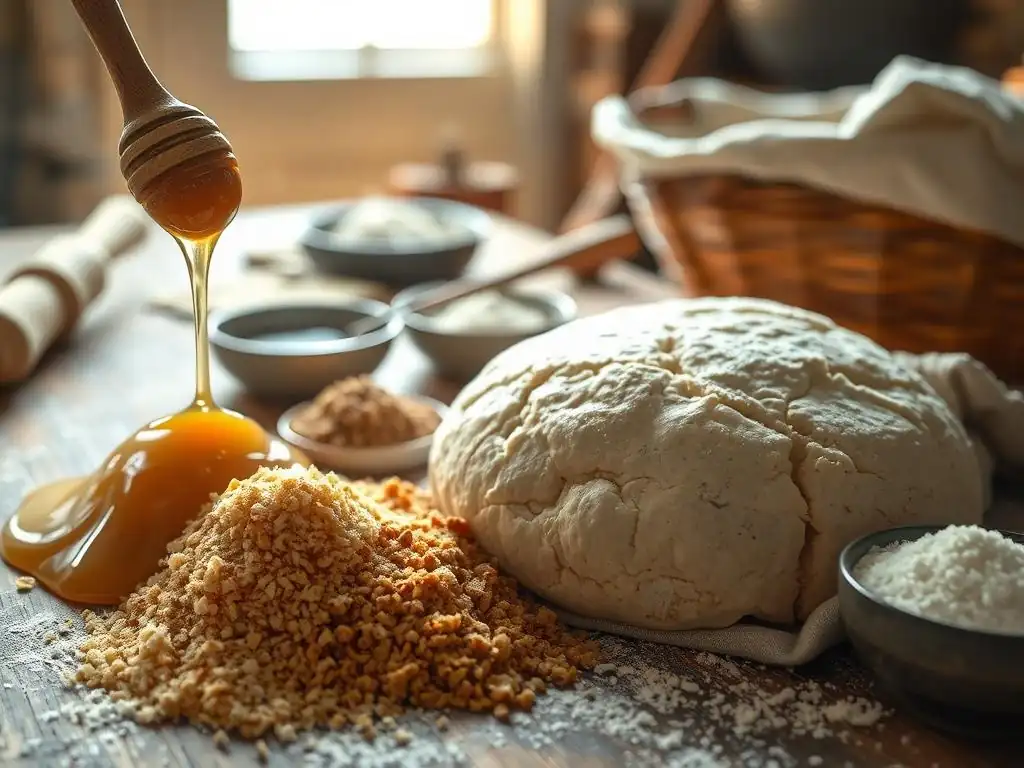
Granulated Sugar: A Classic Choice for Sourdough Sweetness
Granulated sugar, or white table sugar, is a common and straightforward choice for sweetening enriched sourdough dough. It provides pure sweetness without adding significant moisture or competing flavors. As a simple disaccharide, it's readily available food for the sourdough starter's yeast, providing an initial boost to fermentation activity.
However, it's important to note that at higher concentrations (typically above 5-10% of flour weight), sugar can draw water away from the yeast through osmosis, potentially slowing down fermentation in the later stages. Granulated sugar also contributes significantly to crust browning during baking, resulting in a darker, caramelized exterior on your sourdough bread with fat sugar.
Honey and Maple Syrup: Natural Sweeteners for Sourdough
Honey and maple syrup are popular natural liquid sweeteners that can be used in enriched sourdough. They impart distinct flavors: honey offers floral or fruity notes depending on its source, while maple syrup provides a rich, earthy sweetness. Both add moisture to the dough, which needs to be accounted for in the hydration calculations.
These natural sweeteners contain simple sugars that feed the sourdough starter. Raw honey also contains enzymes that can affect flour proteins, potentially influencing dough handling and texture. Using honey or maple syrup in your sourdough dough with added fat and sugar results in a loaf with a unique flavor profile and a moist crumb, often paired well with whole grain flours.
Brown Sugar and Molasses: Adding Depth of Flavor to Sourdough
Brown sugar and molasses offer more complex flavors and colors to enriched sourdough. Brown sugar, which is granulated sugar with added molasses, provides a caramel-like sweetness and contributes to a darker crust. It also adds slightly more moisture than white granulated sugar due to the molasses content.
Molasses itself is a byproduct of sugar refining and has a strong, distinctive flavor and color. Even a small amount can significantly deepen the flavor and color of sourdough bread with fat sugar, adding notes that can range from slightly bitter to deeply caramel or even smoky, depending on the type (light, dark, blackstrap). Using these darker sugars results in a richer, more flavorful, and visually appealing enriched sourdough loaf.
The Science of Adding Fat and Sugar to Sourdough
How Fat Affects Sourdough Fermentation
Adding fat to sourdough dough has a significant impact on fermentation. While fat doesn't directly feed the starter, it changes the dough's physical properties. Fat molecules coat the gluten network, effectively lubricating the strands and reducing the friction between them. This makes the dough more extensible and less elastic, which can be beneficial for shaping, but it also slightly inhibits gluten development and the dough's ability to trap gases produced by the starter.
The presence of fat also affects the dough's temperature regulation and heat transfer during baking. It can slightly slow down the overall fermentation rate by interfering with yeast and bacterial activity, although the effect is less pronounced than that of sugar. Ultimately, the fat contributes to a tender crumb structure rather than the open, airy crumb typical of lean sourdough bread with fat sugar.
The Impact of Sugar on Sourdough Activity
Sugar is a double-edged sword for sourdough starter activity. Initially, simple sugars provide readily available food for the yeast, often leading to a faster start to fermentation and increased gas production. This can result in a quicker rise during the early stages of bulk fermentation, especially if the sugar concentration is moderate (e.g., 5-10% of flour weight).
However, at higher concentrations (above 10-15%), sugar can create an osmotic effect, drawing water out of the yeast and bacterial cells. This stresses the microorganisms and can actually slow down or inhibit fermentation. Managing the amount of sugar and ensuring your starter is robust and active are crucial when baking enriched sourdough dough with significant sugar content. Sugar also lowers the dough's freezing point, which is relevant if using cold proofing techniques.
Balancing Fat, Sugar, and Hydration in Sourdough Dough
Achieving the correct balance of fat, sugar, and hydration is critical for successful enriched sourdough baking. Fat reduces the effective hydration of the flour because it interferes with water absorption by the gluten and starch. Liquid fats like oil add to the overall liquid content, while solid fats like butter do not contribute water in the same way and require careful consideration of total dough hydration.
Sugar also affects hydration, as it competes with flour for water. Doughs with high sugar content often feel stickier than lean doughs at the same hydration percentage. Bakers must adjust the water level based on the type and amount of fat and sugar used, as well as the flour type.
A typical enriched sourdough recipe might use hydration levels similar to or slightly lower than lean doughs, but the dough's handling properties will be significantly different due to the presence of fat and sugar, requiring adjustments in mixing and kneading techniques. For example, a brioche dough might have a high percentage of butter (e.g., 50% or more of flour weight) and sugar (e.g., 10-20%), necessitating a lower water percentage relative to flour but resulting in a very soft, rich dough.
## Step-by-Step Guide: Baking Enriched Sourdough Successfully

### Preparing Your Sourdough Starter for Enriched Dough

A strong, active sourdough starter is paramount for leavening enriched dough, especially one containing fat and sugar which can stress the microorganisms. About 4-8 hours before mixing your dough, feed your starter with a ratio that ensures it is vigorous and reaches its peak activity within that timeframe. A common feeding ratio might be 1:2:2 or 1:3:3 (starter:water:flour) by weight, using warm water to encourage rapid growth.

You'll know your starter is ready when it has roughly doubled or tripled in volume, is full of bubbles, and passes the float test (a small dollop floats in water). Using a starter that is slightly past its peak can sometimes contribute more acid, which can help balance the sweetness in a highly enriched loaf, but a peak or just-past-peak starter provides the most reliable leavening power for your sourdough bread with fat sugar.

### Mixing the Dough: Incorporating Fat and Sugar

Mixing enriched sourdough dough often differs from mixing lean dough. Begin by combining the active starter, water, flour, and sugar (and sometimes eggs or milk if the recipe includes them). Mix until just combined and let it rest for an autolyse period of 20-30 minutes; this allows the flour to hydrate and gluten development to begin before the fat is added, which can inhibit this process.

After the autolyse, add the salt and any other dry ingredients. Knead the dough until some gluten development has occurred – it should be somewhat smooth but not fully developed. This is when the fat is typically incorporated. If using softened butter, add it gradually in small pieces while continuing to knead (often in a stand mixer due to the dough's richness). Continue kneading until the fat is fully incorporated and the dough is smooth, elastic, and passes the windowpane test. This can take considerably longer than kneading a lean dough, sometimes 10-20 minutes in a mixer for a very rich dough like sourdough brioche.

### Bulk Fermentation: Managing the Rise of Enriched Sourdough

Bulk fermentation for enriched sourdough dough requires careful observation, as the added fat and sugar can influence the rate of rise. Sugar can initially accelerate fermentation, while fat can slightly slow it down or make the visual cues (like bubbles) less apparent. Maintain a consistent, warm environment, ideally between 75-80°F (24-27°C), to support the starter's activity.

Monitor the dough's volume increase, aiming for a target rise that is typically less than that for lean doughs – often a 30-50% increase is sufficient, depending on the recipe and desired crumb. Perform gentle stretch and folds early in the process to build strength, but be mindful that overworking the dough after fat incorporation can make it greasy. The total bulk fermentation time can vary widely, from 3-6 hours or more, influenced by temperature, starter strength, and the amount of fat and sugar in the sourdough dough.

- [ ] Check dough temperature regularly.
- [ ] Observe volume increase, not just time.
- [ ] Perform stretch and folds as needed (often fewer than lean dough).

### Shaping and Proofing Your Enriched Sourdough Loaf

Enriched sourdough dough, especially dough with high amounts of butter or oil, tends to be softer and more extensible than lean dough, requiring a gentle touch during shaping. Lightly flour your work surface and hands, or work with slightly damp hands if the dough is very sticky. Shape the dough into your desired form – loaves, rolls, or buns – paying attention to creating surface tension without tearing the delicate dough.

Proofing (final rise) can be done at room temperature or in the refrigerator (cold proofing). Cold proofing (typically 8-16 hours at 38-40°F / 3-4°C) is often beneficial for enriched doughs. It slows fermentation, allowing flavors to develop, and firms up the dough, making it easier to score and handle before baking. Room temperature proofing will be much faster, usually 1-3 hours, and requires close monitoring to prevent over-proofing, which is a common issue with high-sugar doughs. The dough is ready to bake when it looks visibly puffy and has increased significantly in size, though perhaps not doubled.

### Baking Your Enriched Sourdough to Perfection

Baking enriched sourdough often requires slightly different considerations than lean sourdough. Due to the presence of sugar and fat, the crust will brown more readily. You may need to lower the oven temperature slightly or bake for a shorter time to prevent the crust from becoming too dark before the interior is fully cooked. A common baking temperature range is 350-400°F (175-200°C).

Baking in a Dutch oven or with steam is still beneficial, especially for larger loaves, as the steam helps the dough expand fully before the crust sets. However, for smaller items like rolls or buns, baking on a baking sheet is standard. The internal temperature of a fully baked enriched sourdough bread with fat sugar should reach 190-200°F (88-93°C). Allow the bread to cool completely on a wire rack before slicing to ensure the crumb structure sets properly.

## Troubleshooting Common Issues in Enriched Sourdough Baking

### Dense Crumb: Adjusting Fat and Sugar Levels

A dense crumb in enriched sourdough can often be attributed to issues related to the added fat and sugar. Too much fat can excessively inhibit gluten development, preventing the dough from trapping enough gas to create an open structure. Similarly, excessive sugar can stress the sourdough starter's yeast, leading to insufficient leavening power, especially if the fermentation time or temperature isn't optimized.

To address a dense crumb, consider slightly reducing the amount of fat or sugar in your recipe. Ensure your sourdough starter is very active and robust before mixing the dough. Pay close attention during the kneading phase to ensure adequate gluten development *before* adding the fat (if adding separately), and continue kneading until the fat is fully incorporated and the dough feels strong despite its richness. Proper bulk fermentation and proofing are also key; under-proofed dough will always result in a dense loaf.

### Over-Proofing: Managing Fermentation with Added Sugars

Over-proofing is a frequent challenge when baking sourdough enriched with fat and sugar, particularly due to the sugar providing readily available fuel for the starter. High sugar levels can cause the dough to ferment much faster than a lean dough, especially in warm conditions. An over-proofed dough will look puffy but lack tension; it may collapse when handled or during baking, resulting in a flat loaf with a poor crumb structure.

To prevent over-proofing, watch the dough closely during both bulk fermentation and final proofing. Rely on visual cues rather than just time. Consider reducing the ambient temperature during fermentation or significantly shortening the proofing time. Cold proofing in the refrigerator is an excellent strategy for enriched doughs, as the cold temperature dramatically slows down fermentation, providing a larger window of time before the dough is ready to bake and making it more forgiving.

### Sticky Dough: Hydration and Flour Considerations for Enriched Sourdough

Enriched sourdough doughs, especially those high in fat and sugar, often feel stickier than lean doughs, even at moderate hydration levels. This is because sugar is hygroscopic (attracts water) and competes with flour for hydration, while fat can make the dough feel greasy. Working with sticky dough can be challenging during mixing, kneading, and shaping.

Ensure your hydration level is appropriate for the amount of fat and sugar used – you might need to slightly reduce the water compared to a lean recipe. Using a strong bread flour with a high protein content (12-14%) can help build a more robust gluten network capable of handling the enrichments. Proper kneading is essential to fully develop the gluten and incorporate the fat smoothly. If the dough is still too sticky, a brief chill in the refrigerator (30-60 minutes) can firm it up, making it much easier to handle and shape your sourdough bread with fat sugar.

---

## Recipe Ideas: Exploring Different Enriched Sourdough Variations

### Sweet Sourdough Buns with Cranberry Filling

Sweet sourdough buns are a delightful application of enriched sourdough dough. The dough typically incorporates significant amounts of butter, sugar, eggs, and milk, resulting in a soft, tender texture reminiscent of a classic sweet roll dough, but with the added complexity and slight tang of sourdough. The sourdough starter provides leavening and a subtle depth of flavor that balances the sweetness.

For a variation like cranberry-filled buns, the enriched sourdough dough provides a perfect vehicle for holding fruit fillings without becoming tough or dry. The dough is often rolled out, filled with a mixture of dried cranberries, sugar, and perhaps some citrus zest, rolled up jelly-roll style, sliced, and baked. The fat in the dough keeps the buns moist, while the sugar contributes to a golden-brown crust and overall sweetness, creating a delicious sourdough bread with fat sugar in a convenient bun form.

### Savory Sourdough Rolls with Rosemary and Parmesan

Enriched sourdough isn't limited to sweet applications; it's also excellent for savory rolls. Using olive oil or butter along with a moderate amount of sugar (enough to aid browning and tenderness but not make them sweet) creates a soft, flavorful roll. Ingredients like fresh rosemary and grated Parmesan cheese can be incorporated directly into the dough during the mixing phase.

These savory sourdough rolls benefit from the structure and tenderness provided by the fat and the subtle tang from the sourdough fermentation, which pairs wonderfully with herbs and cheese. They make a fantastic accompaniment to meals or can be enjoyed on their own. The process involves mixing, bulk fermenting (often a little faster due to less sugar than sweet rolls), shaping, proofing, and baking until golden brown, resulting in a savory sourdough bread with fat sugar and herbs.

### Sourdough Brioche: A Rich and Buttery Treat

Sourdough brioche is the epitome of enriched sourdough, known for its exceptionally high butter and egg content. A traditional brioche dough can contain 50% or even 80% butter relative to the flour weight, along with significant amounts of sugar and eggs. This creates a dough that is incredibly rich, soft, and challenging to work with due to its high fat content.

The sourdough starter provides the leavening, contributing its characteristic flavor profile which cuts through the richness of the butter and eggs. Making sourdough brioche requires patience during the mixing phase to fully incorporate the large amount of butter and during the long, slow fermentation (often including an overnight cold proof). The result is a bread with a deeply golden crust and an interior that is unbelievably tender, moist, and flavorful – a true masterpiece of sourdough bread with fat sugar.

## Tips for Mastering Enriched Sourdough Baking

### Measuring Ingredients Accurately for Consistent Results

Accuracy in measuring ingredients is always important in baking, but it becomes even more critical when working with enriched sourdough. The balance between flour, water, starter, fat, and sugar is delicate, and even small deviations can significantly impact dough consistency, fermentation speed, and the final texture of your sourdough bread with fat sugar.

Using a digital kitchen scale to weigh all ingredients, especially flour, water, starter, fat, and sugar, is highly recommended. Volume measurements can be imprecise, leading to inconsistent results. Precise measurement ensures that the ratios of fat and sugar to flour are correct, which is vital for managing dough hydration, gluten development, and fermentation activity in enriched doughs.

### Controlling Dough Temperature for Optimal Fermentation

Controlling the dough temperature is paramount when baking enriched sourdough, particularly because sugar affects fermentation speed and fat influences dough handling. Aiming for a target dough temperature (often around 75-78°F / 24-26°C) after mixing helps ensure predictable fermentation. Use warm water or slightly warm eggs/milk if needed, or adjust the mixing time.

During bulk fermentation and proofing, maintaining a consistent temperature is key to managing the starter's activity, especially with varying sugar levels. A warmer environment will speed up fermentation, while a cooler one will slow it down. Use a proofing box, oven with the light on, or simply find a warm spot in your kitchen. Conversely, using the refrigerator for cold proofing is a deliberate temperature control strategy to slow fermentation and develop flavor in your sourdough dough with added fat and sugar.

### Using High-Quality Ingredients for Superior Flavor

The quality of your ingredients shines through in enriched sourdough bread. Since fats and sugars are added in significant quantities, their flavor profiles will heavily influence the final result. Using high-quality butter, a flavorful olive oil, fresh eggs, and good quality sugar or natural sweeteners will make a noticeable difference in the taste and aroma of your enriched loaf.

Similarly, the type and quality of flour used matter. A strong bread flour provides the necessary gluten structure to support the weight and richness of the added fat and sugar. While you can certainly make delicious sourdough bread with fat sugar using standard ingredients, investing in higher-quality options for the enrichments can elevate your baking to the next level, resulting in bread that is not only texturally pleasing but also deeply flavorful.

## Conclusion: Expanding Your Sourdough Baking Skills with Enriched Recipes

Venturing into baking enriched sourdough opens up a world of delicious possibilities beyond the traditional rustic loaf. By understanding how to successfully incorporate fat and sugar into your sourdough dough, you gain the ability to create tender, rich, and flavorful breads like brioche, challah, sweet rolls, and savory buns. This process deepens your understanding of sourdough fermentation and dough handling.

Mastering enriched sourdough requires attention to detail, especially regarding ingredient ratios, mixing techniques, and managing fermentation speed influenced by the added enrichments. While there may be a learning curve, the reward of baking a beautiful, soft, and delicious sourdough bread with fat and sugar is immense. Embrace the challenge, experiment with different fats and sugars, and enjoy expanding your sourdough repertoire!
Frequently Asked Questions
What is enriched sourdough bread?
Enriched sourdough bread refers to sourdough that includes fat and sugar in addition to the standard flour, water, and salt. This results in a softer crumb and sweeter flavor.
Why add fat and sugar to sourdough?
Adding fat and sugar enhances the bread's flavor and texture. Fat contributes to a tender crumb and moistness, while sugar provides sweetness and helps with browning.
How does adding fat and sugar affect the sourdough starter?
Fat and sugar can impact the fermentation process. Sugar can accelerate fermentation, while excess fat can slow it down. Careful adjustment of the starter and proofing times may be necessary.
What types of fat and sugar work best in sourdough?
Common fats include butter, olive oil, and shortening. Suitable sugars are granulated sugar, honey, and maple syrup. Experiment to find your preferred flavors and textures.
How do I adjust my sourdough recipe when adding fat and sugar?
Start with small amounts and adjust gradually. Monitor the dough's fermentation and adjust proofing times as needed. Be mindful of the hydration level, as fats can affect it.
Final Reflection: The Sweet Science of Enriched Sourdough
The art of baking enriched sourdough—incorporating fats and sugars—is not merely a culinary pursuit; it's a testament to the enduring power of experimentation and the boundless potential of a simple starter. This exploration into the nuances of adding fat and sugar to sourdough reveals a world of flavor and texture possibilities, far beyond the traditional tangy loaf. The techniques discussed here are not just recipes, but pathways to unlocking a deeper understanding of sourdough's complex chemistry.
The impact of enriched sourdough on the baking landscape is undeniable. It represents a shift away from purely rustic breads towards a more nuanced and versatile approach. We've seen a surge in creativity, with bakers pushing boundaries and developing unique flavor profiles. This evolution reflects a broader cultural trend: a desire for both comfort and sophistication in our food. The best things in life are simple, but good things are rarely simple.
This quote, though not directly about baking, perfectly encapsulates the challenge and reward of mastering enriched sourdough. The simplicity of the ingredients belies the complexity of the process, yielding results that are anything but simple.
Now, it's your turn. Consider the techniques explored in this article—the careful balance of fats, sugars, and hydration, the patience required for optimal fermentation. Don't be afraid to experiment! Try substituting different fats, exploring various sweeteners, and tweaking hydration levels to discover your own signature enriched sourdough. The journey of baking is a continuous learning process, and each loaf you bake is a step closer to mastering this beautiful and rewarding craft. Embrace the challenge, savor the process, and enjoy the delicious results.
Unlock the Secrets of Luscious Enriched Sourdough!
Thanks for joining us on this delicious journey into the world of enriched sourdough! We hope you now feel confident in tackling richer, more flavorful loaves. Ready to put your newfound knowledge to the test?
- Bake your dream enriched sourdough: Try one of the recipes mentioned in the article, or experiment with your own variations! Remember the key ratios and tips shared to ensure success.
- Share your baking triumphs (and challenges!): We’d love to see your enriched sourdough creations! Tag us on social media – let's inspire each other.
- Explore the BakeWithEase archives: Dive deeper into sourdough techniques with our comprehensive guides and resources. You might find your next baking adventure there!
What unique flavor combination will you try in your next enriched sourdough loaf?