
Sugar Types: The Best Fuel for Your Yeast's Fermentation Engine

Welcome to BakeWithEase, your trusted guide to unlocking baking brilliance! Ever wondered about the secret ingredient that truly fuels your sourdough starter? Dive into our latest Baking Science Deep Dive as we explore the crucial role of sugar in fermentation. Is it all the same, or is there a best sugar for sourdough starter? Prepare to uncover the surprising answer and elevate your sourdough game!
- Understanding Yeast Fermentation and Sugar's Role
- The Contenders: Exploring Different Sugar Options for Yeast
- The Best Sugar for Sourdough Starter: A Detailed Comparison
- The Winner: Our Recommendation for Optimal Sourdough Starter Fuel
- Troubleshooting: Common Issues with Sugar/Flour and Yeast Fermentation
- Conclusion: Mastering Sugar/Flour's Role in Yeast Fermentation
- Frequently Asked Questions
- Final Reflection: Unlocking the Secrets of Sourdough's Sweet Success
- Unleash Your Inner Baker: Master Yeast Fermentation!
Understanding Yeast Fermentation and Sugar's Role
The Science of Yeast Activation: How Sugar Fuels Fermentation
Yeast, whether it's commercial baker's yeast or the wild yeast present in a sourdough starter, is a living organism that requires food to thrive and multiply. This food source is primarily sugar. Through a biological process called fermentation, yeast consumes simple sugars and converts them into ethanol (alcohol) and carbon dioxide gas. This gas is what creates the bubbles in your dough, causing it to rise and giving bread its airy texture. The rate of this process is directly influenced by the type and availability of sugar.
Think of yeast as tiny engines that run on sugar. When you mix yeast with water and a sugar source, the yeast enzymes begin breaking down complex sugars into simpler forms, primarily glucose and fructose, which they can then absorb. This metabolic activity generates energy for the yeast and produces the byproducts essential for baking. A healthy, active yeast population requires a consistent supply of fermentable sugars to continue producing gas and developing flavor in your dough.
Why Sugar Matters for Sourdough Starters and Bread Making
For a sourdough starter, which is a culture of wild yeast and bacteria, the food source is paramount for its health and activity. While commercial yeast often gets a quick boost from added sugar in a recipe, a sourdough starter typically relies on the sugars present in the flour itself, along with any added sugar during feeding. The type of sugar available impacts not just the rate of fermentation but also the metabolic pathways of the diverse microbial community in the starter, influencing the balance of yeast activity and bacterial acid production that defines sourdough's unique character.
Ensuring your sourdough starter has access to the best sugar for sourdough starter activity means providing the right kind of readily available carbohydrates. While flour contains complex starches that yeast and bacteria can eventually break down into simpler sugars, providing a direct source of fermentable sugar can significantly boost initial activity and help establish a robust culture. Understanding which sugars are most easily consumed by the specific microbes in your starter is key to maintaining a vibrant and reliable leavening agent for your baking projects.
The Contenders: Exploring Different Sugar Options for Yeast
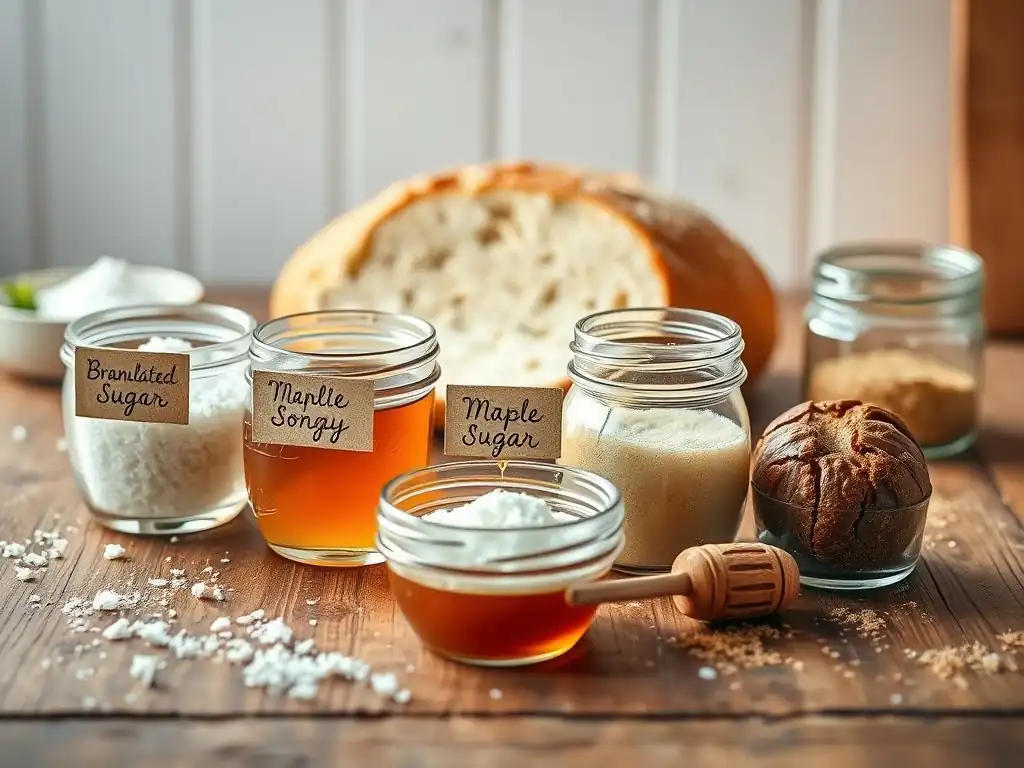
Granulated Sugar: A Common Choice for Yeast Fermentation
Granulated sugar, or sucrose, is a disaccharide made of glucose and fructose. It's one of the most common sugars used in baking and is readily available. Yeast enzymes, specifically invertase, can quickly break down sucrose into its constituent simple sugars, making it a fast and efficient fuel source for fermentation. A small amount, perhaps 1-2% of the flour weight in a dough recipe, can provide a rapid burst of energy for yeast, helping to kickstart the rising process.
However, using large amounts of granulated sugar can have a detrimental effect. High sugar concentrations can draw water out of the yeast cells through osmosis, inhibiting their activity or even killing them. For instance, doughs with sugar levels exceeding 10-15% of the flour weight may require osmophilic yeast strains that are more tolerant of high sugar environments. While a touch of granulated sugar might boost a sluggish sourdough starter, it's not typically the primary or best sugar for sourdough starter maintenance due to its rapid consumption and potential for osmotic stress if overused.
Brown Sugar: Adding Molasses and Complexity
Brown sugar is essentially granulated sugar with the addition of molasses. The molasses component contains sucrose, glucose, fructose, and also various minerals and trace elements. These minerals can sometimes act as yeast nutrients, potentially stimulating fermentation. Light brown sugar contains less molasses (around 3.5% by weight) than dark brown sugar (around 6.5% by weight), offering varying levels of flavor and potential microbial benefits.
While brown sugar provides fermentable sugars similar to granulated sugar, the molasses adds flavor complexity and can slightly alter the fermentation process due to its mineral content. Some bakers report that the trace nutrients in molasses can support yeast health. However, like granulated sugar, it's a concentrated sugar source and should be used sparingly, if at all, when feeding a standard sourdough starter, as flour is the primary food. Its distinct flavor isn't always desired in a neutral starter culture.
Honey: Natural Sweetness and its Effect on Yeast Activity
Honey is a natural sweetener composed primarily of fructose and glucose, along with trace amounts of sucrose, maltose, and other complex sugars. It also contains enzymes, vitamins, minerals, and antioxidants. Because it's already largely in the form of simple sugars (around 70-80% fructose and glucose combined), honey can be very quickly utilized by yeast, providing an almost immediate boost to fermentation activity.
Some studies suggest that certain compounds in honey can have antimicrobial properties, which might theoretically impact the bacterial population in a sourdough starter. However, in typical baking concentrations, its primary effect is as a readily available sugar source. Using a small amount of honey (e.g., 0.5-1% of flour weight) in a dough can accelerate the initial rise. For a sourdough starter, a tiny addition might revive a sluggish culture, but it's not considered the best sugar for sourdough starter regular feeding because flour provides a more balanced, sustained food source.
Molasses: A Potent Sugar Source for Robust Fermentation
Molasses is a byproduct of sugar refining and is rich in sucrose, glucose, and fructose, as well as minerals like iron, calcium, and potassium. Its high sugar concentration and nutrient profile make it a very potent fuel for yeast. The mineral content can sometimes buffer pH changes during fermentation, potentially benefiting yeast activity. Different types of molasses (light, dark, blackstrap) vary in sugar content and flavor intensity, with blackstrap being the least sweet but most nutrient-rich.
Due to its strong flavor and potential to significantly alter the pH, molasses is rarely used as a primary food source for a standard sourdough starter. However, in certain specific recipes or troubleshooting scenarios, a tiny amount might be used to provide a quick, powerful fermentation boost. Its use is more common in yeasted breads like rye or pumpernickel, where its flavor complements the grain. For finding the best sugar for sourdough starter maintenance, molasses is not the answer, but for a quick fix in a dough, it's powerful.
Maple Syrup: A Unique Flavor Profile
Maple syrup is another natural sweetener, primarily composed of sucrose (about 60-70%) and varying amounts of glucose and fructose, along with minerals and organic acids. Like honey, its sugar composition makes it readily available for yeast fermentation. The unique flavor comes from various aromatic compounds present in the syrup.
Using maple syrup in baking contributes both sweetness and its characteristic flavor. For yeast fermentation, it functions similarly to sucrose-based sugars, being quickly broken down and consumed. While it can fuel yeast, its cost and distinct flavor profile mean it's not typically considered for regular sourdough starter feeding. Its use is usually reserved for recipes where the maple flavor is desired. Finding the best sugar for sourdough starter involves considering not just fermentation speed but also the long-term health and flavor neutrality of the culture, which maple syrup doesn't optimally provide.
Fruit: Natural Sugars and Enzymes
Fruits contain natural sugars, primarily fructose, glucose, and sucrose, depending on the type and ripeness. They also contain enzymes, like amylase in bananas or papayas, which can help break down starches into fermentable sugars. This is why fruit can sometimes be used to kickstart a wild yeast culture or added to doughs for flavor and moisture. For example, using grated apple or raisins in an initial starter culture can provide a boost of readily available sugars and beneficial wild yeast from the fruit's surface.
While fruit can contribute fermentable sugars and beneficial enzymes, it's not a stable or consistent food source for maintaining a sourdough starter long-term. The sugar content varies greatly, and the introduction of different microbes from the fruit can alter the starter's balance. Furthermore, the enzymes in some fruits can be overly active, potentially degrading the gluten structure in dough. Therefore, while fruit might play a role in starting a culture, it's not the best sugar for sourdough starter maintenance compared to a consistent flour source.
The Best Sugar for Sourdough Starter: A Detailed Comparison
Sugar Type and Fermentation Speed: Which Sugar Works Fastest?
When considering fermentation speed, simple sugars like glucose and fructose, found in high concentrations in honey and ripe fruits, are the fastest for yeast to consume directly. Disaccharides like sucrose (granulated sugar, brown sugar, maple syrup) are also very fast, as yeast enzymes quickly break them down into glucose and fructose. Complex carbohydrates like starches, which are the primary component of flour, need to be broken down into simpler sugars over time by enzymes (amylase) present in the flour and produced by the microbes.
In terms of pure speed if added, honey or a concentrated glucose/fructose syrup would likely provide the fastest initial burst of fermentation. However, this rapid activity can be short-lived if the sugar is quickly depleted. For a sourdough starter, which requires sustained activity over hours between feedings, a slower, more consistent release of fermentable sugars from complex carbohydrates is often more beneficial. This is why flour, despite its sugars being less immediately available than those in honey, is the standard food source, providing a steady supply as its starches are broken down.
Impact of Sugar on Sourdough Starter Flavor Profile
The type of sugar used to feed a sourdough starter can significantly impact its flavor profile. Granulated sugar and honey tend to promote more yeast activity relative to bacterial activity, potentially leading to a less sour starter. Sugars containing molasses, like brown sugar or molasses itself, introduce distinct caramel or earthy notes that might not be desired in a neutral starter intended for various bread types.
The complex carbohydrates in flour, particularly whole grain flours, are broken down over time into various sugars and organic acids by the diverse microbial community. This slower, more varied fermentation process contributes to the nuanced sourness and depth of flavor characteristic of traditional sourdough. While adding a specific sugar might boost activity, it can disrupt the delicate balance between yeast and lactic acid bacteria that defines the starter's unique taste. For maintaining a balanced flavor, relying on the sugars naturally present in the flour is generally preferred when seeking the best sugar for sourdough starter's characteristic tang.
Sugar's Effect on Sourdough Starter Activity and Rise
Different sugars affect both the rate and extent of sourdough starter activity and the subsequent rise it can provide in dough. Readily available simple sugars provide a quick burst, leading to rapid bubbling and potential doubling or tripling of the starter volume in a short period. This can be useful for reviving a sluggish starter or preparing a levain for a bake. However, if the starter is fed only simple sugars, it may peak quickly and then crash as the food source is exhausted, potentially stressing the culture.
Flour, on the other hand, provides a more sustained food source. The enzymes in the flour and produced by the microbes slowly break down starches into fermentable sugars, providing a steady supply over a longer period. This leads to a more gradual but sustained rise and fall cycle, which is indicative of a healthy, balanced starter. While adding a touch of sugar can increase initial activity, the best sugar for sourdough starter overall health and consistent leavening power comes from the carbohydrates supplied by flour, which ensures a prolonged fermentation cycle.
Cost and Availability: Choosing a Practical Sugar Option
From a practical standpoint, cost and availability are also factors to consider when choosing a food source for yeast fermentation, especially for something you feed regularly like a sourdough starter. Granulated sugar and flour are generally inexpensive and widely available. Specialty sugars like maple syrup or certain types of honey can be more costly.
While adding small amounts of specific sugars for troubleshooting or specific recipe development is feasible, relying on them for daily or regular starter feeding would be impractical and expensive for most bakers. The standard practice of feeding a sourdough starter with flour and water is the most cost-effective and widely accessible method, utilizing the natural carbohydrates in the flour as the primary food source. This makes flour, containing its inherent sugars, the most practical and often best sugar for sourdough starter feeding when considering long-term maintenance.
The Winner: Our Recommendation for Optimal Sourdough Starter Fuel
Why Whole Wheat Flour is the Best Choice for Most Sourdough Starters
Despite the article title focusing on different sugar types, the reality for maintaining a vibrant sourdough starter is that flour is the primary fuel source, providing the complex carbohydrates (starches) that the yeast and bacteria slowly convert into fermentable sugars. Among flours, whole wheat flour is often considered the best sugar for sourdough starter health and activity, not because it contains added sugar, but because of its composition. It contains the entire wheat kernel, including the bran and germ, which are rich in nutrients, minerals, and crucially, enzymes like amylase.
These enzymes are vital because they break down the starches in the flour into simpler sugars that the yeast and bacteria can consume. Whole wheat flour typically has higher enzymatic activity than refined white flour. This higher enzyme content means the starches are converted into fermentable sugars more efficiently and consistently, providing a steady food supply that promotes robust and balanced fermentation in the starter. The increased nutritional profile also supports a diverse and healthy microbial population.
Tips for Using Whole Wheat Flour in Your Sourdough Starter
Using whole wheat flour to feed your sourdough starter can lead to a very active and reliable culture. Start by replacing a portion or all of your regular feeding flour with whole wheat. Observe how your starter responds – it may become more active initially. Be mindful that whole wheat flour absorbs more water than white flour, so you might need to adjust your hydration ratio slightly to achieve the desired consistency (often a thick, pancake batter consistency).
Feed your starter regularly, typically once or twice a day depending on temperature and activity, using a consistent ratio of starter, whole wheat flour, and water (e.g., 1:1:1 ratio by weight). Discard a portion before feeding to manage the starter volume and ensure enough food is available for the remaining microbes. Using whole wheat flour provides the complex carbohydrates and enzymatic power that make it arguably the best sugar for sourdough starter when thinking about its primary food source and sustained health.
Troubleshooting: Common Issues with Sugar/Flour and Yeast Fermentation
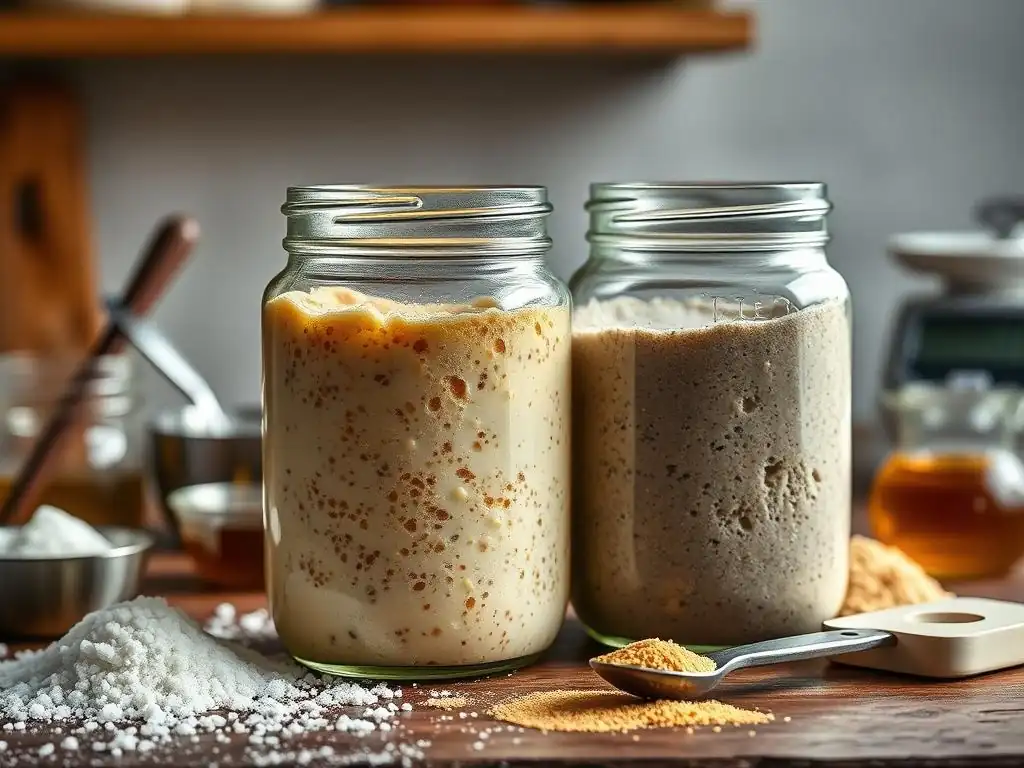
My Sourdough Starter Isn't Rising: Is Sugar/Flour the Problem?
If your sourdough starter isn't rising, the food source, which is primarily the sugar derived from the flour, is often a key factor. Insufficient feeding (not enough flour relative to the starter amount), infrequent feeding (allowing the microbes to exhaust their food supply), or using a flour with low enzymatic activity can all lead to sluggishness. For example, if you are using a highly refined white flour, it might not be providing enough readily available sugars compared to a whole grain flour.
Another possibility is that the flour itself is old or has been stored improperly, leading to degraded starch or enzyme activity. Ensure you are using fresh, good-quality flour. If you suspect the flour isn't providing enough fermentable sugars, you could try feeding with a blend of your usual flour and a small percentage of whole wheat or rye flour, which typically have higher enzyme content. While adding a pinch of sugar could provide a temporary boost, the long-term solution lies in optimizing the flour feeding strategy to ensure a consistent supply of naturally produced sugars.
Overfeeding: Avoiding Negative Impacts on Your Starter
While underfeeding is a common issue, overfeeding with readily available sugars can also harm your sourdough starter. Adding too much simple sugar (like granulated sugar or honey) can cause an osmotic shock, drawing water out of the microbial cells and inhibiting their activity. It can also lead to an unbalanced fermentation, favoring rapid alcohol production by yeast over the slower, acid-producing metabolism of lactic acid bacteria, disrupting the characteristic sourdough flavor.
Even overfeeding with too much flour relative to the amount of starter can be problematic, especially in cooler temperatures. A large quantity of new flour dilutes the active microbial population, and it may take longer for the enzymes to break down enough starch to feed the large volume, leading to a slower, less vigorous rise.
Finding the best sugar for sourdough starter activity means providing just the right amount of the right kind of food – typically the complex carbohydrates in flour – in balance with the starter's size and environmental conditions. Consistency in feeding ratios (e.g., 1:1:1 or 1:2:2 starter:flour:water) is crucial.
Alternatives and Their Potential Pitfalls in Sourdough Baking
Beyond standard flour, various alternative flours and starches exist, each with different carbohydrate compositions and enzyme levels. For instance, rye flour is known for its high enzymatic activity and nutrient content, making it excellent for promoting vigorous sourdough starter activity. However, its lower gluten content results in a denser texture. Gluten-free flours like rice or sorghum have different starch structures and enzyme profiles compared to wheat, requiring adjustments in feeding and handling.
Using non-flour sugar sources like honey or molasses for regular feeding, as discussed earlier, can alter flavor, potentially disrupt the microbial balance, and may not provide the sustained energy release needed for a healthy starter cycle. While these can be useful in specific troubleshooting scenarios or for particular recipes, relying on them as the primary food source for a sourdough starter is generally not recommended. The best sugar for sourdough starter health and consistency is typically found in the complex carbohydrates of traditional bread-making flours like wheat or rye.
Conclusion: Mastering Sugar/Flour's Role in Yeast Fermentation
Perfecting Your Sourdough with the Right Fuel
Understanding how yeast and bacteria in your sourdough starter metabolize different carbohydrates is fundamental to successful sourdough baking. While this article explored various "sugar types" in a broader sense, it highlights that for a sourdough starter, the complex carbohydrates (starches) in flour are the primary source of fermentable sugars, released over time by enzymes. This sustained release provides the ideal fuel for a healthy, active, and flavorful starter.
Choosing the right flour, such as nutrient-rich, enzyme-active whole wheat or rye, often proves to be the most effective strategy for maintaining a robust culture. While a tiny addition of simple sugar can occasionally boost a sluggish starter, relying on flour ensures the balanced, long-term fermentation necessary for consistent leavening and the development of that signature sourdough tang. By focusing on providing the best sugar for sourdough starter needs through quality flour and consistent feeding practices, you are well on your way to mastering this rewarding aspect of baking.
Frequently Asked Questions
What type of sugar is best for feeding my sourdough starter?
The best sugar for your sourdough starter is generally simple sugars like table sugar (sucrose) or honey. These are easily consumed by the yeast, leading to vigorous fermentation.
Why is sugar important for a sourdough starter?
Sugar acts as fuel for the yeast in your sourdough starter. It provides the energy they need to grow, produce carbon dioxide (which makes the starter rise), and develop the characteristic sourdough flavor.
Can I use artificial sweeteners in my sourdough starter?
No, artificial sweeteners are not recommended for feeding your sourdough starter. Yeast cannot metabolize them, so they will not provide any nutritional value or encourage fermentation.
What happens if I use too much sugar in my sourdough starter?
Using too much sugar can potentially overfeed the yeast, leading to a rapid initial rise followed by a quick collapse. It can also disrupt the balance of the starter and affect its flavor.
Can I use fruit juice to feed my sourdough starter instead of sugar?
Yes, you can use unsweetened fruit juice as a sugar source for your sourdough starter. The natural sugars in the juice will feed the yeast, but be mindful of the juice's acidity, as it could affect the starter's pH.
Final Reflection: Unlocking the Secrets of Sourdough's Sweet Success
The quest for the perfect sourdough starter hinges on understanding the nuances of sugar—it's not just about sweetness, but about fueling the microscopic engine driving your bread's rise. The right sugar type significantly impacts the fermentation process, influencing flavor, texture, and overall success. Choosing wisely isn't just about getting a bubbly starter; it's about unlocking the full potential of your sourdough journey.
This exploration into the world of sugars and their impact on sourdough fermentation has been a fascinating journey, highlighting the intricate relationship between seemingly simple ingredients and the complex process of bread making. It's a reminder that even the smallest details can have a profound effect on the final product. The difference between ordinary and extraordinary is that little extra.
This quote rings true when considering the careful selection of sugar for a thriving sourdough starter. The subtle variations in fermentation, the unique flavor profiles that emerge—these are testaments to the power of understanding the fundamental building blocks of our baking.
Now, it's your turn. Consider the insights gained from this article. Experiment with different sugar types, observe the changes in your starter's activity, and savor the unique flavors that result. Don't be afraid to tweak your process, to learn from your successes and failures. The journey of mastering sourdough is a continuous one, and each loaf baked is a testament to your dedication and understanding. Embrace the process, and may your sourdough starter always thrive!
Unleash Your Inner Baker: Master Yeast Fermentation!
Thanks for diving into the world of sugar and yeast! You now have the knowledge to truly optimize your baking. Ready to put your new expertise to the test?
- Experiment with different sugar types: Try substituting some of the sugars mentioned in your next bread or pastry recipe and notice the difference in texture and flavor. This is your chance to become a true sugar alchemist!
- Share your baking triumphs (and even your stumbles!) with our community on our social media channels. Let’s learn from each other!
- Explore further by researching the specific characteristics of other sweeteners – their impact on rise time, crust color, and overall flavor profile.
So, what exciting sugar experiment are you going to try first?