
Demystifying Hydration: Finding the Perfect Water Level for Baguettes

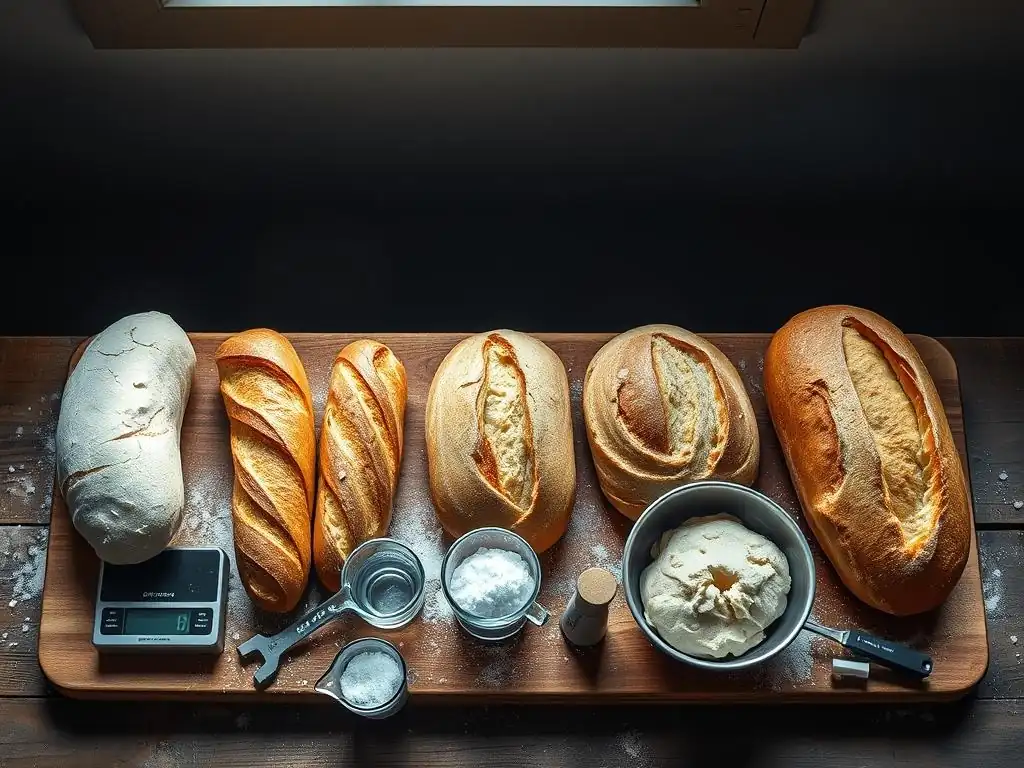
Welcome to BakeWithEase, your guide to effortlessly elevating your baking skills! Ever wondered how subtle adjustments in baguette hydration levels can transform a seemingly simple loaf into a masterpiece of crust and crumb? Demystifying hydration is key, and we're here to unlock the secrets. Dive in to discover the perfect water ratio for your next baguette recipe and explore how this crucial element influences everything from texture to taste. Curious to learn more? Let's get started!
- Introduction: The Crucial Role of Hydration in Baguette Baking
- Understanding Baguette Dough Hydration Levels
- The 70% Hydration Baguette Recipe: A Detailed Guide
- Mastering the Art: Tips and Tricks for Baguette Hydration
- Experimenting with Baguette Hydration Levels: Find Your Perfect Recipe
- Conclusion: The Path to Baguette Perfection Through Hydration
-
Frequently Asked Questions
- What is hydration in the context of baguette baking?
- Why is hydration so important for baguettes?
- What is a typical hydration level for a baguette recipe?
- How does varying the hydration level affect the final baguette?
- How can I adjust the hydration level if my baguette dough is too sticky or too dry?
- Final Reflection: The Crumb's Secret: Understanding Hydration's Impact on Baguette Perfection
- Unlock Your Perfect Baguette: Hydration Mastery Awaits!
Introduction: The Crucial Role of Hydration in Baguette Baking
Why Baguette Hydration Matters: Achieving the Perfect Crust and Crumb
Hydration, in baking terms, refers to the ratio of water to flour in a dough, expressed as a percentage of the flour's weight. For baguettes, mastering this ratio is paramount to achieving the iconic characteristics: a thin, shatteringly crisp crust and an open, airy interior crumb. A dough that is too dry (low hydration) will typically result in a dense loaf with a thick crust that lacks the desired crispness. Conversely, a dough that is too wet (very high hydration) can be challenging to handle but, if managed correctly, yields an incredibly light crumb structure with large, irregular holes.
The precise level of hydration directly impacts the dough's gluten development and fermentation activity. Water allows gluten proteins (gliadin and glutenin) to bond and form the elastic network that traps gases produced during fermentation, creating the crumb structure. More water generally leads to more vigorous fermentation and a more extensible dough, which contributes to a lighter loaf and a more open crumb. Finding the ideal baguette hydration levels recipe means balancing ease of handling with the desired texture and appearance of the final loaf.
Understanding Hydration Percentage in Bread Baking: A Baker's Key Metric
Hydration percentage is calculated by dividing the weight of the water by the weight of the flour and multiplying by 100. For example, a recipe using 500 grams of flour and 350 grams of water has a hydration of (350g water / 500g flour) * 100 = 70%. This metric is essential because it provides a universal way to describe dough consistency, regardless of the total batch size. It helps bakers predict how a dough will behave during mixing, fermentation, shaping, and baking.
Different types of flour absorb water differently. Whole wheat flour, for instance, contains more bran and germ than white bread flour, and these components absorb significantly more water. Therefore, a "high hydration" dough using whole wheat flour might be 80% hydration, while a white flour dough at the same hydration level would be much wetter and stickier.
Understanding how your chosen flour impacts the baguette hydration levels recipe is crucial for consistent results. Typically, bread flour used for baguettes can absorb around 60-65% of its weight in water just to form a cohesive dough; anything above that contributes to dough extensibility and crumb openness.
Understanding Baguette Dough Hydration Levels
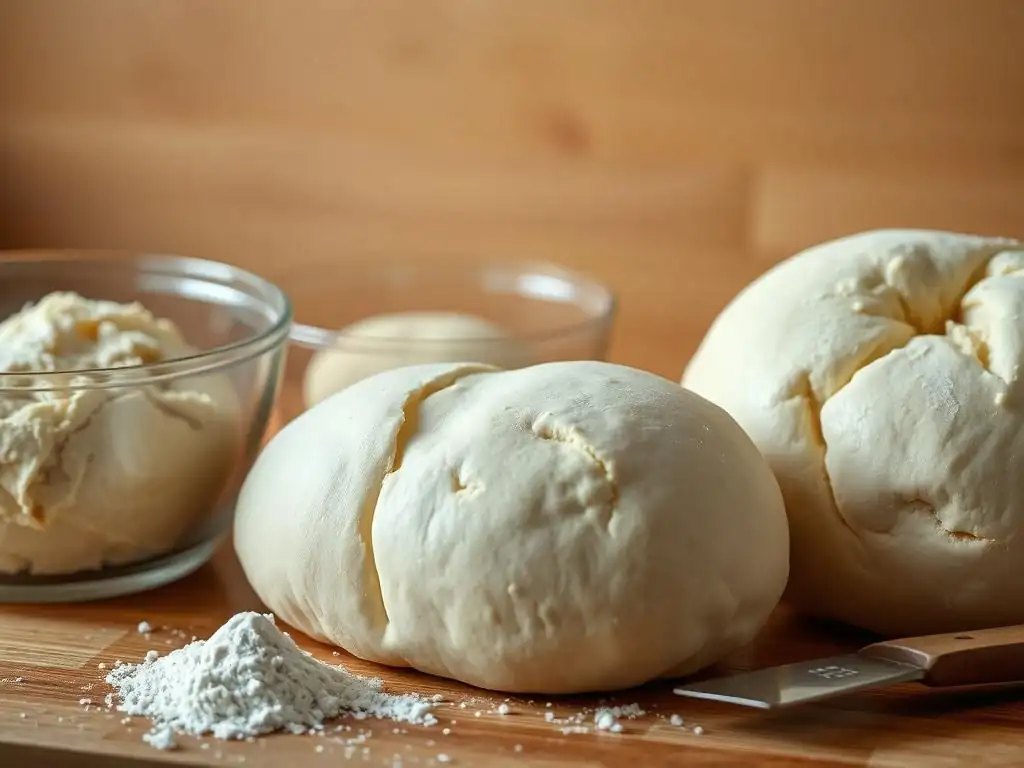
Low Hydration Baguettes: Characteristics and When to Use
Low hydration doughs, typically ranging from 55% to 62% hydration, are the easiest to handle. The dough is relatively stiff, less sticky, and holds its shape well, making it forgiving for beginners learning shaping techniques. Baguettes made with low hydration often have a tighter, more uniform crumb structure and a thicker, sometimes chewier crust. They require less intensive gluten development techniques compared to wetter doughs.
Using a low baguette hydration levels recipe is often preferred in warmer climates or kitchens where dough temperature is harder to control, as stiffer doughs tend to ferment more slowly. While they might not achieve the dramatic open crumb often associated with artisan baguettes, they are reliable and produce a rustic, satisfying loaf. They are also a good starting point for bakers new to shaping long, slender loaves, as the dough is less prone to collapsing.
Medium Hydration Baguettes: A Balanced Approach for Beginners
Medium hydration doughs fall roughly between 63% and 70% hydration. This range offers a good balance between ease of handling and the potential for a desirable crust and crumb. A 65-68% hydration dough is often recommended as a starting point for those moving beyond basic bread, as it is still manageable but allows for better gluten development and a slightly more open crumb than low hydration doughs.
A baguette hydration levels recipe in this range provides enough water for good yeast activity and extensibility without making the dough excessively sticky or difficult to shape. The resulting baguettes typically have a pleasingly crisp crust and a crumb that is relatively open and light, though perhaps not as dramatically holey as high hydration versions. This hydration level is versatile and works well with standard mixing and fermentation techniques.
High Hydration Baguettes: Achieving an Open Crumb and Airy Texture
High hydration doughs, generally above 70% hydration, are known for producing the most open, airy crumb and a very thin, crisp crust when baked correctly. Doughs at 75%, 80%, or even higher hydration are significantly stickier and require more advanced handling techniques, such as the slap and fold method for mixing and frequent stretch and folds during bulk fermentation to build strength.
While challenging, mastering a high baguette hydration levels recipe is the key to achieving the signature large, irregular holes characteristic of classic Parisian baguettes. The high water content contributes to intense steam production during baking, which helps the crust expand and crisp up dramatically. Bakers pursuing this level of hydration often use methods like autolyse and long, slow fermentation periods to manage the wet dough and maximize flavor development.
The 70% Hydration Baguette Recipe: A Detailed Guide
This section outlines a reliable baguette hydration levels recipe targeting 70%, offering a great balance for achieving a good crust and crumb while remaining relatively manageable for home bakers.
Ingredients for the Perfect 70% Hydrated Baguette
Flour Selection: Using Bread Flour for Optimal Gluten Development
For a 70% hydration baguette, using a high-quality bread flour with a protein content of 12-14% is recommended. This higher protein level provides the necessary gluten-forming potential to build a strong network capable of supporting the relatively high water content and trapping fermentation gases. All-purpose flour, typically lower in protein (around 10-11.5%), may struggle to handle 70% hydration, resulting in a slack dough that doesn't hold its shape well.
Using bread flour helps ensure that when you mix the water into the flour, the gluten proteins can fully hydrate and develop, creating an elastic and extensible dough. This is critical for achieving the characteristic open crumb structure of a well-made baguette at this hydration level. Weighing your flour accurately using a digital scale is essential, as volume measurements can vary significantly.
Water Temperature: Using Cold Water to Control Dough Temperature
Controlling the final dough temperature is crucial for managing fermentation speed, especially with a 70% hydration baguette hydration levels recipe. Cold water (around 4-10°C or 40-50°F) is often used, particularly if your kitchen is warm or you anticipate a long mixing time. The goal is often to achieve a mixed dough temperature between 21-24°C (70-75°F).
Using cold water helps prevent the dough from overheating during mixing (friction adds heat) and keeps fermentation slow and controlled during the initial stages. This slow fermentation allows for better flavor development and gluten structure formation before the dough is shaped and proofed. Adjust the water temperature based on your flour temperature and ambient kitchen temperature – colder water for warmer conditions, slightly warmer water if things are cool.
Other Essential Ingredients: Salt and Yeast
Salt is a critical component in any baguette hydration levels recipe. It not only enhances flavor but also strengthens the gluten network and regulates yeast activity. Typically, salt is added at about 1.8-2% of the flour weight. For 500g of flour, this would be 9-10g of salt. It's usually added after the initial mixing of flour and water (autolyse) to allow the flour to fully hydrate first without the restrictive effect of salt on gluten development.
Yeast is responsible for fermentation, producing carbon dioxide gas that leavens the dough and alcohol and organic acids that contribute significantly to flavor. The amount of yeast used depends on the type (instant, active dry, fresh) and the desired fermentation time and temperature. A common amount for a standard room-temperature fermentation is 0.5-1% instant dry yeast (2.5g to 5g for 500g flour), or roughly double that for fresh yeast. Active dry yeast usually needs to be rehydrated first.
Step-by-Step Instructions for Achieving Ideal Baguette Hydration
Mixing the Dough: Incorporating Water Effectively Using the Slap and Fold Technique
For a 70% hydration baguette hydration levels recipe, simply stirring ingredients together isn't enough to develop sufficient gluten strength. After initially combining the flour and water (and optionally letting it rest for an autolyse period of 20-60 minutes), incorporate the salt and yeast. The slap and fold technique is excellent for wetter doughs like this. This involves repeatedly picking up the dough, slapping it onto a clean, unfloured surface, and folding the piece closest to you over the piece away from you.
Continue this technique for 10-15 minutes, or until the dough transforms from a shaggy, sticky mass into a smooth, elastic, and somewhat less sticky ball that passes the windowpane test (you can stretch a small piece thin enough to see light through it without tearing). This vigorous mixing incorporates air and builds a strong gluten network capable of supporting the 70% hydration. Avoid adding extra flour during this process unless absolutely necessary; embrace the stickiness initially.
Bulk Fermentation: Allowing the Dough to Hydrate Fully with Stretch and Folds
Bulk fermentation is the phase after initial mixing where the dough rests and ferments as a single mass. For a 70% hydration baguette, this stage is crucial for allowing the water to fully absorb into the flour and for the gluten network to relax and strengthen further. A typical bulk fermentation might last 2-4 hours at room temperature (around 22-24°C or 72-75°F), or longer in a cooler environment (e.g., 8-12 hours in a refrigerator).
During bulk fermentation, performing 3-5 sets of stretch and folds at 30-45 minute intervals is highly beneficial for a 70% hydration dough. This involves gently stretching a portion of the dough up and folding it back over the rest of the dough, rotating the bowl and repeating until all sides are folded. This technique builds strength and structure in the wet dough without degassing it excessively, helping to develop that open crumb structure desired in a high baguette hydration levels recipe.
Shaping and Proofing: Maintaining Hydration During the Final Rise
Shaping a 70% hydration baguette requires a gentle touch and minimal flour on the work surface. Over-flouring will create a dry surface that prevents the dough seam from sealing properly and can result in a less appealing crust. Divide the dough (e.g., into 300-350g pieces for standard baguettes), gently pre-shape into loose logs, and let rest for 15-20 minutes. Then, shape into final baguettes, focusing on creating tension on the surface while maintaining the airy interior.
Proofing (the final rise before baking) is typically done seam-side up in a floured baker's couche (linen cloth) or on parchment paper between folds. This supports the wet dough and helps it maintain its shape as it expands. Proofing time varies depending on temperature and dough activity but is often 60-90 minutes at room temperature or longer if retarded in the refrigerator. The dough should be visibly puffy but still have some resistance when gently poked – over-proofing can lead to collapse in the oven.
Baking: Achieving the Perfect Crust and Crumb with Steam
Baking a 70% hydration baguette requires high heat and steam to achieve the signature thin, crisp crust and maximum oven spring. Preheat your oven with a baking stone or steel to a high temperature, typically 230-250°C (450-480°F). Just before loading the baguettes, score them (cut slits on the surface) to control expansion.
Introducing steam into the oven during the first 10-15 minutes of baking is critical. Steam keeps the surface of the dough moist, allowing it to expand fully before a hard crust forms. This maximizes oven spring and contributes to a thinner, crispier crust.
Methods include pouring hot water into a preheated tray on the oven floor or using a Dutch oven/cloche. After the initial steaming period, vent the oven to allow the crust to dry out and crisp up. Total bake time is usually 20-30 minutes until the baguettes are deep golden brown and sound hollow when tapped on the bottom.
Mastering the Art: Tips and Tricks for Baguette Hydration
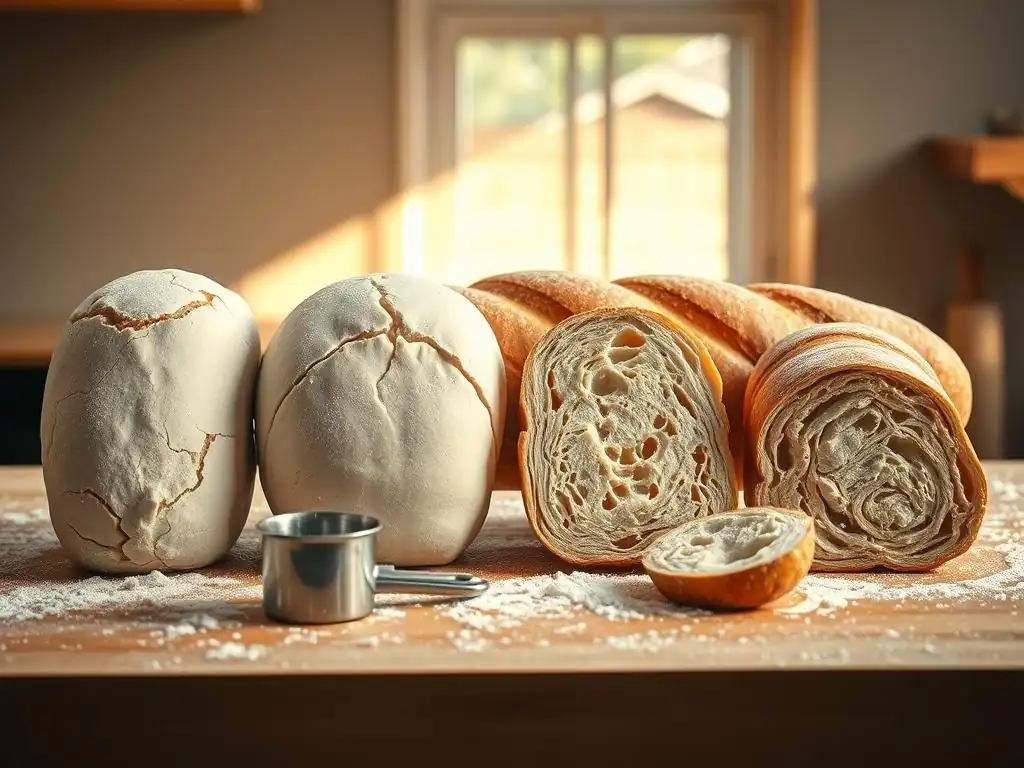
Measuring Water Accurately: Using a Digital Scale for Consistent Results
Accuracy in measuring both flour and water is fundamental to controlling hydration levels in any baguette hydration levels recipe. Using a digital kitchen scale is vastly superior to using measuring cups, especially for water. One cup of water volume is approximately 237 grams, but minor variations can occur. More importantly, flour volume is highly variable depending on how it's scooped and whether it's sifted.
Weighing ingredients ensures you are hitting the target hydration percentage precisely every time. For example, if your recipe calls for 500g of flour and 350g of water for a 70% hydration, using a scale guarantees these exact weights, leading to consistent dough handling and baking results. This precision is particularly important when experimenting with minor adjustments to your baguette hydration levels recipe.
Adjusting Hydration Based on Flour Type: Accounting for Absorption Rates
As mentioned earlier, different flours absorb water at different rates. Bread flour typically absorbs less water than whole wheat or rye flour due to the absence of bran and germ. When adapting a baguette hydration levels recipe designed for white bread flour to include whole grains, you will almost certainly need to increase the hydration.
For instance, if a recipe calls for 70% hydration using 100% white bread flour, substituting 20% of the white flour with whole wheat flour (100g whole wheat, 400g white) might require increasing the total water by 10-20% of the whole wheat's weight (e.g., adding an extra 10-20g of water) just to achieve a similar dough consistency. Pay attention to how the dough feels during mixing and adjust slightly if necessary, especially when working with new flour types.
Troubleshooting Hydration Issues: Dry or Sticky Dough?
Even with careful measurement, sometimes dough consistency isn't quite right due to environmental factors (humidity) or slight inaccuracies. If your dough feels too dry or too sticky based on the target baguette hydration levels recipe, you may need to make small adjustments.
Correcting Over-Hydrated Baguette Dough: Adding Flour Gradually
If your dough feels excessively sticky and slack, much wetter than expected for your target hydration (e.g., a 70% hydration dough feeling more like 80%), it is likely over-hydrated or hasn't developed sufficient gluten yet. You can correct this by adding flour, but do so cautiously. Add just a tablespoon (around 8-10g) of flour at a time and mix it in thoroughly, preferably using the slap and fold technique, until the dough reaches the desired consistency. Adding too much flour at once can create dry pockets.
- Add 1 tablespoon (~10g) flour.
- Mix/knead thoroughly.
- Assess consistency.
- Repeat if necessary, one tablespoon at a time.
Correcting Under-Hydrated Baguette Dough: Adding Water Gradually
If your dough feels stiff and dry, not coming together easily or lacking extensibility for your target baguette hydration levels recipe (e.g., a 70% hydration dough feeling more like 60%), it is likely under-hydrated. You can add more water, but again, add it gradually. Add just a teaspoon (around 5g) of water at a time, working it into the dough until fully absorbed before adding more. This is easier during the initial mixing stage, but can be done carefully even after some gluten development has occurred.
- Add 1 teaspoon (~5g) water.
- Knead until fully absorbed.
- Assess consistency.
- Repeat if necessary, one teaspoon at a time.
The Importance of Autolyse: Pre-Hydrating the Flour
The autolyse technique, popularized by Professor Raymond Calvel, involves mixing just the flour and water from your baguette hydration levels recipe and letting the mixture rest for 20 minutes to an hour before adding salt and yeast. This simple step allows the flour to fully hydrate without the presence of salt (which tightens gluten) or yeast (which starts fermentation).
The autolyse period allows enzymes in the flour to begin breaking down proteins and starches, making the dough more extensible and easier to work with. It also kickstarts gluten development without mechanical mixing, meaning you may need less kneading time later. For higher hydration doughs like 70%, autolyse is particularly beneficial as it helps manage the wetness and promotes a smoother, more workable dough from the start.
Experimenting with Baguette Hydration Levels: Find Your Perfect Recipe
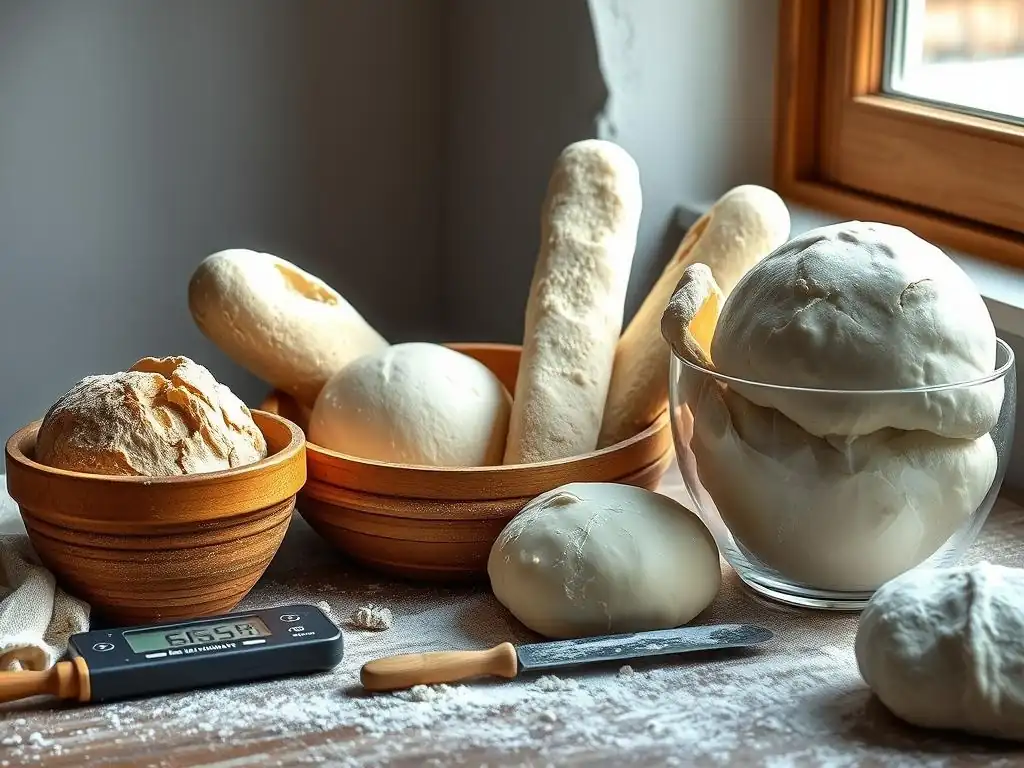
Adapting the 70% Hydration Baguette Recipe to Your Preferences
Once you've successfully baked the 70% hydration baguette hydration levels recipe, you can begin to experiment. If you found the dough too sticky to handle comfortably, try reducing the hydration slightly to 68% or even 65% in your next batch. This small change will make the dough significantly easier to manage while still yielding a good result.
Conversely, if you are seeking a more open crumb and are comfortable handling wetter dough, try increasing the hydration to 72% or 75%. Remember that increasing hydration requires stronger gluten development (more mixing/stretch and folds) and potentially more careful handling during shaping and proofing. Keep detailed notes on your adjustments and the resulting dough feel and final bake to refine your personal baguette hydration levels recipe.
Advanced Techniques: Poolish and Biga for Enhanced Hydration
Many classic baguette hydration levels recipe variations utilize a pre-ferment like a poolish or biga. A poolish is a liquid pre-ferment, typically made with equal weights of flour and water (100% hydration) plus a small amount of yeast, fermented for several hours or overnight. A biga is a stiffer pre-ferment, usually 50-60% hydration.
Incorporating a pre-ferment allows a portion of the flour to hydrate and ferment for a longer period, developing complex flavors and contributing to a stronger gluten structure. While the overall hydration of the final dough might be 70%, using a poolish means some of that water and flour were pre-hydrated and fermented, impacting the dough's characteristics and the final baguette's aroma and texture. This is a common path for those looking to elevate their baguette game.
Variations on the Classic: Adding Flavors and Ingredients
Once you are comfortable with managing different baguette hydration levels recipe variations, you can start introducing other ingredients. While classic baguettes are simple (flour, water, salt, yeast), you can create delicious variations. Consider adding a small amount of rye or whole wheat flour (remembering to adjust hydration).
Other additions can include seeds (sesame, poppy, sunflower), herbs (rosemary, thyme), or even small amounts of cheese or olives. When adding inclusions, consider their impact on hydration – dry seeds will absorb water, potentially requiring a slight increase in overall hydration, while wet ingredients like olives might contribute moisture. Additions are typically incorporated during the final stages of mixing or during the first stretch and fold.
Conclusion: The Path to Baguette Perfection Through Hydration
Recap: Key Takeaways for Achieving Optimal Hydration
Mastering baguette hydration is a journey that significantly impacts the outcome of your bake. We've seen that hydration percentage is a critical metric, influencing everything from dough handling to the final crust and crumb. Low hydration doughs (55-62%) are easier but yield denser results, medium hydration (63-70%) offers a balanced approach, and high hydration (>70%) pushes towards the airy, open crumb characteristic of artisan loaves, though they require more skill.
Successfully implementing a baguette hydration levels recipe involves accurate measurement using a scale, understanding how flour type affects absorption, and employing techniques like autolyse and stretch and folds to manage the dough. Troubleshooting is part of the process; knowing how to adjust hydration incrementally can save a batch. Experimentation, perhaps starting by slightly modifying a 70% base recipe, is key to finding what works best for your skill level and desired result.
Further Exploration: Resources for Advanced Baguette Baking Techniques
Perfecting your baguette hydration levels recipe is an ongoing process. For those looking to delve deeper, explore resources focusing on advanced techniques. Look into the nuances of dough temperature management throughout the process, the impact of different fermentation schedules (including cold fermentation in the refrigerator for flavor), and the art of shaping and scoring baguettes to maximize oven spring.
Understanding the role of steam in baking is also crucial for achieving that signature crisp crust. Many experienced bakers utilize specific equipment like baking stones, steels, or Dutch ovens designed to create the ideal baking environment. Continue practicing, observing how your dough behaves at different hydration levels, and don't be afraid to experiment. Each loaf baked is a step further on the path to baguette perfection.
Frequently Asked Questions
What is hydration in the context of baguette baking?
Hydration refers to the ratio of water to flour in a baguette recipe. It significantly impacts the dough's texture and the final crumb of the baguette.
Why is hydration so important for baguettes?
Proper hydration is crucial for developing a light, airy crumb and a crispy crust, both hallmarks of a well-made baguette. It also affects the dough's extensibility and workability.
What is a typical hydration level for a baguette recipe?
Generally, baguette recipes range from 65% to 80% hydration. BakeWithEase recommends starting around 70% and adjusting based on your experience and desired outcome.
How does varying the hydration level affect the final baguette?
Higher hydration leads to a more open crumb and a crispier, thinner crust. Lower hydration results in a denser crumb and a chewier texture.
How can I adjust the hydration level if my baguette dough is too sticky or too dry?
If too sticky, reduce water slightly in the next batch. If too dry, add a small amount of water (1-2 tablespoons) at a time until the dough feels properly hydrated and workable.
Final Reflection: The Crumb's Secret: Understanding Hydration's Impact on Baguette Perfection
The quest for the perfect baguette is, ultimately, a quest for the perfect hydration. This seemingly simple detail—the ratio of water to flour—holds the key to unlocking a crust that crackles with satisfying sound and a crumb that's airy and light. Mastering hydration isn't just about following a recipe; it's about understanding the fundamental chemistry that transforms flour and water into something truly magical.
The journey of exploring baguette hydration has been a deeply rewarding one, revealing the subtle nuances that separate a good loaf from a truly exceptional one. It's a journey that highlights the importance of precision and patience in baking, mirroring the dedication and artistry involved in many other crafts. Baking is a science, but it's also an art. It's about understanding the ingredients and the process, but it's also about feeling your way through it.
This quote, though not specifically about baguettes, perfectly encapsulates the experience of mastering hydration. The subtle shifts in texture and flavor, the almost imperceptible changes in the dough's behavior—these are the rewards of careful attention to detail.
Now, it's your turn. Take what you've learned about hydration and apply it to your own baking endeavors. Don't be afraid to experiment, to adjust the water content slightly, to observe the changes in the dough. Each loaf you bake will be a step closer to understanding the intricate dance between flour, water, and time, ultimately leading you to your own perfect baguette. Embrace the process, savor the results, and remember: the journey to baking perfection is as rewarding as the destination itself.
Unlock Your Perfect Baguette: Hydration Mastery Awaits!
Thanks for diving deep into the world of baguette hydration! You've now armed yourself with the knowledge to bake truly exceptional loaves. Ready to put your new skills to the test?
- Bake your perfect baguette: Use the hydration chart and tips from the article to experiment with different water levels and see the impact on your bread's texture and flavor. Don't forget to take notes!
- Share your results: Show off your baking prowess! Post a picture of your masterpiece on social media and tag #BakeWithEaseHydration. Let's inspire others!
- Explore advanced hydration techniques: Dive deeper into the science of dough hydration! Consider researching the impact of different flours on hydration levels—you might discover a whole new level of baguette perfection.
What unique hydration technique will you try first to elevate your baguette game?