
Vanilla Bean vs. Extract: A Beginner Baker's Cheat Sheet to Vanilla Forms

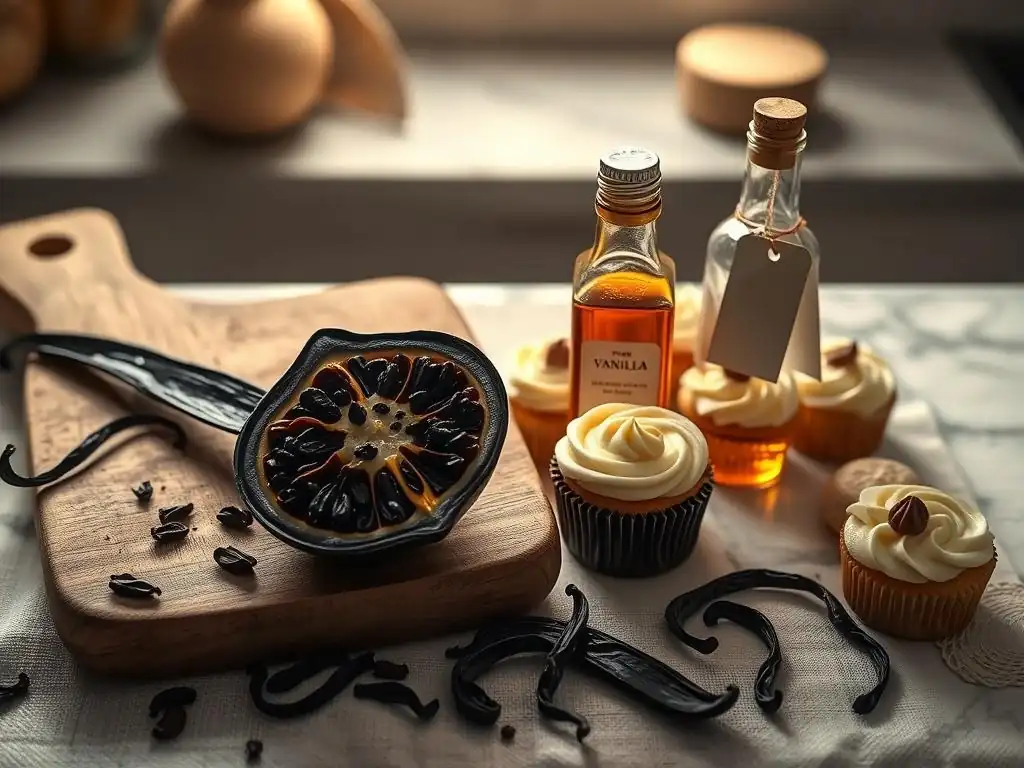
Welcome to BakeWithEase, your guide to delicious baking! Ever wondered about the real difference between vanilla bean vs extract? This Ingredient Deep Dive unlocks the secrets behind these two popular forms of vanilla, helping you elevate your baking from good to unforgettable. Discover which one best suits your needs and learn how to use them like a pro. Ready to unleash the power of vanilla? Let's get baking!
- Understanding Vanilla: A Baker's Essential Ingredient
- Vanilla Bean Breakdown: Flavor, Use, and Storage
- Vanilla Extract Explained: Convenience and Versatility
- Vanilla Bean vs. Extract: A Detailed Comparison for Baking
- When to Use Vanilla Bean vs. Extract: Recipe Recommendations
- Beyond Vanilla Bean and Extract: Other Vanilla Forms
- Choosing the Right Vanilla for Your Baking Needs: A Summary
-
Frequently Asked Questions
- What exactly is the difference between vanilla bean and vanilla extract?
- Which is better: using vanilla bean or vanilla extract in my baking?
- How do I use a vanilla bean in a recipe?
- Can I substitute vanilla extract for vanilla bean, and if so, what's the ratio?
- Is there a significant price difference between vanilla bean and vanilla extract?
- Final Reflection: The Sweet Science of Vanilla Choice
- Unlock Your Vanilla Potential: Elevate Your Baking Today!
Understanding Vanilla: A Baker's Essential Ingredient
The Allure of Vanilla in Baking
Vanilla holds a cherished spot in the baker's pantry, celebrated for its complex aroma and ability to enhance and complement other flavors without overpowering them. It's far more than just a sweet scent; true vanilla offers hundreds of aromatic compounds that contribute depth, warmth, and a subtle floral or even smoky undertone to baked goods. From simple sugar cookies to elaborate custards and cakes, the presence of vanilla can transform a good recipe into a truly memorable one, adding a layer of sophistication that is instantly recognizable and deeply comforting.
This beloved ingredient acts as a natural flavor enhancer, bringing out the best in chocolate, fruits, and spices. Think about a classic chocolate chip cookie – while flour, sugar, butter, and chocolate are key, a splash of vanilla extract or the flecks of a vanilla bean elevate the overall taste experience, rounding out the sweetness and adding a rich complexity. Its versatility means it's a staple in nearly every category of baking, making understanding its different forms, like vanilla bean vs extract, crucial for any aspiring baker.
Exploring Different Forms of Vanilla for Baking
When you start exploring recipes, you'll quickly encounter calls for various forms of vanilla. The most common are vanilla beans and vanilla extract, but you might also see mentions of vanilla paste, powder, or sugar. Each form delivers vanilla flavor, but they differ significantly in intensity, application, cost, and visual impact. Understanding these differences is key to choosing the right one for your recipe and achieving the desired outcome.
The choice between, say, vanilla bean vs extract, isn't just about personal preference; it can genuinely impact the texture, appearance, and flavor profile of your final product. Some forms are better suited for recipes where vanilla is the star, while others are perfect for everyday baking where convenience is paramount. As we delve deeper into the specifics of vanilla bean vs extract and other options, you'll gain the knowledge to make informed decisions and bake with confidence, knowing exactly what contribution each vanilla form brings to your culinary creations.
Vanilla Bean Breakdown: Flavor, Use, and Storage
What is a Vanilla Bean? Origin and Characteristics
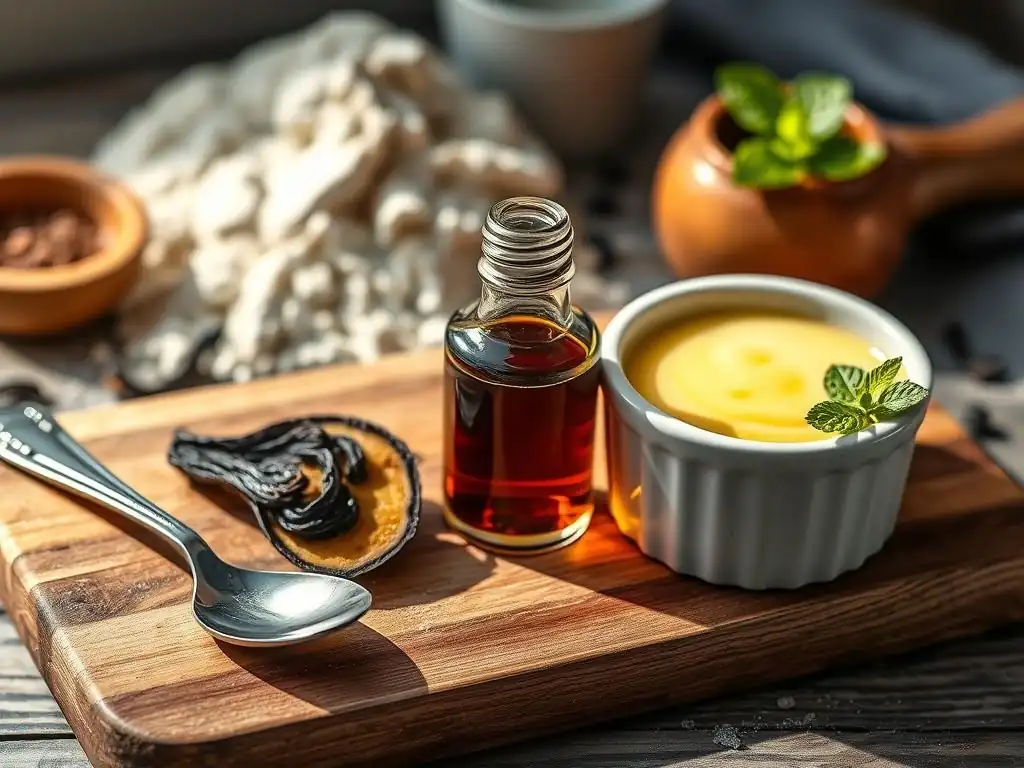
A vanilla bean is the fruit of the vanilla orchid, Vanilla planifolia, a vine native to Mexico. However, today, the majority of vanilla beans come from Madagascar (often called Bourbon vanilla), Tahiti, and Indonesia, each region producing beans with slightly different flavor profiles. Madagascar beans are typically sweet and creamy, Tahitian beans are more floral and fruity, and Indonesian beans can be smoky. The bean itself is a long, dark, wrinkled pod, containing thousands of tiny, black seeds suspended in a sticky, flavorful oil.
The cultivation and processing of vanilla beans are incredibly labor-intensive, contributing to their higher cost compared to other forms. Vanilla orchids are hand-pollinated, and the beans must be hand-harvested and then cured through a lengthy process involving sweating and drying, which can take several months. This meticulous process develops the complex flavor compounds that make vanilla beans so prized. A high-quality vanilla bean should be plump, moist, and pliable, not dry and brittle, indicating it has been properly cured and stored.
The Superior Flavor Profile of Vanilla Beans
Many bakers argue that vanilla beans offer the purest and most intense vanilla flavor available. This is because they contain the full spectrum of flavor compounds naturally present in the vanilla pod, not just vanillin (the primary flavor compound) which is often isolated or synthesized for extracts. Using a vanilla bean introduces a rich, nuanced flavor with subtle undertones that can include caramel, smoke, fruit, or flowers, depending on the bean's origin. This complexity adds a depth to baked goods that is difficult to replicate with extract alone.
Beyond the flavor, vanilla beans also provide visual appeal. The tiny black seeds, often referred to as "vanilla caviar," are dispersed throughout the batter or custard, creating beautiful, visible speckles that signal the use of authentic, high-quality vanilla. This visual cue is particularly desirable in recipes like crème brûlée, panna cotta, or vanilla ice cream, where the appearance of the vanilla seeds is part of the appeal. While the cost is higher, the intense flavor and aesthetic contribution make vanilla beans a top choice for recipes where vanilla is a prominent flavor.
How to Use Vanilla Beans in Baking: A Step-by-Step Guide
Using a vanilla bean might seem intimidating at first, but it's a straightforward process that yields incredible flavor. The most common method involves extracting the seeds and pulp from the pod. You'll need a sharp knife and a cutting board. Place the bean on the board and use the tip of the knife to split it lengthwise, from one end to the other, being careful not to cut all the way through the back of the pod. You want to open it up like a book.
Once split, open the pod flat. Use the back of your knife or a spoon to scrape down the length of each half, collecting the paste-like seeds and pulp. This collected material is the "vanilla caviar" and is packed with flavor.
The scraped pod is also incredibly flavorful and shouldn't be discarded; it can be used to infuse liquids or make vanilla sugar. A single high-quality vanilla bean typically yields about 1 to 2 teaspoons of vanilla paste, roughly equivalent in flavor intensity to about 1 to 2 teaspoons of good quality vanilla extract, though this can vary based on the bean's size and quality.
Scraping Vanilla Bean Seeds: The Proper Technique
To properly scrape a vanilla bean, ensure you are using a sharp paring knife or a dedicated vanilla bean splitter. After splitting the bean lengthwise, lay it flat on a clean cutting surface. Hold one end of the bean firmly with one hand. With the other hand, use the dull side of the knife blade or a small spoon to gently scrape down the length of the pod, from top to bottom. Apply light pressure to scoop out the paste and seeds.
Repeat this scraping process on the other half of the bean. You should collect a dark, sticky paste filled with tiny black specks. This collected paste is what you will add directly to your batters, custards, or sauces. Ensure you scrape thoroughly to get as much of the flavorful material as possible, as the concentration of vanillin and other compounds is highest here.
Infusing Vanilla Flavor: Vanilla Bean Pods in Liquids
Don't throw away the scraped vanilla pod! The pod itself still contains significant flavor compounds and can be used to infuse liquids, adding a subtle vanilla note. This is particularly effective in recipes that involve simmering milk or cream, such as custards, ice cream bases, or sauces. Simply add the whole scraped pod to the liquid while it heats.
Allow the pod to simmer gently with the liquid for the time specified in your recipe (often 15-30 minutes), then remove it before proceeding. The heat helps extract the remaining flavors from the pod into the liquid. You can rinse and dry the used pod and then store it in a jar of sugar to make vanilla sugar, ensuring no part of the precious vanilla bean goes to waste.
Storing Vanilla Beans to Maintain Freshness and Flavor
Proper storage is crucial for preserving the quality and lifespan of expensive vanilla beans. Vanilla beans should be stored in an airtight container at room temperature, away from direct sunlight and heat fluctuations. Vacuum-sealed bags, glass tubes with tight-fitting stoppers, or small glass jars with tight lids work well. Avoid storing them in the refrigerator, as this can dry them out and cause them to lose flavor and become brittle.
If you purchase beans in a vacuum-sealed pouch, they can remain fresh for up to two years or even longer if kept sealed. Once opened, it's best to transfer them to a proper storage container. Check on your beans periodically; if they start to dry out, you can try rehydrating them slightly by placing them on a damp paper towel in a sealed container for a few hours, though this won't fully restore lost quality. Properly stored, opened vanilla beans can last for 6 months to a year or more.
Vanilla Extract Explained: Convenience and Versatility
What is Vanilla Extract? Production and Composition
Vanilla extract is perhaps the most common form of vanilla found in home kitchens. It is made by macerating chopped vanilla beans in a solution of alcohol and water. In the United States, the Food and Drug Administration (FDA) mandates that pure vanilla extract must contain at least 35% alcohol and 13.35 ounces of vanilla beans per gallon of liquid. This extraction process pulls the flavor compounds, primarily vanillin, from the beans into the liquid medium.
The quality of vanilla extract varies widely depending on the type of beans used, the extraction process, and the length of maceration. High-quality pure vanilla extract uses premium vanilla beans and a careful process to capture a broad spectrum of flavors. The alcohol content is essential not only for extraction but also as a preservative, giving vanilla extract a very long shelf life. Understanding vanilla bean vs extract often starts with recognizing that extract is essentially a liquid concentration of vanilla flavor derived from the beans.
The Convenience Factor: Using Vanilla Extract in Recipes
The primary advantage of vanilla extract is its ease of use and convenience. It's a liquid that can be easily measured and stirred directly into batters, doughs, sauces, and liquids without any preparation. Unlike scraping a vanilla bean, which requires a few steps, using extract is as simple as pouring from a bottle. This makes it ideal for everyday baking and recipes where speed and simplicity are desired.
Most recipes are written to use vanilla extract, specifying measurements in teaspoons or tablespoons. This widespread use makes it the go-to vanilla product for most home bakers. Its liquid form integrates seamlessly into wet ingredients, ensuring even distribution of flavor throughout the finished product, whether it's a batch of muffins, a cake batter, or cookie dough. This convenience is a major factor in the vanilla bean vs extract decision for many bakers.
Different Types of Vanilla Extract: Pure vs. Imitation
When shopping for vanilla extract, you'll typically see two main types: pure vanilla extract and imitation vanilla extract. Understanding the difference is crucial for flavor quality. Pure vanilla extract is made solely from vanilla beans, alcohol, and water, adhering to regulatory standards regarding concentration. Its flavor is complex, derived from the natural compounds in the bean.
Imitation vanilla extract, on the other hand, is made from synthetic vanillin, often derived from lignin (a component of wood) or other chemical processes. While vanillin is the primary flavor compound in vanilla beans, imitation extract lacks the hundreds of other subtle aromatic compounds found in pure vanilla. This results in a simpler, often harsher, and less nuanced vanilla flavor. The price difference between pure and imitation extract is significant, reflecting the difference in ingredients and production.
Pure Vanilla Extract: Quality and Flavor Intensity
Pure vanilla extract offers a significantly better flavor compared to its imitation counterpart. Made from real vanilla beans, it captures a fuller, more complex flavor profile that includes not just the sweet vanillin but also subtle notes that add depth and richness to baked goods. The quality of pure vanilla extract can vary based on the origin of the beans (Madagascar, Tahitian, Mexican, etc.) and the manufacturing process (cold press, double fold).
Double fold vanilla extract is twice the concentration of single fold (standard) extract, meaning it uses twice the amount of vanilla beans per gallon of alcohol/water solution. This results in a much stronger flavor, and you'd typically use half the amount called for in a recipe. While pure vanilla extract is more expensive than imitation, a little goes a long way, and the superior flavor it imparts is often worth the investment for discerning bakers focused on quality.
Imitation Vanilla Extract: Cost-Effectiveness vs. Flavor
Imitation vanilla extract is considerably cheaper than pure vanilla extract because it is synthesized in a lab rather than extracted from labor-intensive vanilla beans. Its primary flavor component is vanillin, often produced as a byproduct of the paper industry or from petrochemicals. This makes it a very cost-effective option for adding a basic vanilla flavor to recipes.
However, the flavor of imitation vanilla is generally one-dimensional and lacks the complexity and depth of pure vanilla. In baked goods that undergo high heat, such as cookies or cakes baked at high temperatures, the subtle nuances of pure vanilla can sometimes be lost anyway, making imitation extract a reasonable choice for budget-conscious bakers in certain applications. But for recipes where vanilla flavor is prominent and not masked by other strong flavors, the difference between pure and imitation is often quite noticeable.
Vanilla Extract Shelf Life and Storage Tips
One of the major benefits of vanilla extract is its exceptionally long shelf life. Thanks to its high alcohol content (typically 35% or more), pure vanilla extract is self-preserving and does not expire in the traditional sense. While it won't "go bad" in a way that makes it unsafe, its quality can degrade over time as some of the volatile flavor compounds evaporate.
To maintain optimal flavor, vanilla extract should be stored in a cool, dark place, such as a pantry or cupboard, away from direct sunlight and heat. Ensure the cap is tightly sealed after each use to prevent evaporation. Stored correctly, a bottle of pure vanilla extract can maintain its quality for several years, often improving slightly over the first year as the flavors meld. Imitation vanilla extract also has a very long shelf life under similar storage conditions.
Vanilla Bean vs. Extract: A Detailed Comparison for Baking
Flavor Profile Showdown: Vanilla Bean vs. Extract
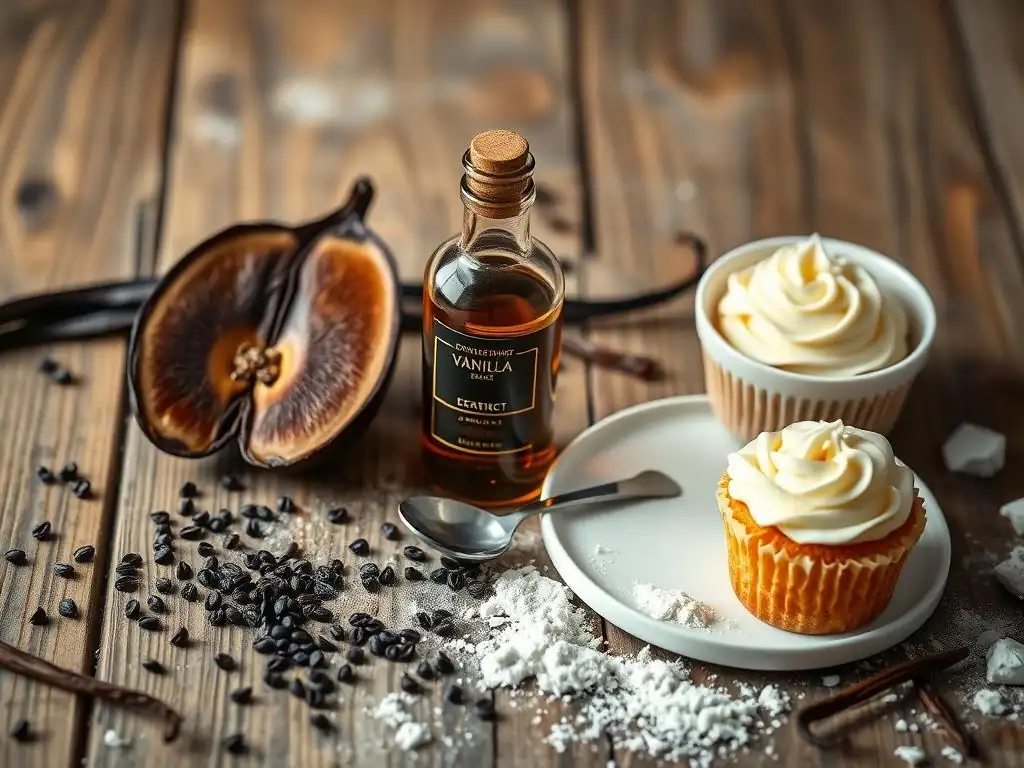
When comparing vanilla bean vs extract purely on flavor, the vanilla bean generally wins for complexity and depth. A high-quality vanilla bean contains the full spectrum of aromatic compounds, offering a richer, more nuanced flavor with subtle undertones specific to its origin (Madagascar, Tahitian, etc.). The flavor is often described as more 'rounded' and intense.
Pure vanilla extract, while capturing many of the bean's flavors, is a processed product where some volatile compounds may be lost or altered. It provides a strong, recognizable vanilla taste, primarily driven by vanillin. Think of the difference between tasting a fresh berry and a berry-flavored candy – both have the core flavor, but one is far more complex and natural. The choice between vanilla bean vs extract flavor depends on how central vanilla is to your recipe and your desired outcome.
Cost Analysis: Vanilla Bean vs. Extract Prices
Cost is a significant factor when deciding between vanilla bean vs extract. Vanilla beans are considerably more expensive per use than vanilla extract. A single high-quality vanilla bean might cost anywhere from $5 to $15 or more, depending on its origin, grade, and market fluctuations. While one bean can yield 1-2 teaspoons of paste, plus a reusable pod, the upfront cost per recipe is high.
In contrast, a typical 4-ounce bottle of pure vanilla extract, which contains about 24 teaspoons, might cost between $10 and $25, depending on the brand and quality. This works out to roughly $0.40 to $1.00 per teaspoon. Therefore, using 1-2 teaspoons of extract in a recipe is significantly cheaper than using one whole vanilla bean. Imitation extract is even cheaper, often costing just a few dollars for a bottle. For budget-conscious bakers, especially those making large batches, the cost difference between vanilla bean vs extract is substantial.
Availability and Accessibility: Finding Vanilla Bean and Extract
Vanilla extract is widely available and easy to find. You can purchase pure or imitation vanilla extract at virtually any grocery store, supermarket, or online retailer. It's a standard pantry item, making it highly accessible for bakers everywhere. This ease of access is a major point in favor of using extract for everyday baking.
Vanilla beans, while becoming more available, can still be harder to source consistently. They are typically found in the spice aisle of larger grocery stores, specialty food shops, or online from spice vendors. The selection might be limited, and the quality can vary. Finding specific origins (like Tahitian or Mexican) might require searching online or visiting specialty stores. This difference in availability impacts the choice between vanilla bean vs extract for many home bakers.
Ease of Use: Which is Easier for Beginner Bakers?
For beginner bakers, vanilla extract is undoubtedly easier to use. It requires no preparation other than measuring. Recipes are commonly written with extract measurements, making it simple to follow along. The liquid form integrates easily into most mixtures.
Using a vanilla bean involves the extra step of splitting and scraping the pod, which can be a bit fiddly initially. While not difficult, it adds a layer of effort that extract avoids. For someone just starting out and focusing on mastering basic techniques, the simplicity of using extract makes the choice between vanilla bean vs extract lean heavily towards the extract. As skills grow, exploring vanilla beans becomes a rewarding next step.
When to Use Vanilla Bean vs. Extract: Recipe Recommendations
Recipes Where Vanilla Bean Shines
Vanilla beans are best used in recipes where vanilla is the primary or a very prominent flavor, and where the subtle nuances and visual appeal of the seeds can be appreciated. Think about dishes where the vanilla flavor is not masked by strong spices, chocolate, or intense fruit flavors.
- Custards and Puddings: Crème brûlée, panna cotta, pastry cream, and rice pudding benefit immensely from the complex flavor and visual speckles of vanilla bean seeds.
- Ice Cream: Vanilla bean ice cream is a classic for a reason. The slow churning process allows the full flavor of the bean to develop, and the seeds are beautifully distributed.
- Simple Syrups: Making a vanilla simple syrup with a whole bean adds depth to cocktails or baked goods.
- Infused Liquids: Heating milk or cream with a split vanilla bean for sauces or bases ensures deep flavor infusion.
Recipes Perfect for Vanilla Extract
Vanilla extract is incredibly versatile and suitable for most baking applications, especially those where vanilla plays a supporting role or where high heat might diminish some of the bean's subtleties. It's the go-to for convenience and consistent results.
- Cookies and Brownies: Most cookie and brownie recipes call for extract, and it works perfectly to add a pleasant vanilla note that complements chocolate, nuts, and other flavors.
- Cakes and Cupcakes: Vanilla extract integrates easily into cake batters, providing consistent flavor throughout. It's ideal for layered cakes, sheet cakes, and cupcakes.
- Muffins and Quick Breads: For quick mixing and reliable flavor distribution, extract is the easy choice for muffins, scones, and quick breads.
- Frostings and Glazes: Vanilla extract is essential in many buttercreams, glazes, and icings, adding sweetness and depth without affecting texture significantly.
Adjusting Recipes: Substituting Vanilla Bean for Extract (and Vice Versa)
It is possible to substitute vanilla bean for extract and vice versa, though the flavor intensity and resulting texture/appearance might differ slightly. A general rule of thumb for substituting is:
- 1 whole vanilla bean ≈ 1 to 2 teaspoons of pure vanilla extract. Start with 1 teaspoon of extract per bean called for and adjust to taste if needed in future batches. The amount can vary depending on the quality of the bean and the extract.
- 1 teaspoon of pure vanilla extract ≈ 1/2 to 1 whole vanilla bean (scraped). Again, start with half a bean per teaspoon of extract and evaluate the flavor. For recipes where the appearance of seeds is desired, use a whole bean.
When substituting vanilla bean for extract, remember you are adding a small amount of physical paste and seeds, which might slightly affect the liquid balance in very sensitive recipes, though usually negligibly. When substituting extract for a bean, you lose the visual speckles and the nuanced flavor profile of the whole bean. Always consider the recipe's prominence of vanilla flavor and desired outcome when making substitutions between vanilla bean vs extract.
Beyond Vanilla Bean and Extract: Other Vanilla Forms
Vanilla Paste: A Versatile Middle Ground
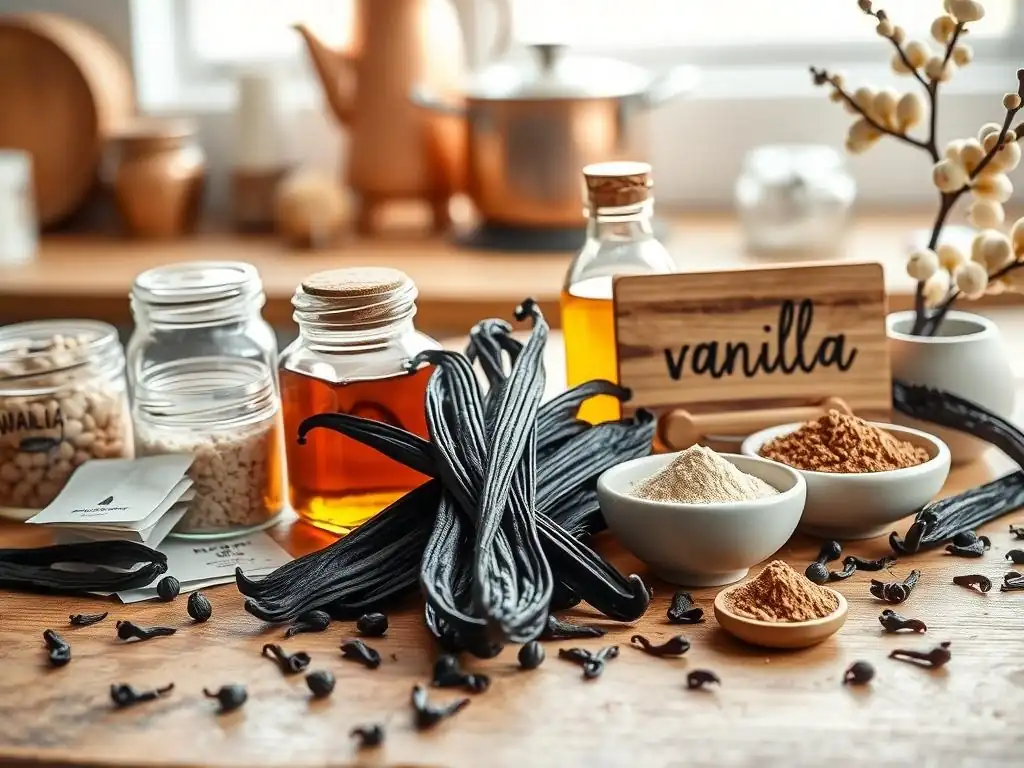
Vanilla bean paste is a thick, syrupy mixture containing concentrated vanilla extract and suspended vanilla bean seeds. It offers a fantastic compromise between the convenience of extract and the intense flavor and visual appeal of vanilla beans. It's typically made by grinding vanilla beans into a paste and combining them with a thickener (like tragacanth gum) and sometimes sugar or corn syrup, along with vanilla extract.
Using vanilla paste gives you the ease of measuring from a jar like extract, but with the added bonus of visible vanilla seeds and a flavor profile closer to that of using a whole bean. It's particularly excellent in custards, ice creams, and sauces where you want the speckles without the step of scraping a bean. A common substitution is 1 teaspoon of vanilla extract ≈ 1 teaspoon of vanilla bean paste, though the flavor intensity of paste can be stronger.
Vanilla Powder: Concentrated Flavor for Dry Ingredients
Vanilla powder is made from dried vanilla beans that have been finely ground. Because it contains no alcohol or liquid, it's ideal for applications where you don't want to add moisture, such as dry mixes, spice rubs, or as a finishing sprinkle on baked goods or drinks. Its flavor is highly concentrated and can withstand high heat better than extract, making it suitable for baking at high temperatures.
Vanilla powder retains the full flavor profile of the bean since nothing is removed during processing (unlike extraction where compounds are pulled into a liquid). However, it doesn't dissolve as readily as extract or paste and can sometimes leave tiny, dark specks that are less distinct than bean seeds. Use it sparingly due to its intensity; a common substitution is 1/2 teaspoon vanilla powder ≈ 1 teaspoon vanilla extract, but check product recommendations as concentrations vary.
Vanilla Sugar: A Sweet Vanilla Infusion
Vanilla sugar is simply granulated sugar that has been infused with the aroma and flavor of vanilla. It can be made at home by burying used (or fresh) vanilla pods in a jar of sugar and letting it sit for a week or two. The sugar gradually absorbs the volatile oils from the pod, becoming fragrant and subtly flavored with vanilla.
Vanilla sugar is not a direct substitute for vanilla bean or extract in terms of potency for flavoring an entire recipe. Instead, it's used as a finishing sugar, in place of plain sugar in recipes where a gentle vanilla note is desired (like shortbread or whipped cream), or sprinkled over fruit or baked goods. It's a delightful way to use leftover vanilla pods and add a touch of vanilla elegance to simple preparations.
Choosing the Right Vanilla for Your Baking Needs: A Summary
Key Takeaways: Vanilla Bean vs. Extract for Beginners
For beginner bakers navigating the world of vanilla bean vs extract, here are the essential points:
- Vanilla Extract:
- ✅ Pros: Widely available, easy to measure and use, cost-effective per recipe, long shelf life.
- ❌ Cons: Flavor is less complex than bean, no visual seeds (in pure extract), imitation versions offer poor flavor.
- 👍 Best For: Everyday baking, cookies, cakes, muffins, frostings, recipes where vanilla is not the main flavor, or high-heat baking.
- Vanilla Bean:
- ✅ Pros: Most complex and intense flavor, provides beautiful visual seeds, adds depth and nuance.
- ❌ Cons: Expensive per use, requires scraping, less readily available, shorter useful life once cut/scraped.
- 👍 Best For: Recipes where vanilla is the star (custards, ice cream, panna cotta), when visual seeds are desired.
- Substitutions: A common starting point is
1 bean ≈ 1-2 tsp extract. Adjust based on quality and taste preference.
Choosing between vanilla bean vs extract often comes down to balancing desired flavor intensity and complexity against cost, convenience, and the specific requirements of your recipe.
Elevate Your Baking with the Perfect Vanilla Choice
Understanding the differences between vanilla bean vs extract and other vanilla forms empowers you to make deliberate choices that will enhance your baking. While extract is a reliable workhorse for most recipes, experimenting with vanilla beans in special dishes can truly elevate the flavor and presentation. Don't be afraid to try vanilla paste for a good balance of convenience and quality, or vanilla powder for specific applications.
Ultimately, the "best" vanilla form depends on your goals for a particular recipe. For everyday baking, vanilla extract is perfectly suitable. For those showstopper desserts where vanilla is meant to shine, investing in a quality vanilla bean is often worth it. By considering the unique characteristics of vanilla bean vs extract and other options, you can confidently select the perfect vanilla to make your baked goods truly exceptional. Happy baking!
Frequently Asked Questions
What exactly is the difference between vanilla bean and vanilla extract?
Vanilla bean comes directly from the vanilla orchid, while vanilla extract is a solution of vanilla flavor compounds in alcohol. The extract is more processed.
Which is better: using vanilla bean or vanilla extract in my baking?
It depends on the recipe and your preference. Vanilla bean provides a more intense and complex flavor, while extract offers convenience and cost-effectiveness.
How do I use a vanilla bean in a recipe?
You'll need to split the bean lengthwise and scrape out the tiny seeds inside. These seeds are added to your recipe. The pod can also be steeped in liquids.
Can I substitute vanilla extract for vanilla bean, and if so, what's the ratio?
Yes, you can. A good rule of thumb is to use 1 teaspoon of vanilla extract for every inch of vanilla bean.
Is there a significant price difference between vanilla bean and vanilla extract?
Yes, vanilla beans are significantly more expensive than vanilla extract due to their labor-intensive cultivation and processing.
Final Reflection: The Sweet Science of Vanilla Choice
The seemingly simple question of vanilla bean versus extract unlocks a world of flavor nuance crucial for any baker, regardless of skill level. Understanding the subtle differences between these two forms of vanilla is not merely a matter of preference; it directly impacts the final taste and quality of your baked goods, elevating them from good to exceptional. This knowledge, readily accessible, empowers every baker to achieve a higher level of culinary artistry.
The enduring appeal of vanilla transcends mere flavor; it's a symbol of comfort, tradition, and the simple pleasures of baking. Its versatility allows it to shine in everything from delicate pastries to robust cakes, and the choice between bean and extract significantly alters the final product's character. As I explored the nuances of each, I was reminded of the words of Julia Child: Find something you're passionate about and keep tremendously interested in it.
This passion for baking, for understanding the ingredients, is what truly elevates the craft.
Now, armed with this knowledge, I invite you to explore the world of vanilla with renewed curiosity. Don't just bake; experience the difference. Experiment with both vanilla bean and extract in your favorite recipes, noting the subtle shifts in flavor and aroma. Embrace the journey of discovery, for the pursuit of culinary excellence is a lifelong adventure, and the humble vanilla bean, in all its forms, is a wonderful guide along the way.
Unlock Your Vanilla Potential: Elevate Your Baking Today!
Thanks for diving into the world of vanilla with us! You now have the knowledge to choose the perfect vanilla for your next baking masterpiece. Ready to put your newfound expertise to the test?
- Bake something amazing: Try substituting vanilla bean paste in your favorite cookie recipe – the difference is incredible!
- Share your vanilla creations: Show us your baking triumphs using #BakeWithEaseVanilla on social media! Let's inspire each other.
- Explore our other guides: Discover more baking secrets on BakeWithEase.com – we’ve got a whole library of delicious knowledge!
What incredible vanilla-infused treat will you bake first?