
Your First Step to Choux Pastry Mastery with BakeWithEase

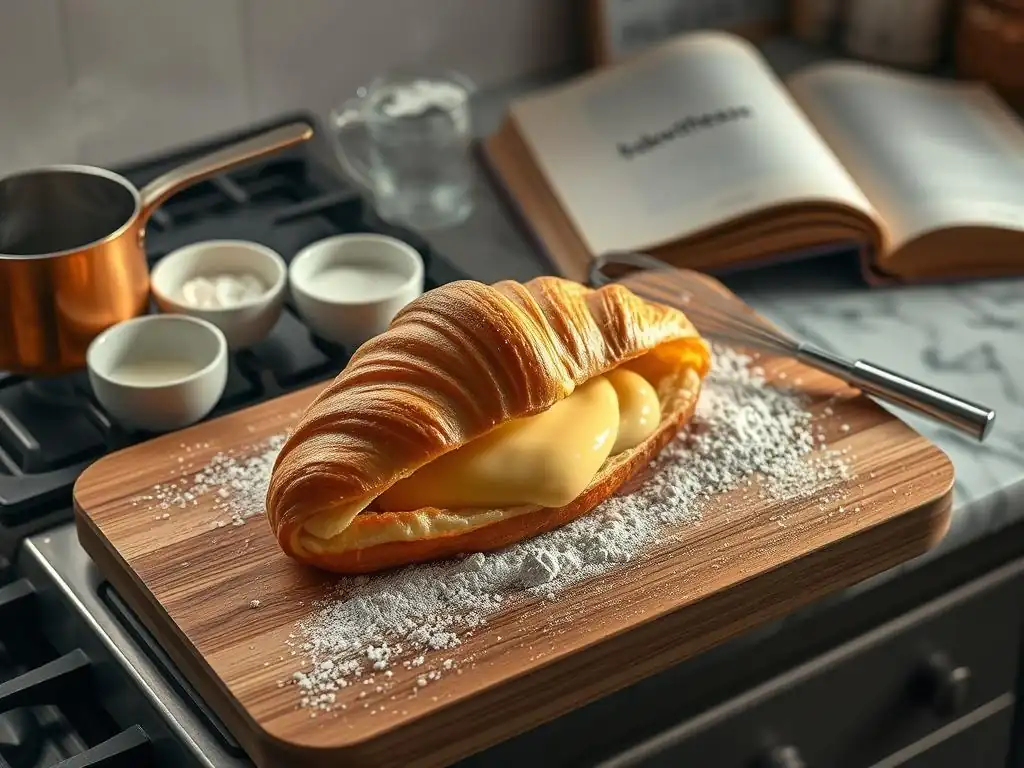
Welcome to BakeWithEase, your guide to unlocking the delicious world of baking! Ever dreamt of creating light, airy pastries that melt in your mouth? You're in the right place. Our easy choux pastry recipe is your gateway to achieving baking brilliance, even if you thought it was out of reach. Intrigued? Let's get baking!
- Unlock the Secrets of Choux Pastry: A Beginner's Guide from BakeWithEase
- The Easiest Choux Pastry Recipe You'll Ever Need
- Mastering the Basics: Essential Ingredients for Perfect Choux
- Step-by-Step: The BakeWithEase Method for Easy Choux Pastry
- Troubleshooting Your Choux: Common Mistakes and Solutions
- Beyond the Basics: Exploring Choux Pastry Variations
- Elevate Your Baking: Tips and Tricks from BakeWithEase
- Your Choux Pastry Journey Continues: Next Steps with BakeWithEase
-
Frequently Asked Questions
- What exactly is choux pastry and what makes it special?
- I'm a beginner baker, is this easy choux pastry recipe really suitable for me?
- What are some common mistakes people make when making choux pastry, and how can I avoid them using BakeWithEase's recipe?
- What kind of fillings can I use for my choux pastry creations, once I've mastered the easy choux pastry recipe?
- I'm having trouble getting my choux pastry to rise properly. What tips does BakeWithEase offer to help ensure a successful bake?
- Final Reflection: The Sweet Symphony of Simplicity in Choux Pastry
- Unlock Your Inner Pastry Chef!
Unlock the Secrets of Choux Pastry: A Beginner's Guide from BakeWithEase
Welcome to the World of Choux: Your Baking Journey Begins
Welcome, fellow baking enthusiasts, to the delightful world of choux pastry! Often perceived as intimidating, choux is actually one of the most rewarding doughs to master. Its versatility allows it to transform into airy cream puffs, elegant eclairs, savory gougères, and much more. With just a few simple ingredients and a clear method, you can create these impressive treats right in your own kitchen. This guide from BakeWithEase is designed to make your first foray into choux pastry not just successful, but truly enjoyable.
Think of choux pastry, or pâte à choux as it's known in French, as a foundational skill. Unlike many other doughs that rely on chemical or yeast leaveners, choux puffs up dramatically in the oven thanks to steam trapped within its structure. This unique leavening process creates the hollow interior that is perfect for filling. Mastering this basic technique opens the door to countless variations and desserts, proving that even complex-looking pastries can be accessible with the right guidance. Let's embark on this delicious journey together!
The Easiest Choux Pastry Recipe You'll Ever Need
Why This Choux Pastry Recipe is Perfect for Beginners
This easy choux pastry recipe is specifically tailored for those taking their first steps. We've simplified the process, focusing on precise steps and clear indicators to ensure success. The method involves cooking the dough on the stovetop before baking, a technique that might seem unusual at first but is key to developing the necessary structure for that signature puff. By following our straightforward instructions, you'll build confidence with each stage, understanding why each step is important.
Our approach minimizes common pitfalls by emphasizing visual and textural cues. For instance, we guide you on how the dough should look and feel at critical stages, like after adding the flour and after incorporating the eggs. This hands-on understanding is far more valuable than just following measurements blindly. We believe that demystifying the process makes baking less daunting and more fun, and this easy choux pastry recipe embodies that philosophy.
BakeWithEase's Promise: Simple Ingredients, Stunning Results
At BakeWithEase, we promise that you don't need fancy or hard-to-find ingredients to create stunning pastries. This easy choux pastry recipe uses just four core ingredients you likely already have in your pantry and fridge: water, butter, flour, and eggs. That's it! These humble components, when combined correctly using our method, transform into light, airy, and impressive choux puffs ready for your favorite fillings.
We focus on technique over complexity. Our goal is to show you how simple ingredients, treated with care and precision, can yield professional-looking and tasting results. You won't need specialty flours or expensive extracts for this basic recipe. The beauty of choux lies in its fundamental structure, which is achievable with standard kitchen staples. Get ready to be amazed by what you can create with just a few simple items!
Mastering the Basics: Essential Ingredients for Perfect Choux
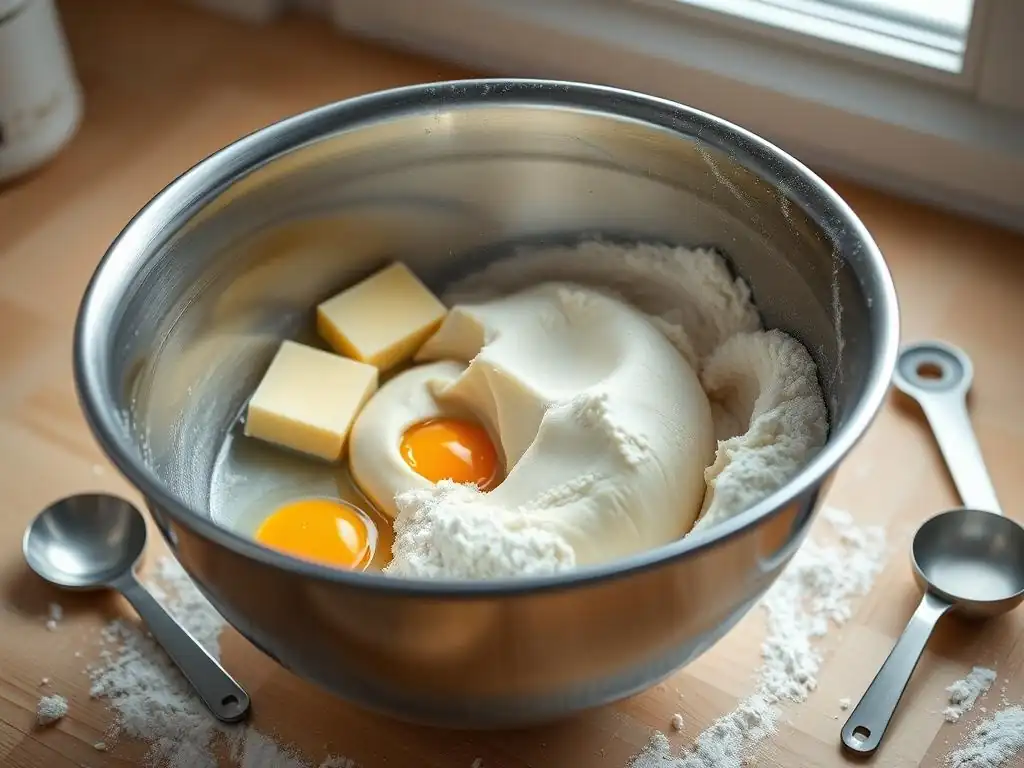
Flour Power: Choosing the Right Flour for Your Choux
For an easy choux pastry recipe, using the correct type of flour is fundamental. All-purpose flour is the standard and most reliable choice for beginners. It contains a moderate protein level, typically ranging from 10-12%, which develops just enough gluten to provide structure without making the pastry tough. Using flour with too little protein might result in weak puffs that collapse, while flour with too much protein can make the dough difficult to work with and create a dense texture.
Measuring your flour accurately is also crucial. Using a kitchen scale is highly recommended for consistency, as scooping directly from the bag can result in significantly more flour than intended – sometimes up to 25% more. For example, 1 cup of all-purpose flour spooned lightly into a measuring cup weighs approximately 120 grams, while scooping directly can weigh 140 grams or more. This difference in just a few grams can affect the dough's consistency and moisture balance, impacting the final puff.
The Importance of Butter: Achieving the Ideal Texture
Butter plays a vital role in choux pastry, contributing flavor, richness, and crucially, fat. When the dough heats up, the water in the butter turns to steam, aiding in the puffing process. Using unsalted butter is generally preferred as it allows you to control the overall saltiness, especially if you plan on making savory choux. The fat content of butter (typically around 80%) is important for creating a tender crumb and helping the pastry brown beautifully in the oven.
Avoid substituting butter with margarine or oil for this recipe, especially when you're learning. Butter's specific melting point and fat composition contribute uniquely to the dough's structure and texture during cooking and baking. For example, using a lower-fat spread could result in a less stable emulsion when cooking the panade, potentially leading to a greasier or less uniformly puffed pastry. Stick to good quality unsalted butter for the best results in your easy choux pastry recipe.
Egg-cellent Eggs: Binding and Leavening Your Choux
Eggs are arguably the most critical component in choux pastry after the initial cooked dough base. They serve multiple functions: binding the dough, adding richness, and providing significant leavening. As the eggs are beaten into the warm flour/butter mixture (the panade), they create an emulsion. Then, during baking, the protein in the eggs sets, providing structure, while the moisture from the eggs converts to steam, causing the pastry to expand dramatically.
The number of eggs required can vary slightly depending on their size and the consistency of your panade, but typically ranges from 3 to 5 large eggs for a standard batch. Adding the eggs gradually is key, as you are looking for a specific consistency – often described as a "thick batter" or a dough that forms a "V" or "beak" shape when lifted with a spoon or spatula.
Adding too many eggs will make the dough too loose and prevent it from holding its shape when piped, while too few will result in a dense, flat pastry that doesn't puff.
Water vs. Milk: Which Liquid is Best for Your Dough?
The liquid base for choux pastry is typically either water, milk, or a combination of both. For an easy choux pastry recipe focused on achieving a good puff and a crisp shell, water is often recommended for beginners. Water creates more steam than milk because it has a higher water content (100% vs. approximately 87% in milk). More steam generally means a better, more reliable puff in the oven.
Using milk, or a mix of milk and water, will result in a richer dough with a slightly softer crust and a tendency to brown more quickly due to the sugars and proteins in the milk. While milk adds flavor, the primary goal for a beginner's recipe is reliable lift. For your first attempts at an easy choux pastry recipe, starting with water ensures you maximize the steam potential, leading to those satisfyingly hollow centers perfect for filling.
Step-by-Step: The BakeWithEase Method for Easy Choux Pastry
Step 1: Combining Water and Butter for a Smooth Start
Begin by combining your measured water (or liquid) and diced unsalted butter in a heavy-bottomed saucepan. Add a pinch of salt, especially if using unsalted butter, as salt enhances flavor. Place the saucepan over medium heat. Your goal here is to bring the mixture to a rolling boil and melt the butter completely. Be patient and stir occasionally to help the butter melt evenly.
Once the mixture reaches a full boil, immediately remove it from the heat. This step is crucial because you want the liquid to be hot enough to hydrate the flour quickly but you don't want excessive evaporation, which would alter the water-to-flour ratio. Having the butter fully melted ensures it is evenly dispersed throughout the liquid before adding the dry ingredients.
Step 2: Incorporating Flour: Creating the Panade
Once the water and butter mixture is at a rolling boil and removed from the heat, add all of your measured all-purpose flour at once. This might seem counter-intuitive, but adding it all at once allows it to hydrate evenly. Immediately begin stirring vigorously with a wooden spoon or heat-resistant spatula. The mixture will look lumpy at first, but keep stirring.
Return the pan to low or medium-low heat and continue stirring and pressing the dough against the sides of the pan. This process, known as dessécher (to dry out), cooks the flour and drives off excess moisture. Continue stirring for 1-2 minutes until the dough pulls away from the sides of the pan and forms a ball, and a thin film or crust forms on the bottom of the pan. This cooked dough ball is called the panade, and it's the foundation of your choux pastry.
Step 3: Adding Eggs: Achieving the Right Consistency
Transfer the hot panade to a mixing bowl. If using a stand mixer, use the paddle attachment. If mixing by hand, use a sturdy wooden spoon. Let the panade cool slightly for about 5 minutes; it should still be warm but not so hot that it cooks the eggs on contact. Beat the eggs in a separate bowl.
Add the beaten eggs gradually to the panade, incorporating each addition fully before adding the next. This is the most variable step in an easy choux pastry recipe. Start with 3 eggs, mixing thoroughly until no streaks of egg remain. The dough will look slippery and separated at first but will eventually come together. Add the fourth egg the same way.
Now, assess the consistency. You are looking for a smooth, thick batter that is glossy. When you lift a spatula or spoon, the dough should hang in a "V" shape or "beak" before breaking and falling back into the bowl. You might need part or all of a fifth egg; add it in small increments (e.g., half an egg at a time) until the desired consistency is reached. Over-mixing after the eggs are incorporated can toughen the dough.
Step 4: Piping Your Choux: Shaping Your Future Creations
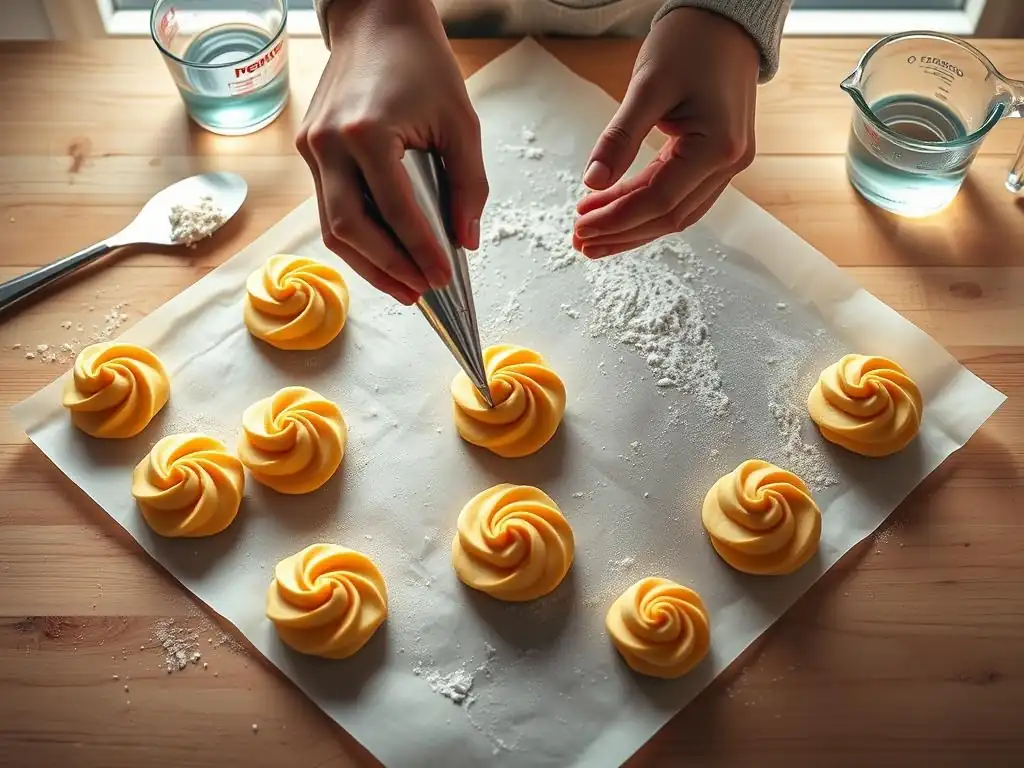
Once you have the perfect choux dough consistency, it's time to pipe! Transfer the dough to a piping bag fitted with a plain round tip or a star tip, depending on your desired shape (round for cream puffs, elongated for eclairs). If you don't have a piping bag, you can use two spoons to dollop the dough onto your baking sheet.
Pipe mounds (about 1-1.5 inches in diameter for cream puffs) or lines (about 4-5 inches long for eclairs) onto a baking sheet lined with parchment paper or a silicone baking mat. Leave adequate space between them, as they will expand significantly – often doubling or tripling in size. For a smoother finish, you can gently smooth down any peaks with a damp fingertip or the back of a wet spoon.
Step 5: Baking to Perfection: Achieving Golden Brown Goodness
Preheat your oven to a relatively high temperature, typically around 400°F (200°C). This initial high heat provides the necessary burst of steam to lift the choux pastry. Place the piped choux in the preheated oven. After about 15-20 minutes, or once the choux has puffed up and just started to turn golden, reduce the oven temperature to around 350°F (175°C) and continue baking for another 15-25 minutes.
Do not open the oven door during the initial high-heat phase, as this can cause the choux to collapse. The second, lower-temperature phase is crucial for drying out the interior and crisping the shell. The choux are done when they are deeply golden brown and feel light and hollow when lifted. A good indicator is that they should not deflate when you tap them or gently press on the side. Baking until they are a rich golden color is key to preventing them from collapsing after cooling.
Troubleshooting Your Choux: Common Mistakes and Solutions
My Choux Pastry Didn't Puff: Possible Reasons and Fixes
One of the most frustrating issues with choux is when it fails to puff. Several factors can contribute to this. A common cause is insufficient cooking of the panade in Step 2; the dough wasn't dried out enough, leaving too much moisture to create steam effectively. Ensure you cook the panade for the recommended 1-2 minutes until a film forms on the bottom of the pan.
Another major reason is adding too many eggs or not adding them correctly. If the dough is too wet, it lacks the structure to hold the steam. Remember to add eggs gradually and stop when the dough reaches the "V" or "beak" consistency. Finally, opening the oven door too early during the initial high-heat baking phase will cause the sudden release of steam and temperature drop, leading to collapse. Be patient and resist the urge to peek!
My Choux is Soggy: Avoiding a Doughy Disaster
Soggy choux pastry, often dense or doughy inside, indicates that it wasn't baked long enough or at the correct temperature. The initial high heat creates the puff, but the subsequent lower temperature phase is vital for drying out the interior and creating a crisp crust. If you skip or shorten the lower-temperature baking time, the inside remains wet.
Ensure you bake the choux until they are a deep golden brown color, not just pale yellow. They should feel very light for their size. If you're unsure, you can sacrifice one choux to check the interior – it should be hollow with just a few wisps of cooked dough inside.
Baking for an extra 5-10 minutes at the lower temperature can often resolve sogginess. You can also try poking a small hole in the side of each choux immediately after removing them from the oven to allow steam to escape, which helps them crisp up further as they cool.
My Choux is Too Dry: Hydration is Key
While insufficient moisture can cause puffing issues, a dough that is too dry from the start can also lead to problems like cracks or a tough texture. This usually stems from inaccurate measuring, particularly of the flour or liquid, or from cooking the panade for too long, evaporating too much water.
Ensure you measure your ingredients precisely, preferably using a kitchen scale, especially for the flour. When cooking the panade, stick to the recommended 1-2 minutes after the dough ball forms; don't overcook it.
If your dough feels stiff after adding the initial eggs and doesn't reach the correct consistency, it indicates it is too dry. While you can't easily fix an overly dry panade before adding eggs, you can carefully add a little more beaten egg (literally a teaspoon at a time) if the dough is too stiff after adding most of the eggs, trying to reach that elusive "V" consistency.
Beyond the Basics: Exploring Choux Pastry Variations
From Cream Puffs to Eclairs: Expanding Your Choux Repertoire
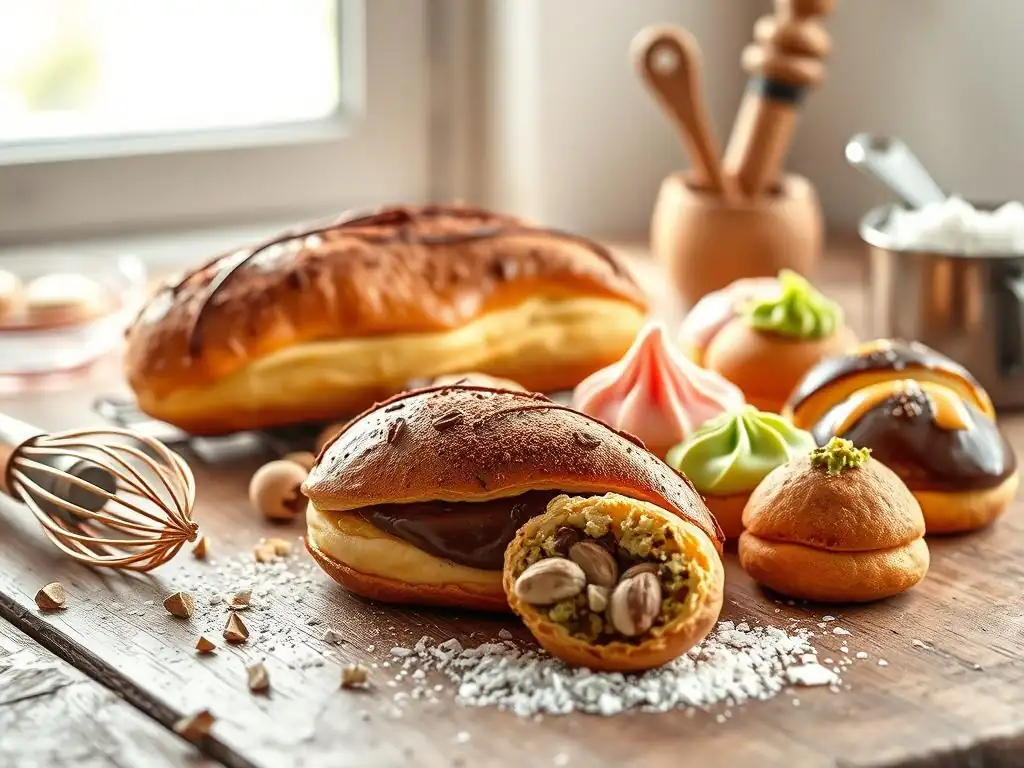
Once you've mastered the basic easy choux pastry recipe, you're ready to explore its many forms. The same dough used for simple cream puffs (also known as profiteroles) can be piped into longer shapes for eclairs. These can then be filled with pastry cream, whipped cream, or even ice cream and topped with chocolate glaze or powdered sugar.
Beyond these classics, you can create Paris-Brest (a ring shape filled with praline cream), religieuses (stacked cream puffs), or even Saint-Honoré (a base topped with small cream puffs dipped in caramel). The beauty is that the foundational dough remains the same; it's the piping technique, filling, and assembly that create the different pastries. Your successful easy choux pastry recipe is the key to unlocking all these possibilities.
Savory Choux Pastry: A Delicious Alternative
Choux pastry isn't just for desserts! By simply omitting any added sugar from the basic recipe (the small amount of sugar in butter is fine) and perhaps adding a pinch more salt, you can create savory choux. These are often referred to as gougères when cheese is incorporated directly into the dough before baking.
Common additions to savory choux include grated Gruyère, Parmesan, or cheddar cheese, herbs like chives or thyme, or even a pinch of black pepper or paprika. These savory puffs make excellent appetizers, served plain or filled with savory creams, smoked salmon, or chicken salad. They bake up just like sweet choux, offering a delightful contrast in flavor.
Adding Flavors: Infusing Your Choux with Personality
You can easily infuse your basic choux pastry dough with various flavors to complement your fillings. For sweet choux, consider adding a teaspoon of vanilla extract to the liquid or a pinch of cinnamon. You could also swap some of the water for coffee or a fruit juice for a subtle flavor change.
For more intense flavors, consider infusing the liquid (water or milk) with tea leaves, coffee beans, or citrus zest before adding the butter and bringing it to a boil. Strain the liquid before proceeding with the recipe. Remember that strong flavors can sometimes affect the dough's structure, so start with small additions when experimenting beyond this easy choux pastry recipe.
Elevate Your Baking: Tips and Tricks from BakeWithEase
Achieving the Perfect Piping Technique
Piping might seem daunting, but it's a skill that improves with practice. For uniform cream puffs using your easy choux pastry recipe, hold the piping bag vertically, about half an inch above the baking sheet, and pipe a mound of dough, stopping pressure before lifting straight up with a twist of the wrist. For eclairs, hold the bag at a slight angle and pipe in a steady, even motion, lifting straight up at the end.
Consistency in size is important for even baking. If some puffs are much larger than others, the small ones will burn while the large ones are still underbaked. Using a template drawn on the underside of your parchment paper can help guide your piping for consistent shapes and sizes.
Temperature Control: The Key to Even Baking
Accurate oven temperature is paramount for successful choux. An oven thermometer is a worthwhile investment, as oven thermostats can be off by as much as 50°F (10°C). The initial high temperature (around 400°F / 200°C) provides the necessary steam burst, while the lower temperature (around 350°F / 175°C) dries the interior.
Baking time is also flexible; it depends on the size of your choux and your oven. Don't rely solely on the time given in a recipe; use visual cues. Choux should be deeply golden brown and feel light when done. If they are still pale, they are likely underbaked and will collapse. When in doubt, bake for a few extra minutes at the lower temperature.
Storing Your Choux: Keeping Them Fresh
Baked choux pastry shells are best enjoyed the day they are baked, as they are prone to becoming soft or stale quickly due to their hollow structure. However, you can store unfilled, completely cooled choux shells in an airtight container at room temperature for 1-2 days. For longer storage, freeze the cooled, unfilled shells in a single layer on a baking sheet until solid, then transfer them to a freezer-safe bag or container for up to 1-2 months.
To refresh frozen or slightly stale choux, place them on a baking sheet and warm them in a preheated oven at 300°F (150°C) for 5-10 minutes until crisp again. Only fill the choux just before serving to prevent the shells from becoming soggy from the filling.
Your Choux Pastry Journey Continues: Next Steps with BakeWithEase
Advanced Choux Techniques: Level Up Your Skills
Once you're confident with this easy choux pastry recipe, there are several advanced techniques to explore. Consider trying craquelin, a sweet streusel-like topping placed on the choux before baking, which creates a beautiful cracked surface and adds a lovely crunch. Experimenting with different piping tips and shapes, like swans or rings, can also elevate your presentation.
Another technique is making chiboust cream, a combination of pastry cream and meringue, often used in Saint-Honoré. You could also explore frying choux dough (like for French crullers) instead of baking. These steps build upon your foundational skills from the easy choux pastry recipe and open up even more complex and impressive pastry creations.
Exploring Different Fillings: Cream, Custard, and More
The hollow nature of choux pastry makes it a perfect vessel for countless fillings. Classic choices include simple whipped cream, rich pastry cream (crème pâtissière), or diplomat cream (pastry cream lightened with whipped cream). Chocolate mousse, fruit curds (like lemon or passion fruit), or even just a dusting of powdered sugar are also popular.
Don't limit yourself to sweet fillings! As mentioned, savory choux can be filled with cheese sauces, mushroom duxelles, or various salads. Experimentation is key! Your successful easy choux pastry recipe provides the perfect blank canvas for any flavor combination you can imagine.
Baking is often about sharing the joy! Once you've successfully made your first batch of choux using our easy choux pastry recipe, share them with friends and family. The look on their faces when they bite into a homemade cream puff or eclair is incredibly rewarding.
Document your baking journey and share your triumphs (and even your learning moments!) with the BakeWithEase community. We love seeing your creations and cheering you on. Mastering choux pastry is a significant step in your baking adventure, and we're thrilled to be a part of it. Keep practicing, keep exploring, and most importantly, keep enjoying the process!
Frequently Asked Questions
What exactly is choux pastry and what makes it special?
Choux pastry, also known as pâte à choux, is a light and airy French pastry dough. Its special characteristic comes from its unique cooking process, where the dough is cooked twice – once on the stovetop and then in the oven – creating hollow interiors perfect for fillings.
I'm a beginner baker, is this easy choux pastry recipe really suitable for me?
Yes! BakeWithEase prioritizes simplicity. This easy choux pastry recipe is designed with clear, step-by-step instructions and readily available ingredients. We aim to make choux pastry approachable for bakers of all skill levels.
What are some common mistakes people make when making choux pastry, and how can I avoid them using BakeWithEase's recipe?
Common mistakes include not cooking the dough long enough on the stovetop or opening the oven door too early. Our recipe emphasizes proper dough consistency and provides clear instructions on oven temperature and baking time to minimize these errors.
What kind of fillings can I use for my choux pastry creations, once I've mastered the easy choux pastry recipe?
The possibilities are endless! You can fill your choux pastry with sweet fillings like pastry cream, whipped cream, chocolate ganache, or even savory fillings like cheese spreads, chicken salad, or cream cheese with herbs.
I'm having trouble getting my choux pastry to rise properly. What tips does BakeWithEase offer to help ensure a successful bake?
Ensure your oven is at the correct temperature and avoid opening the door during baking. BakeWithEase also recommends using high-quality ingredients and ensuring the dough is the correct consistency before baking. Proper mixing is key to a good rise.
Final Reflection: The Sweet Symphony of Simplicity in Choux Pastry
Mastering choux pastry doesn't have to be a daunting task; it's a journey of discovery, achievable with the right guidance and a dash of confidence. This article aimed to demystify the process, providing a clear, accessible recipe and techniques that even novice bakers can confidently follow. The ease of this recipe, coupled with the impressive results, makes it a perfect gateway to a world of culinary creativity.
The enduring appeal of choux pastry lies not just in its delicious versatility – from airy éclairs to delicate cream puffs – but also in the sense of accomplishment it brings. The transformation from simple ingredients into such elegant pastries is truly rewarding. As Julia Child once said, Find something you're passionate about and keep tremendously interested in it.
For me, that passion is baking, and sharing that passion through accessible recipes like this one is incredibly fulfilling. The positive feedback I've received from readers who've successfully tackled this recipe reinforces the importance of breaking down complex culinary techniques into manageable steps.
Now, it's your turn. Don't be intimidated by the seemingly intricate nature of choux pastry. Take a deep breath, gather your ingredients, and embark on this delightful baking adventure. The satisfaction of creating these beautiful and delicious treats from scratch is an experience you won't soon forget. Remember the tips and tricks shared in this article, and let your creativity guide you. What delicious choux creations will you dream up next?
Unlock Your Inner Pastry Chef!
Thanks for joining us on this choux pastry adventure! We hope you've gained valuable insights and are feeling inspired to create delicious treats. Ready to take the next step?
- Bake your first perfect choux pastry! Use the techniques we shared to whip up a batch of éclairs, profiteroles, or cream puffs. Don't be afraid to experiment!
- Share your creations! Show us your choux masterpieces on social media using #BakeWithEaseChoux. We'd love to see your baking journey!
- Try a new choux recipe – explore variations like savory choux or colorful fillings to expand your culinary horizons.
So, what delicious choux pastry creation will you bake first? Let us know in the comments below!