
Baking Without Sugar: A Beginner's Guide to Sweet Success

Welcome to BakeWithEase, your trusted companion in the delicious world of baking!
Are you ready to unlock the secrets of sweet treats without the sugar? Dive in and discover our beginner-friendly guide to sugarfree baking, where we'll show you how to create delectable desserts that are both healthy and irresistibly tempting. Curious about how to achieve that perfect sweetness and texture without traditional sugar? Let's get started and explore the exciting possibilities!
- Introduction to Sugar-Free Baking for Beginners on BakeWithEase
- Understanding Sugar Substitutes for Baking: Your Complete Guide
- Essential Ingredients for Sugar-Free Baking Beginner Recipes
- Sugar-Free Baking Techniques for Beginners: Tips and Tricks
- Sugar-Free Beginner Recipes to Get You Started
- Troubleshooting Common Sugar-Free Baking Problems
- Advanced Sugar-Free Baking Techniques: Taking Your Skills to the Next Level
- Resources for Sugar-Free Baking on BakeWithEase
- Conclusion: Embrace the Sweetness of Sugar-Free Baking
-
Frequently Asked Questions
- What are the best sugar substitutes for sugar-free baking as a beginner?
- What are some common challenges beginners face when baking without sugar?
- Can I adapt my existing sugary recipes to be sugar-free?
- Are there any specific types of recipes that are easier to make sugar-free as a beginner?
- Where can I find beginner-friendly sugar-free baking recipes?
- Final Reflection: The Sweetness of Discovery in Sugar-Free Baking
- Unlock Your Sugar-Free Baking Potential!
Introduction to Sugar-Free Baking for Beginners on BakeWithEase
Embarking on the journey of sugar-free baking can feel daunting at first, especially if you're new to the world of alternative sweeteners and ingredient substitutions. But fear not! BakeWithEase is here to guide you through every step, making the transition to baking without refined sugar not only manageable but truly enjoyable. This guide is specifically crafted for beginners, offering practical tips, essential knowledge, and simple sugarfree baking beginner recipes to build your confidence.
We'll explore why people choose to bake without sugar, the different types of sweeteners available, and how to adapt your favorite traditional recipes. Our goal is to demystify the process and show you that creating delicious, sweet treats without granulated sugar is absolutely achievable. Get ready to discover new flavors, textures, and a healthier way to indulge your sweet tooth.
Discover the Joy of Baking Delicious Treats Without Refined Sugar
Baking without refined sugar opens up a world of possibilities, allowing you to enjoy your favorite cookies, cakes, and muffins with less concern about sugar intake. It's an opportunity to get creative in the kitchen and understand ingredients on a deeper level. Many beginners find that this approach encourages them to appreciate the natural sweetness found in fruits, spices, and other whole foods, leading to more nuanced and flavorful baked goods.
This journey is about embracing a new skill set. You'll learn how different sugar substitutes behave under heat, how they affect the texture of your bakes, and how to balance flavors without relying on the overpowering sweetness of sugar. Think of it as an exciting culinary adventure where the reward is not just a tasty treat, but a healthier one that you made yourself. It's a fantastic way to expand your baking repertoire and cater to various dietary needs, whether for yourself, family, or friends.
Why Choose Sugar-Free Baking? Health Benefits and Flavorful Alternatives
The primary motivation for many bakers to explore sugar-free options is the potential health benefits. Reducing refined sugar intake can help manage blood sugar levels, support weight management goals, and contribute to overall wellness. For individuals with diabetes or those following specific dietary plans like keto or low-carb, sugar-free baking is often a necessity, but it doesn't mean sacrificing enjoyment.
Beyond health, sugar-free baking encourages the use of alternative ingredients that bring unique flavors and complexities to your bakes. Ingredients like applesauce, mashed bananas, dates, or even sweet potato puree can provide moisture and sweetness while adding nutritional value and distinct taste profiles. Experimenting with these natural alternatives and various non-nutritive sweeteners allows you to tailor the sweetness and flavor precisely to your preference, often resulting in treats that are just as satisfying, if not more so, than their sugar-laden counterparts.
Understanding Sugar Substitutes for Baking: Your Complete Guide
Navigating the world of sugar substitutes can be confusing, as there are many options available, each with unique properties. Understanding the differences between them is crucial for successful sugar-free baking beginner recipes. Substitutes can be broadly categorized into natural alternatives and artificial sweeteners, and their impact on taste, texture, and the baking process varies significantly.
Choosing the right sweetener depends on the type of baked good you're making, your desired level of sweetness, and any specific dietary considerations. Some sweeteners brown like sugar, while others don't; some add moisture, others can cause dryness. Getting familiar with the characteristics of the most common options will empower you to make informed choices and achieve the best results in your sugarfree baking beginner recipes.
Natural Sugar Alternatives: Exploring Stevia, Erythritol, and Monk Fruit
Natural sugar alternatives are derived from plants and have gained popularity for their lower calorie counts and minimal impact on blood sugar. Stevia, extracted from the leaves of the Stevia rebaudiana plant, is significantly sweeter than sugar (estimates range from 50 to 400 times sweeter), meaning you only need a tiny amount. It's heat-stable, making it suitable for baking, but some people detect a slight bitter or licorice-like aftertaste, especially when used in large quantities. It doesn't provide the bulk or browning properties of sugar, so it's often blended with other sweeteners for baking.
Erythritol is a sugar alcohol found naturally in some fruits. It has about 60-80% the sweetness of sugar and is often favored because it is generally well-tolerated digestive-wise compared to other sugar alcohols like xylitol. Erythritol doesn't raise blood sugar or cause cavities. However, it has a cooling sensation on the tongue, which can be noticeable in certain baked goods.
It also doesn't brown like sugar and can crystallize if used in very high amounts. Monk fruit sweetener, derived from the monk fruit (luo han guo), is also very sweet (150-200 times sweeter than sugar) and calorie-free. Like stevia, it's often blended with other sweeteners (like erythritol) to mitigate potential aftertastes and improve baking performance. It's heat-stable and doesn't affect blood sugar.
Artificial Sweeteners: A Balanced Approach to Sugar-Free Baking
Artificial sweeteners are synthetic compounds that provide intense sweetness with virtually no calories. Common examples include sucralose (often found in products like Splenda), aspartame, and saccharin. While they offer sweetness without sugar, their use in baking can be more challenging as they often lack the bulk, moisture-retaining, and browning properties of sugar.
For example, sucralose is stable at high temperatures, making it usable in some baked goods, but it doesn't caramelize or contribute to structure like sugar. Aspartame is less suitable for baking as it can lose sweetness when heated. Using artificial sweeteners effectively in sugarfree baking beginner recipes often requires combining them with other ingredients to replicate sugar's functional properties. Many bakers prefer natural alternatives due to concerns about potential long-term health effects or a desire for less processed options, but artificial sweeteners remain a viable choice for some depending on individual preference and dietary goals.
Choosing the Right Sweetener: Considerations for Taste, Texture, and Baking Properties
Selecting the best sugar substitute for your sugarfree baking beginner recipes involves balancing several factors. Taste is paramount; some sweeteners have distinct aftertastes or cooling effects that might not be desirable in all recipes. Experimenting with small batches or blends is often the best approach to find what you like. For example, a blend of erythritol and monk fruit is a popular choice for its sugar-like taste and reduced cooling effect compared to pure erythritol.
Texture is another critical consideration. Sugar contributes to the structure, moisture, and tenderness of baked goods. Sweeteners that don't provide bulk (like pure stevia extract) won't work as a 1:1 replacement in recipes where sugar is a significant component.
Sugar alcohols like erythritol and xylitol do provide some bulk, but they don't retain moisture in the same way, which can lead to drier or more crumbly results. Understanding these properties will help you adjust other ingredients or techniques to compensate, ensuring your sugarfree baking beginner recipes turn out successfully. For instance, adding extra moisture (like applesauce or yogurt) or using ingredients that aid binding (like psyllium husk) can help.
Essential Ingredients for Sugar-Free Baking Beginner Recipes
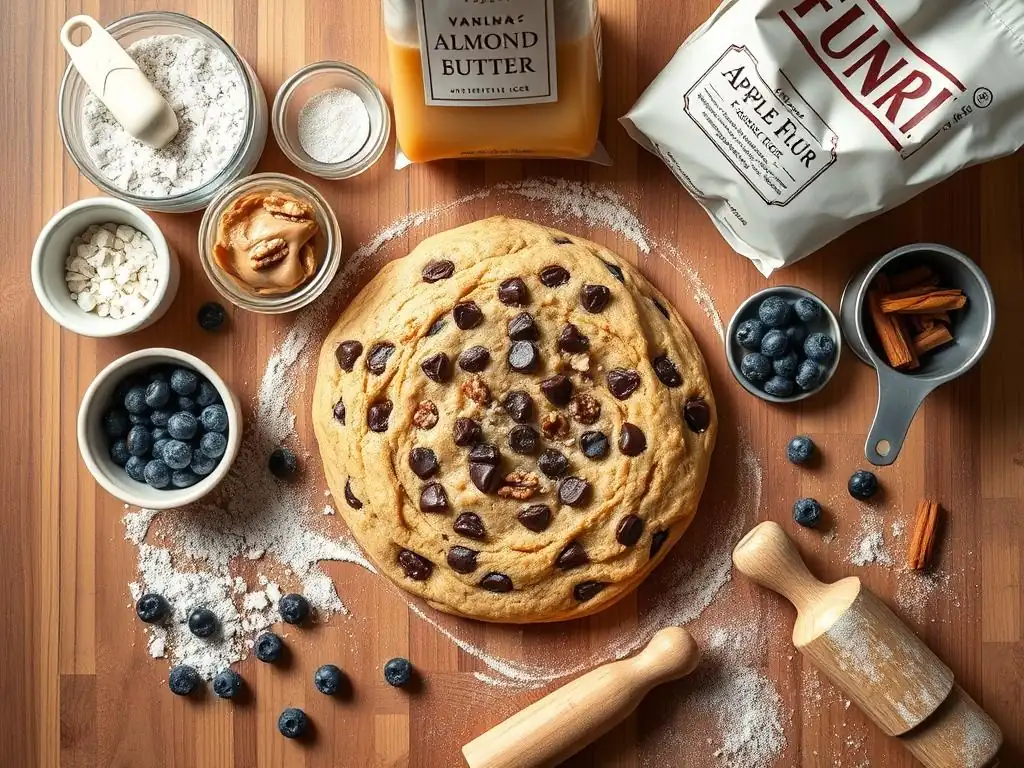
Beyond the sweeteners themselves, successful sugar-free baking often relies on using complementary ingredients that help compensate for sugar's absence. Sugar plays multiple roles in traditional baking – it's not just about sweetness. It provides structure, moisture, tenderness, aids in leavening, and contributes to browning. Therefore, when you remove sugar, you need other ingredients to step up and fulfill these functions.
Identifying the right flours, binding agents, and flavor enhancers is key to creating delicious sugarfree baking beginner recipes that don't compromise on texture or taste. This section will highlight some essential ingredients that you'll frequently encounter and utilize as you begin your sugar-free baking journey.
Flour Power: Selecting the Best Flours for Sugar-Free Baking
The type of flour you use significantly impacts the outcome of any baked good, and this is especially true in sugar-free baking. All-purpose flour works well in many adapted recipes, but you might find yourself exploring alternative flours that offer different textures or nutritional profiles. Almond flour, for example, is a popular low-carb option that adds moisture and a slightly nutty flavor but doesn't provide the same structure as wheat flour due to its lack of gluten. It's often used in cookies, muffins, and quick breads.
Coconut flour is another low-carb alternative, but it is extremely absorbent. You typically need much less coconut flour than wheat or almond flour, and it requires a significant amount of liquid and eggs to prevent dryness and crumbliness. A recipe calling for 1 cup of all-purpose flour might only need about 1/4 cup of coconut flour, plus extra eggs or liquid. Using a blend of flours, such as almond and coconut flour, or combining them with a small amount of psyllium husk, can often yield better results by balancing texture and moisture absorption in your sugarfree baking beginner recipes.
Binding Agents: Replacing Sugar's Role in Structure and Moisture
Sugar helps create a tender crumb and retains moisture in traditional baking. When you remove it, you might need alternative binding or moisturizing agents. Eggs are excellent binders and provide structure; many sugar-free recipes use a slightly higher egg ratio than their sugary counterparts. For instance, a standard cookie recipe might use 1 egg per cup of flour, while a sugar-free version might use 2 eggs per cup, especially when using low-carb flours.
Other ingredients like unsweetened applesauce, mashed banana, pumpkin puree, Greek yogurt, or sour cream can add moisture and tenderness, helping to prevent dryness often associated with sugar-free bakes. Ingredients like psyllium husk or xanthan gum (used in small amounts, often 1/4 to 1 teaspoon per cup of flour in gluten-free or sugar-free recipes) can mimic gluten's binding properties, improving the structure and reducing crumbliness, which is particularly helpful when working on sugarfree baking beginner recipes with alternative flours.
Flavor Enhancers: Boosting Sweetness and Complexity Naturally
Since sugar provides a straightforward sweetness, removing it means you might need to rely more on other flavor enhancers to create a balanced and delicious taste profile. Spices like cinnamon, nutmeg, allspice, and ginger are wonderful additions that naturally enhance the perception of sweetness without adding sugar. For example, adding a teaspoon of cinnamon to a sugar-free muffin batter can make it taste sweeter and more complex.
Extracts like vanilla, almond, lemon, or peppermint are also crucial for adding depth of flavor. A good quality vanilla extract is almost indispensable in sugar-free baking, masking potential off-flavors from some sweeteners and rounding out the overall taste. Citrus zest (lemon, orange, lime) can brighten flavors, and incorporating unsweetened cocoa powder, coffee, or even a pinch of salt can balance the sweetness from substitutes and bring out richer flavors in your sugarfree baking beginner recipes.
Sugar-Free Baking Techniques for Beginners: Tips and Tricks
Successfully adapting to sugar-free baking involves learning a few new techniques and understanding how sugar substitutes behave differently from sugar. It's not just about swapping out the sweetener 1:1; you often need to adjust mixing methods, baking times, and even ingredient ratios slightly. Approaching it with a willingness to experiment and learn is key.
These tips and tricks are designed to help beginners avoid common pitfalls and achieve consistently good results. They focus on practical steps you can take in the kitchen to ensure your sugarfree baking beginner recipes turn out moist, flavorful, and well-textured.
Mastering the Art of Measuring and Mixing Sugar Substitutes
Measuring sugar substitutes accurately is paramount, especially with high-intensity sweeteners like stevia or monk fruit, where a tiny extra pinch can lead to an overpowering or bitter taste. Always use precise measuring spoons and cups. For granular or powdered sugar alcohols like erythritol or xylitol, measure like you would sugar, but be aware that they can be slightly less dense than sugar, so weighing them might offer more accuracy if your recipe provides weight measurements.
When mixing, ensure your sugar substitute is well incorporated. Granular sweeteners should be mixed with wet ingredients until dissolved as much as possible. Powdered sweeteners blend more easily. If using liquid stevia or monk fruit drops, add them to the wet ingredients and mix thoroughly. Over-mixing can be a risk, just as in traditional baking, potentially leading to tough results, especially when working with gluten-free flours. Follow recipe instructions closely regarding mixing times and methods for your sugarfree baking beginner recipes.
Adjusting Baking Times and Temperatures for Optimal Results
Sugar contributes to browning and helps baked goods retain moisture, affecting baking time. Without sugar, baked goods may not brown as much or as quickly. You might need to bake at a slightly lower temperature (e.g., 325°F or 160°C instead of 350°F or 175°C) for a longer time to ensure the interior is cooked through without over-browning the exterior (if it browns at all). Alternatively, you might need to cover the top loosely with foil partway through baking if the tops are browning too quickly while the inside is still raw.
Since sugar-free bakes can sometimes dry out faster, it's crucial to monitor them closely as they bake. Use visual cues like edges pulling away from the pan or a toothpick inserted into the center coming out clean, rather than relying solely on the clock. Check for doneness a few minutes earlier than a traditional recipe might suggest. These adjustments are common when adapting sugarfree baking beginner recipes.
Preventing Dryness and Achieving the Perfect Texture in Sugar-Free Bakes
One of the most common challenges in sugar-free baking is preventing dryness. As mentioned, sugar retains moisture. To combat this, incorporate ingredients known for adding moisture and tenderness. Using unsweetened applesauce (start with replacing maybe 1/4 to 1/2 of the fat with applesauce in a cookie recipe), mashed banana, or Greek yogurt can help significantly. Adding a bit more liquid than a traditional recipe might call for is another strategy, though this requires careful testing.
Fats like butter, oil, or cream cheese also contribute to tenderness and moisture. Don't be afraid to use adequate amounts of fat, as they play a crucial role in texture when sugar isn't present to do so. Using ingredients like almond flour, which is higher in fat than wheat flour, can naturally lead to moister results. Finally, don't overbake! Pulling your sugarfree baking beginner recipes out of the oven just as they are done is essential to maintaining moisture.
Sugar-Free Beginner Recipes to Get You Started
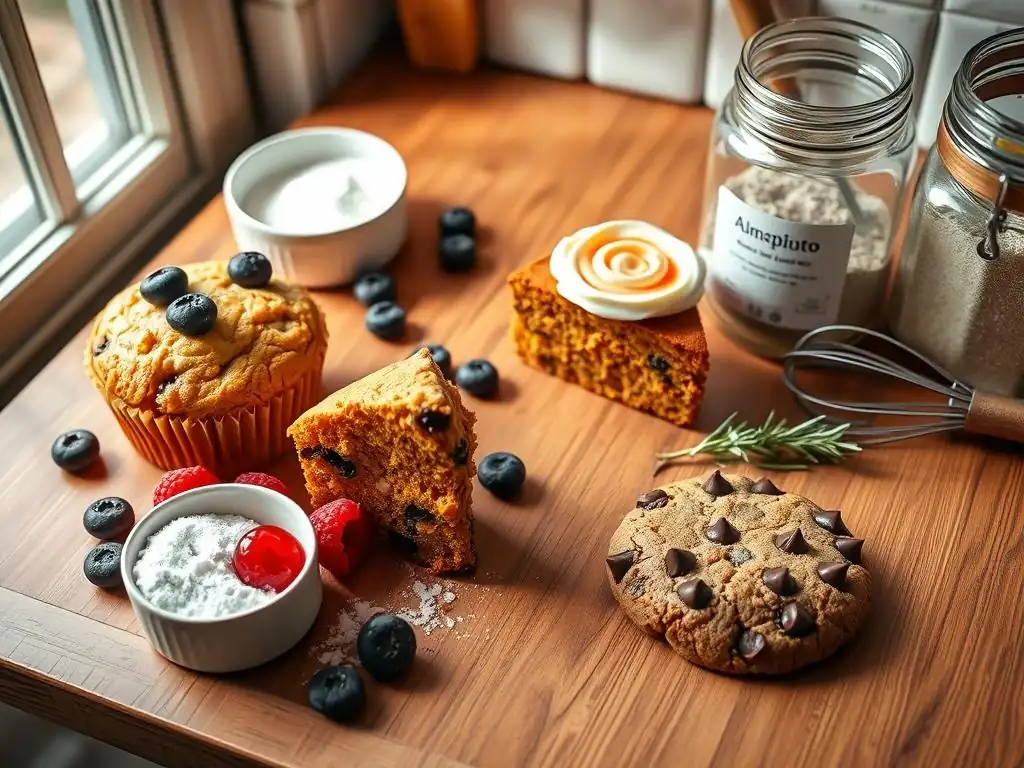
Ready to put your new knowledge into practice? Starting with simple, forgiving recipes is the best way to build confidence in sugar-free baking. These classic recipes are adapted to be sugar-free and use common ingredients and techniques suitable for beginners. They are designed to help you get a feel for working with sugar substitutes and experience sweet success right away.
These sugarfree baking beginner recipes serve as excellent starting points. Once you master these, you can begin experimenting with variations, different sweeteners, or tackling slightly more complex bakes. Remember to read the recipe through entirely before starting and measure your ingredients accurately.
Who doesn't love a warm chocolate chip cookie? This sugar-free version aims to replicate the classic taste and texture using alternative sweeteners.
- Ingredients:
- 1/2 cup unsalted butter, softened
- 3/4 cup granular erythritol-monk fruit blend
- 1 large egg
- 1 teaspoon vanilla extract
- 1 3/4 cups almond flour
- 1/2 teaspoon baking soda
- 1/4 teaspoon salt
- 1/2 cup sugar-free chocolate chips (check labels for sweetener used)
- Instructions:
- Preheat oven to 325°F (160°C). Line baking sheets with parchment paper.
- In a large bowl, cream together the softened butter and sweetener until light and fluffy, about 2-3 minutes.
- Beat in the egg and vanilla extract until well combined.
- In a separate bowl, whisk together the almond flour, baking soda, and salt.
- Gradually add the dry ingredients to the wet ingredients, mixing until just combined. Do not overmix.
- Stir in the sugar-free chocolate chips.
- Drop rounded tablespoons of dough onto the prepared baking sheets. Cookies won't spread as much as traditional ones, so flatten them slightly with the back of a spoon.
- Bake for 10-14 minutes, or until the edges are lightly golden and the centers look set.
- Let cool on the baking sheets for 5-10 minutes before transferring to a wire rack to cool completely.
- Yield: Approximately 18-20 cookies.
- Note: These cookies will be softer and less prone to browning than traditional cookies.
Easy Sugar-Free Banana Bread: A Moist and Flavorful Treat
Banana bread is forgiving and naturally moist, making it an ideal candidate for sugar-free adaptation. The ripe bananas provide natural sweetness.
- Ingredients:
- 2-3 very ripe bananas, mashed (about 1 1/2 cups)
- 1/3 cup melted unsalted butter or coconut oil
- 1/2 cup granular erythritol or xylitol (xylitol is toxic to dogs, use with caution)
- 2 large eggs
- 1 teaspoon vanilla extract
- 1 1/2 cups all-purpose flour (or a gluten-free blend)
- 1 teaspoon baking soda
- 1/2 teaspoon cinnamon
- 1/4 teaspoon salt
- Instructions:
- Preheat oven to 350°F (175°C). Grease and flour a 9x5 inch loaf pan.
- In a large bowl, mash the ripe bananas thoroughly with a fork.
- Stir in the melted butter (or oil) and sweetener until combined.
- Beat in the eggs one at a time, then stir in the vanilla extract.
- In a separate bowl, whisk together the flour, baking soda, cinnamon, and salt.
- Add the dry ingredients to the wet ingredients and mix until just combined. A few lumps are okay. Do not overmix.
- Pour the batter into the prepared loaf pan.
- Bake for 50-65 minutes, or until a toothpick inserted into the center comes out clean.
- Let the bread cool in the pan for 10 minutes before transferring it to a wire rack to cool completely.
- Yield: 1 loaf.
- Tip: The riper the bananas, the sweeter the bread will be, potentially allowing you to slightly reduce the added sweetener.
Simple Sugar-Free Muffins: Perfect for Breakfast or Snacking
Muffins are quick, easy, and versatile. This basic sugar-free muffin recipe can be customized with berries, nuts, or sugar-free chocolate chips.
- Ingredients:
- 1 3/4 cups all-purpose flour (or a gluten-free blend)
- 1 teaspoon baking powder
- 1/2 teaspoon baking soda
- 1/4 teaspoon salt
- 1/2 cup granular erythritol or other preferred sweetener blend
- 1 large egg
- 1 cup unsweetened almond milk (or other milk)
- 1/4 cup melted unsalted butter or vegetable oil
- 1 teaspoon vanilla extract
- Optional additions: 1/2 cup fresh or frozen berries, chopped nuts, or sugar-free chocolate chips
- Instructions:
- Preheat oven to 375°F (190°C). Line a 12-cup muffin tin with paper liners or grease well.
- In a large bowl, whisk together the flour, baking powder, baking soda, salt, and sweetener.
- In a separate medium bowl, whisk together the egg, milk, melted butter (or oil), and vanilla extract.
- Pour the wet ingredients into the dry ingredients and mix until just combined. The batter will be lumpy. Do not overmix.
- If using optional additions, gently fold them in now.
- Divide the batter evenly among the prepared muffin cups, filling each about two-thirds full.
- Bake for 18-22 minutes, or until a toothpick inserted into the center of a muffin comes out clean.
- Let the muffins cool in the tin for a few minutes before transferring them to a wire rack to cool completely.
- Yield: 12 muffins.
- Customization: Add 1/2 teaspoon of cinnamon or nutmeg with the dry ingredients for spiced muffins.
Troubleshooting Common Sugar-Free Baking Problems
Even with the best sugarfree baking beginner recipes, you might encounter challenges. Sugar substitutes behave differently, and understanding common issues and how to fix them is part of the learning process. Don't get discouraged if your first attempt isn't perfect! Baking is an art and a science, and adapting recipes requires practice and patience.
This section addresses some frequent problems faced by beginners in sugar-free baking and provides practical solutions. By knowing what to look for and how to react, you can improve your results and build confidence in your sugar-free baking skills.
Dealing with a Bitter Aftertaste from Sweeteners
A common complaint with some sugar substitutes, particularly certain types of stevia or using too much of a highly concentrated sweetener, is a bitter or metallic aftertaste. This can ruin an otherwise delicious bake. The intensity of the aftertaste can vary significantly between brands and types of sweeteners.
To mitigate this, try blending different sweeteners. For example, combining erythritol with a small amount of stevia or monk fruit can provide sweetness without the strong aftertaste associated with using large quantities of a single high-intensity sweetener. Adding flavor enhancers like vanilla extract, cocoa powder, coffee, or spices (like cinnamon) can also help mask unwanted flavors. Sometimes, simply reducing the amount of sweetener slightly can make a big difference in your sugarfree baking beginner recipes.
Addressing Texture Issues: Crumbliness or Gumminess
Sugar contributes to the structure and moisture of baked goods. Removing it can lead to texture problems like excessive crumbliness or, conversely, a gummy texture, especially when using alternative flours or incorrect ratios of binders. Crumbliness often occurs when there isn't enough moisture or binding agent to hold everything together.
If your bakes are too crumbly, try adding a bit more moisture in future attempts, perhaps by increasing liquid slightly (start with 1-2 tablespoons) or incorporating ingredients like applesauce or yogurt. Ensuring you have enough binding agents (like eggs or psyllium husk) is also key. Gumminess can result from over-mixing (developing gluten or overworking binders) or using too much of an absorbent flour like coconut flour without enough liquid. Make sure you're mixing just until ingredients are combined and accurately measuring absorbent flours in your sugarfree baking beginner recipes.
Achieving the Right Level of Sweetness in Your Sugar-Free Creations
Getting the sweetness just right is subjective and can be tricky with substitutes that vary in intensity. What tastes sweet enough to one person might not be for another. Sweeteners also interact differently with other flavors; some can taste less sweet when combined with acidic ingredients (like lemon) or bitter ones (like cocoa).
The best approach is to taste your batter or dough before baking (if safe, e.g., no raw eggs). While you can't perfectly judge baked sweetness from raw batter, it gives you a starting point. If it seems insufficient, you can sometimes add a few drops of liquid stevia or a pinch more powdered sweetener. Keep notes on how much sweetener you used and whether the final baked good was too sweet, not sweet enough, or just right. This will help you adjust the amount in future batches of that specific recipe or when tackling new sugarfree baking beginner recipes.
Advanced Sugar-Free Baking Techniques: Taking Your Skills to the Next Level
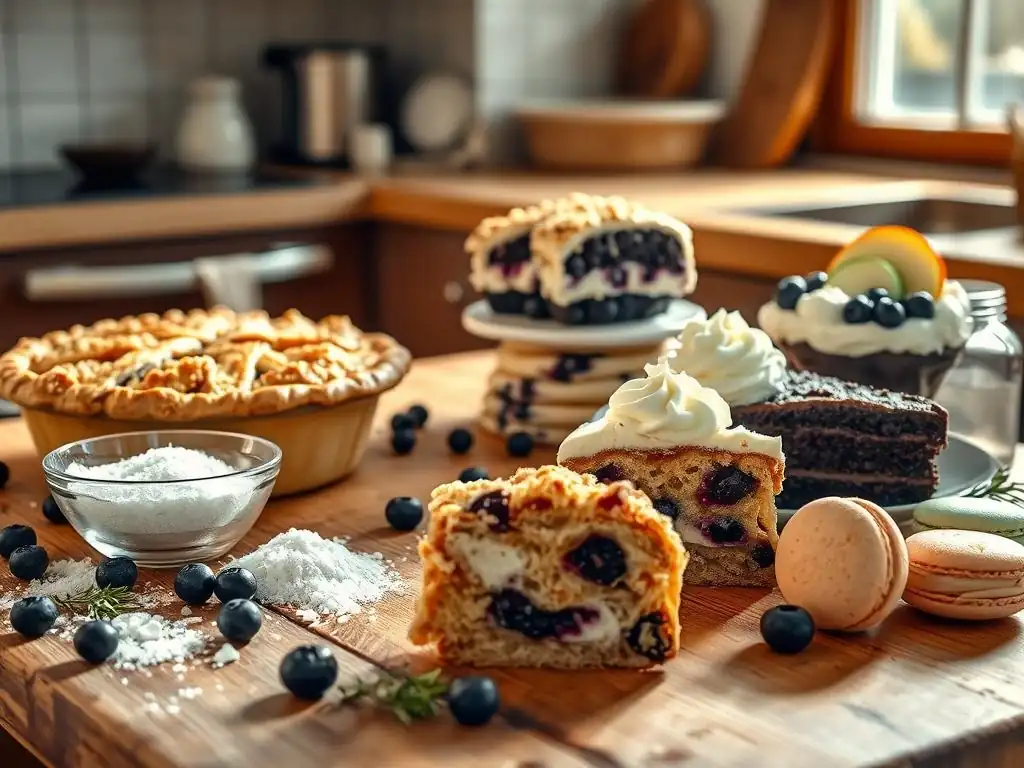
Once you've mastered the basics and feel comfortable with sugarfree baking beginner recipes, you might want to explore more complex bakes and techniques. Advanced sugar-free baking involves a deeper understanding of ingredient interactions and how to replicate the functional properties of sugar in challenging scenarios like custards, meringues, or caramel-like sauces.
This is where creativity truly comes into play. You'll learn to manipulate textures, build layers of flavor, and confidently adapt a wider range of traditional recipes. It's about moving beyond simple substitutions and understanding the science behind sugar's role in baking to effectively replace it.
Creating Complex Sugar-Free Cakes and Desserts
Moving from simple muffins and cookies to multi-layered cakes, delicate pastries, or intricate desserts without sugar presents new challenges. Sugar contributes significantly to the structure, tenderness, and moistness needed for a light, airy cake. Replicating these properties requires careful balancing of alternative flours, fats, and binders.
For example, creating a sugar-free sponge cake requires a sweetener that dissolves well and doesn't weigh down the batter. A blend of powdered erythritol and a touch of liquid stevia might work, combined with techniques like whipping eggs to a very light and airy stage.
For cheesecakes or custards, using sweeteners that dissolve completely and don't crystallize upon cooling is essential for a smooth texture. Ingredients like cream cheese, heavy cream, and eggs already provide richness and structure, making these desserts slightly easier to adapt than light cakes, but achieving the perfect sweetness and texture still requires precision in sugarfree baking beginner recipes adaptations.
Experimenting with Different Sweetener Combinations
As you gain experience, you'll discover that using a single sugar substitute isn't always the best approach for complex bakes. Different sweeteners have different strengths and weaknesses regarding taste, texture, and how they perform under heat. Blending them allows you to leverage their best qualities while minimizing their drawbacks.
For instance, combining erythritol (for bulk and sugar-like texture) with stevia or monk fruit (for intense sweetness without needing large volumes) is a very common and effective strategy. You might also experiment with adding a small amount of allulose, a rare sugar that behaves much like sugar, dissolves well, and can even caramelize slightly, though it's less sweet than sugar (about 70% sweetness). Learning how different combinations impact the final product's sweetness profile, mouthfeel, and browning characteristics is a key part of mastering advanced sugar-free baking and perfecting your sugarfree baking beginner recipes adaptations.
Incorporating Fruits and Spices for Added Flavor and Sweetness
While artificial and natural sweeteners are primary tools, don't underestimate the power of natural sweetness and flavor from whole foods. In advanced sugar-free baking, fruits and spices become even more important for creating depth and complexity. Roasted fruits, like apples or pears, develop a concentrated sweetness perfect for fillings or toppings.
Using fruit purees (like date paste or prune puree) can replace some fat and sweetener while adding moisture and fiber, though this will impact the carb count. Zest from citrus fruits, warm spices like cardamom or cloves, and extracts like coffee or maple (sugar-free version) can elevate flavors and make desserts taste richer and more satisfying with less reliance on intense sweetness from substitutes. Integrating these elements thoughtfully is a hallmark of sophisticated sugar-free baking beyond simple sugarfree baking beginner recipes.
Resources for Sugar-Free Baking on BakeWithEase
BakeWithEase is your partner in your sugar-free baking journey. We continuously add new content, recipes, and tips to help you explore this exciting area of baking. Whether you're looking for your next recipe challenge or need advice on a specific ingredient, our resources are here to support you.
Don't hesitate to explore the website for more detailed guides on specific sweeteners, ingredient deep-dives, and troubleshooting articles. Learning is a continuous process, and having reliable resources makes it much smoother and more enjoyable.
Explore More Low-Sugar Baking Recipes
Our Low-Sugar Baking section is constantly updated with delicious recipes suitable for various skill levels, including plenty of options perfect for expanding your repertoire after mastering the initial sugarfree baking beginner recipes. You'll find everything from simple cookies and muffins to more elaborate cakes and desserts, all designed with reduced or no refined sugar.
Each recipe provides clear instructions, ingredient lists with suggested sweetener options, and tips specific to working without sugar. Look for recipes tagged "beginner" or "easy" as you continue to build your skills, or challenge yourself with intermediate recipes as you become more confident.
Join the BakeWithEase Community for Support and Inspiration
Connect with other bakers who are also exploring sugar-free options! The BakeWithEase community is a fantastic place to ask questions, share your successes (and failures! ), find inspiration, and get real-time tips from experienced sugar-free bakers.
Sharing experiences with sugarfree baking beginner recipes or troubleshooting a tricky bake with others can provide valuable insights and encouragement. You might learn about a new sweetener blend, a clever technique, or simply find motivation by seeing what others are creating. Baking is often more fun when shared!
Conclusion: Embrace the Sweetness of Sugar-Free Baking
Stepping into the world of sugar-free baking for beginners is an empowering experience. It allows you to take control of your sugar intake without giving up the pleasure of delicious homemade treats. While it presents a unique set of challenges compared to traditional baking, the rewards – healthier bakes and a deeper understanding of ingredients – are immense.
Remember that practice makes perfect. Your first sugarfree baking beginner recipes might require adjustments, but each attempt is a learning opportunity. Be patient with yourself, keep experimenting, and celebrate your successes along the way.
Your Journey to Delicious and Healthy Sugar-Free Treats
You now have the foundational knowledge to start your sugar-free baking adventure. You've learned about different sweeteners, essential ingredient substitutions, key techniques, and have a few sugarfree baking beginner recipes to try. BakeWithEase is here to support you every step of the way with resources and community.
Embrace the process, enjoy the creativity, and savor the delicious results. Baking without sugar is not a limitation; it's an invitation to explore new flavors, textures, and healthier ways to bake. Happy baking!
Frequently Asked Questions
What are the best sugar substitutes for sugar-free baking as a beginner?
As a beginner, start with natural sweeteners like stevia or erythritol. These are easily accessible and generally require minimal adjustments to your recipes.
What are some common challenges beginners face when baking without sugar?
One common challenge is achieving the right texture and moisture as sugar contributes to both. Another is adjusting to the different sweetness levels of sugar substitutes.
Can I adapt my existing sugary recipes to be sugar-free?
Yes, but it often requires some experimentation. Start by gradually replacing the sugar with your chosen substitute and adjusting other ingredients for moisture and binding.
Are there any specific types of recipes that are easier to make sugar-free as a beginner?
Recipes like cookies or muffins that rely on other ingredients for structure are often easier to adapt. Focus on using fruit purees or nut butters for added sweetness and moisture.
Where can I find beginner-friendly sugar-free baking recipes?
BakeWithEase.com offers a variety of simple, step-by-step sugar-free recipes perfect for beginners. Look for recipes specifically designed for sugar-free baking to avoid common pitfalls.
Final Reflection: The Sweetness of Discovery in Sugar-Free Baking
The rising tide of health consciousness has made sugar-free baking not just a niche interest, but a vital skill for many seeking healthier alternatives. It's no longer a restrictive diet; it's a creative journey towards deliciousness without compromise. This guide has aimed to empower beginners to take that first step, demonstrating that sugar-free baking can be both achievable and incredibly rewarding.
The shift away from excessive sugar consumption is profoundly impacting our cultural landscape, influencing everything from restaurant menus to grocery store shelves. We are increasingly aware of the long-term health implications of added sugar, and this awareness fuels a desire for healthier, more mindful eating habits. This isn't just about restriction; it's about empowerment and control over our own well-being. The food you eat can be either the safest and most powerful form of medicine or the slowest form of poison.
- Ann Wigmore. This quote highlights the profound impact our food choices have on our lives, and sugar-free baking offers a powerful tool for positive change.
Now, it's your turn. Don't be intimidated by the seemingly complex world of sugar-free baking. Experiment with the recipes in this guide, adapt them to your tastes, and most importantly, enjoy the process of discovery. Each successful sugar-free creation is a testament to your creativity and commitment to a healthier lifestyle. Embrace the challenge, celebrate your successes, and savor the sweetness of a journey well-baked.
Unlock Your Sugar-Free Baking Potential!
Thanks for joining us on this delicious journey into the world of sugar-free baking! We hope you've discovered new possibilities for creating sweet treats without compromising on flavor. Ready to put your newfound knowledge into practice?
- Start baking your first sugar-free recipe today! Choose a simple recipe from the article and give it a try. You might be surprised by how easy it is!
- Share your sugar-free baking creations with us on social media! Use #BakeWithEaseSugarFree to inspire others and show off your amazing skills.
- Experiment with different sugar substitutes: Explore the options we discussed and find your personal favorite. What exciting flavor combinations will you create?
What’s your favorite sugar-free ingredient to experiment with, and what's the first recipe you're going to tackle? Let's chat in the comments below!