
Baking with Citrus: Italian Zest in Every Bite


Welcome to BakeWithEase, your kitchen companion on a delicious journey to baking mastery! Ever wondered how to infuse sunshine into your desserts? Then you're in the right place. Today, we're diving into the vibrant world of Regional & Cultural Baking with a focus on easy citrus cake recipes. But what makes Italian citrus cakes so special? Prepare to discover the secrets behind these zesty delights and unlock the flavors of the Mediterranean. Let's bake!
- Introduction to Italian Citrus Baking Traditions
- Mastering Easy Citrus Cake Recipes: A Baker's Guide
- Key Citrus Fruits Used in Italian Baking
- Tips and Techniques for Baking with Citrus
- Delicious Citrus-Infused Italian Baking Recipes
- Variations and Adaptations for Italian Citrus Cakes
- Storing and Serving Your Italian Citrus Cakes
- Conclusion: Embrace the Zest of Italian Baking
-
Frequently Asked Questions
- What makes citrus cakes particularly easy to bake at BakeWithEase.com?
- Can I substitute different types of citrus in BakeWithEase's easy citrus cake recipes?
- What are some common mistakes to avoid when baking an easy citrus cake, according to BakeWithEase?
- Does BakeWithEase offer easy citrus cake recipes suitable for gluten-free or vegan diets?
- Where can I find the specific instructions for easy citrus cake recipes featured on BakeWithEase?
- Final Reflection: The Enduring Allure of Citrus Cakes
- Unlock Your Inner Pastry Chef: Zesty Citrus Adventures Await!
Introduction to Italian Citrus Baking Traditions
Explore the Flavors of Italy: Citrus in Baking
Italy, a country bathed in Mediterranean sun, boasts a rich culinary heritage where citrus fruits play a starring role, especially in its sweet treats. From the northern lakes to the southern coasts, the aroma of lemons, oranges, and mandarins permeates kitchens, transforming simple ingredients into exquisite desserts.
Baking with citrus isn't just about adding flavor; it's about capturing the essence of the Italian landscape and its vibrant agricultural bounty. This tradition is deeply rooted, with recipes passed down through generations, showcasing how versatile and essential these fruits are in creating everything from delicate pastries to robust, easy citrus cake recipes.
The use of citrus goes beyond just a squeeze of juice or a sprinkle of zest. In Italian baking, the whole fruit is often celebrated – candied peels add texture and intense flavor, while infused oils and syrups carry the subtle nuances of the fruit's aroma. This approach ensures a depth of flavor that is bright, refreshing, and unmistakably Italian. Whether you're a seasoned baker or just starting out, exploring Italian citrus baking opens up a world of delicious possibilities, proving that creating delightful, easy citrus cake recipes is well within reach for anyone.
Why Citrus is a Staple in Italian Desserts
Citrus fruits thrive in Italy's diverse climate, particularly in the south, where regions like Sicily, Calabria, and Campania are famous for their prolific groves. This abundance means that fresh, high-quality citrus has always been readily available and relatively inexpensive, making it a natural choice for everyday cooking and baking. Historically, citrus was also valued for its preserving properties and its ability to balance sweetness, cutting through rich doughs and creamy fillings with its characteristic tang. This practical availability and culinary versatility cemented its place as a fundamental ingredient in countless Italian desserts, from simple tarts to elaborate festive cakes.
Beyond availability, the sensory appeal of citrus makes it indispensable. The vibrant colors, the intoxicating fragrance released when zesting, and the refreshing taste all contribute to desserts that are not only delicious but also uplifting and invigorating. Italian bakers masterfully utilize these qualities to create desserts that are both comforting and sophisticated.
The bright notes of citrus provide a counterpoint to the sweetness, preventing desserts from being cloying and making them incredibly moreish. This balance is key to the success of many beloved Italian sweet recipes, including a vast array of easy citrus cake recipes that are perfect for any occasion.
Mastering Easy Citrus Cake Recipes: A Baker's Guide
Simple Lemon Cake Recipe: A Classic Italian Treat
A simple lemon cake is a cornerstone of Italian home baking, embodying elegance through simplicity. Typically featuring basic pantry staples like flour, sugar, eggs, butter or olive oil, and of course, plenty of fresh lemons, these cakes are forgiving and consistently delightful. The magic lies in maximizing the lemon flavor, often by incorporating both zest and juice into the batter and sometimes finishing with a simple lemon glaze or syrup that soaks into the warm cake.
A standard ratio might involve the zest of two large lemons and the juice of one for a loaf cake, providing a pronounced yet balanced tartness. Baking usually takes around 40-50 minutes in a moderate oven (approximately 180°C / 350°F) until a skewer inserted comes out clean.
These easy lemon cake recipes are perfect for beginners because they require minimal technique. The 'wet' and 'dry' ingredients are often combined with simple mixing, rather than demanding complex creaming methods.
The result is a moist, tender crumb with a bright, sunny flavor that is universally appealing. Served plain with a dusting of powdered sugar, or alongside a dollop of whipped cream and fresh berries, a simple Italian lemon cake is a testament to the fact that extraordinary flavor can be achieved with ordinary ingredients and straightforward steps, making it one of the most accessible easy citrus cake recipes to try.
Orange Cake Recipe: Sun-Kissed Flavors from Italy
Orange cakes from Italy often capture the very essence of sunshine, particularly those made with blood oranges or sweet Navel oranges from the southern regions. Unlike lemon cakes which lean on brightness, orange cakes offer a sweeter, more aromatic profile. Many traditional easy orange cake recipes utilize the entire orange (peel included, often boiled and puréed) to infuse the cake with an intense, slightly bitter, and wonderfully fragrant flavor.
Alternatively, generous amounts of zest and juice are used, sometimes paired with olive oil for an exceptionally moist texture that speaks of the Mediterranean. A typical recipe might call for the zest of two oranges and 100-150ml of juice for a standard round cake.
These cakes are celebrated for their tender crumb and deep, warm citrus notes. They often pair beautifully with complementary flavors like almonds, pistachios, or a hint of spice like cinnamon. An easy orange cake recipe is often as simple as a 'one-bowl' method or a quick mix, requiring little fuss.
The forgiving nature of using juice and sometimes oil helps prevent dryness, making them ideal for novice bakers. Whether enjoyed as a simple afternoon tea cake or dressed up with a light orange glaze, these sun-kissed Italian treats prove that creating delicious easy citrus cake recipes can be both effortless and incredibly rewarding.
Clementine Cake Recipe: A Unique Twist on Italian Baking
Clementine cakes offer a more delicate and fragrant citrus experience compared to their lemon and orange counterparts. Clementines, being smaller and sweeter with a less acidic juice and thinner skin, lend a subtle, perfumed quality to baked goods. Like orange cakes, many traditional easy clementine cake recipes involve boiling and blending the whole fruit, resulting in an incredibly moist cake with a unique, slightly marmalade-like intensity. The sweetness of clementines means these cakes often require less added sugar, allowing the natural fruit flavor to shine. Using 4-6 whole clementines (depending on size) is common for a modest cake.
These cakes often feature a dense, moist texture, sometimes resembling a rich pudding cake. They are frequently made gluten-free by using ground almonds instead of wheat flour, which complements the delicate citrus flavor beautifully. Baking time can range from 50-70 minutes at a lower temperature (around 170°C / 325°F) to ensure the dense batter cooks through without drying out.
An easy clementine cake recipe is perfect for those seeking a sophisticated yet simple dessert. The unique aroma and tender crumb make it a standout among easy citrus cake recipes, offering a delightful alternative to the more common lemon or orange varieties.
Key Citrus Fruits Used in Italian Baking

Lemons: The Zesty Foundation of Many Italian Cakes
Lemons, particularly varieties like the Sfusato Amalfitano from the Amalfi Coast or the Femminello Comune from Sicily, are arguably the most iconic citrus used in Italian baking. Their high acidity and intensely fragrant zest provide a powerful counterpoint to sweetness, making them essential for balancing flavors. Lemon zest contains volatile oils that release a bright, uplifting aroma, while the juice adds tang and moisture. In many easy citrus cake recipes, lemon is the primary flavor agent, providing that signature refreshing bite.
The versatility of lemons is evident in the sheer number of Italian desserts they feature in. Beyond simple cakes, lemons are key in tarts (like Torta della Nonna, though often flavored with pastry cream, lemon zest is frequently added), cookies (Biscotti al Limone), and pastries (like Delizia al Limone, a famous Neapolitan dessert). The specific variety matters; Amalfi lemons, for instance, are prized for their thick, fragrant peel and lower acidity, making their zest particularly valuable in baking. Utilizing fresh, unwaxed lemons is crucial for achieving the best flavor in any easy lemon cake recipe.
Oranges: Adding Sweetness and Aroma to Italian Baking
Oranges, especially sweet varieties and blood oranges from Sicily and Calabria, bring warmth, sweetness, and a rich aroma to Italian baked goods. Their flavor is less sharp than lemons, offering a softer, more rounded citrus note. Orange zest is full of fragrant oils, while the juice adds moisture and a subtle sweetness that enhances other ingredients like almonds or chocolate. Many easy orange cake recipes leverage the natural sweetness of the fruit, sometimes reducing the need for large amounts of added sugar.
Italian orange desserts range from simple cakes and biscuits to more elaborate creations like Pastiera Napoletana (a ricotta and grain pie often flavored with orange blossom water and candied orange peel). The use of whole, boiled oranges in some traditional cakes, as mentioned earlier, highlights the Italian approach to maximizing flavor from the entire fruit. This technique produces cakes with an incredibly moist texture and a unique, slightly bitter depth from the pith and peel, making easy orange cake recipes a fascinating area for bakers to explore.
Clementines: A Delicate Citrus Flavor for Italian Desserts
Clementines, often grown in regions like Calabria and Sicily, offer a distinctly different citrus profile – sweeter, less acidic, and with a more floral or perfumed aroma compared to lemons or oranges. Their thin skins are easy to zest, and their segmented flesh is juicy and sweet. While perhaps less ubiquitous than lemon or orange, clementines are cherished for the delicate flavor they impart, particularly in lighter cakes and baked goods.
An easy clementine cake recipe often capitalizes on the fruit's natural sweetness and moisture. These cakes are frequently dense and moist, sometimes resembling a fruitcake in texture, especially when the whole fruit is used. The subtle elegance of clementines pairs wonderfully with ingredients like almonds, polenta, and olive oil, creating sophisticated yet simple desserts. Their seasonal availability, primarily in the winter months, makes clementine cakes a special treat, often associated with the holiday season in Italy.
Grapefruit: The Underestimated Citrus in Italian Baking
While not as widely used as lemons or oranges, grapefruit does make occasional appearances in modern Italian baking, offering a distinctively bitter and tangy note. Pink or red grapefruit varieties, with their vibrant color and balance of sweetness and bitterness, are sometimes incorporated into cakes, tarts, or glazes for a sophisticated twist. Its bold flavor profile means it's often used in combination with other ingredients to temper its intensity.
Using grapefruit in baking can add an unexpected layer of complexity. A glaze made with grapefruit juice and powdered sugar, for instance, can provide a bright, slightly bitter finish to a sweet cake. While easy citrus cake recipes traditionally lean towards lemon and orange, experimenting with grapefruit can lead to unique and exciting results, offering a more adult or complex flavor profile. It's a testament to the evolving nature of Italian baking traditions.
Bergamot: The Rare and Aromatic Citrus of Calabria
Bergamot oranges are perhaps the most unique and regionally specific citrus used in Italian baking, primarily associated with the Calabria region in Southern Italy, where over 90% of the world's supply is grown. Known for its incredibly fragrant peel, bergamot is rarely eaten fresh due to its intense bitterness. Its primary use is for its essential oil, famous for flavoring Earl Grey tea and perfumes. However, the zest is occasionally used in Calabrian baking to impart a distinct, highly aromatic, and slightly floral citrus note.
Using bergamot in baking requires a delicate hand due to its potency. A small amount of zest can dramatically perfume a cake or cookie. It's not commonly found in easy citrus cake recipes outside of its native region, but for adventurous bakers, it offers a chance to explore a truly unique Italian flavor. Pairing bergamot zest with simple cake batters allows its complex aroma to stand out, offering a taste of a specialized Italian culinary tradition.
Tips and Techniques for Baking with Citrus

How to Zest Citrus Fruits Like a Pro
Zesting citrus fruits correctly is paramount to maximizing flavor in baking, as the zest contains the majority of the fruit's fragrant oils. The goal is to remove only the colored outer layer (the zest) and avoid the bitter white pith underneath. A microplane grater is the ideal tool for this, yielding fine, fluffy zest that distributes evenly through batters. Hold the fruit in one hand and the grater in the other, gently rubbing the fruit against the blades while rotating it. Stop zesting when you reach the white pith.
Another method is using a channel knife or vegetable peeler to remove larger strips of zest, which can then be finely minced with a knife. This is useful if you need larger pieces for infusing liquids or decorating. Always wash and dry your citrus thoroughly before zesting, even if they are organic, to remove any surface residue. For the most potent flavor in easy citrus cake recipes, zest the fruit just before adding it to your batter, as the oils are most volatile when fresh.
Maximizing Citrus Flavor in Your Cakes and Breads
To truly infuse your baked goods with vibrant citrus flavor, don't rely solely on zest. Combining zest with juice, or even using techniques like infusing sugar with zest, can elevate the taste significantly. When making a cake, rub the zest into the sugar with your fingertips before adding wet ingredients; this helps release the oils and distribute them throughout the batter. Using fresh juice adds tang and moisture, balancing the sweetness. For a more intense flavor, consider reducing citrus juice into a syrup or adding it to a simple glaze brushed over the warm cake.
Another effective technique is to incorporate citrus-infused liquids, such as milk or cream steeped with citrus zest, into your recipe. For recipes using butter, you can melt the butter with zest to infuse it before adding it to the batter. In some Italian traditions, whole, boiled fruit is blended into the batter, providing an unparalleled depth of flavor and moisture. Don't be afraid to be generous with zest; for a standard cake, the zest of 2-3 lemons or oranges is often necessary to make the flavor truly pop in easy citrus cake recipes.
Common Mistakes to Avoid When Baking with Citrus
One of the most common mistakes when baking with citrus is including the bitter white pith along with the zest. This can impart an unpleasant, bitter flavor that can ruin your dessert. Always use a gentle hand and a sharp tool (like a microplane) to remove only the colored outer layer. Another pitfall is using bottled citrus juice instead of fresh. Bottled juice often lacks the brightness and complexity of fresh juice and contains preservatives that can affect flavor. Always opt for freshly squeezed juice for the best results in your easy citrus cake recipes.
Underestimating the amount of citrus needed is another frequent error. A single lemon's worth of zest might not be enough to flavor an entire cake significantly. Be generous with zest and juice, following recipes closely but also tasting your batter (before adding eggs) to get a sense of the citrus punch. Finally, forgetting to wash citrus fruits before zesting can introduce unwanted residues into your baking. Always wash and dry them thoroughly.
Delicious Citrus-Infused Italian Baking Recipes
Recipe: Sicilian Orange and Almond Cake (Gluten-Free Option)
This traditional Sicilian cake is wonderfully moist and fragrant, often made gluten-free using ground almonds. It celebrates the abundant oranges of the region, using either substantial zest and juice or the whole fruit method for intense flavor. The combination of sweet orange and nutty almond creates a rich, satisfying texture and taste. This easy citrus cake recipe is naturally moist and keeps well, making it a perfect make-ahead dessert. It's typically a dense, flavorful cake, less airy than a sponge, but incredibly tender.
The beauty of this cake lies in its simplicity and the quality of its ingredients. It requires minimal effort, often involving just mixing the wet and dry ingredients. The result is a rustic yet elegant cake that embodies the warmth and bounty of Sicily. It's a fantastic example of how easy citrus cake recipes can deliver complex, regional flavors with straightforward methods, perfect for those seeking a naturally gluten-free option.
Ingredients for the Sicilian Orange and Almond Cake
- 200g unsalted butter, softened (or 180ml olive oil for extra moisture)
- 200g caster sugar
- 3 large eggs
- Zest of 2 large oranges (preferably organic, unwaxed)
- 150ml fresh orange juice
- 200g ground almonds
- 100g gluten-free self-raising flour (or 100g fine cornmeal/polenta for a different texture)
- 1 tsp baking powder
- Pinch of salt
- Flaked almonds, for topping (optional)
- Icing sugar, for dusting (optional)
Step-by-Step Instructions for the Sicilian Orange and Almond Cake
- Preheat your oven to 180°C (160°C fan/350°F). Grease and line a 20cm round cake tin.
- In a large bowl, cream the softened butter (or whisk the olive oil) and sugar together until pale and fluffy.
- Beat in the eggs one at a time, mixing well after each addition.
- Stir in the orange zest and orange juice. The mixture may look slightly curdled at this stage, which is fine.
- In a separate bowl, whisk together the ground almonds, gluten-free flour (or cornmeal/polenta), baking powder, and salt.
- Gradually fold the dry ingredients into the wet ingredients until just combined. Be careful not to overmix.
- Pour the batter into the prepared cake tin and smooth the top. Sprinkle with flaked almonds if using.
- Bake for 45-55 minutes, or until a skewer inserted into the center comes out clean.
- Let the cake cool in the tin for 10-15 minutes before turning it out onto a wire rack to cool completely.
- Dust with icing sugar before serving, if desired.
Recipe: Lemon Ricotta Cake - A Light and Airy Italian Delight
Lemon Ricotta Cake is a beloved Italian classic, known for its incredibly moist and tender crumb. The addition of ricotta cheese doesn't make the cake taste like cheese; rather, it imparts a unique richness and ensures a wonderfully soft texture, while the lemon provides a bright, refreshing counterpoint. This easy citrus cake recipe is often less dense than a traditional butter cake and is perfect for brunch or dessert. It's forgiving and simple to prepare, making it a great option for bakers of all levels.
The key to its success lies in using fresh, good-quality ricotta and plenty of lemon zest. The cake often has a slightly tangy flavor from the ricotta which pairs beautifully with the citrus. It's typically baked in a loaf pan or a round cake tin and can be enjoyed plain, with a simple glaze, or alongside fresh fruit. This recipe exemplifies how simple Italian ingredients combine to create something truly special and effortless, fitting perfectly into the category of easy citrus cake recipes.
Ingredients for the Lemon Ricotta Cake
- 250g ricotta cheese (whole milk is best)
- 150g unsalted butter, softened
- 200g caster sugar
- 3 large eggs
- Zest of 3 large lemons (preferably organic, unwaxed)
- 60ml fresh lemon juice
- 250g plain flour
- 2 tsp baking powder
- Pinch of salt
- Optional glaze: 100g icing sugar mixed with 2-3 tbsp lemon juice
Step-by-Step Instructions for the Lemon Ricotta Cake
- Preheat your oven to 180°C (160°C fan/350°F). Grease and line a 23cm loaf tin or a 20cm round cake tin.
- In a large bowl, beat the softened butter and sugar together until light and fluffy.
- Add the ricotta cheese and beat until well combined and smooth.
- Beat in the eggs one at a time, ensuring each is fully incorporated before adding the next.
- Stir in the lemon zest and lemon juice.
- In a separate bowl, whisk together the flour, baking powder, and salt.
- Gradually add the dry ingredients to the wet ingredients, mixing on a low speed or folding gently until just combined. Do not overmix.
- Pour the batter into the prepared tin and smooth the top.
- Bake for 50-60 minutes (for a loaf cake) or 40-50 minutes (for a round cake), or until a skewer inserted into the center comes out clean. The top should be golden brown.
- Let the cake cool in the tin for 10-15 minutes before turning it out onto a wire rack to cool completely.
- If using a glaze, whisk the icing sugar and lemon juice together until smooth. Drizzle or spread over the cooled cake.
Recipe: Clementine Polenta Cake - A Rustic Italian Treat
Clementine Polenta Cake is a rustic yet sophisticated Italian dessert, often made using the whole clementines (boiled and blended) and incorporating fine polenta for a unique texture. The polenta gives the cake a slightly coarse, pleasing crumb that contrasts beautifully with the moistness provided by the fruit and often, ground almonds. The flavor is a delicate balance of sweet clementine and the subtle earthiness of polenta, making this easy citrus cake recipe truly distinctive.
This type of cake is relatively simple to make, often requiring just a food processor to blend the fruit and then combining it with the remaining ingredients. It’s a wonderful example of how humble ingredients can be transformed into an elegant dessert. The use of polenta also often makes it naturally gluten-free when combined with ground nuts, appealing to a wider audience. Its unique texture and delicate flavor make it a memorable addition to any collection of easy citrus cake recipes.
Ingredients for the Clementine Polenta Cake
- 300g whole clementines (about 4-6, depending on size)
- 200g caster sugar
- 250g ground almonds
- 100g fine polenta (not instant)
- 1 tsp baking powder
- Pinch of salt
- 6 large eggs
Step-by-Step Instructions for the Clementine Polenta Cake
- Wash the clementines thoroughly. Place them in a saucepan, cover with cold water, and bring to a boil. Reduce the heat and simmer for about 1.5 to 2 hours, or until very soft. Drain the clementines and let them cool completely.
- Preheat your oven to 180°C (160°C fan/350°F). Grease and line a 23cm springform cake tin.
- Once cooled, cut the clementines in half and remove any seeds. Place the entire clementines (peel and all) into a food processor and blend until you have a smooth purée.
- In a large bowl, whisk together the sugar, ground almonds, polenta, baking powder, and salt.
- In a separate bowl, whisk the eggs until lightly beaten.
- Add the clementine purée and the beaten eggs to the dry ingredients. Mix everything together until well combined – the batter will be quite wet.
- Pour the batter into the prepared cake tin and smooth the top.
- Bake for 50-70 minutes, or until the cake is firm to the touch and a skewer inserted into the center comes out clean. If the top starts to brown too quickly, you can loosely cover it with foil.
- Let the cake cool completely in the tin before gently releasing it. This cake is quite delicate when warm.
Variations and Adaptations for Italian Citrus Cakes
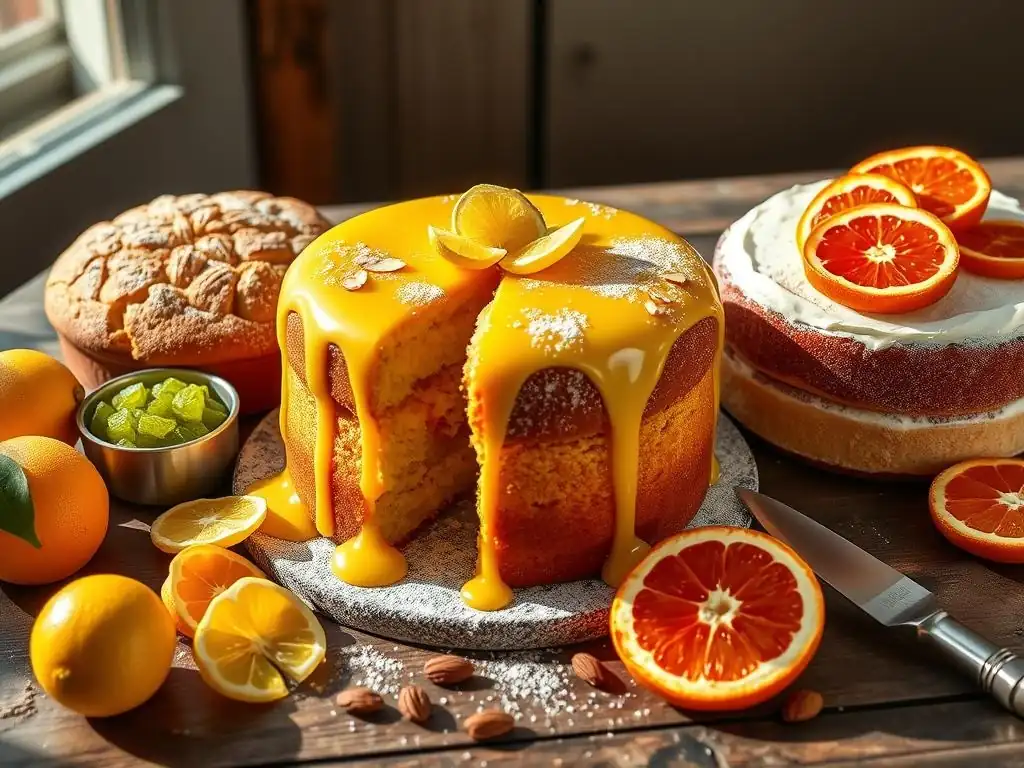
Adding Nuts and Spices to Enhance Citrus Flavors
Italian citrus cakes often benefit from the addition of nuts and subtle spices that complement the bright fruit notes. Ground almonds or almond flour are classic pairings, particularly with oranges and clementines, adding moisture and a rich, nutty depth as seen in the Sicilian Orange and Almond Cake. Chopped pistachios can add color and a distinct flavor, especially with lemon. Walnuts or hazelnuts, while less common, can also be used for texture and flavor contrast.
Spices should be used sparingly so as not to overpower the delicate citrus. A pinch of cinnamon, nutmeg, or a tiny amount of ground cloves can add warmth, particularly to orange or clementine cakes. Vanilla extract is also a common addition that rounds out the flavors without competing. When adapting easy citrus cake recipes, consider the primary citrus flavor and choose nuts or spices that will enhance rather than mask its character. For instance, cardamom pairs beautifully with orange, while a hint of ginger can add a subtle warmth to lemon.
Glazing and Icing Ideas for Citrus Cakes
Glazes and icings are simple yet effective ways to add extra flavor, moisture, and visual appeal to easy citrus cake recipes. A classic Italian approach is a simple 'glassa al limone' (lemon glaze), made by whisking icing sugar with fresh lemon juice until a smooth, pourable consistency is reached. This glaze sets into a slightly crackly, tangy coating that is perfect for lemon loaf cakes or simple rounds. For orange cakes, use orange juice for an orange glaze, or blood orange juice for a vibrant pink color.
For a richer finish, a cream cheese frosting or a simple butter glaze can be used, though these are less traditional for very rustic Italian cakes. A citrus syrup, made by simmering citrus juice and sugar until slightly thickened, can be brushed over a warm cake immediately after baking; this soaks in, adding moisture and intense flavor. Candied citrus peel can also be added to glazes or used as a garnish. The key is to choose a glaze that complements the cake's texture and flavor without making it overly sweet.
Dietary Considerations: Gluten-Free and Vegan Citrus Cake Options
Many traditional Italian citrus cake recipes are naturally adaptable to dietary needs, particularly gluten-free options. As seen with the Sicilian Orange and Almond Cake and the Clementine Polenta Cake, using ground almonds or polenta instead of wheat flour is a common practice, resulting in delicious, moist, and naturally gluten-free cakes. Ensure that any additional ingredients like baking powder are also certified gluten-free. These easy citrus cake recipes can often be made gluten-free with minimal changes.
Creating vegan citrus cakes is also achievable. Butter can often be replaced with olive oil (a very Italian choice!) or a vegan butter substitute, which can actually enhance the moisture content. Eggs can be substituted with flax eggs (1 tbsp flaxseed meal + 3 tbsp water per egg), commercial egg replacers, or fruit purées (like apple sauce or mashed banana, though these can slightly alter flavor and texture).
Dairy ricotta can be replaced with a vegan ricotta alternative or sometimes even a thick plant-based yogurt or silken tofu blend. Experimentation with leavening agents might be needed when removing eggs. With careful substitution, many easy citrus cake recipes can be successfully adapted to be entirely plant-based, allowing everyone to enjoy these bright Italian flavors.
Storing and Serving Your Italian Citrus Cakes
Tips for Keeping Your Cakes Fresh and Moist
Proper storage is key to keeping your easy citrus cake recipes tasting their best. Most citrus cakes, especially those made with oil, ground nuts, or whole fruit purée, tend to be quite moist and keep well at room temperature for 2-3 days, provided they are stored in an airtight container. This prevents them from drying out and protects them from air and light. Avoid refrigerating simple citrus cakes unless they contain perishable fillings or frostings, as the cold air can dry out the crumb.
If you need to store the cake for longer, it can be refrigerated for up to a week or frozen for several months. To freeze, wrap the completely cooled cake tightly in plastic wrap, then in a layer of aluminum foil or place it in a freezer-safe bag. Thaw frozen cake overnight in the refrigerator, then bring it to room temperature before serving for the best texture. Cakes with glazes or icings might need refrigeration and should be stored in a container where the glaze won't get damaged.
Serving Suggestions: Perfect Pairings for Citrus Cakes
Italian citrus cakes are wonderfully versatile and can be served in numerous ways, depending on the occasion and the cake's richness. A simple slice of lemon or orange loaf cake is perfect with a cup of coffee or tea for breakfast or an afternoon snack. For dessert, elevate the cake with simple accompaniments. A dollop of freshly whipped cream or a scoop of vanilla or citrus gelato are classic pairings that complement the cake's flavor without overwhelming it.
Fresh fruit, particularly berries or segments of the same citrus used in the cake, adds freshness and visual appeal. A simple fruit coulis (like raspberry or strawberry) can also provide a lovely contrast. Drizzling a little extra citrus syrup or a light dusting of powdered sugar just before serving adds a finishing touch.
Rustic cakes like the Clementine Polenta Cake are often best served simply, perhaps with just a dusting of sugar, to let their unique texture and flavor shine. The beauty of easy citrus cake recipes is that they are delicious enough to stand on their own but also play well with others.
Conclusion: Embrace the Zest of Italian Baking
Enjoy the Taste of Italy with Easy Citrus Cake Recipes
Embarking on the journey of baking Italian citrus cakes is a delightful way to bring the vibrant flavors and aromas of Italy into your kitchen. From the zesty punch of lemon to the sweet perfume of orange and the delicate nuance of clementine, these fruits offer a spectrum of tastes perfect for baking.
As we've explored, many traditional Italian citrus desserts are surprisingly simple to make, proving that you don't need to be an expert baker to create something truly delicious and authentic. The emphasis on fresh, quality ingredients and straightforward techniques makes easy citrus cake recipes accessible to everyone.
Whether you choose to bake a classic Lemon Ricotta Cake, a fragrant Sicilian Orange and Almond Cake, or a unique Clementine Polenta Cake, you're connecting with centuries of Italian baking tradition. These recipes are more than just desserts; they are edible expressions of the Italian landscape, culture, and a celebration of simple ingredients transformed by passion and sunshine. So, gather your citrus, preheat your oven, and get ready to fill your home with the irresistible scent of Italian zest. Enjoy the process, share the results, and savor every bite of these wonderful easy citrus cake recipes.
Frequently Asked Questions
What makes citrus cakes particularly easy to bake at BakeWithEase.com?
Our citrus cake recipes emphasize simple techniques and readily available ingredients, ensuring even beginner bakers can achieve delicious results. We also provide step-by-step instructions for each recipe.
Can I substitute different types of citrus in BakeWithEase's easy citrus cake recipes?
Yes, absolutely! Feel free to experiment with different citrus fruits like lemons, limes, oranges, or grapefruits. Just be sure to adjust the amount of zest and juice accordingly to maintain the proper flavor balance.
What are some common mistakes to avoid when baking an easy citrus cake, according to BakeWithEase?
Overmixing the batter is a common pitfall, as it can lead to a tough cake. Also, be careful not to overbake the cake; use a toothpick to check for doneness. Measure your ingredients accurately for the best results.
Does BakeWithEase offer easy citrus cake recipes suitable for gluten-free or vegan diets?
While not all of our recipes are inherently gluten-free or vegan, we often provide adaptations and substitutions to cater to different dietary needs. Look for notes within the recipe or search specifically for "gluten-free" or "vegan" options.
Where can I find the specific instructions for easy citrus cake recipes featured on BakeWithEase?
You can find our detailed recipes directly on our website, BakeWithEase.com. Simply search for "easy citrus cake recipes" or browse our "Cakes" section for a variety of options.
Final Reflection: The Enduring Allure of Citrus Cakes
The simple act of baking a citrus cake transcends mere culinary creation; it's a vibrant expression of sunshine and joy, a testament to the enduring power of simple ingredients transformed into something extraordinary. In a world increasingly dominated by complex recipes and sophisticated techniques, the ease and elegance of a citrus cake offer a refreshing counterpoint. This article explored a range of recipes, emphasizing simplicity and accessibility, proving that deliciousness doesn't require hours of labor or a pantry stocked with exotic ingredients.
The enduring appeal of citrus cakes lies not only in their delightful taste but also in their ability to evoke powerful memories and emotions. The bright, zesty flavors transport us to sun-drenched Italian landscapes, conjuring images of vibrant markets and family gatherings. The act of baking itself becomes a meditative practice, a moment of calm amidst the chaos of daily life. As the renowned Italian chef, Antonio Carluccio, once said: Cooking is at once child's play and adult joy. And cooking done with care is an act of love.
This sentiment perfectly encapsulates the spirit of baking a citrus cake – a labor of love resulting in a treat that nourishes both body and soul.
Now, I invite you to embrace the simplicity and joy of citrus baking. Choose a recipe that speaks to you, gather your ingredients, and let the fragrant zest fill your kitchen. Don't be afraid to experiment, to add your own personal touch, to create a cake that reflects your unique style and taste. More than just a dessert, it's an opportunity to connect with the rich culinary heritage of Italy and, most importantly, to savor the sweet rewards of your own creativity. So, put on your apron, preheat your oven, and let the zest begin!
Unlock Your Inner Pastry Chef: Zesty Citrus Adventures Await!
Thanks for joining us on this delicious journey into the world of citrus baking! We hope you've discovered new ways to infuse your creations with bright, zesty flavor. Ready to take your skills to the next level?
- Bake your favorite citrus recipe today! Challenge yourself to add a unique twist – maybe a sprinkle of sea salt or a hint of unexpected spice.
- Share your citrus creations on social media using #BakeWithEaseCitrus – let's inspire each other!
- Explore our recipe archives for more inspiring citrus-infused treats. You might find your new signature dessert!
What zesty adventure will you embark on first?