
DairyFree, NutFree Pumpkin Pie with Coconut Milk Filling

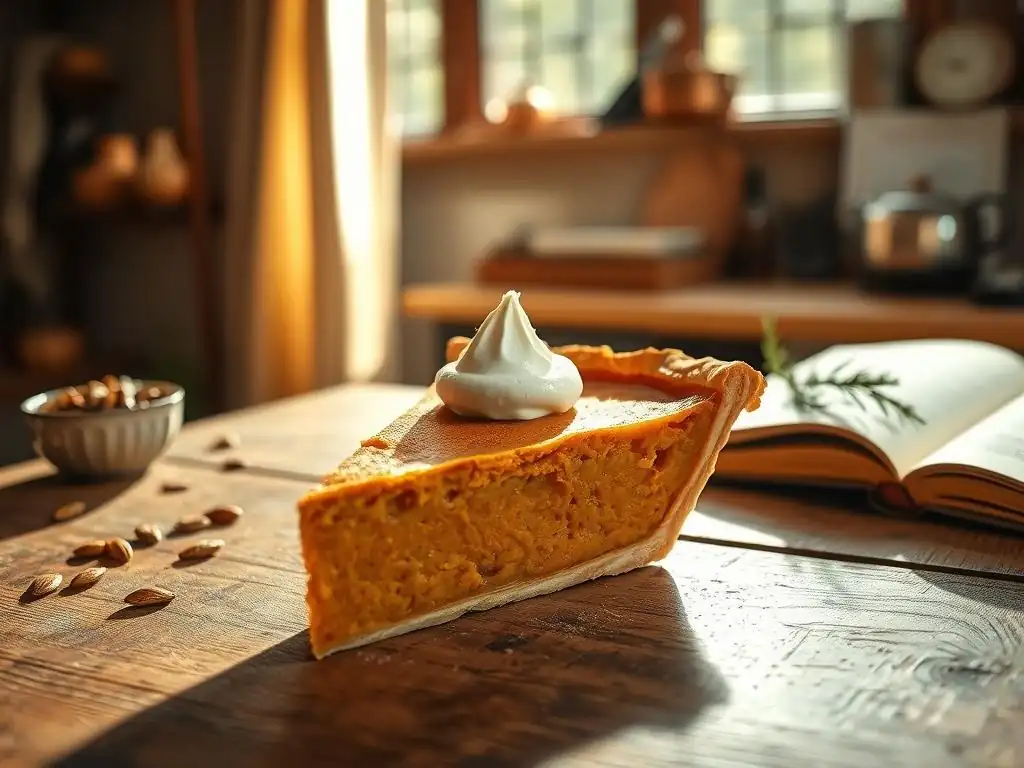
Welcome to BakeWithEase, your trusted guide to the delightful world of baking! Are you ready to indulge in the comforting flavors of fall, even with dietary restrictions? Discover how to create a luscious, dairy-free, nut-free pumpkin pie that will wow your taste buds and impress your guests. Uncover the secrets to a perfectly creamy coconut milk filling and a flaky crust that everyone can enjoy. Intrigued? Let's get baking!
- Dairy-Free, Nut-Free Pumpkin Pie with Coconut Milk Filling: A Bake With Ease Recipe
- Introduction: Indulge in Allergen-Friendly Pumpkin Pie
- Why This Dairy-Free and Nut-Free Pumpkin Pie Recipe Works
- Dairy-Free Nut-Free Pumpkin Pie Ingredients: What You'll Need
- Step-by-Step Guide: Baking Your Dairy-Free, Nut-Free Pumpkin Pie
- Tips for the Best Dairy-Free, Nut-Free Pumpkin Pie
- Serving and Storing Your Dairy-Free Pumpkin Pie
- Troubleshooting: Common Pumpkin Pie Baking Problems
- Variations: Customize Your Allergen-Friendly Pumpkin Pie
- Conclusion: Enjoy a Guilt-Free and Delicious Pumpkin Pie
-
Frequently Asked Questions
- How can I make a pumpkin pie that is both dairy-free and nut-free?
- What ingredients are used to replace dairy in this pumpkin pie recipe?
- Can I use a store-bought crust for this dairy-free, nut-free pumpkin pie?
- Is it possible to use a different type of dairy-free milk instead of coconut milk?
- What are some common mistakes to avoid when baking a dairy-free, nut-free pumpkin pie?
- Final Reflection: A Slice of Inclusivity: Reimagining the Classic Pumpkin Pie
- Unleash Your Inner Pastry Chef: Bake This Delightful Pie!
Dairy-Free, Nut-Free Pumpkin Pie with Coconut Milk Filling: A Bake With Ease Recipe
Introduction: Indulge in Allergen-Friendly Pumpkin Pie
The aroma of pumpkin pie is a hallmark of cozy seasons, especially around the holidays. However, for many, enjoying this classic dessert can be a challenge due to common food allergies and dietary restrictions, particularly dairy and nuts. Finding a delicious, safe option that everyone at the table can enjoy can feel daunting. At Bake With Ease, we believe everyone deserves a slice of pie happiness.
That's why we've crafted a delightful dairy-free, nut-free pumpkin pie recipe that doesn't compromise on flavor or texture. Using simple ingredients and straightforward techniques, you can create a comforting, rich pumpkin pie that is free from dairy and nuts, making it perfect for sharing with friends and family who have these specific needs. Get ready to bake a pie that is both inclusive and incredibly tasty!
Why This Dairy-Free and Nut-Free Pumpkin Pie Recipe Works
Perfect for Dietary Restrictions: Dairy Allergies and Nut Allergies
This recipe is specifically designed to address the challenges faced by individuals with dairy and nut allergies. Dairy allergies, often triggered by proteins like casein and whey, affect a significant portion of the population, including millions of adults and children. Symptoms can range from mild digestive upset to severe anaphylaxis. Similarly, tree nut and peanut allergies are among the most common and can be life-threatening, affecting millions globally. Finding commercially available desserts free from both allergens, especially during peak seasons like fall, can be incredibly difficult and often requires meticulous label reading and cross-contamination concerns.
By using plant-based alternatives, this dairy-free and nut-free pumpkin pie eliminates these common allergens. We replace dairy milk and cream with full-fat coconut milk, and we specify using a nut-free crust and avoiding any nut-based extracts or garnishes. This deliberate ingredient selection ensures that the pie is safe for those with diagnosed allergies to dairy and nuts, offering peace of mind and the joy of a classic treat without the risk. It opens up the possibility for everyone to share in the holiday dessert experience, making gatherings more inclusive and enjoyable.
Delicious Flavor and Creamy Texture: No Compromise on Taste
One common concern with allergen-friendly baking is whether the final product will truly satisfy compared to traditional versions. This dairy-free, nut-free pumpkin pie recipe excels in delivering a rich, classic pumpkin pie experience. The combination of warm pumpkin puree and aromatic pumpkin pie spice creates that quintessential fall flavor profile everyone loves. We don't rely on alternative flavors to mask the absence of dairy or nuts; instead, we focus on enhancing the natural sweetness and spice of the pumpkin.
The use of full-fat coconut milk is key to achieving the desired creamy texture that is often provided by heavy cream in conventional recipes. When baked, the coconut milk thickens beautifully with the other ingredients, resulting in a smooth, luscious filling that is remarkably similar to traditional pumpkin pie custard. It's not watery or overly dense; it has that familiar, comforting consistency. Many who have tried this recipe are surprised by how rich and satisfying it is, proving that a dairy-free and nut-free pumpkin pie can be just as delicious as its conventional counterpart.
Easy to Make: A Baking Project for All Skill Levels
Baking a pie might sound intimidating, but this dairy-free, nut-free pumpkin pie recipe is designed with simplicity in mind, making it accessible for bakers of all experience levels. We break down the process into manageable steps, from preparing the crust to mixing the filling and finally baking the pie. The ingredients are readily available in most supermarkets, and the techniques required are fundamental baking skills.
Even if you're new to baking, you can successfully create this pie. The filling comes together quickly with simple whisking, and baking involves straightforward temperature and time guidelines. We provide tips along the way to help you avoid common pitfalls like a soggy crust or a cracked filling.
Think of it as a fun kitchen project that yields delicious rewards. A beginner might spend around 60-75 minutes actively preparing and baking, while a more experienced baker could likely complete the active steps in under an hour. The total time, including cooling, is longer, but the hands-on time is minimal, making it a very achievable baking goal.
Dairy-Free Nut-Free Pumpkin Pie Ingredients: What You'll Need
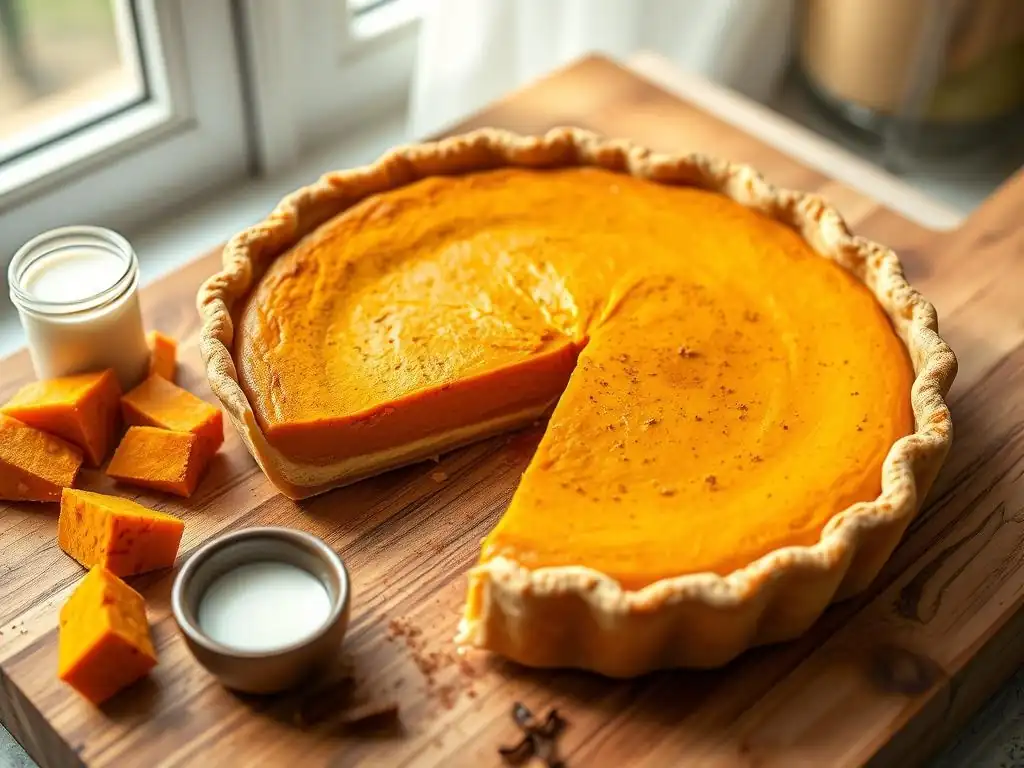
The Gluten-Free and Nut-Free Pie Crust
Choosing the right crust is crucial for a dairy-free, nut-free pumpkin pie. For a completely nut-free option, avoid crusts made with almond flour or other nut-based ingredients. Many commercially available gluten-free pie crusts are also nut-free, but always check the label carefully for both "nut-free" certification and potential cross-contamination warnings. Some brands specifically market their crusts as "allergy-friendly."
If you prefer to make your own crust, a standard pastry crust recipe using all-purpose flour (or a gluten-free blend) with dairy-free butter or shortening is a great choice. Ensure your kitchen is free from nut contamination if you are baking for severe allergies. A simple homemade crust typically requires flour, a fat source (like vegan butter or shortening), a pinch of salt, and ice water. Rolling out dough can be tricky, but using parchment paper helps immensely.
Key Ingredients for the Dairy-Free Pumpkin Pie Filling
The heart of your dairy-free, nut-free pumpkin pie lies in its creamy, flavorful filling. Each component plays a vital role in achieving the perfect consistency and taste without relying on dairy or nuts. Let's look at the stars of the show.
Coconut Milk: The Creamy Dairy-Free Base
Full-fat canned coconut milk is the essential ingredient that replaces traditional dairy in this pumpkin pie filling. It provides the necessary richness and fat content to create a smooth, custard-like texture when baked. Unlike light coconut milk or other plant-based milks like almond or soy milk, full-fat coconut milk has a higher percentage of fat (typically 17-20% compared to 5-7% in light versions or 1-3% in other plant milks), which is critical for achieving the desired firmness and creaminess as the pie bakes and sets.
When selecting coconut milk, look for "full-fat" or "premium" on the label. Shake the can; you should feel a solid mass inside, which is the coconut cream separated from the liquid. You'll want to use both the cream and the liquid, whisking them together thoroughly before adding to the filling mixture. This ensures a homogenous base and prevents the filling from separating or being too thin. While some recipes might suggest only using the cream, incorporating the liquid helps achieve the correct moisture balance for baking.
Pumpkin Puree: The Heart of the Pie
Pumpkin puree is, of course, indispensable for a dairy-free, nut-free pumpkin pie. It provides the signature flavor and vibrant orange color. It's crucial to use 100% pure pumpkin puree, not pumpkin pie filling, which already contains sweeteners, spices, and often dairy. Canned pumpkin puree is widely available and consistent in texture, making it ideal for baking. A standard 15-ounce can typically provides enough puree for one pie.
When opening the can, you might notice some liquid separation. This is normal. Stir the puree well before measuring to ensure you have a consistent texture. Some bakers even like to blot excess moisture from the puree with paper towels if it seems particularly wet, as too much moisture can lead to a longer baking time or a less firm filling. However, for most canned purees, a good stir is sufficient. Ensure the puree is smooth and free of any fibrous strings for the best filling consistency.
Pumpkin Pie Spice Blend: Warm and Aromatic
The warm, comforting flavor of pumpkin pie comes largely from the spice blend. A typical pumpkin pie spice mix includes cinnamon, ginger, nutmeg, and cloves. These spices complement the natural sweetness of the pumpkin beautifully and evoke the feeling of fall and holidays. Using a pre-mixed pumpkin pie spice is convenient, or you can create your own blend by combining individual ground spices.
The amount of spice can be adjusted slightly to your preference. A standard recipe might call for around 1 to 1.5 teaspoons of pumpkin pie spice. Using fresh spices makes a noticeable difference in flavor intensity compared to spices that have been sitting in the pantry for years. Spices lose their potency over time, so checking their aroma is a good indicator of their freshness. If you don't have a pre-made blend, a common ratio is 3 parts cinnamon, 1 part ginger, 1 part nutmeg, and 0.5 parts cloves (adjusting cloves as they are very strong).
Sweetener Options: Maple Syrup
For sweetening this dairy-free, nut-free pumpkin pie, maple syrup is an excellent choice. It provides a lovely, natural sweetness and a subtle depth of flavor that complements the pumpkin and spices. Unlike granulated sugar, maple syrup also contributes a small amount of liquid, which needs to be accounted for in the overall filling consistency. Using a liquid sweetener like maple syrup also helps the filling achieve a smooth texture without the potential graininess that can sometimes occur with granulated sugar if not fully dissolved.
The quantity of maple syrup can be adjusted slightly based on how sweet you prefer your pie. A typical amount might be around 1/3 to 1/2 cup for a standard pie. Ensure you use pure maple syrup, not pancake syrup, which is primarily corn syrup with artificial flavoring. The quality of the maple syrup will impact the final flavor of the pie. Beyond maple syrup, other liquid sweeteners like agave nectar or even a simple syrup made from granulated sugar could potentially be used, but maple syrup is highly recommended for its flavor pairing with pumpkin.
Binding Agents: Cornstarch
Since this dairy-free, nut-free pumpkin pie doesn't use eggs, which traditionally act as a binder and thickener in custard pies, a plant-based binding agent is necessary. Cornstarch is a readily available and effective choice for thickening the filling and helping it set properly as it bakes and cools. It works by creating a gel-like structure when heated in the presence of liquid, providing the firmness needed for the pie to hold its shape when sliced.
A typical recipe might use around 2 to 3 tablespoons of cornstarch. It's important to whisk the cornstarch thoroughly into the cold or room temperature liquid ingredients before heating or combining with hot components to prevent lumps. You can whisk it directly into the coconut milk or pumpkin puree before combining everything.
Ensure it is completely dissolved. Arrowroot starch is another plant-based binder that can often be substituted for cornstarch, usually at a slightly different ratio (sometimes needing slightly more). Using the correct amount of binder is crucial for the filling to set correctly; too little and it will be runny, too much and it could become overly stiff or gummy.
Step-by-Step Guide: Baking Your Dairy-Free, Nut-Free Pumpkin Pie
Preparing the Nut-Free Pie Crust
The first step to a successful dairy-free, nut-free pumpkin pie is preparing the foundation: the crust. If you're using a store-bought nut-free crust, follow the package instructions for thawing and preparing it for filling. Ensure it fits your pie dish snugly. If you're making your own nut-free crust, roll out the dough and gently press it into your pie plate, crimping the edges decoratively. Prick the bottom and sides of the crust with a fork. This helps prevent the crust from puffing up excessively during baking.
Blind Baking the Crust: Preventing a Soggy Bottom
Blind baking, or pre-baking the pie crust before adding the filling, is a critical step for this dairy-free, nut-free pumpkin pie. Because the filling is liquid and contains moisture, blind baking helps ensure the bottom crust bakes through and becomes crisp rather than soggy. To blind bake, line the pricked crust with parchment paper and fill it with pie weights, dried beans, or rice. These weights hold the crust in place and prevent the sides from collapsing.
Bake the crust in a preheated oven, typically around 375-400°F (190-200°C), for about 15-20 minutes until the edges are lightly golden. Then, carefully remove the weights and parchment paper and bake for another 5-10 minutes until the bottom looks dry and slightly set. This partial bake creates a barrier against the wet filling. Allowing the blind-baked crust to cool slightly before pouring in the filling also helps maintain its structure.
Making the Dairy-Free Pumpkin Pie Filling
With the crust ready, it's time to prepare the creamy, flavorful filling for your dairy-free, nut-free pumpkin pie. This process is quite simple and involves combining the liquid and dry ingredients to create a smooth mixture.
Combining the Ingredients: A Smooth and Creamy Mixture
In a large bowl, whisk together the 100% pumpkin puree, full-fat canned coconut milk (ensure it's well-mixed from the can), maple syrup, cornstarch, pumpkin pie spice, and a pinch of salt. Whisk until the mixture is completely smooth and lump-free. Pay special attention to incorporating the cornstarch fully to avoid any pockets of dry thickener. A wire whisk works best for this.
Ensure all ingredients are at roughly room temperature before combining, as this helps them emulsify smoothly. Taste the mixture at this stage (though remember it contains raw ingredients) to get an idea of the sweetness and spice level. You can make minor adjustments now if needed, adding a touch more maple syrup for sweetness or extra spice for warmth. The mixture should be pourable but have a slight thickness already from the cornstarch.
Adjusting Sweetness and Spices: Tailoring to Your Taste
While the recipe provides a guideline for sweetness and spices, personal preference plays a big role in the perfect dairy-free, nut-free pumpkin pie. Some people prefer a very sweet pie, while others like the natural flavor of pumpkin to shine through with just a hint of sweetness. Similarly, the amount of pumpkin pie spice can be increased or decreased based on how intense you like the spice notes.
After combining the main ingredients, take a small spoonful of the filling mixture and taste it. Is it sweet enough for you? Does it have enough warmth from the spices? If not, you can whisk in an additional tablespoon or two of maple syrup or another pinch of pumpkin pie spice. Remember that the flavors will concentrate slightly during baking, but major adjustments should be made now. Adding a tiny pinch of black pepper or a touch of ginger can also enhance the spice profile for a more complex flavor.
Assembling and Baking the Pumpkin Pie
With the crust blind-baked and the filling mixed, you're ready to assemble and bake your dairy-free, nut-free pumpkin pie to perfection. This stage requires careful handling and monitoring.
Pouring the Filling: Even Distribution
Carefully pour the prepared dairy-free, nut-free pumpkin pie filling into the warm or cooled blind-baked crust. Pour slowly and evenly to avoid splashing and to ensure the filling distributes itself smoothly across the bottom of the pie shell. Fill the crust almost to the brim, leaving just a small lip (about 1/4 inch) to account for slight expansion during baking.
If you notice any air bubbles on the surface after pouring, gently tap the pie plate on the counter a couple of times to help them rise and pop, resulting in a smoother finished surface. Avoid overfilling the pie, as this can lead to spills in the oven or the filling cracking more easily during baking.
Baking Time and Temperature: Achieving the Perfect Set
Baking the dairy-free, nut-free pumpkin pie requires a specific temperature and time to ensure the filling sets properly without cracking or drying out. A common method is to start with a higher temperature to set the edges quickly and then reduce the temperature to allow the center to bake gently. For example, you might start baking at 400°F (200°C) for the first 15 minutes, then reduce the oven temperature to 350°F (175°C) and continue baking for another 35-45 minutes.
The pie is done when the edges are set and slightly puffed, and the center is mostly set but still has a slight wobble when gently shaken. The internal temperature of the filling should ideally reach around 170-175°F (77-79°C). You can also insert a knife about 1 inch from the edge; if it comes out clean, the pie is likely done. Avoid overbaking, as this is a primary cause of cracking. If the crust edges start to brown too quickly, you can loosely cover them with foil or a pie crust shield.
Tips for the Best Dairy-Free, Nut-Free Pumpkin Pie
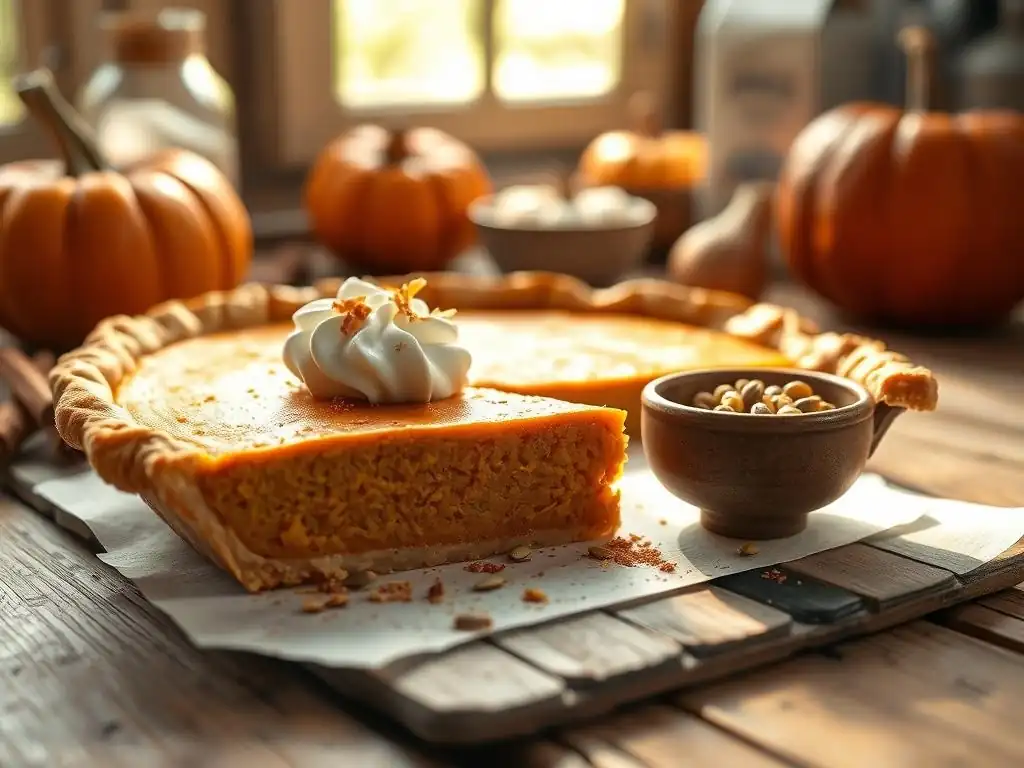
Achieving a perfect dairy-free, nut-free pumpkin pie is easy with a few key tips. These pointers will help you navigate common baking challenges and ensure your pie turns out beautifully.
Choosing the Right Coconut Milk: Full-Fat for Creaminess
As mentioned earlier, the type of coconut milk you use is paramount for the success of this dairy-free, nut-free pumpkin pie. Always opt for full-fat canned coconut milk.
The high-fat content is essential for replicating the rich, creamy texture of traditional custard-based pumpkin pie. Brands vary in consistency, but generally, a good full-fat coconut milk will have a thick layer of cream at the top when chilled, and the total fat content listed on the nutrition label will be significantly higher than light versions – look for something in the range of 17-20 grams of fat per 100g serving if possible.
Avoid using carton coconut milk (like the kind used for drinking) or light canned coconut milk. These have much lower fat content and will result in a watery, runny filling that won't set properly. If your full-fat coconut milk has separated in the can, don't just scoop out the cream; open the can and whisk the cream and liquid together until homogenous before measuring and using. Some people even recommend gently warming the unopened can in warm water for a few minutes to help the contents combine more easily before opening and whisking.
Preventing Cracking: Baking Techniques
Cracking is a common issue with custard-style pies, including this dairy-free, nut-free pumpkin pie. It usually occurs due to overbaking or cooling too quickly. When the filling bakes too long, it becomes too firm, and as it cools and contracts, the surface can split. Rapid temperature changes also cause the surface to cool and contract faster than the interior, leading to cracks.
To prevent cracking, monitor your pie carefully during the last stages of baking. The center should still have a slight wobble. When it's done, turn off the oven and leave the pie inside with the door slightly ajar for about an hour. This allows the pie to cool down gradually, reducing the thermal shock.
After this initial slow cool, remove the pie from the oven and let it cool completely on a wire rack. Avoid moving the pie too much while it's still hot and unset. Also, ensure you don't over-mix the filling before baking, as incorporating too much air can also contribute to cracking.
Cooling and Setting: Patience is Key
Once your dairy-free, nut-free pumpkin pie is out of the oven (and has had its initial slow cool if you used that technique), the most important step is allowing it sufficient time to cool and set completely. This process can take several hours, usually at least 3-4 hours at room temperature, and preferably chilling in the refrigerator for another few hours or overnight.
During cooling, the cornstarch and other ingredients work together to thicken the filling to its final, sliceable consistency. Cutting into the pie too early, while it's still warm and unset, will result in a runny mess. Patience is truly a virtue here! The texture and flavor also improve as the pie cools, allowing the spices to meld with the pumpkin. Plan ahead, especially if you're making this for a specific event; baking it the day before is ideal to ensure it has ample time to set fully in the refrigerator, resulting in clean slices.
Serving and Storing Your Dairy-Free Pumpkin Pie
Once your dairy-free, nut-free pumpkin pie has cooled and set, it's ready to be enjoyed! Proper serving and storage ensure you get the most out of your delicious creation.
Delicious Toppings: Dairy-Free Whipped Cream or Coconut Cream
A slice of dairy-free, nut-free pumpkin pie is wonderful on its own, but a topping can elevate it further. Dairy-free whipped cream is a popular choice and readily available in many grocery stores, often made from soy, oat, or coconut. Alternatively, you can easily make your own whipped coconut cream. Simply chill a can of full-fat coconut milk overnight, scoop out the thickened cream from the top (discarding the liquid or saving it for another use), and whip it with a bit of powdered sugar and vanilla extract until fluffy peaks form.
Other simple toppings include a sprinkle of cinnamon, a drizzle of maple syrup, or a dusting of powdered sugar (check that the sugar is dairy-free if needed, though most are). Avoid any toppings that contain nuts if you are serving this specifically as a nut-free pumpkin pie. A dollop of this creamy topping adds a lovely contrast in texture and flavor to the smooth, spiced filling.
Storing Leftovers: Keeping Your Pie Fresh
Proper storage is key to keeping leftover dairy-free, nut-free pumpkin pie fresh and delicious. Once the pie has completely cooled, cover it loosely with plastic wrap or aluminum foil, or transfer individual slices to airtight containers. Store the pie in the refrigerator.
Due to the moisture content and the nature of the plant-based ingredients, it's best to keep the pie refrigerated. It will typically last for 3-4 days in the refrigerator. While you can freeze pumpkin pie, the texture of the filling can sometimes become slightly grainy or watery upon thawing due to the freezing and thawing process affecting the cornstarch. If you do freeze it, wrap slices tightly in plastic wrap and then foil, and thaw overnight in the refrigerator.
Troubleshooting: Common Pumpkin Pie Baking Problems
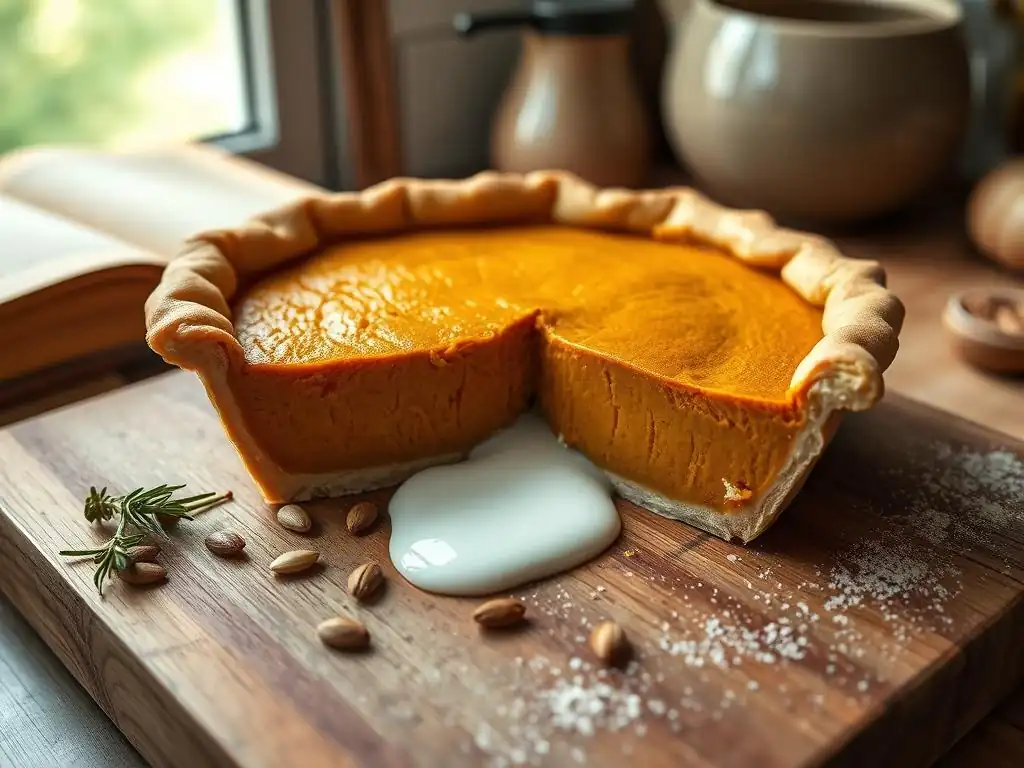
Even with a great recipe, baking can sometimes present challenges. Here are solutions for common issues you might encounter when making your dairy-free, nut-free pumpkin pie.
Soggy Crust Solutions
A soggy bottom crust is perhaps the most frustrating issue when baking a dairy-free, nut-free pumpkin pie. It occurs when the moisture from the filling seeps into the unbaked or under-baked crust. The primary solution is effective blind baking, as detailed earlier. Ensure you bake the crust long enough during the blind bake phase until the bottom appears dry and slightly set, not just the edges. This creates a better barrier.
Another factor can be a filling that is too wet. While this recipe uses pumpkin puree and coconut milk, both contain moisture. Ensure you use 100% pure pumpkin puree and full-fat coconut milk, as these tend to be thicker than other options.
Using the correct amount of cornstarch is also vital; too little binder will result in a runnier filling. If your filling seems excessively thin, you might consider whisking in an extra half tablespoon of cornstarch mixed with a little cold liquid before pouring it into the crust (though this should ideally be adjusted before pouring and baking). Serving the pie well-chilled also helps maintain the crust's integrity.
Cracking Prevention Tips
We touched on cracking prevention earlier, but it's worth reiterating the key strategies. Cracking is usually a sign of overbaking or cooling too quickly. The most effective method is to avoid overbaking the pie. Start checking for doneness at the lower end of the recommended baking time. Look for the edges to be set while the center still has a slight jiggle.
Secondly, implement a gradual cooling process. Leaving the pie in the turned-off oven with the door ajar for an hour after baking helps the internal temperature decrease slowly. Then, cool completely on a wire rack before refrigerating. Avoid placing a hot pie directly into a cold refrigerator. Also, be gentle when moving the pie while it's still warm and unset. Ensuring your oven temperature is accurate can also help; an oven thermometer is a useful tool.
Filling Consistency Issues: Too Runny
A runny filling means the dairy-free, nut-free pumpkin pie didn't set properly. The most common culprits are insufficient binder (cornstarch), inaccurate measurements, or not baking the pie for long enough to activate the binder and cook the starches. Ensure you accurately measure the cornstarch using standard measuring spoons and level them off. Using the specified amount of full-fat coconut milk is also important; using light coconut milk will definitely result in a runny filling.
If you've already baked the pie and it's still runny after chilling for several hours, there's not much you can do to fix the whole pie. However, for future attempts, double-check your measurements, ensure your cornstarch is fresh (it can lose potency over time), and make sure you bake the pie until the center has only a slight wobble, indicating it's mostly set. The internal temperature should reach at least 170°F (77°C) for the cornstarch to fully activate.
Variations: Customize Your Allergen-Friendly Pumpkin Pie
This base recipe for dairy-free, nut-free pumpkin pie is fantastic as is, but it also serves as a great canvas for customization based on other dietary needs or personal preferences.
Vegan Pumpkin Pie Options
This dairy-free, nut-free pumpkin pie recipe is inherently vegan, provided you use a vegan-friendly crust (many store-bought nut-free crusts are also vegan, but check the label) and a sweetener like maple syrup, which is vegan. The filling itself uses plant-based ingredients (pumpkin, coconut milk, cornstarch, spices, maple syrup) and contains no animal products.
If you are specifically looking for a vegan pumpkin pie and don't have nut allergies, you might have slightly more flexibility in crust choices (e.g., some vegan crusts might use almond flour). However, this recipe as written fits the vegan criteria perfectly, making it a versatile option for multiple dietary needs simultaneously. Ensure any toppings you add, like whipped cream, are also vegan.
Gluten-Free Pumpkin Pie Adaptations
This dairy-free, nut-free pumpkin pie can easily be made gluten-free by simply using a certified gluten-free and nut-free pie crust. Many brands offer ready-made gluten-free pie shells, which are often also free from common allergens like nuts and dairy. Always check the ingredient list and allergen statements on the packaging to be sure.
If you prefer to bake your own gluten-free crust, use a reliable gluten-free all-purpose flour blend designed for pastry making, along with dairy-free fat (like vegan butter or shortening) and ice water. Ensure your gluten-free flour blend does not contain almond flour or other nut flours if you need the pie to be nut-free as well. The filling itself is naturally gluten-free, as it uses pumpkin puree, coconut milk, cornstarch, spices, and maple syrup.
Adding Chocolate Chips
For a fun twist on the classic, consider adding dairy-free chocolate chips to your dairy-free, nut-free pumpkin pie. Dairy-free chocolate chips are widely available, often made with ingredients like cocoa butter, sugar, and soy lecithin instead of dairy milk. Be sure to select a brand that is also certified nut-free if nut allergies are a concern.
You can sprinkle about 1/2 to 3/4 cup of dairy-free chocolate chips into the bottom of the blind-baked crust before pouring in the filling, or gently stir them into the filling mixture just before pouring. The chocolate adds a layer of richness and a slight textural contrast that pairs surprisingly well with the warm spices of the pumpkin. Avoid adding too many, as they can affect the filling's ability to set firmly.
Conclusion: Enjoy a Guilt-Free and Delicious Pumpkin Pie
You've successfully baked a delicious dairy-free, nut-free pumpkin pie! This recipe proves that you don't need dairy or nuts to create a classic, comforting dessert that pleases everyone. By focusing on simple, wholesome ingredients and following straightforward steps, you can enjoy the rich flavor and creamy texture of traditional pumpkin pie while accommodating important dietary needs.
A Perfect Dessert for Thanksgiving and Beyond
This dairy-free, nut-free pumpkin pie is an absolute showstopper for holiday gatherings, especially Thanksgiving, where pie is a centerpiece. It allows guests with dairy or nut allergies to safely participate in the dessert course, making the celebration more inclusive and joyful. But its appeal isn't limited to holidays; it's a wonderful dessert to bake throughout the fall and winter months, or whenever the craving for warm, spiced pumpkin strikes. Share a slice (or two!) and savor the taste of a classic made accessible for all. Happy baking!
Frequently Asked Questions
How can I make a pumpkin pie that is both dairy-free and nut-free?
You can create a delicious dairy-free and nut-free pumpkin pie by using coconut milk as a replacement for dairy and ensuring all ingredients are sourced from nut-free facilities. Also using a nut-free crust recipe is critical.
What ingredients are used to replace dairy in this pumpkin pie recipe?
This recipe relies on full-fat coconut milk to achieve a creamy and rich texture similar to traditional pumpkin pie fillings that use dairy. It provides the necessary fat content for a satisfying mouthfeel.
Can I use a store-bought crust for this dairy-free, nut-free pumpkin pie?
Yes, you can use a store-bought crust. However, you must carefully check the ingredient list to ensure it is both dairy-free and nut-free. Look for certified nut-free labels for added assurance.
Is it possible to use a different type of dairy-free milk instead of coconut milk?
While possible, other dairy-free milks may not provide the same richness. Coconut milk is preferred for its high fat content. Using other milks might result in a thinner filling.
What are some common mistakes to avoid when baking a dairy-free, nut-free pumpkin pie?
Overbaking is a common issue. Watch the pie carefully and remove it when the edges are set but the center still has a slight wobble. Also, always double-check all ingredient labels for hidden dairy or nut traces.
Final Reflection: A Slice of Inclusivity: Reimagining the Classic Pumpkin Pie
The demand for dairy-free and nut-free desserts is not just a trend; it's a vital step towards creating a more inclusive culinary landscape. This recipe, a delicious dairy-free, nut-free pumpkin pie with a coconut milk filling, demonstrates that dietary restrictions needn't compromise on flavor or tradition. We've proven that adapting beloved classics is entirely possible, resulting in a treat everyone can enjoy.
This recipe's journey, from concept to creation, highlights the power of culinary adaptation and the importance of considering diverse dietary needs. It's a testament to the growing awareness surrounding food allergies and intolerances, pushing us to rethink traditional recipes and expand our culinary horizons. Food is symbolic of love when words are inadequate.
– Alan D. Wolfelt. This sentiment rings true, especially when we consider how inclusive food choices can foster a sense of belonging and shared experience.
Now, I invite you to take this recipe and make it your own. Experiment with spices, explore different crust options, and most importantly, share this delicious and inclusive dessert with loved ones. Let this pumpkin pie be a symbol of your commitment to creating a more welcoming and accessible culinary world, one delicious slice at a time. Embrace the challenge of adapting recipes to meet diverse needs, and discover the joy of sharing food that nourishes both body and soul.
Unleash Your Inner Pastry Chef: Bake This Delightful Pie!
Thanks for taking the time to explore this delicious dairy-free, nut-free pumpkin pie recipe! We hope you found the instructions easy to follow and are feeling inspired to create something amazing. Now it's time to put your new skills to the test.
- Bake the pie! This recipe is designed for success, even for beginner bakers. Let us know how it turns out!
- Share your creation: Snap a picture of your finished pie and tag us on social media – we’d love to see your culinary masterpiece.
- Explore more dairy-free recipes: Head over to our website to discover a wealth of other delicious and allergy-friendly treats.
What unique twist will you add to your pumpkin pie to make it truly your own?