
Toasting Nuts & Seeds for Maximum Flavor in Your Baked Goods

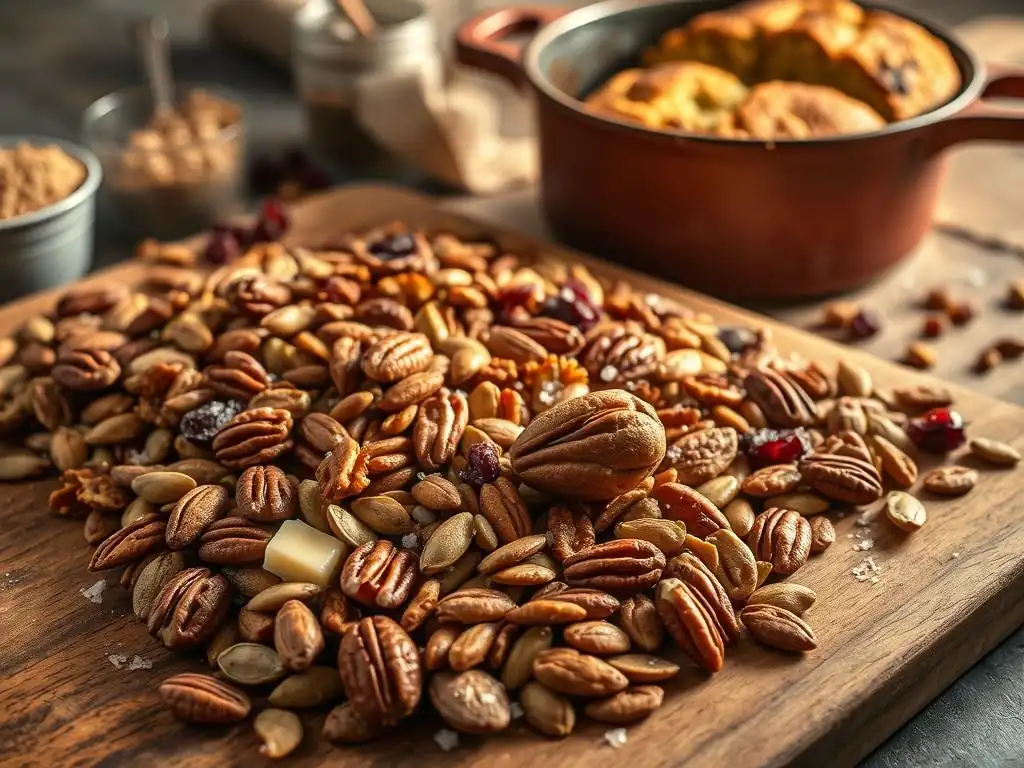
Welcome to BakeWithEase, your kitchen companion for unlocking baking brilliance! Ever wondered how to elevate your pastries from simply good to utterly irresistible? The secret often lies in the simple act of toasting. Discover how toasting nuts & seeds can dramatically enhance the flavor profile of your baked goods, adding a depth and complexity you never thought possible. Prepare to delve into our Ingredient Deep Dives and unlock a world of flavor – keep reading to learn how!
- Why Toasting Nuts & Seeds Enhances Baking Flavor
- Best Nuts and Seeds for Toasting in Baking Recipes
- Step-by-Step Guide: How to Toast Nuts & Seeds
- Tips for Perfectly Toasted Nuts & Seeds
- Incorporating Toasted Nuts & Seeds into Baking Recipes
- Troubleshooting: Addressing Uneven Toasting or Burning
- The Importance of Freshness
-
Frequently Asked Questions
- What does toasting nuts and seeds do for baking?
- How long should I toast nuts and seeds in the oven?
- Can I toast nuts and seeds on the stovetop instead of in the oven?
- What are some common nuts and seeds that benefit from toasting before baking?
- How do I know when my nuts and seeds are properly toasted?
- Final Reflection: The Transformative Power of a Toast
- Unleash the Nutty Goodness: Toast Your Way to Better Baking!
Why Toasting Nuts & Seeds Enhances Baking Flavor
Unleashing Nutty Aromas
Toasting nuts and seeds fundamentally changes their chemical composition. The heat causes natural oils within the nuts and seeds to warm up and release volatile aromatic compounds. These compounds are what give nuts and seeds their distinctive, appealing smell, much like how roasting coffee beans brings out their aroma. Without toasting, these aromas remain largely locked away, resulting in a flatter flavor profile in your baked goods.
This process is similar to the Maillard reaction, which occurs between amino acids and reducing sugars at high temperatures. While nuts and seeds don't contain as much sugar as some other ingredients, the reaction still contributes to browning and the development of complex, savory, and slightly sweet notes. This deepens the overall nutty character, making it far more pronounced and enjoyable when used in recipes like muffins, breads, or cookies, significantly contributing to the desired toasted nuts seeds baking flavor.
From Bland to Bold: Improving Seed Taste
Many seeds, like sesame or sunflower, can taste somewhat plain or even slightly bitter in their raw state. Toasting them transforms their flavor from potentially bland or earthy to rich, nutty, and sometimes even slightly sweet. This is due to the breakdown of certain compounds and the development of new ones during the heating process. The natural fats render slightly, intensifying the inherent flavors.
Consider a simple seed cracker or a loaf of seed bread. Using raw seeds might add texture, but the flavor impact is minimal. Toasting those same seeds before adding them brings a depth and intensity that elevates the entire dish. For instance, toasting sesame seeds for a challah bread or burger buns imparts a wonderfully nutty, slightly smoky flavor that raw seeds simply cannot provide, proving essential for achieving optimal toasted nuts seeds baking flavor.
Toasting for Texture: Adding Crunch
Beyond flavor and aroma, toasting significantly improves the texture of nuts and seeds. Raw nuts and seeds can sometimes be a bit soft or even slightly chewy, depending on their moisture content. Toasting dries them out slightly and makes them crispier and more brittle. This added crunch provides a delightful textural contrast in soft baked goods like cakes or quick breads.
Imagine biting into a soft cookie studded with perfectly crisp, toasted pecans, or a slice of banana bread featuring crunchy, toasted walnuts. This textural element is just as important as the flavor boost. The satisfying snap or crunch that toasted nuts and seeds provide makes your baked goods more interesting and enjoyable to eat, enhancing the overall experience and contributing to the desirable texture alongside the toasted nuts seeds baking flavor.
Best Nuts and Seeds for Toasting in Baking Recipes
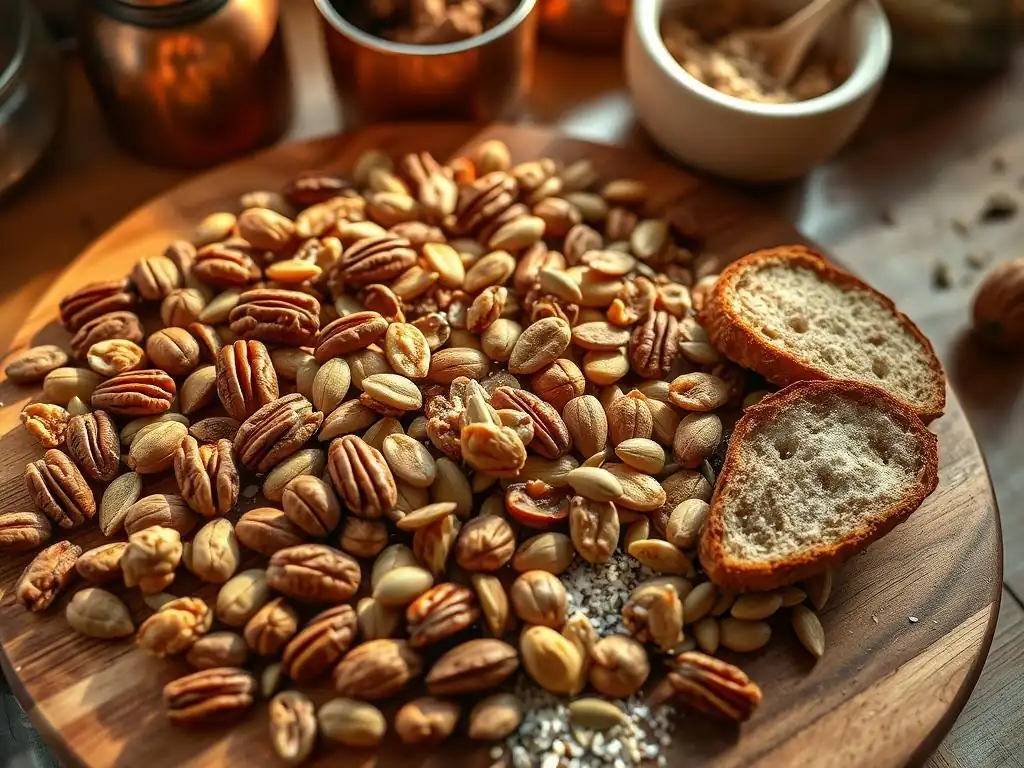
Popular Nuts for Baking: Almonds, Hazelnuts, and Pecans
Certain nuts are particularly popular in baking due to their flavor profiles and how well they respond to toasting. Almonds, hazelnuts, and pecans are prime examples. They each offer unique characteristics that are amplified by heat, making them staples for achieving superior toasted nuts seeds baking flavor in a wide array of desserts and pastries.
These nuts are versatile and can be used whole, chopped, or ground. Their relatively high fat content means they toast beautifully, developing complex flavors without easily burning, provided they are monitored carefully. Understanding how each nut transforms during toasting allows bakers to select the perfect type for their specific recipe, optimizing the final taste and texture.
Toasting Almonds: Sweetness and Depth
Almonds, whether slivered, sliced, or whole, develop a wonderful sweetness and a deeper, more complex flavor when toasted. The heat brings out their inherent delicate sweetness and transforms their slightly flat raw taste into a rich, nutty depth. This makes them ideal for delicate pastries, cookies, and cakes where a subtle yet impactful nutty flavor is desired.
For instance, toasted slivered almonds are a classic topping for coffee cakes or fruit tarts, adding both crunch and a fragrant nutty aroma. Toasted ground almonds can be incorporated into cake batters or cookie doughs, lending moisture and a profound nutty flavor that complements ingredients like vanilla, citrus, or berries. Achieving this toasted nuts seeds baking flavor with almonds is relatively easy and highly rewarding.
Toasting Hazelnuts: Rich and Earthy
Hazelnuts are known for their rich, earthy, and slightly sweet flavor, often associated with chocolate. Toasting hazelnuts intensifies these characteristics and also helps loosen their papery skins, which can sometimes be bitter. The deep flavor developed through toasting makes them perfect partners for chocolate and coffee in desserts.
Toasted hazelnuts are the star of classic recipes like gianduja (a chocolate-hazelnut paste) or frangipane. Using toasted chopped hazelnuts in brownie batter or as a topping for chocolate cakes elevates the dessert to a new level, adding a sophisticated, roasted nut flavor. Blanching and toasting hazelnuts is a small step that yields a significant improvement in the final toasted nuts seeds baking flavor.
Toasting Pecans: Buttery and Aromatic
Pecans have a naturally buttery and slightly sweet flavor, which becomes incredibly aromatic and rich when toasted. Their higher fat content means they toast relatively quickly and develop a deep, indulgent flavor. This makes them indispensable in many classic American desserts, particularly pies, tarts, and sticky buns.
Think of the iconic pecan pie – the depth of flavor comes largely from the toasted pecans. Adding toasted chopped pecans to quick breads like banana or pumpkin bread provides bursts of buttery, nutty flavor and delightful texture. Even a simple sprinkle of toasted pecan halves on top of a scoop of ice cream or a warm brownie is transformed by the toasting process, showcasing the power of toasted nuts seeds baking flavor.
Seeds That Shine When Toasted: Sesame, Pumpkin, and Sunflower
While nuts often take center stage, many seeds also benefit immensely from toasting, adding unique flavors and textures to baked goods, both sweet and savory. Sesame, pumpkin (pepitas), and sunflower seeds are excellent candidates, each contributing a distinct character when toasted.
These seeds are often smaller than nuts and can toast very quickly, requiring close attention. Their oil content varies, affecting toasting time and temperature. When properly toasted, they add everything from delicate nuttiness to savory depth and satisfying crunch, enhancing the overall toasted nuts seeds baking flavor profile of everything from crackers to bread.
Toasting Sesame Seeds: Nutty Enhancement
Sesame seeds, particularly white sesame seeds, develop a rich, nutty, and slightly sweet flavor when toasted. Black sesame seeds become even more intensely nutty and slightly smoky. Toasting is crucial for unlocking their full potential, as raw sesame seeds can taste quite flat.
Toasted sesame seeds are a staple in savory baking, used to top bread loaves, rolls, and crackers. They are also used in some sweet applications, like sesame cookies or halva. The tiny size and potent flavor of toasted sesame seeds mean a little goes a long way in adding a layer of complex, nutty taste to your baked goods, contributing significantly to the desired toasted nuts seeds baking flavor.
Toasting Pumpkin Seeds (Pepitas): Savory Intensity
Pumpkin seeds, or pepitas (shelled pumpkin seeds), transform from chewy and somewhat plain to wonderfully crunchy and intensely savory when toasted. They have a distinct, slightly earthy flavor that is amplified by heat, making them a fantastic addition to savory breads, muffins, and even some sweet applications like granola bars.
Toasted pepitas add a satisfying crunch and a deep, roasted flavor to cornbread or savory scones. They can also be incorporated into multi-grain bread doughs or used as a topping for sweet quick breads like zucchini bread. Their vibrant green color and robust flavor make them a visually appealing and tasty ingredient when properly toasted for optimal toasted nuts seeds baking flavor.
Toasting Sunflower Seeds: Roasty Notes
Sunflower seeds have a mild, slightly sweet, and nutty flavor in their raw state. Toasting them brings out a deeper, more pronounced roasty flavor and enhances their crunch. They are versatile and can be used in both sweet and savory baking, adding texture and a pleasant nutty taste.
Adding toasted sunflower seeds to whole-wheat bread or rolls provides a lovely texture and a warm, nutty flavor. They can also be included in cookie doughs, granola, or used as a topping for muffins. Like pepitas, they are relatively high in healthy fats, which contributes to their enjoyable texture and flavor when toasted for maximum toasted nuts seeds baking flavor.
Step-by-Step Guide: How to Toast Nuts & Seeds
Toasting nuts and seeds is a simple process, but precision is key to avoid burning. There are several methods you can use, each with its own advantages depending on the quantity and type of nuts or seeds you are toasting. Regardless of the method, the goal is to achieve an even golden-brown color and a fragrant aroma, unlocking that sought-after toasted nuts seeds baking flavor.
- Important Note: Always start with raw, unsalted nuts or seeds unless the recipe specifically calls for pre-roasted ones.
Method 1: Toasting in the Oven for Even Roasting
Toasting nuts and seeds in the oven is arguably the most hands-off method and is excellent for toasting larger quantities evenly. It provides consistent heat, reducing the risk of hot spots that can occur on the stovetop. This method is ideal for nuts like almonds, pecans, and walnuts, as well as seeds like pumpkin and sunflower seeds.
The oven method is particularly good for achieving a uniform golden color across a batch of nuts or seeds. Because the heat surrounds the nuts/seeds, they roast from all sides simultaneously. This results in a deeper, more consistent toasted nuts seeds baking flavor throughout the batch, which is perfect when you need a larger quantity for a recipe like a large cake or multiple batches of cookies.
Preparing for Oven Toasting
Start by preheating your oven. A moderate temperature, typically between 300°F (150°C) and 350°F (175°C), is generally recommended. Using a lower temperature gives you more control and reduces the chance of burning, though it takes a little longer. Spread the nuts or seeds in a single layer on a dry baking sheet. Avoid overcrowding the pan; if you have a large amount, use multiple sheets.
Ensure the baking sheet is clean and dry. Do not add any oil or butter unless specifically instructed by a recipe, as the nuts and seeds contain enough natural oils to toast properly. A single layer ensures that each nut or seed receives direct heat and toasts evenly. This preparation is crucial for developing consistent toasted nuts seeds baking flavor.
Oven Temperature and Time Guidelines
General guidelines for oven toasting are around 300°F (150°C) to 350°F (175°C) for 5 to 15 minutes. The exact time will vary significantly based on the type and size of the nut or seed, as well as your oven's calibration. Smaller seeds like sesame might be done in 5-8 minutes at 325°F (160°C), while larger nuts like whole pecans might take 10-15 minutes at the same temperature.
Crucially, you must watch them closely, especially towards the end of the recommended time range. Nuts can go from perfectly toasted to burnt very quickly. Begin checking for color and aroma around the minimum recommended time. This vigilance is key to achieving the perfect toasted nuts seeds baking flavor without spoilage.
Achieving Perfect Doneness
You'll know your nuts or seeds are perfectly toasted when they turn a shade or two darker (usually golden brown) and become noticeably fragrant. You might even hear faint popping sounds as they toast. To check for doneness, remove one or two from the oven (careful, they're hot!) and let them cool for a moment. Taste them; they should be crisp and nutty, not soft or raw-tasting, and should not taste bitter or burnt.
Once they reach the desired color and aroma, remove the baking sheet immediately from the oven. It's best to transfer the toasted nuts or seeds from the hot baking sheet onto a plate or cutting board to cool completely. Leaving them on the hot pan can cause carryover cooking and lead to burning. Proper cooling preserves their crisp texture and the developed toasted nuts seeds baking flavor.
Method 2: Toasting on the Stovetop for Quick Results
Toasting nuts and seeds on the stovetop is a faster method, particularly useful for small quantities. It requires more active monitoring and stirring but can be completed in just a few minutes. This method is excellent for smaller nuts like pine nuts or slivered almonds, and most seeds.
The direct heat from the pan means stovetop toasting is much quicker than oven toasting. This is convenient when you only need a small amount for a garnish or recipe component. However, because the heat is direct and often uneven, constant stirring is essential to prevent burning and ensure uniform toasted nuts seeds baking flavor.
Choosing the Right Pan
Use a dry, heavy-bottomed skillet or frying pan. A heavier pan distributes heat more evenly, reducing hot spots. Avoid using non-stick sprays or oil unless the recipe specifically requires it, as the natural oils in the nuts and seeds are usually sufficient. Cast iron or stainless steel pans work well.
Ensure the pan is clean and completely dry before adding the nuts or seeds. Any residual moisture can cause them to steam rather than toast. A pan with sloped sides makes stirring easier, allowing you to keep the nuts or seeds moving constantly for even browning and consistent toasted nuts seeds baking flavor.
Maintaining Even Heat
Heat the dry pan over medium heat. Once the pan is warm, add the nuts or seeds in a single layer. Do not overcrowd the pan; toast in batches if necessary. Stir or toss the nuts/seeds constantly using a wooden spoon or spatula. This constant movement is critical to prevent the ones on the bottom from burning while the ones on top remain raw.
Keep the heat at a level that allows the nuts/seeds to toast gradually, not scorch. If they start smoking excessively or browning too quickly, reduce the heat. The goal is a gentle, even browning across all pieces, which develops the best toasted nuts seeds baking flavor.
Preventing Burning
Stovetop toasting is fast, and burning can happen in seconds if you're not paying attention. Stay by the pan the entire time and stir continuously. Watch for the color change – they will go from pale to golden brown. Listen for any faint popping sounds. Smell the wonderful nutty aroma as it develops; this is a key indicator that they are toasting.
As soon as they reach the desired color and fragrance, immediately remove the pan from the heat and transfer the nuts or seeds to a cool surface (like a plate or bowl) to stop the cooking process. Do not leave them in the hot pan, as residual heat will continue to cook them and can lead to burning. Quick action at the end is vital for perfect toasted nuts seeds baking flavor.
Method 3: Microwave Toasting
Microwave toasting is the fastest method, suitable for very small quantities of nuts or seeds, often just a tablespoon or two. It's not ideal for large batches or for achieving the most uniform browning, but it's incredibly convenient when you need a tiny amount quickly. Seeds like sesame or poppy seeds, or small nuts like pine nuts, work best.
While it's the quickest method, it requires careful monitoring as microwaves can heat unevenly. Stirring frequently is essential. This method relies more on the internal heating of the nuts/seeds' oils rather than external browning, so they may not get as deeply golden as with oven or stovetop methods, but it still enhances their toasted nuts seeds baking flavor.
Preparing for Microwave Toasting
Spread a small, single layer of nuts or seeds on a microwave-safe plate. Do not use plastic plates, as the heat from the nuts/seeds can potentially damage them. Ceramic or glass plates are ideal. Ensure the nuts/seeds are spread out thinly for more even heating.
As with other methods, start with raw, unsalted nuts or seeds. Make sure the plate is dry. Using a larger plate than you think you need for the small quantity helps spread them out more thinly, improving the chances of even toasting and better toasted nuts seeds baking flavor development.
Microwave Power and Time
Microwave power levels vary, so starting with a lower power setting (like 50% or 70%) and shorter time increments is safer than using full power. Begin with a short duration, such as 30 seconds. After 30 seconds, remove the plate, carefully stir the nuts or seeds, and check for aroma and color change.
Return to the microwave and heat in shorter increments, perhaps 15-30 seconds at a time, stirring in between each interval. The total time will depend on the quantity and your microwave's power, but it's often just 1-3 minutes total. Be patient and check frequently to avoid burning, which happens rapidly in a microwave.
Monitoring Progress
Monitoring is crucial with microwave toasting. You won't get the same visual cues as oven or stovetop methods initially, as browning happens later in the process. Rely more on the aroma and listening for subtle popping sounds. The nuts/seeds will feel hot and may become slightly greasy as their oils warm.
Once you detect a fragrant, nutty aroma and see some slight color change, remove them immediately. They will continue to cook slightly from residual heat. Transfer them to a cool surface to stop the cooking. The goal is a fragrant, slightly darker appearance and a noticeable improvement in taste towards toasted nuts seeds baking flavor compared to raw.
Tips for Perfectly Toasted Nuts & Seeds
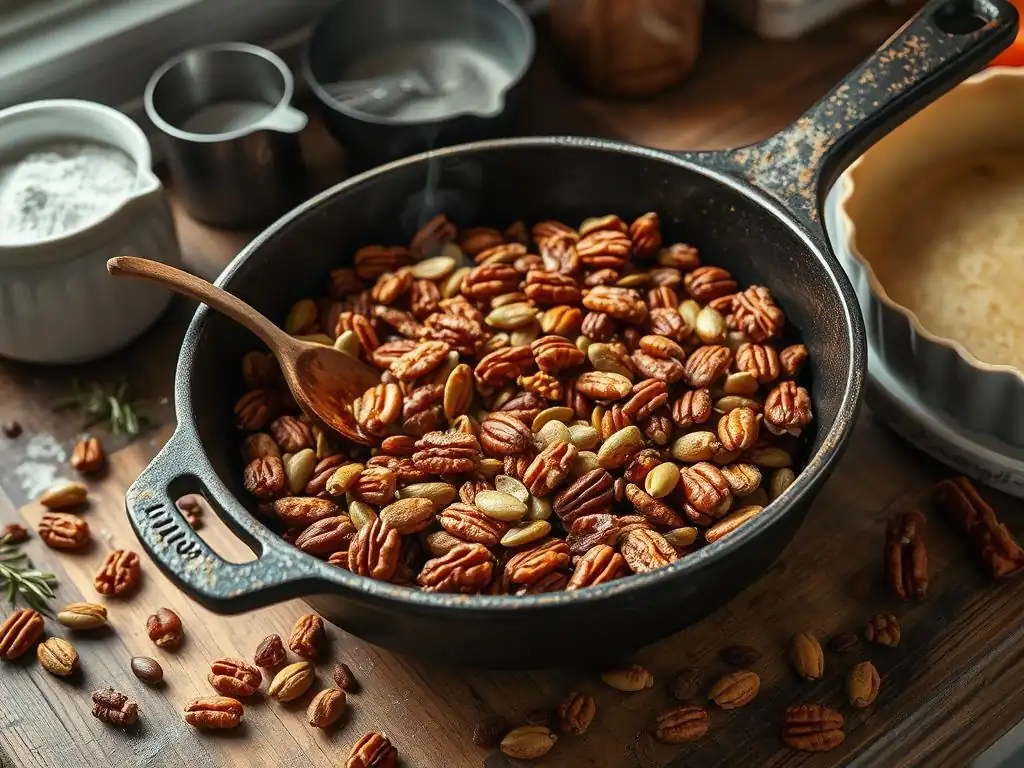
Achieving perfectly toasted nuts and seeds every time comes down to a few key practices. Paying attention to detail during the toasting process ensures you get that maximum flavor and ideal texture without the disappointment of burnt or unevenly toasted results. These tips apply regardless of the method you choose, helping you master toasted nuts seeds baking flavor.
Following these simple guidelines can significantly improve the quality of your toasted nuts and seeds, making your baked goods shine. Consistency is key, and a little extra attention during the toasting step pays off immensely in the final outcome of your recipes.
Avoiding Common Mistakes
- Overcrowding the pan: Always toast in a single layer to ensure even heat distribution.
- Not watching them closely: Nuts and seeds can burn very quickly. Never walk away while toasting, especially on the stovetop or in the microwave.
- Not stirring/tossing: Essential for stovetop and microwave methods to prevent burning and ensure even browning. Even in the oven, a quick stir halfway through can help.
- Leaving them on the hot pan: Always transfer toasted nuts/seeds to a cool surface immediately after removing them from the heat source to stop carryover cooking.
- Using rancid nuts/seeds: Toasting won't fix bad ingredients. Start with fresh, good-quality nuts and seeds for the best toasted nuts seeds baking flavor.
Knowing When They're Done
Perfectly toasted nuts and seeds will have a few key indicators:
- Color: They will turn a shade or two darker, typically golden brown. Avoid dark brown or black edges, which indicate burning.
- Aroma: A rich, fragrant, nutty smell will fill the air. Raw nuts have little aroma; toasted ones are very fragrant.
- Sound: You might hear faint popping or crackling sounds as their internal moisture evaporates and oils heat up.
- Texture (after cooling): They should be crisp and brittle, not soft or chewy.
- Taste (after cooling): They should taste nutty and rich, not raw, oily, or bitter. A slightly bitter taste is a sign of burning.
Cooling and Storing
Once toasted, immediately transfer the nuts or seeds to a plate, cutting board, or shallow bowl to cool completely. Do not leave them in the hot pan or pile them up, as this traps heat and can lead to steaming or continued cooking. Allow them to cool in a single layer if possible.
Once completely cool, store toasted nuts and seeds in an airtight container. Because their oils have been heated and exposed, they are more prone to becoming rancid than raw nuts. Store them in a cool, dark place for short-term use (a few weeks) or in the refrigerator or freezer for longer storage (several months) to preserve their wonderful toasted nuts seeds baking flavor. Label the container with the date and type of nut/seed.
Incorporating Toasted Nuts & Seeds into Baking Recipes
Adding toasted nuts and seeds is a simple yet powerful way to elevate your baked goods. The enhanced flavor, aroma, and crunch they provide can transform a standard recipe into something truly special. Here are a few examples of how to incorporate that fantastic toasted nuts seeds baking flavor.
Whether you're making cookies, cakes, breads, or crackers, there's a place for toasted nuts or seeds. They can be mixed into batters or doughs, used as toppings or fillings, or even ground into flour for a nuttier base.
Toasted Almond Shortbread
Shortbread is a classic cookie, and adding toasted almonds takes it to the next level. Start by toasting slivered or finely chopped almonds until golden brown and fragrant. Once cooled, fold them into your shortbread dough before shaping and baking.
The toasted almonds provide bursts of sweet, nutty flavor and a delicate crunch within the tender, buttery shortbread. The aroma while baking is incredible, showcasing the impact of the toasted nuts seeds baking flavor. A typical shortbread recipe using 1 cup (approx. 100g) of flour might benefit from 1/4 to 1/2 cup (approx. 25-50g) of finely chopped toasted almonds.
Toasted Hazelnut Brownies
Brownies and hazelnuts are a match made in heaven. Toasting the hazelnuts intensifies their earthy, chocolate-complementary flavor. Use whole or chopped toasted hazelnuts, with or without the skins removed (skins add a slightly more rustic, earthy note).
Mix toasted chopped hazelnuts into your brownie batter before baking, or sprinkle them on top during the last few minutes of baking. A standard 9x13 inch pan of brownies could use anywhere from 1/2 cup to 1 cup (approx. 50-100g) of toasted chopped hazelnuts for a significant flavor boost and satisfying texture, highlighting the powerful toasted nuts seeds baking flavor combination.
Toasted Sesame Seed Crackers
For savory baking, toasted sesame seeds add a fantastic nutty depth. Homemade crackers are a perfect vehicle for this. Toast sesame seeds until golden brown and fragrant, then mix them into your cracker dough along with other seeds if desired.
Roll out the dough thinly, score, and bake until crisp. The toasted sesame seeds provide a wonderful aroma and flavor that permeates the cracker, along with a slight crunch. Using 2-3 tablespoons (approx. 20-30g) of toasted sesame seeds per cup of flour in a cracker recipe yields a noticeable and delicious toasted nuts seeds baking flavor.
Troubleshooting: Addressing Uneven Toasting or Burning
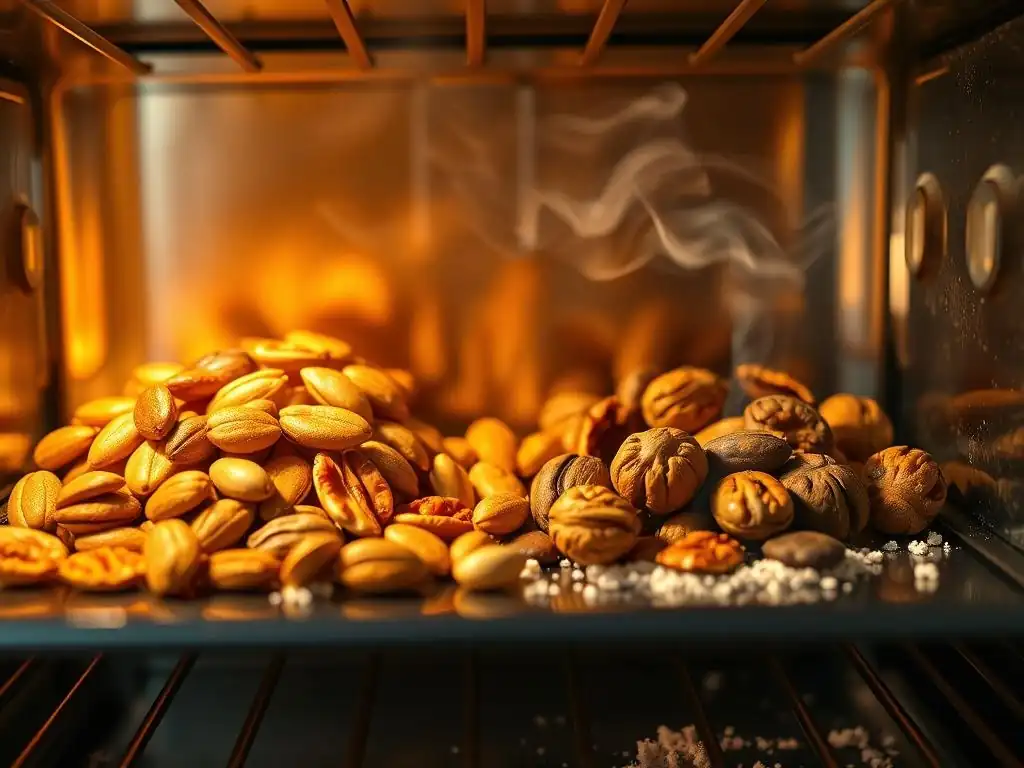
Even with the best intentions, things can sometimes go wrong when toasting nuts and seeds. Uneven toasting or slight burning are common issues. Understanding how to address these problems can help salvage your ingredients or prevent them from happening in the first place, ensuring you still get the best possible toasted nuts seeds baking flavor.
Don't despair if your first attempt isn't perfect. Toasting takes a little practice to get the timing and heat just right for your specific equipment. Learning to recognize the signs of doneness and potential problems is part of the process.
Salvaging Slightly Burnt Nuts & Seeds
If a few nuts or seeds on the edges of your pan have slightly darkened or smell just on the verge of burnt, you might be able to salvage the batch. Immediately remove all the nuts/seeds from the hot pan and spread them in a single layer on a cool surface.
Once cooled, carefully pick out any pieces that are clearly burnt (blackened or very dark brown and bitter-tasting). The rest of the batch might still be usable, especially if they only show slight unevenness. If the entire batch has a strong bitter, burnt smell, it's usually best to discard it and start over, as the burnt flavor will unfortunately permeate your baked goods and ruin the desired toasted nuts seeds baking flavor.
Ensuring Even Toasting
Uneven toasting is often caused by uneven heat in your oven or pan, or by not stirring/tossing adequately. To improve evenness:
- Oven: Ensure your oven temperature is accurate (an oven thermometer can help). Rotate the baking sheet halfway through the toasting time. Consider stirring the nuts/seeds on the sheet halfway through as well.
- Stovetop: Use a heavy-bottomed pan that conducts heat well. Keep the heat consistent (medium is usually best). Stir constantly from the moment the nuts/seeds hit the hot pan until they are done.
- Microwave: Use a lower power setting and shorter intervals. Stir thoroughly after every interval to redistribute the nuts/seeds.
Starting with a single, thin layer and not overcrowding the pan is fundamental to achieving even toasted nuts seeds baking flavor development regardless of the method.
The Importance of Freshness
Using fresh nuts and seeds before toasting is paramount to achieving the best toasted nuts seeds baking flavor. Nuts and seeds contain oils that can go rancid over time, especially if stored improperly (in warm, light conditions). Rancid nuts have an unpleasant, bitter, or chemical-like smell and taste that no amount of toasting can fix.
Always check the freshness of your nuts and seeds before you begin. They should smell pleasant and nutty, not oily, bitter, or like old crayons. Storing nuts and seeds in airtight containers in the refrigerator or freezer significantly extends their shelf life and ensures they are in optimal condition for toasting, guaranteeing you get that wonderful toasted nuts seeds baking flavor in your final creations.
Frequently Asked Questions
What does toasting nuts and seeds do for baking?
Toasting enhances the flavor of nuts and seeds by bringing out their natural oils and aromas. This adds a deeper, more complex nutty flavor to your baked goods.
How long should I toast nuts and seeds in the oven?
The toasting time depends on the type of nut or seed, but generally, it takes 5-10 minutes at 350°F (175°C). Watch them carefully to prevent burning.
Can I toast nuts and seeds on the stovetop instead of in the oven?
Yes, you can! Use a dry skillet over medium heat and stir frequently until they are fragrant and lightly browned. This method requires close attention.
What are some common nuts and seeds that benefit from toasting before baking?
Popular choices include almonds, walnuts, pecans, sesame seeds, and pumpkin seeds. Toasting these before adding them will significantly improve their flavor impact.
How do I know when my nuts and seeds are properly toasted?
They should be fragrant, lightly browned, and have a slightly crisp texture. Be careful not to over-toast, as they can burn easily and become bitter.
Final Reflection: The Transformative Power of a Toast
The subtle art of toasting nuts and seeds isn't just a culinary technique; it's a gateway to unlocking unparalleled depth of flavor in your baked goods. A simple act, yet one that elevates the ordinary to the extraordinary, transforming familiar recipes into truly memorable experiences. The impact of this seemingly small detail is profound, affecting not only the taste but also the overall texture and aroma of your creations.
The journey of discovering the transformative power of toasting has been a personal one, revealing how a few minutes of careful attention can dramatically alter the final product. I've been amazed by the sheer difference a quick toast makes, moving beyond simple additions to creating a harmonious symphony of flavors. The best things in life are simple,
a phrase often repeated, rings particularly true here. The simplicity of toasting belies the complexity of flavor it unveils.
Now, I invite you to experiment. Don't just take my word for it; try toasting your own nuts and seeds. Notice the subtle changes in aroma as they heat, the deepening of color, and the intensified taste. Embrace the process, and let the enhanced flavor of your baked goods become a testament to the power of mindful preparation. The next time you bake, remember the transformative power of a toast – and let your creations sing.
Unleash the Nutty Goodness: Toast Your Way to Better Baking!
Thanks for taking the time to explore the world of toasted nuts and seeds! We hope you now understand how a simple toasting step can dramatically elevate your baked goods. Ready to put your newfound knowledge into practice?
- Toast your way to deliciousness: Grab a batch of your favorite nuts or seeds and give toasting a try. You'll be amazed at the difference! Experiment with different toasting times to find your perfect level of crunch and flavor.
- Share your creations: Snap a picture of your toasted nut masterpieces and share them with us—we’d love to see what you bake!
- Discover new flavor combinations: Think beyond the usual suspects! Experiment with different nuts, seeds, and spices to create unique and exciting flavor profiles in your recipes.
What's your favorite nut or seed to toast, and what's your go-to recipe for using them? Let us know in the comments!