
Achieving Golden Brown Puff Pastry Without Burning the Edges

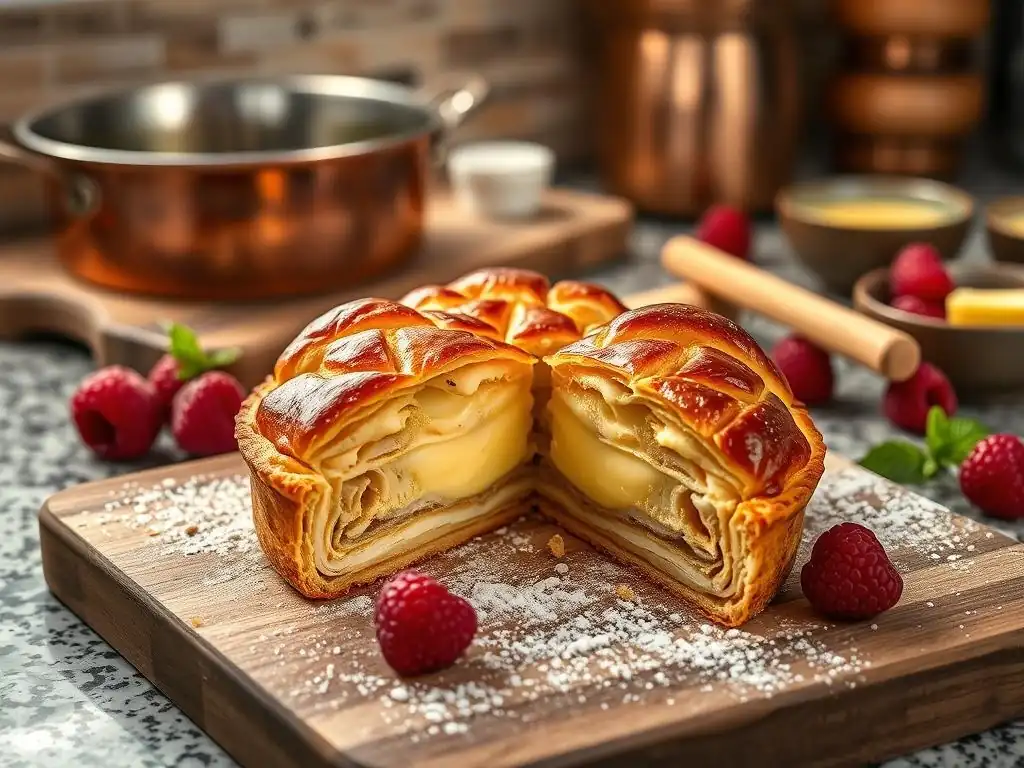
Welcome to BakeWithEase, your trusted companion in the delicious world of baking! Ever dreamt of perfectly flaky, golden-brown puff pastry but struggled to achieve that ideal color without burning the edges? You're not alone! Dive into our guide on golden brown puff pastry tips and discover the secrets to mastering this delicate art. Intrigued? Let's unlock the secrets to baking perfection together!
- Achieving Golden Brown Puff Pastry Without Burning the Edges: A Comprehensive Guide
- Introduction: Mastering the Art of Golden Brown Puff Pastry
- Understanding Puff Pastry: Key Factors for Even Baking
-
Golden Brown Puff Pastry Tips: Preventing Burning and Achieving Perfection
- Tip #1: Chilling is Key: Maintaining Dough Temperature
- Tip #2: The Baking Sheet Matters: Choosing the Right One
- Tip #3: Oven Placement and Air Circulation: Ensuring Even Heat Distribution
- Tip #4: Egg Wash Application: Achieving a Beautiful Golden Hue
- Tip #5: Using Parchment Paper for Even Baking
- Tip #6: Shielding Edges: Protecting Delicate Puff Pastry
- Tip #7: Monitoring and Adjusting: Staying Vigilant During Baking
- Troubleshooting Puff Pastry Baking Issues
- Advanced Puff Pastry Techniques: Elevating Your Baking Skills
- Conclusion: Enjoying Your Perfectly Baked Golden Brown Puff Pastry
-
Frequently Asked Questions
- How can I get my puff pastry golden brown without burning the edges?
- What is the best oven temperature for achieving golden brown puff pastry?
- My puff pastry is browning too quickly. What should I do?
- Can egg wash help achieve a golden brown color on puff pastry?
- Why is my puff pastry not puffing up properly, even when golden brown?
- Final Reflection: The Pursuit of Perfect Puff Pastry
- Unlock Your Perfect Puff Pastry: Golden Brown & Never Burned!
Achieving Golden Brown Puff Pastry Without Burning the Edges: A Comprehensive Guide
Introduction: Mastering the Art of Golden Brown Puff Pastry
The Allure of Perfectly Baked Puff Pastry
There's a certain magic in a perfectly baked puff pastry. It emerges from the oven, a glorious edifice of countless flaky layers, each one crisp and airy, yielding with a gentle crackle. The ideal result is a rich, golden brown hue that promises a delightful texture and flavor within. This beautiful color isn't just for show; it signifies that the sugars in the dough and any applied wash have caramelized just right, contributing to both the taste and the signature flakiness we all crave in this delicate pastry.
Achieving this state of golden perfection consistently, however, can be one of the trickiest parts of working with puff pastry. The contrast between the desired golden exterior and a burnt edge is stark, turning a potential masterpiece into a disappointment. Mastering the techniques to ensure uniform baking and that coveted golden brown finish is a skill that elevates home baking and is a hallmark of successful puff pastry creations.
Common Puff Pastry Baking Problems: Avoiding Burnt Edges
While the goal is a uniform golden brown, many bakers encounter the frustrating problem of edges browning too quickly, often turning dark brown or even black before the center is fully puffed and cooked. This issue is incredibly common and stems from several factors, including uneven heat distribution in the oven, the thinness of the pastry edges compared to the center, and the sensitivity of the butter-rich dough to high temperatures.
Avoiding these burnt edges requires a proactive approach and attention to detail throughout the baking process. It's not simply about setting a timer; it involves understanding the dough's behavior, controlling the environment it bakes in, and being prepared to intervene if necessary. These golden brown puff pastry tips are designed to help you navigate these challenges and achieve consistently beautiful, edible edges every time.
Understanding Puff Pastry: Key Factors for Even Baking
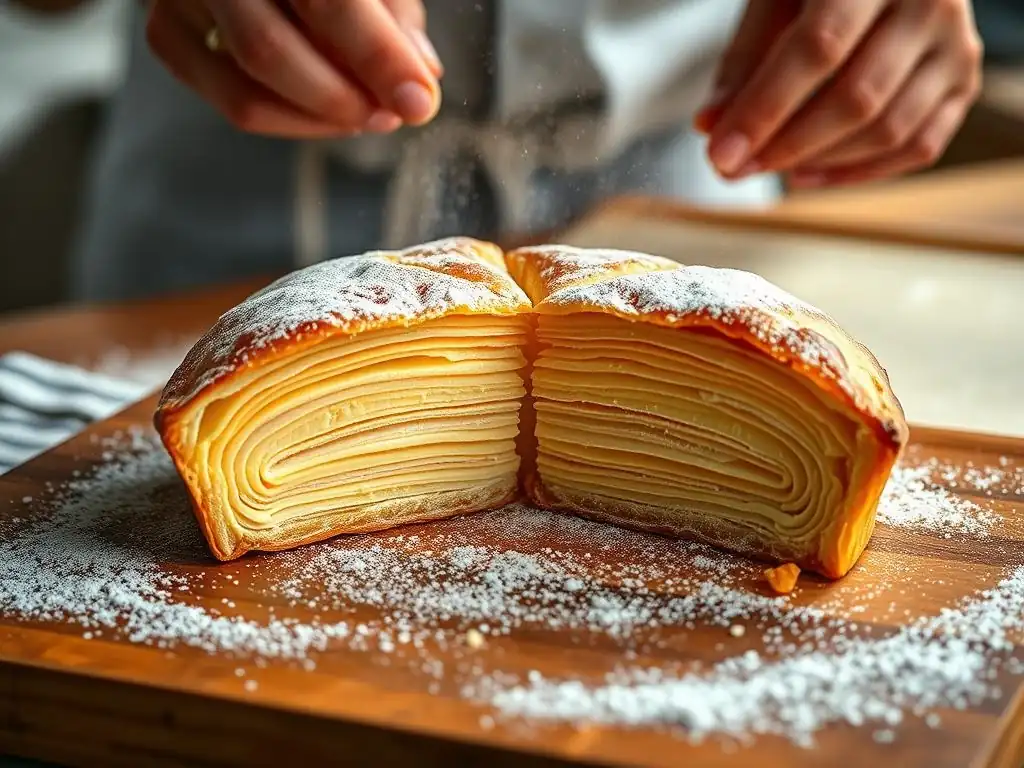
Puff Pastry Dough Composition: Fat, Flour, and Water Ratios
The magic of puff pastry lies in its simple yet precise composition: flour, water, salt, and a significant amount of fat, traditionally butter. The ratio of these ingredients is critical. Typically, puff pastry contains roughly equal parts flour and butter by weight, and about half that amount in water. For example, 250 grams of flour might be combined with 250 grams of butter and 125 ml of water. This high fat content, often around 50% of the total dough weight, is what creates the distinct layers.
The quality and temperature of the fat are paramount. Cold, firm butter is essential for creating distinct layers during lamination. The flour provides structure, and the water hydrates the flour and turns to steam during baking, which is the leavening agent. Getting these ratios right and handling the dough gently ensures the layers remain separate and can puff properly, leading to even cooking and the desired golden brown puff pastry texture.
The Importance of Lamination in Puff Pastry
Lamination is the defining technique of puff pastry, involving repeatedly folding and rolling the dough to create hundreds, or even thousands, of alternating layers of dough and butter. A typical rough puff might have 4-6 folds, resulting in hundreds of layers, while a classic puff pastry can have 6-8 folds, potentially creating thousands of layers. This process is what gives puff pastry its incredible lift and flakiness.
During baking, the water in the dough turns to steam, which is trapped between the layers of melted butter and dough. This steam forces the layers apart, causing the dramatic puff. Effective lamination ensures these layers are uniform and thin, allowing for even steam distribution and consistent rising across the entire sheet of pastry. Poor lamination, or butter that is too soft or melts during the process, can lead to uneven puffing and, consequently, uneven browning.
Controlling Oven Temperature for Optimal Puff Pastry Results
Baking puff pastry requires a hot oven, typically ranging from 400°F to 425°F (200°C to 220°C). The high temperature is crucial for two reasons: it quickly melts the butter, creating steam, and it sets the layers rapidly before the fat can leak out. However, this high heat is also why edges can burn so easily. The intense radiant heat hits the thinner, more exposed edges first.
Precise temperature control is vital. An oven that runs too hot will burn the exterior before the interior is cooked and fully puffed. An oven that is too cool will result in less puff as the butter may melt and seep out before enough steam is generated. Using an oven thermometer can help verify your oven's actual temperature, as they often vary significantly from the dial setting. Adjusting the temperature down slightly after the initial rapid puff (perhaps after 10-15 minutes) can help the interior finish cooking without over-browning the exterior.
Golden Brown Puff Pastry Tips: Preventing Burning and Achieving Perfection
Tip #1: Chilling is Key: Maintaining Dough Temperature
Why Chilling Matters for Uniform Baking
Maintaining a consistently cold temperature throughout the puff pastry making and baking process is perhaps the most critical factor for achieving that beautiful golden brown puff pastry result without burning. Cold dough, specifically cold butter within the dough, ensures that the layers remain distinct until they hit the hot oven. When the cold dough enters the oven, the butter melts quickly and completely, creating maximum steam and lift between the layers.
If the dough is too warm, the butter can start to melt before baking begins, causing layers to stick together. This leads to uneven puffing, where some areas rise well and others remain flat. Flat or thinner areas are much more susceptible to burning because they cook faster and are more directly exposed to the heat. Proper chilling ensures uniform layer separation and thus more even baking and browning.
Best Practices for Chilling Puff Pastry
Chill the dough thoroughly between each fold during lamination, typically for 30-60 minutes. The dough should be firm but still pliable enough to roll. After shaping your pastry pieces, a final chill is non-negotiable. Place the shaped pieces on your prepared baking sheet and refrigerate for at least 30 minutes, or ideally, freeze them for 10-15 minutes before baking.
Ensure your kitchen environment is cool while working with the dough. If it's a warm day, consider using air conditioning or working early in the morning. Handle the dough as little as possible, as the heat from your hands can warm the butter. A well-chilled pastry piece going into a hot oven is the foundation for even puffing and a beautiful, consistent golden brown puff pastry finish.
Tip #2: The Baking Sheet Matters: Choosing the Right One
Selecting the Ideal Baking Sheet Material
The material and color of your baking sheet significantly impact how quickly the bottom and edges of your puff pastry brown. Dark-colored baking sheets absorb and transfer heat more efficiently than light-colored ones. While this can be beneficial for achieving a crisp bottom crust, it also increases the risk of the edges burning, especially with delicate puff pastry.
For the most even baking and best control over browning, a heavy-gauge, light-colored aluminum baking sheet is generally recommended. These sheets conduct heat evenly and are less likely to cause hot spots that can lead to burnt edges. Avoid thin, dark non-stick sheets if possible, as they can be notorious for causing rapid bottom and edge browning.
Proper Baking Sheet Preparation for Puff Pastry
Even with the right baking sheet, proper preparation is key to preventing sticking and promoting even heat distribution. Lining the baking sheet with parchment paper (Tip #5 will cover this in detail) is the most common and effective method. This creates a barrier that helps regulate the transfer of heat from the sheet to the pastry.
Avoid greasing the baking sheet directly, as this can sometimes lead to uneven browning or a slightly greasy bottom layer. If you aren't using parchment, a very light dusting of flour or a silicone baking mat can work, but parchment is generally preferred for puff pastry aiming for golden brown perfection.
Tip #3: Oven Placement and Air Circulation: Ensuring Even Heat Distribution
Optimizing Oven Rack Placement
The position of your baking sheet within the oven is crucial for even baking and achieving beautiful golden brown puff pastry. Most ovens have hot spots, and placing your delicate pastry too close to a heating element or an oven wall can lead to localized burning. The middle rack is typically the best position for baking puff pastry.
This central placement allows heat to circulate evenly around the baking sheet, ensuring that all parts of the pastry are exposed to a consistent temperature. Avoid placing multiple sheets too close together on different racks, as this can obstruct airflow and lead to uneven baking and browning. If baking multiple sheets, rotate them halfway through the baking time.
Understanding Convection vs. Conventional Oven Settings
Convection ovens use a fan to circulate hot air, which results in more even heat distribution and often faster baking times. This can be beneficial for puff pastry, promoting a more uniform puff and potentially a more consistent golden brown puff pastry color across the surface. However, the increased airflow can also accelerate browning, especially on edges.
If using a convection oven, you may need to reduce the temperature by 25°F (about 15°C) and/or reduce the baking time compared to a conventional oven. Monitor your pastry closely, particularly towards the end of the baking time. In a conventional oven, rotating the baking sheet halfway through the process is highly recommended to compensate for uneven heat distribution and ensure uniform browning.
Tip #4: Egg Wash Application: Achieving a Beautiful Golden Hue
The Right Way to Apply Egg Wash
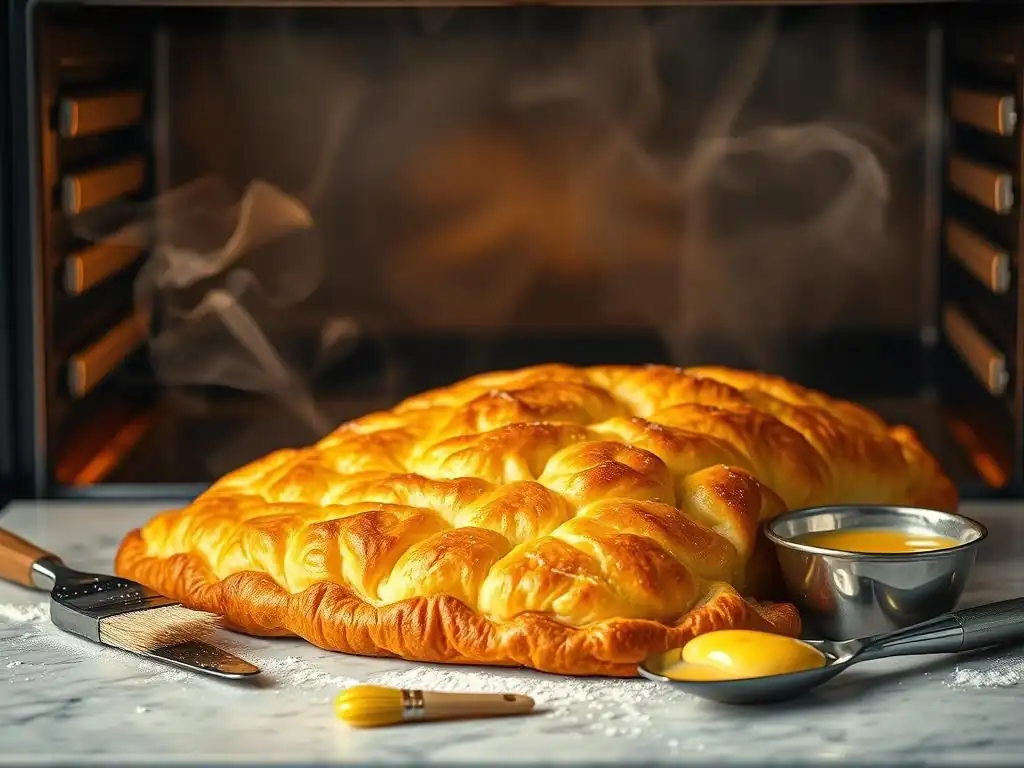
An egg wash is a classic technique for giving baked goods a glossy, golden finish, and it's essential for that desirable golden brown puff pastry appearance. A typical egg wash is made by whisking one egg with a tablespoon or two of water or milk. The protein and sugar in the egg wash caramelize during baking, creating the rich color and a slight sheen.
Apply the egg wash evenly using a pastry brush, covering the entire exposed surface of the pastry. Be careful not to let the egg wash drip down the sides and seal the layers together, as this will inhibit the puff. A thin, even coat is sufficient. For a deeper golden color, you can use just the egg yolk mixed with a little liquid. For a lighter color and more shine, use only the egg white or a whole egg with more liquid.
Alternatives to Egg Wash for Puff Pastry
While egg wash is standard for achieving a vibrant golden brown puff pastry, there are alternatives. A simple milk or cream wash will also promote browning, though usually not as deeply golden or glossy as an egg wash. This is a good option for those with egg allergies or who prefer a less intense color.
For a vegan option, a wash made from plant-based milk (like soy or almond milk) mixed with a touch of maple syrup or agave nectar can encourage browning due to the sugars. Some bakers also use melted vegan butter or oil, though this tends to create a less uniform finish. Experiment to find the wash that gives you the perfect golden brown puff pastry look you desire.
Tip #5: Using Parchment Paper for Even Baking
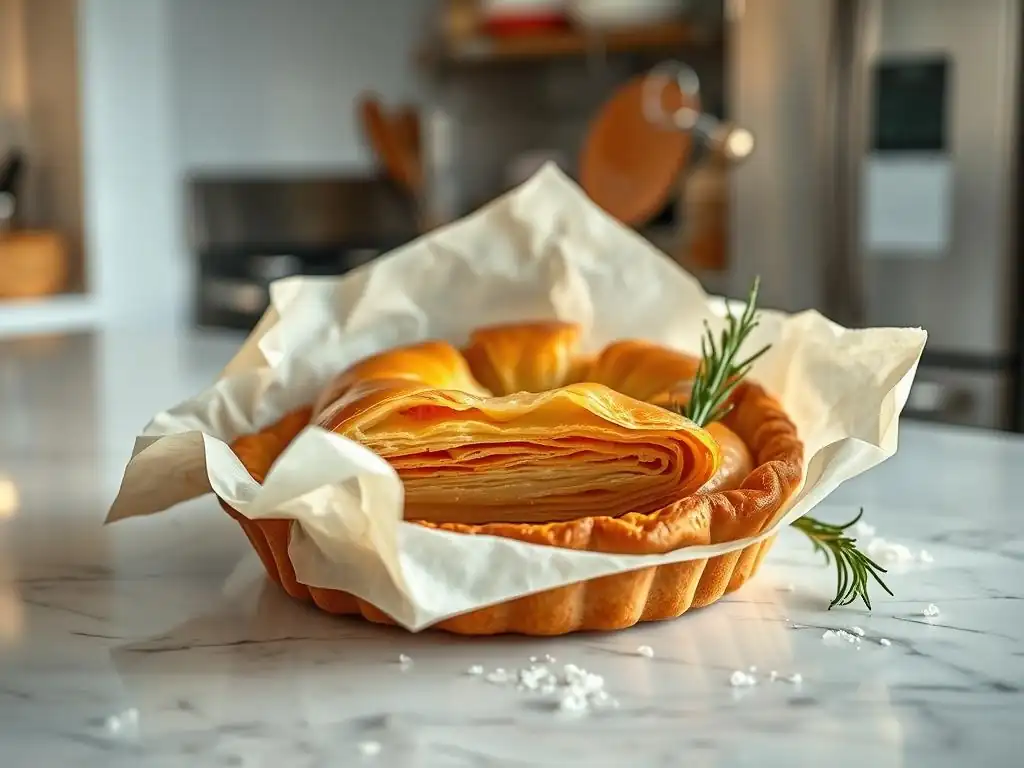
How Parchment Paper Helps with Heat Distribution
Parchment paper is an invaluable tool when baking puff pastry, particularly for promoting even cooking and preventing burnt bottoms and edges. It creates a barrier between the hot baking sheet and the delicate dough. This barrier helps to diffuse the heat coming from the sheet, preventing the direct, intense contact that can cause rapid browning and burning.
In addition to modulating heat, parchment paper provides a non-stick surface, ensuring your baked pastry releases easily from the pan without tearing the delicate bottom layers. This is especially important with puff pastry, where the structure is built upon those well-defined layers.
Using Parchment Paper Effectively for Puff Pastry
Always line your baking sheet with parchment paper when baking puff pastry. Ensure the paper lies flat on the sheet; you can use a tiny dab of butter or a drop of water in the corners of the sheet to help the paper adhere. Cut the parchment paper to size so it fits neatly within the edges of the baking sheet, preventing it from curling up and potentially interfering with even heat circulation.
Placing your shaped puff pastry pieces directly onto the parchment-lined sheet ensures they are shielded from the direct heat of the metal. This simple step is one of the most effective golden brown puff pastry tips for achieving a consistently beautiful and evenly colored result.
Tip #6: Shielding Edges: Protecting Delicate Puff Pastry
Foil Shielding Technique for Preventing Burnt Edges
Despite all precautions, the edges of puff pastry are often thinner and more exposed than the center, making them prone to burning before the rest of the pastry is fully baked. A highly effective technique to combat this is shielding the edges with aluminum foil. This redirects some of the radiant heat away from the vulnerable edges, allowing the center to catch up in browning.
To shield the edges, tear off strips of aluminum foil about 1-2 inches wide. Gently wrap these strips around the perimeter of your puff pastry pieces on the baking sheet, covering only the very edges. Crimp the foil lightly to hold it in place, but avoid pressing down on the pastry itself, which could inhibit puffing.
When and How to Apply Foil Shields
Apply the foil shields after the initial rapid puff has occurred and you notice the edges starting to brown faster than the center. This is typically about halfway through the baking time, perhaps after 10-15 minutes, depending on the size and thickness of your pastry. You don't want to shield too early, as the initial high heat is needed for maximum puff.
Monitor your pastry closely. As soon as the edges reach the desired golden brown puff pastry color, or just before they start to get too dark, carefully remove the baking sheet from the oven and apply the foil shields. Return the sheet to the oven to allow the center to finish baking and achieve a uniform golden hue.
Tip #7: Monitoring and Adjusting: Staying Vigilant During Baking
Recognizing Signs of Over-Browning
Vigilance is key when baking puff pastry. Don't just set a timer and walk away. Check your pastry regularly, especially in the latter half of the baking time. Signs that your pastry is over-browning include edges turning a dark brown or black color, or the surface developing very dark spots. Remember, the goal is a consistent golden brown puff pastry color, not a mix of light and dark areas.
Also, listen to your pastry. A fully baked puff pastry will sound hollow when tapped gently on the bottom. If the top is dark but it still sounds dense, the inside may not be fully cooked, indicating the temperature was too high or the baking time too short at the correct temperature.
Adjusting Baking Time and Temperature as Needed
Be prepared to make adjustments based on what you observe. If the pastry is browning too quickly overall but the inside isn't fully baked (it won't sound hollow), you may need to reduce the oven temperature by 10-20°F (5-10°C) and continue baking for a few more minutes. If the edges are browning too fast, apply the foil shields as described in Tip #6.
If the pastry is fully puffed and cooked but hasn't reached the desired golden brown puff pastry color, you can increase the temperature slightly for the last few minutes or, if using a conventional oven, move it to a higher rack (while still monitoring closely). Trust your instincts and use these golden brown puff pastry tips to guide your decisions during the bake.
Troubleshooting Puff Pastry Baking Issues
Puff Pastry Burning Too Quickly: Potential Causes and Solutions
When puff pastry burns too quickly, the primary culprit is usually excessive heat, either from the oven temperature being too high or from uneven heat distribution. A baking sheet that's too dark or thin can also contribute significantly by conducting heat too aggressively to the bottom and edges. Placing the pastry too high or too low in the oven can expose it to direct, intense heat from heating elements.
Solutions include verifying your oven temperature with an external thermometer and adjusting accordingly. Use a light-colored, heavy-gauge baking sheet lined with parchment paper. Ensure the pastry is placed on the middle rack. If edges still brown too fast, implement the foil shielding technique (Tip #6) partway through the bake. Reducing the oven temperature slightly after the initial puff can also help the interior finish cooking without over-browning the exterior, ensuring a beautiful golden brown puff pastry result.
Puff Pastry Not Puffing Properly: Common Mistakes and Corrections
Lack of proper puffing is a frustrating issue. It's most often caused by issues with the dough's temperature or the lamination process. If the butter was too soft during folding, the layers may have merged. If the dough wasn't sufficiently chilled before baking, the butter could melt and leak out before creating steam. Handling the dough too roughly can also damage the layers.
Ensure your butter and dough are cold and firm throughout the lamination process, with adequate chilling time between folds and a final chill before baking. Work quickly and gently. Make sure your oven is preheated to the correct high temperature; insufficient heat won't generate enough steam for lift. Avoid letting egg wash or fillings drip down the sides, as this glues the layers together, preventing puffing and impacting the ability to achieve uniform golden brown puff pastry.
Uneven Browning in Puff Pastry: How to Achieve Uniform Color
Uneven browning results from inconsistent heat exposure across the pastry surface. This can be due to hot spots in the oven, airflow issues (like overcrowding the oven), uneven application of egg wash, or uneven thickness in the rolled dough. If some areas are thinner, they will cook and brown faster.
To achieve uniform golden brown puff pastry, ensure your oven temperature is accurate and stable. Use the middle rack and avoid baking too many items at once. If using a conventional oven, rotate the baking sheet halfway through. Roll the dough to an even thickness across the entire sheet. Apply egg wash thinly and evenly, avoiding drips. Shielding edges (Tip #6) is particularly useful for achieving a consistent golden brown color from center to edge.
Advanced Puff Pastry Techniques: Elevating Your Baking Skills
Blind Baking Puff Pastry
Blind baking involves partially or fully baking the puff pastry shell before adding a filling. This technique is essential for recipes like tarts or quiches where the filling might make the bottom crust soggy if added to raw pastry. To blind bake, the shaped pastry is typically lined with parchment paper and filled with pie weights, dried beans, or rice to prevent it from puffing up excessively or shrinking from the sides of the pan.
The pastry is baked at a moderate temperature (around 375°F or 190°C) until it is partially set and lightly golden, usually 15-20 minutes. The weights and parchment are then removed, and the pastry is baked for a few more minutes until the bottom is firm and pale golden. For a fully baked shell, it would continue baking until golden brown. This process ensures a crisp base that can support moist fillings without becoming soggy, contributing to the overall success of the final dish and the integrity of the golden brown puff pastry shell.
Adding Fillings to Puff Pastry: Tips for Preventing Soggy Bottoms
Adding fillings to puff pastry requires careful consideration to avoid the dreaded soggy bottom, which ruins the flaky texture. For savory fillings like quiche or pot pie, blind baking (as discussed above) is often necessary. For sweet fillings, ensure the filling isn't excessively wet. Fruit fillings can be pre-cooked to reduce moisture or mixed with a thickener like cornstarch or flour.
When using fillings, ensure they are cooled before adding them to the pastry. Hot fillings will melt the butter in the raw dough, preventing puffing and causing sogginess. For enclosed pastries like turnovers, make sure the edges are well-sealed to prevent leaks, which can also lead to uneven baking and a less than perfect golden brown puff pastry result. Baking filled pastries often requires a slightly lower temperature and longer time than empty shells to ensure the filling is heated through without burning the exterior.
Conclusion: Enjoying Your Perfectly Baked Golden Brown Puff Pastry
Achieving that perfect golden brown puff pastry is a rewarding experience. It signifies that you've successfully navigated the delicate balance of temperature, technique, and timing. Remember the key golden brown puff pastry tips: start with cold dough, use the right baking sheet and parchment paper, understand your oven's hot spots, apply egg wash thoughtfully, and don't hesitate to shield edges if needed.
With practice and attention to these details, you'll consistently produce puff pastry that's not only beautifully golden and evenly baked but also boasts that signature light, airy, and flaky texture. So go ahead, apply these golden brown puff pastry tips to your next baking project and enjoy the delicious results!
Frequently Asked Questions
How can I get my puff pastry golden brown without burning the edges?
The key is to use a lower oven temperature and monitor it closely. Also, ensure even baking by rotating the pan halfway through.
What is the best oven temperature for achieving golden brown puff pastry?
Generally, a temperature between 375°F (190°C) and 400°F (200°C) is recommended. This allows for even cooking and browning without burning.
My puff pastry is browning too quickly. What should I do?
If your puff pastry is browning too fast, try covering it loosely with aluminum foil. This will shield it from direct heat.
Can egg wash help achieve a golden brown color on puff pastry?
Yes, a light coating of egg wash (egg yolk mixed with a little water or milk) will promote a beautiful, even golden brown color.
Why is my puff pastry not puffing up properly, even when golden brown?
Ensure your ingredients are cold before baking. Also, avoid over-handling the dough, as this can prevent proper layering and puffing.
Final Reflection: The Pursuit of Perfect Puff Pastry
The quest for that elusive golden-brown puff pastry, crisp on the edges and flawlessly layered within, is more than just a culinary pursuit; it's a testament to patience, precision, and the enduring power of a well-executed recipe. The seemingly simple act of baking puff pastry reveals a deeper truth about the delicate balance between heat, time, and technique. Mastering this balance, as explored throughout this article, unlocks not just a beautiful pastry, but a deeper understanding of the baking process itself.
The journey to achieving the perfect golden-brown crust has resonated deeply with me, mirroring life's own challenges in its demand for careful attention to detail. The slightest deviation from the prescribed temperature or timing can result in a less-than-perfect outcome, much like how life's ambitions require consistent effort and mindful adjustments. The difference between ordinary and extraordinary is that little extra.
This quote, though not specifically about baking, perfectly encapsulates the essence of achieving culinary perfection, and indeed, success in any endeavor.
Now, I invite you to consider your own "golden-brown" moments – those instances where meticulous effort yielded exceptional results. Reflect on the processes you've mastered, the challenges you've overcome, and the lessons you've learned along the way. Perhaps, like the perfect puff pastry, your own life's masterpiece is waiting to be created, one careful step, one mindful adjustment at a time. Embrace the process, learn from each attempt, and savor the sweet reward of your own well-deserved golden-brown success.
Unlock Your Perfect Puff Pastry: Golden Brown & Never Burned!
Thanks for joining us on this puff pastry journey! We hope you now feel confident in tackling this delicious challenge. You've gained valuable insights into achieving that perfect golden-brown crust without sacrificing any delicate layers. Now it's time to put your new knowledge into practice.
- Bake your masterpiece! Use what you've learned today to create your own stunning puff pastry creation – a croissant, palmier, or even a simple tart. Don't be afraid to experiment!
- Share your success! Post a picture of your golden-brown puff pastry on social media and tag us – we'd love to see your results!
- Explore other BakeWithEase recipes: Dive deeper into our collection of easy-to-follow baking guides, featuring more tips and tricks for achieving bakery-quality results at home.
What delicious treat will you bake first using your newly acquired puff pastry expertise?