
Add Tang to Breakfast: Simple Sourdough Discard Crepes


Welcome to BakeWithEase, your trusted guide in the delightful world of baking! Ever wondered what to do with that leftover sourdough discard? Don't toss it! Instead, unlock a world of flavor with our incredibly simple and surprisingly delicious sourdough discard crepe recipe. Get ready to add a tangy twist to your breakfast routine and discover how this often-overlooked ingredient can transform your mornings. Intrigued? Let's get started!
- Sourdough Discard Crepes: A Delicious Way to Reduce Waste
- Introduction to Sourdough Discard Crepes
- Simple Sourdough Discard Crepe Recipe: Step-by-Step Guide
- Making the Sourdough Discard Crepe Batter: A Detailed Walkthrough
- Cooking Perfect Sourdough Crepes: Tips and Techniques
- Sourdough Crepe Variations: Sweet and Savory Options
- Storing and Reheating Sourdough Crepes
- Troubleshooting Your Sourdough Discard Crepes
- Why This Sourdough Discard Crepe Recipe Works: Key Takeaways
-
Frequently Asked Questions
- What exactly is sourdough discard, and why would I use it in a crepe recipe?
- Can I use a sourdough starter that hasn't been fed in days for this recipe?
- What makes sourdough discard crepes different from regular crepes?
- Are there any substitutions I can make for the ingredients listed in the sourdough discard crepe recipe?
- How do I store leftover sourdough discard crepes?
- Final Reflection: The Unexpected Joy of Sourdough Discard
- Unleash Your Inner Crepe Artist!
Sourdough Discard Crepes: A Delicious Way to Reduce Waste
Introduction to Sourdough Discard Crepes
What is Sourdough Discard and Why Use It?
Sourdough discard refers to the portion of your sourdough starter that you remove before feeding it. When you maintain a sourdough starter, you typically feed it regularly with flour and water to keep it active. To prevent the starter from growing too large and to maintain its optimal activity level, you discard a portion.
This discarded starter is not "active" in the sense of being ready to leaven bread significantly, but it is still a vibrant mix of flour and water teeming with beneficial bacteria and wild yeasts. Using this discard is an excellent way to reduce waste and utilize every part of your sourdough journey.
Instead of tossing this valuable resource, you can incorporate it into a variety of recipes, adding a unique tang and depth of flavor. Sourdough discard contains the same complex flavors developed during fermentation, even if it lacks the leavening power of an active starter. This makes it perfect for recipes where leavening isn't the primary goal, but flavor is. Think of it as a pre-fermented flour and water mixture that brings a subtle sour note and improved texture to baked goods like muffins, pancakes, crackers, and, of course, a delightful sourdough discard crepe recipe.
Benefits of Using Sourdough Discard in Crepes
Incorporating sourdough discard into your crepe batter offers several advantages beyond just reducing food waste. The natural acidity from the sourdough helps to break down the proteins in the flour, resulting in incredibly tender crepes. This enzymatic action contributes to a more delicate and less rubbery texture compared to crepes made with only conventional flour and liquid. The subtle tang from the discard also adds a sophisticated layer of flavor that complements both sweet and savory fillings beautifully, elevating a simple crepe into something special.
Furthermore, using sourdough discard can slightly alter the absorption properties of the batter, potentially leading to a smoother consistency that spreads easily in the pan. While the primary benefit is flavor and texture, the practice of finding delicious ways to use discard encourages a more sustainable approach to baking. Mastering a simple sourdough discard crepe recipe means you'll look forward to your starter maintenance days, knowing a batch of delicious crepes is just around the corner.
Simple Sourdough Discard Crepe Recipe: Step-by-Step Guide
Ingredients for Classic Sourdough Discard Crepes
Creating a classic sourdough discard crepe recipe requires just a few basic ingredients, many of which you likely already have on hand. The star ingredient is, naturally, your unfed sourdough discard. Aim for discard that is no more than a week old for the best flavor and texture; older discard can sometimes impart an overly sour or bitter taste. You'll need approximately one cup (around 240-250 grams) of sourdough discard for a standard batch, which typically yields about 8-10 crepes depending on their size.
In addition to the discard, you'll need all-purpose flour, eggs, milk (dairy or non-dairy works well), a touch of sugar (optional, but enhances browning and flavor), a pinch of salt to balance the sweetness, and melted butter or oil for richness and to prevent sticking. For example, a common ratio might be 1 cup sourdough discard, 1 cup milk, 2 large eggs, 1/2 cup all-purpose flour, 1 tablespoon sugar, 1/4 teaspoon salt, and 2 tablespoons melted butter. This combination creates a batter with the ideal consistency for thin, pliable crepes.
Essential Equipment for Making Crepes
Having the right tools can make the process of cooking a sourdough discard crepe recipe much smoother and more enjoyable. A good non-stick pan is paramount. While a dedicated crepe pan with low sides is ideal, a well-seasoned cast iron skillet or a high-quality non-stick frying pan about 8-10 inches in diameter will work perfectly. The key is a flat surface that heats evenly.
Other essential tools include a whisk for combining the batter, a measuring cup or ladle for portioning the batter into the pan (a 1/4 cup or small ladle is usually sufficient), and a thin, flexible spatula or crepe spreader for swirling the batter and flipping the crepes. Having a plate or cooling rack ready to stack the finished crepes will also be helpful. While not strictly necessary, a small bowl for melting butter and a pastry brush for lightly greasing the pan between crepes can also be useful additions to your crepe-making arsenal.
Making the Sourdough Discard Crepe Batter: A Detailed Walkthrough
Step 1: Combining the Sourdough Discard and Liquids
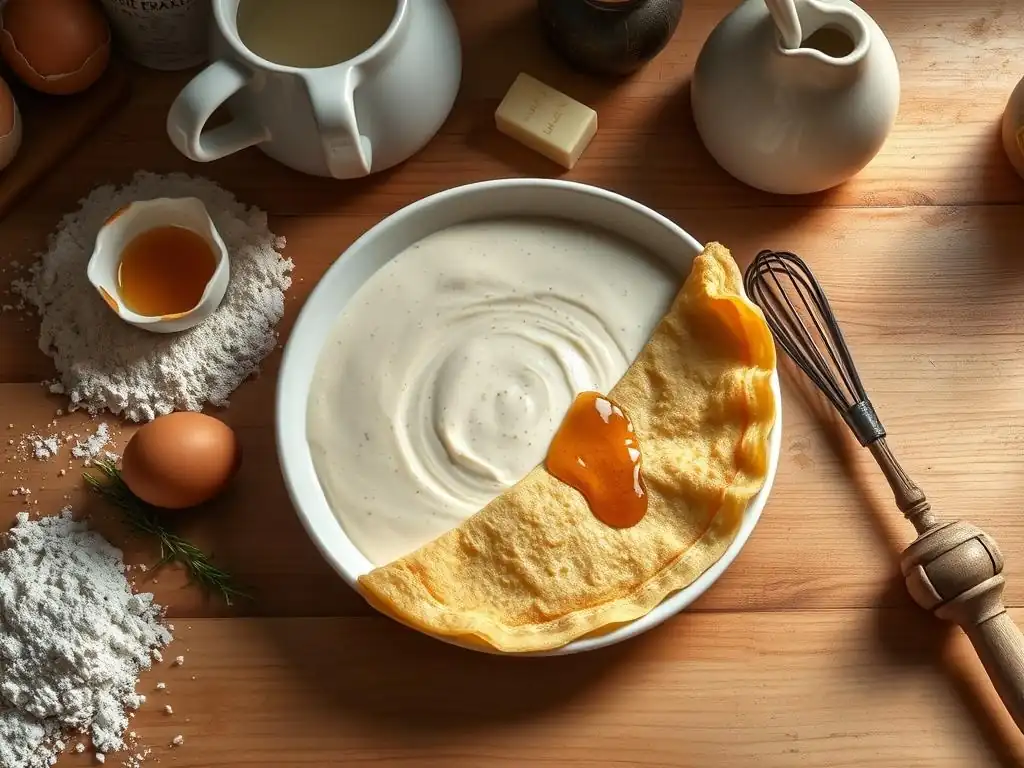
The first step in preparing your sourdough discard crepe recipe batter is to combine the wet ingredients, starting with the star: your sourdough discard. In a medium mixing bowl, whisk together the unfed sourdough discard and the milk. Ensure the discard is fully incorporated into the milk, breaking up any thicker clumps. This creates a smooth, liquid base for the batter.
Next, add the eggs to the discard and milk mixture. Whisk everything together until the eggs are thoroughly beaten and evenly distributed. The mixture should be smooth and relatively uniform in color. Finally, whisk in the melted butter or oil. The fat adds richness and helps prevent the crepes from sticking to the pan. This initial liquid mixture serves as the foundation, ensuring the discard is well-hydrated before introducing the dry ingredients.
Step 2: Adding the Dry Ingredients and Mixing Until Smooth
Once your wet ingredients are combined, it's time to add the dry components to complete your sourdough discard crepe recipe batter. Add the all-purpose flour, sugar (if using), and salt to the wet mixture. It's best to add the dry ingredients all at once.
Using a whisk, gently mix the ingredients together. Start slowly to avoid sending flour flying. Continue whisking until the batter is smooth and lump-free. Be careful not to overmix, as this can develop the gluten too much and result in tougher crepes. A few small lumps are acceptable, as they will often dissolve during the resting period. The final consistency should be thin, similar to heavy cream or buttermilk, easily pourable from a ladle.
Step 3: Resting the Batter for Optimal Texture
Resting the batter is a crucial, often overlooked step that significantly improves the texture of your sourdough discard crepes. Once the batter is mixed, cover the bowl with plastic wrap or a lid and let it rest at room temperature for at least 30 minutes. For an even better result, you can rest it in the refrigerator for several hours or even overnight.
During the resting period, several beneficial things happen. The flour has time to fully hydrate, resulting in a more uniform and smooth batter. More importantly, the sourdough discard's acidity and enzymes begin to work on the flour, further breaking down proteins and enhancing tenderness. This rest allows the gluten strands to relax, preventing tough crepes. A well-rested batter will spread more easily and produce thinner, more delicate crepes.
Cooking Perfect Sourdough Crepes: Tips and Techniques
Achieving the Ideal Pan Temperature
Cooking perfect sourdough discard crepes hinges significantly on getting the pan temperature just right. If the pan is too cool, the crepes will take too long to cook, resulting in a tough texture and potentially sticking. If it's too hot, they will burn quickly before the center is cooked through. The ideal temperature is medium to medium-high heat.
You can test the temperature by flicking a few drops of water onto the pan. If they sizzle and evaporate quickly, the pan is ready. Another method is to add a tiny amount of butter; it should melt and bubble gently, not smoke instantly. Maintaining this consistent temperature is key throughout the cooking process for each sourdough discard crepe.
Ladling and Spreading the Batter for Thin, Even Crepes
Once the pan is at the correct temperature and lightly greased, it's time to add the batter. Using a ladle or a measuring cup (typically 1/4 cup or slightly less, depending on your pan size), pour the batter into the center of the hot pan. Immediately after pouring, lift and tilt the pan in a circular motion to swirl the batter outwards, covering the bottom of the pan in a thin, even layer.
Work quickly, as the batter will start to set as soon as it hits the hot surface. The goal is a very thin layer of batter across the entire pan. Practice makes perfect; your first crepe might not be perfect, but you'll quickly get a feel for how much batter is needed and how to swirl it effectively for your specific pan, contributing to a successful sourdough discard crepe recipe outcome.
Flipping Techniques for Preventing Tears
Flipping a crepe can feel intimidating, but with the right technique, you can prevent tears. Wait until the edges of the crepe start to look dry and slightly lift from the pan, and the surface looks mostly set with small bubbles forming. This usually takes about 1-2 minutes on the first side.
Gently loosen the edges of the crepe using your flexible spatula. Slide the spatula about halfway under the crepe. You can then either quickly and confidently flip the crepe over with the spatula, or if you're feeling brave, give the pan a quick flick of the wrist to flip it in the air (a technique that requires practice!). A simpler method is to slide the crepe partially onto the spatula, then use your fingers (carefully!) to grab the edge and gently pull it over onto the other side.
Determining When Your Crepe Is Cooked Through
Knowing when your sourdough discard crepe is perfectly cooked is essential for achieving the right texture and flavor. After flipping, the second side typically cooks faster than the first, usually taking only 30 seconds to 1 minute. The crepe is done when the bottom side is lightly golden brown in spots and the center is no longer wet or doughy.
The edges should be slightly crisp, and the center should be soft and pliable. You can gently lift the edge with your spatula to check the color underneath. Once cooked, slide the crepe out of the pan onto a plate. You can stack the crepes as they are finished; the residual heat will keep them warm and prevent them from drying out. Proceed with the rest of the batter, adding a tiny bit more butter or oil to the pan between crepes if needed.
Sourdough Crepe Variations: Sweet and Savory Options

Sweet Sourdough Crepes: Ideas for Sweet Fillings
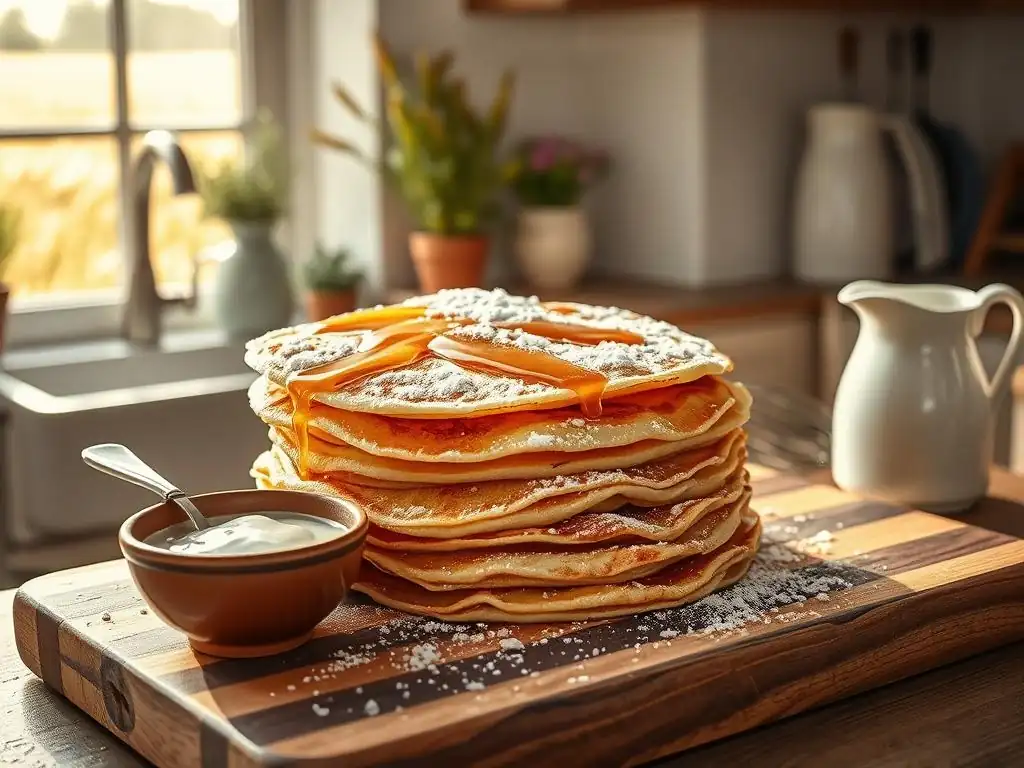
The subtle tang of a sourdough discard crepe provides a wonderful counterpoint to sweet fillings, making them incredibly versatile for breakfast or dessert. Classic options include a simple dusting of powdered sugar, a drizzle of maple syrup, or a squeeze of lemon juice with a sprinkle of sugar. For something richer, spread with Nutella, peanut butter, or a fruit jam.
Fresh berries are always a fantastic choice – try strawberries, blueberries, or raspberries, often paired with whipped cream or a dollop of Greek yogurt. A warm compote made from apples or peaches spiced with cinnamon is also delicious. You can even fill them with sweetened ricotta cheese or a simple pastry cream. The slight sourness cuts through the sweetness, creating a perfectly balanced bite.
Savory Sourdough Crepes: Ideas for Savory Fillings
Don't limit your sourdough discard crepe recipe to sweet applications! They are equally fantastic when filled with savory ingredients, making them perfect for brunch, lunch, or a light dinner. Think of them as delicate wraps or envelopes for delicious fillings.
Popular savory fillings include ham and cheese (like Gruyère or cheddar), sautéed mushrooms and spinach, or smoked salmon with cream cheese and dill. A classic French option is the "galette compléte," which includes ham, cheese, and an egg cooked directly inside the crepe. You can also fill them with leftover cooked chicken or beef, roasted vegetables, or even a savory ground meat mixture. The sourdough tang complements salty and umami flavors beautifully.
Dietary Adaptations: Dairy-Free or Egg-Free Options
Adapting your sourdough discard crepe recipe to accommodate dietary needs is relatively straightforward. For a dairy-free version, simply substitute the milk with a non-dairy alternative like almond milk, soy milk, oat milk, or coconut milk. Use a plant-based butter alternative or oil instead of dairy butter. The sourdough discard itself is typically dairy-free.
Creating an egg-free version is slightly more challenging as eggs contribute to binding and richness. However, you can experiment with egg substitutes such as flax eggs (1 tbsp flax meal + 3 tbsp water per egg), commercial egg replacers, or even a small amount of mashed banana or applesauce, though these might slightly alter the flavor or texture. You may need to adjust the liquid slightly to achieve the correct batter consistency.
Storing and Reheating Sourdough Crepes
Proper Storage Techniques for Freshness
Properly storing your cooked sourdough discard crepes ensures you can enjoy them later without sacrificing quality. Once cooled completely, the best way to store crepes is to stack them with a piece of parchment or wax paper between each crepe. This prevents them from sticking together.
Wrap the stacked crepes tightly in plastic wrap or place them in an airtight container. Stored this way, they will last for 2-3 days in the refrigerator. For longer storage, you can freeze them. Wrap the stack (with paper between crepes) tightly in plastic wrap, then aluminum foil, or place in a freezer-safe bag. Frozen crepes will keep well for up to 1-2 months.
Reheating Methods: Stovetop, Oven, or Microwave
Reheating your sourdough discard crepes is easy and can be done using a few different methods depending on how many you need and how you plan to serve them. For a single crepe or a few, the stovetop is ideal. Place the crepe in a lightly greased non-stick pan over medium-low heat for about 30-60 seconds per side, until warmed through and pliable.
If reheating a stack, the oven is a good option. Preheat your oven to a low temperature, around 250-300°F (120-150°C). Wrap the stack of crepes in foil and place them in the oven for 5-10 minutes, or until heated through. For a quick reheat, especially if you're in a hurry, the microwave works, though it can sometimes make crepes slightly rubbery. Place 1-2 crepes on a plate and heat for 15-30 seconds.
Troubleshooting Your Sourdough Discard Crepes
Common Problems and Solutions
Even with a simple sourdough discard crepe recipe, you might encounter a few common issues. If your crepes are sticking to the pan, the pan might not be hot enough, or it might need more fat. Ensure the pan is properly preheated and lightly greased between each crepe. If the batter is too thick, the crepes will be heavy and difficult to swirl thinly; add a tablespoon or two of milk or water until the desired consistency is reached.
If your crepes are tearing when you try to flip them, they likely haven't cooked long enough on the first side. Wait until the edges are set and the surface looks mostly dry before attempting to flip. If they are too fragile in general, you might have over-rested the batter (though this is less common), or the batter might be too thin. Conversely, if they are tough or rubbery, the batter might be too thick, you might have overmixed the batter, or the pan might be too cool, leading to longer cooking times.
Adjusting the Recipe for Different Sourdough Starters
Sourdough starters can vary significantly in hydration level and activity, which can impact your sourdough discard crepe recipe. Most starters are maintained at 100% hydration (equal parts flour and water by weight), and the provided recipe assumes this. If your starter is thicker (less hydrated), you might need to add a little more milk or water to the batter to achieve the correct pourable consistency.
Conversely, if your starter is very thin (more hydrated), you might need slightly less liquid overall or a tiny bit more flour to get the right batter texture. The age of your discard also matters; very old discard can be quite liquidy and intensely sour. Taste a tiny bit of your discard – if it's overwhelmingly sour, you might want to use slightly less or balance the batter with a touch more sugar. Don't be afraid to make small adjustments to the liquids based on the consistency of your specific discard and desired batter thickness.
Why This Sourdough Discard Crepe Recipe Works: Key Takeaways
The Role of Sourdough in Crepe Flavor and Texture
The genius of incorporating sourdough discard into a crepe recipe lies in its dual contribution to both flavor and texture. The fermentation process in the discard introduces complex organic acids, primarily lactic and acetic acid. Lactic acid provides a milder, yogurt-like tang, while acetic acid offers a sharper, vinegar-like note. This acidity cuts through the richness of the eggs and butter and the sweetness of potential fillings, creating a more balanced and interesting flavor profile than standard crepes.
Beyond flavor, the enzymes present in the sourdough discard begin to break down the gluten in the flour during the resting period. This enzymatic action, combined with the mild acidity, results in a more tender and delicate crepe structure. The crepes are less prone to becoming tough or rubbery, yielding a beautifully soft and pliable result that is perfect for folding or rolling around fillings. This sourdough discard crepe recipe leverages these natural processes for superior results.
Expanding Your Sourdough Discard Recipe Repertoire
Mastering a delicious sourdough discard crepe recipe is just the beginning of exploring the many ways to use your unfed starter. This successful application can open the door to trying other discard recipes, significantly reducing kitchen waste and adding unique flavors to your baking. Think about the volume of discard produced if you feed your starter daily or weekly – finding enjoyable uses becomes a rewarding part of the sourdough journey.
From crispy crackers and fluffy pancakes to flavorful biscuits and moist muffins, sourdough discard can enhance a wide range of baked goods. Each successful sourdough discard crepe you make reinforces the value of this often-discarded ingredient and encourages you to experiment further. By regularly using your discard, you not only contribute to a zero-waste kitchen but also enrich your baking repertoire with delicious, subtly tangy creations.
Frequently Asked Questions
What exactly is sourdough discard, and why would I use it in a crepe recipe?
Sourdough discard is the unfed starter removed during the feeding process. It's full of flavor and adds a tangy taste to recipes like crepes, reducing waste.
Can I use a sourdough starter that hasn't been fed in days for this recipe?
Yes, you can! The age of the discard doesn't drastically impact the crepe's texture. Just ensure it doesn't have mold or off-putting smells.
What makes sourdough discard crepes different from regular crepes?
Sourdough discard crepes have a distinctly tangy flavor and a slightly chewier texture compared to regular crepes. This adds a unique dimension to the dish.
Are there any substitutions I can make for the ingredients listed in the sourdough discard crepe recipe?
While the recipe is simple, you can experiment! Some people use alternative flours like whole wheat or gluten-free blends. You can also substitute dairy milk with plant-based alternatives.
How do I store leftover sourdough discard crepes?
Store leftover crepes in an airtight container in the refrigerator for up to three days. Reheat gently in a pan or microwave before serving to maintain their soft texture.
Final Reflection: The Unexpected Joy of Sourdough Discard
The humble sourdough discard, once a kitchen nuisance, has been transformed into a culinary delight. This simple crepe recipe proves that embracing imperfections and resourcefulness can lead to surprisingly delicious results. We've explored the ease of transforming this often-discarded byproduct into delicate, flavorful crepes, highlighting the versatility and minimal effort involved. This isn't just about saving food; it's about unlocking a new level of creativity in the kitchen.
The impact of this simple recipe extends beyond just a tasty breakfast. It speaks to a growing awareness of food waste and a desire for sustainable cooking practices. It's a small act, but it represents a larger shift in our relationship with food – one that values resourcefulness and minimizes waste. Waste not, want not
– a timeless adage that resonates deeply in today's world of increasing environmental consciousness. This recipe offers a tangible way to live out that principle, proving that deliciousness and sustainability can go hand in hand.
Now, I invite you to try this recipe. Don't be intimidated by the seemingly complex world of sourdough; this is a gateway to exploring its possibilities. Experiment with different fillings, toppings, and even variations on the basic crepe recipe itself. Let this experience inspire you to look at your kitchen scraps with new eyes, to see not waste, but potential. Embrace the unexpected joy of transforming something discarded into something truly special. The possibilities, like the delicate lace of a perfectly cooked crepe, are endless.
Unleash Your Inner Crepe Artist!
Thanks for joining us on this delicious journey into the world of sourdough discard crepes! We hope you've discovered a new way to appreciate this often-underutilized ingredient. Now it's time to put your newfound knowledge to work!
- Whip up a batch of these amazing crepes: The recipe is waiting for you (it's even easier than you think!). Let the delightful aroma fill your kitchen!
- Share your crepe creations: Tag us on social media – we'd love to see your culinary masterpieces! Use #BakeWithEaseCrepes to connect with other crepe enthusiasts.
- Experiment with fillings: Get creative! What exciting combinations will you dream up?
Ready to transform your breakfast routine? What's your favorite crepe filling going to be?