
Bake the World: An Introduction to Unusual and International Bread Baking

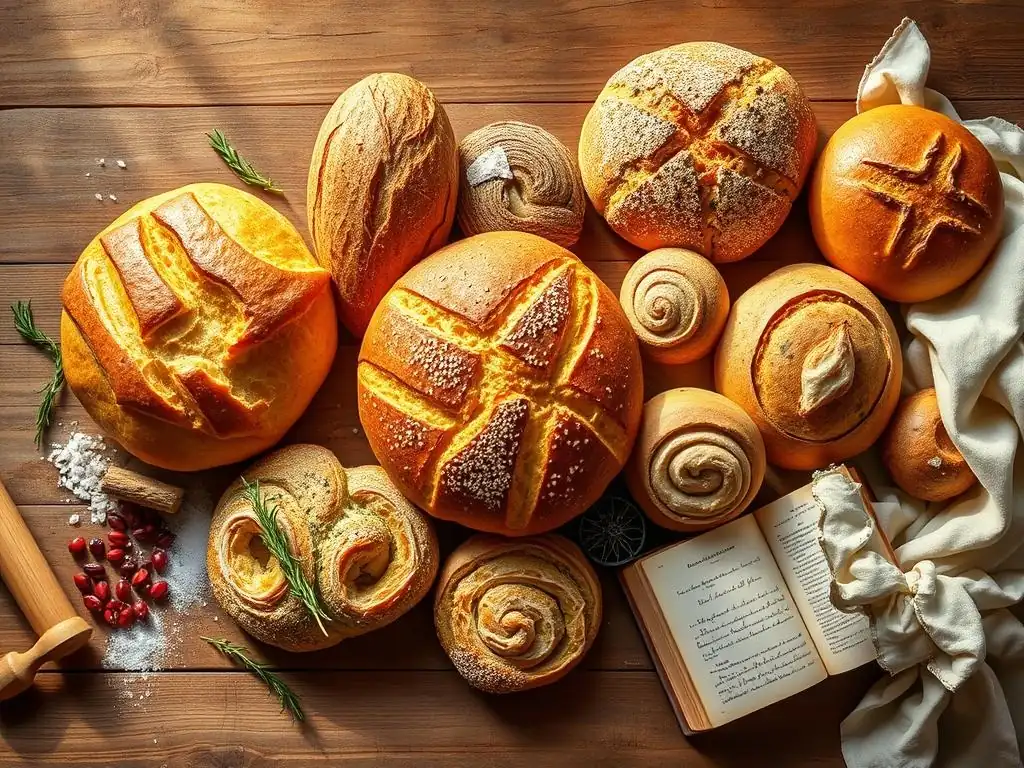
Welcome to BakeWithEase, where baking becomes a delightful adventure! Ever wondered how to create authentic breads from around the globe, right in your own kitchen? Dive into our exploration of International Bread Baking Recipes Easy, and discover the surprisingly simple secrets behind crafting loaves that will transport your taste buds. Ready to embark on a culinary journey and bake the world? Let's get started!
- Discover the World of International Bread Baking Recipes
- Easy International Bread Baking Recipes for Beginners
- Exploring Unique Breads: A Region-by-Region Guide
- Uncommon Bread Ingredients and Their Uses
- Tips for Success in International Bread Baking
- International Bread Baking Recipes: Start Your Journey
- Beyond the Basics: Advanced International Bread Techniques
- The Joy of Sharing International Bread Baking
-
Frequently Asked Questions
- What makes BakeWithEase a good resource for international bread baking?
- Where can I find easy international bread baking recipes on BakeWithEase?
- Are the international bread baking recipes on BakeWithEase suitable for beginners?
- What kind of international bread baking recipes can I expect to find on BakeWithEase?
- Does BakeWithEase offer tips and techniques specific to international bread baking?
- Final Reflection: The Global Loaf: A Shared Heritage, A Shared Future
- Unleash Your Inner Baker: Knead to Know More?
Discover the World of International Bread Baking Recipes
Baking bread is a universal language, spoken in kitchens across every continent. While we might be familiar with our local favorites, the world offers a stunning diversity of bread types, each with its own unique history, ingredients, and techniques. Exploring international bread baking recipes is not just about learning a new skill; it's a journey through culture, history, and flavor. From the rustic loaves of Europe to the soft, enriched breads of Asia and the flavorful flatbreads of South America, there's a whole world waiting to be discovered through your oven.
Embarking on the path of international bread baking recipes easy steps can open up new culinary horizons. Imagine pulling a perfectly golden Focaccia from your oven, or shaping delicate Japanese Milk Bread rolls. This article will guide you through some fascinating global bread traditions, offering insights into what makes them special and how you can recreate them in your own kitchen. Whether you're a seasoned baker or just starting out, the world of international bread offers endless opportunities for delicious exploration.
Why Explore Unusual Bread Recipes?
Stepping outside your baking comfort zone to try unusual or international bread recipes offers incredible rewards, both in terms of skill development and culinary delight. It challenges you to work with new ingredients, understand different dough hydration levels, and master unique shaping and baking methods. For instance, tackling a high-hydration Italian Ciabatta requires a different touch than a stiff German Pumpernickel dough. This exposure broadens your baking repertoire significantly.
Furthermore, exploring these recipes connects you to global culinary traditions. Each loaf tells a story of its origin – the climate, the available grains, the historical context. For example, Irish Soda Bread, typically made quickly with baking soda instead of yeast, reflects a time when yeast was scarce and baking needed to be fast. Learning to bake these breads provides a deeper appreciation for the ingenuity and resourcefulness of bakers throughout history and across cultures. It's a delicious way to experience the world.
BakeWithEase: Your Guide to Global Bread Baking
At BakeWithEase, we believe that international bread baking recipes don't have to be intimidating. Our mission is to demystify complex techniques and make global baking accessible to everyone, regardless of their experience level. We provide clear, step-by-step guides, explain the purpose of each ingredient, and offer tips tailored to home kitchens. Whether you're interested in a simple no-knead Italian bread or a more involved Asian enriched dough, we break it down into manageable steps.
Our resources cover everything from understanding different flour types used around the world to mastering regional shaping methods. We aim to build your confidence by focusing on the fundamentals and offering solutions to common baking challenges. You'll find that with the right guidance, creating delicious and authentic international bread baking recipes easy and enjoyable. Let us be your trusted companion as you explore the diverse and fascinating world of bread.
Easy International Bread Baking Recipes for Beginners
Getting started with international bread baking can feel daunting with so many different types and techniques out there. However, many global breads are surprisingly simple and perfect for beginners. Focusing on recipes that require minimal kneading, use readily available ingredients, or have straightforward shaping methods is a great way to build confidence. Think about flatbreads like Indian Naan or Italian Focaccia, which are forgiving and quick to bake.
Another excellent starting point is enriched doughs that are less sensitive to precise technique, such as a basic French Brioche or a simple Japanese Milk Bread. These often incorporate eggs, milk, or butter, which result in a softer, more tender crumb and are generally easier to handle than lean doughs. By starting with these international bread baking recipes easy options, you can gain experience with different dough consistencies and baking times before moving on to more complex loaves.
Simple Techniques for Baking Bread from Around the World
Many international bread baking recipes rely on fundamental techniques that are easily mastered by beginners. One common technique is the no-knead method, popularized by Jim Lahey, which works wonderfully for rustic European breads like Ciabatta or even some simple country loaves. This method relies on a long fermentation period (often 12-18 hours) to develop gluten and flavor with minimal physical effort, requiring just a few folds.
Another simple technique is the use of a sponge or poolish, a pre-ferment made hours or a day before mixing the main dough. This adds flavor and improves texture, and while it adds an extra step, it's not technically difficult. Flatbreads often involve simple mixing and rolling or shaping by hand, requiring less precise gluten development compared to loaves that need significant oven spring. Mastering these basic approaches makes many international bread baking recipes easy to approach.
Essential Ingredients for International Bread Recipes
While the world of bread ingredients is vast, many international bread baking recipes rely on core staples you likely already have in your pantry: flour, water, yeast, and salt. However, exploring global breads introduces you to variations within these staples and additional ingredients common in specific regions. For instance, different protein levels in flour are crucial – a high-protein bread flour is ideal for chewy Italian loaves like Ciabatta, while a lower-protein all-purpose flour might suffice for a softer Asian milk bread.
Beyond the basics, international recipes often feature unique additions. Olive oil is fundamental in Mediterranean breads like Focaccia or Greek Lagana. Milk, butter, and eggs are key to enriched doughs found in France (Brioche) or Japan (Milk Bread). Grains other than wheat, such as rye in German Pumpernickel or corn in some South American breads, play a significant role. Spices like caraway in rye bread or herbs like rosemary in Focaccia are also vital for regional flavors. Understanding these variations is key to authentic international bread baking recipes easy or complex.
Exploring Unique Breads: A Region-by-Region Guide
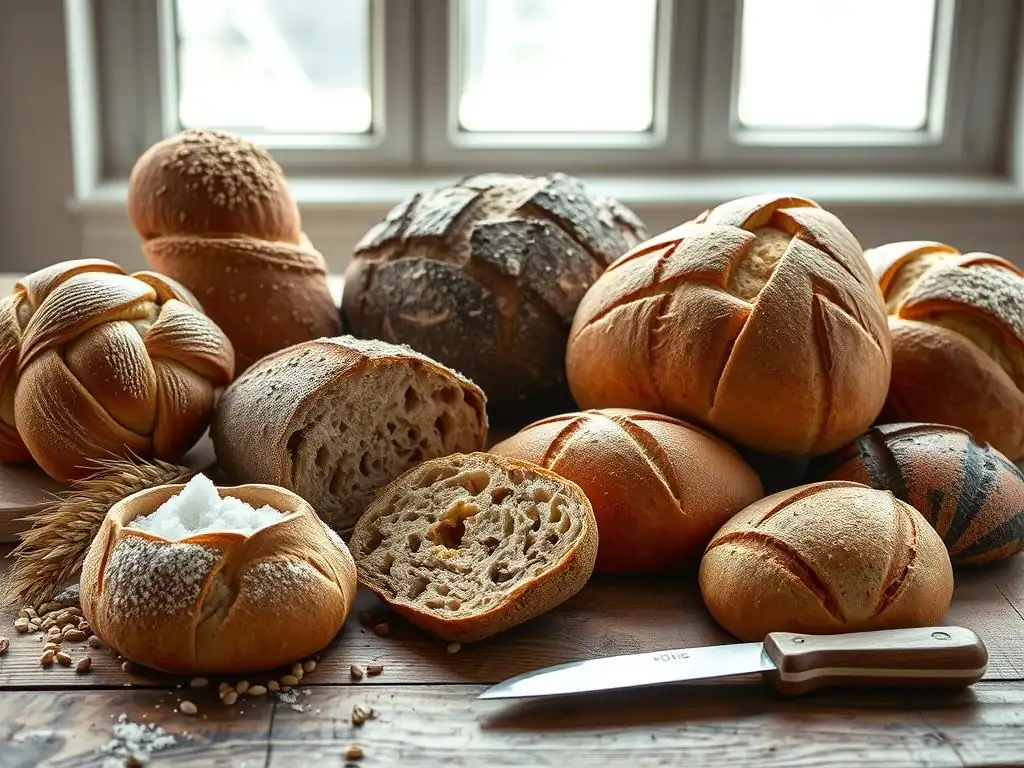
The diversity of bread across the globe is truly astounding. Each region boasts its own signature loaves, shaped by local ingredients, climate, and cultural practices. From dense, hearty ryes in Northern Europe to light, airy steamed buns in Asia and flavorful corn-based breads in South America, this regional exploration highlights the incredible variety available to the home baker. Understanding the geographical context of a bread helps illuminate its characteristics and the techniques used to create it.
Embarking on a regional baking journey allows you to appreciate how similar ingredients can be transformed into vastly different outcomes through varying methods. For example, wheat flour, water, yeast, and salt form the basis of both a French Baguette and an Italian Sourdough, yet their textures, crusts, and flavors are distinct due to differences in hydration, fermentation time, shaping, and baking temperature. This section will introduce you to a few iconic breads from different continents, providing a taste of the global bread landscape.
Baking Breads of Europe: Sourdough Rye, Focaccia, and Brioche
Europe is a continent steeped in bread history, offering an incredible range of styles from rustic peasant loaves to rich, celebratory breads. Sourdough rye is a staple in many Northern and Eastern European countries, known for its dense texture, tangy flavor, and long shelf life. Countries like Germany and Poland have hundreds of varieties of rye bread, often incorporating seeds or different percentages of rye flour, sometimes up to 100% rye.
In contrast, Southern Europe gives us lighter, often wheat-based breads. Italy is famous for its diverse offerings, including the dimpled, olive-oil-rich Focaccia and the rustic, open-crumbed Ciabatta. France contributes iconic breads like the lean Baguette and the enriched, buttery Brioche. These European international bread baking recipes easy to challenging, cover a wide spectrum of textures and flavors, reflecting the continent's varied agricultural landscapes and culinary traditions.
Mastering the Art of Italian Bread Baking
Italian bread baking is characterized by a focus on simple, quality ingredients and techniques that highlight the natural flavor of the wheat. From the classic Pane di Casa (country bread) to regional specialties like Pugliese bread or the famous Pane Toscano (which traditionally contains no salt), Italian loaves often feature a chewy interior and a crisp crust. The use of high-protein bread flour or even durum wheat flour is common, contributing to the structure and texture.
Focaccia is perhaps one of the most accessible Italian international bread baking recipes easy enough for beginners. It's a flat, oven-baked bread similar in style to pizza dough, typically topped with olive oil, herbs like rosemary, and sometimes other ingredients like olives or cherry tomatoes. The dough is often high in hydration, making it sticky but resulting in a wonderfully airy texture. Baking it in a well-oiled pan ensures a crispy bottom crust.
Exploring German Bread Baking Traditions
German bread culture is incredibly rich and diverse, with a strong emphasis on rye and whole grains. It's estimated that Germany produces over 300 different types of bread, ranging from light wheat rolls (Brötchen) to incredibly dense, dark rye loaves like Pumpernickel. Sourdough is a cornerstone of German bread baking, used to leaven many of the traditional rye breads, which can be quite acidic and complex in flavor.
Many German international bread baking recipes are known for their substantial weight and texture. Ingredients like seeds (sunflower, pumpkin, flax) and different flours (spelt, barley, oats) are frequently incorporated. Baking often involves lower temperatures and longer times compared to wheat breads to ensure the dense crumb cooks through. Pretzel baking is another distinct German tradition, involving a unique alkaline bath before baking to achieve the characteristic dark, shiny crust and chewy interior.
Baking Breads of Asia: Milk Bread, Naan, and Mantou
Asian bread traditions are incredibly varied, spanning from soft, enriched loaves to steamed buns and griddle-cooked flatbreads. Unlike many European breads which are lean and rustic, many popular Asian breads, particularly in East Asia, are known for their incredibly soft, fluffy texture. This is often achieved through techniques like the Tangzhong or Yudane methods, where a portion of the flour is cooked with liquid before being added to the main dough, creating a gelatinized starch that retains moisture.
Examples include Japanese Milk Bread (Shokupan), a staple sandwich bread renowned for its cloud-like softness, and Korean Milk Bread. Flatbreads are prevalent in South Asia and parts of Central Asia, with Indian Naan, Roti, and Chapati being prime examples, typically cooked on a tawa (griddle) or in a tandoor oven. Steamed buns like Chinese Mantou or Baozi are also a significant part of the Asian bread landscape, offering a different texture entirely. These international bread baking recipes easy to difficult cover a wide range of textures and cooking methods.
Understanding Japanese Bread Baking Techniques
Japanese bread making is famous for its pursuit of ultimate softness and tenderness, particularly exemplified by Shokupan, or Japanese Milk Bread. This softness is largely attributed to the Tangzhong (or Yudane) method. Tangzhong involves cooking a small portion of flour and water (or milk) into a paste (around 65°C or 149°F) before it cools and is added to the main dough. This cooked starch holds onto moisture, resulting in a bread that stays soft for days.
Other techniques contributing to the softness include using enriched doughs containing milk, butter, and sometimes eggs, and often incorporating a higher percentage of sugar than found in many Western breads. The kneading process is also crucial, aiming for significant gluten development to create a fine, even crumb. Shaping often involves rolling and folding the dough multiple times before placing it in a loaf pan, which helps create the characteristic fine texture. These methods elevate simple ingredients into incredibly luxurious loaves.
Discovering Indian Bread Baking Secrets
Indian bread baking primarily focuses on flatbreads, which serve as a staple accompaniment to meals across the subcontinent. The most iconic is Naan, a leavened flatbread traditionally baked in a tandoor oven, giving it a slightly smoky flavor and characteristic bubbles and char marks. The dough for Naan often includes yogurt, milk, or ghee (clarified butter), which contribute to its softness and richness. While a tandoor is ideal, delicious Naan can be made at home on a hot griddle or even in a very hot oven on a pizza stone.
Other common Indian flatbreads include Roti and Chapati, which are unleavened and made from whole wheat flour (atta) and water. These are typically cooked on a flat griddle (tawa) and often puff up like a balloon when cooked, creating a pocket. Puri is another popular fried unleavened bread that puffs dramatically. The simplicity of ingredients combined with specific cooking techniques like high heat on a tawa or in a tandoor are key to these essential Indian international bread baking recipes.
Baking Breads of South America: Pan de Bono, Chipa, and Arepas
South American bread traditions are incredibly diverse, often incorporating ingredients like corn, cheese, and cassava starch (tapioca starch) alongside wheat. These breads reflect the region's agricultural bounty and indigenous culinary influences. While wheat breads are certainly made, many of the most distinctive breads utilize other flours and starches, resulting in unique textures and flavors.
Examples include cheesy, starchy breads like Colombian Pan de Bono, Brazilian Pão de Queijo (similar to Pan de Bono), and Paraguayan/Argentinian Chipa, all made primarily with cassava starch and cheese. Arepas, popular in Colombia and Venezuela, are unleavened patties made from pre-cooked cornmeal (masarepa), which can be grilled, baked, or fried and are often split and filled. These international bread baking recipes easy to make, offer gluten-free options and showcase regional flavors.
The Flavors of Brazilian Bread Baking
Brazilian bread baking is perhaps best known internationally for Pão de Queijo (Cheese Bread). These small, chewy, cheesy rolls are made primarily from tapioca starch (polvilho doce or polvilho azedo), cheese (often Minas cheese or Parmesan), milk, eggs, and oil. They are naturally gluten-free due to the use of tapioca starch instead of wheat flour. The texture is unique – crispy on the outside, incredibly chewy and elastic on the inside, with a strong cheese flavor.
While Pão de Queijo is iconic, Brazil also has various wheat-based breads, often influenced by European immigration. However, the distinctiveness often lies in the use of local ingredients or adaptations. The simplicity of the Pão de Queijo recipe makes it one of the more accessible South American international bread baking recipes easy to try at home, requiring minimal shaping and baking relatively quickly.
Exploring Argentinian Bread Baking
Argentinian bread baking has significant European, particularly Italian and Spanish, influences, but also incorporates unique local styles. Facturas, a general term for sweet pastries often eaten for breakfast or merienda (afternoon snack), are a cornerstone of Argentinian baking. These include medialunas (croissants), vigilantes (long, glazed pastries), and Tortitas Negras (small, round rolls topped with dark sugar). While technically pastries, they are an integral part of the Argentinian "bread" experience.
For everyday savory bread, Miñón and Francés are common wheat loaves, similar to baguettes but often shorter and wider. Chipa, while also popular in Paraguay, is a beloved cheesy, starchy bread in Argentina, particularly in the northeast region. Made with tapioca starch and cheese, similar to Brazilian Pão de Queijo but often shaped differently (like small rings or balls), Chipa is a chewy, flavorful snack or accompaniment. These international bread baking recipes easy or more complex, reflect a blend of European technique and local ingredients.
Uncommon Bread Ingredients and Their Uses
Venturing into international bread baking often means encountering ingredients that might not be standard in your everyday pantry. These can include different types of flours, ancient grains, unique leavening agents, or specific spices and herbs. Understanding the role these ingredients play is key to successfully replicating global flavors and textures. For instance, the type of starch in cassava flour versus wheat flour fundamentally changes the dough's behavior and the final bread's structure.
Exploring these uncommon ingredients opens up new possibilities for flavor and texture in your baking. Using a specific type of regional cheese in a South American bread, incorporating a less common grain like spelt or millet, or adding unexpected spices can transform a simple dough into something truly unique and authentic to its origin. These ingredients are integral to many international bread baking recipes, adding depth and character.
Using Ancient Grains in International Breads
Many traditional and international bread baking recipes incorporate ancient grains that have been cultivated for centuries, long before modern wheat varieties became dominant. Grains like spelt, einkorn, emmer, millet, and sorghum offer distinct flavors, nutritional profiles, and gluten structures compared to common wheat. For example, spelt, an ancient relative of wheat, has a slightly nuttier flavor and a more fragile gluten structure, requiring gentler handling during kneading.
Rye is another ancient grain central to the bread traditions of Northern and Eastern Europe. Unlike wheat, rye flour contains pentosans, which are complex carbohydrates that absorb a lot of water and create a sticky dough. This requires different techniques, often involving sourdough starters to help break down the pentosans and develop flavor, resulting in dense, moist loaves. Incorporating these grains not only adds historical authenticity but also unique textures and tastes to your international bread baking.
Incorporating Spices and Herbs for Unique Bread Flavors
Spices and herbs are not just for savory dishes; they are fundamental to the flavor profiles of many international breads. Their inclusion can range from subtle hints to prominent, defining notes. In European baking, caraway seeds are a classic addition to rye breads, providing a distinctive aromatic and slightly bitter flavor that pairs well with the tang of sourdough. Fennel or anise seeds are also used in some European and Mediterranean loaves.
Mediterranean breads frequently feature fresh or dried herbs like rosemary, thyme, or oregano, often incorporated directly into the dough or sprinkled on top with olive oil, as seen in Italian Focaccia or Greek Lahanopsomo (cabbage bread). In other regions, spices like cumin, coriander, or nigella seeds are common in flatbreads like Indian Naan or some Middle Eastern breads, adding warmth and complexity. Experimenting with regional spice blends is a delightful part of exploring international bread baking recipes.
Working with Different Flours in Global Bread Recipes
The type of flour used is arguably the most critical ingredient in any bread recipe, and international baking introduces a wide array beyond standard all-purpose or bread flour. Understanding the properties of different flours is essential for success. Wheat flours vary significantly in protein content (which relates to gluten development) and how finely they are milled (e.g., whole wheat vs. refined). Italian "Tipo 00" flour, for instance, is a finely milled soft wheat flour often used for pizza and some breads, known for creating a tender crumb.
Beyond wheat, many international breads utilize flours or starches from other sources. Rye flour, as mentioned, behaves very differently from wheat. Cornmeal (like masarepa for Arepas) creates a crumbly, distinct texture and requires hydration before use. Tapioca starch (cassava flour) is the base for the unique chewy texture of Brazilian Pão de Queijo and Argentinian Chipa. Working with these diverse flours requires adjusting hydration levels, kneading techniques, and sometimes leavening methods compared to standard wheat international bread baking recipes.
Tips for Success in International Bread Baking
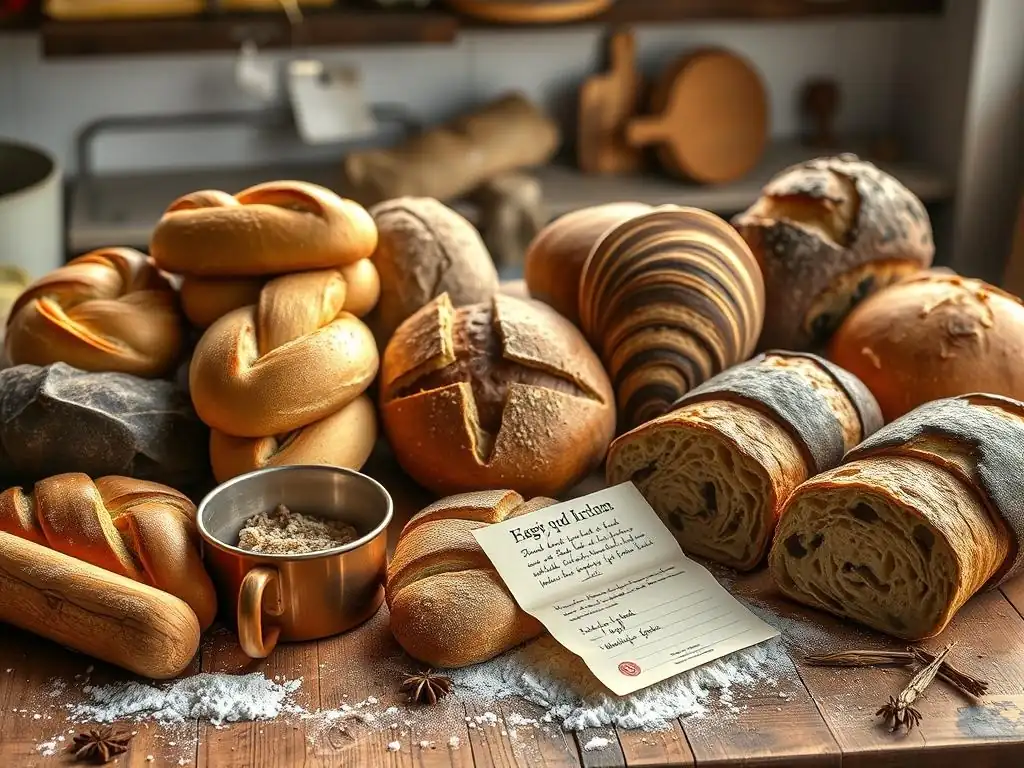
Successfully baking international breads, whether you're trying international bread baking recipes easy or more complex ones, often comes down to paying attention to details and understanding the specific requirements of different dough types. Factors like temperature, hydration, and handling techniques vary significantly from one region's bread to another. A technique perfect for a French Baguette might be disastrous for a Japanese Milk Bread.
Developing an intuition for dough consistency is key. A high-hydration Ciabatta dough will be very wet and sticky, requiring different handling than a firm rye dough. Don't be afraid to get your hands messy and learn how the dough feels at different stages. Additionally, investing in a kitchen scale for accurate ingredient measurements is highly recommended, as even small variations in flour or water can significantly impact the outcome, especially with international bread baking recipes.
Mastering Dough Handling Techniques for Various Bread Types
Different international breads require vastly different dough handling techniques. A rustic, high-hydration dough like Italian Ciabatta is often mixed and then folded gently over several hours rather than kneaded vigorously. This minimal handling helps preserve the open, airy structure. In contrast, enriched doughs like French Brioche or Japanese Milk Bread require thorough kneading to develop strong gluten, which supports the rich ingredients and creates a fine, soft crumb. Stand mixers are often very helpful for these doughs due to their stickiness and the need for extensive kneading.
Rye doughs, particularly those with a high percentage of rye flour, are sticky and have less gluten development than wheat doughs. They are often shaped with wet hands or spatulas rather than being heavily manipulated. Flatbread doughs, like those for Naan or Roti, require rolling or shaping by hand and are typically cooked quickly on a hot surface. Learning these specific handling methods is crucial for achieving the correct texture in various international bread baking recipes.
Achieving the Perfect Crust and Texture in International Breads
The desired crust and texture vary dramatically across international breads, and achieving them depends on specific baking conditions. A crisp, crackly crust, characteristic of many European lean breads like Baguettes or rustic sourdoughs, is often achieved by baking at high temperatures (around 450-500°F or 230-260°C) with steam in the oven. Steam keeps the crust pliable initially, allowing the bread to expand fully before the crust sets, resulting in a thinner, crispier exterior.
For softer crusts, common in enriched breads like Brioche or Milk Bread, baking temperatures are usually lower (around 350-375°F or 175-190°C), and steam is not typically used. Brushing the dough with egg wash or milk before baking also contributes to a soft, golden crust. Flatbreads achieve their texture through direct contact with a hot surface (griddle or oven floor/stone) at high heat, often resulting in bubbles and charring. Understanding these temperature and moisture requirements is key to successful international bread baking recipes.
Troubleshooting Common Issues in Baking Uncommon Breads
When baking international breads, you might encounter issues different from those you're used to with standard recipes. For instance, dense or gummy rye bread can be a common problem if the sourdough starter isn't active enough or if the dough is underproofed. Sticky, hard-to-handle doughs often indicate high hydration, which requires gentle folding rather than aggressive kneading, and potentially using wet hands or a bench scraper.
Flatbreads that don't puff up might be due to the cooking surface not being hot enough, the dough being too thick or thin, or not being rolled evenly. Enriched doughs that don't rise well could be a sign of inactive yeast, insufficient kneading, or the dough being too cold. Researching common issues specific to the type of international bread baking recipes you are attempting and understanding the role of key ingredients and techniques will help you troubleshoot effectively. Don't be discouraged by initial failures; they are part of the learning process!
International Bread Baking Recipes: Start Your Journey
Ready to dive in? Here are two examples of international bread baking recipes easy enough to get you started. These recipes introduce different techniques and flavors from different regions, allowing you to experience the diversity of global bread making firsthand. Both Focaccia and Japanese Milk Bread are incredibly rewarding to bake and delicious to eat, offering a taste of Italy and Japan, respectively.
These step-by-step guides aim to make the process approachable for beginners. They require relatively common ingredients and introduce fundamental techniques relevant to their regional styles. By following these recipes, you'll gain practical experience with different dough consistencies, shaping methods, and baking temperatures specific to international bread baking recipes.
Focaccia with Rosemary and Sea Salt - Step-by-Step
Focaccia is a wonderfully forgiving Italian flatbread, perfect for beginner international bread baking recipes easy to master. Its high hydration makes the dough sticky, but minimal kneading is required.
- Mix the Dough: In a large bowl, combine 500g bread flour, 400g warm water (around 100°F or 38°C), 10g salt, and 5g instant yeast. Stir with a wooden spoon until just combined. The dough will be very wet and shaggy.
- Bulk Fermentation & Folding: Cover the bowl and let the dough rest for 30 minutes. Perform the first set of folds: with wet hands, grab one edge of the dough, stretch it up, and fold it over the center. Repeat with the other three sides. Rest for 30 minutes. Repeat the folding process 2 more times, resting 30 minutes between each set. After the third fold, the dough should be slightly smoother and stronger.
- Second Rise: Cover the bowl and refrigerate for at least 4 hours, or preferably 12-24 hours. This slow, cold fermentation develops flavor. The dough will rise significantly.
- Prepare the Pan: Pour a generous amount of olive oil (about 1/4 cup) into a 9x13 inch baking pan. Scrape the cold dough into the pan. It will be bubbly. Gently nudge and stretch the dough to roughly fill the pan, being careful not to deflate it too much. Let it rest for 30 minutes.
- Dimpling & Topping: Pour more olive oil (another 1/4 cup) over the dough. With oily fingers, gently dimple the dough all over, pressing down to the bottom of the pan. Sprinkle generously with fresh rosemary leaves and flaky sea salt.
- Final Proof: Let the dough proof at room temperature for 1-2 hours, or until puffy and bubbly. Preheat your oven to 425°F (220°C) during the last 30 minutes of proofing.
- Bake: Bake for 20-30 minutes, or until golden brown and cooked through. The bottom should be crispy.
- Cool & Serve: Drizzle with a little more olive oil immediately after baking. Let cool slightly in the pan before slicing and serving.
Japanese Milk Bread - Step-by-Step
Japanese Milk Bread (Shokupan) is known for its incredible softness, achieved using the Tangzhong method. This is a fantastic international bread baking recipes easy introduction to enriched doughs.
- Make the Tangzhong: In a small saucepan, whisk together 20g bread flour and 100g milk until smooth. Heat over medium-low heat, stirring constantly, until the mixture thickens to a paste (around 149°F or 65°C). This takes about 3-5 minutes. Transfer the Tangzhong to a small bowl, cover with plastic wrap pressed directly onto the surface, and let it cool to room temperature. This can be made ahead and refrigerated for up to 2 days.
- Mix the Main Dough: In the bowl of a stand mixer, combine 280g bread flour, 30g granulated sugar, 3g instant yeast, 3g salt, 40g milk, 30g heavy cream, and 1 large egg. Add the cooled Tangzhong.
- Knead: Attach the dough hook and mix on low speed until a shaggy dough forms. Increase speed to medium and knead for about 10-15 minutes, or until the dough is smooth, elastic, and passes the windowpane test (you can stretch a small piece thinly without tearing). Add 30g softened unsalted butter, a little at a time, incorporating each addition before adding more. Continue kneading for another 5-10 minutes until the dough is very smooth, elastic, and slightly tacky.
- Bulk Fermentation: Place the dough in a lightly oiled bowl, cover, and let it rise in a warm place for 1-1.5 hours, or until doubled in size.
- Shape: Gently punch down the dough and turn it out onto a lightly floured surface. Divide the dough into 3 equal pieces. For each piece, roll it into a rectangle, then fold the top third down and the bottom third up like a letter. Turn the dough 90 degrees and roll it into a log about the length of your loaf pan. Place the logs seam-side down in a greased 9x5 inch loaf pan.
- Final Proof: Cover the pan and let the dough proof in a warm place for 45-60 minutes, or until the dough has risen about 1 inch above the rim of the pan. Preheat your oven to 350°F (175°C) during the last 15-20 minutes of proofing.
- Bake: Bake for 30-35 minutes, or until the top is golden brown and the internal temperature reaches 190-200°F (88-93°C).
- Cool: Immediately turn the loaf out onto a wire rack to cool completely before slicing. This prevents the bottom from getting soggy.
Beyond the Basics: Advanced International Bread Techniques
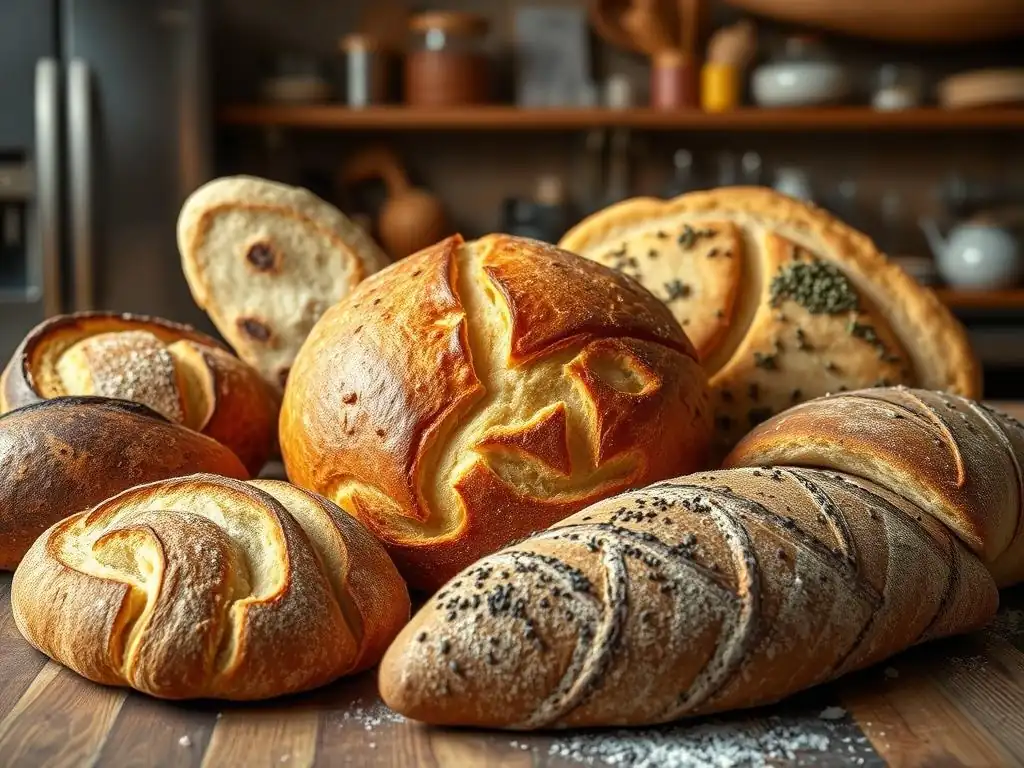
Once you've mastered some of the easier international bread baking recipes, you might be ready to explore more advanced techniques. These often involve longer fermentation periods, working with finicky starters, mastering complex shaping, or understanding the nuances of regional baking equipment and conditions. Tackling these challenges deepens your understanding of the science and art of bread making.
Advanced international baking might include working with high-percentage rye sourdoughs, mastering the intricate scoring patterns on European loaves, or perfecting the steaming process for Asian buns. It's a journey that requires patience, practice, and a willingness to experiment. But the rewards – truly authentic and complex international breads – are well worth the effort.
Sourdough Bread Baking Around the World
Sourdough is perhaps one of the oldest forms of leavened bread, and it is central to many international bread traditions, particularly in Europe. While the basic principle of using a wild yeast and bacteria culture (the starter) is the same, the characteristics of sourdough breads vary greatly depending on the hydration of the starter, the type of flour used (wheat, rye, or a mix), the fermentation times and temperatures, and the baking method.
For example, traditional San Francisco sourdough is known for its distinct tang, often attributed to specific strains of bacteria present in the local environment and a long, cool fermentation. German rye sourdoughs are typically made with a stiff starter and result in dense, moist, and very tangy loaves. Italian sourdoughs (Pane a Lievitazione Naturale) often use high-hydration wheat doughs, resulting in an open, airy crumb. Exploring these regional sourdough styles is a fascinating advanced international bread baking journey.
Decorative Bread Making: International Styles
Many cultures have traditions of creating beautifully shaped and decorated breads, often for holidays or special occasions. These techniques go beyond basic loaf shaping and involve intricate braiding, scoring patterns, or the addition of decorative elements. Scandinavian countries, for instance, have traditions of making elaborate braided loaves, sometimes incorporating cardamom or other spices.
In Eastern Europe, breads like Kalach or Kolach are often braided into rings or other symbolic shapes. Italian bakers create stunning loaves with detailed scoring patterns that open up dramatically in the oven. Mexican Day of the Dead bread (Pan de Muerto) is decorated with dough shapes resembling bones. Mastering these decorative international bread baking techniques adds an artistic dimension to your baking.
Mastering Regional Variations of Popular Breads
Even seemingly simple breads often have significant regional variations. Learning to bake these nuances is a sign of advancing skill in international bread baking. For example, while "Focaccia" is Italian, the texture and toppings vary widely from region to region within Italy – Focaccia Barese, from Puglia, is often made with durum wheat flour and includes potato in the dough, topped with tomatoes and olives, resulting in a softer crumb than some other versions.
Similarly, Baguettes in France can vary from baker to baker, influenced by factors like fermentation time, flour choice, and oven type. Naan in India has variations in thickness, richness (use of ghee or butter), and toppings depending on the region. Exploring these specific regional international bread baking recipes allows you to appreciate the subtle differences that make each bread unique and authentic.
The Joy of Sharing International Bread Baking
Baking bread is inherently a generous act, and sharing your creations from around the world adds another layer of joy. Introducing friends and family to new flavors and textures from different cultures through your baking is a wonderful way to connect and share experiences. Whether it's serving warm Focaccia with a meal or gifting a soft loaf of Japanese Milk Bread, homemade international breads are always appreciated.
Sharing your baking journey also provides an opportunity to talk about the history and cultural significance of the breads you make. Explaining the role of rye in German culture or the tradition of sharing Challah on the Jewish Sabbath adds depth to the culinary experience. International bread baking recipes easy or complex, offer a delicious window into global traditions that can be enjoyed together.
Hosting a Global Bread Tasting Party
A global bread tasting party is a fantastic way to share your passion for international bread baking with others. You can bake several different types of bread from various regions – perhaps an Italian Focaccia, a German Rye, a Japanese Milk Bread, and some Indian Naan. Arrange them on a platter with complementary accompaniments like olive oil, butter, cheese, dips (like hummus or tzatziki), or even just plain.
Provide small cards explaining the name, origin, key ingredients, and a brief cultural note about each bread. Encourage guests to sample and compare the different textures, flavors, and crusts. This creates an interactive and educational experience that highlights the incredible diversity of international bread baking recipes and traditions. It's a delicious and fun way to travel the world without leaving your kitchen.
Gifting Homemade International Breads
Homemade bread is a thoughtful and cherished gift, and gifting an international loaf adds an element of novelty and culinary adventure. A beautifully wrapped loaf of soft Japanese Milk Bread makes a lovely present. A rustic, well-baked sourdough from a European tradition speaks of time and care. Cheesy South American rolls like Pão de Queijo or Chipa are perfect for sharing at a gathering.
Consider the recipient's tastes when choosing which international bread baking recipes to bake for gifting. A rich Brioche might be perfect for someone who enjoys sweet treats, while a hearty rye bread would appeal to those who prefer savory, dense loaves. Including a small note about the bread's origin and how it's traditionally eaten adds a personal touch.
The Cultural Significance of Bread Around the World
Bread is far more than just food in many cultures; it holds deep symbolic and cultural significance. It can represent sustenance, community, tradition, and celebration. In many societies, breaking bread together is a sign of peace and fellowship. The act of baking bread itself has been a fundamental part of human civilization for millennia, connecting us to our ancestors.
Different breads are tied to specific holidays or rituals – Challah bread is central to the Jewish Sabbath, Panettone is a traditional Italian Christmas bread, and Hot Cross Buns are associated with Easter in the UK and other Commonwealth countries. Understanding this cultural context enriches the experience of baking and eating international bread baking recipes. It reminds us that every loaf tells a story.
Frequently Asked Questions
What makes BakeWithEase a good resource for international bread baking?
BakeWithEase provides simple recipes and step-by-step guides, making international bread baking accessible to all skill levels. We focus on easy-to-find ingredients and clear instructions.
Where can I find easy international bread baking recipes on BakeWithEase?
You can find a wide variety of international bread recipes in our "Breads" section, specifically look for tags like "International" or browse by country. We prioritize easy-to-follow instructions.
Are the international bread baking recipes on BakeWithEase suitable for beginners?
Yes, many of our international bread recipes are designed with beginners in mind, featuring clear instructions and beginner-friendly techniques. Look for recipes marked as "Easy" or "Beginner".
What kind of international bread baking recipes can I expect to find on BakeWithEase?
Expect a diverse range, from simple flatbreads to enriched doughs, including recipes from countries around the world. We focus on unusual and interesting breads for the adventurous baker.
Does BakeWithEase offer tips and techniques specific to international bread baking?
Yes, we offer tips and techniques relevant to the unique characteristics of different international breads, such as hydration levels and proving times. We also provide guidance on sourcing specific ingredients if needed.
The world's kitchens are a testament to the power of shared culinary traditions, and nowhere is this more evident than in the diverse and delicious world of bread. From the airy sourdoughs of France to the fluffy bao buns of China, bread transcends mere sustenance; it's a cultural cornerstone, a symbol of community, and a delicious journey waiting to be explored. The ease with which many international bread recipes can be adapted for home bakers makes this journey accessible to all.
This exploration of international bread baking has highlighted not only the incredible variety of flavors and techniques but also the underlying connections that bind us together. The simple act of kneading dough, the anticipation of the rising loaf, the satisfying crust – these are universal experiences that resonate across cultures and generations. Bread is the staff of life,
a proverb often repeated, but its truth lies not just in its nutritional value, but in its ability to bring people together, fostering a sense of shared history and belonging. The recipes shared here are just a starting point; they are invitations to discover the stories and traditions woven into each loaf.
Now, it's your turn. Pick a recipe, gather your ingredients, and embark on your own culinary adventure. Don't be afraid to experiment, to adapt, to make the recipes your own. Each loaf you bake is a testament to your creativity, a celebration of cultural exchange, and a delicious step towards a more connected and flavorful world. Let the aroma of freshly baked bread fill your home, and share the joy with those around you. Bake the world, one loaf at a time.
Unleash Your Inner Baker: Knead to Know More?
Thanks for joining us on this delicious journey through the world of bread baking! We hope you've discovered some exciting new flavors and techniques to inspire your next culinary adventure. Now it's time to put your newfound knowledge to the test!
- Bake your own international bread masterpiece: Choose one of the recipes we highlighted and give it a try. Don't be afraid to experiment with ingredients and techniques!
- Share your baking journey: Show us your creations! Tag us on social media with your photos – we'd love to see what you bake.
- Explore more global bread recipes: Dive deeper into our recipe archive – we have countless options waiting to be discovered!
Ready to transform your kitchen into a global bakery? What unique ingredient will you incorporate into your next loaf?