
Elevate Your Cookies: Using Honey for Chewier, Flavorful Results

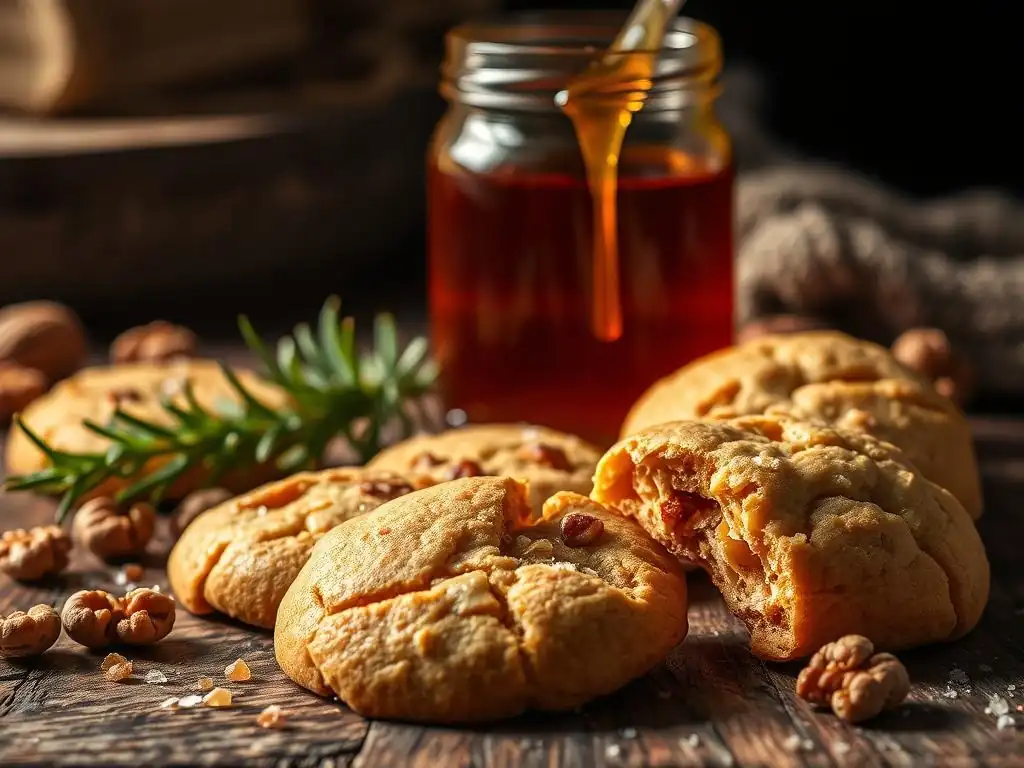
Welcome to BakeWithEase, your trusted guide to baking bliss! Ever wondered how to unlock a truly chewy and irresistibly flavorful cookie? This week, we're diving deep into the magic of honey cookies chewy recipe, revealing the secrets behind achieving that perfect texture and taste. Get ready to elevate your cookie game – the journey to baking perfection starts now!
- Why Honey Makes the Best Chewy Cookies: The Science Behind the Sweetness
- Honey Cookie Recipe for the Perfect Chewy Treat: A Step-by-Step Guide
- Troubleshooting Your Honey Cookies: Common Problems and Solutions
- Honey Cookie Variations: Expand Your Baking Horizons
- Choosing the Right Honey for Your Chewy Honey Cookies: A Buyer's Guide
- Maximizing Your Honey Cookie Experience: Tips and Tricks
- Where to Buy Premium Baking Ingredients for Your Honey Cookies.
- Frequently Asked Questions
- Final Reflection: The Sweet Symphony of Honey in Baking
- Unlock Your Cookie Potential: Honey's Sweet Secret Revealed!
Honey is a humectant, which means it has a unique ability to attract and retain moisture. This property is crucial when crafting a chewy honey cookie recipe. Unlike granulated sugar (sucrose), which primarily contributes to crispness and spread when melted and recrystallized during baking, honey's composition—primarily fructose and glucose—remains more liquid at room temperature. This higher moisture content and the humectant nature of honey prevent cookies from drying out as quickly after baking.
When you substitute some or all of the granulated sugar with honey in a chewy honey cookie recipe, you're introducing an ingredient that actively works to keep the cookie soft and pliable. The fructose in honey is particularly effective at holding onto water molecules. This results in a cookie crumb that stays moist and tender over time, directly contributing to that desirable chewy texture. The difference is often noticeable within hours of baking; honey cookies tend to maintain their chewiness longer than those made solely with granulated sugar.
Beyond texture, honey infuses cookies with a complex and often floral sweetness that granulated sugar cannot replicate. The flavor of honey varies significantly depending on the nectar source—clover honey offers a mild, classic sweetness, while buckwheat honey provides a robust, almost malty depth. Using honey in your chewy honey cookie recipe allows you to layer these nuanced flavors into your bake, creating cookies that are not just sweet but truly aromatic and distinctive.
Heating honey during baking can slightly alter its delicate volatile compounds, but the core flavor notes derived from the floral sources remain. This distinct taste profile pairs exceptionally well with spices like cinnamon, ginger, and nutmeg, as well as classic additions like chocolate chips or nuts. Incorporating honey transforms a simple cookie into a more sophisticated treat, offering a warm, lingering sweetness that enhances the overall eating experience. Experimenting with different types of honey can yield surprisingly varied results, making each batch of honey cookies a unique culinary adventure.
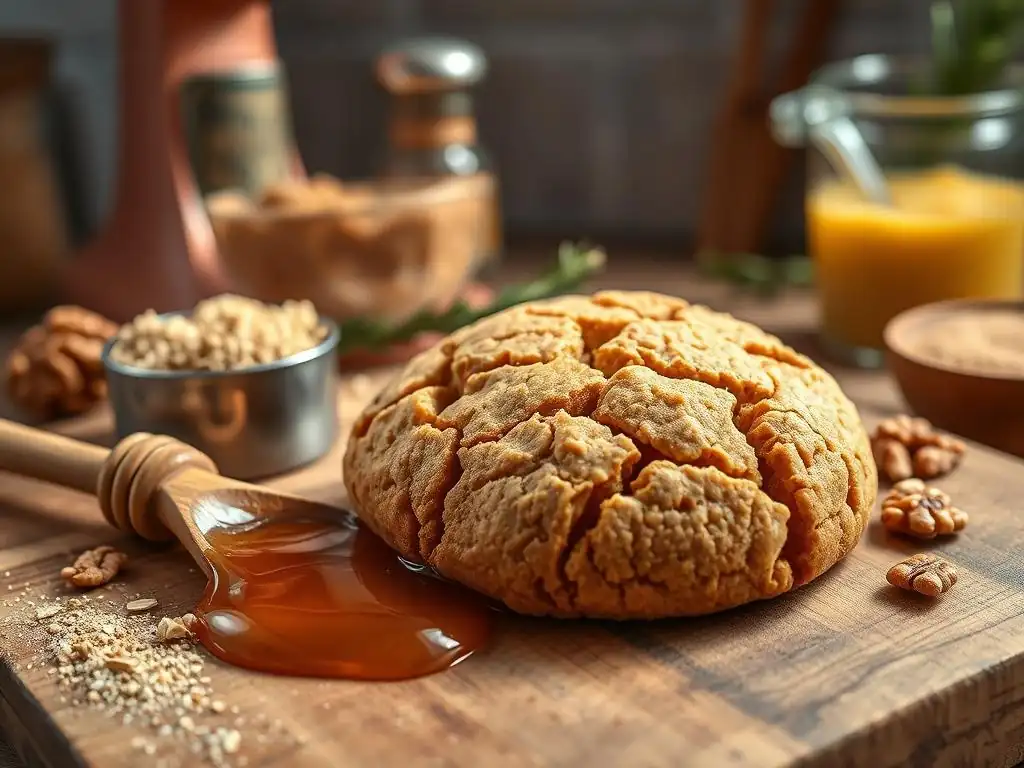
Crafting the perfect chewy honey cookie recipe starts with having the right ingredients measured precisely. For a standard batch yielding about two dozen cookies, you'll typically need:
- [ ] 1/2 cup (113g) unsalted butter, softened
- [ ] 1/4 cup (50g) granulated sugar
- [ ] 1/2 cup (160g) honey (approximately)
- [ ] 1 large egg
- [ ] 1 teaspoon vanilla extract
- [ ] 1 3/4 cups (220g) all-purpose flour
- [ ] 1/2 teaspoon baking soda
- [ ] 1/4 teaspoon salt
- [ ] Optional: 1 teaspoon ground cinnamon or other spices
Ensure your butter is genuinely softened, not melted, as this affects the creaming process. Using a scale for flour measurement is highly recommended to avoid adding too much, which can result in dry cookies. The type of honey you choose will influence the final flavor, so pick one you enjoy. This simple list forms the foundation for a fantastic chewy honey cookie recipe.
Step-by-Step Baking Instructions: From Dough to Delicious
Follow these steps for a successful batch of chewy honey cookies:
- Preheat your oven to 350°F (175°C). Line baking sheets with parchment paper.
- In a large bowl, cream together the softened butter, granulated sugar, and honey until light and fluffy, about 2-3 minutes with an electric mixer. The mixture might look slightly separated due to the honey's consistency; this is normal.
- Beat in the egg and vanilla extract until well combined.
- In a separate medium bowl, whisk together the flour, baking soda, salt, and any optional spices.
- Gradually add the dry ingredients to the wet ingredients, mixing on low speed until just combined. Do not overmix. The dough will be soft.
- Chill the dough in the refrigerator for at least 30 minutes. This step is crucial for preventing excessive spread and ensuring a chewy texture.
- Drop rounded tablespoons of dough onto the prepared baking sheets, spacing them about 2 inches apart.
- Bake for 8-10 minutes, or until the edges are set and lightly golden, but the centers still look slightly soft.
- Let the cookies cool on the baking sheets for 5 minutes before transferring them to a wire rack to cool completely. This allows them to finish setting and retain their chewiness.
Following these steps carefully will yield a batch of delightful honey cookies that are perfectly chewy and flavorful, a true testament to a great chewy honey cookie recipe.
Flat cookies can be a common frustration, especially when aiming for a chewy honey cookie recipe. Several factors contribute to excessive spread. One primary culprit is often butter that is too soft or even melted. Butter that's too warm will cause the cookies to spread rapidly before the structure sets in the oven. Ensure your butter is merely softened to room temperature, not greasy or liquid.
Another reason for flat cookies could be the ratio of ingredients or improper measurement. Too much sugar (especially granulated) or too little flour can lead to excessive spread. Also, make sure your baking soda is fresh; expired leavening agents won't provide the necessary lift. Finally, chilling the dough is a vital step often skipped. Chilling solidifies the butter, allowing the cookies to hold their shape longer in the oven before spreading, resulting in a thicker, chewier cookie. Aim for at least 30 minutes of chilling, or even longer if the dough feels very soft.
If your honey cookies turn out hard or dry instead of wonderfully chewy, overbaking is the most likely cause. Cookies continue to bake slightly from residual heat after they are removed from the oven. Baking them until they are fully browned and firm on the baking sheet will result in a hard cookie once cooled. The key to a chewy honey cookie recipe is to bake them until the edges are set and lightly golden, but the centers still look slightly underbaked or soft.
Another factor contributing to hardness can be too much flour. Measuring flour by volume (scooping with the measuring cup) can easily pack in too much, leading to a dry, dense dough. Using a kitchen scale to measure flour by weight (e.g., 220g for 1 3/4 cups) provides much more accurate results. Also, overmixing the dough after adding the flour can develop the gluten too much, resulting in a tougher texture. Mix only until the dry ingredients are just incorporated.
If your honey cookies lack that desired chewiness, even after following a chewy honey cookie recipe, consider the baking time and temperature. Baking at too high a temperature or for too long will dry out the cookies, preventing the honey's humectant properties from working their magic. Ensure your oven temperature is accurate; an oven thermometer can be helpful. Baking for the lower end of the suggested time range (e.g., 8 minutes instead of 10) and checking for those slightly soft centers is crucial.
The ratio of honey to sugar also plays a significant role. While this recipe uses a balance, increasing the proportion of honey slightly (while potentially decreasing granulated sugar and adjusting flour slightly to compensate for the added liquid) can enhance chewiness. However, too much honey can make cookies spread excessively or become overly soft. Finally, proper storage is key to maintaining chewiness. Storing cookies in an airtight container immediately after cooling helps retain moisture.
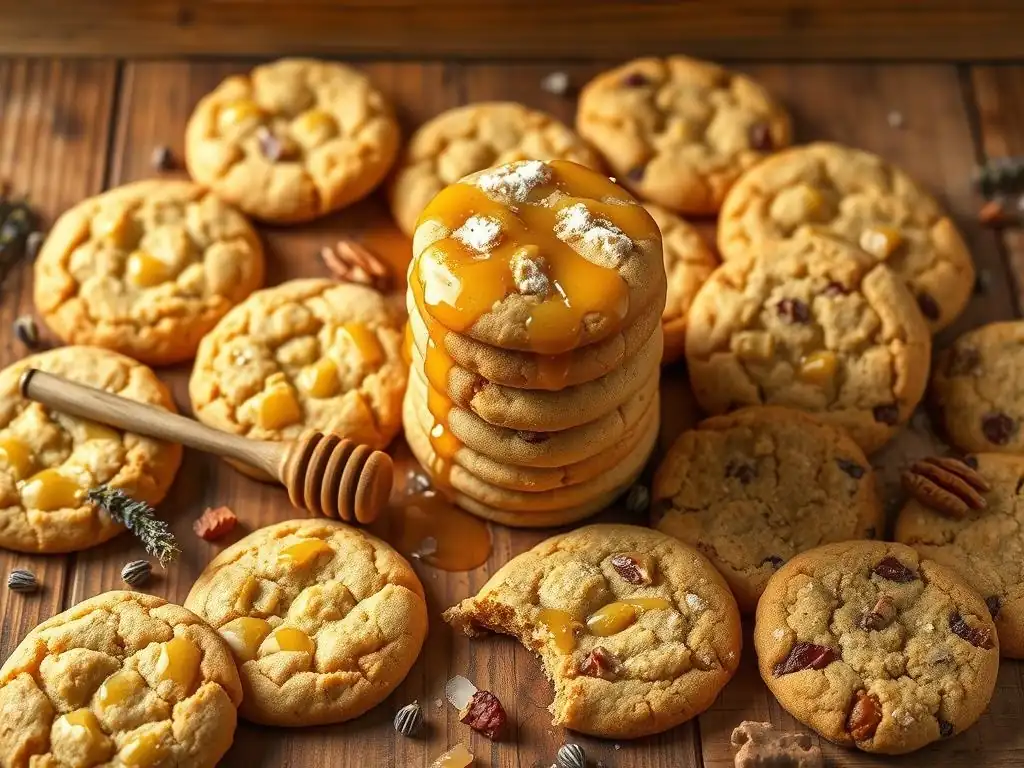
Elevating your basic chewy honey cookie recipe with warm spices is a simple way to add complexity and depth of flavor. Classic pairings include cinnamon, ginger, nutmeg, cloves, and cardamom. Adding just 1 teaspoon of ground cinnamon and 1/4 teaspoon of ground ginger to the dry ingredients in the base recipe before mixing can transform the cookies into a comforting, aromatic treat perfect for cooler weather or holidays.
For a more intense spice profile, consider adding 1/2 teaspoon of ground cloves or cardamom. These spices complement the natural sweetness and floral notes of honey beautifully. You can also experiment with spice blends like pumpkin pie spice or speculoos spice. Ensure your spices are fresh for the best flavor impact. These spiced variations make a simple chewy honey cookie recipe feel extra special.
Combining the classic comfort of chocolate chips with the unique chewiness and flavor of a chewy honey cookie recipe creates a truly irresistible treat. Simply fold in about 1 cup (170g) of chocolate chips after the dry ingredients have been incorporated into the dough. You can use semi-sweet, milk, or dark chocolate chips depending on your preference.
For an extra touch, consider using chopped chocolate from a bar instead of chips; this creates pools of melted chocolate throughout the cookie. White chocolate chips also pair surprisingly well with the distinctive taste of honey. The combination of the gooey chocolate and the chewy texture provided by the honey makes this variation a guaranteed crowd-pleaser, enhancing the basic chewy honey cookie recipe with beloved flavors.
Adding chopped nuts to your chewy honey cookie recipe introduces a delightful crunch and rich, nutty flavor that complements the honey perfectly. Pecans, walnuts, almonds, or hazelnuts are excellent choices. Toasting the nuts lightly before adding them to the dough can enhance their flavor significantly. Aim for about 1/2 to 3/4 cup (about 60-90g) of finely chopped nuts.
Fold the chopped nuts into the dough at the same stage as you would chocolate chips, after the dry ingredients are just combined. Be careful not to overmix once the nuts are added. The nuts provide a textural contrast to the soft, chewy interior of the honey cookie, creating a more dynamic eating experience. This variation on the chewy honey cookie recipe offers a satisfying combination of sweetness, chewiness, and crunch.
Raw Honey vs. Processed Honey: Which is Best for Baking?
When selecting honey for your chewy honey cookie recipe, you'll encounter terms like "raw" and "processed." Raw honey is typically unfiltered and unheated, retaining more of its natural pollen, enzymes, and subtle flavors. Processed honey is often filtered to remove particles and heated, which can extend shelf life and create a uniform appearance.
For baking, particularly a chewy honey cookie recipe where flavor nuance is appreciated, raw or minimally processed honey can offer a richer, more complex taste profile. However, processed honey is perfectly suitable and often more budget-friendly. The key difference in baking application is primarily flavor intensity and specific floral notes. If you want the honey flavor to truly shine, opt for a raw or single-source varietal honey. If you're just looking for the textural benefits and general sweetness, standard processed honey works well.
Understanding Honey Grades and Labels: Making an Informed Choice
Honey labeling can vary by region, but common descriptors relate to color, clarity, and flavor. In the United States, the USDA grading system (Grades A, B, and C) is based on factors like moisture content, flavor, clarity, and absence of defects. Grade A is the highest quality, usually meaning it has excellent flavor and is free from imperfections.
Beyond grades, look for labels that specify the floral source (e.g., Clover, Wildflower, Orange Blossom, Buckwheat). As mentioned earlier, the floral source significantly impacts the honey's flavor and color, from light and mild clover to dark and robust buckwheat. For a chewy honey cookie recipe, a mild wildflower or clover honey offers a classic sweetness that won't overpower other flavors, while a darker, more assertive honey like buckwheat can add a unique, almost molasses-like depth. Reading labels helps you predict the kind of flavor you'll introduce into your baking.
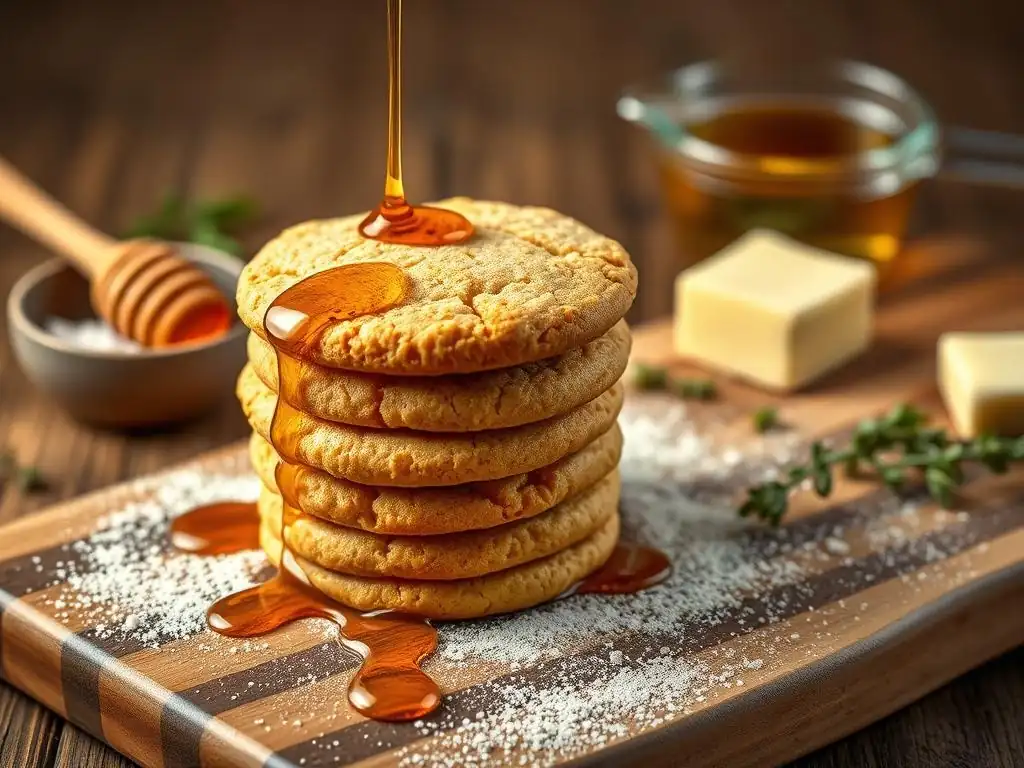
Proper storage is essential to keep your chewy honey cookies soft and delicious. Once completely cooled, store them in an airtight container at room temperature. A cookie jar with a tight-fitting lid works well. Avoid refrigerating or freezing freshly baked honey cookies immediately, as this can sometimes affect the texture, making them slightly harder initially.
If stacking cookies in the container, you can place a sheet of parchment paper between layers to prevent sticking. For longer storage, cooled honey cookies can be frozen in a freezer-safe airtight container or bag for up to 2-3 months. Thaw them at room temperature. Storing them correctly ensures that the honey's humectant properties continue to keep your chewy honey cookie recipe results wonderfully soft.
Chewy honey cookies are delightful on their own, but pairing them with complementary flavors can elevate the experience. Their warm, sweet profile makes them a perfect match for beverages like a cup of tea (especially black or herbal) or coffee. A glass of cold milk is also a classic, comforting pairing.
For a dessert pairing, consider serving honey cookies alongside a scoop of vanilla ice cream or a dollop of whipped cream. The contrast in temperature and texture is lovely. You can also crumble them over yogurt or use them as a base for a simple no-bake cheesecake. The versatility of a good chewy honey cookie recipe means they can be enjoyed in numerous ways.
Finding quality ingredients is key to mastering any baking project, including your chewy honey cookie recipe. Premium baking ingredients can typically be found at several types of retailers. Local specialty food stores or gourmet markets often carry a wide selection of flours, including organic or specialty types, as well as different varieties of honey from local or regional producers.
Larger supermarkets or grocery stores with a dedicated baking aisle usually stock standard all-purpose flour, granulated sugar, butter, and eggs. Look for brands known for quality. For a wider selection of honey, including specific varietals like orange blossom or buckwheat, check health food stores or farmers markets. Some online retailers also specialize in premium baking supplies, offering a broad range of flours, spices, and unique honey options delivered to your door. When seeking ingredients for the best chewy honey cookie recipe, explore these options to find the quality you desire.
Frequently Asked Questions
Honey is a humectant, meaning it attracts and retains moisture. This added moisture results in chewier cookies and keeps them softer for longer. It also adds a distinct, subtle sweetness.
No, it's generally not recommended to replace all the sugar with honey. Honey is sweeter than sugar and contains more liquid. Try substituting about half the sugar with honey for optimal results. You may need to adjust liquid ingredients slightly.
The best honey depends on your preference. Mild-flavored honeys, like clover or wildflower, are generally recommended for a balanced flavor. Experiment with darker, bolder honeys like buckwheat for a more intense taste.
Honey can cause cookies to brown faster due to its high sugar content. Keep a close eye on your cookies while baking and consider lowering the oven temperature by 25 degrees Fahrenheit to prevent over-browning.
Honey can be sticky, so lightly grease your measuring cup or spoon before using it. Also, ensure the honey is well incorporated into the wet ingredients before adding the dry ingredients for a smooth dough.
Final Reflection: The Sweet Symphony of Honey in Baking
The humble honeybee's contribution to our kitchens extends far beyond the breakfast table; its golden nectar is a game-changer in baking, particularly when crafting irresistibly chewy cookies. The recipes explored in this article demonstrate how honey's unique properties—its moisture content, natural sugars, and subtle floral notes—transform ordinary cookies into extraordinary treats. This isn't just about a recipe; it's about unlocking a deeper understanding of flavor and texture.
The impact of honey on baking, and indeed on our culinary landscape, is profound. It's a testament to the enduring power of simple, natural ingredients to elevate the everyday. Honey's versatility allows for endless experimentation, bridging the gap between tradition and innovation. As the renowned chef Alice Waters once said, Good food is good mood.
And there's no denying the mood-boosting power of a perfectly chewy, honey-infused cookie, a small pleasure with a surprisingly large impact on our well-being.
Now, consider your own baking journey. What other unexpected ingredients might hold the key to unlocking new levels of flavor and texture in your favorite recipes? Perhaps it's time to experiment, to embrace the unexpected, and to discover the unique magic that lies within the seemingly ordinary. Don't be afraid to get your hands sticky, to explore the possibilities, and to create your own sweet symphony in the kitchen. The possibilities, like the flavors of honey, are endless.
Thanks for taking the time to explore the magic of honey in baking! You've learned how this golden ingredient can transform your cookies into chewy, flavorful masterpieces. Now it's time to put your new knowledge to the test.
- Bake a batch of honey-sweetened cookies today! Experiment with different honey varieties to discover your favorite flavor profile. (Remember to adjust baking times as needed!)
- Share your delicious creations and honey baking tips with friends and family – inspire them to unlock their inner baker!
- Try substituting honey in other recipes – you might be surprised by the results! (Think honey-glazed carrots or a unique honey mustard dressing!)
What unique honey-infused recipe will you create next? Let's hear your ideas in the comments!