
DIY Baking Spice Blends for Effortless Flavor

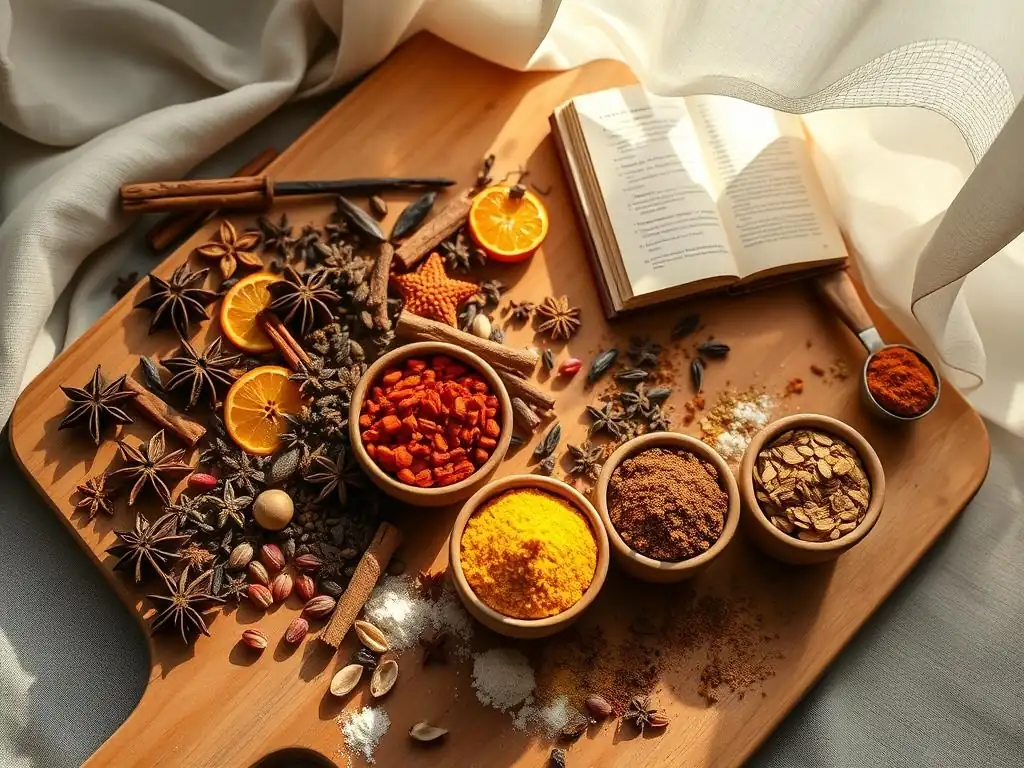
Welcome to BakeWithEase, your haven for all things baking! Ever wished you had the perfect blend of spices to elevate your baking creations? This week, we're diving deep into the world of homemade baking spice blends. Discover how easy it is to create your own signature flavors with our simple, step-by-step recipe and unlock a world of aromatic possibilities. Curious to learn more? Let's get started!
- Elevate Your Baking: Crafting Signature Spice Blends
- The Art of Homemade Baking Spices
- Key Spices for Baking Blends
- Signature Baking Spice Blend Recipes
- Storage and Preservation Tips
- Incorporating Spice Blends into Your Baking
- Customizing Spice Blends for Personal Preferences
- Sourcing High-Quality Spices
- Conclusion: The Joy of Homemade Spice Blends
-
Frequently Asked Questions
- How can I benefit from making my own homemade baking spice blends?
- What are some common ingredients used in homemade baking spice blends?
- What's the best way to store my DIY baking spice blends to keep them fresh?
- Can I adapt existing recipes by using my homemade baking spice blends?
- Where can I find simple recipes for making my own baking spice blends?
- Final Reflection: The Sweet Symphony of Homemade Spice
- Unleash Your Inner Spice Master!
Elevate Your Baking: Crafting Signature Spice Blends
The Art of Homemade Baking Spices
Creating your own homemade baking spice blends recipe is a rewarding step towards elevating your baked goods from good to unforgettable. It's not just about mixing pre-ground spices; it's about understanding flavor profiles, controlling freshness, and adding a deeply personal touch to everything you bake, from simple cookies to elaborate cakes. Think of it as building a custom flavor palette specifically for your kitchen.
Diving into the world of DIY spice mixing allows you to move beyond the standard store-bought blends, which can sometimes lack potency or contain fillers. A homemade baking spice blends recipe ensures you're using the freshest ingredients, ground just before mixing, maximizing their aromatic impact. This process empowers you to experiment and discover combinations that perfectly complement your favorite recipes and baking style.
Why Create Your Own Spice Blends?
Crafting your own spice blends offers unparalleled control over the quality and flavor intensity of your baked goods. When you make a homemade baking spice blends recipe, you decide the exact proportions of each spice, allowing you to fine-tune the taste profile to your liking. For instance, a standard pumpkin pie spice blend might contain cinnamon, ginger, nutmeg, and cloves. By making it yourself, you can increase the ginger for a spicier kick or reduce the clove if you find it too overpowering. This level of customization is simply not possible with pre-mixed options.
Furthermore, the freshness of your spices significantly impacts the final flavor. Ground spices lose their potency relatively quickly compared to whole spices. By grinding your own whole spices just before blending, you release their volatile oils, resulting in a much more vibrant and aromatic mix. Studies suggest that ground spices can lose up to 40% of their flavor compounds within six months, while whole spices retain theirs for much longer. Creating a homemade baking spice blends recipe from freshly ground spices ensures maximum flavor impact every time you bake.
The Advantages of DIY Spice Mixing
The most significant advantage of mixing your own spices is the superior freshness and potency you achieve. Store-bought ground spices can sit on shelves for extended periods, diminishing their aromatic oils. When you prepare a homemade baking spice blends recipe using whole spices that you grind yourself, you capture the peak of their flavor. This difference is particularly noticeable in delicate recipes where spices play a starring role, like a simple sugar cookie or a light sponge cake. The aroma alone from a freshly made blend is often much more intense and complex.
Beyond freshness, cost-effectiveness is another notable advantage. While the initial investment in a variety of whole spices might seem higher, they last much longer and provide more potent flavor per use than their pre-ground counterparts. Buying individual spices in bulk and creating multiple homemade baking spice blends recipe variations can be more economical in the long run than purchasing several different pre-made blends for specific uses. Plus, you avoid potential anti-caking agents or fillers sometimes found in commercial blends, ensuring a purer, more natural flavor profile in your baking.
Tailoring Spices to Your Baking Style
Your personal baking style and the types of treats you enjoy making can heavily influence the homemade baking spice blends recipe you create. If you love baking autumnal treats like pumpkin bread or apple pie, a blend heavy on cinnamon, nutmeg, and clove might be your go-to. Conversely, if you prefer lighter, more floral notes in your cookies or tea cakes, a blend featuring cardamom and perhaps a hint of star anise could be perfect. This customization allows your spice blends to become an extension of your unique baking identity.
Experimentation is key to finding your signature blends. Try making small batches of different homemade baking spice blends recipe variations. Bake a simple test batch of muffins or cookies using each blend to see how the flavors develop when heated. Note which combinations you prefer for specific applications – perhaps one blend is perfect for a spiced coffee cake, while another shines in a gingerbread recipe. Over time, you'll build a collection of custom blends perfectly tailored to your favorite recipes and flavor preferences.
Key Spices for Baking Blends
Cinnamon: Warmth and Versatility
Cinnamon is arguably the most ubiquitous spice in baking, known for its comforting warmth and sweet, woody aroma. It's a cornerstone of countless homemade baking spice blends recipe variations, providing a base note that pairs beautifully with fruits like apples and pears, as well as chocolate and coffee. The two main types encountered are Ceylon cinnamon (often called "true" cinnamon), which is milder and more complex with citrusy notes, and Cassia cinnamon, which is stronger, spicier, and more commonly found.
Whether using Ceylon or Cassia, cinnamon adds depth to everything from simple snickerdoodles to rich chocolate cakes. A good quality cinnamon stick, freshly ground, will yield a significantly more vibrant flavor than pre-ground options that have sat on the shelf. When developing a homemade baking spice blends recipe, consider the type of cinnamon you use, as it can subtly shift the overall flavor profile of the blend. About 40% to 60% of a typical warm baking blend might be composed of cinnamon, highlighting its foundational importance.
Nutmeg: Rich and Earthy Notes
Nutmeg brings a distinct warm, slightly sweet, and earthy flavor with hints of pine and citrus. It's essential in many traditional baking recipes, particularly those involving dairy or cream, like custards, eggnogs, and spice cakes. For the best flavor in your homemade baking spice blends recipe, always opt for whole nutmeg and grate it fresh just before mixing. The difference in aroma and taste between fresh and pre-ground nutmeg is quite significant; pre-ground can quickly lose its volatile oils and taste flat or even musty.
A little nutmeg goes a long way due to its potent flavor. It pairs exceptionally well with cinnamon, clove, and ginger, making it a vital component in blends like pumpkin pie spice and gingerbread spice. While its flavor is rich, it shouldn't overpower other spices. In many homemade baking spice blends recipe compositions, nutmeg typically makes up around 10% to 20% of the mix, providing a crucial earthy counterpoint to sweeter spices.
Ginger: Zesty Pungency
Ginger adds a lively, warm, and slightly peppery kick to baking. Its pungent aroma and flavor are indispensable in gingerbread, spice cookies, and certain fruit tarts. Dried, ground ginger is most commonly used in baking blends, offering a concentrated burst of warmth. Like other spices, sourcing high-quality, relatively fresh ground ginger is important, as its potency can diminish over time.
Ginger provides a necessary counterbalance to sweeter spices like cinnamon and clove, preventing blends from becoming cloyingly sweet. It adds a layer of complexity and a pleasant bite. When formulating a homemade baking spice blends recipe, the amount of ginger used can significantly impact the blend's character; more ginger means a spicier, more assertive blend. It often constitutes about 15% to 25% of a blend designed for gingerbread or other spicy treats.
Allspice: Complex and Aromatic
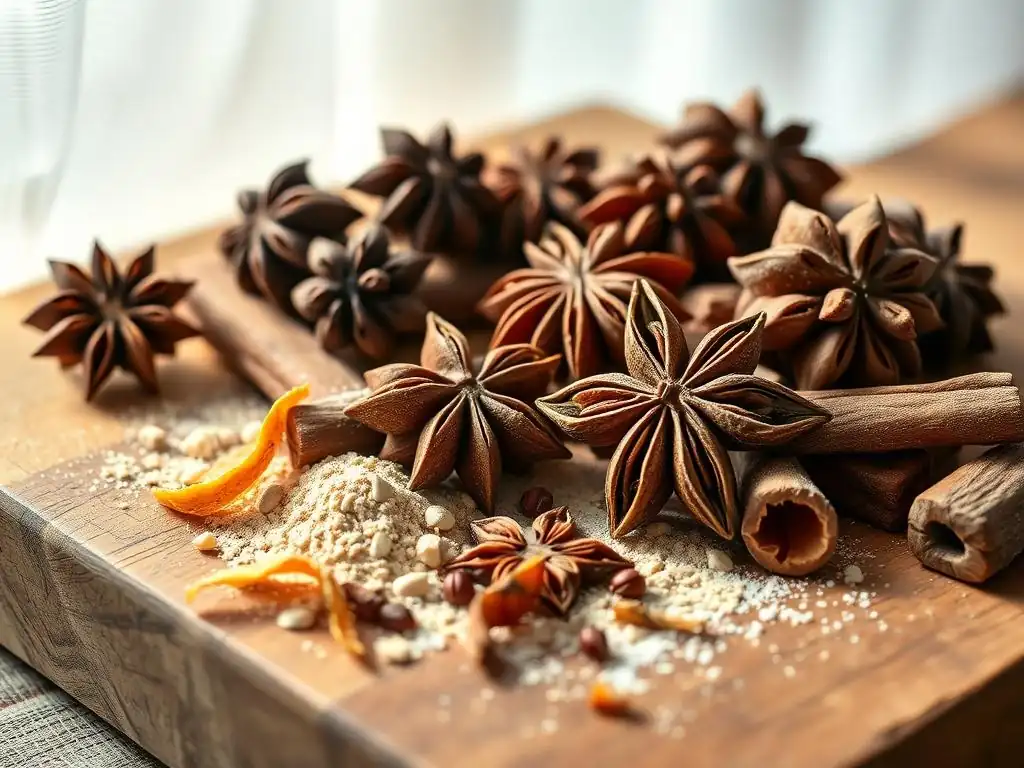
Despite its name, allspice is a single spice derived from the dried, unripe berries of the Pimenta dioica tree. It offers a complex flavor profile often described as a combination of cinnamon, clove, and nutmeg, hence the name. This versatility makes it a valuable addition to many homemade baking spice blends recipe variations, providing a convenient way to incorporate those three key flavors simultaneously.
Allspice is particularly popular in Caribbean and Middle Eastern baking, as well as in traditional spiced fruit recipes and cakes. Its warm, slightly peppery notes complement both sweet and savory applications. When used in a homemade baking spice blends recipe, it can either stand alone or enhance the individual notes of cinnamon, clove, and nutmeg already present. It typically makes up a smaller percentage of a blend, perhaps 5% to 10%, adding a layer of aromatic depth without dominating.
Clove: Intense Sweetness
Clove is a powerful spice known for its intensely sweet, pungent, and slightly medicinal flavor. A little goes a very long way! It's derived from the dried flower buds of an evergreen tree. Clove adds significant warmth and depth to baking, pairing well with apples, pumpkin, and chocolate. Because of its strength, it's usually used in smaller quantities in a homemade baking spice blends recipe.
When using cloves, ensure they are fresh and ground finely, as whole cloves are very hard. Clove contributes a deep, resonant base note to spice blends, particularly those intended for rich, autumnal or wintery baked goods. It's crucial not to overdo the clove, as it can easily overpower other flavors, leaving a slightly bitter or numbing sensation. In most homemade baking spice blends recipe formulations, clove accounts for only about 5% to 10% of the total volume.
Cardamom: Floral and Citrusy Undertones
Cardamom offers a unique, highly aromatic flavor profile that is warm, slightly sweet, floral, and with distinct citrusy and eucalyptus notes. It's a staple in Scandinavian and Middle Eastern baking, adding sophistication to breads, pastries, and cakes. Green cardamom pods contain small black seeds that hold the most flavor. For the freshest taste in your homemade baking spice blends recipe, grind whole seeds from cracked pods just before mixing.
Cardamom pairs beautifully with cinnamon, ginger, and citrus zest. It adds a bright, exotic counterpoint to richer spices. While often used in smaller quantities due to its potency and distinctiveness, it can be the star in blends for specific recipes like cardamom buns or orange spice cookies. In a general homemade baking spice blends recipe, cardamom might make up around 5% to 15% of the blend, adding a layer of intriguing aroma and flavor.
Signature Baking Spice Blend Recipes
Creating your own homemade baking spice blends recipe allows you to replicate classic flavors or invent entirely new ones. Here are a few popular blend ideas to get you started. Remember that these are starting points; feel free to adjust proportions to match your taste preferences.
Using accurate measurements is key to consistency. While the exact yield of a blend depends on the total quantity you decide to make, a small batch using teaspoons or tablespoons is a good starting point to test. For example, a basic recipe might yield about 1/4 cup of blend, enough for several baking sessions.
Autumn Harvest Spice Blend
This blend is perfect for capturing the cozy flavors of fall, ideal for pumpkin pies, apple crisps, and spiced lattes. It's a classic homemade baking spice blends recipe that evokes crisp air and changing leaves.
Ingredients for Autumn Harvest Spice
- 3 tablespoons ground cinnamon
- 2 teaspoons ground ginger
- 2 teaspoons ground nutmeg
- 1 teaspoon ground allspice
- 1 teaspoon ground clove
Instructions for Mixing Autumn Harvest Spice
- Measure all ground spices into a small bowl.
- Whisk or stir thoroughly until completely combined and uniform in color.
- Carefully transfer the blend to an airtight container for storage.
Baking Ideas Using Autumn Harvest Spice
This blend is a fantastic one-stop shop for many fall recipes. Use 1-2 teaspoons in your pumpkin pie filling, sprinkle it generously over an apple crisp before baking, or add a half teaspoon to your muffin batter. It's also lovely mixed into pancake batter or used to spice roasted sweet potatoes. Try adding a pinch to your coffee grounds before brewing for a spiced coffee treat.
Spiced Apple Crisp Blend
Tailored specifically to complement the natural sweetness and slight tartness of apples, this homemade baking spice blends recipe enhances apple pies, tarts, and crumbles. It emphasizes cinnamon and ginger with a touch of other warm spices.
Ingredients for Spiced Apple Crisp
- 4 tablespoons ground cinnamon
- 2 tablespoons ground ginger
- 1 teaspoon ground nutmeg
- ½ teaspoon ground clove
Instructions for Mixing Spiced Apple Crisp
- Combine all measured spices in a small bowl.
- Stir well with a spoon or small whisk until the mixture is uniform.
- Transfer the blend to a clean, airtight jar.
Baking Ideas Using Spiced Apple Crisp
This blend is designed for apple-based desserts. Toss 1-2 tablespoons with sliced apples before filling a pie crust or topping with crumble. It's also excellent in apple muffins, apple bread, or even mixed into applesauce for a flavor boost. Try adding a teaspoon to the sugar mixture you toss your apple slices in for extra depth.
Winter Warmth Spice Blend
A richer, more intense blend than the autumn version, featuring stronger notes of clove and ginger, perfect for gingerbread, spiced cookies, and holiday cakes. This homemade baking spice blends recipe is built for robust, comforting flavors.
Ingredients for Winter Warmth Spice
- 3 tablespoons ground cinnamon
- 3 teaspoons ground ginger
- 2 teaspoons ground clove
- 1 teaspoon ground allspice
- ½ teaspoon ground white pepper (optional, for extra kick)
Instructions for Mixing Winter Warmth Spice
- Measure all spices into a bowl.
- Mix vigorously with a whisk or fork until the blend is consistent.
- Pour the finished blend into your chosen storage container.
Baking Ideas Using Winter Warmth Spice
This blend is ideal for classic holiday baking. Use it in gingerbread dough, add 1-2 teaspoons to your spice cookie recipe, or incorporate it into rich fruitcakes or spiced pound cakes. It's also wonderful in spiced hot chocolate or mulled cider. A quarter teaspoon added to brownie batter can create a surprisingly delightful twist.
Vanilla Bean Spice Blend
This unique homemade baking spice blends recipe incorporates the luxurious aroma of vanilla bean with warm spices, perfect for lighter cakes, cookies, and custards where vanilla is a key flavor.
Ingredients for Vanilla Bean Spice
- 3 tablespoons ground cinnamon
- 1 tablespoon ground cardamom
- 1 teaspoon grated tonka bean (or ½ teaspoon ground nutmeg)
- Seeds from 1 vanilla bean (or 1 teaspoon vanilla bean powder)
Instructions for Mixing Vanilla Bean Spice
- If using a fresh vanilla bean, split it lengthwise and scrape out the seeds with the back of a knife.
- Combine the scraped vanilla seeds (or vanilla bean powder) with the ground spices in a small bowl.
- Mix thoroughly, using your fingers or a spoon to break up any clumps of vanilla seeds and distribute them evenly.
- Store in a small, airtight container.
Baking Ideas Using Vanilla Bean Spice
This elegant blend is fantastic in sugar cookies, shortbread, vanilla cake batter, and custards. Add it to your whipped cream for topping desserts, stir it into yogurt, or use it in panna cotta. It's also lovely sprinkled over fruit salads or added to rice pudding. Try adding a teaspoon to your basic waffle or pancake batter for an extra touch of warmth and sophistication.
Storage and Preservation Tips
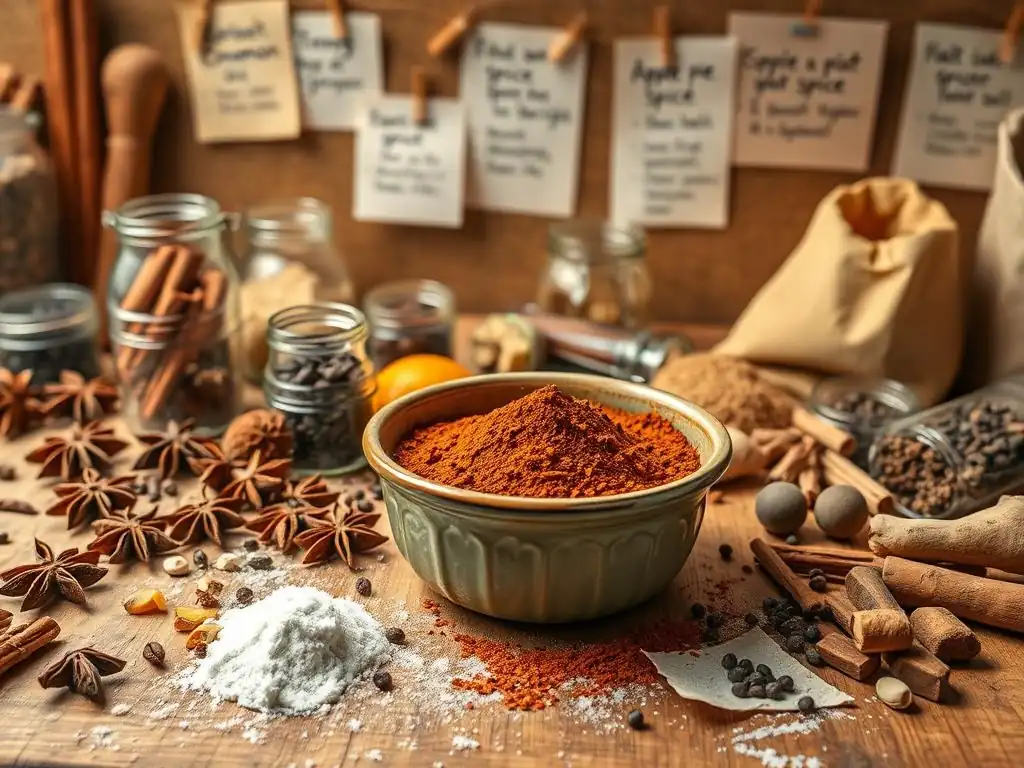
Proper storage is crucial for maintaining the freshness and potency of your homemade baking spice blends recipe. Spices are sensitive to light, heat, air, and moisture, all of which can degrade their flavor compounds over time. Taking a few simple steps can significantly extend their shelf life and ensure they deliver maximum flavor every time you bake.
While freshly ground spices are best used relatively quickly, a well-stored blend made from quality ingredients can retain good flavor for several months. Aim to make batches that you anticipate using within 3-6 months for optimal results. Storing your blend correctly protects your investment in quality spices and ensures your baking is always vibrant and flavorful.
Choosing the Right Spice Containers
Selecting the correct container for your homemade baking spice blends recipe is the first step in proper storage. Glass jars with airtight lids are ideal. Dark glass is preferable as it helps protect the spices from light, which can cause flavor degradation. If using clear glass, store the jars in a dark cupboard away from direct sunlight.
Avoid plastic containers, as plastic can be porous and may absorb or leach odors over time, affecting the spice flavor. Metal tins can also work, provided they have tight-fitting lids, but ensure they are specifically designed for food storage and are rust-resistant. The key is an airtight seal to prevent exposure to air and moisture. Small jars (e.g., 4 oz or 8 oz) are often best, allowing you to make smaller batches that you'll use more quickly, thus maintaining freshness.
Maximizing Shelf Life and Flavor Retention
To maximize the shelf life of your homemade baking spice blends recipe, store containers in a cool, dark, dry place. A pantry cupboard away from the stove, oven, or dishwasher is perfect. Avoid storing spices near heat sources, as heat accelerates the loss of volatile oils responsible for their aroma and flavor.
Ensure the lids are tightly sealed after each use. Exposure to air is a major culprit in flavor loss. Avoid using wet spoons or measuring tools directly in the spice blend, as moisture can cause clumping and potentially lead to mold growth. While properly stored ground spices can last 6-12 months, blends are often best used within 3-6 months because of the mixing process and exposure during preparation. Whole spices, stored correctly, can last 2-3 years.
Labeling and Organization Strategies
Labeling your homemade baking spice blends recipe containers is essential for organization and tracking freshness. Use labels that clearly state the name of the blend (e.g., "Autumn Harvest," "Gingerbread Blend") and the date it was created. This helps you quickly identify the correct blend and ensures you use older batches first.
Consider using a system to organize your blends, perhaps grouping them by type or frequency of use. Store them in a designated area in your pantry or spice rack. A simple inventory list, either digital or physical, can also help you keep track of which blends you have and when they were made, prompting you to replenish or create new homemade baking spice blends recipe variations as needed. Proper labeling and organization save time and prevent using expired or less potent blends.
Incorporating Spice Blends into Your Baking
Once you've crafted your homemade baking spice blends recipe collection, it's time to put them to use! These versatile blends can be incorporated into almost any baked good, adding layers of flavor and aroma. The key is understanding how spices interact with different doughs, batters, and fillings and adjusting quantities based on the blend's intensity and your desired outcome.
Start by substituting your blend for the individual spices called for in a recipe. If a recipe calls for 1 teaspoon cinnamon, ½ teaspoon nutmeg, and ¼ teaspoon clove, and your blend is roughly 50% cinnamon, 25% nutmeg, 25% clove, you might start by using 1.5 to 2 teaspoons of your blend and adjust from there in future batches. Experimentation is part of the fun!
Spice Blends in Cakes, Muffins, and Quick Breads
Homemade baking spice blends recipe variations are perfect for adding warmth and complexity to cakes, muffins, and quick breads like banana bread or zucchini bread. Spices distribute easily throughout batters, infusing the whole bake with flavor. A general rule of thumb is to start with 1-2 teaspoons of your blend per cup of flour in the recipe, then adjust in subsequent bakes.
For richer cakes, like carrot cake or gingerbread, you might use a more potent blend and a higher quantity, perhaps up to 1 tablespoon per cup of flour. In lighter sponge cakes or vanilla cakes, a smaller amount (½ to 1 teaspoon) of a milder blend like the Vanilla Bean Spice can add a subtle, elegant note without overwhelming the delicate flavors. Always whisk the spice blend thoroughly into the dry ingredients (flour, baking powder, baking soda) to ensure even distribution before combining with wet ingredients.
Spice blends add wonderful depth to cookies and bars, from classic gingerbread and snickerdoodles to spiced shortbread and oatmeal cookies. The flavor intensity can range from a subtle hint to a bold, warming presence. A homemade baking spice blends recipe can be incorporated directly into the dough or used as a coating, like in snickerdoodles.
For doughs, add the spice blend along with the dry ingredients. The amount will depend on the cookie type and desired intensity; 1-3 teaspoons per batch of standard cookie dough is a good starting point. For spiced bar recipes, incorporate the blend into both the base and potentially a crumble topping. Using a blend like the Winter Warmth Spice in a gingerbread cookie dough provides a rich, complex flavor that develops beautifully during baking.
Spice Blends in Pies and Tarts
Pies and tarts, especially fruit-based ones, are classic canvases for homemade baking spice blends recipe creations. Spices enhance the natural sweetness and flavor of fruits like apples, pears, pumpkin, and berries. Blends are typically mixed directly into the fruit filling before baking.
For a standard 9-inch apple or pumpkin pie, you might use 1-2 tablespoons of a blend like the Autumn Harvest or Spiced Apple Crisp. The amount can be adjusted based on how spicy you like your pie filling. Ensure the blend is thoroughly mixed with the fruit and sugar to distribute the flavor evenly. Spiced blends also work well in pastry dough itself, adding a subtle hint of warmth to the crust.
Spice Blends in French Toast and Pancakes
Beyond traditional baking, homemade baking spice blends recipe variations can elevate breakfast staples like French toast and pancakes. Adding a pinch of a warm spice blend to the batter or egg mixture infuses a comforting flavor.
For pancake or waffle batter, whisk ½ to 1 teaspoon of a blend like Autumn Harvest or Winter Warmth into the dry ingredients before adding the wet. For French toast, whisk a similar amount into the egg and milk mixture you dip the bread into. This simple step adds a layer of flavor that complements syrup and fruit beautifully, making your breakfast feel extra special.
Customizing Spice Blends for Personal Preferences
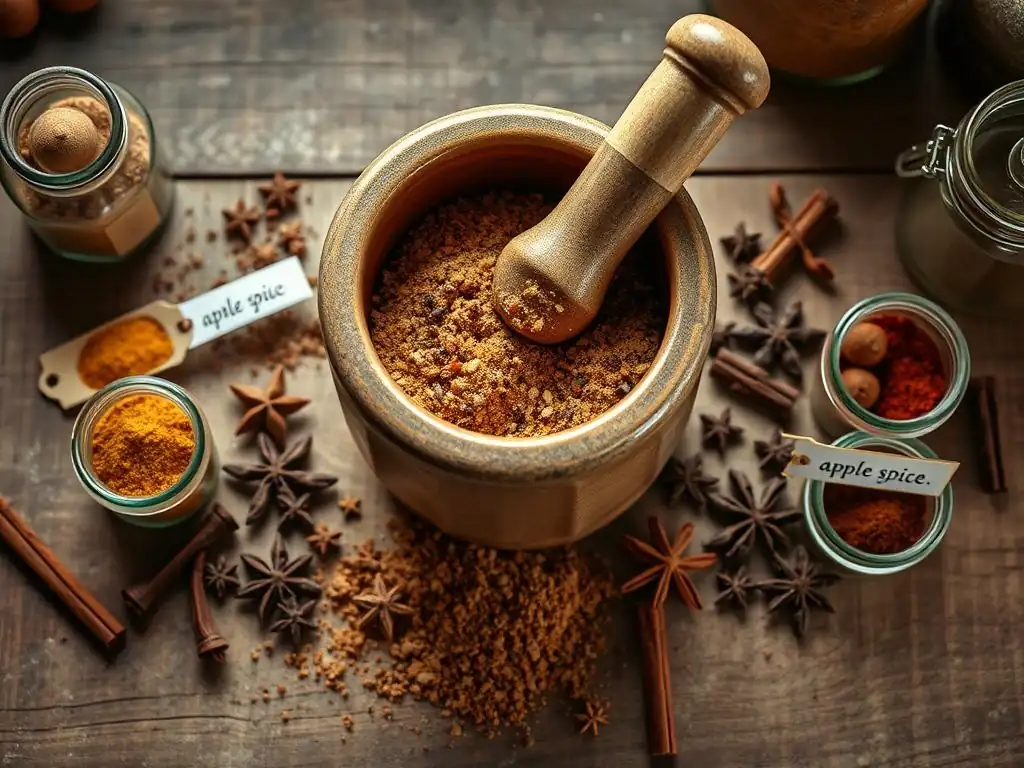
One of the greatest joys of creating a homemade baking spice blends recipe is the ability to customize it precisely to your taste. Don't feel limited by standard ratios; think of them as starting points. You are the chef, and your palate is the ultimate guide. This section explores how to tweak existing recipes and substitute ingredients to create truly unique blends.
Remember that flavor is subjective. What one person finds perfectly spiced, another might find too mild or too strong. Experimenting with small batches allows you to test variations without committing to a large quantity of a blend you might not love. Keep notes on your adjustments and their results – it's like building your personal spice library!
Adjusting Spice Ratios for Desired Intensity
The most straightforward way to customize a homemade baking spice blends recipe is by adjusting the proportions of the individual spices. Want a spicier gingerbread? Increase the ginger in your Winter Warmth blend. Prefer a milder, more cinnamon-forward flavor in your apple pie? Boost the cinnamon and slightly reduce the clove and nutmeg in your Spiced Apple Crisp blend.
Start by making a small batch of a base recipe, perhaps using teaspoons as your measurement unit. Taste a tiny pinch (though be cautious, as raw spices are intense!) or, better yet, bake a small test item like a single muffin or a few cookies with a measured amount of the blend. Note the flavor profile. Then, make a second small batch with slightly adjusted ratios (e.g., add an extra ½ teaspoon of ginger, reduce clove by ¼ teaspoon) and compare the results. Gradually increase the batch size as you hone your preferred ratios.
Substituting Spices for Unique Flavor Profiles
Beyond adjusting ratios, you can substitute spices entirely to create unique flavor profiles in your homemade baking spice blends recipe. For example, if you dislike clove, you could increase the allspice or nutmeg to compensate for the warmth and depth. If you love the bright notes of citrus, add a pinch of dried orange peel powder to a blend.
Consider adding less common spices like star anise (licorice-like sweetness), coriander (citrusy and floral), or even a tiny pinch of black pepper (for a hint of heat and complexity) to your blends. A classic pumpkin pie spice could be transformed by swapping some nutmeg for mace (the outer covering of the nutmeg seed, offering a similar but more delicate, floral flavor). These substitutions allow you to move beyond traditional blends and invent something entirely your own.
Adapting Spice Blends for Dietary Restrictions
Creating a homemade baking spice blends recipe also allows you to easily adapt blends for specific dietary needs or preferences, although spice allergies are less common than other food allergies. One primary consideration might be avoiding pre-made blends that contain fillers or anti-caking agents if someone has sensitivities. By making your own, you control every ingredient.
While most common baking spices are naturally gluten-free and vegan, cross-contamination can be a concern in commercial processing facilities. Making your own blend from single-ingredient spices purchased from reputable sources minimizes this risk. For individuals avoiding specific flavor compounds or with rare spice sensitivities, knowing exactly what went into your homemade baking spice blends recipe provides peace of mind and ensures safe baking.
Sourcing High-Quality Spices
The quality of your homemade baking spice blends recipe is directly dependent on the quality of the spices you use. High-quality spices are more potent, flavorful, and aromatic, making a significant difference in your final baked goods. Investing in good spices is an investment in the flavor of your baking.
While you can find spices at most grocery stores, specialty spice shops, online retailers specializing in spices, or even ethnic markets often offer a wider variety and fresher options. Look for spices sold in relatively small quantities or from sources with high turnover to increase the likelihood of freshness.
Selecting Whole vs. Ground Spices
For the absolute best flavor and longest shelf life when creating a homemade baking spice blends recipe, it is generally recommended to start with whole spices and grind them yourself just before blending. Whole spices retain their volatile oils much longer than ground spices. For example, a whole nutmeg nut can last for years, while ground nutmeg loses significant potency within months.
However, some spices, like ground ginger or cinnamon, are commonly purchased already ground due to convenience or the difficulty of grinding them finely at home without specialized equipment. If buying pre-ground spices, choose those from reputable sources that package them in opaque, airtight containers and ideally have a visible "best by" or packing date. Purchase in smaller quantities that you will use within 3-6 months. When possible, prioritize grinding whole spices like nutmeg, cloves, cardamom seeds, and allspice berries yourself for your blends.
Exploring Spice Origins and Varieties
Just like coffee beans or wine grapes, spices have different origins and varieties that can subtly affect their flavor profile. Exploring these variations can add another layer of sophistication to your homemade baking spice blends recipe creations. For example, there are many types of cinnamon beyond Ceylon and Cassia, each with slightly different sweetness and warmth levels.
Nutmeg from Grenada is often considered particularly aromatic. Cardamom comes in green, black, and white varieties, each with a distinct flavor (green is most common in baking). Understanding these nuances allows you to select spices that best fit the specific flavor profile you're trying to achieve in your blend. While not strictly necessary to make a great blend, exploring spice origins is a fascinating aspect of the culinary world that can deepen your appreciation for your ingredients.
Conclusion: The Joy of Homemade Spice Blends
Embarking on the journey of creating your own homemade baking spice blends recipe is a deeply rewarding experience that brings a new dimension to your baking. It moves beyond simply following instructions to becoming an active participant in crafting the very essence of your baked goods' flavor. The control over quality, freshness, and flavor profile that comes with DIY blending is unparalleled.
From tailoring classic combinations like pumpkin pie spice to inventing entirely new aromatic mixes, your kitchen becomes a spice laboratory where creativity flourishes. You gain a deeper understanding of how individual spices contribute to a harmonious whole and how subtle adjustments can transform a familiar recipe. It's a skill that enhances not just the taste of your bakes but the joy you derive from the process itself.
Unlock Flavor Potential with Custom Spices
Your homemade baking spice blends recipe collection is a powerful tool for unlocking the full flavor potential of your baking. No longer limited by the standard options available at the grocery store, you can create blends specifically designed for your favorite recipes, whether it's a blend optimized for chocolate desserts, one perfect for citrus cakes, or a unique mix for your morning pancakes.
These custom blends ensure you're using the freshest, most potent spices, resulting in baked goods that are more aromatic, flavorful, and memorable. The subtle difference that high-quality, freshly mixed spices make is noticeable and appreciated by anyone who enjoys your creations. It's a simple step that has a significant impact on the final outcome.
Have you created a fantastic homemade baking spice blends recipe that you love? Don't keep it a secret! Sharing your unique blends with friends, family, or the online baking community is a wonderful way to inspire others and exchange ideas. Perhaps you've developed a perfect blend for blueberry muffins or a specific spice mix for your famous apple cider donuts.
Sharing your recipes encourages others to explore the world of DIY spice blending and allows you to receive feedback and discover new combinations from fellow bakers. It's part of the friendly, educational spirit of the baking community. So, measure out your favorite ratios, give your blend a creative name, and share the joy of homemade baking spice blends recipe creation!
Frequently Asked Questions
How can I benefit from making my own homemade baking spice blends?
Homemade blends allow for customized flavor profiles to suit your preferences. They also ensure freshness and quality, unlike pre-made options that may contain stale spices or additives.
What are some common ingredients used in homemade baking spice blends?
Typical ingredients include cinnamon, nutmeg, ginger, cloves, and allspice. Other options include cardamom, star anise, and even dried citrus peel for added complexity.
What's the best way to store my DIY baking spice blends to keep them fresh?
Store your blends in airtight containers in a cool, dark, and dry place. This prevents moisture and light from degrading the spices and extends their shelf life.
Can I adapt existing recipes by using my homemade baking spice blends?
Absolutely! Substitute your blend for the individual spices listed in a recipe. Start with a smaller amount and taste as you go to achieve your desired flavor intensity.
Where can I find simple recipes for making my own baking spice blends?
BakeWithEase.com offers simple recipes and step-by-step guides for creating various spice blends. Look for recipes that cater to your favorite baked goods for inspiration.
Final Reflection: The Sweet Symphony of Homemade Spice
The art of crafting your own baking spice blends isn't just a culinary shortcut; it's a journey of flavor discovery that resonates deeply with today's desire for personalized, high-quality ingredients. From the farm-to-table movement to the growing interest in mindful consumption, the ability to control the quality and source of your spices is increasingly valued. This translates to a richer, more nuanced experience in the kitchen, and ultimately, a more satisfying baked good.
The impact of homemade spice blends extends beyond individual kitchens; it's a reconnection with a simpler, more hands-on approach to cooking. It fosters creativity and experimentation, allowing bakers to tailor their creations precisely to their taste. This resonates with the current cultural shift towards personalized experiences and a rejection of mass-produced uniformity. The best things in life are homemade,
a sentiment often repeated, holds true especially in the realm of baking, where the subtle nuances of a perfectly balanced spice blend can elevate a simple recipe to something truly extraordinary.
Now, consider your own spice rack. What familiar blends could you reinvent? What exciting new combinations await your exploration? I invite you to embark on this flavorful adventure, to experiment with different spice profiles, and to discover the unique satisfaction of creating your own signature spice blends. The journey of crafting your perfect blend is as rewarding as the delicious results, offering a tangible connection to the food you create and the people you share it with. Let the sweet symphony of homemade spices begin!
Unleash Your Inner Spice Master!
Thanks for joining us on this flavorful journey into the world of DIY spice blends! We hope you now feel empowered to create truly unique baking experiences. Ready to take your baking to the next level?
- Craft your signature blend: Using the recipes and tips above, experiment with different spice combinations to find your perfect flavor profile. Don't be afraid to get creative!
- Share your creations: Show us your spice blend masterpieces on social media using #BakeWithEaseSpiceBlends – we'd love to see what you come up with!
- Surprise a friend (or yourself!): Bake a delicious treat using your new blend and share the joy with someone special.
What unexpected flavor combination will you create next?