
Bakewell Tart vs. Bakewell Slice: What's the Difference?

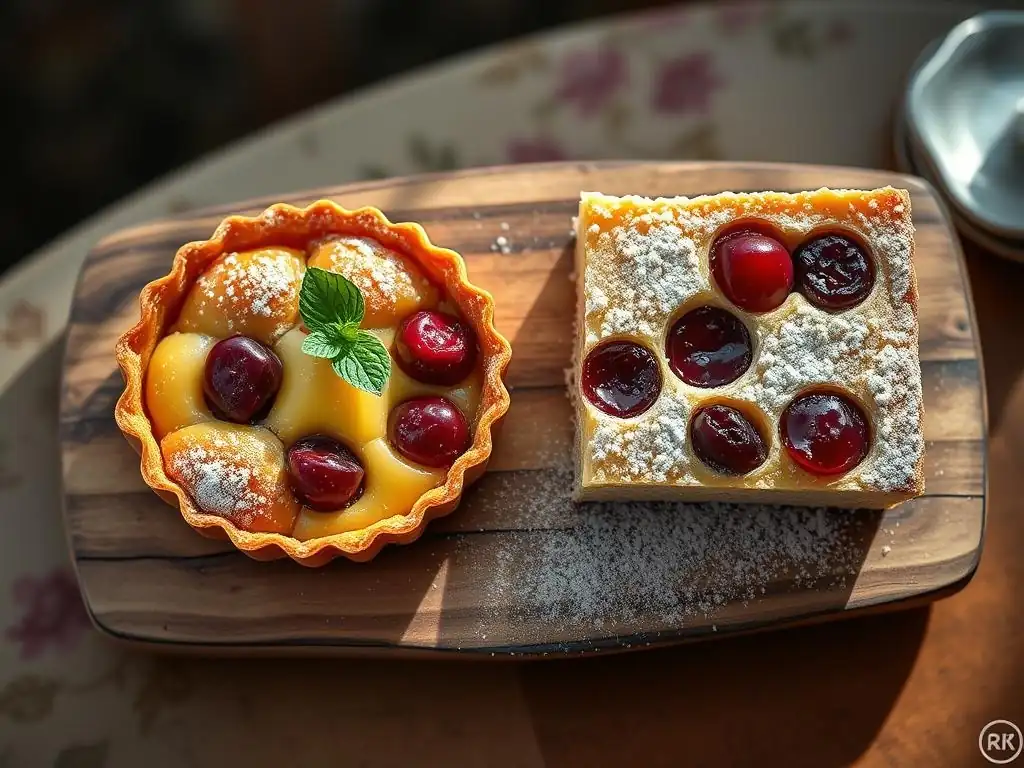
Welcome to BakeWithEase, your trusted guide to the delectable world of baking! Ever wondered about the subtle nuances that separate a traditional Bakewell Tart from its less formal cousin, the Bakewell Slice? Prepare to unravel the mysteries of this classic British bake as we embark on a delightful journey through regional traditions and baking techniques. Discover the fascinating history, key ingredients, and preparation methods that define each treat, and decide which one reigns supreme! Intrigued? Let's delve into our Bakewell Tart vs. Bakewell Slice comparison and uncover the delicious truth!
- Introduction to Brownies and Blondies
- What is a Brownie? Defining the Chocolate Classic
- What is a Blondie? Understanding the Vanilla Variation
- Brownie Blondie Comparison: Key Differences Explained
- Taste and Texture: A Sensory Dessert Experience
- Variations and Interpretations of Brownies and Blondies
- Which Dessert is Right for You?
- Bake Your Own: Brownie and Blondie Recipes
- Tips for Perfecting Your Brownie and Blondie Baking
- Conclusion: Celebrating Brownies and Blondies
-
Frequently Asked Questions
- What is the main difference between a Bakewell Tart and a Bakewell Slice?
- Are the ingredients used in a Bakewell Tart and a Bakewell Slice exactly the same?
- Which is considered the more "authentic" version, the tart or the slice?
- Is it more difficult to bake a Bakewell Tart than a Bakewell Slice, or vice versa?
- Can I substitute almond extract for ground almonds in either the tart or the slice?
- Final Reflection: A Slice of History, A Taste of Debate
- Unleash Your Inner Baker: Master the Bakewell!
Introduction to Brownies and Blondies
Exploring Popular Dessert Choices: The Brownie vs. Blondie Debate
When it comes to classic baked goods, few elicit as much passion and debate as the humble brownie and its lighter counterpart, the blondie. Both are beloved bar cookies (though often debated if they cross into cake territory!) that offer distinct experiences, making the brownie vs. blondie comparison a frequent topic among dessert enthusiasts.
For many home bakers, these treats represent approachable yet rewarding projects, perfect for honing foundational skills like creaming butter and sugar or judging when a bake is perfectly done. They are staples at bake sales, potlucks, and cozy nights in, proving their universal appeal across ages and occasions.
Navigating the differences between these two can help bakers decide which sweet treat best suits their craving or event. While one boasts deep, dark chocolate intensity, the other shines with rich, buttery vanilla notes. Understanding their core components and characteristics is key to appreciating why both have earned their place in the dessert hall of fame. This exploration isn't just academic; it helps bakers tailor recipes, troubleshoot issues, and ultimately create the perfect batch, whether they lean towards the cocoa-rich indulgence of a brownie or the caramel-like sweetness of a blondie.
Understanding the Appeal of Brownie and Blondie Desserts
The enduring popularity of both brownies and blondies lies in their comforting simplicity and incredible versatility. They offer a satisfying density that differs from lighter cakes and cookies, providing a substantial bite that feels truly indulgent. For bakers, their appeal often comes from the relatively straightforward process – mixing ingredients in a bowl, pouring into a pan, and baking.
This ease makes them ideal for beginners looking to build confidence. A basic brownie recipe might involve just seven or eight common pantry staples, making it accessible for spontaneous baking sessions. Similarly, a classic blondie requires only slightly different ingredients, primarily swapping cocoa for more vanilla and brown sugar.
Beyond their ease of preparation, the sheer variety possible within each category contributes significantly to their charm. A standard recipe serves as a canvas for endless additions, from various types of chocolate chips to nuts, dried fruit, or even swirls of caramel or jam.
This adaptability means that while the core concept remains simple, the resulting dessert can be customized to suit any preference or dietary need (within reason!). This combination of simplicity, speed (many bake in under 30 minutes), and potential for personalization solidifies their status as go-to desserts for bakers and eaters alike, offering a delightful sweet treat comparison point.
What is a Brownie? Defining the Chocolate Classic
The Traditional Brownie Recipe: A Breakdown
A traditional brownie is fundamentally a baked confection typically made in a flat, rectangular pan and cut into squares. At its heart, it's a rich, chocolatey bar cookie or dense cake, depending on the precise recipe and desired texture.
The structure usually involves melting chocolate or using cocoa powder (or both) as the primary flavor agent, combined with butter, sugar, eggs, flour, and a leavening agent like baking powder or baking soda, though some recipes omit leavening for a denser result. The ratio of these ingredients heavily influences the final texture, ranging from incredibly fudgy and dense to slightly lighter and cake-like.
The process often begins by creaming butter and sugar, incorporating eggs one by one, and then adding the melted chocolate or cocoa mixture. Dry ingredients (flour, salt, leavening if used) are typically folded in last, being careful not to overmix, which can lead to tough brownies. The batter is then spread into a prepared pan and baked until the edges are set but the center is still slightly soft, indicating that sought-after moist interior.
Cooling properly, often in the pan, is crucial for achieving clean cuts and allowing the flavors and textures to fully develop. A classic batch from an 8x8 inch pan might yield 16 square brownies, perfect for sharing.
Key Ingredients in a Classic Brownie
The defining ingredients of a classic brownie are butter, sugar (often a mix of granulated and brown), eggs, flour, and, most importantly, chocolate or cocoa powder. Butter provides richness and moisture, contributing to the fudgy texture. Sugar not only sweetens but also helps create chewiness and a desirable crust. Eggs bind the ingredients and add structure; using more yolks tends to result in a richer, fudgier brownie, while more whites can lean towards cakey. All-purpose flour provides the main structure, and the amount used significantly impacts density – less flour equals fudgier results.
The source of the chocolate flavor is paramount. Recipes using melted unsweetened or bittersweet chocolate tend to produce richer, denser, fudgier brownies with a more intense chocolate presence. Recipes relying solely on cocoa powder often result in slightly lighter, more cake-like textures, though they can still be intensely chocolatey, especially if using Dutch-processed cocoa. A pinch of salt is vital to balance the sweetness and enhance the chocolate flavor. Vanilla extract is almost always included to round out the taste profile, adding depth and warmth to the dominant chocolate notes.
The Signature Chocolate Flavor of a Brownie
The signature flavor profile of a brownie is undeniably dominated by chocolate, but the specific nuances depend heavily on the type and amount of chocolate used. When made with high-quality melted chocolate, brownies possess a deep, complex richness, often with notes of bitterness balancing the sweetness. This provides an intense, almost truffle-like experience in the fudgiest versions. The Maillard reaction during baking also contributes, adding subtle roasted or caramelized notes that complement the chocolate.
Using cocoa powder yields a different kind of chocolate flavor. Natural cocoa powder is more acidic and fruity, while Dutch-processed cocoa is neutralized, offering a smoother, mellower, and often darker chocolate taste. Brownies made with cocoa powder can have a slightly less intense but still pronounced chocolate flavor, often pairing well with the buttery, sugary base.
Regardless of the chocolate source, the flavor is robust and comforting, making the brownie a perfect vehicle for everything from a simple dusting of powdered sugar to elaborate frosting and toppings. This distinct chocolate focus is the primary point of difference when considering a brownie blondie comparison.
What is a Blondie? Understanding the Vanilla Variation
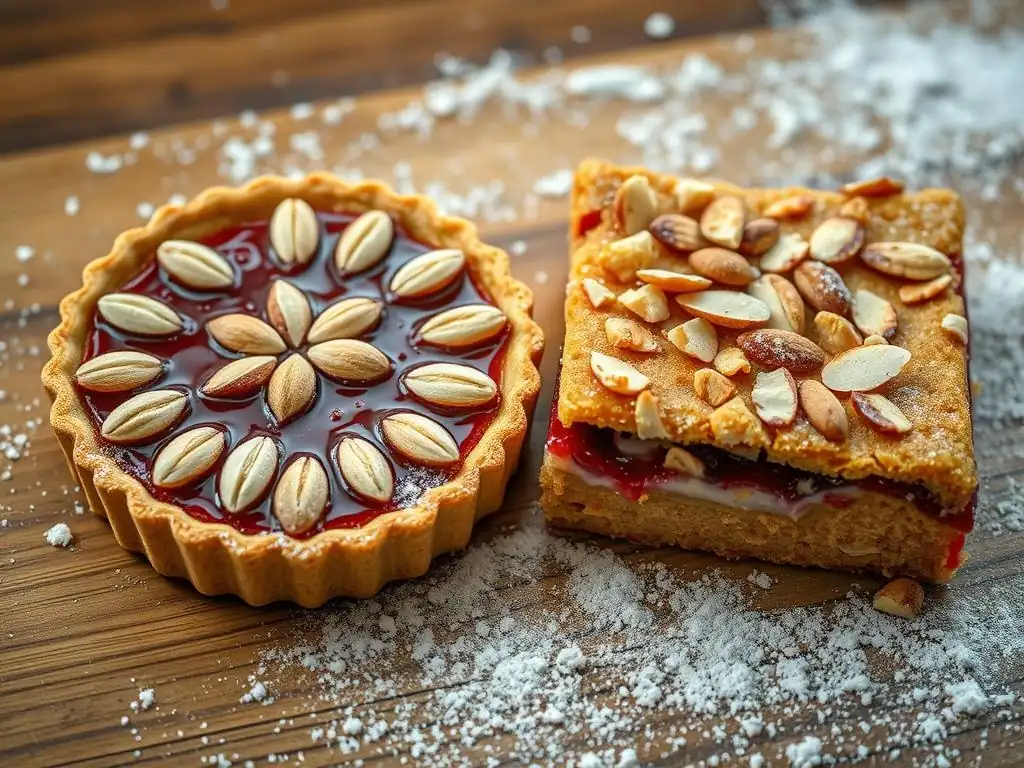
Defining the Blondie: A Non-Chocolate Treat
A blondie is often described as a "vanilla brownie," but this simple label doesn't fully capture its unique character. While they share the same bar cookie format and similar preparation methods to brownies, blondies intentionally omit the chocolate or cocoa that defines their darker cousins. Instead, their flavor base relies on butter, brown sugar, and vanilla extract, creating a rich, butterscotch-like, or caramel-like profile. They are typically a pale golden or butterscotch color, hence the name "blondie."
Like brownies, blondies are baked in a flat pan and cut into squares. They can range in texture from chewy and dense to slightly softer and cakey, influenced by ingredient ratios and baking time. However, the absence of chocolate means their flavor is more open to interpretation and variation, highlighting the nuances of brown sugar and butter. They stand as a distinct sweet treat, offering a different kind of indulgence that appeals to those who prefer caramel, butterscotch, or vanilla notes over intense chocolate.
Typical Ingredients in a Blondie Recipe
The essential ingredients for a classic blondie are butter, brown sugar (often a significant amount), eggs, flour, and vanilla extract. The heavy reliance on brown sugar is key; its molasses content contributes moisture, chewiness, and that characteristic butterscotch or caramel flavor profile that distinguishes blondies from simple vanilla cake or cookies. Both light and dark brown sugar can be used, with dark brown sugar providing a deeper molasses flavor.
Butter is crucial for richness and texture. Eggs bind the ingredients and add structure, similar to brownies. All-purpose flour provides the main framework. Vanilla extract is not just an accent but a primary flavor component in a blondie, often used in a more generous amount than in a brownie recipe. A pinch of salt is also necessary to balance the sweetness and enhance the other flavors. Unlike many brownie recipes, blondies often include a leavening agent like baking powder to give them a bit more lift and a slightly less dense crumb compared to the fudgiest brownies.
How Blondies Differ from Traditional Brownies
The fundamental difference between blondies and traditional brownies lies in their primary flavor source and color. Brownies are chocolate-based, relying on melted chocolate or cocoa powder for their intense dark flavor and color. Blondies are vanilla and brown sugar-based, resulting in a golden hue and a flavor profile reminiscent of butterscotch or caramel. While brownies are defined by their chocolate intensity, blondies are characterized by the rich, warm notes of brown sugar and vanilla.
Texture can also differ. While both can be fudgy or cakey, the type of chewiness or density varies due to the differing ingredients. Brownies often achieve fudginess through high fat-to-flour ratios and melted chocolate. Blondies achieve chewiness often through the high amount of brown sugar and butter. The lack of cocoa in blondies also means they can sometimes have a slightly less dense crumb than the most intensely fudgy brownies, though this varies greatly by recipe. Essentially, the brownie blondie comparison boils down to chocolate richness versus brown sugar/vanilla warmth.
Brownie Blondie Comparison: Key Differences Explained
Flavor Profiles: Chocolate vs. Vanilla
The most obvious and significant difference between brownies and blondies is their flavor profile. Brownies are inherently chocolate-centric. Their taste is a direct result of the type and amount of chocolate or cocoa used, ranging from deeply bitter and intense in dark chocolate versions to sweeter and milder in milk chocolate variations. The flavor is rich, often with complex notes derived from the cocoa solids and fat.
Blondies, conversely, are defined by the warm, sweet flavors of brown sugar, butter, and vanilla. They lack any chocolate flavor (unless chocolate chips are added as an inclusion). The taste is often described as butterscotch or caramel-like, with the vanilla adding a fragrant, comforting depth. This stark difference in primary flavor is the core distinction in the brownie blondie comparison, catering to entirely different taste preferences.
Texture Variations: Fudgy, Chewy, or Cakey
Both brownies and blondies can exhibit a range of textures, but the paths to achieving them and the typical outcomes can differ slightly. Brownies are famously categorized as fudgy, chewy, or cakey. Fudgy brownies are dense, moist, and almost candy-like, often achieved with high fat and chocolate content and less flour/leavening. Chewy brownies have a desirable pull to them, often resulting from specific sugar ratios (like using more brown sugar) and controlled baking times. Cakey brownies are lighter and more aerated, typically containing more flour and leavening, and sometimes more eggs.
Blondies also have textural variations, often described as chewy or cakey. Chewy blondies, much like chewy brownies, are highly sought after, often achieved with a high brown sugar and butter content. Cakey blondies are lighter and softer, usually due to more leavening or a different fat-to-flour ratio. While a truly "fudgy" blondie isn't quite the same as a fudgy brownie (as the density in brownies is often tied to melted chocolate), dense, chewy blondies offer a similar level of richness and satisfying bite. The desired texture is a key consideration for bakers attempting a sweet treat comparison bake-off.
Ingredient Focus: Cocoa vs. Vanilla Extract
Looking at the ingredient list reveals the source of the flavor and textural differences. Brownies place a heavy focus on cocoa powder or solid chocolate as the primary flavor ingredient, often comprising a significant portion of the dry or melted components. While vanilla extract is used, it plays a supporting role, enhancing the chocolate rather than dominating.
Blondies shift the focus dramatically. Cocoa or chocolate is absent (in the base recipe). Instead, vanilla extract takes center stage as a primary flavor agent, often used in larger quantities than in brownies. Brown sugar also becomes a more prominent ingredient compared to many brownie recipes, providing the characteristic color and caramel notes. This fundamental difference in the star ingredients dictates everything from flavor to color and contributes significantly to the brownie blondie comparison.
Common Add-ins: Nuts, Chocolate Chips, and More
Both brownies and blondies serve as excellent base recipes for incorporating various add-ins, though some additions are more traditionally associated with one over the other. Chocolate chips are perhaps the most common addition to both. In brownies, they intensify the chocolate flavor and add pockets of melted or semi-melted chocolate. In blondies, chocolate chips provide a contrasting element to the butterscotch base, creating a popular pairing.
Nuts like walnuts or pecans are classic additions to brownies, adding crunch and a slightly earthy flavor that complements the chocolate. Nuts are also frequently added to blondies, pairing well with the caramel notes. Other popular add-ins include white chocolate chips (especially in blondies, creating a delightful contrast), toffee bits, dried fruit like cherries or cranberries, pretzels for a salty crunch, or swirls of peanut butter or caramel. The choice of add-ins can further blur or accentuate the differences between the two, offering endless possibilities for customization in a sweet treat comparison bake.
Taste and Texture: A Sensory Dessert Experience
Comparing the Taste Profiles: Brownie vs. Blondie
Experiencing a brownie and a blondie side-by-side highlights their distinct taste profiles. A bite of a classic brownie delivers an immediate, intense wave of chocolate flavor. Depending on the type of chocolate used, this can range from deeply bitter and complex to sweet and milky. There's often a subtle background note of vanilla and salt, but chocolate is the star. The flavor feels rich, comforting, and undeniably decadent.
A bite of a blondie offers a completely different sensation. The dominant flavors are sweet, warm, and buttery, with prominent notes of brown sugar reminiscent of caramel or butterscotch. Vanilla is more noticeable, adding brightness and fragrance. While sweet, the flavor isn't typically as intense or heavy as chocolate. It feels perhaps more nuanced, relying on the interplay of caramelized sugars and rich butter. This taste comparison reveals that while both are sweet bar cookies, they occupy different corners of the flavor spectrum.
Exploring the Textural Differences: Density and Moisture
Beyond flavor, the texture provides another key point of differentiation. A truly great brownie, particularly a fudgy one, offers a dense, almost chewy resistance when bitten into. It feels substantial and moist, with a close crumb structure. Cakey brownies are lighter and more airy, crumbling more easily, similar to a dense cake. The texture is a critical factor in the brownie experience, often sparking lively debates among enthusiasts.
Blondies also offer textural variety, but their density and moisture can present differently. Chewy blondies have a pleasing pull, often slightly less dense than a fudgiest brownie but with a satisfying chewiness derived from the brown sugar. They are typically moist and tender. Cakey blondies are lighter and softer. The absence of chocolate solids means the density comes primarily from the ratio of butter, sugar, and flour. While both desserts can be dense and moist, the nature of that density and moisture feels distinct due to their differing core ingredients.
Variations and Interpretations of Brownies and Blondies
Different Types of Brownies: Fudgy, Cakey, Chewy
The world of brownies is rich with variations, primarily categorized by texture. Fudgy brownies are perhaps the most sought-after for many, characterized by minimal flour and leavening, relying on high ratios of butter and chocolate for their dense, moist, almost truffle-like consistency. They often have a crinkly, shiny top crust. A classic fudgy brownie recipe might use just 1/2 cup of flour for an 8x8 pan, compared to over a cup for a cakey version.
Chewy brownies strike a balance, offering a firm bite and a satisfying pull. They often incorporate more brown sugar than white sugar and may use techniques like melting butter with chocolate or slightly underbaking to achieve that perfect chew. Cakey brownies are lighter and more like a dense chocolate cake layer. They typically use more flour, incorporate leavening (like baking powder), and sometimes rely on creaming butter and sugar for aeration, resulting in a softer, less dense crumb. Each type offers a different experience, showcasing the versatility within this single dessert category.
Exploring Flavored Blondies: Butterscotch, Peanut Butter, Raspberry
While the classic blondie is defined by its brown sugar and vanilla base, it serves as an exceptional foundation for numerous flavor variations. The inherent butterscotch-like flavor from the brown sugar pairs beautifully with many other ingredients. Butterscotch chips are a natural and popular addition, intensifying the base flavor. White chocolate chips offer a creamy sweetness that contrasts nicely with the brown sugar.
Beyond classic mix-ins, blondies can be flavored with swirls of other ingredients. Peanut butter swirls create a popular sweet and salty combination. Raspberry jam or fresh raspberries can be swirled in or added, providing a bright, tart contrast to the sweet, rich base. Spices like cinnamon or cardamom can be added to the batter for warmth. The neutral, warm base of the blondie is incredibly adaptable, making it a playground for creative bakers looking to explore variations beyond the basic recipe.
Which Dessert is Right for You?
Considering Your Chocolate Preference
Choosing between a brownie and a blondie often comes down to a fundamental preference: do you crave intense chocolate flavor, or do you prefer the warm, caramelized notes of brown sugar and vanilla? If you are a dedicated chocoholic who loves rich, deep, and sometimes slightly bitter tastes, a brownie is likely your ideal sweet treat. The various levels of chocolate intensity available in different brownie recipes mean you can find one that perfectly matches your craving, from bittersweet and dark to sweet and milky.
If, however, you enjoy flavors like caramel, butterscotch, toffee, or simply prefer desserts that aren't dominated by chocolate, a blondie might be more to your taste. Their flavor profile is distinct and appealing in its own right, offering a comforting sweetness that highlights the nuances of brown sugar and butter. Thinking about your personal flavor cravings is the first step in this sweet treat comparison decision.
Choosing Based on Desired Texture
Texture is another significant factor in deciding between these two bar cookies. Do you dream of a dense, almost gooey bite that melts in your mouth? A fudgy brownie might be the perfect fit. Do you prefer a treat with a satisfying pull and chewiness? Both chewy brownies and chewy blondies could be contenders. Or do you lean towards a softer, more cake-like crumb? Cakey versions of either dessert would likely satisfy.
Consider what kind of mouthfeel you enjoy most in a baked good. The density of a brownie, especially a fudgy one, is quite unique. Blondies, while they can be dense, often have a different kind of chewiness related to the brown sugar. Understanding the textural possibilities within each category can help guide your choice, ensuring the dessert experience is exactly what you're hoping for. The brownie blondie comparison isn't just about taste, but also about that perfect bite.
The Perfect Treat for Any Occasion [e.g., Party, Snack]
Both brownies and blondies are incredibly versatile desserts suitable for a wide range of occasions. For a casual snack or a simple weeknight treat, either works perfectly. Cut into squares, they are easy to handle and require no fuss. For parties or gatherings, they are excellent options because they transport well and can be made ahead of time. A large batch baked in a 9x13 inch pan can easily serve a crowd.
Consider the audience and the other items being served. If there are already many chocolate desserts, a blondie offers a welcome contrast. If you know your guests are major chocolate lovers, brownies are a safe bet. For events like bake sales, offering both provides options and caters to different preferences, allowing people to make their own sweet treat comparison. Their portability and crowd-pleasing nature make them go-to choices for almost any event.
Bake Your Own: Brownie and Blondie Recipes
Easy Brownie Recipe for Beginners
Creating your first batch of brownies is a rewarding experience! Here's a simple approach perfect for beginners:
Ingredients:
- 1/2 cup (1 stick) unsalted butter, melted
- 1 cup granulated sugar
- 2 large eggs
- 1 teaspoon vanilla extract
- 1/3 cup unsweetened cocoa powder
- 1/2 cup all-purpose flour
- 1/4 teaspoon salt
- 1/4 teaspoon baking powder (optional, for slightly less dense)
- 1/2 cup chocolate chips (optional)
Instructions:
- Preheat oven to 350°F (175°C). Grease and flour an 8x8 inch baking pan.
- In a medium bowl, whisk together the melted butter and granulated sugar until combined.
- Whisk in the eggs one at a time, then stir in the vanilla extract.
- In a separate small bowl, whisk together the cocoa powder, flour, salt, and baking powder (if using).
- Add the dry ingredients to the wet ingredients and stir until just combined. Do not overmix.
- Fold in the chocolate chips if desired.
- Spread the batter evenly into the prepared pan.
- Bake for 20-25 minutes, or until a toothpick inserted into the center comes out with moist crumbs, not wet batter. The edges should look set.
- Let cool completely in the pan before cutting.
This recipe typically yields about 16 squares and is a great starting point for mastering the chocolate classic.
Simple Blondie Recipe to Try at Home
Ready to try a blondie? This easy recipe highlights that delicious brown sugar flavor:
Ingredients:
- 1/2 cup (1 stick) unsalted butter, melted
- 1 cup packed light brown sugar
- 1 large egg
- 1 teaspoon vanilla extract
- 3/4 cup all-purpose flour
- 1/2 teaspoon baking powder
- 1/4 teaspoon salt
- 1/2 cup chocolate chips or white chocolate chips (optional)
Instructions:
- Preheat oven to 350°F (175°C). Grease and flour an 8x8 inch baking pan.
- In a medium bowl, whisk together the melted butter and packed light brown sugar until combined.
- Whisk in the egg, then stir in the vanilla extract.
- In a separate small bowl, whisk together the flour, baking powder, and salt.
- Add the dry ingredients to the wet ingredients and stir until just combined. Do not overmix.
- Fold in the chocolate chips or white chocolate chips if desired.
- Spread the batter evenly into the prepared pan.
- Bake for 22-28 minutes, or until the edges are set and lightly golden, and a toothpick inserted into the center comes out with moist crumbs.
- Let cool completely in the pan before cutting into squares.
This recipe also typically yields about 16 squares and provides a fantastic introduction to the world of blondies. Trying both recipes side-by-side offers a great opportunity for a personal sweet treat comparison.
Tips for Perfecting Your Brownie and Blondie Baking
Achieving the Ideal Texture
Mastering the texture of your brownies or blondies is key to baking success. For fudgy brownies, focus on recipes with a high ratio of fat and chocolate to flour, often omitting baking powder. Melting the butter and chocolate together instead of creaming can also contribute to density. For chewy results in either brownie or blondie, using a significant amount of brown sugar and melting the butter are often recommended techniques. Using just one egg yolk instead of a whole egg can also enhance chewiness and richness.
If you prefer a cakey texture, look for recipes that include baking powder and potentially a bit more flour. Creaming the butter and sugar together before adding other ingredients incorporates air, leading to a lighter crumb. For all textures, mixing the dry ingredients into the wet until just combined is crucial; overmixing develops gluten, which can make them tough rather than tender or chewy. Pay close attention to the visual cues during baking, as described below.
Preventing Overbaking
Overbaking is the most common culprit behind dry, hard brownies or blondies. These bar cookies continue to cook slightly from residual heat after they are removed from the oven, so it's better to pull them out when they seem slightly underdone in the center. Look for the edges to be set and pulling away slightly from the pan. The center should still look a little soft or moist.
The toothpick test is a reliable indicator: insert a toothpick into the center. For fudgy or chewy textures, you want it to come out with moist crumbs attached, not completely clean. If it comes out with wet batter, it needs more time. If it comes out completely clean, it might be overbaked. For cakey versions, a few moist crumbs are still okay, but it will be closer to clean than a fudgy one. Knowing your oven is also vital; if it runs hot, reduce the baking time slightly or check sooner.
Adding Creative Flavors and Toppings
Once you have a solid base recipe, feel free to experiment with adding creative flavors and toppings to your brownies and blondies. For brownies, try swirling in raspberry jam, caramel sauce, or peanut butter before baking. Additions like chopped Oreos, pretzels, or different types of chocolate chips (milk, white, dark, or even flavored chips like mint) can transform a classic batch. A sprinkle of sea salt on top just after baking can enhance the chocolate flavor beautifully.
Blondies are incredibly versatile. Swirl in Nutella, Biscoff spread, or various fruit purees. Add different nuts like macadamia nuts or almonds. Toffee bits, M&Ms, or chopped candy bars are also popular additions. For toppings, consider a simple glaze, a dusting of powdered sugar, or even a layer of frosting once cooled. The plain surface of a blondie is a blank canvas for creativity, making the sweet treat comparison even more exciting with customized versions.
Conclusion: Celebrating Brownies and Blondies
The Enduring Appeal of Brownies and Blondies
Brownies and blondies hold a special place in the hearts of bakers and dessert lovers worldwide. Their enduring appeal stems from their simple, comforting nature, ease of preparation, and incredible adaptability. They are reliable crowd-pleasers, perfect for sharing, and offer a satisfying density that distinguishes them from other baked goods. Whether you crave the intense richness of chocolate or the warm sweetness of brown sugar and vanilla, there's a bar cookie to satisfy your desire.
Their accessibility makes them fantastic starting points for beginner bakers, while their potential for variation keeps experienced bakers engaged. From classic fudgy brownies with walnuts to chewy blondies studded with white chocolate chips, the possibilities are vast. They represent home baking at its finest – approachable, delicious, and endlessly customizable.
Finding Your Favorite Dessert Variation
Ultimately, the best way to settle the brownie vs. blondie debate for yourself is to try them both! Bake a batch of each using similar base recipes and compare the flavors and textures side-by-side. Experiment with different types (fudgy vs. cakey brownie, chewy vs. softer blondie) and add-ins. Do you prefer the deep, dark intensity of a chocolate brownie, or the sweet, caramelly warmth of a blondie?
Perhaps you'll find you don't have to choose just one. Many bakers appreciate both for different moods and occasions. Understanding the characteristics of each allows you to select or bake the perfect sweet treat for any moment. So grab your ingredients, preheat your oven, and embark on your own delicious brownie blondie comparison journey!
Frequently Asked Questions
What is the main difference between a Bakewell Tart and a Bakewell Slice?
The primary difference lies in the shape and presentation. A Bakewell Tart is traditionally round, while a Bakewell Slice is, unsurprisingly, rectangular. Both share similar ingredients.
Are the ingredients used in a Bakewell Tart and a Bakewell Slice exactly the same?
While the core ingredients are very similar – pastry, jam, frangipane, and often almonds – minor variations may exist based on the specific recipe. Some might add a touch of lemon zest, for example.
Which is considered the more "authentic" version, the tart or the slice?
Neither is more authentic; they are simply different regional variations of the same basic dessert. Both have long histories and are enjoyed in different parts of the UK.
Is it more difficult to bake a Bakewell Tart than a Bakewell Slice, or vice versa?
The difficulty level is comparable. The tart requires more precision in shaping the pastry crust, while the slice is often easier to cut and serve uniformly.
Can I substitute almond extract for ground almonds in either the tart or the slice?
While almond extract can provide almond flavor, ground almonds contribute texture and richness to the frangipane. Using only extract will result in a different, potentially less desirable, result.
Final Reflection: A Slice of History, A Taste of Debate
The seemingly simple question of "tart versus slice" in the Bakewell confectionary world reveals a much deeper story of regional variations, culinary evolution, and the enduring power of a beloved dessert. The subtle differences in texture, presentation, and even name highlight the fascinating interplay between tradition and innovation within British baking. This isn't just about pastry; it's about understanding the nuances of a cultural heritage.
The enduring popularity of the Bakewell, in all its forms, speaks volumes about our collective desire for comforting traditions and the joy found in simple pleasures. The debate itself, fueled by passionate opinions and regional pride, is a testament to the dessert's cultural significance. Food is symbolic of love when words are inadequate.
- Alan D. Wolfelt. This quote perfectly encapsulates the emotional connection many feel to the Bakewell, a connection that transcends the simple act of eating. The ongoing discussion surrounding the "correct" version only serves to strengthen this bond, fostering a sense of community amongst those who share a love for this iconic treat.
So, the next time you encounter a Bakewell tart or slice, take a moment to appreciate the history baked into every bite. Consider the journey this delightful confection has taken, from its humble beginnings to its current status as a celebrated classic. Don't just eat it; savor it. Engage in the debate, explore the variations, and perhaps even try your hand at baking your own version. Let the Bakewell, in all its delicious forms, inspire you to explore the rich tapestry of culinary traditions and the stories they tell.
Unleash Your Inner Baker: Master the Bakewell!
Thanks for taking the time to explore the delicious world of Bakewell tarts and slices! You've now got the knowledge to confidently choose your preferred treat. Ready to put your newfound expertise to the test?
- Bake your own Bakewell: This is your chance to create the perfect pastry, customizing it to your taste! Try both the tart and the slice recipes to truly understand the difference.
- Share your Bakewell journey: Show off your baking skills and share pictures of your creations on social media using #BakewellMasterclass and #BakeWithEase! Let's see those stunning results.
- Discover more Bakewell variations: Explore our website for additional recipes and tips, uncovering hidden gems within this classic treat. What other exciting variations can you imagine?
Ready to start baking your masterpiece? What unique twist will you add to your Bakewell creation?