
Vegan Mirror Glaze: Mastering AgarAgar for a Stunning Finish

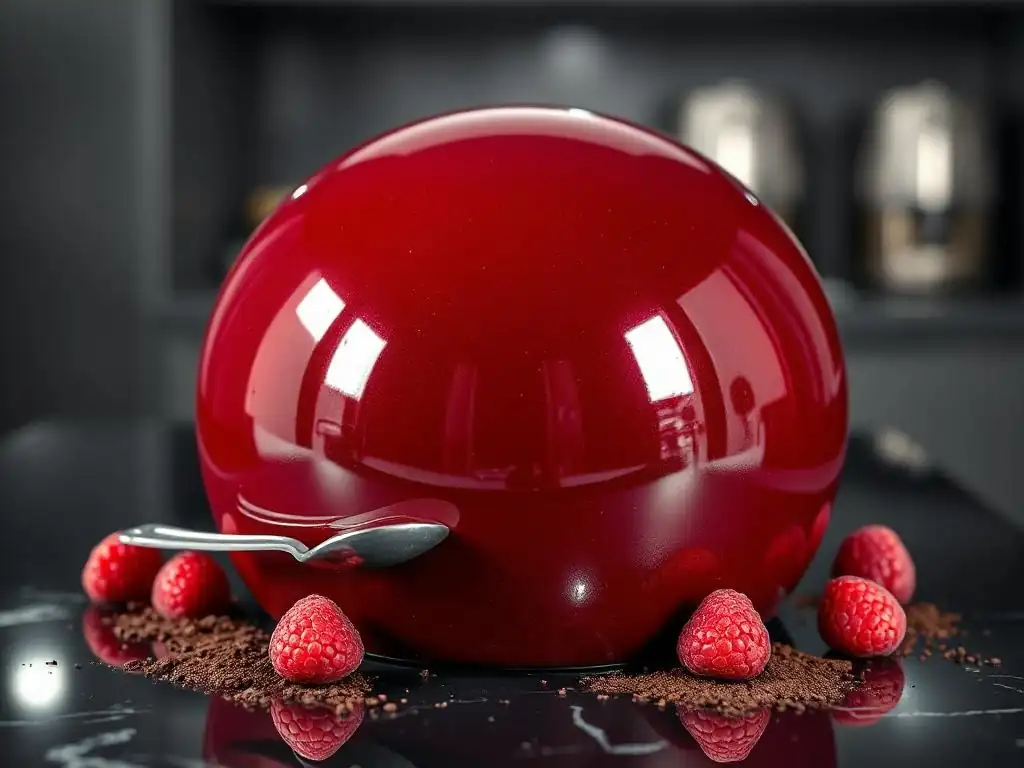
Welcome to BakeWithEase, where mastering the art of baking becomes a delightful journey! Ever wondered how to achieve that flawlessly smooth, reflective sheen on your desserts without using gelatin? Dive into our latest article, "Vegan Mirror Glaze: Mastering AgarAgar for a Stunning Finish," and discover the secrets to creating a breathtaking vegan mirror glaze using agar agar. Prepare to unlock advanced baking techniques and elevate your creations to a whole new level of elegance and deliciousness. Intrigued? Let's get started!
- Introduction to Vegan Mirror Glaze with Agar Agar
- Understanding Agar Agar for Mirror Glaze
-
Vegan Mirror Glaze Recipe: A Step-by-Step Guide
- Ingredients for the Perfect Vegan Agar Agar Mirror Glaze
- Equipment You'll Need for Making Vegan Mirror Glaze
- Step 1: Preparing the Agar Agar Mixture
- Step 2: Combining Ingredients for a Smooth Glaze
- Step 3: Cooking the Vegan Mirror Glaze to Perfection
- Step 4: Achieving the Right Consistency and Temperature
- Step 5: Coloring Your Vegan Mirror Glaze
- Applying Your Vegan Agar Agar Mirror Glaze
- Variations and Customizations for Vegan Mirror Glaze
- Tips and Tricks for a Flawless Vegan Mirror Glaze
- Vegan Mirror Glaze Agar Agar: Troubleshooting Guide
- Conclusion: Elevate Your Baking with Vegan Agar Agar Mirror Glaze
-
Frequently Asked Questions
- What is a vegan mirror glaze, and how does it differ from a traditional mirror glaze?
- Why use agar agar in a vegan mirror glaze?
- Is a vegan mirror glaze made with agar agar difficult to work with?
- What kind of desserts is a vegan mirror glaze suitable for?
- Can I color a vegan mirror glaze made with agar agar?
- Final Reflection: The Enduring Allure of a Perfect Vegan Glaze
- Unlock Your Vegan Glaze Genius!
Introduction to Vegan Mirror Glaze with Agar Agar
What is Mirror Glaze and Why Go Vegan?
Mirror glaze, known technically as glacage miroir, is a visually stunning coating applied to cakes and pastries. Its signature feature is a glossy, reflective surface that, as the name suggests, acts like a mirror, beautifully showcasing the underlying dessert. Traditionally, mirror glaze relies on gelatin to achieve this smooth, stable texture. However, with growing interest in plant-based diets and a desire for cruelty-free baking, vegan alternatives have become increasingly popular. Creating a vegan mirror glaze means everyone, regardless of dietary choices, can enjoy these show-stopping desserts.
Transitioning to a vegan mirror glaze opens up a world of possibilities for plant-based bakers. It allows for the creation of intricate and elegant desserts that were previously only possible with animal-derived gelatin. Furthermore, using vegan alternatives aligns with ethical considerations and caters to a wider audience, making your baked goods accessible to more people. The challenge lies in replicating the unique gelling properties of gelatin using plant-based ingredients, and this is where agar agar shines.
The Magic of Agar Agar in Vegan Mirror Glaze Recipes
Agar agar, derived from seaweed, is a powerful gelling agent that serves as an excellent vegan substitute for gelatin. Unlike gelatin, which melts at body temperature, agar agar sets firmly at room temperature (around 32-40°C or 90-104°F) and requires a higher temperature to dissolve (around 85°C or 185°F). This property makes it ideal for creating a stable vegan mirror glaze that holds its shape and shine even in warmer environments.
The key to mastering vegan mirror glaze agar agar is understanding its behavior. Agar agar creates a firmer, more brittle gel compared to gelatin's elastic set. This difference influences how the glaze is prepared, poured, and sets. When used correctly, agar agar produces a perfectly smooth, non-sticky, and highly reflective surface. It's crucial to ensure the agar agar is fully dissolved by boiling the mixture, as simply simmering or warming will not activate its gelling power effectively, leading to a weak or uneven set in your vegan mirror glaze.
Understanding Agar Agar for Mirror Glaze
Types of Agar Agar: Powder vs. Flakes for Mirror Glaze
Agar agar is most commonly available in two forms for baking: powder and flakes. Both are derived from the same seaweed source but differ significantly in concentration and how they should be used in a vegan mirror glaze recipe. Agar agar powder is the more refined form and is considerably stronger than flakes. Typically, you need about one-third the amount of powder compared to flakes to achieve the same gelling strength. For instance, if a recipe calls for 1 tablespoon of agar agar flakes, you would likely only need about 1 teaspoon of agar agar powder.
When making vegan mirror glaze agar agar, using powder is generally recommended. Its fine consistency dissolves more easily and uniformly in hot liquids, leading to a smoother and more consistent glaze. Flakes, being coarser, require longer boiling times to dissolve completely and may result in a slightly cloudier or less smooth glaze if not fully incorporated. While flakes can work, achieving a truly flawless, high-shine vegan mirror glaze is often easier and more reliable with the powdered form due to its superior solubility and consistent strength.
Agar Agar Properties: Achieving the Perfect Glaze Texture
Agar agar's unique properties are key to creating a successful vegan mirror glaze. It requires boiling to activate its gelling capabilities. Simply heating it below its boiling point (around 85°C / 185°F) will not be sufficient, resulting in a liquid glaze that never sets. Once boiled and then cooled, agar agar forms a firm gel. Unlike gelatin, this gel is thermoreversible, meaning it can be heated and cooled multiple times, though repeated heating can slightly weaken its gelling strength.
The setting temperature of agar agar is relatively high (32-40°C / 90-104°F), which means a vegan mirror glaze agar agar will begin to set fairly quickly as it cools. This is important to manage during the pouring process.
The concentration of agar agar is also critical; too little and the glaze will be runny, too much and it will be overly stiff and brittle, potentially cracking when cut. Achieving the perfect, pourable consistency that sets into a smooth, stable, yet sliceable layer requires precise measurement, often falling within a narrow range of 1-2% agar agar powder by weight of the liquid component, though this can vary based on other ingredients like sugar and fat.
Common Mistakes to Avoid When Using Agar Agar
Several common pitfalls can occur when working with agar agar, particularly in a delicate application like vegan mirror glaze. One major mistake is not boiling the mixture long enough or at a high enough temperature. Agar agar needs a rolling boil for at least 1-2 minutes (and often longer for flakes) to fully dissolve and activate. Simply simmering won't cut it, leading to a glaze that doesn't set properly or has grainy particles.
Another frequent error is adding agar agar directly to hot liquid without first dispersing it, either by whisking it into a small amount of cold liquid or mixing it with sugar. Adding it straight to hot liquid can cause it to clump, resulting in uneven gelling and potential grainy spots in your vegan mirror glaze agar agar. Finally, using the wrong ratio of agar agar to liquid is critical.
Too little results in a runny glaze, while too much makes it too firm and brittle, prone to cracking when the cake is sliced. Always measure carefully and consider the specific recipe's requirements.
Vegan Mirror Glaze Recipe: A Step-by-Step Guide
Ingredients for the Perfect Vegan Agar Agar Mirror Glaze
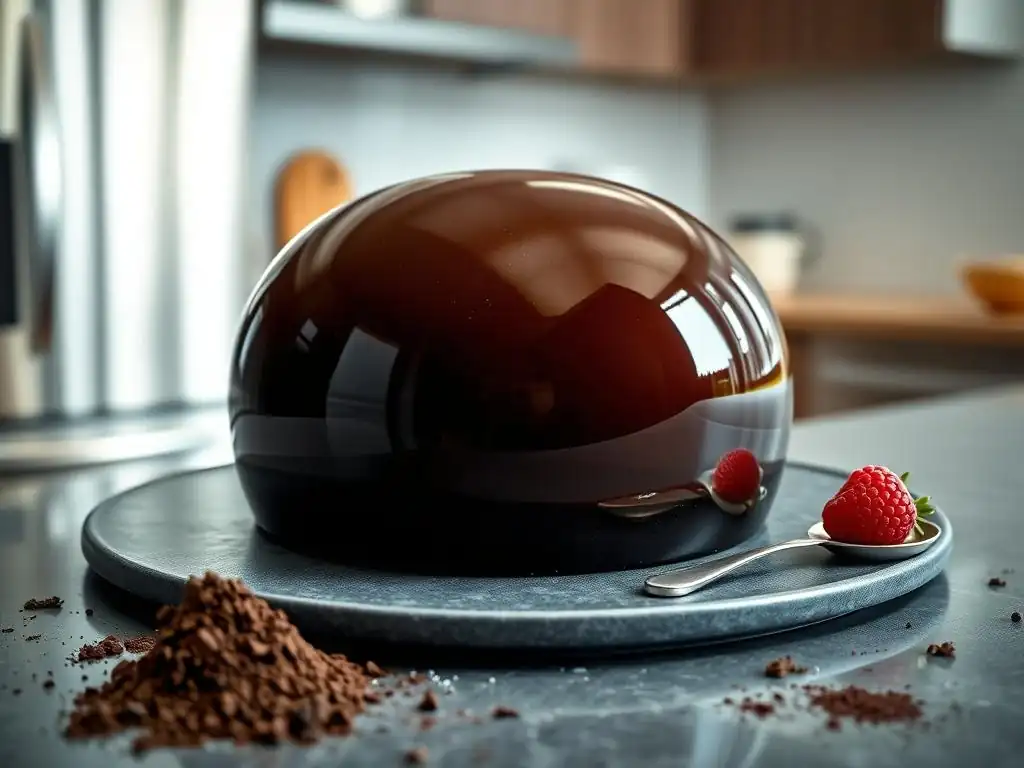
Creating a vibrant and glossy vegan mirror glaze agar agar requires specific ingredients that work together to achieve the desired consistency and shine without using animal products. The base typically consists of water or plant-based milk, sugar, and a gelling agent. For a truly reflective finish, glucose syrup or light corn syrup is often included; these help prevent crystallization and contribute to the glaze's elasticity and shine. White vegan chocolate or cocoa butter is frequently used to provide opacity and a smooth texture, essential for a flawless surface.
A standard recipe for enough vegan mirror glaze to cover an 8-inch round cake might include:
- 150g water or plant-based milk
- 300g granulated sugar
- 300g glucose syrup or light corn syrup
- 100g melted white vegan chocolate or cocoa butter
- 10-15g agar agar powder (start with 10g and adjust if needed based on brand)
- Food coloring (gel or powder recommended)
These ingredients, particularly the precise amount of agar agar powder, are crucial for the glaze's structure. The glucose syrup contributes significantly to the mirror-like finish by keeping the glaze smooth and preventing sugar crystals from forming, which would dull the surface. The melted vegan chocolate provides body and opacity, ensuring the glaze covers the cake completely without being translucent.
Equipment You'll Need for Making Vegan Mirror Glaze
Having the right tools makes the process of creating vegan mirror glaze agar agar much smoother and increases your chances of success. Precision is key, so accurate measuring tools are essential. You'll need:
- A digital kitchen scale for weighing ingredients (especially the agar agar and liquids for accuracy).
- Measuring cups and spoons (though weighing is preferred).
- A medium saucepan for cooking the glaze.
- A whisk for combining ingredients and ensuring the agar agar dissolves.
- A rubber spatula or heatproof scraper.
- An immersion blender (stick blender) is highly recommended for emulsifying the glaze and removing air bubbles for a smooth, glossy finish.
- A fine-mesh sieve for straining the glaze.
- A tall container or jug for pouring the glaze.
- A thermometer (candy thermometer or digital probe) to monitor temperature accurately.
- A wire rack set over a baking sheet or bowl to catch excess glaze when pouring.
Using an immersion blender is perhaps the most critical piece of equipment beyond basic pots and scales. It ensures the fat (from the vegan chocolate or cocoa butter) is perfectly emulsified into the liquid base, creating a stable, homogenous mixture. When using the immersion blender, keep the head submerged and angled slightly to avoid incorporating excess air, which leads to unwanted bubbles in your finished vegan mirror glaze.
Step 1: Preparing the Agar Agar Mixture
The first crucial step in making vegan mirror glaze agar agar is properly preparing the agar agar. Agar agar powder should not be added directly to hot liquids as it can clump. Instead, it's best to disperse it in a small amount of cold or room temperature liquid from your recipe's total amount. For example, if your recipe calls for 150g of water and 10g of agar agar powder, you would whisk the 10g of agar agar powder into about 30-50g of the cold water in the saucepan.
Whisk the agar agar vigorously into the cold liquid until it is fully dissolved and there are no visible clumps. This creates a smooth slurry that can then be safely added to the rest of the hot ingredients without seizing or clumping. This initial step is vital for ensuring the agar agar fully hydrates and activates correctly when the mixture is later brought to a boil, guaranteeing a smooth, consistent set for your vegan mirror glaze.
Step 2: Combining Ingredients for a Smooth Glaze
Once the agar agar slurry is prepared, the next step is to combine it with the remaining ingredients in the saucepan. Add the rest of the water or plant-based milk, the sugar, and the glucose syrup (or corn syrup) to the saucepan containing the agar agar mixture. Stir everything together gently with a whisk or spatula to combine the sugar and syrups with the liquid base.
At this stage, you want to ensure all the dry ingredients, particularly the sugar, are starting to dissolve before heating. This helps prevent scorching and ensures a smooth syrup base for your vegan mirror glaze agar agar. If your recipe includes melted vegan chocolate or cocoa butter, it is typically added after the mixture has been boiled and slightly cooled, just before emulsifying, as high heat can sometimes affect the texture or color of the chocolate.
Step 3: Cooking the Vegan Mirror Glaze to Perfection
Cooking the glaze is where the agar agar is activated and the sugar syrup reaches the correct concentration. Place the saucepan with the combined ingredients over medium heat. Stir continuously as you bring the mixture to a boil. It is absolutely essential that the mixture reaches a full rolling boil for at least 1-2 minutes to ensure the agar agar is completely dissolved and activated. Simply simmering is not enough.
Use a thermometer to monitor the temperature. While the agar agar activates at boiling point (around 100°C or 212°F), some recipes may instruct you to cook the syrup slightly higher, perhaps to 103-105°C (217-221°F), to achieve a specific sugar concentration that contributes to the glaze's stability and shine. However, for most vegan mirror glaze agar agar recipes, focusing on the boil duration to activate the agar agar is the primary goal at this stage. Keep stirring to prevent the sugar from burning on the bottom of the pan.
Step 4: Achieving the Right Consistency and Temperature
After boiling the mixture to activate the agar agar, remove the saucepan from the heat. If your recipe includes melted vegan chocolate or cocoa butter, add it now. This is the point where you'll use your immersion blender. Carefully insert the immersion blender into the mixture, ensuring the head is fully submerged to avoid incorporating air. Blend the mixture on low speed, moving it gently up and down, until it is completely smooth and emulsified. This process breaks down any remaining particles and creates a homogenous, glossy liquid.
Once blended, the glaze needs to cool to the correct pouring temperature. This is arguably the most critical step for a flawless vegan mirror glaze agar agar. The ideal pouring temperature is typically between 32°C and 35°C (90°F to 95°F).
If the glaze is too hot, it will be too thin and run right off the cake, leaving a translucent or uneven coating. If it's too cold, it will be too thick and may set before it has a chance to smooth out, resulting in streaks, bumps, or a dull finish. Monitor the temperature with your thermometer as it cools, stirring occasionally to ensure even cooling.
Step 5: Coloring Your Vegan Mirror Glaze
Adding color to your vegan mirror glaze agar agar is where you bring your creative vision to life. Food coloring should be added after the glaze has been cooked and blended, preferably while it is still warm but before it starts to cool significantly towards the pouring temperature. Gel or powder food colorings are highly recommended over liquid colors, as liquid colors can alter the consistency of the glaze and dilute its richness.
Add the coloring a little at a time, stirring gently with a spatula or whisk (avoiding creating bubbles) until you achieve the desired shade. Remember that the color may appear slightly darker or more intense in the liquid state than it will once it sets on the cake, especially if you're using opaque ingredients like white vegan chocolate. For vibrant colors, you might need a surprisingly generous amount of gel coloring. If creating multiple colors for a marbled effect, divide the glaze into separate containers before adding color.
Applying Your Vegan Agar Agar Mirror Glaze
Preparing Your Cake for Glazing
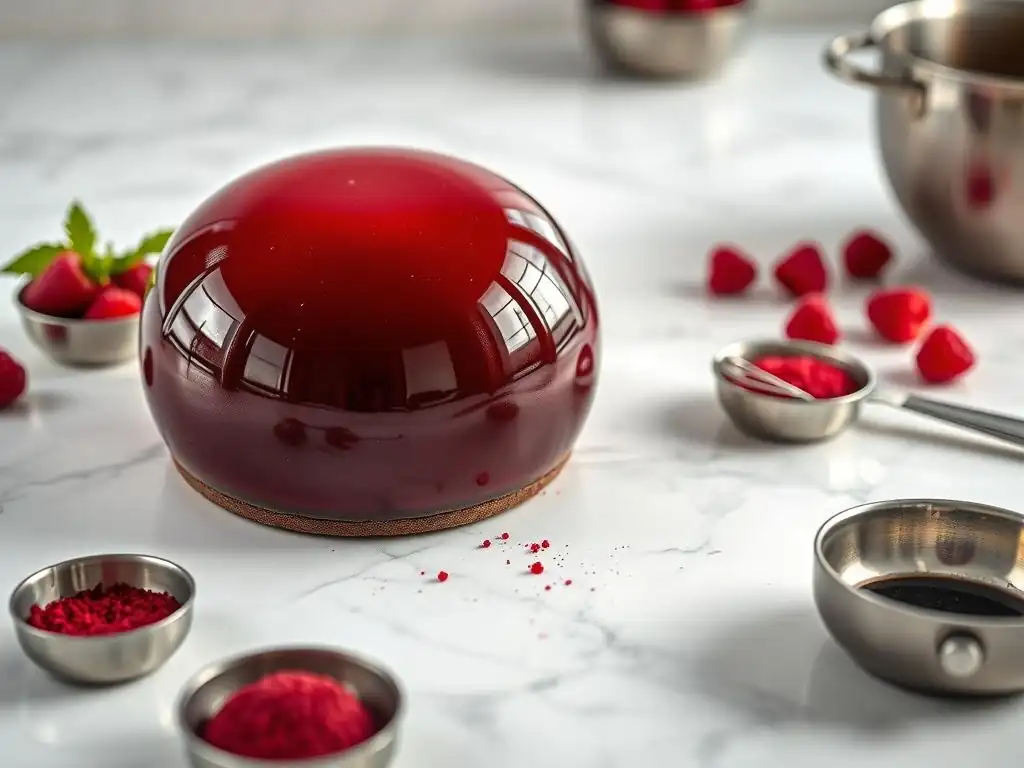
Proper cake preparation is essential for a smooth, professional finish when applying vegan mirror glaze agar agar. The cake must be completely frozen solid. Freezing provides a firm surface that can withstand the warmth of the glaze without collapsing and allows the glaze to set quickly upon contact, preventing it from running off too much. Ensure the cake is smooth and free of crumbs; any imperfections on the cake's surface will be visible through the glaze. A thin layer of ganache or frosting applied smoothly and then frozen can help create a perfect base.
Before glazing, remove the cake from the freezer and place it on a wire rack set over a tray or bowl to catch the excess glaze. This setup allows the glaze to drip away cleanly. You'll want to work relatively quickly once the cake is out of the freezer, as condensation can form on the cold surface, which can interfere with the glaze adhering properly. A cake that is slightly frosty on the surface is ideal.
Techniques for Pouring the Mirror Glaze for a Professional Finish
Pouring the vegan mirror glaze agar agar requires confidence and a steady hand. Once the glaze has cooled to the correct temperature (32-35°C / 90-95°F), pour it from your jug or container onto the center of the frozen cake. Pour in a single, continuous motion, starting from the middle and spiraling outwards, allowing the glaze to flow down the sides naturally. Ensure you cover the entire top surface completely before letting it cascade over the edges.
Do not stop pouring until the entire cake is coated. Avoid the temptation to spread the glaze with a spatula, as this will create streaks and dull the shine. Let the excess glaze drip off the sides for a few minutes. You can gently tap the wire rack to encourage drips to fall. Once the dripping slows, use a warm knife or spatula to carefully clean the drips from the bottom edge of the cake before transferring it to a serving plate or cake board. The glaze will continue to set as the cake thaws.
Troubleshooting Common Mirror Glaze Issues
Even with careful preparation, issues can arise when working with vegan mirror glaze agar agar. If the glaze is too thick, it might not flow smoothly, resulting in an uneven or bumpy coating. This usually means the glaze cooled too much before pouring, or perhaps slightly too much agar agar was used. If it's too thin, it will be translucent and run off the cake excessively, leaving thin spots; this indicates the glaze was too hot when poured or not enough agar agar was used.
Air bubbles are another common problem, often caused by over-whisking or blending too aggressively. Using an immersion blender properly (submerged and angled) helps minimize bubbles. If bubbles are present after blending, you can gently tap the container on the counter or pass the glaze through a fine-mesh sieve just before pouring. If bubbles appear on the cake after pouring, you can often pop them gently with a toothpick while the glaze is still liquid, being careful not to disturb the surface too much.
Variations and Customizations for Vegan Mirror Glaze
Flavor Variations: Infusing Different Flavors into Your Glaze
While the classic vegan mirror glaze agar agar provides a neutral, sweet base, you can easily infuse it with various flavors to complement the cake underneath. This adds another dimension to your dessert. Flavorings can be added after the glaze has been cooked and is cooling, usually alongside or after the coloring step.
Consider incorporating:
- Vanilla extract or bean paste for a classic flavor (add after cooking).
- Citrus zest or extract for a bright, tangy note (add after cooking, zest can be strained out).
- Coffee or espresso powder dissolved in a small amount of hot water for a mocha glaze (add after cooking).
- Fruit purées or concentrated fruit pastes for fruity flavors (ensure they are smooth and strain if necessary; ratio might need adjustment as purées add liquid).
- Spices like cinnamon or cardamom (infuse during cooking and strain).
Experiment with small batches to find the right balance, ensuring the added flavor doesn't compromise the glaze's texture or shine. For instance, adding too much liquid extract might require a slight adjustment in the agar agar amount.
Color Combinations and Swirl Effects for a Unique Look
The visual appeal of vegan mirror glaze agar agar is one of its biggest draws, and playing with colors allows for stunning effects. You can create solid, vibrant colors by adding a single food coloring. For more dramatic looks, try combining colors. Pour different colored glazes simultaneously onto the cake, or pour one color and then drizzle others over the top before letting them flow.
To achieve a marbled or swirled effect, prepare several small batches of glaze in different colors. Pour the main color onto the cake, then drizzle lines or dots of contrasting colors over the wet glaze. Use a skewer or toothpick to gently swirl the colors together, being careful not to overwork it, which can muddy the colors. For a galaxy effect, incorporate black, blue, purple, and white glazes, perhaps speckling with edible glitter or silver/gold dust after it sets slightly. The key is to work quickly while the glaze is at the correct pouring temperature and still fluid.
Adding Textures and Decorations to Your Mirror Glaze Creations
Vegan mirror glaze agar agar provides a smooth canvas, perfect for adding textures and decorations once it has set. While you shouldn't touch the glaze while it's liquid and setting, you can add elements once it's firm to the touch but before it fully hardens. Edible glitter, sprinkles, or edible metallic dust can be gently sprinkled or brushed onto the surface for sparkle.
For more elaborate decorations, tempered vegan chocolate shards, fresh fruit, vegan meringue kisses, or piped vegan buttercream can be added around the base or on top of the glazed cake. Keep in mind that elements placed directly on the wet glaze might sink slightly. It's often best to add heavier decorations after the glaze has fully set. Creating a textured effect within the glaze itself is difficult due to its smooth nature, but you can use different pouring techniques (like layering colors) to achieve visual texture.
Tips and Tricks for a Flawless Vegan Mirror Glaze
Storing and Reheating Your Vegan Mirror Glaze
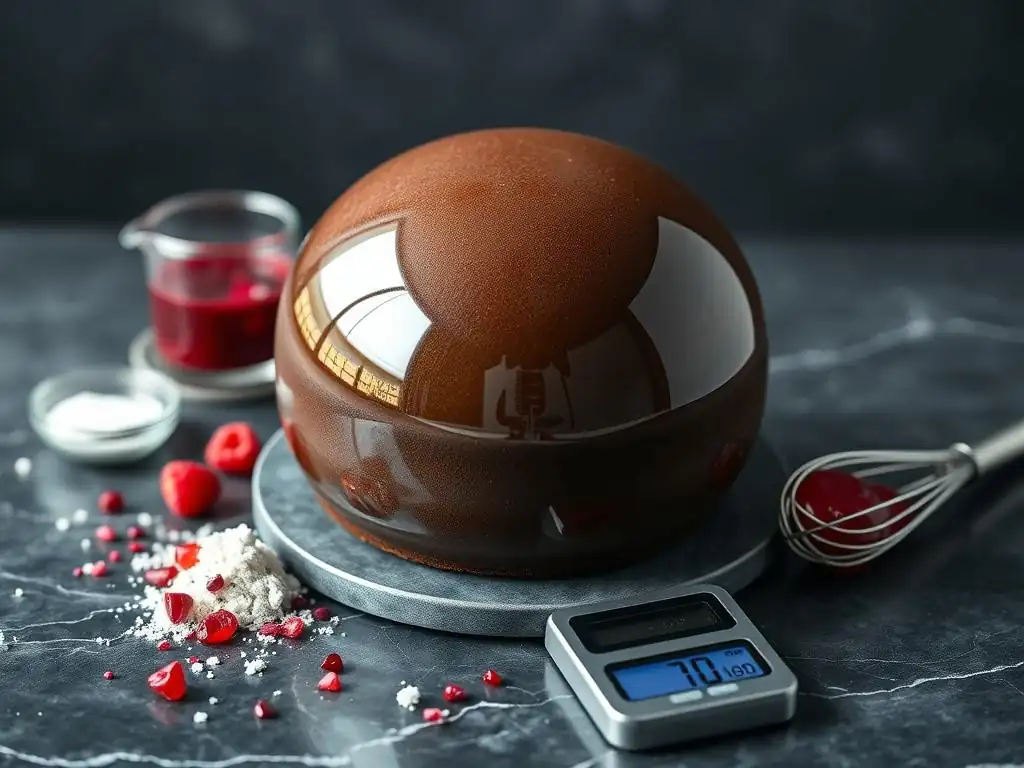
Proper storage and reheating are important for any leftover vegan mirror glaze agar agar. Once made, allow any unused glaze to cool completely at room temperature, then transfer it to an airtight container. It can be stored in the refrigerator for up to 3-5 days. Because agar agar is thermoreversible, you can reheat the stored glaze for future use.
To reheat, gently warm the glaze in a saucepan over low heat, stirring constantly. Do not bring it to a boil unless absolutely necessary to re-dissolve any agar agar that might have separated (though proper initial boiling should prevent this). Heat only until it is liquid and smooth, then let it cool down again to the correct pouring temperature (32-35°C / 90-95°F). Reheating might introduce some small bubbles, so using an immersion blender again after reheating and before cooling to the pouring temperature is recommended for the smoothest result. Strain if necessary.
Achieving a High-Shine Finish Every Time
Several factors contribute to that coveted high-shine finish in vegan mirror glaze agar agar. Using glucose syrup or corn syrup is crucial as it inhibits sugar crystallization, which causes dullness. Ensuring the agar agar is fully dissolved by boiling is also key to a smooth, non-grainy texture that reflects light well.
The most critical factor is pouring the glaze at the precise correct temperature (32-35°C / 90-95°F). Too hot, and it's too thin to coat opaquely; too cold, and it starts setting before it can level out smoothly. Using an immersion blender to emulsify the fats (vegan chocolate/cocoa butter) and remove air bubbles is also vital for a perfectly smooth, reflective surface. Finally, applying the glaze to a perfectly smooth, frozen cake surface allows it to set quickly and evenly, locking in that mirror-like shine.
Working with Different Agar Agar Brands
The strength of agar agar can vary slightly between brands. Some brands of agar agar powder might be more potent than others, meaning you might need slightly less or slightly more than a generic recipe specifies to achieve the same gelling strength. This is particularly true when comparing bulk food store agar agar to well-known baking ingredient brands.
If you are using a new brand of agar agar powder for your vegan mirror glaze agar agar, it's a good idea to perform a small test batch first. Mix a small amount of agar agar with water in the ratio suggested by your recipe (e.g., 1g agar agar to 50-100g water), boil it, and let it cool to see how firmly it sets. Adjust the amount in your main recipe based on this test. For instance, if it sets too firmly, use slightly less agar agar next time. Consistent results come from understanding the specific product you're using.
Vegan Mirror Glaze Agar Agar: Troubleshooting Guide
My Glaze is Too Thick: Solutions and Adjustments
If your vegan mirror glaze agar agar is too thick when you're ready to pour, it's likely cooled down too much, or you might have used slightly too much agar agar. If it's just slightly too thick and you can tell it's started to gel, gently warm it back up in a saucepan over very low heat, stirring constantly, until it becomes liquid again. Be careful not to overheat it.
Once liquid, let it cool again, carefully monitoring the temperature with your thermometer. Aim precisely for the 32-35°C (90-95°F) range. If you suspect you used too much agar agar in the first place, you can try adding a small amount of hot liquid (water or plant milk) to the warmed glaze before re-blending and cooling. Start with just a tablespoon or two, as adding too much liquid can dilute the color and shine.
My Glaze is Too Thin: How to Thicken It
A vegan mirror glaze agar agar that is too thin will appear translucent and run off the cake excessively. This usually means it was poured when too hot, or not enough agar agar was used. If you've already poured it and it's too thin, there's unfortunately not much you can do for that specific application without scraping it off.
However, if you realize the glaze is too thin before pouring (e.g., it's liquid even below 30°C / 86°F), you can attempt to fix it. Gently reheat the glaze to a simmer. In a separate small bowl, whisk a tiny amount of additional agar agar powder (e.g., 1-2g) with a tablespoon of cold water to make a slurry. Pour this slurry into the simmering glaze while whisking vigorously.
Bring the mixture back to a full boil for at least one minute to activate the new agar agar. Then, remove from heat, blend, and cool to the correct pouring temperature (32-35°C / 90-95°F) again. Be cautious not to add too much extra agar agar, as it can quickly make the glaze overly firm.
Dealing with Air Bubbles in Your Vegan Mirror Glaze
Air bubbles can ruin the smooth, reflective surface of vegan mirror glaze agar agar. They are typically introduced during mixing or blending. To minimize them:
- When whisking, stir gently rather than beating air into the mixture.
- Use an immersion blender correctly: keep the head fully submerged and avoid lifting it out of the liquid while blending. Blend on a low speed.
- After blending, let the glaze sit for a few minutes to allow some bubbles to rise to the surface.
- Carefully skim any surface bubbles off with a spoon.
- Pour the glaze through a fine-mesh sieve directly into your pouring jug. This is one of the most effective ways to catch small bubbles.
If, despite these efforts, you see small bubbles on the surface of the cake after pouring, you can gently pop them with the tip of a toothpick while the glaze is still wet. Work quickly and lightly to avoid leaving marks. For very stubborn bubbles, sometimes warming a metal spatula slightly and gently drawing it across the surface can help, but this technique requires practice.
Conclusion: Elevate Your Baking with Vegan Agar Agar Mirror Glaze
The Future of Vegan Glazing Techniques
Vegan mirror glaze agar agar represents a significant step forward in plant-based patisserie. As bakers continue to innovate, we may see further refinements in vegan gelling agents and glaze formulations. Research into other seaweed derivatives, plant starches, and hydrocolloids is ongoing, potentially leading to glazes with properties even closer to traditional gelatin-based ones, perhaps offering more elasticity or different setting characteristics.
Furthermore, as demand grows, the availability and consistency of ingredients like agar agar are likely to improve, making it easier for home bakers to achieve professional results. We might see pre-mixed vegan glaze bases or specialized agar agar blends optimized specifically for mirror glazes. The future promises even more exciting possibilities for creating beautiful, ethical, and delicious vegan desserts with flawless finishes.
Where to Find Quality Agar Agar and Vegan Ingredients
Finding quality ingredients is key to successful baking, especially when working with less common items like agar agar for vegan mirror glaze agar agar. Agar agar powder is widely available in health food stores, Asian grocery stores, and increasingly, in the international or baking aisle of large supermarkets. Online retailers specializing in baking supplies or vegan products are also excellent sources, often offering different brands and quantities.
When purchasing agar agar, look for fine powder for the best results in mirror glaze. Check the packaging for any indication of strength or recommended usage ratio, as this can vary by brand. For other vegan mirror glaze ingredients like glucose syrup, vegan white chocolate, and gel food colorings, check well-stocked grocery stores, specialty baking shops, or online suppliers. Ensure any chocolate or cocoa butter is certified vegan, as some white chocolates can contain dairy. Sourcing quality ingredients sets the foundation for a truly stunning vegan mirror glaze.
Frequently Asked Questions
What is a vegan mirror glaze, and how does it differ from a traditional mirror glaze?
A vegan mirror glaze is a shiny, reflective glaze that is free from animal products like gelatin. It differs from traditional glazes by using agar agar as a vegan gelling agent instead of gelatin. This results in a similar, beautiful finish without compromising vegan principles.
Why use agar agar in a vegan mirror glaze?
Agar agar is a plant-based gelatin alternative derived from seaweed. It provides the necessary setting properties for a smooth and glossy mirror glaze, making it a perfect substitute for gelatin in vegan recipes. It's also relatively easy to find.
Is a vegan mirror glaze made with agar agar difficult to work with?
While agar agar can be slightly more sensitive than gelatin, with BakeWithEase's recipe and guidance, it becomes manageable. The key is to hydrate and dissolve the agar agar correctly to avoid a grainy texture. Following the recipe closely ensures a smooth glaze.
What kind of desserts is a vegan mirror glaze suitable for?
Vegan mirror glaze is versatile and can be used on a variety of desserts, including cakes, mousse, and pastries. Its glossy finish adds an elegant touch, making it ideal for special occasions or simply elevating everyday treats.
Can I color a vegan mirror glaze made with agar agar?
Yes, you can easily color a vegan mirror glaze using vegan-friendly gel food colorings. Add the coloring after the glaze has been heated and cooled slightly, mixing until you achieve your desired shade. Be sure to use gel coloring for the best results.
Final Reflection: The Enduring Allure of a Perfect Vegan Glaze
The pursuit of the perfect vegan mirror glaze is more than just a culinary quest; it's a testament to the power of innovation and the unwavering dedication to ethical and delicious food. The techniques explored in this article, centered around mastering agar-agar's unique properties, represent a significant step forward in plant-based patisserie. This isn't just about aesthetics; it's about creating a truly stunning and satisfying dessert experience that aligns with conscious consumer choices.
The impact of vegan baking, and specifically the quest for refined techniques like the perfect mirror glaze, is undeniable. It reflects a growing awareness of ethical consumption and a desire for delicious, visually appealing food that doesn't compromise our values. The future of food is plant-based,
a statement often heard, rings truer than ever as more and more people seek out creative and delicious vegan alternatives. This pursuit of perfection in vegan baking, as exemplified by the mastery of the agar-agar mirror glaze, is a powerful symbol of this shift.
Now, consider your own culinary journey. Have you been inspired to experiment with agar-agar? Perhaps this article has sparked a new creative endeavor, pushing you to refine your own vegan baking techniques. I encourage you to embrace the challenge, to explore the possibilities, and to share your creations with the world. The perfect vegan mirror glaze is within your reach, and the journey to achieve it is as rewarding as the final, shimmering result. Let your passion for vegan baking shine!
Unlock Your Vegan Glaze Genius!
Thanks for taking the time to explore the world of vegan mirror glazes! We hope you now feel confident in creating stunning, professional-looking desserts. Ready to take your baking to the next level?
- Craft your masterpiece: Try the vegan mirror glaze recipe from the article – experiment with different flavorings and colors to create your unique signature glaze!
- Share your creation: Post a picture of your gorgeous glazed dessert on social media and tag us—we'd love to see your results! Use #BakeWithEaseVeganGlaze.
- Discover more vegan baking secrets: Explore our other articles on vegan baking techniques and recipes for more delicious plant-based treats.
What amazing flavor combination will you create with your first vegan mirror glaze?