
Fluffy Easter Rolls: A Simple Recipe for Your Table

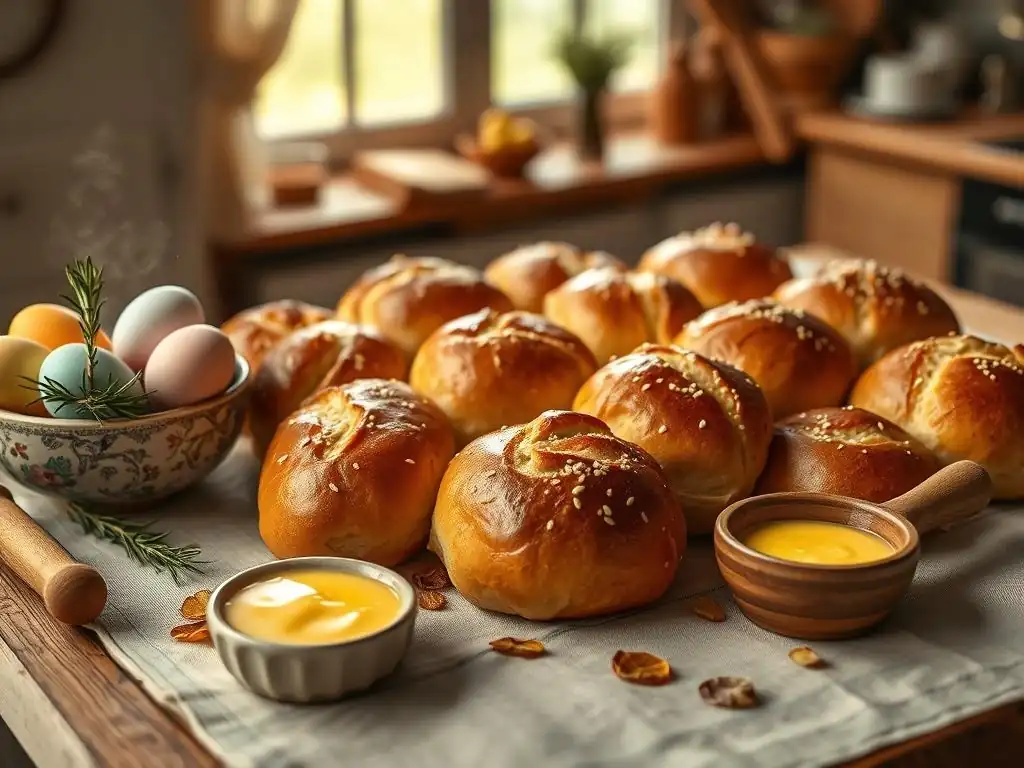
Welcome to BakeWithEase, your haven for delicious baking adventures! Tired of complicated recipes? Discover the secret to effortlessly creating show-stopping treats, starting with our Easy Fluffy Easter Roll Recipe. But that's just the beginning. Are you ready to unlock the secrets to perfectly risen dough and irresistibly soft rolls? Let's get baking!
- Fluffy Easter Rolls: A Simple Recipe for Your Table - BakeWithEase
- Introduction: Bake Easy Easter Rolls This Year
- The Secret to Perfectly Fluffy Easter Rolls
-
Easy Fluffy Easter Roll Recipe: Step-by-Step Guide
- Ingredients You'll Need
- Equipment Required
- Step 1: Activating the Yeast for Light and Airy Rolls
- Step 2: Mixing the Dough for Easter Perfection
- Step 3: First Rise: Letting the Dough Develop Flavor
- Step 4: Shaping the Easter Rolls: Simple Techniques
- Step 5: Second Rise: Achieving Maximum Fluffiness
- Step 6: Baking Your Golden Easter Rolls
- Step 7: Adding a Sweet Glaze (Optional)
- Tips and Tricks for the Best Easter Rolls Ever
- Variations on the Classic Easter Roll Recipe
- Serving Suggestions for Your Delicious Easter Rolls
- Conclusion: Enjoy Your Homemade Easter Rolls!
-
Frequently Asked Questions
- What makes this Easter roll recipe easy?
- What key ingredient contributes to the fluffiness of these rolls?
- Can I substitute any ingredients in this Easter roll recipe?
- How long does it take to make these fluffy Easter rolls from start to finish?
- What is the best way to store leftover Easter rolls to keep them fresh?
- Final Reflection: The Enduring Comfort of Simple Traditions
- Unleash Your Inner Baker: Craft These Delightful Easter Rolls!
Fluffy Easter Rolls: A Simple Recipe for Your Table - BakeWithEase
Introduction: Bake Easy Easter Rolls This Year
Welcome Spring with Delicious Homemade Easter Rolls
Spring is a time of renewal and celebration, and what better way to embrace the season than with the aroma of freshly baked bread filling your home? Easter brings families together, and adding a personal touch to your holiday table with warm, fluffy homemade rolls can make the occasion even more special. Imagine tearing into a soft, tender roll, still warm from the oven, perhaps with a dollop of butter – it’s a simple pleasure that truly captures the spirit of homemade goodness.
This article will guide you through crafting the perfect easy fluffy Easter roll recipe, suitable for bakers of all skill levels. We'll break down the process into manageable steps, ensuring your success from mixing bowl to dinner table. Get ready to impress your loved ones with these irresistible rolls that are surprisingly simple to make.
Why This Easy Easter Roll Recipe Is Perfect for Beginners
Many people find baking yeast breads intimidating, but this easy fluffy Easter roll recipe is specifically designed to demystify the process. It uses straightforward techniques and common ingredients, focusing on building confidence with each step. You don't need fancy equipment or years of experience to achieve wonderfully soft and airy results.
We'll walk you through everything, from activating the yeast correctly – a common hurdle for beginners – to shaping the rolls with simple methods. By the end of this guide, you'll have the knowledge and confidence to bake this delicious Easter treat, proving that baking beautiful, fluffy rolls can be accessible and enjoyable for everyone.
The Secret to Perfectly Fluffy Easter Rolls
Understanding the Key Ingredients for Soft Rolls
Achieving that coveted light and airy texture in your Easter rolls isn't magic; it's a result of understanding how a few key ingredients work together. The balance and quality of these components are crucial for developing a tender crumb and a soft exterior. Unlike denser breads, fluffy rolls rely on ingredients that promote softness and inhibit the formation of a tough gluten structure.
Paying attention to the temperature of your liquids and the type of flour you use will significantly impact the final outcome. This section will explore the specific roles of the primary ingredients in this easy fluffy Easter roll recipe and why each one is essential for creating rolls that are truly melt-in-your-mouth delicious.
The Role of Key Ingredients
Yeast: The Leavening Agent
Yeast is the powerhouse behind the rise and fluffiness of your rolls. It's a living organism that feeds on sugars in the dough, producing carbon dioxide gas and alcohol. The gas gets trapped in the gluten network, causing the dough to expand and lighten. Using active dry yeast or instant yeast is common for this easy fluffy Easter roll recipe.
Proper activation and handling of yeast are critical. If your water is too hot, it can kill the yeast; if it's too cold, it won't activate properly. The ideal temperature range for activating active dry yeast is typically between 105°F and 115°F (40°C to 46°C). Ensuring your yeast is fresh and bubbly after activation confirms it's ready to work its magic, guaranteeing a good rise and ultimately, fluffy rolls.
Flour: Providing Structure
Flour provides the necessary structure for the rolls. When flour is mixed with liquid and kneaded, proteins called glutenin and gliadin combine to form gluten. This elastic network traps the gases produced by the yeast, allowing the dough to rise. For soft rolls like these, all-purpose flour is usually sufficient and works well for beginners.
Using too much flour can result in a dry, tough roll, while too little will make the dough difficult to handle and may lead to a flatter roll. The goal is to add just enough flour to create a dough that is soft, slightly sticky, but manageable. The protein content in the flour also influences the gluten development; a medium-protein flour like all-purpose is ideal for creating a tender, yet structured, crumb in your easy fluffy Easter roll recipe.
Milk: Adding Moisture and Softness
Milk plays a vital role in contributing to the softness and richness of these Easter rolls. Unlike water, which primarily hydrates the flour, milk adds fat and sugars (lactose) to the dough. The fat coats the gluten strands, inhibiting excessive gluten development and resulting in a more tender texture. The sugars in milk also contribute to browning during baking and provide additional food for the yeast.
Using warm milk (around 105°F - 115°F or 40°C - 46°C) helps activate the yeast efficiently. The proteins in milk also help create a finer, more even crumb structure compared to rolls made solely with water. This subtle addition of dairy makes a significant difference in achieving that desirable soft, fluffy texture that defines a great Easter roll.
Butter: Enriching Flavor and Texture
Butter is essential for adding richness, flavor, and further contributing to the soft texture of the rolls. It helps tenderize the dough by interfering with gluten development, much like fat in milk. The fat coats the gluten strands, preventing them from forming a tight, tough network. This results in a more tender bite and a finer crumb.
Incorporating softened or melted butter into the dough adds a lovely depth of flavor. It also contributes to a beautiful golden crust during baking. For the best results in your easy fluffy Easter roll recipe, use unsalted butter to control the salt content yourself. Ensure the butter is at room temperature and softened, not melted, if the recipe calls for softened butter, as this incorporates more evenly into the dough.
Easy Fluffy Easter Roll Recipe: Step-by-Step Guide
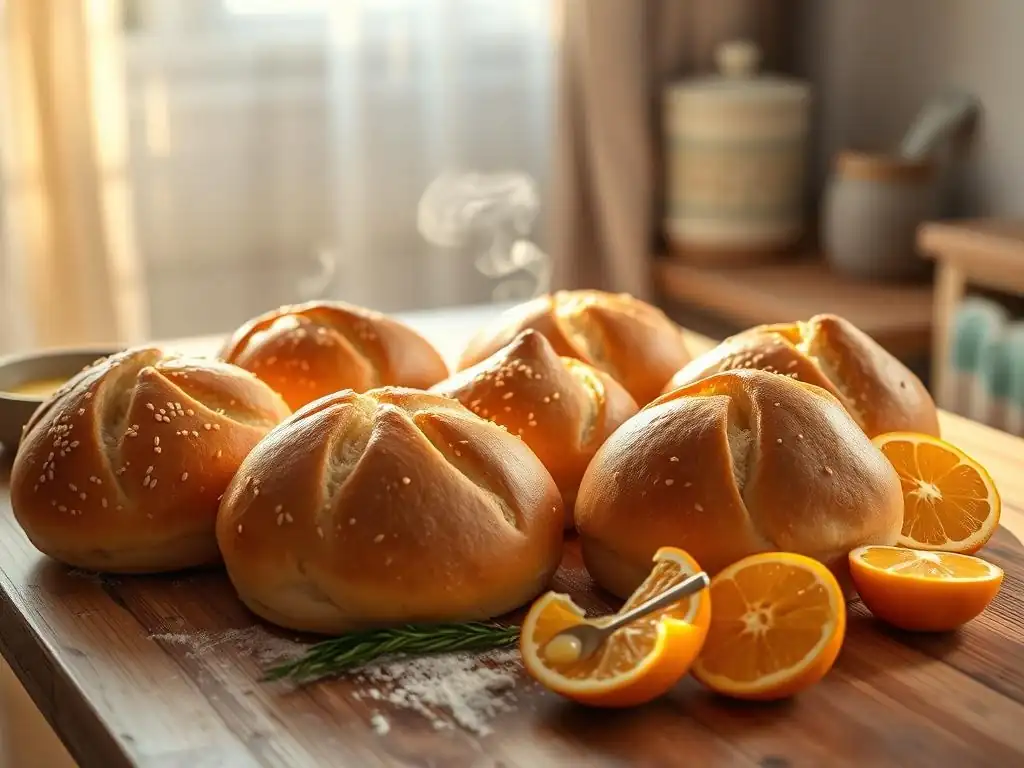
Ingredients You'll Need
Gathering all your ingredients before you begin is crucial for a smooth baking process. For this easy fluffy Easter roll recipe, you'll need standard pantry staples. Ensure your ingredients are fresh, especially the yeast, as this is key to a good rise. Measuring accurately is also important; use the 'spoon and level' method for flour (gently spoon flour into your measuring cup and level off with a straight edge) rather than scooping directly from the bag, which can compact the flour and lead to using too much.
You'll need:
- Active Dry Yeast or Instant Yeast
- Warm Milk
- Granulated Sugar
- Large Egg
- Unsalted Butter, softened
- Salt
- All-Purpose Flour
- Optional: Egg Wash (1 egg + 1 tbsp water) or Butter for brushing after baking
Equipment Required
Having the right tools at hand simplifies the baking process and contributes to success. You don't need a professional kitchen setup for this easy fluffy Easter roll recipe, but a few basic items are essential. A stand mixer with a dough hook attachment makes kneading much easier, but you can certainly knead by hand if you prefer.
You will need:
- Large Mixing Bowls (at least two)
- Measuring Cups and Spoons
- Kitchen Scale (optional, but recommended for accuracy)
- Whisk or Fork
- Wooden Spoon or Spatula
- Clean Kitchen Towels or Plastic Wrap
- Baking Sheet(s)
- Parchment Paper (optional, for easy cleanup)
- Pastry Brush (for glaze/butter)
- Wire Cooling Rack
Step 1: Activating the Yeast for Light and Airy Rolls
The first step in achieving wonderfully light and airy rolls is properly activating your yeast. If using active dry yeast, you'll need to "proof" it first. In a small bowl, combine the warm milk (ensure it's within the 105°F-115°F range) and a pinch of the sugar from the recipe. Sprinkle the yeast over the top. Do not stir immediately. Let it sit for 5-10 minutes.
During this time, the yeast should dissolve and start to feed on the sugar. You'll see it become foamy and bubbly on the surface. This foam indicates that the yeast is alive and active, ready to leaven your dough. If you don't see foam, your yeast may be old, the liquid wasn't warm enough, or it was too hot. If using instant yeast, you can often add it directly to the dry ingredients, but proofing it first is a good way to verify its freshness, especially for beginners tackling their first easy fluffy Easter roll recipe.
Step 2: Mixing the Dough for Easter Perfection
Once your yeast is active (or if using instant yeast, combine it with the dry ingredients as per package instructions), it's time to mix the dough. In a large mixing bowl (or the bowl of your stand mixer), combine the activated yeast mixture, the remaining warm milk, sugar, egg, softened butter, and salt. Whisk everything together until well combined.
Gradually add the all-purpose flour, about a cup at a time, mixing after each addition. Continue adding flour until a shaggy dough forms. If using a stand mixer, switch to the dough hook attachment and knead on medium speed for 5-7 minutes.
If kneading by hand, turn the dough out onto a lightly floured surface and knead for 8-10 minutes. You're looking for a dough that is smooth, elastic, and pulls away from the sides of the bowl (or your hands), though it may still be slightly sticky. Proper mixing and kneading are vital for developing the gluten structure needed for fluffy rolls.
Step 3: First Rise: Letting the Dough Develop Flavor
After kneading, the dough needs time to rise, a process called fermentation. This first rise allows the yeast to continue producing gas, expanding the dough, and, importantly, developing flavor. Shape the dough into a ball and place it in a clean, lightly oiled bowl, turning the dough once to coat the surface with oil. This prevents it from drying out.
Cover the bowl tightly with plastic wrap or a clean kitchen towel. Place the bowl in a warm, draft-free place. The ideal temperature is around 75°F-80°F (24°C-27°C). The dough should double in size, which typically takes about 1 to 1.5 hours, but can vary depending on the temperature of your kitchen. This slow, steady rise is crucial for the texture and taste of your easy fluffy Easter roll recipe.
Step 4: Shaping the Easter Rolls: Simple Techniques
Once the dough has doubled in size, punch it down gently to release the gases. Turn the dough out onto a lightly floured surface. Divide the dough into equal portions. For standard rolls, dividing the dough into 12-16 pieces is common. You can use a bench scraper or knife for this.
Shape each piece into a smooth ball. The easiest way is to take a piece of dough, tuck the edges underneath to create tension on the surface, and then cup your hand over the dough ball, moving it in a circular motion against the counter until it forms a tight, smooth sphere. Place the shaped rolls on your prepared baking sheet, leaving some space between them as they will rise again. Simple shaping ensures an even rise and a pleasing final appearance for your easy fluffy Easter roll recipe.
Step 5: Second Rise: Achieving Maximum Fluffiness
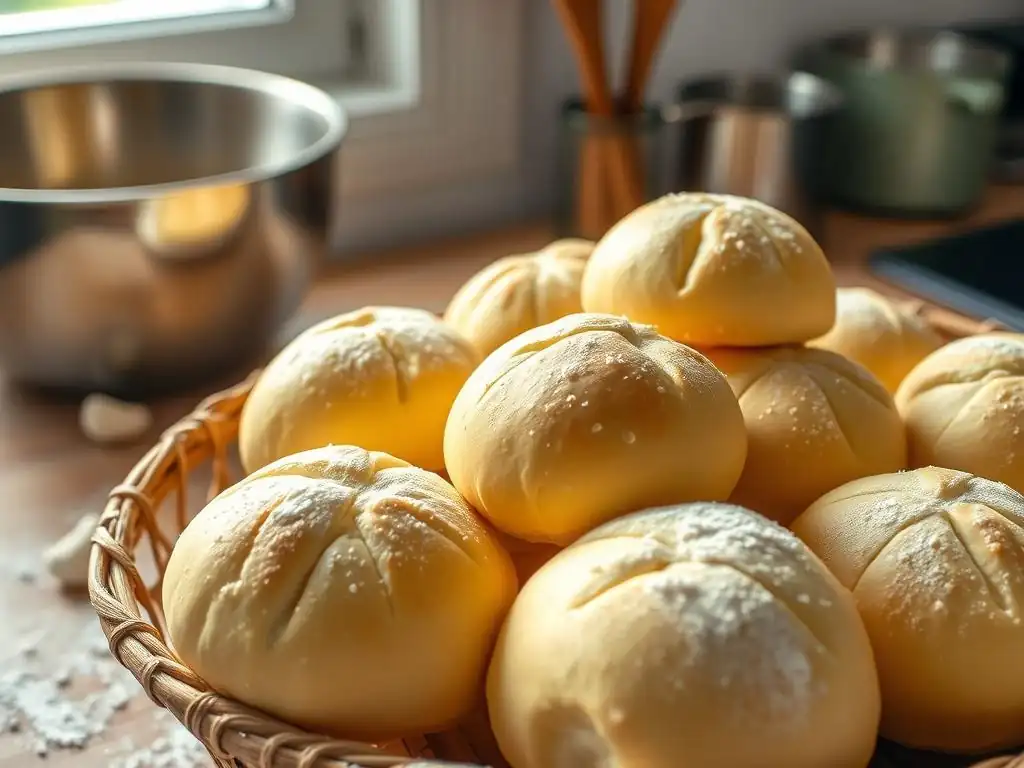
The second rise, also known as proofing, is critical for achieving maximum fluffiness. After shaping the rolls and placing them on the baking sheet, cover them lightly with plastic wrap or a clean kitchen towel. Again, place the baking sheet in a warm, draft-free spot.
During this second rise, the rolls will increase significantly in size, becoming visibly puffy and light. This usually takes about 30-45 minutes, or until the rolls look about 1.5 to 2 times their original size. You can gently poke a roll; if the indentation springs back slowly, it's ready to bake. Do not over-proof, as this can cause the rolls to collapse during baking. This patient second rise is key to the soft, tender texture of your easy fluffy Easter roll recipe.
Step 6: Baking Your Golden Easter Rolls
Preheat your oven to the specified temperature (typically around 375°F or 190°C) with a rack in the center position. Just before baking, you can brush the tops of the rolls with an egg wash (one egg whisked with a tablespoon of water) for a glossy finish, or simply leave them plain.
Bake the rolls for 15-20 minutes, or until they are golden brown on top and sound hollow when tapped on the bottom. Baking time can vary slightly depending on your oven and the size of your rolls. Keep an eye on them to prevent over-browning. Baking at the correct temperature ensures the rolls cook through evenly while developing a beautiful crust and maintaining a soft interior – the hallmark of a successful easy fluffy Easter roll recipe.
Step 7: Adding a Sweet Glaze (Optional)
While delicious plain, adding a simple glaze right after baking gives these Easter rolls an extra touch of sweetness and shine. As soon as the rolls come out of the oven, you can brush the tops generously with melted butter for a rich flavor and soft crust, or a simple sugar glaze.
A basic sugar glaze can be made by whisking together powdered sugar with a little milk or lemon juice until you reach a pourable consistency. Drizzle or brush this glaze over the warm rolls. The warmth of the rolls will help the glaze set slightly. This optional step adds a lovely finish and enhances the festive feel of your easy fluffy Easter roll recipe. Let the rolls cool slightly on a wire rack before serving.
Tips and Tricks for the Best Easter Rolls Ever
Ensuring a Soft and Tender Crumb
Achieving a soft and tender crumb is the goal of any easy fluffy Easter roll recipe. This texture is primarily influenced by proper hydration, gentle handling, and sufficient rising time. Make sure your dough is soft and slightly sticky after kneading; adding too much flour is a common mistake that leads to dry rolls.
Avoid overworking the dough during shaping; excessive handling can develop too much gluten, resulting in a tough texture. Allowing the dough to rise fully during both the first and second fermentation periods is also crucial. The yeast needs time to produce enough gas to create a light structure. Using ingredients like milk and butter, as detailed earlier, also significantly contributes to tenderness by inhibiting gluten development.
Troubleshooting Common Easter Roll Baking Problems
Even with an easy fluffy Easter roll recipe, you might encounter minor issues. If your dough isn't rising, check the temperature of your liquid when activating the yeast and ensure the yeast isn't expired. A cold kitchen can also slow down the rise; find a warmer spot (like a slightly warm oven that's been turned off).
If your rolls are tough, you likely added too much flour or over-kneaded the dough, developing too much gluten. Next time, aim for a softer dough and stop kneading once it's smooth and elastic. If the rolls are dense and heavy, they likely didn't rise enough. Give them more time in a warm place. If the crust is too hard, you might be baking them for too long or at too high a temperature; check your oven calibration.
Baking Time Adjustments
The suggested baking time of 15-20 minutes is a guideline; actual time can vary based on your oven and the size of your rolls. It's always best to rely on visual cues and internal temperature. The rolls should be a beautiful golden brown on top and bottom.
To check for doneness, you can tap the bottom of a roll; it should sound hollow. For absolute certainty, use an instant-read thermometer inserted into the center of a roll (avoiding the very bottom). The internal temperature should register around 190°F to 200°F (88°C to 93°C). If the tops are browning too quickly, you can loosely tent the rolls with foil for the remainder of the baking time. Adjusting baking time ensures your easy fluffy Easter roll recipe yields perfectly cooked results.
Storing Leftover Rolls
Proper storage helps keep your homemade Easter rolls fresh and soft. Once cooled completely, store leftover rolls in an airtight container or a resealable plastic bag at room temperature. They will typically stay fresh for 2-3 days.
Avoid refrigerating the rolls, as this can actually cause them to dry out and become stale more quickly due to starch retrogradation. For longer storage, you can freeze the cooled rolls. Wrap them tightly in plastic wrap, then place them in a freezer bag or container. They can be frozen for up to 2-3 months. To reheat, thaw at room temperature and warm gently in a microwave or oven until soft. Enjoying leftover rolls from your easy fluffy Easter roll recipe is easy with these storage tips.
Variations on the Classic Easter Roll Recipe
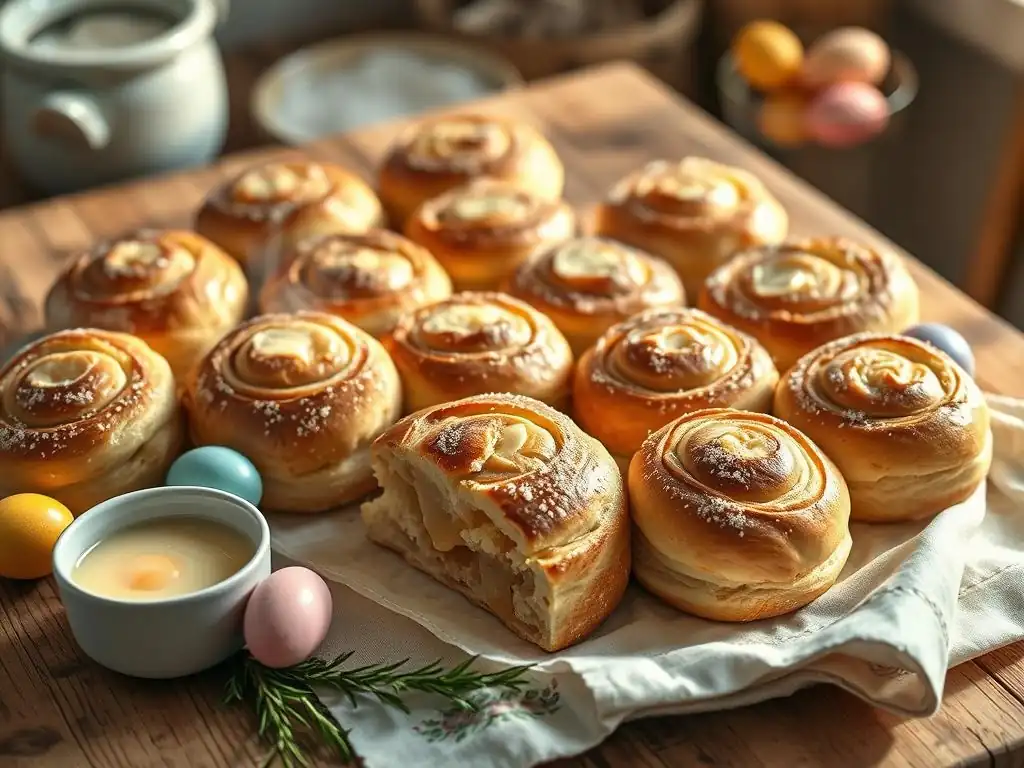
Adding Citrus Zest for a Bright Flavor
A lovely variation on the classic easy fluffy Easter roll recipe is to incorporate citrus zest into the dough. The bright, aromatic oils from lemon, orange, or even grapefruit zest add a wonderful, fresh flavor that complements the richness of the rolls and fits perfectly with spring.
Simply add the finely grated zest of one large lemon or orange to the wet ingredients along with the egg and butter. The zest will infuse its flavor throughout the dough as it rises and bakes. This simple addition elevates the standard recipe, offering a subtle tang and a beautiful fragrance that makes these Easter rolls even more special and unique.
Incorporating Dried Fruits and Nuts
For added texture, sweetness, and flavor, you can fold dried fruits and nuts into the dough during the mixing process, after the initial flour has been incorporated. Raisins, cranberries, chopped apricots, or even candied orange peel are delicious dried fruit options. Walnuts, pecans, or slivered almonds can provide a pleasant crunch.
About 1/2 to 1 cup of total additions is usually sufficient for a standard batch of this easy fluffy Easter roll recipe. Be sure to chop larger fruits or nuts into smaller pieces so they distribute evenly. Adding these elements turns your simple rolls into a more elaborate treat, perfect for a festive Easter brunch.
Making Mini Easter Rolls for Individual Servings
Scaling down the size of your rolls is a fun way to create mini Easter rolls, perfect for individual servings or a buffet. Instead of dividing the dough into 12-16 pieces, divide it into 24-30 smaller pieces. Shape each piece into a smaller ball using the same technique.
The baking time for mini rolls will be shorter, typically around 10-15 minutes. Keep a close eye on them as they bake to ensure they don't over-brown. Mini rolls from your easy fluffy Easter roll recipe are adorable, bake faster, and are ideal for portion control or serving alongside multiple dishes.
Serving Suggestions for Your Delicious Easter Rolls
Pairing Easter Rolls with Your Easter Feast
Warm, homemade Easter rolls are the perfect accompaniment to any Easter meal, from a simple brunch to a full holiday dinner. Serve them warm directly from the oven or gently reheated. They are wonderful with butter, honey butter, or your favorite jam or preserves.
These fluffy rolls pair beautifully with savory dishes like ham, roasted lamb, or turkey. Their slightly sweet and rich flavor also complements egg dishes, salads, and other springtime fare. Placing a basket of these warm rolls on your Easter table adds a touch of homemade comfort and elegance.
Creative Ways to Use Leftover Rolls
If you happen to have any leftover rolls from your easy fluffy Easter roll recipe (a rare occurrence! ), there are several delicious ways to repurpose them. Slice them horizontally and use them as slider buns for leftover ham or turkey.
They also make excellent bases for mini bread puddings or French toast casseroles. Simply cube the stale rolls, soak them in a custard mixture, and bake. For a savory twist, you can toast them and use them as croutons in salads or soups. Leftover fluffy Easter rolls are versatile and can easily be transformed into another delightful meal or snack.
Conclusion: Enjoy Your Homemade Easter Rolls!
Baking this easy fluffy Easter roll recipe is a rewarding experience that fills your home with incredible aromas and your table with delicious, homemade goodness. We've walked through each step, from activating the yeast to achieving that perfect golden crust and soft interior. Remember that baking is a journey, and each attempt builds your skills and confidence.
These rolls are more than just bread; they're a warm invitation to gather, share, and enjoy the simple pleasures of the season. Don't be afraid to try the variations suggested or even experiment with your own ideas once you're comfortable with the basic recipe. Happy baking!
We love seeing your baking creations! This easy fluffy Easter roll recipe is designed for success, and we encourage you to try it out.
Happy Easter Baking!
Frequently Asked Questions
What makes this Easter roll recipe easy?
This recipe focuses on simple ingredients and straightforward instructions, making it accessible even for beginner bakers. No complicated techniques are required!
What key ingredient contributes to the fluffiness of these rolls?
The recipe likely uses a high hydration dough and may incorporate ingredients like milk or potato flakes to create a soft and airy texture.
Can I substitute any ingredients in this Easter roll recipe?
While substitutions are possible, they may affect the final texture and flavor. For best results, it's recommended to follow the recipe closely the first time.
How long does it take to make these fluffy Easter rolls from start to finish?
The total time includes preparation, proofing, and baking. Expect a process of around 2-3 hours, including the rising time for the dough.
What is the best way to store leftover Easter rolls to keep them fresh?
Store the rolls in an airtight container at room temperature or in the freezer for longer storage. Consider warming them slightly before serving again.
Final Reflection: The Enduring Comfort of Simple Traditions
The seemingly simple act of baking fluffy Easter rolls connects us to generations past, offering a tangible link to cherished memories and the enduring power of shared meals. These aren't just rolls; they're vessels of tradition, carrying the warmth of family gatherings and the sweet scent of springtime. In a world increasingly focused on speed and convenience, taking the time to create something from scratch, something as seemingly simple as a fluffy roll, offers a profound sense of accomplishment and connection.
The influence of food on our cultural landscape is undeniable; it's a language spoken across generations and cultures. These Easter rolls, in their simplicity, represent more than just a recipe; they represent the heart of home, the comfort of routine, and the joy of sharing. Food is symbolic of love when words are inadequate.
- Alan D. Wolfelt. This quote perfectly encapsulates the emotional resonance of preparing and sharing these rolls, transforming a simple recipe into a powerful expression of care and connection.
Now, I invite you to consider the power of simple traditions in your own life. Perhaps this Easter, you'll try your hand at these fluffy rolls, experiencing the satisfaction of creating something beautiful and delicious from scratch. Or maybe this recipe inspires you to revisit other cherished family recipes, breathing new life into time-honored traditions.
Regardless, remember the enduring power of simple acts, the joy of shared meals, and the lasting comfort found in the heart of home. Let the fluffy Easter roll be a symbol of connection, a reminder to slow down, and a celebration of the simple things that truly matter.
Unleash Your Inner Baker: Craft These Delightful Easter Rolls!
Thanks for joining us on this baking adventure! We hope you’ve picked up some delicious inspiration and are ready to wow your family and friends. Now it's time to put those skills to the test.
- Bake a batch of these Fluffy Easter Rolls today! Imagine the warm, sweet aroma filling your kitchen and the smiles on everyone's faces.
- Share your baking journey with us on social media using #BakeWithEaseEasterRolls – we'd love to see your creations!
- Experiment with different fillings – what creative twists will you add to this classic recipe?
So, what delicious Easter treat will you be baking next?