
From Provence: Baking the Leafy Fougasse Bread

Welcome to BakeWithEase, your trusted companion on your baking journey!
Ever dreamed of effortlessly crafting a stunning, artisanal loaf? Today, we're whisking you away to Provence with our Leafy Fougasse bread recipe. But what makes this bread so uniquely beautiful and surprisingly simple to bake? Discover the secrets behind its distinctive leaf-like shape and satisfyingly chewy texture – let's unlock the art of Fougasse together!
- From Provence: Baking the Leafy Fougasse Bread - A BakeWithEase Recipe
- Discovering the Authentic Leafy Fougasse Bread Recipe from Provence
- Mastering the Art of Fougasse: A Step-by-Step Baking Guide
- Tips and Tricks for Baking the Best Fougasse Bread
- Serving and Enjoying Your Homemade Leafy Fougasse
- Why Bake Fougasse? The Joy of Provençal Bread at Home
- Frequently Asked Questions
- Final Reflection: The Enduring Charm of the Leafy Fougasse
- Unleash Your Inner Boulanger: Bake Your Own Fougasse!
From Provence: Baking the Leafy Fougasse Bread - A BakeWithEase Recipe
Discovering the Authentic Leafy Fougasse Bread Recipe from Provence
What Makes Provençal Fougasse Bread So Special?
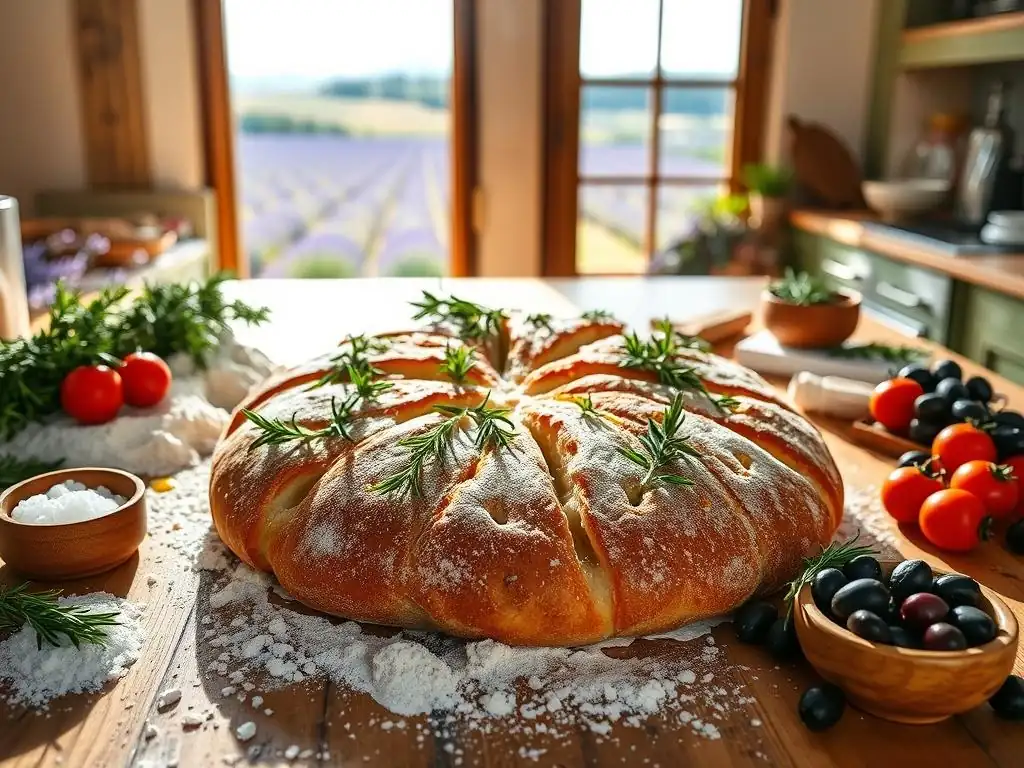
Fougasse bread is a flatbread with a history deeply rooted in the culinary traditions of Provence, in the south of France. Unlike many dense, rustic European loaves, the authentic Provençal fougasse is known for its relatively thin profile and the distinctive "leafy" shape created by cuts made before baking. This unique structure isn't just for aesthetics; it maximizes the crust-to-crumb ratio, offering delightful crisp edges with pockets of soft interior.
Traditionally, it was often used to test the temperature of wood-fired ovens – a small piece was baked first to see if the oven was ready for the main loaves. Its irregular shape also makes it easy to break and share, perfect for communal meals typical of the region.
The charm of the Leafy Fougasse bread recipe lies in its simplicity and versatility. While the basic dough is typically made from flour, water, yeast, salt, and often olive oil, variations abound. Many traditional fougasse recipes incorporate regional flavors like Herbes de Provence, olives, or even anchovies directly into the dough or sprinkled on top. The use of good quality olive oil is paramount, contributing to the bread's tender crumb and rich flavor profile. A well-made fougasse should have a beautiful golden-brown crust, a light, airy interior, and that characteristic aroma of baked dough often enhanced by herbs.
BakeWithEase Presents: Our Simplified Fougasse Recipe
Here at BakeWithEase, we've taken the traditional Provençal Leafy Fougasse bread recipe and adapted it to be accessible for home bakers of all skill levels. Our goal is to help you recreate the magic of this regional French bread without needing specialized equipment or years of baking experience. We focus on clear, step-by-step instructions, ensuring that even your first attempt yields a delicious and visually appealing fougasse. We believe everyone can master the simple techniques required to achieve that signature shape and perfect texture.
Our simplified Leafy Fougasse bread recipe emphasizes straightforward mixing methods and achievable fermentation times suitable for a home kitchen environment. While a professional baker might use techniques like poolish or preferment for added complexity, our recipe provides a direct method that still develops excellent flavor and structure.
We guide you through handling the relatively wet dough, achieving the distinctive cuts, and baking it to a beautiful golden finish. Expect a baking time of roughly 15-25 minutes, depending on your oven and the size of your fougasse, resulting in a bread that's perfect for tearing and sharing straight from the oven.
Mastering the Art of Fougasse: A Step-by-Step Baking Guide
Gathering Your Ingredients: The Fougasse Bread Recipe Checklist
Essential Ingredients for Authentic Provençal Fougasse
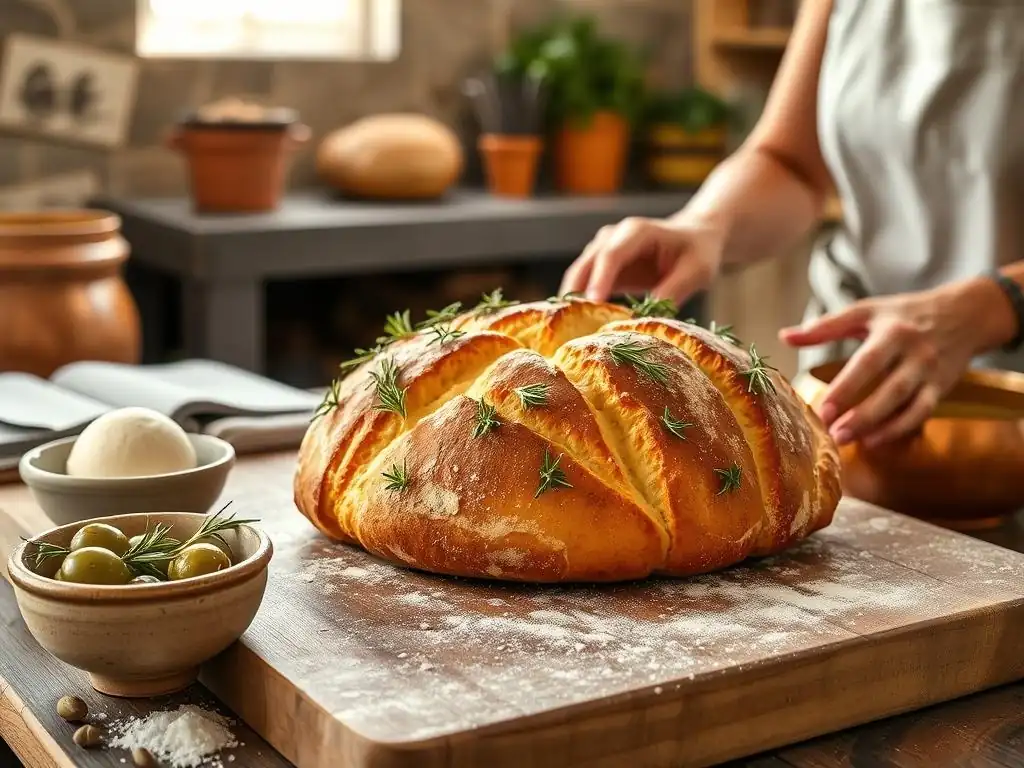
To embark on your Leafy Fougasse bread recipe journey, you'll need just a few core ingredients. Start with high-quality bread flour, which has a higher protein content (typically 12-14%) than all-purpose flour, providing the necessary gluten structure for a light, airy crumb. You'll also need active dry yeast or instant yeast – approximately 7 grams for a standard loaf size, though this can vary based on your recipe's hydration and desired fermentation time.
Fine sea salt is crucial for flavor, usually around 1.5% to 2% of the flour weight. Water, ideally lukewarm (around 85-95°F or 30-35°C) for activating yeast, is the hydration source, and the ratio to flour will determine the dough's consistency. Finally, good quality extra virgin olive oil is essential, adding richness and tenderness to the dough; about 2-3 tablespoons per loaf is a good starting point.
Beyond the basics, consider adding traditional Provençal elements to your Leafy Fougasse bread recipe. Dried Herbes de Provence, a blend typically containing thyme, rosemary, savory, marjoram, and often lavender, can be kneaded into the dough or sprinkled on top. About 1-2 teaspoons per loaf adds a beautiful aromatic quality. Pitted olives, such as Niçoise or Kalamata, roughly chopped, are another classic addition, providing bursts of briny flavor. Approximately 1/4 to 1/2 cup of olives per loaf works well. Remember that any additions will slightly alter the dough's hydration and require minor adjustments.
Tips for Sourcing High-Quality Ingredients
The quality of your ingredients significantly impacts the final taste and texture of your Leafy Fougasse bread. For flour, look for reputable brands of bread flour; freshly milled flour can offer superior flavor if accessible. When choosing yeast, ensure it's fresh and not expired; instant yeast is often more convenient as it can be added directly to the dry ingredients. Salt quality matters too; fine sea salt dissolves easily and provides a clean flavor. Avoid iodized table salt, which can sometimes impart a metallic taste.
Investing in a good quality extra virgin olive oil is perhaps the most crucial step for an authentic Provençal Fougasse bread recipe. Look for oil from the Provence region if possible, or any high-quality, cold-pressed extra virgin olive oil. The flavor profile of the olive oil will directly influence the bread's richness and aroma.
For herbs, dried Herbes de Provence from a reliable source will be more potent and flavorful than older, stale herbs. If using fresh herbs, double the quantity and chop them finely. For olives, choose pitted varieties that you enjoy; rinsing brined olives can help reduce excess saltiness.
Preparing the Dough: The Foundation of Your Leafy Fougasse
Mixing the Fougasse Dough: A Detailed Guide
Mixing the dough for your Leafy Fougasse bread recipe is a straightforward process. Begin by combining your dry ingredients: bread flour, salt, and instant yeast (if using active dry yeast, activate it first in some lukewarm water with a pinch of sugar). In a separate bowl or measuring cup, combine the lukewarm water and olive oil. Gradually add the wet ingredients to the dry ingredients, mixing with a wooden spoon, spatula, or in a stand mixer fitted with a dough hook until a shaggy dough forms.
Once the initial mix is complete, turn the dough out onto a lightly floured surface or continue mixing in the stand mixer. Knead the dough for about 5-10 minutes by hand or 5-7 minutes in a mixer on medium speed. The dough will start sticky but should become more manageable and elastic as you knead.
A good indicator is the "windowpane test": take a small piece of dough and gently stretch it; if you can stretch it thinly enough to see light through it without tearing, the gluten is well-developed. If adding herbs or olives, incorporate them during the last minute of kneading to distribute them evenly without crushing them excessively.
The Importance of Proper Hydration in Fougasse Dough
Hydration refers to the ratio of water to flour in a bread recipe, usually expressed as a percentage. A typical Leafy Fougasse bread recipe has a relatively high hydration level, often ranging from 70% to 80% or even higher. This high percentage of water contributes significantly to the fougasse's characteristic open, airy crumb and tender texture. A dough with 75% hydration means that for every 100 grams of flour, you use 75 grams of water.
Working with high-hydration dough can feel challenging initially as it's stickier than lower-hydration doughs like those used for sandwich bread. However, this stickiness is desirable. It allows the gluten network to develop more easily and creates steam during baking, resulting in those lovely internal air pockets. Don't be tempted to add excessive flour while kneading; instead, use techniques like wet hands or a bench scraper to handle the dough. Proper hydration is key to achieving the authentic light and airy structure of Provençal fougasse.
First Fermentation: Developing Flavor in Your Fougasse
The first fermentation, also known as bulk fermentation, is a critical stage in your Leafy Fougasse bread recipe. After kneading, the dough needs time to rise and develop flavor. Place the dough in a lightly oiled bowl, turning it to coat. Cover the bowl tightly with plastic wrap or a damp tea towel to prevent a skin from forming. The dough should then be left to rise in a warm place (ideally around 75-80°F or 24-27°C) until it has roughly doubled in size.
This process typically takes anywhere from 1 to 2 hours, depending on the room temperature and the amount of yeast used. During this time, the yeast produces carbon dioxide gas, which makes the dough rise, and also produces alcohols and organic acids that contribute to the bread's complex flavor. For a more developed flavor, you can opt for a slower, colder fermentation in the refrigerator for 8-24 hours. This longer period allows enzymes to break down starches into sugars, resulting in a sweeter, more nuanced taste in your finished Leafy Fougasse bread.
Shaping the Fougasse: Creating the Signature Leafy Design
Dividing and Pre-Shaping the Fougasse Dough
Once your fougasse dough has completed its first fermentation and roughly doubled in size, it's time to prepare it for shaping. Gently turn the dough out onto a lightly floured surface. Avoid degassing it too much; you want to preserve the air pockets that have developed. If you are making multiple fougasses from one batch of dough, use a bench scraper to divide the dough into equal portions. For a standard home oven, dough portions weighing between 300 and 500 grams work well, yielding fougasses roughly the size of a large dinner plate.
After dividing, lightly pre-shape each portion into a loose round or oval. This step, sometimes called bench resting, allows the gluten to relax slightly before the final shaping. Cover the dough portions with a damp cloth or plastic wrap and let them rest for about 10-15 minutes. This brief rest makes the dough much easier to work with when you are ready to create the distinctive leaf shape for your Leafy Fougasse bread recipe.
The Art of Cutting: Achieving the Leafy Appearance
Creating the signature leafy shape is the most visually distinctive part of the Leafy Fougasse bread recipe. After the short rest, take one portion of dough and gently stretch it or pat it into a rough oval or triangle about 1/2 to 3/4 inch thick. Don't strive for perfect uniformity; the rustic nature is part of its charm. Now, using a sharp knife, a pizza cutter, or a bench scraper, make cuts through the dough. Traditionally, fougasse has a main cut running lengthwise down the center, with several angled cuts branching off it, resembling a leaf vein pattern.
Make sure the cuts go all the way through the dough to the surface below. Typically, you'll make 3-5 angled cuts on each side of the central cut. Space the cuts out to allow the dough to open up during baking. You can gently widen the cuts with your fingers to ensure they don't close up completely during the final proofing. Practice makes perfect with this step; the goal is to create openings that will crisp up in the oven, enhancing the bread's texture and visual appeal.
Stretching and Shaping Techniques for Fougasse
After making the cuts, the final step in shaping your Leafy Fougasse bread is to gently stretch it into its final form. Carefully lift the cut dough and place it on a piece of parchment paper laid on a baking sheet. Gently stretch the dough outwards from the cuts, exaggerating the "leaf" shape. You can gently pull the edges and widen the cuts further if needed. The goal is to create a relatively thin, open structure.
Be mindful not to overwork the dough or stretch it too thin, which could result in a dry fougasse. The thickness should be relatively uniform across the surface, except where the cuts have opened up. Once satisfied with the shape, your fougasse is ready for a final brief proofing before baking. The parchment paper makes transferring the delicate shape to the hot oven much easier, preventing distortion.
Baking Your Leafy Fougasse to Perfection
Oven Temperature and Baking Time for Fougasse Bread
Baking your Leafy Fougasse bread at a high temperature is crucial for achieving a crispy crust and a well-risen, airy interior. Preheat your oven to a high temperature, typically between 450°F and 475°F (230°C and 245°C). Allowing the oven to preheat for at least 20-30 minutes ensures that the oven walls and any baking surface (like a baking stone or steel) are thoroughly heated, providing a strong initial burst of heat to the dough.
The baking time for a standard-sized fougasse is relatively short, usually between 15 and 25 minutes. Thinner fougasses will bake faster, while thicker ones or those with many additions (like olives) may take a little longer. The bread is done when it is deeply golden brown across the surface and sounds hollow when tapped on the bottom. Baking at this high temperature ensures the exterior crisps up quickly while the interior cooks through before the dough becomes dry.
Achieving a Crispy Crust and Soft Interior
The perfect Leafy Fougasse bread recipe results in a delightful contrast between a shatteringly crispy crust and a soft, tender, and airy interior. The high baking temperature is the primary factor for the crispy crust. The rapid heat causes the water on the surface of the dough to evaporate quickly, creating a dry exterior that can crisp up. Preheating your oven adequately and using a baking stone or steel (if available) helps transfer heat efficiently to the base of the bread, promoting a good bottom crust as well.
To ensure a soft interior, proper dough hydration and fermentation are key. A well-hydrated dough generates steam internally during baking, keeping the crumb moist. The open structure created by the cuts also allows heat to penetrate quickly, setting the internal structure before it dries out. Avoiding over-baking is also important; check for doneness at the lower end of the suggested time range to prevent a dry result.
Using Steam for a Perfect Fougasse Bake
Introducing steam into the oven during the initial phase of baking is a technique often used in bread baking to improve crust development and oven spring (the final rise of the dough in the oven). While not strictly mandatory for a rustic Leafy Fougasse bread recipe, steam can significantly enhance the outcome. Steam keeps the surface of the dough moist and pliable for the first few minutes of baking, allowing the dough to expand fully before the crust hardens. This leads to better volume and a thinner, crispier crust.
There are several ways to create steam in a home oven. One common method is to place a heat-safe pan (like a cast-iron skillet or an old baking tray) on the bottom rack of your oven while it preheats. Just before loading the fougasse, carefully pour about 1/2 to 1 cup of hot water into the preheated pan. Close the oven door quickly to trap the steam.
Alternatively, you can spray the walls of the oven with water using a clean spray bottle just after placing the bread inside. Be cautious when using hot water or spraying in a hot oven to avoid burns. After about 5-10 minutes, the steam has done its job, and you can open the oven briefly to let it escape for the remainder of the baking time to allow the crust to crisp up.
Tips and Tricks for Baking the Best Fougasse Bread
Troubleshooting Common Fougasse Baking Problems
Dough Too Sticky? Solutions for Handling Fougasse Dough
One of the most common challenges when making a high-hydration dough like that for the Leafy Fougasse bread recipe is its stickiness. If your dough feels too difficult to handle after mixing and kneading, resist the urge to add large amounts of extra flour. Excessive flour will lower the hydration and result in a denser, less airy bread. A small amount of flour on your hands and work surface is acceptable, but aim to use it sparingly.
Instead of relying on flour, try working with slightly damp or oiled hands when handling sticky dough. A bench scraper is an invaluable tool for manipulating and moving sticky dough on your work surface.
If mixing by hand, the "stretch and fold" technique can help develop gluten without excessive kneading on a floured surface; simply stretch a portion of the dough up and fold it over itself in the bowl, rotating the bowl and repeating the process every 10-15 minutes during the first hour of fermentation. Allowing the dough to rest briefly (5-10 minutes) can also help, as the gluten relaxes and the dough becomes less resistant and sticky.
Achieving the Perfect Leafy Cuts Every Time
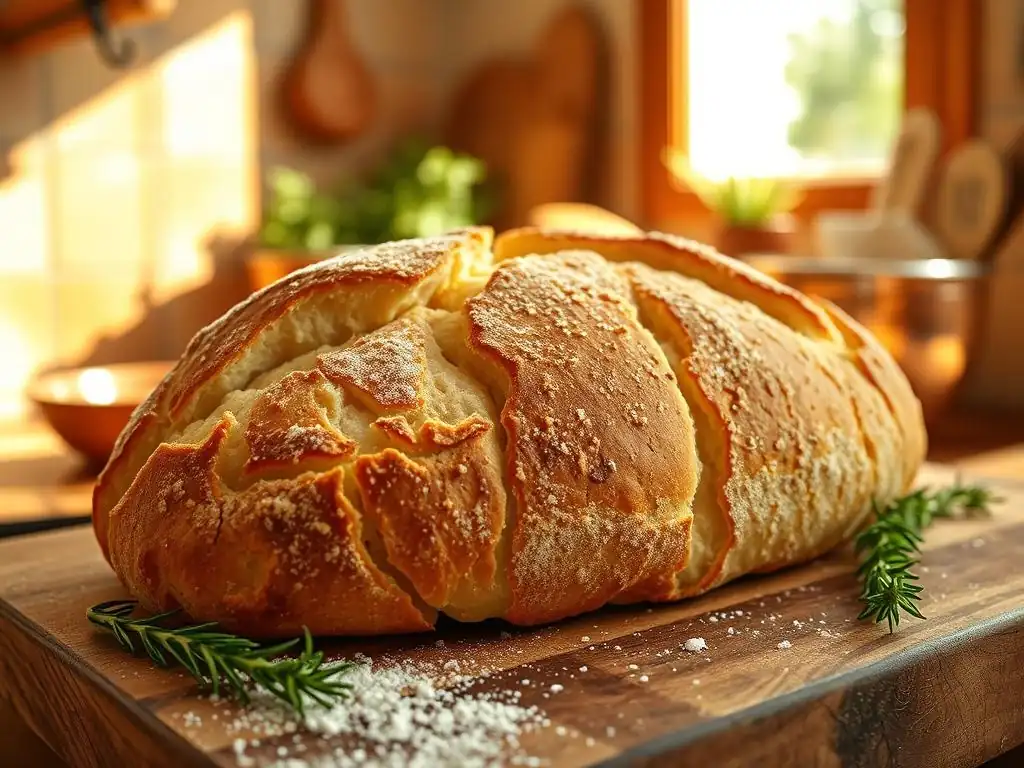
Making clean, defined cuts in your Leafy Fougasse bread is key to achieving its signature appearance. If your cuts are closing up during proofing or baking, there are a few potential reasons. Firstly, ensure you are using a very sharp tool – a razor blade (like a lame used for scoring bread), a sharp knife, or a pizza cutter works best. Dull tools will drag the dough rather than slicing cleanly.
Secondly, make sure the cuts go all the way through the dough. If the cuts are too shallow, they won't open up properly in the oven. Thirdly, don't let the shaped fougasse proof for too long before baking. Over-proofed dough can lose its structure and the cuts may seal. A short, 15-20 minute final proof is usually sufficient for fougasse. Finally, gently widening the cuts with your fingers immediately after making them can help them stay open during the final rise and baking.
Flavor Variations: Exploring Different Fougasse Bread Recipes
Adding Herbs and Olives to Your Fougasse
Traditional Provençal Leafy Fougasse bread recipes often feature additions that reflect the local flavors of the region. Incorporating herbs like Herbes de Provence, fresh rosemary, or thyme directly into the dough during the final minutes of kneading is a simple way to add aromatic depth. About 1-2 teaspoons of dried herbs per loaf provides a noticeable flavor. Alternatively, you can sprinkle them generously over the shaped dough just before baking, sometimes brushing the surface with olive oil first to help them adhere.
Olives are another classic fougasse addition. Pitted black or green olives (such as Kalamata, Niçoise, or Picholine) can be roughly chopped and kneaded into the dough. Use about 1/4 to 1/2 cup per loaf. Ensure the olives are well-drained if they were in brine. Other savory additions include chopped sun-dried tomatoes, roasted garlic, or even small pieces of anchovy or cheese (like grated Gruyère or Parmesan) sprinkled on top or folded into the dough. These variations transform the basic Leafy Fougasse bread into a flavorful centerpiece.
Creating Sweet Fougasse Variations
While savory fougasse is more traditional, you can also adapt the Leafy Fougasse bread recipe to create delicious sweet versions. Instead of herbs and olives, consider incorporating ingredients like orange zest, lemon zest, or dried fruits such as figs, raisins, or apricots. A small amount of sugar (1-2 tablespoons) can also be added to the dough to enhance sweetness, though it's not strictly necessary if using sweet additions.
For a sweet fougasse, you might brush the baked bread with a simple syrup (equal parts sugar and water heated until dissolved) or a honey glaze while it's still warm. Sprinkle with powdered sugar or coarse sugar for added texture and sweetness. Imagine a fougasse with orange zest and dried cranberries, perfect for a brunch or a sweet snack. The versatility of the basic Leafy Fougasse bread recipe allows for endless creative possibilities, both savory and sweet.
Serving and Enjoying Your Homemade Leafy Fougasse
Pairing Suggestions: What to Serve with Fougasse Bread
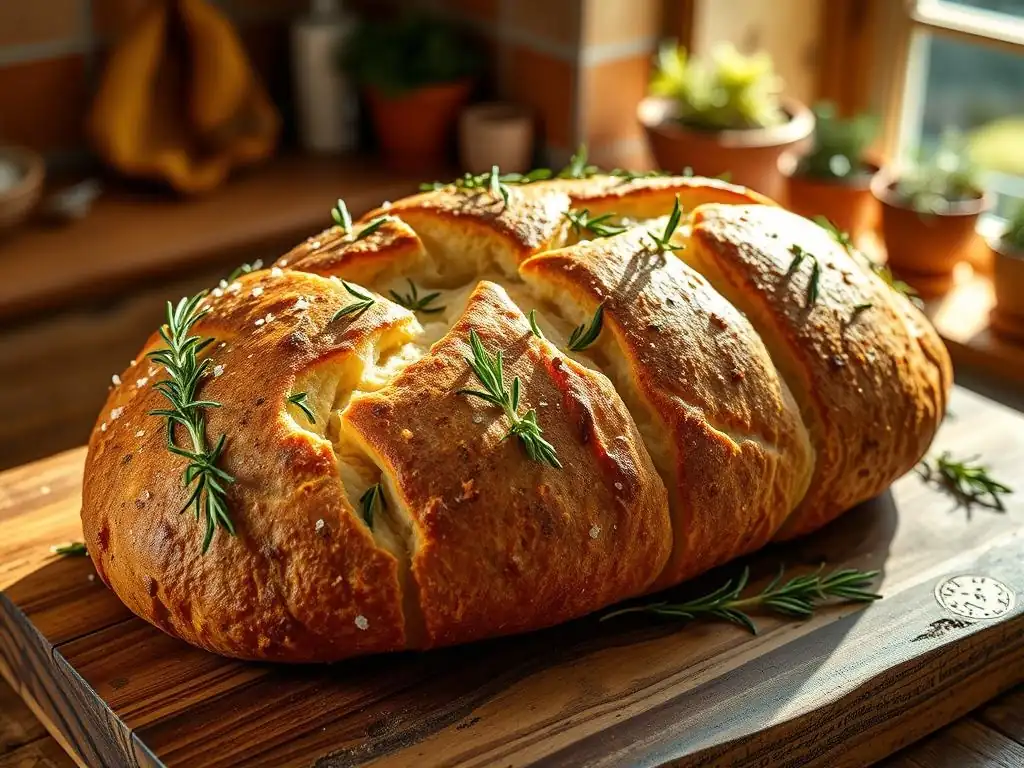
Homemade Leafy Fougasse bread is best enjoyed warm, fresh from the oven, when its crust is at its crispiest and its aroma is most inviting. Its open structure makes it perfect for tearing and sharing. It pairs wonderfully with a variety of dishes, especially those with a Mediterranean or Provençal theme. Serve it simply with a good quality olive oil for dipping, perhaps infused with garlic or herbs.
Fougasse is an excellent accompaniment to soups, stews, and salads. Its sturdy yet airy texture holds up well to dipping into broths or sopping up dressings. Consider pairing it with a classic French onion soup or a hearty lentil stew. It's also a fantastic addition to a charcuterie board or cheese plate, providing a textural contrast to smooth cheeses and cured meats. For a light meal, serve it alongside a fresh green salad dressed with a vinaigrette, or use it as the base for simple open-faced sandwiches topped with ingredients like roasted vegetables, goat cheese, or prosciutto.
Storing Your Fougasse to Maintain Freshness
Leafy Fougasse bread, like most crusty artisan breads, is truly at its peak freshness within a few hours of baking. The crispy crust will naturally soften over time as moisture from the interior migrates outwards. If you anticipate not eating the entire fougasse immediately, it's best to store it properly to maintain its quality for as long as possible.
Once completely cooled, store the fougasse at room temperature. The best way to keep the crust somewhat crisp is to store it in a paper bag. Avoid plastic bags or airtight containers, as these will trap moisture and quickly turn the crust soft and chewy. For longer storage, fougasse freezes exceptionally well. Wrap individual pieces or the whole loaf tightly in plastic wrap, then place in a freezer-safe bag or foil. When ready to eat, thaw at room temperature and refresh in a preheated oven at 350°F (175°C) for 5-10 minutes to crisp up the crust again.
Why Bake Fougasse? The Joy of Provençal Bread at Home
The History and Tradition of Fougasse Bread
The history of fougasse bread stretches back centuries, with roots potentially in ancient Rome where similar flatbreads were baked in the ashes of a fire. The name "fougasse" is believed to derive from the Latin "focus," meaning hearth or fireplace, highlighting its traditional connection to oven baking. In Provence, fougasse evolved into the distinctive flat, slashed bread we know today, becoming a staple of the local diet and culture. It was often baked for special occasions or market days, its unique shape making it easily recognizable and shareable.
Historically, the Leafy Fougasse bread recipe varied slightly from village to village, reflecting regional ingredients and preferences. It wasn't just food; it was part of the social fabric, shared among families and friends. Baking fougasse at home connects you to this rich culinary heritage, bringing a piece of Provençal tradition into your kitchen. It's a bread that embodies the warmth, simplicity, and generosity of the south of France.
BakeWithEase: Sharing the Love of Baking
At BakeWithEase, our passion is demystifying baking and making it accessible and enjoyable for everyone. The Leafy Fougasse bread recipe is a perfect example of a seemingly complex bread that, with the right guidance, is absolutely achievable for the home baker. We believe that the joy of baking comes not only from the delicious results but also from the process itself – the mixing of ingredients, the transformation of dough, and the wonderful aroma that fills your home as it bakes.
We are committed to providing clear, reliable recipes and helpful tips, empowering you to try new techniques and expand your baking repertoire. Sharing a warm, homemade fougasse with loved ones is incredibly rewarding, and we are delighted to be a part of your baking journey. Explore this Leafy Fougasse bread recipe and discover the simple pleasure of baking this beautiful, flavorful bread from Provence with BakeWithEase.
Frequently Asked Questions
What exactly is Fougasse bread?
Fougasse is a Provençal flatbread similar to focaccia. It's known for its distinctive leaf-like shape achieved through cuts in the dough.
What makes this Fougasse recipe "leafy"?
The term "leafy" refers to the characteristic cuts made in the dough before baking. These cuts not only give the bread its appearance but also increase its crispy surface area.
Is this recipe suitable for beginner bakers?
While the shape might look intimidating, this recipe uses simple ingredients and clear instructions, making it accessible for beginners. However, some experience with yeast doughs is helpful.
What ingredients are essential for a good Fougasse bread?
The essential ingredients include flour, water, yeast, salt, and olive oil. High-quality olive oil contributes significantly to the flavor and texture of the bread.
Can I customize this Fougasse recipe with different flavors?
Absolutely! Fougasse is a versatile bread. You can experiment with herbs, olives, cheese, or sun-dried tomatoes to create your own unique flavor combinations.
Final Reflection: The Enduring Charm of the Leafy Fougasse
The simple act of baking a leafy fougasse connects us to a rich culinary history, a tradition that remains vibrantly alive today. This seemingly humble bread, with its elegant, leaf-shaped design, speaks volumes about the enduring power of simple ingredients and time-honored techniques. More than just a recipe, it's a testament to the artistry and heart that goes into creating something truly delicious.
The fougasse's enduring appeal lies not just in its taste, but in its ability to evoke a sense of place and belonging. It's a bread that whispers of sun-drenched Provençal fields and the comforting aroma of freshly baked goods wafting from village ovens. The process itself, from kneading the dough to carefully shaping the leaves, is meditative and deeply satisfying. Bread is the staff of life,
they say, and in the case of the fougasse, it's also a staff of connection, linking us to generations of bakers who came before.
Now, I invite you to take what you've learned and embark on your own fougasse journey. Don't be afraid to experiment, to adapt the recipe to your own tastes, and to share the joy of baking this beautiful bread with those you love. The scent of baking fougasse, the satisfaction of creating something beautiful from simple ingredients, and the pleasure of sharing it with others – these are the enduring gifts of this timeless tradition. Let the leafy fougasse be a symbol of connection, creativity, and the enduring power of simple pleasures.
Unleash Your Inner Boulanger: Bake Your Own Fougasse!
Thanks for joining us on this flavorful journey to Provence! We hope you’ve gained a newfound appreciation for the rustic charm and delightful taste of the leafy fougasse bread. Ready to bring a little bit of French countryside magic into your own kitchen?
- Bake your own fougasse today! Gather your ingredients and follow our recipe – the satisfying aroma alone is worth it!
- Share your baking triumph! Post a picture of your fougasse creation on social media and tag us—we'd love to see your results!
- Explore our other French bread recipes for more baking inspiration. You might discover your next favorite loaf!
What unique twist will you add to your own fougasse creation? Let us know in the comments below!