
Simple Ways to Elevate Your European Bread Baking

Welcome to BakeWithEase!
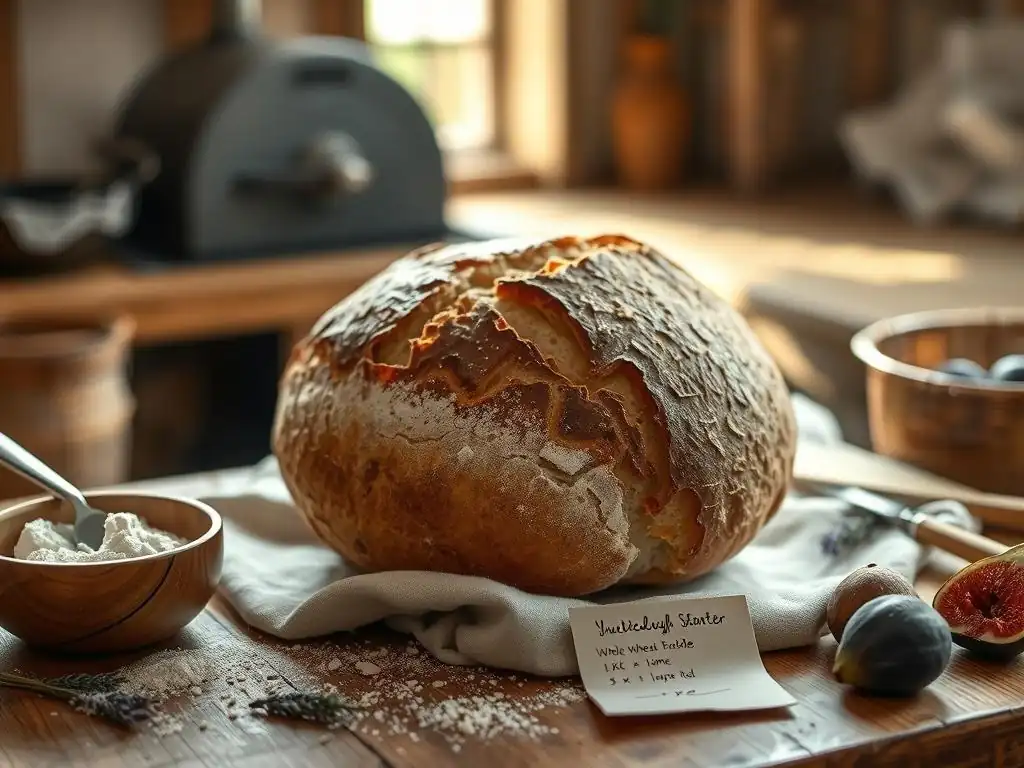
Unlock the secrets to crafting authentic European breads from your very own kitchen. Ever wondered how to achieve that perfect crust and airy crumb? This guide dives deep into European bread baking tips, revealing simple yet powerful techniques that will elevate your loaves from ordinary to extraordinary. Prepare to be amazed at how easy it is to master these classic baking methods. Ready to transform your baking?
- Beyond the Basics: Exploring Regional Variations in European Bread Baking
-
Frequently Asked Questions
- What are some basic European bread baking tips for beginners?
- How can I improve the crust on my European bread?
- What is the importance of using a starter or levain in European bread recipes?
- Are there specific European bread types that are easier to bake than others?
- What are some common mistakes to avoid when baking European bread at home?
- Final Reflection: The Enduring Art of European Bread Baking
- Unleash Your Inner Boulanger: Bake Better European Bread Today!
Beyond the Basics: Exploring Regional Variations in European Bread Baking
Discovering the Diversity of European Breads
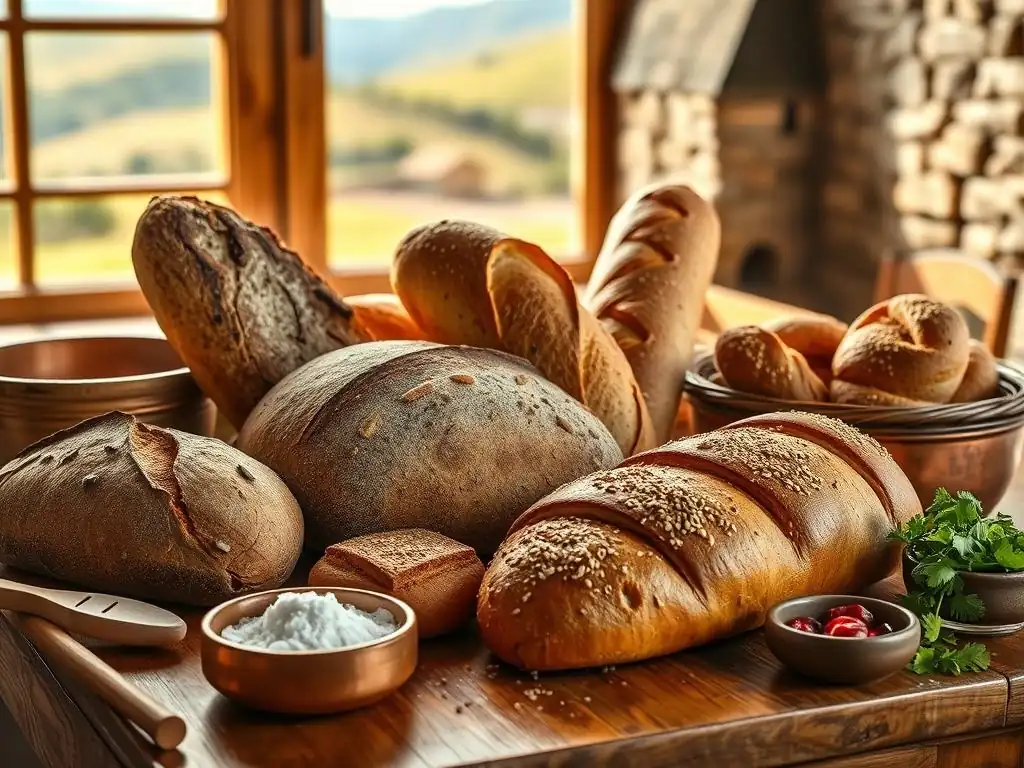
Stepping beyond basic loaves reveals the incredible tapestry of European bread baking, a world shaped by centuries of tradition, local ingredients, and distinct cultural practices. From the rugged fjords of Scandinavia to the sun-drenched plains of Spain, every region boasts its unique bread identity. This diversity isn't just about shape or size; it encompasses fundamental differences in flour types used, leavening methods employed, the role of fats or enrichments, and specific baking techniques passed down through generations.
Exploring these regional variations offers invaluable European bread baking tips, helping you understand how seemingly small adjustments can lead to vastly different and authentic results. Consider the sheer scale: Germany alone is estimated to have over 300 primary types of bread, with countless local variations, showcasing a deep commitment to rye and whole grains, often using sourdough for complex flavors.
This rich heritage means that mastering European bread baking is a continuous journey of discovery. Think about the contrast between a chewy, open-crumbed Italian ciabatta, often made with high-hydration dough and a touch of olive oil, compared to a dense, dark Finnish ruisleipä (rye bread), which can be almost cake-like in texture and uses a potent rye sourdough. French bread, epitomized by the iconic baguette, relies on simple ingredients but demands precise technique and fermentation for its signature crisp crust and airy interior.
Spanish breads, like the rustic pan de payés from Catalonia, often feature simpler, round shapes and robust flavors derived from local wheat. Understanding these differences is key to elevating your home baking; it's not just about following a recipe, but appreciating the 'why' behind the ingredients and methods, which is a core principle of effective European bread baking tips.
Frequently Asked Questions
What are some basic European bread baking tips for beginners?
The key to success is starting with high-quality ingredients and accurate measurements. Practice patience, as proofing time is crucial for proper texture and flavor.
How can I improve the crust on my European bread?
Achieve a crispier crust by using a Dutch oven or adding steam to your oven during the initial baking phase. A higher baking temperature can also contribute to a better crust.
What is the importance of using a starter or levain in European bread recipes?
A starter or levain adds complex flavors and improves the bread's texture and digestibility. It's a natural leavening agent that enhances the overall baking experience.
Are there specific European bread types that are easier to bake than others?
Focaccia and ciabatta are generally considered easier to start with due to their simpler shaping and proofing requirements. These breads are very forgiving and flavorful.
What are some common mistakes to avoid when baking European bread at home?
Avoid over-kneading the dough, which can result in a tough bread. Also, be mindful of temperature control during proofing and baking for optimal results.
Final Reflection: The Enduring Art of European Bread Baking
The simple act of baking bread, particularly in the European tradition, connects us to centuries of culinary heritage and offers a surprisingly profound path to self-sufficiency and mindful creation. Today, amidst the rush of modern life, reclaiming these traditional techniques isn't just a culinary pursuit; it's a powerful act of resistance against the homogenization of food and a celebration of slow, deliberate craftsmanship.
The influence of European bread baking extends far beyond the kitchen table; it's woven into the fabric of countless cultures and communities. The aroma of freshly baked sourdough, the satisfying crust of a rustic loaf – these sensory experiences evoke a sense of home, tradition, and shared history. As the writer M.F.K. Fisher so eloquently put it: First we eat, then we do everything else.
Baking bread, especially using traditional European methods, is more than just sustenance; it's a foundational act that nourishes the soul as well as the body, connecting us to something larger than ourselves.
Now, consider the flour you use, the water you choose, the time you invest. These seemingly small details are the building blocks of a truly exceptional loaf. I invite you to experiment, to embrace the imperfections, and to find joy in the process.
Don't be afraid to try a new technique, to adjust a recipe to your own taste, to share your creations with loved ones. The journey of mastering European bread baking is a lifelong adventure, filled with delicious discoveries and the profound satisfaction of creating something beautiful and nourishing from simple ingredients. Embrace the challenge, and savor the rewards.
Unleash Your Inner Boulanger: Bake Better European Bread Today!
Thanks for taking the time to explore the art of European bread baking! We hope you've gained some valuable tips and tricks to improve your skills. Now it's time to put your newfound knowledge into practice.
- Bake your best loaf yet! Try one of the recipes mentioned in the article – and don't be afraid to experiment with different flours or techniques. This is your chance to truly master the craft.
- Share your baking journey! Post a picture of your creation on social media and tag us – we’d love to see your results! Let's inspire others together.
- Consider exploring a new ingredient – perhaps a unique flour type, a special sourdough starter, or a different type of salt - to enhance your future loaves.
What unique ingredient will you incorporate into your next European bread masterpiece?