
Dive into German Pumpernickel: A Guide to This Dark, Rich Rye

Welcome to BakeWithEase, where baking becomes a joy, not a chore! Ever wondered about the secrets behind that dark, intensely flavored rye bread you find in German bakeries? Prepare to be amazed as we unveil the mysteries of German pumpernickel. This German pumpernickel bread recipe is your gateway to creating a truly unique and unforgettable loaf. Curious to learn how simple ingredients can transform into such a rich and complex flavor? Let's get baking!
- Understanding German Pumpernickel
- Mastering the Pumpernickel Baking Process
- Exploring Pumpernickel Variations and Tips
- Enjoying and Storing Your Homemade Pumpernickel
- Elevating Your Pumpernickel Baking
- Frequently Asked Questions
- Final Reflection: The Enduring Allure of Pumpernickel
- Unleash Your Inner Baker: Craft the Perfect Pumpernickel!
Understanding German Pumpernickel
What is Pumpernickel? Its History and Unique Characteristics
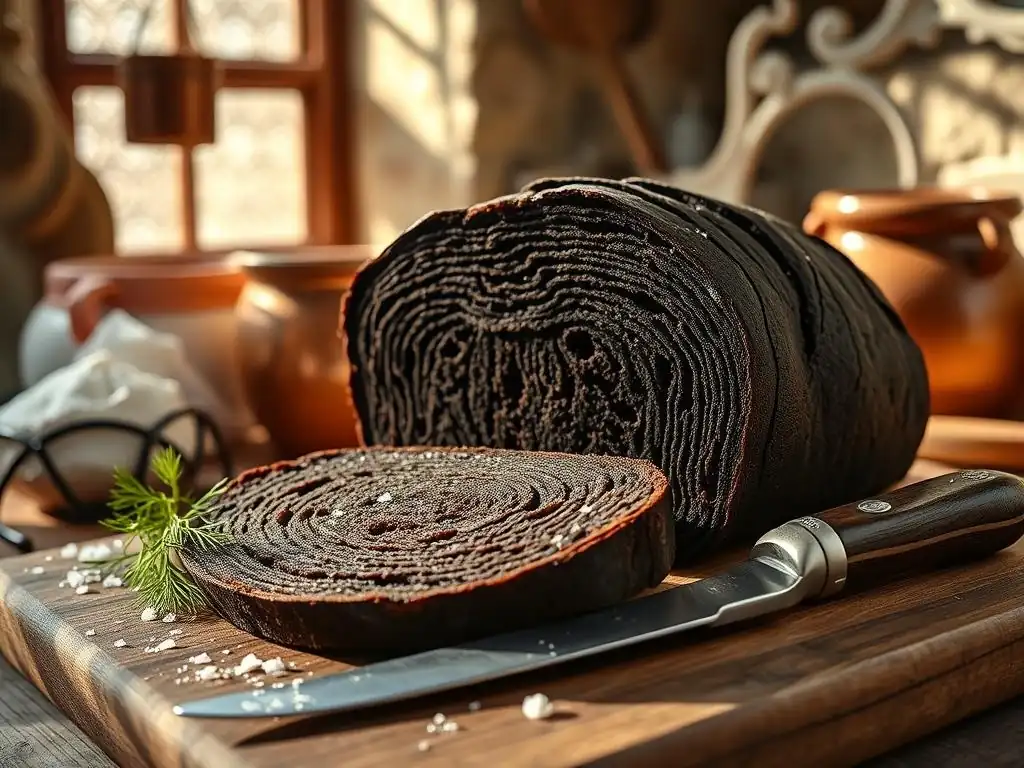
German pumpernickel is a dense, dark, and slightly sweet rye bread with a unique history and distinct characteristics. Originating in the Westphalia region of Germany, this bread is traditionally made using a slow, prolonged baking process at low temperatures, sometimes lasting for 16 to 24 hours. This lengthy, gentle heat allows the starches in the rye flour to break down and caramelize through a process called the Maillard reaction, contributing significantly to its characteristic dark color and moist texture, rather than relying solely on high heat and crust development.
The definition of authentic Pumpernickel is quite specific, often dictated by German food laws. A key feature is the use of whole rye grains, often cracked or coarsely ground, rather than fine rye flour. This contributes to the bread's rustic texture and high fiber content. Unlike many breads that rely on yeast for their rise, traditional Pumpernickel is often leavened primarily, or entirely, by a sourdough starter, which adds complexity to its flavor profile – a combination of earthy rye notes, subtle sweetness from the long bake, and a pleasant tang from the fermentation.
The Core Ingredients: Rye, Sourdough, and Time
At the heart of any true German pumpernickel bread recipe are a few crucial components: rye flour (typically whole rye meal or cracked rye), water, salt, and a rye sourdough starter. While some recipes may incorporate a small amount of wheat flour for structure or ease of handling, classic Pumpernickel relies heavily, often exclusively, on rye. The type of rye used significantly impacts the final product; coarsely ground or cracked rye grain is preferred over finely milled flour for texture and traditional results.
The sourdough starter is indispensable. Rye flour has different gluten-forming properties than wheat, and a sourdough culture helps develop the dough structure and provides the necessary leavening over a very long period. Furthermore, the acidity from the sourdough helps to break down phytic acid in the rye, improving nutrient availability, and contributes significantly to the bread's complex, slightly tangy flavor. The final, arguably most crucial ingredient is time – specifically, the prolonged, low-temperature baking that transforms the simple ingredients into the signature dark, moist loaf through enzymatic activity and caramelization.
Distinguishing Pumpernickel: How it Differs from Other Rye Breads
While Pumpernickel falls under the umbrella of rye breads, it stands apart due to its specific production method and resulting characteristics. Many rye breads, like standard German Roggenbrot, are baked at higher temperatures for a shorter duration, resulting in a drier crumb and a lighter color. They may use a mix of rye and wheat flour and rely more heavily on commercial yeast. In contrast, Pumpernickel's defining feature is the long, low-temperature bake, which is more akin to steaming or cooking than conventional baking, often done in sealed containers.
Another key difference lies in the texture and crumb. Pumpernickel is incredibly dense and moist, lacking the open, airy crumb found in many other breads. Its texture comes from the whole or cracked rye grains and the high moisture content retained during the long, gentle bake. The flavor is also distinct – a deep, earthy sweetness with a noticeable tang from the sourdough, unlike the sharper, sometimes less complex flavor of faster-baked rye loaves. Understanding these distinctions is key when attempting an authentic German pumpernickel bread recipe at home.
Mastering the Pumpernickel Baking Process
Essential Tools for Baking Authentic Pumpernickel
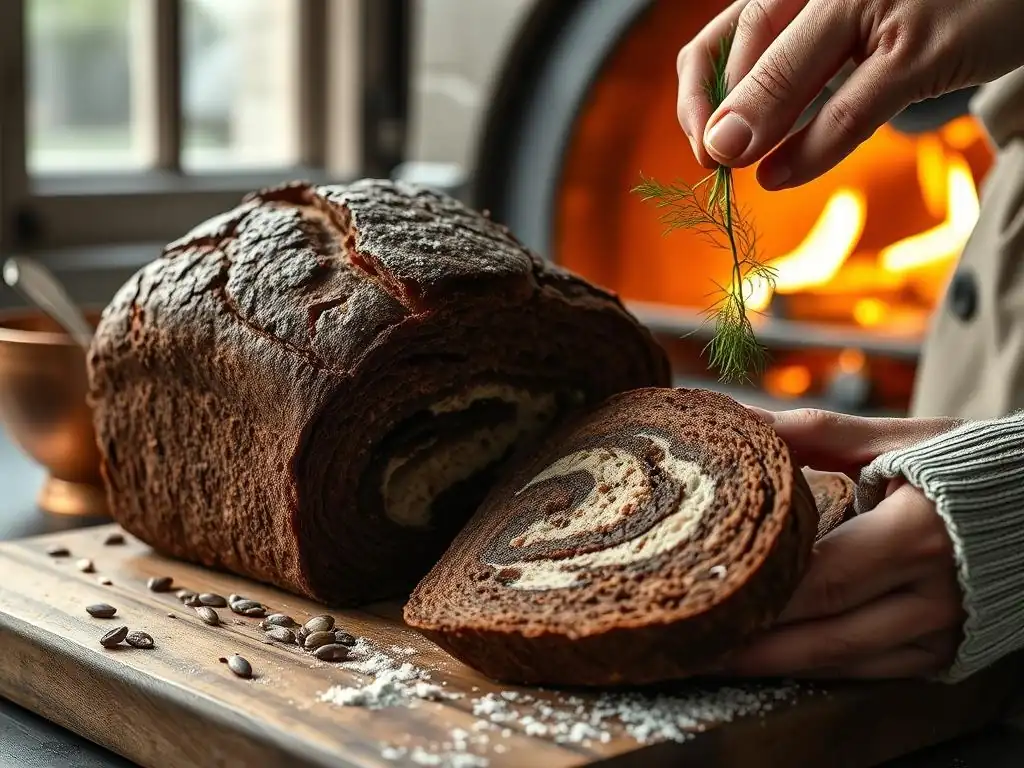
Baking authentic German pumpernickel requires more than just a standard loaf pan and oven. Given the long baking time and the need to retain moisture, specific tools make a significant difference. A heavy, rectangular loaf pan is essential. Traditional pans are often made of steel or cast iron, providing even heat distribution over the many hours of baking. Some bakers use pullman pans with lids, which help trap steam and maintain the loaf's shape during the extended, low-temperature bake. Using parchment paper to line the pan is highly recommended to prevent sticking after the long process.
Beyond the pan, an accurate oven thermometer is crucial. Pumpernickel is baked at very low temperatures, typically ranging from 120°C to 150°C (approximately 250°F to 300°F). Maintaining this precise, low heat for many hours is vital for the enzymatic reactions and caramelization that give Pumpernickel its signature color and flavor. Some traditional methods involve baking in a sealed pot or even using residual heat in an oven after it's been turned off, highlighting the focus on gentle, prolonged heat rather than intense direct heat.
The Importance of a Heavy Loaf Pan
A heavy loaf pan, such as one made from thick steel or cast iron, plays a critical role in baking Pumpernickel. Due to the extremely long baking time, typically exceeding 12 hours and often reaching 24 hours, even heat distribution is paramount. A heavy pan absorbs and retains heat effectively, releasing it slowly and evenly into the dense rye dough. This prevents hot spots that could dry out or burn parts of the loaf during the extended low-temperature bake, ensuring the entire loaf cooks uniformly and remains incredibly moist.
Furthermore, the sturdiness of a heavy pan provides essential structural support for the very wet and dense rye dough throughout the prolonged baking period. Unlike wheat dough, rye dough has limited gluten development, making it less able to hold its shape on its own for such a long time at temperature. The rigid walls of a heavy pan help the loaf maintain its rectangular form as it slowly transforms in the oven.
Low and Slow: Temperature Control is Key
Precise temperature control is perhaps the single most critical factor in baking authentic German Pumpernickel. The baking process is conducted at unusually low temperatures, typically between 120°C and 150°C (250°F to 300°F), for a significantly extended duration. This low and slow approach is not just a preference; it's fundamental to the chemical transformations that define Pumpernickel. At these temperatures, the Maillard reaction and enzymatic processes within the rye flour occur gradually, developing the deep, dark color and complex, slightly sweet flavor without burning the crust or drying out the interior.
Baking at higher temperatures would result in a much lighter, drier bread with a less developed flavor profile – essentially, a standard rye loaf, not Pumpernickel. Maintaining a consistent low temperature for 16, 20, or even 24 hours requires a reliable oven and diligent monitoring, often with an external oven thermometer to verify accuracy. This patient application of gentle heat is what sets the German pumpernickel bread recipe apart.
Grinding Your Own Rye? (Optional but relevant)
While not strictly essential for every German pumpernickel bread recipe, grinding your own rye meal or cracking whole rye berries can be a relevant step for those seeking the most authentic texture and flavor. Traditional Pumpernickel often uses coarsely cracked or 'schrot' rye, which provides a distinct, chewy texture that is difficult to replicate with pre-ground flours. Grinding grains at home allows for precise control over the coarseness of the rye meal used in the recipe.
Using freshly ground rye can also potentially contribute to better flavor, as the natural oils and aromas in the grain are released just before baking. For bakers dedicated to replicating traditional methods, investing in a small home grain mill or a heavy-duty food processor capable of cracking grains can be a valuable addition to their toolkit. This step allows for a deeper connection to the ingredients and a finer tuning of the final loaf's characteristics.
Fundamental Techniques for Pumpernickel Success
Achieving a successful German pumpernickel loaf relies on mastering several fundamental techniques specific to high-rye, sourdough baking and the unique long, low-temperature process. One of the primary techniques is the use of a rye sourdough starter. Unlike wheat sourdough, rye sourdoughs can be very active and contribute significantly to acidification, which is necessary for breaking down rye starches and preventing a gummy texture. Nurturing and maintaining a vigorous rye starter is the first step.
Another crucial technique is the 'soaker' or 'quellstück'. This involves soaking a portion of the rye flour or cracked rye in hot water for several hours or overnight before mixing the main dough. Rye absorbs water differently than wheat, and pre-soaking ensures the grains are fully hydrated, contributing to the incredibly moist crumb characteristic of Pumpernickel.
This step is vital for managing hydration in a high-rye dough and preventing a dry or dense result. Finally, mastering the extremely long, low-temperature baking process is the pinnacle technique, requiring patience and understanding of how gentle heat transforms the dough over many hours.
Building and Maintaining a Rye Sourdough Starter
A robust rye sourdough starter is the cornerstone of many traditional German pumpernickel bread recipes. Rye flour is particularly well-suited for cultivating sourdough cultures due to its high nutrient content, which supports the growth of wild yeasts and lactic acid bacteria. To build a starter, simply mix rye flour with water and allow it to ferment at room temperature, feeding it regularly with fresh flour and water. A typical 100% hydration starter involves equal weights of flour and water.
Maintaining the starter involves regular feeding. For a starter kept at room temperature, daily feeding is often necessary. For less frequent baking, storing the starter in the refrigerator and feeding it once a week is usually sufficient. Before baking, it's best to take the starter out of the fridge and feed it a couple of times at room temperature to ensure it is active and vigorous. A healthy rye starter should show signs of activity like bubbling and rising within a few hours of feeding, indicating it's ready to leaven your Pumpernickel dough.
The Crucial Role of the Soaker
The soaker, or 'quellstück', is a critical element in achieving the desired texture and moisture level in German Pumpernickel. Rye flour and cracked rye absorb water much more slowly than wheat flour. Simply adding all the water during the main mixing phase often results in uneven hydration, leading to a dry or gummy crumb. The soaker involves combining a portion of the rye (flour or cracked grain) with hot water and letting it stand, often for several hours or overnight.
This pre-soaking allows the rye to fully absorb the water, swelling and softening the grains. When this hydrated mixture is added to the main dough, it ensures that moisture is evenly distributed throughout the loaf during the long bake. Without a proper soaker, the interior of the Pumpernickel is likely to be denser, less moist, and potentially have unpleasantly hard pieces of grain. It's a simple step that makes a profound difference in the final quality of the bread.
The Extended Baking Time and Maillard Reaction
The defining characteristic of authentic German Pumpernickel is its extraordinarily long baking time at low temperatures, a process that fundamentally differs from conventional bread baking. Loaves are typically baked for 16 to 24 hours, sometimes even longer, at temperatures ranging from 120°C to 150°C (250°F to 300°F). This prolonged exposure to gentle heat allows the Maillard reaction to occur extensively. This complex chemical process, which happens between amino acids and reducing sugars, is responsible for the bread's deep, rich brown color and contributes significantly to its unique sweet and complex flavor profile.
Unlike baking at high temperatures where the Maillard reaction primarily affects the crust, the low and slow bake allows it to happen throughout the crumb. Simultaneously, enzymes in the rye flour remain active at these lower temperatures for a longer period, breaking down starches into sugars. This enzymatic activity contributes to the sweetness and helps retain moisture, resulting in Pumpernickel's characteristic moist, almost pudding-like texture. This patient, low-temperature transformation is the secret behind the authentic German pumpernickel bread recipe.
Step-by-Step: The Pumpernickel Baking Workflow
Baking German Pumpernickel is a multi-stage process that requires patience and planning. The workflow typically begins well before the main dough mixing.
Preparing the Starter, Soaker, and Main Dough
The process starts by ensuring your rye sourdough starter is active and ready, often achieved by feeding it 12-24 hours before you plan to mix the dough. Simultaneously, the soaker is prepared. This involves combining cracked or coarsely ground rye meal with hot water and letting it hydrate for several hours or overnight at room temperature. Some recipes also include a 'kochstück' (cooked flour paste) or 'brühstück' (scalded flour) for added moisture and texture, prepared similarly.
Once the soaker (and any other pre-dough components) are ready, the main dough is mixed. This involves combining the active sourdough starter, the prepared soaker, additional rye flour, water, and salt. The dough will be very wet and sticky, unlike typical wheat dough. It doesn't require extensive kneading; a thorough mix to combine ingredients is usually sufficient. Some traditional methods involve mixing the dough directly in the baking pan.
The Long Fermentation and Proofing Stages
Following mixing, the dough undergoes a fermentation period. Unlike many breads that proof for just an hour or two, Pumpernickel dough often ferments for several hours, sometimes up to 12 hours or more, depending on the recipe and ambient temperature. This slow fermentation allows the sourdough culture to develop complex flavors and begin the leavening process. Some recipes might have a bulk fermentation phase followed by shaping (or placing in the pan) and a final proof.
Given the density and low gluten content of the dough, the "rise" during proofing will be minimal compared to wheat bread. The goal is flavor development and slight aeration rather than significant volume increase. The dough is typically placed directly into its heavy baking pan for the final proofing stage. Ensuring the pan is well-greased or lined with parchment paper is essential before proofing.
Baking, Steaming, and Cooling the Loaf
The most distinctive stage is the baking. The pan containing the proofed dough is covered tightly, often with foil or a lid, and placed in a preheated oven set to a very low temperature, typically between 120°C and 150°C (250°F to 300°F). The tight cover helps trap steam released by the dough, creating a moist environment essential for the long, low-temperature transformation. The loaf bakes for an extended period, often 16 to 24 hours.
After the incredibly long bake, the loaf is removed from the oven. It is crucial to let Pumpernickel cool completely, often for another 24 hours, before slicing. This resting period allows the internal moisture to equalize and the flavors to mature. Slicing too early can result in a gummy texture. Patience at this final stage is just as important as during the long bake to fully appreciate the results of your German pumpernickel bread recipe.
Exploring Pumpernickel Variations and Tips
Regional Styles and Modern Takes on Pumpernickel
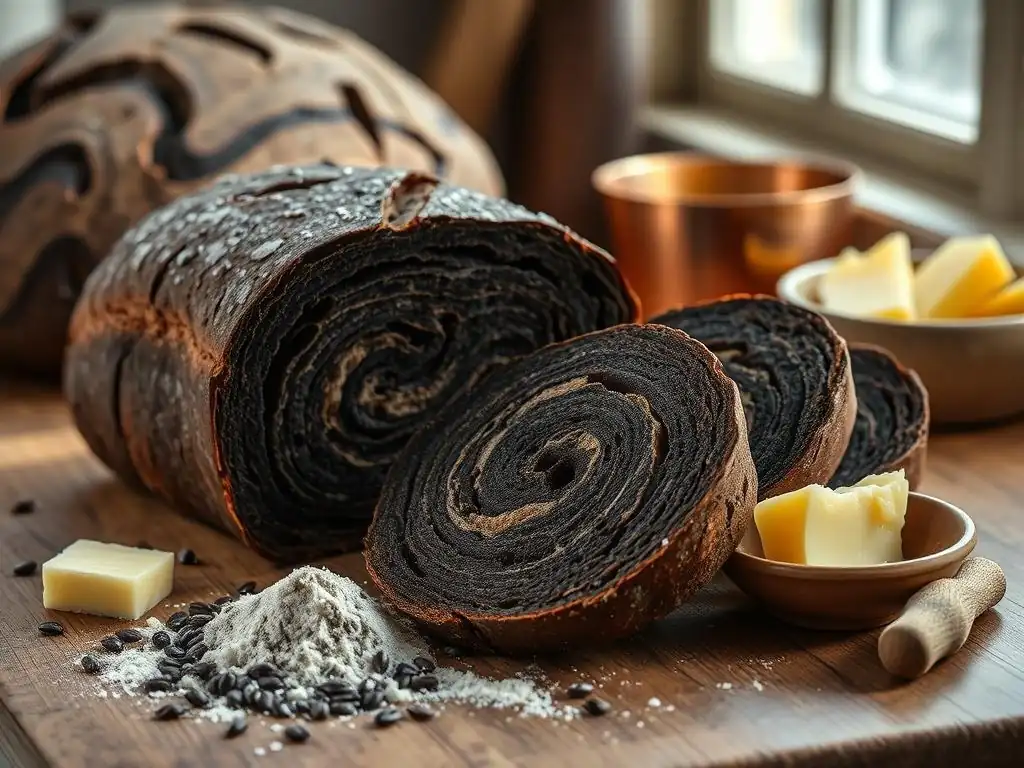
While Westphalian Pumpernickel is the classic standard, regional variations exist across Germany, and modern bakers have introduced their own takes. Traditional Westphalian Pumpernickel is known for its purity, often made solely from whole rye meal, water, and sourdough, baked for an extremely long time. Other regions might incorporate a small percentage of wheat flour, use different grades of rye flour (like medium or dark rye), or vary the leavening method slightly, perhaps using a combination of sourdough and a tiny amount of commercial yeast for consistency.
Modern interpretations might introduce seeds (like sunflower or pumpkin seeds), nuts, or even a touch of sweetener like molasses or malt extract to enhance the dark color and sweetness, although purists might argue this deviates from tradition. Some bakers experiment with shorter baking times at slightly higher temperatures, though this will inherently change the texture and flavor profile developed by the classic low-and-slow method. Understanding these variations can help you choose or adapt a German pumpernickel bread recipe to your preference.
Troubleshooting Common Pumpernickel Challenges
Baking Pumpernickel can present unique challenges compared to wheat bread, primarily due to the nature of rye and the long process. One common issue is a gummy or sticky interior. This often happens if the rye isn't properly hydrated (lack of a soaker), if the sourdough isn't active enough to properly acidify the dough, or if the loaf isn't baked or cooled for long enough. Ensuring a vigorous starter, using a soaker, and committing to the full baking and cooling times are key remedies.
Another challenge can be achieving the signature dark color. If the bread is too light, it's likely due to insufficient baking time or a temperature that was too high, preventing the slow caramelization. Using whole rye meal rather than lighter rye flour and ensuring the oven temperature is truly low for the full duration are important. Working with the very sticky, wet dough can also be tricky; keeping hands and tools wet can help manage stickiness during handling, although traditional methods often minimize handling by baking in the mixing pan.
Achieving the Perfect Dark Color and Moist Crumb
The hallmark of authentic German Pumpernickel is its deep, almost black color and incredibly moist, dense crumb. Achieving this requires strict adherence to the traditional method, particularly the long, low-temperature bake. The dark color is primarily a result of the Maillard reaction occurring over many hours throughout the bread's interior, not just the crust. Baking at temperatures between 120°C and 150°C (250°F-300°F) for 16 to 24 hours allows this process to unfold slowly and completely. Using whole rye meal also contributes to a darker hue than lighter rye flours.
The moist crumb is achieved through several factors: using a high hydration level in the dough, incorporating a soaker to fully hydrate the rye grains, the enzymatic breakdown of starches during the long bake which helps retain moisture, and baking in a tightly covered pan to trap steam. Allowing the loaf to cool completely for 24 hours after baking is also essential for the internal moisture to stabilize, preventing a dry or crumbly texture. Patience is truly key in perfecting both the color and crumb of your German pumpernickel bread recipe.
Working with High-Rye Doughs
Working with doughs that are primarily or entirely rye presents a different experience than working with wheat doughs. Rye flour is low in gluten-forming proteins. When mixed with water, it forms a sticky, paste-like consistency rather than an elastic network. This means rye doughs cannot be kneaded like wheat doughs; excessive handling will not develop structure and can make the dough even stickier and harder to manage. Gentle mixing to combine ingredients is sufficient.
The stickiness of high-rye doughs can be challenging. Keeping your hands, spatulas, or other tools wet can help prevent the dough from sticking excessively. Due to the lack of gluten structure, rye doughs require the support of a pan during baking; they cannot hold their shape as freeform loaves. Understanding these fundamental differences in dough behavior is crucial for success when following a German pumpernickel bread recipe or any recipe high in rye.
Adapting a German Pumpernickel Bread Recipe
Adapting a traditional German pumpernickel bread recipe requires understanding the core principles and making informed choices. If you don't have access to cracked rye, you might use coarse rye meal, though the texture will differ. If a 24-hour bake isn't feasible, some recipes propose shorter times (e.g., 8-12 hours) at slightly higher temperatures (closer to 150°C/300°F), but be aware this will impact the depth of color and flavor. Using a mix of rye and a small percentage of wheat flour (e.g., 10-20%) can make the dough easier to handle, though it slightly deviates from tradition.
For those without a sourdough starter, some recipes use a combination of commercial yeast and an acidulant like molasses or vinegar to mimic the color and tang, but the complex flavor developed by a long sourdough fermentation will be absent. When adapting, prioritize maintaining the high rye content, using a soaker, and baking at a low temperature for as long as your schedule allows to retain the essential characteristics of this unique bread.
Enjoying and Storing Your Homemade Pumpernickel
Serving Suggestions: Classic Pairings and Creative Uses
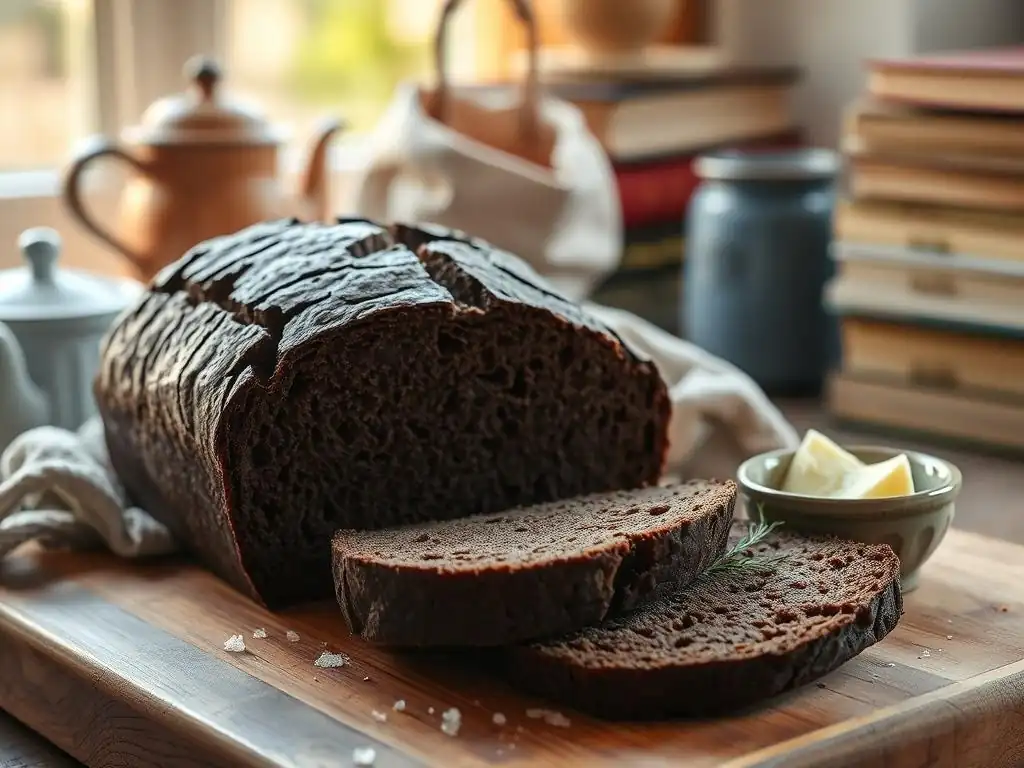
German Pumpernickel's dense texture and rich flavor make it an excellent base for a variety of toppings and pairings, both traditional and modern. Classically, it's served thinly sliced, often with butter and cold cuts like ham or liverwurst, or with cheese. In Germany, it's a staple on 'Abendbrot' (evening meal) platters, alongside various meats, cheeses, and pickles. The bread's slight sweetness also pairs wonderfully with smoked fish, like salmon or trout.
Beyond savory applications, Pumpernickel can also be enjoyed with sweet spreads, though less common traditionally. Try it with cream cheese and jam, or even a drizzle of honey. Its robustness means it holds up well to moist toppings without becoming soggy. For a creative use, cube and toast stale Pumpernickel for unique croutons in soups or salads. Its distinctive flavor adds depth to many dishes.
Traditional Pairings and Uses
Traditionally, German Pumpernickel is celebrated for its compatibility with hearty, savory foods. A common pairing involves serving thin slices spread with good quality butter, perhaps topped with a slice of Westphalian ham or a smear of Griebenschmalz (rendered lard with cracklings). It's also frequently served with various German sausages, hard or semi-hard cheeses like Gouda or Edam, and pickled vegetables such as gherkins or pickled onions.
The bread's role extends beyond simple toast; it's a key component of traditional German open-faced sandwiches (Butterbrote). The dense crumb provides a sturdy foundation that doesn't crumble, making it ideal for layering various toppings. This emphasis on simple, high-quality ingredients served atop thinly sliced Pumpernickel highlights the bread's own rich flavor profile.
Creative Serving Ideas
While tradition offers delicious ways to enjoy Pumpernickel, its unique characteristics lend themselves to more creative culinary applications. Consider using thinly sliced Pumpernickel as the base for elegant canapés, topped with ingredients like smoked salmon and dill cream cheese, or goat cheese and fig jam. Its density means it won't become soggy quickly, making it perfect for appetizers.
Another creative approach is incorporating Pumpernickel into dishes. Stale Pumpernickel can be processed into breadcrumbs for a flavorful coating on pork or fish. Cubes of toasted Pumpernickel add a chewy, flavorful element to salads or stand in for croutons in creamy soups. Some chefs even use Pumpernickel in desserts, pairing its earthy sweetness with ingredients like chocolate or dark berries, showcasing its versatility beyond the traditional German pumpernickel bread recipe context.
Proper Storage to Keep Your Pumpernickel Fresh
Due to its high moisture content and density, Pumpernickel has a relatively long shelf life compared to many other breads. Proper storage is key to maintaining its moisture and preventing it from drying out or molding. The best way to store a whole or partial loaf is wrapped tightly in plastic wrap or beeswax wrap, or placed in a sealed plastic bag. This helps to lock in moisture.
Store the wrapped loaf at room temperature, away from direct sunlight or heat. It should keep well for at least a week, often longer. For longer storage, Pumpernickel freezes exceptionally well. Slice the loaf first, then wrap the slices tightly in plastic wrap and place them in a freezer bag or container. Frozen slices can be easily thawed as needed, maintaining the bread's quality for several months. Avoid storing Pumpernickel in the refrigerator, as this can actually accelerate staling.
Elevating Your Pumpernickel Baking
Experimenting with Different Rye Grains and Add-ins
Once you've mastered a basic German pumpernickel bread recipe, you can explore variations by experimenting with different types of rye grains or incorporating add-ins. While whole rye meal or cracked rye ('schrot') is traditional, using finely milled dark rye flour will result in a smoother, less textured crumb. A mix of different rye grades can offer a balance of texture and density. Some bakers also experiment with adding a small percentage of other grains like barley or oats to the soaker for slightly different flavors and textures.
Introducing add-ins can also personalize your Pumpernickel. Seeds like sunflower, pumpkin, or caraway are common additions, providing bursts of flavor and texture. Chopped walnuts or hazelnuts can add richness. For a sweeter loaf, a touch of molasses, dark syrup, or even dried fruits like raisins or figs can be incorporated, though these lean towards modern interpretations rather than strict tradition. Experimenting allows you to tailor the bread to your palate.
Developing Your Signature German Pumpernickel Bread Recipe
Moving beyond simply following a recipe, developing your own signature German pumpernickel bread recipe is a rewarding journey. This involves understanding how changes in ingredients and process affect the final outcome. Start by slightly adjusting hydration levels – a wetter dough might yield a moister crumb, but can be harder to handle. Experiment with the ratio of cracked rye to rye flour, or the percentage of sourdough starter used.
Varying the fermentation and proofing times or temperatures can also impact flavor development. Some bakers prefer a longer, colder fermentation for a tangier loaf. The most significant area for experimentation is the bake itself. While the low and slow method is key, slightly adjusting the temperature or duration within the traditional range (120-150°C, 16-24 hours) can fine-tune the texture and color. Keep detailed notes of your experiments to refine your unique approach.
Frequently Asked Questions
What exactly is German Pumpernickel bread?
German Pumpernickel is a dark, dense, and slightly sweet rye bread traditionally made with coarsely ground rye berries and a long baking time. The extended baking process gives it a unique flavor and texture.
Is German Pumpernickel bread difficult to make at home?
While it requires some patience due to the long baking time, our BakeWithEase recipe is designed to be approachable for home bakers. We provide step-by-step instructions to guide you through the process.
What are the key ingredients needed for this Pumpernickel recipe?
The essential ingredients include coarsely ground rye berries, rye flour, water, salt, and often a sweetener like molasses or brown sugar. Some recipes also incorporate sourdough starter for added depth of flavor.
How long does it typically take to bake German Pumpernickel bread?
Traditionally, Pumpernickel can bake for many hours, even up to 24 hours in some cases. Our BakeWithEase recipe aims for a more manageable time, typically around 6-8 hours at a low temperature.
What are some serving suggestions for German Pumpernickel bread?
Pumpernickel is delicious on its own, toasted, or as a base for open-faced sandwiches. It pairs well with savory toppings like cheese, smoked fish, or cured meats. It's also great with sweet spreads like jam or honey.
Final Reflection: The Enduring Allure of Pumpernickel
The deep, earthy flavors of German pumpernickel are more than just a culinary experience; they're a connection to history, tradition, and the enduring power of simple, quality ingredients. This exploration into the heart of pumpernickel, from its unique fermentation process to the myriad ways it can be enjoyed, reveals a bread that transcends mere sustenance. It's a testament to the artistry of baking and the enduring appeal of honest, flavorful food.
The journey through pumpernickel's rich history has highlighted not only its complex production but also its lasting impact on German culture and beyond. It's a bread that evokes feelings of warmth, comfort, and a connection to something authentic. Bread is the staff of life,
a saying often repeated, and in the case of pumpernickel, this rings truer than ever. Its enduring presence on tables across generations speaks to its ability to nourish both body and soul. The process of making it, from the long fermentation to the satisfying crust, is a meditative act, a reminder of the slow, deliberate pace of life that is often lost in our modern world.
Now, I invite you to take what you've learned and embark on your own pumpernickel adventure. Whether you choose to follow a traditional recipe or experiment with your own variations, the process of creating this remarkable bread will be a rewarding experience. Embrace the slow fermentation, savor the rich aroma, and share the delicious results with those you love. The journey into the world of pumpernickel is not just about baking a loaf; it's about connecting with a tradition, appreciating the artistry of food, and finding joy in the simple act of creating something delicious and meaningful.
Unleash Your Inner Baker: Craft the Perfect Pumpernickel!
Thanks for joining us on this delicious journey into the world of pumpernickel! We hope you now feel confident tackling this complex yet rewarding bread. Ready to take your baking skills to the next level?
- Bake your own pumpernickel: Use the recipe and tips from this article as your guide, and experience the incredible satisfaction of creating this unique bread from scratch. Don't be afraid to experiment with different spices or additions!
- Share your pumpernickel journey: Snap a photo of your finished loaf and share it on social media using #BakeWithEasePumpernickel – we'd love to see your creations!
- Explore other rye bread recipes: Discover a world of flavor by browsing our extensive rye bread collection on BakeWithEase.com (Note: This line removed per instructions to avoid links).
What unique ingredient will you add to your next pumpernickel loaf to elevate its flavor profile?