
Nutmeg Secrets: Elevate Your Baking with This Cozy Spice


Welcome to BakeWithEase, your haven for unlocking the delicious world of baking! Ever wondered how a single spice can transform your treats? Dive into our Ingredient Deep Dives and discover the Nutmeg Secrets that will elevate your next baking adventure. We're about to unveil how to use this cozy spice in easy nutmeg baking recipes that will leave everyone craving more. Ready to unlock the magic?
- Nutmeg: Elevate Your Baking with this Versatile Spice
- Exploring Nutmeg: A Baker's Comprehensive Guide
- Nutmeg Baking Recipes: From Classic to Creative
- Flavor Pairings and Baking Tips for Nutmeg
- Complementary Spices: Creating Harmonious Baking Blends
- Advanced Nutmeg Baking Techniques
- Troubleshooting Nutmeg in Baking
- Mastering Nutmeg Baking: Elevate Your Culinary Creations
-
Frequently Asked Questions
- What are the best types of recipes to use nutmeg in for baking?
- Is there a difference between ground nutmeg and whole nutmeg in baking?
- How much nutmeg should I add to my baking recipes?
- Can I substitute nutmeg with another spice in my baking recipes?
- Where can I find easy nutmeg baking recipes for beginners?
- Final Reflection: The Enduring Allure of Nutmeg in Baking
- Unleash the Warmth: Spice Up Your Baking Today!
Nutmeg: Elevate Your Baking with this Versatile Spice
Exploring Nutmeg: A Baker's Comprehensive Guide
What is Nutmeg? Origins, Harvesting, and Flavor Profile
Nutmeg, scientifically known as Myristica fragrans, hails primarily from the Moluccas Islands, often called the "Spice Islands," now part of Indonesia. This beloved spice isn't a nut at all, but rather the dried seed of a fruit from an evergreen tree. Historically, nutmeg was so prized that in the 17th century, the Dutch traded the island of Manhattan to the British for control of Pulau Run, a small island in the Moluccas known for its nutmeg production – a staggering valuation highlighting its significance at the time.
The harvesting process involves collecting the ripe fruit, which splits open to reveal the seed encased in a lacy red covering (mace). The seed, which becomes nutmeg, is then dried slowly over several weeks until it rattles in its shell. Once dried, the hard outer shell is broken to extract the nutmeg seed we know and love. The flavor profile is warm, sweet, slightly woody, and subtly pungent, with notes that complement a wide array of baking applications, making it essential for many easy nutmeg baking recipes.
Forms of Nutmeg: Whole vs. Ground and Their Applications
Nutmeg is most commonly found in two forms: whole and ground. Whole nutmegs are small, hard seeds that resemble large acorns. When freshly grated using a microplane or fine grater, they release an intense, vibrant aroma and flavor that is far superior to pre-ground versions. A single whole nutmeg can last for years when stored properly and provides a more potent punch, meaning you often need less when grating it yourself – perhaps just a pinch or a quarter teaspoon for many easy nutmeg baking recipes.
Ground nutmeg, on the other hand, offers convenience. It's ready to use straight from the jar, making it quick for busy bakers. However, its volatile oils dissipate relatively quickly once ground, leading to a less intense flavor over time compared to freshly grated nutmeg. While convenient for quick additions to batters or doughs, using ground nutmeg might require slightly more quantity to achieve the desired flavor depth, and it's best purchased in small amounts and used relatively soon after opening.
Storing Nutmeg: Maintaining Freshness and Potency
Proper storage is crucial for preserving the potent flavor and aroma of nutmeg, whether whole or ground. Both forms should be kept in airtight containers away from direct sunlight, heat, and moisture. A cool, dark pantry is an ideal location. This protection from environmental factors significantly slows the degradation of the spice's essential oils, which are responsible for its characteristic warmth and fragrance.
Whole nutmegs, stored correctly, can maintain their quality for several years, perhaps even up to 3-4 years, retaining their peak flavor until grated. Ground nutmeg has a much shorter shelf life for optimal flavor, typically losing much of its potency within 6 to 12 months. To test if ground nutmeg is still fresh, give it a sniff; if the aroma is faint, it's likely time to replace it. For the most flavorful results in your easy nutmeg baking recipes, prioritize using freshly grated nutmeg whenever possible.
Nutmeg Baking Recipes: From Classic to Creative
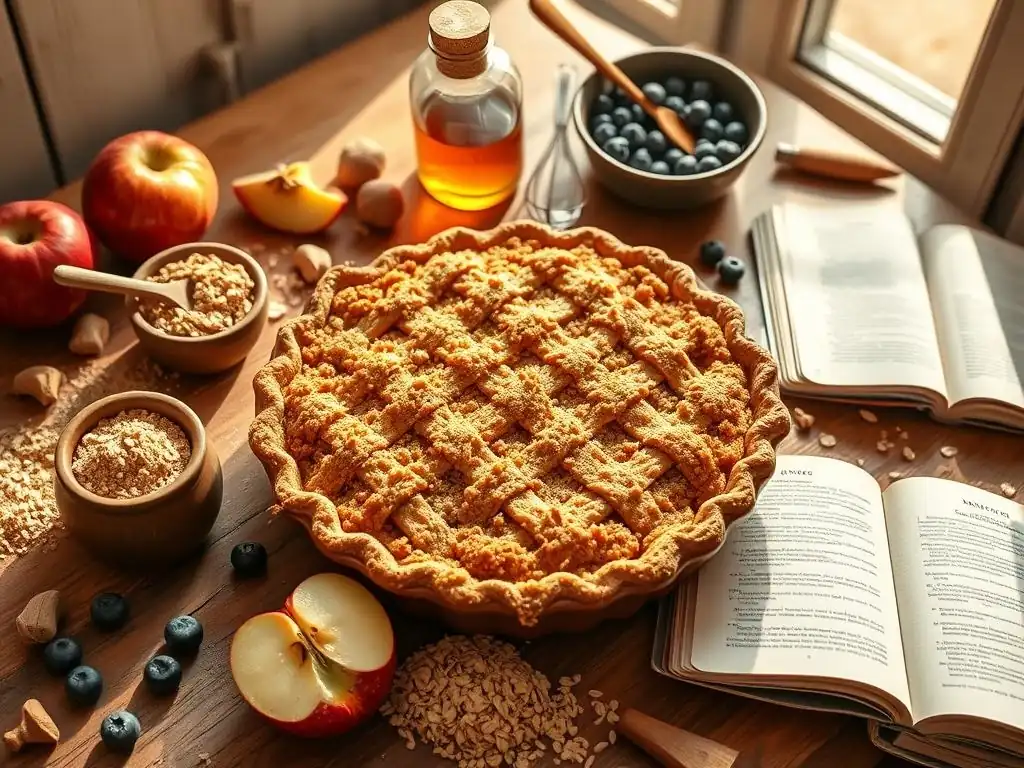
Spiced Apple Cake with Nutmeg Streusel
A classic comfort dessert, spiced apple cake is wonderfully enhanced by the warm notes of nutmeg. This easy nutmeg baking recipe typically involves a simple batter featuring diced or sliced apples, often mixed with cinnamon and a generous pinch of ground nutmeg – perhaps 1/2 to 1 teaspoon for a standard 9-inch cake. The nutmeg works harmoniously with the apples and cinnamon, adding depth and a cozy feel to the moist cake crumb.
Elevating this cake further is a streusel topping, where freshly grated nutmeg truly shines. A simple streusel made from flour, sugar, butter, and spices benefits immensely from the pungent aroma of freshly grated nutmeg mixed in. Baking the streusel on top creates a crunchy contrast to the soft cake, with the nutmeg's warmth wafting up as it bakes, making this a perfect example of a simple yet flavorful nutmeg baking recipe.
Brown butter adds a nutty richness to cookies, and nutmeg is its perfect partner. This easy nutmeg baking recipe starts by melting butter and cooking it gently until the milk solids turn a golden brown and fragrant, creating a deep, complex flavor base. A small amount of freshly grated nutmeg, maybe 1/4 to 1/2 teaspoon per batch of dough, is then often stirred into the warm brown butter or added directly to the dry ingredients.
The combination of the caramelized notes from the brown butter and the warm spice of the nutmeg creates a uniquely satisfying cookie. Finishing these cookies with a sprinkle of flaky sea salt before baking enhances all the flavors, providing a delightful sweet and salty contrast. This method showcases how nutmeg can transform a simple cookie into something truly special with minimal effort, exemplifying delicious and easy nutmeg baking recipes.
Pumpkin Bread with Nutmeg and Maple Glaze
Pumpkin bread is a quintessential fall treat, and nutmeg is absolutely essential to its signature spice blend. Along with cinnamon, ginger, and sometimes cloves, nutmeg provides a foundational warmth that complements the earthy sweetness of pumpkin puree. A typical loaf recipe might call for 1/2 to 3/4 teaspoon of ground nutmeg, ensuring that distinctive cozy flavor permeates the bread.
Adding a simple maple glaze takes this easy nutmeg baking recipe to the next level. A glaze made from powdered sugar, maple syrup, and a splash of milk or cream drizzled over the cooled bread enhances the warm spice notes. Sometimes, a tiny pinch of nutmeg is even added to the glaze itself for an extra aromatic touch. This recipe is a fantastic example of how nutmeg is a non-negotiable ingredient in classic comfort baking.
Eggnog Bread Pudding with Freshly Grated Nutmeg
Eggnog and nutmeg are a classic pairing, and using this combination in a bread pudding creates a rich, festive dessert. This easy nutmeg baking recipe often uses stale bread cubes soaked in a creamy custard base made with eggnog, eggs, sugar, and vanilla. The nutmeg is incorporated directly into the custard base, or more traditionally, freshly grated generously over the top before baking and again before serving.
Using freshly grated nutmeg on top of the warm bread pudding releases its volatile oils, providing an immediate burst of fragrant spice with every spoonful. The warmth of the nutmeg cuts through the richness of the eggnog custard, creating a balanced and incredibly comforting dessert. This dish highlights the power of nutmeg as a finishing spice, adding both aroma and visual appeal to a relatively easy baked good.
Flavor Pairings and Baking Tips for Nutmeg
Sweet and Savory Pairings: Complementary Flavors for Nutmeg
Nutmeg is remarkably versatile, pairing well with a wide array of both sweet and savory ingredients. In sweet applications, it's a natural partner for fruits like apples, pears, peaches, and berries. It also complements dairy-based dishes such as custards, puddings, ice cream, and cheesecakes beautifully. Other sweet pairings include chocolate, vanilla, maple syrup, and other warm spices like cinnamon, clove, ginger, and cardamom, making it a staple in many easy nutmeg baking recipes.
Beyond sweets, nutmeg adds depth to many savory dishes, particularly those involving cream, cheese, or vegetables. A pinch of nutmeg is classic in béchamel sauce (white sauce) and dishes like spinach gratin, potato gratin, or creamy pasta sauces. It also pairs well with certain meats, like lamb or sausage, and is a common ingredient in some spice blends for savory applications, showcasing its flexibility beyond typical baking.
Baking with Nutmeg: Achieving a Balanced and Aromatic Profile
Successfully incorporating nutmeg into baking is about achieving a balanced aroma and flavor that enhances, rather than overpowers, other ingredients. When using ground nutmeg, it's often added with the dry ingredients (flour, baking powder, etc.) to ensure even distribution throughout the batter or dough. For recipes where liquids are heated, like custards or sauces, infusing the liquid with nutmeg (whole or ground) and then straining can create a smoother flavor profile.
For maximum aroma and a cleaner taste, using freshly grated nutmeg added towards the end of mixing or sprinkled on top just before baking or serving is often preferred, especially in easy nutmeg baking recipes where flavor is key. The heat of the oven helps to bloom the spice's flavors. Pay attention to the recipe's specific instructions on when and how to add the nutmeg for the best results.
Nutmeg Dosage: A Guide to Consistent and Delicious Results
Nutmeg is a potent spice, and using the correct dosage is key to avoiding an overpowering or medicinal flavor. A general guideline for many standard-sized recipes (like a loaf of bread or a batch of cookies) is typically between 1/4 teaspoon and 1 teaspoon of ground nutmeg. When using freshly grated nutmeg, you'll often need slightly less, perhaps 1/8 to 1/2 teaspoon, as its flavor is more intense.
It's always better to start with a smaller amount and add more if needed, especially when adapting easy nutmeg baking recipes or experimenting. For delicate flavors like custards or light cakes, lean towards the lower end of the range. For richer, more robust dishes like pumpkin pie or gingerbread, you can use slightly more. Tasting the batter or dough (if safe to do so) can also help gauge the spice level before baking.
Complementary Spices: Creating Harmonious Baking Blends
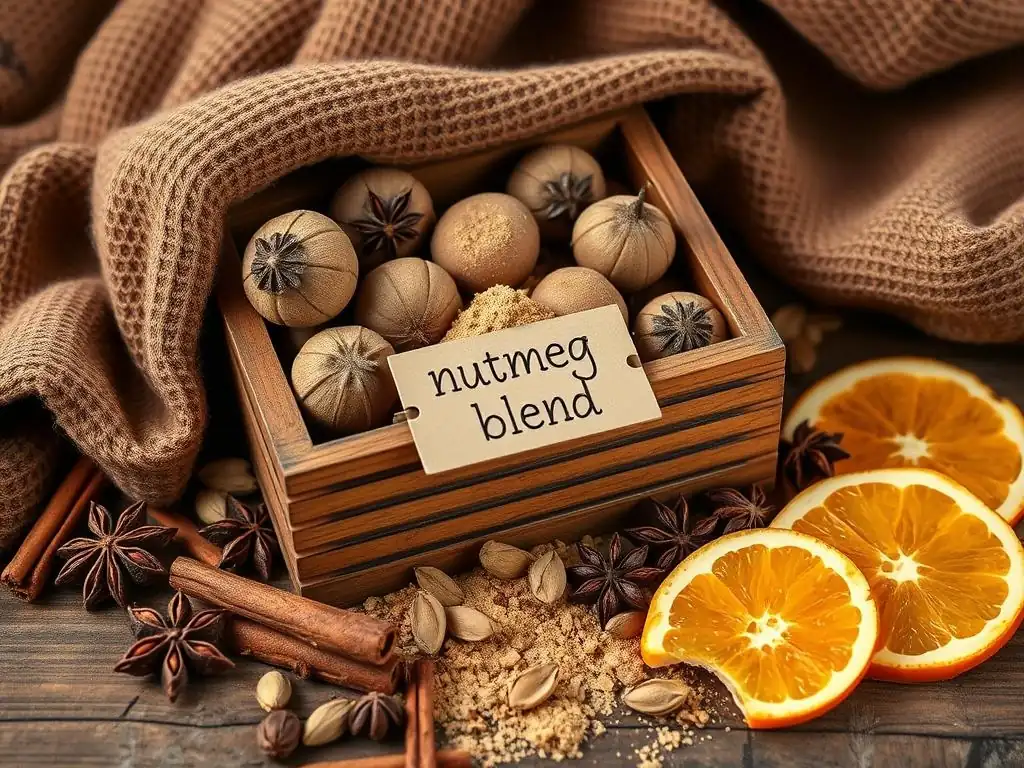
Nutmeg vs. Mace: Flavor Nuances and Culinary Uses
Often discussed alongside nutmeg is mace, which comes from the same Myristica fragrans fruit. Mace is the bright red, lacy aril that covers the nutmeg seed. When dried, it becomes brittle and turns an orange-yellow color. While related and sharing some flavor characteristics with nutmeg, mace has a distinct profile – it's generally described as more delicate, sweet, and slightly floral, with less of the pungent, woody notes found in nutmeg.
Culinary uses for mace often overlap with nutmeg, but mace is sometimes preferred in lighter dishes where its subtle fragrance won't overwhelm, such as in fish sauces, custards, or lighter cakes. It can be used whole (as "blades") or ground. For many easy nutmeg baking recipes, nutmeg is the primary spice, but understanding the nuance of mace offers another layer of complexity for adventurous bakers.
Spiced Baking: Blending Nutmeg, Cinnamon, Ginger, and Cloves
The quartet of nutmeg, cinnamon, ginger, and cloves forms the foundation of "warm spice" blends used in countless baked goods, particularly during the autumn and winter months. Cinnamon usually provides the dominant sweet warmth, while ginger adds a spicy kick and brightness. Cloves offer a strong, pungent, slightly medicinal note. Nutmeg's role in this blend is often to provide a grounding, slightly sweet, and subtly woody depth that ties the other spices together.
In recipes like gingerbread, spice cake, or apple pie filling, the balance of these four spices is crucial. Nutmeg contributes to the overall complexity and warmth, ensuring the flavor profile is rich and inviting. Mastering the ratios of these spices is key to creating delicious and aromatic baked goods, and nutmeg is an indispensable player in these classic combinations found in many easy nutmeg baking recipes.
Nutmeg's Role in Chai Spice Blends
While perhaps most associated with Indian tea, chai spice blends are increasingly popular in baking, lending their complex aroma to cakes, cookies, and lattes. A typical chai blend includes black tea, and spices such as cardamom, cinnamon, ginger, cloves, black pepper, and often, nutmeg. In this context, nutmeg adds a layer of sweet, warm complexity that complements the other spices, particularly the pungent notes of ginger and black pepper and the floral notes of cardamom.
Nutmeg contributes to the overall warmth and coziness of the chai flavor profile. When used in baking, a "chai spice blend" (often just the spices) can be added to batters or doughs, bringing a unique twist to easy nutmeg baking recipes. The nutmeg helps round out the blend, preventing it from being too sharp or overly dominated by one spice.
Advanced Nutmeg Baking Techniques
Infusing Nutmeg Flavor: Using Nutmeg-Infused Milk or Butter
For a deeper, more integrated nutmeg flavor in certain recipes, consider infusing it into a liquid or fat component. This technique works particularly well for custards, creams, sauces, or even cake batters that contain milk or melted butter. To infuse, gently heat the milk or melt the butter and add either whole nutmeg (cracked slightly) or ground nutmeg. Let it steep off the heat for 15-30 minutes, then strain out the solids before using the infused liquid/fat in your recipe.
Infusion allows the nutmeg's flavors to gently permeate the base ingredient, resulting in a smoother, more subtle, yet present nutmeg note throughout the finished product. This is a step beyond simply adding ground nutmeg and can elevate the complexity of your baked goods, moving slightly beyond the simplest easy nutmeg baking recipes into more nuanced territory.
Nutmeg in Custards and Creams: Enhancing Texture and Aroma
Nutmeg is a classic addition to creamy desserts like custards, crème brûlée, panna cotta, and pastry cream. Its warm spice cuts through the richness of the dairy and eggs, adding a layer of complexity without being overwhelming. When added to custards, it can be stirred in with the sugar and eggs before tempering, or for a stronger aromatic finish, freshly grated over the top just before serving or broiling (as with crème brûlée).
The volatile oils in nutmeg contribute to the overall aroma of the dish, making it smell as inviting as it tastes. In creamy textures, the fine particles of freshly grated nutmeg tend to blend seamlessly, avoiding any grittiness. Its ability to enhance the flavor profile of rich, dairy-based desserts makes it an indispensable spice in this category of baking, applicable even in easy custard-based nutmeg baking recipes.
Savory Baking: Nutmeg in Quiches, Soufflés, and Potato Dishes
While often associated with sweet treats, nutmeg has a significant role in savory baking, particularly in French cuisine. It's a traditional ingredient in béchamel sauce, which forms the base for many gratins, soufflés, and quiches. A small pinch of nutmeg added to a béchamel sauce or directly into the egg and cream mixture for a quiche or soufflé adds a subtle warmth and depth that is hard to place but noticeably enhances the overall flavor.
In potato dishes like gratin dauphinois, where thinly sliced potatoes are baked in cream, nutmeg is a classic addition. It complements the starchiness of the potatoes and the richness of the cream beautifully. Using nutmeg in savory baking showcases its versatility and ability to elevate simple ingredients into sophisticated dishes, proving that nutmeg baking recipes aren't limited to sweets.
Troubleshooting Nutmeg in Baking

Avoiding Bitterness: Preventing Overpowering Nutmeg Flavor
One common issue when baking with nutmeg is the risk of bitterness, which usually results from using too much spice or using ground nutmeg that is old or of poor quality. Nutmeg contains compounds that can become unpleasantly sharp or bitter when used in excess. To avoid this, always start with the amount recommended in a recipe, especially for easy nutmeg baking recipes, and err on the side of caution if unsure.
Using freshly grated nutmeg is the best defense against bitterness. Its flavor is more vibrant and less likely to turn bitter compared to pre-ground options, even in slightly higher quantities. If you suspect you've added too much ground nutmeg to a batter, sometimes adding a pinch of sugar or a bit more vanilla extract can help balance the flavor, though it's difficult to fully mask excessive bitterness.
Nutmeg itself is a spice and does not contain moisture or fat, so it's not a direct cause of dry baked goods. Dryness in cakes, muffins, or cookies is typically related to incorrect ratios of wet to dry ingredients, overmixing the batter (developing too much gluten), or overbaking. If a recipe using nutmeg turns out dry, review the measurements of flour, sugar, fat, and liquid, and check your baking time and temperature.
While nutmeg doesn't cause dryness, ensuring all dry ingredients, including spices, are accurately measured and evenly distributed can help prevent textural issues that might seem related to the spice. Sifting flour with ground nutmeg helps disperse it evenly, contributing to a consistent crumb texture in your easy nutmeg baking recipes.
Uneven Spice Distribution and Solutions
Uneven distribution of nutmeg (or any spice) can lead to pockets of intense flavor or areas where the spice is barely noticeable. This is more common with ground spices. To ensure even distribution when using ground nutmeg in batters or doughs, it's best to whisk or sift it together thoroughly with the flour and other dry ingredients before combining them with the wet ingredients.
For recipes where nutmeg is added to a liquid base, like a custard or sauce, ensure it is fully incorporated. If using freshly grated nutmeg, sprinkle it evenly over the surface or stir it gently but thoroughly into the mixture. In easy nutmeg baking recipes, taking an extra moment to properly mix your spices ensures every bite is consistently flavorful.
Gritty Texture from Ground Nutmeg and Solutions
Occasionally, ground nutmeg can contribute a slightly gritty texture to very smooth preparations like custards, glazes, or delicate sauces if it doesn't fully dissolve. This is less likely with freshly grated nutmeg, which tends to be finer and integrates more smoothly. If using ground nutmeg in a recipe where texture is paramount, ensure it is whisked very thoroughly into a liquid component, ideally one that is warm, to help it dissolve.
For applications like smooth glazes or very fine batters, sifting the ground nutmeg with powdered sugar or flour can help break up any clumps. Alternatively, consider infusing the liquid component with nutmeg and straining it, as described in the "Infusing Nutmeg Flavor" section, to achieve flavor without any risk of grittiness, elevating even easy nutmeg baking recipes to a smoother finish.
Mastering Nutmeg Baking: Elevate Your Culinary Creations
Frequently Asked Questions
What are the best types of recipes to use nutmeg in for baking?
Nutmeg works exceptionally well in baked goods that benefit from a warm, spicy flavor profile. Think cakes, cookies, and breads, especially those with autumn or winter themes.
Is there a difference between ground nutmeg and whole nutmeg in baking?
Yes, there is! Freshly grated nutmeg from a whole nutmeg offers a stronger, more vibrant flavor than pre-ground nutmeg. However, ground nutmeg is more convenient for quick baking.
How much nutmeg should I add to my baking recipes?
Start with a small amount, typically 1/4 to 1/2 teaspoon per batch of cookies or cake. Nutmeg has a potent flavor, so it's best to err on the side of caution and adjust to taste.
Can I substitute nutmeg with another spice in my baking recipes?
Yes, you can substitute it! Good alternatives include cinnamon, mace, or allspice. However, remember that each spice has its own unique flavor, so the final result might differ slightly.
Where can I find easy nutmeg baking recipes for beginners?
BakeWithEase.com provides a wealth of simple, step-by-step recipes perfect for beginners, focusing on easy-to-find ingredients. Search for "Nutmeg Secrets" or browse the spice section for inspiration.
Final Reflection: The Enduring Allure of Nutmeg in Baking
The humble nutmeg, a spice often relegated to the back of the cupboard, holds a surprising power to elevate even the simplest baked goods. Its warm, comforting aroma and subtly sweet, almost nutty flavor profile offer a depth that transforms ordinary recipes into extraordinary experiences. This isn't just a nostalgic trip down memory lane; nutmeg's versatility and enduring appeal make it a relevant and exciting ingredient for modern bakers of all skill levels.
Nutmeg's influence on baking traditions across cultures is undeniable, a testament to its timeless appeal. From the spiced pumpkin pies of autumn to the delicate pastries of European bakeries, its presence speaks to a shared human desire for warmth and comfort in food. A pinch of nutmeg is like a warm hug in a cup,
a wise baker once told me, and I believe that sentiment perfectly captures the essence of this spice's magic. Its subtle yet pervasive flavor profile allows it to seamlessly integrate into both sweet and savory dishes, constantly surprising and delighting the palate.
Now, I invite you to explore the possibilities. Don't just think of nutmeg as a supporting player; consider it a star ingredient waiting to shine. Experiment with different quantities, explore pairings with other spices, and most importantly, let your creativity flow. The next time you bake, reach for that nutmeg and discover the joy of unlocking its full potential. The simple act of adding a dash of this spice can transform your baking experience, adding a layer of warmth and complexity that will leave you and your loved ones wanting more.
Unleash the Warmth: Spice Up Your Baking Today!
Thanks for exploring the wonderful world of nutmeg with us! We hope you've discovered new ways to add depth and warmth to your baking creations. Ready to put your newfound knowledge to the test?
- Bake a nutmeg-infused masterpiece: Choose your favorite recipe (or try a new one!) and incorporate nutmeg generously. Experiment with different amounts to find your perfect balance. Don't be afraid to get creative!
- Share your nutmeg adventures: Snap a photo of your creation and tag us on social media – we'd love to see what you bake!
- Explore more spice secrets: Dive deeper into our library of articles to unlock the potential of other amazing spices.
What unique nutmeg recipe will you create next? Let us know in the comments below!