
Baking Sweet Rolls: Temperature and Time Secrets

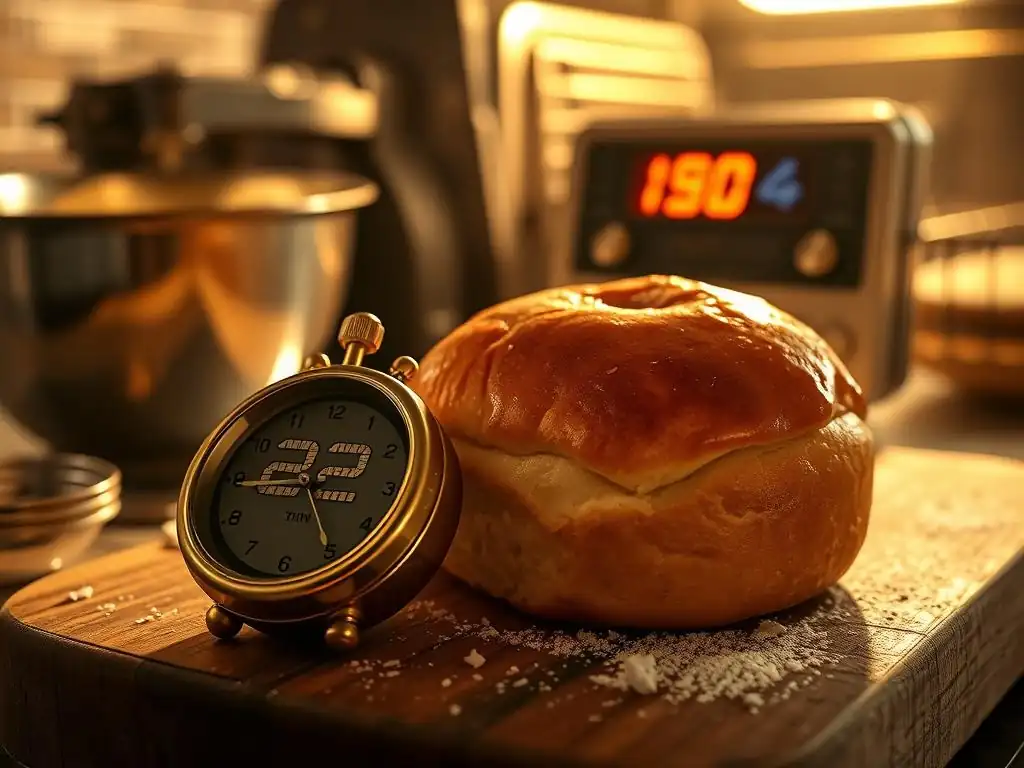
Welcome to BakeWithEase, your trusted companion in the delightful world of baking! Ever wonder what truly separates a good sweet roll from an extraordinary one? It often boils down to one crucial factor: perfecting sweet roll baking time. Discover the secrets behind achieving that golden-brown perfection and irresistibly soft texture as we delve into the art and science of baking these delectable treats. Ready to unlock the secrets? Let's get baking!
- Baking Sweet Rolls: Temperature and Time Secrets for Bake Like a Pro
- Mastering Cinnamon Roll Baking: The Key to Perfect Results
- Understanding Oven Temperature for Cinnamon Rolls
- The Importance of Baking Time in Cinnamon Roll Recipes
-
Perfecting Cinnamon Roll Baking Time: Step-by-Step Guide
- Step 1: Preparing Your Dough and Oven
- Step 2: Initial Baking: Monitoring the First Few Minutes
- Step 3: Adjusting Baking Time Based on Visual Cues [e.g., Browning, Internal Doneness]
- Step 4: The Skewer Test: Ensuring Cinnamon Rolls Are Fully Baked
- Step 5: Cooling and Frosting: Preserving Cinnamon Roll Perfection
- Troubleshooting Cinnamon Roll Baking Time Issues
- Tips for Achieving Consistent Cinnamon Roll Baking Results
- Advanced Techniques for Cinnamon Roll Baking Time Optimization
- Conclusion: Bake Like a Pro's Final Thoughts on Cinnamon Roll Baking Time and Temperature
- Frequently Asked Questions
- Final Reflection: The Sweet Science of Perfect Sweet Rolls
- Unlock Your Inner Baker: Perfect Sweet Rolls Await!
Baking Sweet Rolls: Temperature and Time Secrets for Bake Like a Pro
Mastering Cinnamon Roll Baking: The Key to Perfect Results
Welcome to BakeWithEase, your guide to unlocking baking success! Today, we're diving into the crucial world of temperature and time when it comes to everyone's favorite treat: sweet rolls, often exemplified by the classic cinnamon roll. Achieving that perfect balance – soft, fluffy interiors with beautifully golden exteriors – hinges entirely on getting these two factors right.
Perfecting sweet roll baking time is more than just following a recipe; it's about understanding how heat interacts with your dough and fillings. This knowledge empowers you to adjust on the fly, ensuring consistent, delicious results every time you bake. Let's explore the secrets to mastering this delicious art.
Introduction: Why Temperature and Time Matter in Cinnamon Roll Baking
Temperature and time are the dynamic duo of baking, especially when working with enriched doughs like those used for sweet rolls. The oven temperature dictates the rate at which the dough rises, the butter melts, and the sugars caramelize. Too hot, and the outside burns before the inside cooks; too cool, and you end up with dense, underbaked rolls.
Equally critical is the baking time. It determines how much moisture remains in the finished roll and how the structure sets. Underbaking leaves you with a gooey, potentially raw center, while overbaking results in dry, hard rolls. Perfecting sweet roll baking time is the final step in transforming simple ingredients into a truly delightful pastry.
Bake Like a Pro's Guide to Cinnamon Roll Success: Temperature and Timing
Becoming a pro at baking sweet rolls involves paying close attention to details often overlooked. It starts even before the rolls hit the oven, with understanding your specific appliance and ingredients. Every oven is slightly different, and even subtle variations in dough hydration or filling moisture can impact the ideal baking parameters.
This guide will walk you through the nuances of temperature and time management. We'll cover everything from selecting the right oven temperature and understanding how your pan affects baking to recognizing visual cues and using tools like thermometers. By the end, you'll have the knowledge to confidently adjust any recipe and achieve that coveted, perfectly baked sweet roll every time, truly perfecting sweet roll baking time for your kitchen.
Understanding Oven Temperature for Cinnamon Rolls
The oven acts as the engine for baking, and its temperature setting is paramount for sweet rolls. It's not just about reaching a certain temperature; it's about maintaining it consistently throughout the baking process. Fluctuations can lead to uneven baking and disappointing results.
Getting the temperature right ensures that the yeast in the dough gets one last burst of activity (oven spring) before setting the structure, and that the sugars in the filling caramelize beautifully without burning. This section delves into finding that sweet spot for your sweet rolls.
The Ideal Oven Temperature Range for Cinnamon Rolls
Most sweet roll recipes recommend baking temperatures between 350°F (175°C) and 375°F (190°C). Baking at the lower end, like 350°F, typically results in a slightly longer baking time but can promote more even cooking and prevent the tops from browning too quickly. For example, a standard 9x13 inch pan of rolls might take 28-35 minutes at 350°F.
Conversely, baking at 375°F can speed things up, often reducing the baking time to 20-28 minutes for the same pan size. While faster, this higher temperature requires closer monitoring to prevent the edges or tops from becoming too dark before the center is fully cooked. The ideal temperature for perfecting sweet roll baking time often falls right in the middle of this range, around 365°F (180°C), offering a good balance of speed and evenness.
How Oven Calibration Affects Cinnamon Roll Baking Time
Did you know your oven's thermostat might not be perfectly accurate? It's common for ovens to run hotter or cooler than the temperature they display, sometimes by as much as 25-50°F (15-30°C). This discrepancy significantly impacts perfecting sweet roll baking time. If your oven runs cool, your rolls will take much longer to bake and might not brown properly. If it runs hot, they could burn quickly on the outside while remaining raw inside.
Using an inexpensive oven thermometer is highly recommended to check your oven's true temperature. Simply place it inside and note the reading once the oven has preheated for at least 20-30 minutes. If you find a consistent difference, you can adjust your recipe's recommended temperature accordingly. For instance, if your oven runs 25°F cool, set it to 375°F if the recipe calls for 350°F. This simple step is crucial for consistent results when perfecting sweet roll baking time.
Adjusting Temperature for Pan Material [e.g., Metal, Glass]
The material of your baking pan also plays a role in heat distribution and, consequently, baking time. Metal pans, particularly those made of aluminum or steel, conduct heat efficiently and tend to promote quicker, more even browning, especially on the bottom and sides of the rolls.
Glass pans, like Pyrex, are insulators and absorb heat more slowly. However, once hot, they retain heat very well. This can sometimes lead to the bottom and edges baking faster or becoming darker than the top. As a general rule when using glass instead of metal for sweet rolls, it's often recommended to reduce the oven temperature by about 25°F (15°C) to compensate for the way glass heats, which will slightly increase the overall baking time but help prevent scorching the bottom while the top finishes.
The Importance of Baking Time in Cinnamon Roll Recipes
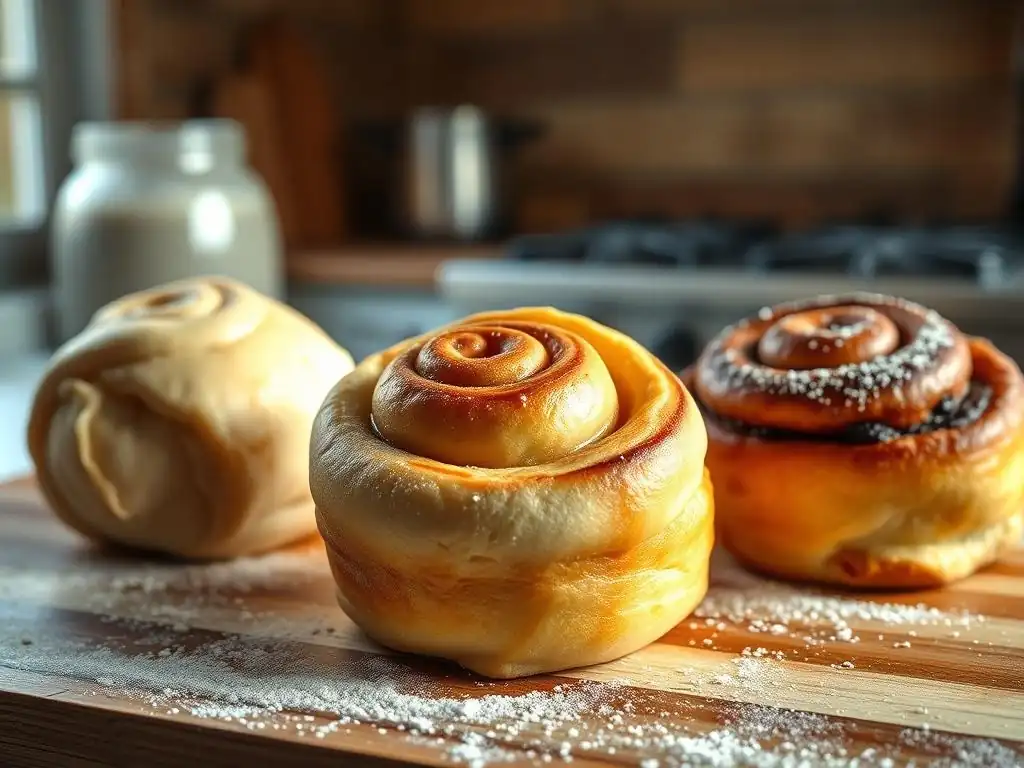
Once your oven is at the correct temperature, the clock starts ticking. Baking time isn't just an arbitrary number in a recipe; it's the duration needed for the dough to cook through, the filling to heat and meld, and the rolls to develop structure and color. It's a delicate balance that defines the final texture and taste.
Understanding how to gauge doneness by time is essential for perfecting sweet roll baking time. However, relying solely on the clock can be misleading because, as we've learned, ovens vary, and other factors are at play.
Determining the Correct Cinnamon Roll Baking Time: A Visual Guide
While recipe times are a starting point (e.g., "bake for 20-25 minutes"), visual cues are your best friend for perfecting sweet roll baking time. Look for the rolls to be golden brown on top and around the edges. The centers should look set, not wet or gooey.
Another key visual is the filling. If you can see the filling bubbling slightly around the edges, it indicates that the inside is getting hot. However, don't wait until the filling is vigorously bubbling throughout the pan, as this might mean the rolls are overbaking. Aim for a gentle golden hue across the top, with slightly deeper brown edges, as your primary visual indicator.
Factors Influencing Cinnamon Roll Baking Time: Dough Thickness and Pan Size
Beyond oven variations, the physical characteristics of your sweet rolls significantly impact how long they need to bake. The thickness of the dough when rolled out is a major factor. Thicker rolls (e.g., made from dough rolled to 1/2 inch) will naturally require more time in the oven for the heat to penetrate to the center compared to thinner rolls (e.g., rolled to 1/4 inch). A batch of thicker rolls might need 28-35 minutes, while thinner ones could be done in 18-22 minutes.
The size and depth of your baking pan also matter. A deeper pan or one tightly packed with rolls will hold more mass, requiring a longer baking time for the heat to distribute evenly throughout the entire batch. Conversely, rolls baked in a shallower pan or with more space between them will likely bake faster. Perfecting sweet roll baking time involves considering these variables and being prepared to adjust based on your specific preparation.
Avoiding Common Baking Time Mistakes: Underbaking and Overbaking
The two most common pitfalls when baking sweet rolls are underbaking and overbaking. Underbaking results in rolls that are doughy, gummy, or even raw in the center. They might look done on the outside but collapse or feel heavy when removed from the pan. This often happens when relying solely on the timer without checking for doneness.
Overbaking, on the other hand, yields dry, tough, and less flavorful rolls. The beautiful soft texture is lost, and the edges can become hard or burnt. This occurs when rolls are left in the oven too long, often out of fear of underbaking. Learning to recognize the signs of doneness is key to avoiding these issues and successfully perfecting sweet roll baking time.
Perfecting Cinnamon Roll Baking Time: Step-by-Step Guide
Achieving consistently perfect sweet rolls requires a methodical approach, focusing on preparation and careful monitoring during the bake. Following these steps will help you nail the timing every time.
This section breaks down the process, guiding you from initial setup to the crucial moments inside the oven, ensuring you are actively participating in perfecting sweet roll baking time rather than just passively waiting.
Step 1: Preparing Your Dough and Oven
Start by ensuring your sweet roll dough is properly proofed. Over-proofed dough can bake too quickly on the outside and collapse, while under-proofed dough may result in dense rolls that take longer to bake through. Use a reliable oven thermometer to preheat your oven to the desired temperature (typically 350-375°F or 175-190°C) for at least 20-30 minutes before baking. This gives the oven cavity and the heating elements time to stabilize at the target temperature.
Prepare your baking pan by greasing it thoroughly to prevent sticking. Arranging the rolls relatively close together, but not overly crowded, helps them support each other as they rise and bake, contributing to a soft texture. This initial setup is foundational for perfecting sweet roll baking time.
Step 2: Initial Baking: Monitoring the First Few Minutes
Once the rolls are in the oven, resist the urge to open the door frequently in the first 10-15 minutes. Opening the oven lets heat escape, dropping the temperature and potentially hindering oven spring. However, it's helpful to peek after about 10-12 minutes to see how quickly they are browning.
If the tops seem to be browning very rapidly, you might need to loosely tent the pan with aluminum foil for the remainder of the baking time. This protects the tops while allowing the insides to continue cooking. Observing this initial phase helps you predict the overall baking trajectory and make necessary adjustments early on for perfecting sweet roll baking time.
Step 3: Adjusting Baking Time Based on Visual Cues [e.g., Browning, Internal Doneness]
As the baking progresses, typically after 15-20 minutes, start paying close attention to those visual cues mentioned earlier. Are the edges golden brown? Is the center looking set? Gently press the top of a roll; it should spring back slightly, not feel mushy.
If the rolls are browning perfectly but you suspect the centers aren't done (perhaps they still look pale between rolls), you might need to reduce the oven temperature slightly (e.g., by 10-15°F) and continue baking for a few more minutes. Conversely, if they seem pale but the time is almost up, they likely need a few more minutes at the current temperature. Learning to trust these visual indicators is key to perfecting sweet roll baking time.
Step 4: The Skewer Test: Ensuring Cinnamon Rolls Are Fully Baked
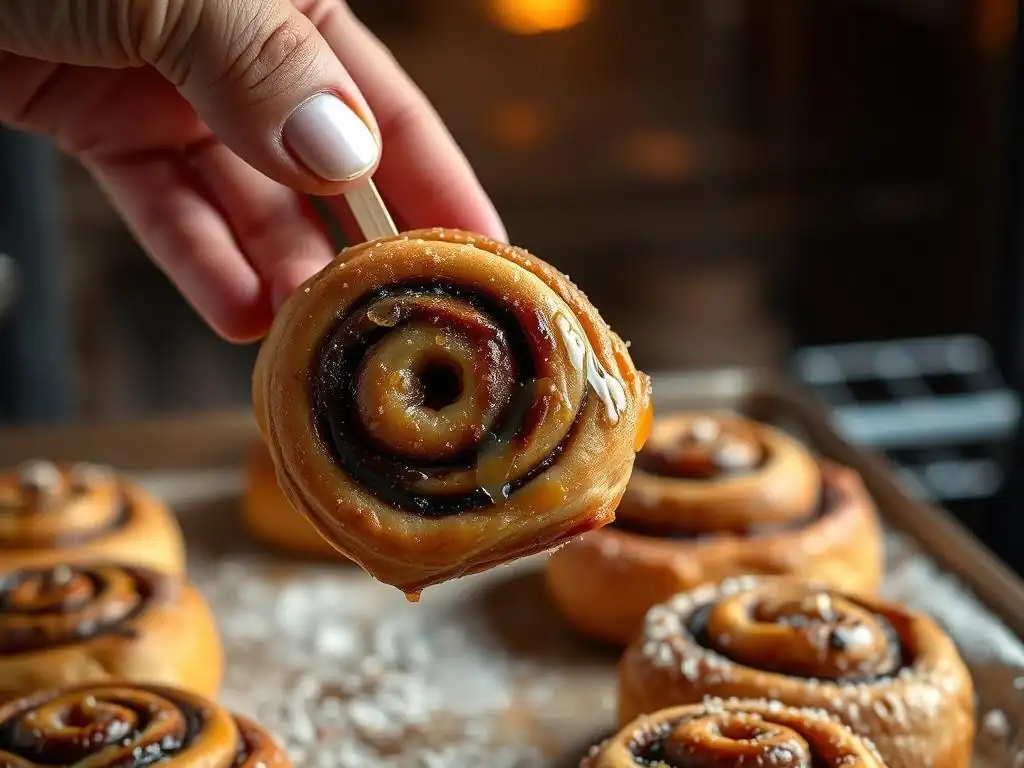
While visual cues are helpful, the most reliable method for ensuring sweet rolls are fully baked is the skewer test, similar to testing a cake. Gently insert a wooden skewer or toothpick into the center of a roll, preferably one in the middle of the pan where baking is slowest.
If the skewer comes out clean with no wet dough attached, the rolls are likely done. A few moist crumbs are okay, but streaks of wet dough mean they need more time. For ultimate precision when perfecting sweet roll baking time, you can use an instant-read thermometer; the internal temperature of a fully baked sweet roll should be between 190°F (88°C) and 200°F (93°C).
Step 5: Cooling and Frosting: Preserving Cinnamon Roll Perfection
Once the rolls pass the skewer test and are beautifully golden, remove them from the oven. Allow them to cool in the pan for 10-15 minutes before attempting to frost them. This crucial cooling period allows the internal structure to set completely. Frosting too soon can cause the rolls to collapse slightly and the frosting to melt into a messy glaze.
After the initial cooling, you can transfer them to a wire rack to finish cooling if desired, though many prefer to frost them warm in the pan. This final step preserves the soft texture you worked hard to achieve by perfecting sweet roll baking time and temperature.
Troubleshooting Cinnamon Roll Baking Time Issues
Even with careful planning, sometimes things don't go exactly as planned. Understanding common issues related to baking time and how to fix them is part of the journey towards perfecting sweet roll baking time.
Don't get discouraged if your first batch isn't perfect. Baking is a skill that improves with practice and learning from mistakes.
Cinnamon Rolls Are Burning on the Bottom: Solutions
Burning on the bottom is a common issue, often caused by the oven rack being too low, a hot spot in the oven, or using a dark metal or glass pan at too high a temperature.
- Solution 1: Move the oven rack up one level. Baking on the middle rack is usually best for even heat distribution.
- Solution 2: Reduce the oven temperature by 15-25°F (10-15°C). This slows down the overall baking rate, giving the top time to catch up with the bottom.
- Solution 3: If using a dark metal or glass pan, try using a shiny metal pan instead, or place a baking sheet on the rack below your sweet rolls to shield the bottom from direct heat.
Cinnamon Rolls Are Not Baking Through: Tips and Tricks
If your sweet rolls look golden and beautiful on the outside but are doughy or raw inside, it's a clear sign of underbaking. This could be due to the oven running cool, insufficient baking time, or rolls being too thick/crowded.
- Tip 1: Use an oven thermometer to verify your oven's temperature. Adjust accordingly if it's running cool.
- Tip 2: Extend the baking time. Don't rely solely on the recipe's suggested time; use the skewer test and internal temperature (190-200°F / 88-93°C) to confirm doneness.
- Tip 3: If the tops are browning too quickly while the insides are still raw, loosely tent the pan with aluminum foil to allow the interior to cook without the exterior burning.
Cinnamon Rolls Are Too Dry: Maintaining Moisture During Baking
Dry sweet rolls are typically a result of overbaking. This is where perfecting sweet roll baking time is crucial – pulling them out at the exact moment they are done preserves their moisture.
- Tip 1: Use the skewer test or internal thermometer to avoid overshooting the perfect baking time. Remove the rolls as soon as they reach the correct internal temperature or the skewer comes out clean.
- Tip 2: Ensure your dough wasn't too dry to begin with. Proper hydration in the dough contributes significantly to the final texture.
- Tip 3: Some bakers place a pan of hot water on the rack below the sweet rolls to create steam, which can help keep the rolls moist during baking.
Tips for Achieving Consistent Cinnamon Roll Baking Results
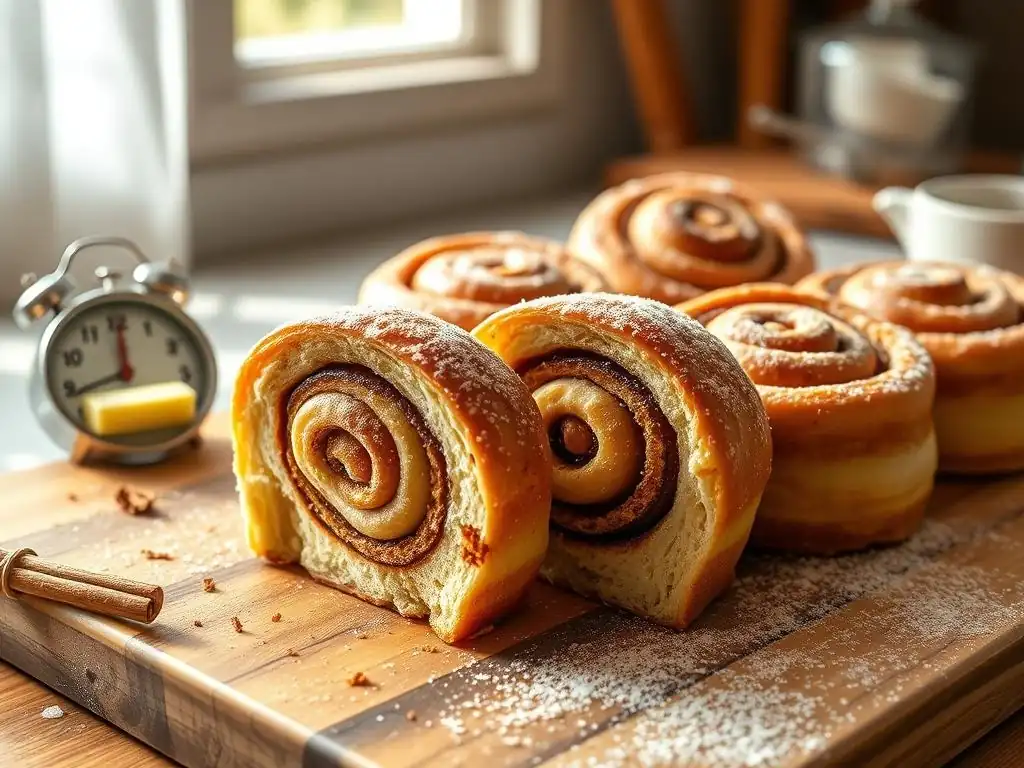
Consistency is the hallmark of a pro baker. Once you understand the fundamentals of temperature and time, implementing these tips will help you achieve reliably delicious sweet rolls batch after batch.
These extra steps might seem small, but they make a significant difference in the final product and contribute greatly to perfecting sweet roll baking time.
The Importance of Accurate Measurements in Cinnamon Roll Recipes
Baking is a science, and accuracy is key. Using precise measurements for your ingredients, especially flour, sugar, and leavening agents, directly impacts the dough's hydration, structure, and how it behaves in the oven. Too much flour, for example, can lead to a drier dough that bakes faster and results in dry rolls.
Using a kitchen scale for dry ingredients is highly recommended for the most consistent results. A difference of just half an ounce of flour can change the dough consistency and affect the optimal baking time. This precision is foundational for perfecting sweet roll baking time and overall success.
Using a Baking Stone or Sheet for Even Heat Distribution
Placing your sweet roll pan on a preheated baking stone or a heavy-duty baking sheet can help regulate the temperature and provide more even heat distribution from the bottom. The stone or sheet absorbs heat and then radiates it steadily, reducing the chance of hot spots that can cause uneven baking or burnt bottoms.
Preheat the stone or sheet in the oven as the oven comes to temperature. Then, place your pan of sweet rolls directly on top of it. This technique helps create a more stable thermal environment around your pan, contributing to a more predictable outcome when perfecting sweet roll baking time.
Rotating Cinnamon Rolls During Baking for Uniform Browning
Even in well-calibrated ovens, there can be slight temperature variations. The front of the oven might be slightly cooler or hotter than the back. To ensure uniform browning and even cooking across the entire pan of sweet rolls, rotate the pan halfway through the estimated baking time.
For instance, if you expect your rolls to take 25 minutes, rotate the pan 180 degrees after about 12-13 minutes. This simple step exposes all sides of the pan to different areas of the oven, promoting consistent color and doneness across the batch and aiding in perfecting sweet roll baking time.
Advanced Techniques for Cinnamon Roll Baking Time Optimization
Ready to take your sweet roll baking to the next level? These techniques offer more control and insight into the baking process, helping you fine-tune your approach.
Exploring these methods allows for a deeper understanding of how heat and moisture interact within the rolls, leading to truly optimized results and further perfecting sweet roll baking time.
Using a Digital Thermometer to Monitor Internal Temperature
While the skewer test is good, an instant-read digital thermometer provides the most accurate reading of your sweet rolls' internal doneness. As mentioned earlier, a fully baked sweet roll should register between 190°F (88°C) and 200°F (93°C) in the center.
Insert the thermometer probe into the center of one of the middle rolls, avoiding the filling if possible, as melted sugar can give a false high reading. Relying on temperature removes the guesswork and is an excellent way to ensure your rolls are cooked through without drying them out, making it an invaluable tool for perfecting sweet roll baking time.
Experimenting with Different Baking Times and Temperatures
Once you're comfortable with a basic recipe, don't be afraid to experiment slightly to find what works best for your specific oven and preferred texture. Try baking a batch at 350°F for a longer time and another at 375°F for a shorter time (always using the skewer test or thermometer to confirm doneness).
Keep detailed notes about the oven temperature used, the total baking time, the appearance of the rolls, and the final texture. This personal experimentation is key to truly perfecting sweet roll baking time for your unique baking environment and achieving your ideal sweet roll.
Understanding the Role of Steam in Cinnamon Roll Baking
Some professional bakers introduce steam into the oven when baking enriched doughs like sweet rolls. Steam helps keep the surface of the dough moist initially, allowing the rolls to expand more fully during oven spring before the crust sets. This can contribute to a softer, more tender final crumb.
You can create steam by placing a shallow metal pan on the bottom rack of your oven while it preheats. Carefully pour about 1 cup of hot water into the pan just as you place the sweet rolls in the oven. Be cautious of the steam release when opening the oven door. This technique can subtly alter the baking time and requires observation to see its full effect on perfecting sweet roll baking time.
Conclusion: Bake Like a Pro's Final Thoughts on Cinnamon Roll Baking Time and Temperature
Mastering sweet roll baking time and temperature is the ultimate step in elevating your baking skills. It's a blend of science and art, requiring attention to detail, understanding your equipment, and learning to read the cues your baked goods provide.
By focusing on accurate oven temperature, being mindful of pan materials, using visual checks and tools like thermometers, and troubleshooting common issues, you move beyond simply following instructions to truly understanding the baking process.
Achieving Baking Perfection with Practice and Patience
Perfecting sweet roll baking time, like any baking skill, comes with practice. Don't expect every batch to be flawless initially. Each time you bake, you learn more about your oven, your ingredients, and how they interact. Pay attention to what worked and what didn't.
Be patient with yourself and the process. Soon, you'll develop an intuitive feel for when your sweet rolls are perfectly baked, consistently achieving that soft, gooey interior and golden exterior that makes homemade sweet rolls so irresistible. Keep baking, keep learning, and enjoy the delicious rewards!
Frequently Asked Questions
What is the ideal temperature for baking sweet rolls?
The ideal baking temperature for sweet rolls is typically between 350°F (175°C) and 375°F (190°C). This range ensures even baking and prevents the rolls from burning on the outside while remaining doughy inside. Lower temperatures often result in softer rolls.
How long should I bake sweet rolls for?
Baking time varies, but generally, sweet rolls need around 20-30 minutes. Always check for a golden brown color and internal temperature of at least 190°F (88°C). A toothpick inserted into the center should come out clean.
Can I bake sweet rolls at a higher temperature to speed up the process?
While tempting, baking at a higher temperature isn't recommended. This can cause the outside to bake too quickly, leaving the inside undercooked. Sticking to the recommended temperature ensures even baking and a better texture.
How do I know when my sweet rolls are perfectly baked?
Look for a deep golden brown color on top and sides. A gentle tap on the bottom should sound hollow. Using a thermometer to confirm an internal temperature of 190°F (88°C) is the most reliable method.
What happens if I over-bake my sweet rolls?
Over-baking results in dry, hard rolls. The sugars can also caramelize too much, making them overly browned or even burnt. Keep a close eye on them during the last few minutes of baking.
Final Reflection: The Sweet Science of Perfect Sweet Rolls
The pursuit of the perfect sweet roll is more than just a culinary quest; it's a journey into the precise interplay of temperature and time. Mastering this balance unlocks not only flawlessly baked treats but also a deeper understanding of the scientific principles behind baking itself. The seemingly simple act of baking becomes a fascinating exploration of chemical reactions and heat transfer, a testament to the power of precision.
The influence of temperature and timing on the final product extends far beyond the kitchen; it mirrors the delicate balance required in many aspects of life. The subtle shifts in texture, color, and flavor resulting from even minor adjustments in baking time highlight the importance of attention to detail and the potential for both triumph and failure. As the old adage goes, The difference between something good and something great is attention to detail.
This rings particularly true in the world of baking, where patience and precision are rewarded with golden-brown, perfectly risen sweet rolls.
Now, consider your own "baking process," whatever that may be – a project at work, a personal goal, or a relationship. What adjustments in "temperature" (your approach, your energy) and "time" (your dedication, your perseverance) are needed to achieve your desired outcome? Take a moment to reflect on this, and I encourage you to experiment, adjust, and refine your own process, just as you would with a batch of sweet rolls. The rewards of patience and precision are always worth the effort.
Unlock Your Inner Baker: Perfect Sweet Rolls Await!
Thanks for diving into the world of perfectly baked sweet rolls! You've now learned the secrets to mastering temperature and timing – crucial elements for achieving that irresistible golden-brown crust and fluffy interior. Ready to put your newfound knowledge into practice?
- Bake a batch of sweet rolls today! Use your new understanding of temperature and timing to create a delicious treat for yourself or your loved ones. Experiment with different fillings and glazes to discover your perfect recipe.
- Share your baking journey! Post pictures of your sweet roll creations on social media and tag #BakeWithEase – let's inspire each other!
- Explore our other baking guides to discover more tips and techniques for all your baking adventures.
What unique twist will you add to your next batch of sweet rolls? Let's hear your ideas in the comments below!