
Understanding Cacao Percentage: Bake Richer, More Flavorful Treats

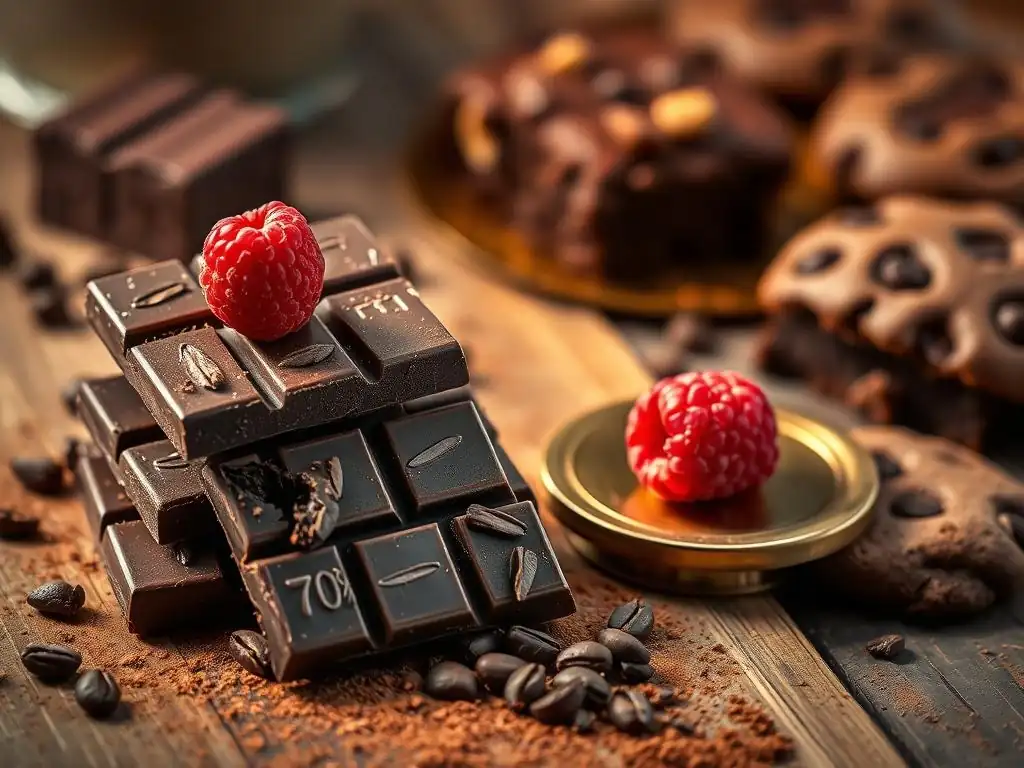
Welcome to BakeWithEase, your kitchen companion for unlocking baking brilliance! Ever wondered how cacao percentage impacts your chocolate creations? This week, we're diving deep into the world of chocolate, exploring how understanding cacao percentages can transform your recipes and elevate your desserts to new heights. Get ready to bake richer, more flavorful treats than ever before – the secrets are waiting just below!
- Introduction to Cacao Percentage in Baking
- What Exactly is Cacao Percentage?
- Cacao Percentage Levels and Their Impact on Flavor
- How Cacao Percentage Affects Baking Results
- Choosing the Right Cacao Percentage for Different Recipes
- Adjusting Your Recipes Based on Cacao Percentage
- Recipe Adaptations Based on Cacao Percentage
- Beyond the Percentage: Other Factors to Consider
- Tips for Experimenting with Cacao Percentage in Your Baking
- Conclusion: Mastering Cacao Percentage for Baking Success
-
Frequently Asked Questions
- What is cacao percentage in chocolate, and why is it important?
- How does cacao percentage affect the outcome of my BakeWithEase chocolate recipes?
- Can I substitute different cacao percentage chocolates in a BakeWithEase recipe?
- Where can I find recipes on BakeWithEase.com that specifically use cacao percentage as a key ingredient consideration?
- What's the best cacao percentage for beginners using BakeWithEase recipes?
- Final Reflection: Unlocking the Secrets of Cacao Percentage
- Unlock Your Baking Potential: Deeper Chocolate Flavors Await!
Introduction to Cacao Percentage in Baking
Why Cacao Percentage Matters for Your Chocolate Recipes
Understanding cacao percentage is fundamental to mastering chocolate baking. It's the single most important factor determining the intensity of chocolate flavor, the level of sweetness, and even the texture of your finished goods. When you follow a recipe that simply calls for "semisweet chocolate" or "bittersweet chocolate," the outcome can vary significantly depending on the specific cacao percentage of the chocolate you choose. A semisweet chocolate might range from 35% to 60% cacao, a vast difference that impacts everything from how much sugar is needed to how the chocolate melts and sets.
Choosing the correct cacao percentage for your cacao percentage chocolate recipes isn't just about following instructions; it's about controlling the flavor profile and ensuring consistent, delicious results. A rich dark chocolate brownie requires a higher percentage than a creamy milk chocolate ganache. Using the wrong percentage can lead to overly sweet, not-chocolatey-enough, or even dry and crumbly baked goods. By paying attention to this detail, you elevate your baking from following steps to truly understanding the ingredients and how they interact.
Decoding Chocolate Labels
Chocolate labels can seem confusing, but the cacao percentage is usually prominently displayed. Look for a number followed by the percentage sign, like "70% Cacao" or "55% Dark Chocolate." This number represents the total proportion of ingredients derived directly from the cacao bean. Beyond the percentage, labels also list ingredients. Typically, you'll see cacao mass (also called chocolate liquor), sugar, cocoa butter, vanilla, and often an emulsifier like soy lecithin.
It's important to distinguish between baking chocolate (often found in blocks or wafers) and eating chocolate. While both list cacao percentage, baking chocolate is formulated specifically for melting and incorporating into batters and doughs, often containing less sugar than confectionery chocolate of the same percentage. For reliable cacao percentage chocolate recipes, using quality baking chocolate specified by percentage is usually the best approach. Note that white chocolate contains cacao butter but no cacao solids, so it does not have a cacao percentage in the same way dark or milk chocolate does.
What Exactly is Cacao Percentage?
Defining Cacao Solids: The Heart of Chocolate Flavor
Cacao percentage refers to the total weight of ingredients derived from the cacao bean in a chocolate product. This includes cacao mass (also known as chocolate liquor), which is ground cacao beans containing both cacao solids and cacao butter, and often additional cacao butter. Cacao solids are the non-fat components of the bean – they are what give chocolate its color and its intense, bitter, complex flavor notes.
The higher the cacao percentage, the greater the proportion of these flavor-rich solids in the chocolate. For instance, a 70% dark chocolate contains 70% ingredients from the cacao bean (cacao mass + possibly extra cacao butter), meaning it has significantly more cacao solids contributing to flavor than a 50% dark chocolate or a 35% milk chocolate. These solids carry the characteristic chocolate flavor compounds that are crucial for successful cacao percentage chocolate recipes.
Understanding the Components: Cacao Butter vs. Cacao Solids
The total cacao percentage is a combination of cacao solids and cacao butter. While both come from the cacao bean, they play different roles. Cacao solids provide the deep, complex chocolate flavor and color. Cacao butter, on the other hand, is the natural fat extracted from the cacao bean. It is solid at room temperature but melts just below body temperature, contributing significantly to chocolate's smooth texture, creamy mouthfeel, and characteristic snap when broken.
Different chocolates will have varying ratios of cacao solids to cacao butter within their total cacao percentage. For example, a chocolate with a higher proportion of cacao butter relative to solids (while maintaining the same total percentage) might be smoother and melt more easily. Understanding that the percentage is a sum of these two components helps explain why two chocolates with the same percentage from different brands might behave slightly differently in cacao percentage chocolate recipes – their internal ratio of solids to butter can vary.
Cacao Percentage Levels and Their Impact on Flavor
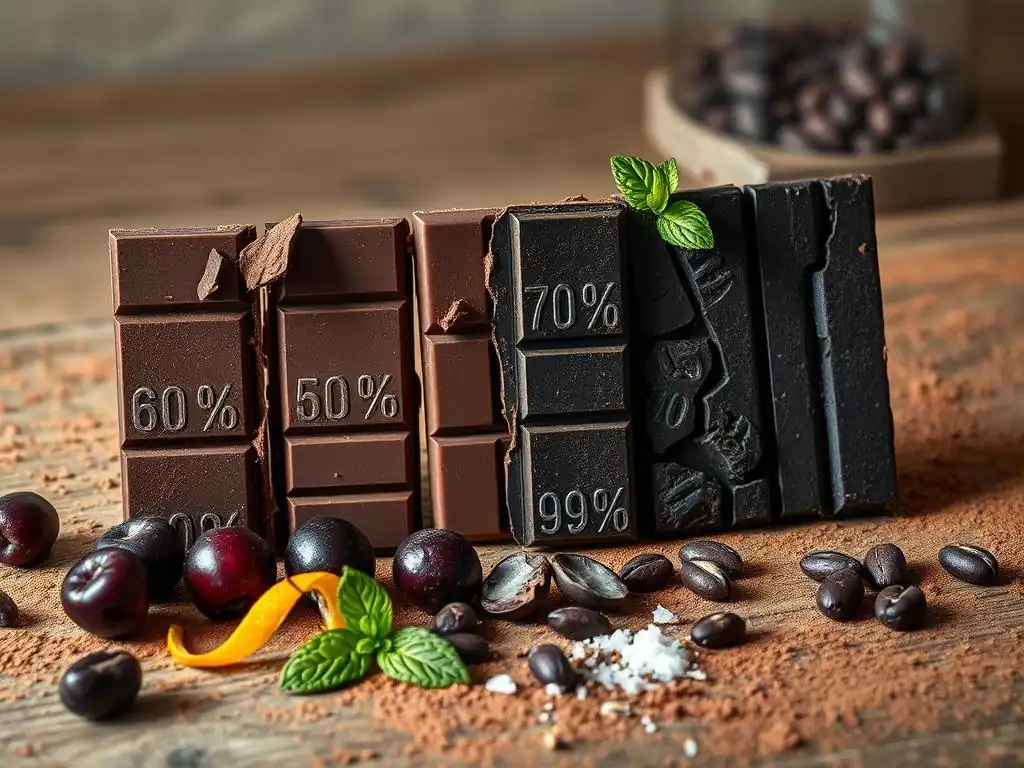
Low Cacao Percentage (Under 50%): Sweet and Mild Chocolate
Chocolates with a cacao percentage below 50% typically fall into the milk chocolate category, although some very sweet dark chocolates might also be in this range (like some "sweet dark" around 35-45%). Milk chocolate usually contains around 30-40% cacao, with a significant amount of added sugar and milk solids. The flavor is sweet, creamy, and less intense in chocolate notes, often carrying caramel or milky undertones.
These chocolates are excellent for cacao percentage chocolate recipes where a mild, sweet, and creamy chocolate flavor is desired, such as certain frostings, light mousses, or as a coating where intense bitterness would be unwelcome. Due to their high sugar and milk content, they melt differently than higher percentage chocolates and can be more prone to seizing if overheated. A common milk chocolate might be around 35% cacao, containing perhaps 20-25% cacao solids and 10-15% cacao butter, balanced by over 50% sugar and milk solids.
Medium Cacao Percentage (50-70%): Balanced Sweetness and Bitterness
This range is often labeled as "semisweet" or "bittersweet" chocolate, though these terms are less precise than the percentage itself. Chocolates in the 50-70% range offer a balance between the sweetness of added sugar and the intensity and bitterness of the cacao solids. A 60% dark chocolate, for example, provides a noticeable chocolate flavor without being overwhelmingly bitter, making it a versatile choice for many cacao percentage chocolate recipes.
Within this range, flavor profiles vary widely based on origin and processing, but they generally offer a good balance for classic baked goods. A 55% chocolate will be sweeter than a 68% chocolate, requiring less sugar adjustment in a recipe. These percentages are popular for chocolate chips, cookies, and basic melting applications because they melt smoothly and offer a widely appealing flavor profile that complements other ingredients like flour and sugar effectively.
High Cacao Percentage (70% and Above): Intense and Bold Chocolate
Chocolates with 70% cacao or higher are firmly in the dark chocolate category. As the percentage increases, the amount of added sugar decreases significantly, and the concentration of cacao solids and butter rises. This results in a much more intense, complex, and often bitter flavor profile. A 70% chocolate offers strong chocolate notes, while an 85% or 90% chocolate will be very bitter and less sweet, showcasing the pure flavor of the cacao bean itself.
These high-percentage chocolates are ideal for cacao percentage chocolate recipes where a deep, rich, and sophisticated chocolate flavor is the star, such as intense brownies, lava cakes, or flourless chocolate tortes. They require careful handling in baking; their lower sugar content means they melt differently and can be more prone to becoming dry or crumbly if not balanced with sufficient fat and moisture in the recipe. Using an 80% chocolate requires a different approach than using a 60% in the same recipe base.
How Cacao Percentage Affects Baking Results
Texture and Mouthfeel: The Role of Cacao Butter
The amount of cacao butter within the total cacao percentage significantly influences the texture and mouthfeel of baked goods. Cacao butter is a unique fat that is solid at room temperature but melts smoothly around 90-95°F (32-35°C), contributing to chocolate's characteristic melt-in-your-mouth quality. Chocolates with a higher proportion of cacao butter (common in quality couverture chocolates) will melt more fluidly and create a smoother texture in ganaches, mousses, and glazes.
In baked items like cookies or brownies, the cacao butter melts during baking and then re-solidifies as it cools, contributing to structure and richness. A higher cacao percentage often means a higher total fat content (from both cacao butter and any added fats), which can result in a more tender crumb in cakes or a richer, fudgier texture in brownies. Conversely, using chocolate with a very high percentage and thus less added sugar might require adding extra fat or liquid to maintain moisture and prevent dryness in certain cacao percentage chocolate recipes.
Sweetness Levels: Adjusting Sugar in Your Recipes
One of the most direct impacts of cacao percentage is on the overall sweetness of your finished product. As the cacao percentage increases, the amount of added sugar in the chocolate decreases. For example, a 50% dark chocolate is roughly half sugar, while an 80% dark chocolate might contain only 15-20% sugar. This means that substituting a higher percentage chocolate for a lower one in a recipe will drastically reduce the total sugar content of the dish.
When adapting cacao percentage chocolate recipes or substituting chocolate percentages, it's crucial to consider this difference. If you swap 50% chocolate for 75% chocolate in a brownie recipe without adjusting the added sugar, the result will be significantly less sweet and potentially too bitter for some palates. Many bakers compensate by slightly increasing the sugar called for in the recipe when using higher percentages, or conversely, slightly decreasing it when using lower percentages, to maintain the intended sweetness balance.
Bitterness and Acidity: Balancing Flavors in Baking
Beyond sweetness, cacao percentage also dictates the level of bitterness and acidity in the chocolate. Cacao solids naturally contain bitter compounds and can have varying levels of acidity depending on the bean's origin and fermentation. Higher cacao percentages bring more of these compounds to the forefront, resulting in a more pronounced bitterness and sometimes a slight tanginess.
In cacao percentage chocolate recipes, these bitter and acidic notes need to be balanced with other ingredients. Sweetness is the primary counterpoint to bitterness, which is why recipes using high-percentage chocolate often require more added sugar than recipes using lower percentages. Other ingredients like salt, vanilla, coffee, or even a touch of baking soda (which is alkaline) can help round out or neutralize some of the bitter or acidic edges, creating a more harmonious and complex chocolate flavor profile.
Choosing the Right Cacao Percentage for Different Recipes
For classic chocolate chip cookies, a medium cacao percentage is often preferred. Chocolates in the 55% to 70% range are popular choices. A 55-60% chocolate provides a sweet, approachable chocolate flavor that melts nicely, creating gooey pockets within the cookie. Using a 70% chocolate will yield chips with a more intense, slightly bitter contrast to the sweet cookie dough, appealing to those who prefer a less sweet cookie.
Many commercial chocolate chips are made with chocolate around 50-60% cacao. When using chopped bar chocolate instead of chips in your cacao percentage chocolate recipes for cookies, consider the desired balance. A 65% dark chocolate bar chopped into chunks will provide a rich, balanced flavor that isn't overly sweet but still melts beautifully.
Ideal Cacao Percentage for Brownies and Cakes
Brownies and chocolate cakes benefit greatly from a higher cacao percentage to achieve a deep, rich flavor. For fudgy brownies, chocolates ranging from 60% to 80% cacao are excellent. A 70-75% dark chocolate is a common choice, providing intense chocolate flavor without excessive bitterness, resulting in a truly decadent treat. Using an 80% or higher will create a very intense, less sweet brownie, often preferred by dark chocolate aficionados.
For chocolate cakes, the ideal percentage depends on the recipe's structure and desired outcome. A moist layer cake might use a 60-70% chocolate for balanced flavor, while a dense flourless chocolate cake might call for 75-85% chocolate to deliver maximum intensity. When developing cacao percentage chocolate recipes for cakes and brownies, the higher fat content of higher percentage chocolates often contributes to a moist, tender crumb, but sugar levels must be adjusted accordingly.
Selecting Cacao Percentage for Ganache and Frosting
Ganache, a simple mixture of chocolate and cream, is highly sensitive to cacao percentage as it dictates both flavor intensity and texture. For a standard pouring or whipping ganache used for glazing or filling cakes, a 50-60% dark chocolate is a good starting point, offering a balance of sweetness and fluidity. For a richer, firmer ganache suitable for truffles or thicker fillings, a 65-75% dark chocolate is often used. The higher the cacao percentage, the firmer the ganache will be once set, due to the higher proportion of cacao solids and butter relative to the cream.
Chocolate frostings also vary. A buttercream might incorporate melted chocolate from the 50-70% range, balancing sweetness with chocolate flavor. A rich, cooked frosting might use a higher percentage for intensity. When creating cacao percentage chocolate recipes for frostings and ganaches, remember that the percentage directly impacts the final consistency – higher percentages result in a firmer set, requiring potential adjustments to the cream or liquid ratio.
Cacao Percentage and Tempering Chocolate
Tempering chocolate is a process of heating and cooling chocolate to stabilize the cacao butter crystals, resulting in a glossy finish and crisp snap when the chocolate sets. Cacao percentage plays a role in the tempering process. Chocolates with different cacao percentages (and thus different proportions of cacao butter and sugar) have slightly different melting and crystallization points.
Generally, higher percentage dark chocolates (70%+) are easier to temper than milk chocolates (around 30-40%) or white chocolates (0% solids, mostly cacao butter and sugar), as they have a higher concentration of the stable cacao butter crystal forms. The target temperatures for melting, cooling, and rewarming vary slightly depending on the percentage.
For instance, dark chocolate might be tempered by heating to 115°F (46°C), cooling to 82°F (28°C), and reheating slightly to 88-90°F (31-32°C), whereas milk chocolate requires lower temperatures throughout the process. Successful cacao percentage chocolate recipes involving tempering often specify the exact percentage to ensure the correct temperature guide is followed.
Adjusting Your Recipes Based on Cacao Percentage
Reducing Sugar When Using High Cacao Chocolate
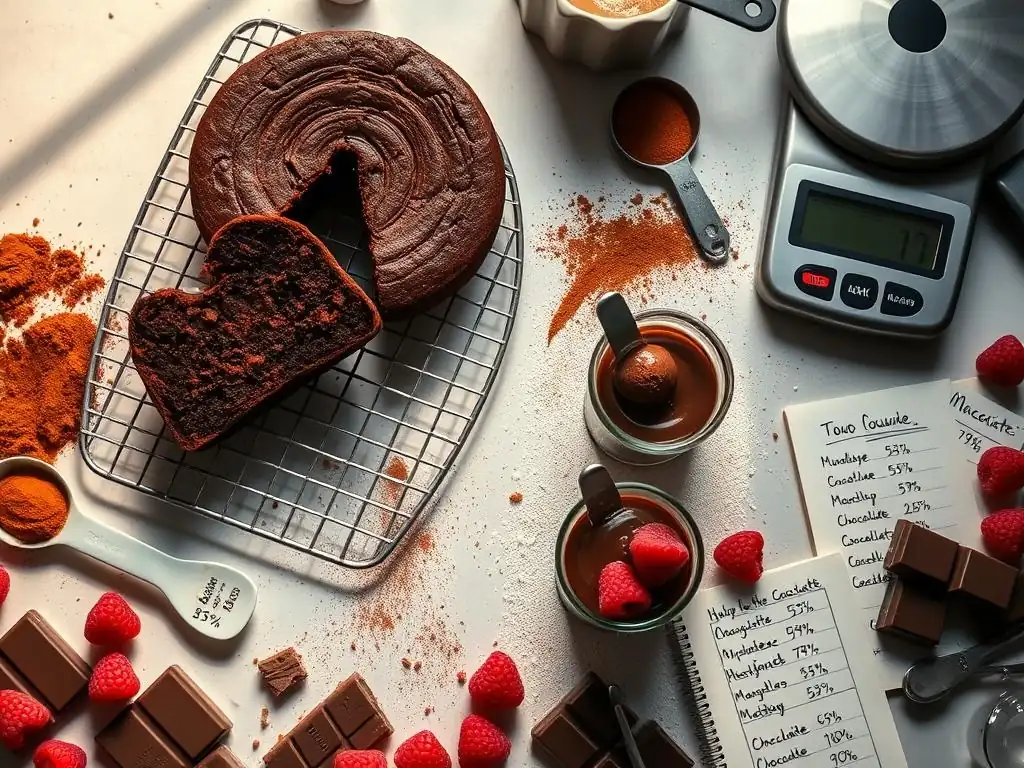
When you substitute a chocolate with a higher cacao percentage than specified in a recipe, you are inherently adding less sugar to your mixture. For example, replacing 100g of 50% chocolate (which is roughly 50g sugar) with 100g of 75% chocolate (which is only about 25g sugar) removes 25g of sugar from the recipe. To maintain the intended sweetness level and balance the increased bitterness, you will likely need to add extra sugar.
A common starting point for adjustment in cacao percentage chocolate recipes is to add back roughly half the difference in sugar content between the two chocolates. If swapping from 50% to 75% (a 25% difference in cacao, roughly 25% difference in sugar for 100g), you might add back 10-15g of sugar per 100g of chocolate used. This is a guideline; tasting your batter or dough (if safe) or doing a small test batch is the best way to fine-tune the sweetness.
Adding Moisture to Counteract Bitterness
Higher cacao percentage chocolates, especially those 75% and above, contain less sugar and can sometimes lead to a slightly drier or more brittle texture in baked goods if not accounted for. The increased concentration of cacao solids, while providing flavor, doesn't contribute moisture in the way sugar or fats do. The bitterness can also become too dominant without sufficient moisture and fat to carry other flavors and soften the profile.
In cacao percentage chocolate recipes adapted to use very high percentages, you might consider slightly increasing the amount of liquid (like milk, coffee, or water) or fat (like butter or oil) called for. For instance, adding an extra tablespoon or two of milk per 100g of swapped chocolate can help maintain moisture. This adjustment helps create a more tender crumb and ensures the intense chocolate flavor is rich and fudgy, not dry and sharp.
Enhancing Chocolate Flavor with Other Ingredients
While higher cacao percentage brings more inherent chocolate flavor, other ingredients can enhance and complement it, especially when working with intense, sometimes bitter, chocolates. Salt is a universal flavor enhancer and is particularly effective with chocolate, making the chocolate notes pop and balancing sweetness and bitterness. A pinch of flaky sea salt on top of brownies made with 75% chocolate is a simple yet impactful example.
Other ingredients that pair beautifully with chocolate and help round out the flavor in cacao percentage chocolate recipes include:
- Vanilla extract: Adds warmth and depth.
- Coffee or espresso powder: Intensifies chocolate flavor without adding coffee taste.
- Spices like cinnamon, chili, or cardamom: Add complexity, especially with origin-specific chocolates.
- A touch of acid like vinegar or lemon juice: Can brighten flavors and interact with baking soda for lift.
- Other fats like brown butter: Add nutty notes that complement rich chocolate.
Recipe Adaptations Based on Cacao Percentage
Adjusting Liquid Ratios
As mentioned earlier, using chocolates with significantly different cacao percentages can impact the overall moisture balance in a recipe. Lower percentage chocolates contain more sugar and sometimes more milk solids, which contribute to the liquid content of the batter or dough when melted. Higher percentage chocolates contribute less sugar and can absorb more liquid.
When adapting cacao percentage chocolate recipes or substituting, consider if the recipe relies heavily on the melted chocolate for moisture. For example, in a dense chocolate cake where a large amount of chocolate is melted into the batter, swapping from 50% to 75% might require adding a tablespoon or two of extra liquid (like milk, water, or even sour cream for richness) per 100g of chocolate to prevent the final cake from being dry. Conversely, using a much lower percentage than called for might require slightly reducing liquid, though this is less common.
Modifying Baking Times
While cacao percentage doesn't directly dictate baking time in the way that temperature or ingredient quantities do, changes made to accommodate different percentages can indirectly affect it. For instance, if you add extra sugar when using a high-percentage chocolate, sugar is hygroscopic (attracts water) and melts during baking, which can slightly alter the texture and potentially require a minor adjustment in baking time.
More significantly, if you adjust liquid or fat ratios to compensate for a change in cacao percentage in your cacao percentage chocolate recipes, this will impact baking time. Adding more liquid might slightly increase baking time, while adding more fat might decrease it or change how you determine doneness (e.g., a fudgier texture from extra fat might mean a shorter bake time for some). Always monitor your baked goods closely when experimenting with significant substitutions.
Incorporating Flavor Enhancers
Beyond adjusting sugar and moisture, strategically incorporating flavor enhancers can make adapted cacao percentage chocolate recipes truly shine. When working with the intense, potentially bitter notes of high-percentage chocolate, ingredients like a pinch of espresso powder or a touch of flaky sea salt can elevate the flavor profile. For example, adding 1/2 to 1 teaspoon of instant espresso powder per 100g of 75%+ chocolate in a brownie recipe can deepen the chocolate flavor without tasting like coffee.
Similarly, if adapting a recipe to use a lower percentage for a milder flavor, vanilla extract is essential to round out the sweetness and add complexity. Consider the inherent notes of the chocolate you're using (e.g., fruity notes in some 70% origins) and choose enhancers that complement them. For instance, a touch of orange zest pairs beautifully with many dark chocolates. These small additions, guided by the chocolate's percentage and flavor profile, are key to successful cacao percentage chocolate recipes.
Beyond the Percentage: Other Factors to Consider
Bean Origin and Flavor Profiles
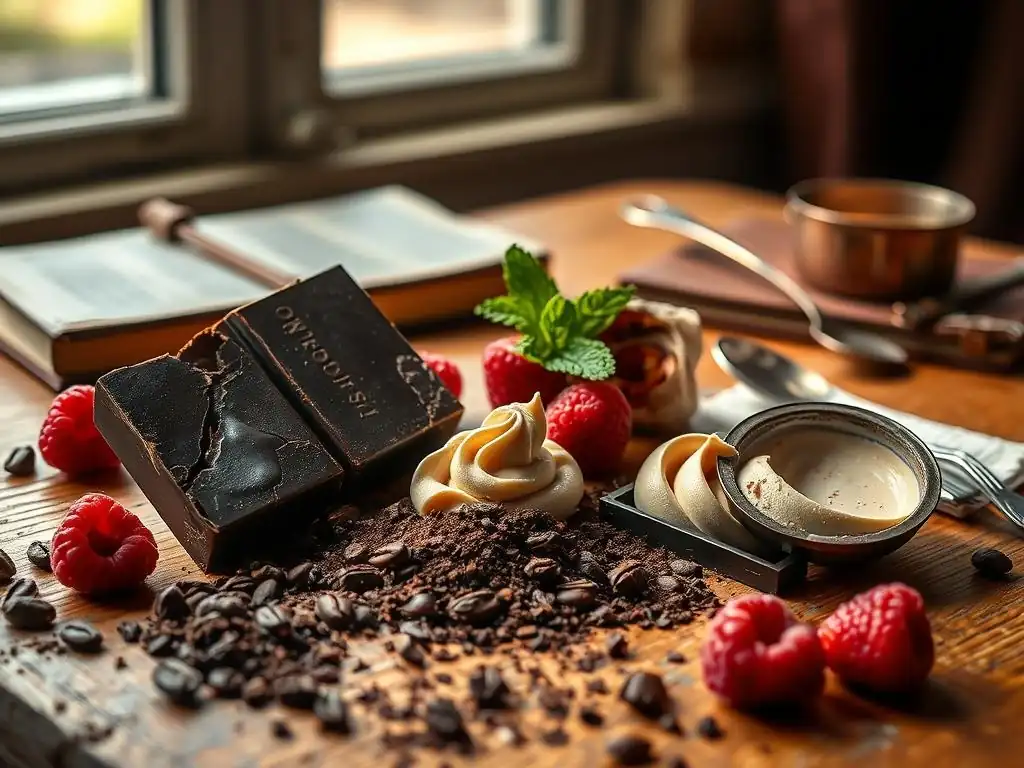
The cacao percentage tells you the intensity, but the origin of the cacao beans tells you about the flavor nuances. Just like wine or coffee, cacao beans from different regions have distinct flavor profiles influenced by climate, soil, and farming practices. For example, beans from Madagascar are often described as having fruity or citrus notes, while those from Ecuador might have floral or earthy undertones, and beans from Ghana are known for classic, fudgy chocolate flavor.
High-quality chocolates, especially those labeled "single origin," highlight these unique characteristics. When choosing chocolate for your cacao percentage chocolate recipes, especially those where chocolate is a primary flavor (like mousses or simple ganaches), considering the origin can add another layer of complexity. A brownie made with 70% single-origin Dominican Republic chocolate (often having nutty notes) will taste different from one made with 70% single-origin Venezuelan chocolate (known for caramel and vanilla notes), even though the percentage is the same.
Processing Methods and Their Effect on Taste
How cacao beans are processed after fermentation and drying also impacts the final chocolate flavor. Two key factors are roasting and alkalization (Dutch-processing). Roasting develops the chocolate flavor; different temperatures and times yield different results. Alkalization involves treating the cacao with an alkaline substance to neutralize its natural acidity.
Alkalized cocoa powder (like Dutch-process) is darker, less acidic, and has a smoother, often milder flavor compared to natural cocoa powder, which is lighter in color, more acidic, and has a sharper, more intense chocolate flavor. While cacao percentage applies to chocolate bars/callets, understanding processing is crucial for cacao percentage chocolate recipes that also use cocoa powder. The interaction between the acidity of natural cocoa powder and baking soda, for example, is vital for leavening in some recipes, a reaction that doesn't happen with alkalized cocoa or melted chocolate.
The Importance of Quality Ingredients
Regardless of cacao percentage, the overall quality of the chocolate and other ingredients makes a significant difference in your baking. High-quality chocolate uses better beans, is processed more carefully, and often contains fewer additives. Using a premium 65% dark chocolate will yield a richer, more nuanced flavor than a budget 65% chocolate which might contain lower quality fats or artificial flavorings.
This principle extends to all ingredients in your cacao percentage chocolate recipes. Using fresh butter, good quality flour, and pure vanilla extract will enhance the flavor of even the best chocolate. Investing in quality ingredients ensures that the effort you put into selecting the right cacao percentage translates into truly exceptional baked goods. A recipe is only as good as the sum of its parts.
Tips for Experimenting with Cacao Percentage in Your Baking
Start with Small Adjustments
When first experimenting with substituting different cacao percentages in your cacao percentage chocolate recipes, begin with small, manageable changes. If a recipe calls for 100g of 60% chocolate and you want to try a more intense flavor, swap half (50g) with 70% chocolate and keep the other half 60%. This allows you to see the impact of a partial substitution without drastically altering the recipe's balance.
Alternatively, if you swap the full amount, make only one adjustment at a time – for instance, just add a little extra sugar, or just add a tiny bit more liquid. Don't change the chocolate percentage, sugar, and liquid all at once on your first try. This systematic approach helps you understand the effect of each variable.
Take Detailed Notes
Baking is a science, and experimentation requires documentation. When you try a new cacao percentage in a familiar recipe or make adjustments, write down exactly what you did. Note the original recipe, the percentage and brand of chocolate used, the percentage and brand of the substitute chocolate, the amount of chocolate swapped, and any other changes made (e.g., "+15g sugar," "+1 tbsp milk").
After baking, record your observations: How did the texture change? Was it sweeter or less sweet? Was the chocolate flavor more or less intense? Were there new flavor notes? These notes are invaluable for refining your cacao percentage chocolate recipes over time and replicating successful experiments. A simple notebook or a digital document dedicated to your baking experiments will be your best friend.
Don't Be Afraid to Try New Things
The world of chocolate is vast and exciting, with countless brands, origins, and percentages to explore. Once you feel comfortable with basic substitutions, don't hesitate to branch out. Try a single-origin chocolate in a simple ganache to taste its unique notes. Experiment with an 85% chocolate in your favorite brownie recipe, adjusting the sugar more significantly.
Remember that successful cacao percentage chocolate recipes are often the result of knowledgeable experimentation. Every chocolate behaves slightly differently due to its unique composition of cacao solids, cacao butter, and sugar. Embrace the process of discovery, learn from each attempt, and enjoy the delicious journey of mastering chocolate baking.
Conclusion: Mastering Cacao Percentage for Baking Success
Elevate Your Chocolate Baking with Knowledge and Experimentation
Understanding cacao percentage is a game-changer for any baker working with chocolate. It moves you beyond simply following instructions to making informed choices that directly impact the flavor, texture, and overall success of your baked goods. From selecting the ideal percentage for fudgy brownies to adjusting ingredients when substituting chocolates in your favorite cacao percentage chocolate recipes, this knowledge empowers you to achieve predictable, delicious results every time.
By paying attention to the numbers on the label, considering the impact of cacao solids and butter, and experimenting thoughtfully with adjustments to sugar, liquid, and flavor enhancers, you can tailor recipes to your preferred taste and the specific chocolate you have on hand. So, next time you reach for a bar of chocolate, look beyond "dark" or "milk" – delve into the percentage, understand its implications, and confidently bake richer, more flavorful treats. Your cacao percentage chocolate recipes will thank you for it!
Frequently Asked Questions
What is cacao percentage in chocolate, and why is it important?
Cacao percentage indicates the amount of cocoa solids (cocoa butter and cocoa solids) in chocolate. A higher percentage generally means a more intense chocolate flavor and less sugar, impacting the recipe's sweetness and texture.
How does cacao percentage affect the outcome of my BakeWithEase chocolate recipes?
Different cacao percentages will drastically alter the sweetness, bitterness, and texture of your baked goods. Higher percentages can result in drier textures, so adjustments to liquid or fat content may be necessary.
Can I substitute different cacao percentage chocolates in a BakeWithEase recipe?
Yes, but be mindful of the impact. Substituting a higher cacao percentage will make the bake less sweet and more intense. You might need to adjust the sugar in the recipe.
Where can I find recipes on BakeWithEase.com that specifically use cacao percentage as a key ingredient consideration?
Look for recipes that mention the cacao percentage required in the ingredients list or in the recipe notes. Many of our recipes guide you on how the cacao percentage affects the overall flavor profile.
What's the best cacao percentage for beginners using BakeWithEase recipes?
For beginners, starting with a lower cacao percentage (50-60%) is recommended. These chocolates are more forgiving and offer a balanced sweetness, making them easier to work with in most recipes.
Final Reflection: Unlocking the Secrets of Cacao Percentage
Understanding cacao percentage is not just about numbers; it's about unlocking a world of flavor and texture in your baking. The seemingly small variations in cacao percentage dramatically impact the final product, transforming a simple chocolate chip cookie into a decadent masterpiece or a humble brownie into a rich, intensely chocolatey experience. This knowledge empowers home bakers to achieve a level of control and sophistication previously unattainable.
The journey of exploring cacao percentage has been a personal revelation, highlighting the artistry inherent in even the simplest baking tasks. It's a journey that connects us to the origins of chocolate, reminding us of the complex process from bean to bar that contributes to the final flavor profile. The best things in life are simple, but not easy.
This quote perfectly encapsulates the effort required to master cacao percentage, but also the profound satisfaction derived from creating something truly exceptional. The subtle nuances in taste and texture are a testament to the power of understanding the ingredients we use.
Now, it's your turn to embark on this delicious adventure. Experiment with different cacao percentages, explore various recipes, and most importantly, savor the results. Don't be afraid to deviate from the norm, to push boundaries, and to discover your own signature chocolate creations. The world of cacao percentage awaits—explore its depths and unlock your potential as a baker. The rich, rewarding experience is well worth the effort.
Unlock Your Baking Potential: Deeper Chocolate Flavors Await!
Thanks for diving into the world of cacao percentages with us! We hope you now feel empowered to create richer, more nuanced chocolate experiences in your baking. Ready to put your newfound knowledge into practice?
- Bake a test batch: Try a recipe you already love, but swap out your usual chocolate for one with a higher (or lower!) cacao percentage to taste the difference firsthand. Note the changes in flavor and texture!
- Share your creation: Show off your baking skills and newfound chocolate expertise by posting a picture of your delicious creation on social media – tag us! We'd love to see what you've baked.
- Explore new recipes: Delve into the BakeWithEase recipe library and discover exciting recipes that highlight specific cacao percentages. Find your new chocolate obsession!
What exciting flavor profiles will you unleash in your next baking adventure?