
The Art of Pairing HighQuality Chocolate with Other Baking Ingredients

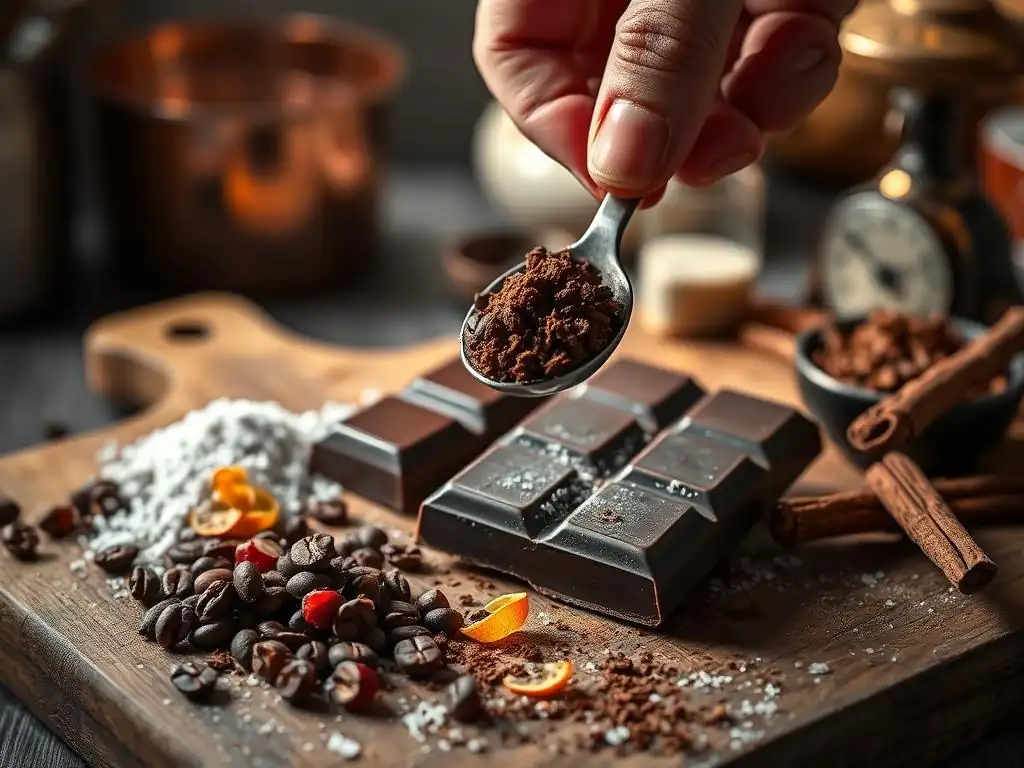
Welcome to BakeWithEase, your trusted companion on your baking journey! Ever wondered how to unlock the true potential of high-quality chocolate baking? This isn't just about melting chocolate; it's about orchestrating a symphony of flavors. Discover the secrets to perfectly pairing premium chocolate with other ingredients, and elevate your baked creations to a whole new level. Intrigued? Let's dive in and explore the art of crafting unforgettable desserts!
Using high-quality chocolate in your baking projects elevates ordinary desserts into extraordinary culinary experiences. It's not just about adding sweetness; it's about introducing complex flavor profiles, achieving superior textures, and ensuring consistent, reliable results. Mastering the art of pairing these premium chocolates with other ingredients is key to unlocking their full potential and creating truly memorable baked goods. From understanding the nuances of cacao percentage to discovering unexpected flavor harmonies, this guide will help you navigate the world of high quality chocolate baking.
- Understanding High Quality Chocolate for Baking
- Mastering the Art of Flavor Pairing with High Quality Chocolate
- High Quality Chocolate Baking: Recipes and Techniques for Success
- Troubleshooting Common High Quality Chocolate Baking Problems
- Where to Buy the Best High Quality Chocolate for Baking
-
Frequently Asked Questions
- How do I choose high-quality chocolate for baking?
- What are some good ingredients to pair with high-quality dark chocolate in baking?
- Can I substitute high-quality chocolate for regular chocolate in any recipe?
- What is the best way to melt high-quality chocolate for baking?
- Where can I find high-quality chocolate specifically for baking?
- Final Reflection: The Enduring Allure of High-Quality Chocolate in Baking
- Unlock Your Chocolate's Full Potential!
Understanding High Quality Chocolate for Baking
Selecting the right chocolate is the first step towards exceptional high quality chocolate baking. Not all chocolate is created equal, especially when it comes to its performance and flavor contribution in baked goods. Understanding what distinguishes premium chocolate and the different forms it takes is crucial for any baker aiming for excellence.
What Makes Chocolate "High Quality" for Baking?
High-quality chocolate for baking is primarily defined by its ingredients and processing. It typically contains a higher percentage of cocoa solids and cocoa butter compared to standard confectionery chocolate. A premium baking bar will often list cocoa mass (or chocolate liquor), sugar, cocoa butter, and possibly vanilla and lecithin (an emulsifier) as its main components.
The absence of vegetable oils or artificial flavorings is a strong indicator of quality. For instance, couverture chocolate, a type often considered high quality, must contain a minimum of 31% cocoa butter, which contributes significantly to its smooth texture and ability to melt easily and temper properly, essential for applications like dipping and molding.
Furthermore, the origin and processing of the cocoa beans play a vital role. Single-origin chocolates, sourced from a specific region or country, often boast unique flavor notes reflective of their terroir, similar to wine or coffee. Craft chocolate makers pay close attention to fermentation, drying, roasting, and conching (the process of refining and smoothing the chocolate), all of which develop the final flavor profile.
Lower quality chocolates may use less flavorful bulk beans and undergo faster processing, resulting in a less complex and sometimes waxy or grainy texture, which negatively impacts the taste and texture of your finished baked goods. Using high quality chocolate baking ensures a richer, more nuanced flavor.
Exploring Different Types of Baking Chocolate
Baking chocolate comes in various forms, each suited for different applications in high quality chocolate baking. Baking bars, often found in the baking aisle, are formulated specifically for melting and incorporating into batters and doughs. These vary in quality, so checking the ingredient list is paramount. High-quality bars will have a clean ingredient profile and a good amount of cocoa butter. Chocolate chips, while convenient, often contain stabilizers to help them hold their shape during baking, which can prevent them from melting smoothly and evenly into cookies or muffins, sometimes leaving behind noticeable solid pieces.
Couverture chocolate is the professional baker's choice for applications requiring a smooth, shiny finish, such as dipping or molding truffles and candies. Available in blocks, fèves (small oval pieces), or callets (discs), its high cocoa butter content gives it excellent fluidity when melted and tempered correctly. While it can be used in batters, its primary advantage lies in its ability to form a stable, glossy coating. Understanding these differences helps bakers choose the best format of high quality chocolate for baking specific recipes, ensuring optimal results whether making a molten lava cake or a delicate chocolate mousse.
The Impact of Cacao Percentage on Baking Results
The cacao percentage listed on a chocolate bar indicates the total proportion of cocoa solids and cocoa butter by weight. This percentage significantly influences the chocolate's bitterness, sweetness, and viscosity when melted, all of which impact the final baked good. A chocolate with 70% cacao will be less sweet and more intense than one with 50% cacao. When substituting chocolates with different cacao percentages in a recipe, adjustments to sugar or liquid may be necessary to maintain the desired flavor balance and texture.
For example, a dark chocolate brownie recipe designed for 60% cacao chocolate will be significantly less sweet and potentially drier if a 75% cacao chocolate is used without compensation, as the higher percentage means less sugar and potentially less cocoa butter relative to total mass depending on the formulation. Conversely, using a 50% cacao chocolate might result in an overly sweet and less intensely flavored brownie.
Understanding the role of cacao percentage allows bakers to confidently choose the right high quality chocolate for baking specific applications, from rich, fudgy cakes (often higher percentages) to sweeter, softer cookies (often mid-range percentages).
Mastering the Art of Flavor Pairing with High Quality Chocolate
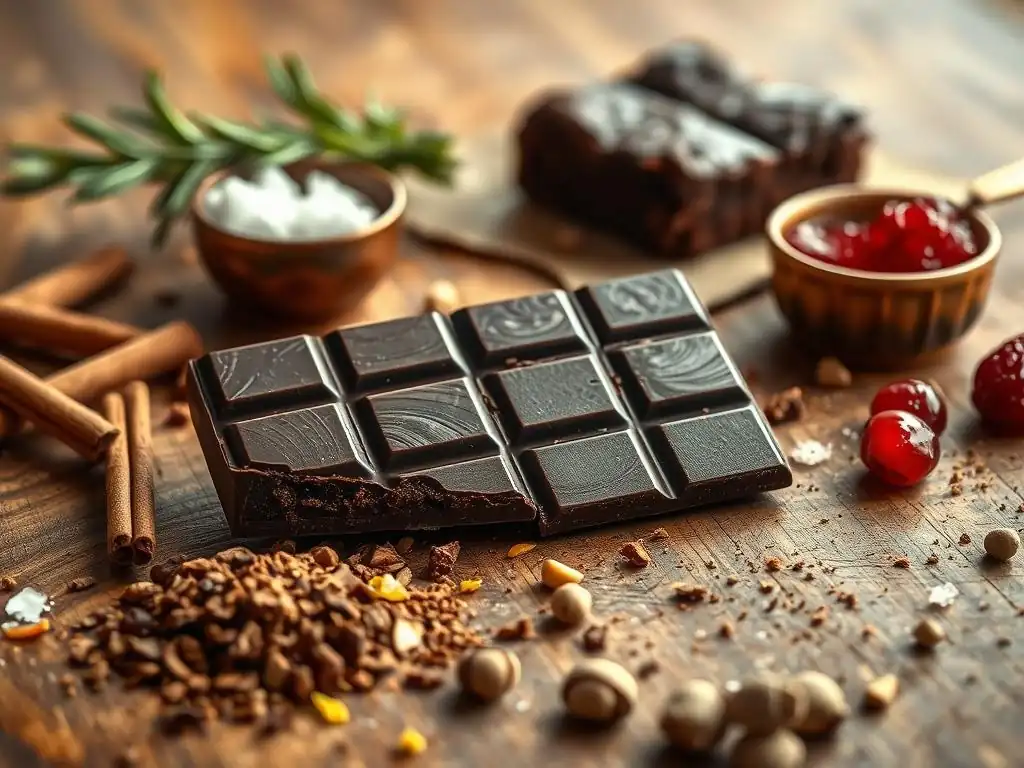
Pairing high quality chocolate with complementary flavors is where baking truly becomes an art form. The complex notes in premium chocolate can be enhanced, contrasted, or balanced by other ingredients, creating layers of flavor that delight the palate. Different types of chocolate lend themselves to different pairings, offering endless possibilities for creative high quality chocolate baking.
Pairing High Quality Dark Chocolate: Bringing Out the Best Flavors
Dark chocolate, with its intense cocoa flavor and varying degrees of bitterness, pairs wonderfully with robust and sometimes surprising companions. Its depth can stand up to strong flavors or provide a grounding base for brighter notes.
Dark Chocolate & Coffee: A Classic Combination
The pairing of dark chocolate and coffee is a timeless classic, often seen in tiramisu, mocha cakes, and chocolate espresso beans. The roasted, slightly bitter notes in coffee beautifully complement the similar characteristics found in dark chocolate.
Using a high quality dark chocolate with around 65-75% cacao in a coffee-flavored dessert enhances the overall richness and complexity. For instance, adding a teaspoon of espresso powder to a dark chocolate ganache or incorporating finely ground coffee beans into a dark chocolate cookie dough amplifies the deep, earthy tones of the chocolate without overpowering it, creating a sophisticated flavor profile perfect for high quality chocolate baking.
Dark Chocolate & Citrus: Brightening Up Chocolate
Citrus fruits, particularly orange and raspberry, offer a vibrant contrast to the richness of dark chocolate. The acidity and bright, zesty flavors cut through the intensity of the chocolate, creating a refreshing balance. Consider a dark chocolate tart with a layer of tangy raspberry compote or incorporating orange zest into a dark chocolate cake batter. A high quality dark chocolate with fruity undertones, perhaps from a single-origin bean like one from Madagascar (known for red fruit notes), would be particularly harmonious here. This pairing demonstrates how contrasting flavors can elevate both ingredients in high quality chocolate baking.
Dark Chocolate & Nuts: Adding Texture and Depth
Nuts provide not only a delightful textural contrast but also earthy, toasty flavors that marry well with dark chocolate. Almonds, hazelnuts, pecans, and walnuts are all popular choices. Roasting the nuts before incorporating them intensifies their flavor, making the pairing even more effective.
Imagine a dark chocolate bark studded with toasted hazelnuts and a sprinkle of sea salt, or a rich dark chocolate brownie with chopped walnuts folded in. The nutty aroma and slight bitterness of certain nuts, like walnuts, can echo and enhance the subtle bitter notes present in high quality dark chocolate, adding layers of depth to your high quality chocolate baking.
Pairing High Quality Milk Chocolate: Sweet and Creamy Delights
Milk chocolate, with its higher sugar and milk content, is sweeter and creamier than dark chocolate. Its milder cocoa flavor makes it more approachable and versatile for pairings that highlight sweetness or creamy textures.
Milk Chocolate & Caramel: Indulging in Sweetness
The combination of milk chocolate and caramel is a decadent treat, creating a symphony of sweet, creamy, and slightly salty flavors. Think of chocolate-covered caramels, millionaire's shortbread, or a milk chocolate tart filled with dulce de leche. The smooth, melting texture of high quality milk chocolate complements the chewy or gooey texture of caramel perfectly.
Using a premium milk chocolate with a high cocoa butter content ensures a luxurious mouthfeel that pairs exquisitely with the richness of caramel, making it a classic choice for indulgent high quality chocolate baking. A milk chocolate with about 35-40% cacao often works well here, providing enough chocolate flavor without being overly intense against the caramel's sweetness.
Milk Chocolate & Berries: A Refreshing Twist
While dark chocolate is often paired with stronger berries, milk chocolate finds a refreshing partner in milder or sweeter berries like strawberries and blueberries. The sweetness of the berries complements the sweetness of the milk chocolate, while their slight acidity provides a pleasant counterpoint. Consider dipping fresh strawberries in melted high quality milk chocolate or incorporating blueberries into milk chocolate muffins. The vibrant color and juicy texture of the berries offer a lovely contrast to the smooth, creamy chocolate, adding a touch of freshness to your high quality chocolate baking.
Milk Chocolate & Spices: Warming Flavors
Certain warming spices can add an unexpected but delightful complexity to milk chocolate. Cinnamon, nutmeg, cardamom, and even a pinch of cayenne pepper can enhance milk chocolate's creamy sweetness. A sprinkle of cinnamon in a milk chocolate chip cookie dough or a touch of cardamom in a milk chocolate ganache for a cake filling can transform a familiar flavor into something more intriguing. These spices work by adding aromatic warmth that cuts through the richness, preventing the combination from being overly cloying and adding an inviting dimension to high quality chocolate baking.
Pairing High Quality White Chocolate: A Canvas for Creativity
White chocolate, technically not chocolate as it contains no cocoa solids (only cocoa butter, sugar, and milk solids), offers a sweet, creamy, and vanilla-forward base. Its mild flavor makes it an excellent canvas for brighter, more intense, or delicate flavors, allowing them to shine.
White Chocolate & Vanilla: Enhancing Delicate Flavors
Since white chocolate already contains vanilla notes from the cocoa butter and often added vanilla extract, pairing it with additional vanilla enhances its inherent sweetness and creamy profile. Using a high-quality vanilla bean or pure vanilla extract with premium white chocolate creates a luxurious, comforting flavor. Think of a white chocolate panna cotta infused with vanilla bean seeds or white chocolate cookies with extra vanilla.
The subtlety of this pairing allows the quality of both the white chocolate and the vanilla to be fully appreciated, highlighting the delicate sweetness in high quality chocolate baking. A white chocolate with a high cocoa butter percentage (30%+) will provide a richer, smoother base for the vanilla.
White Chocolate & Fruits: Creating Vibrant Desserts
White chocolate pairs exceptionally well with a wide range of fruits, particularly those with tart or tropical profiles. Raspberries, passion fruit, mango, and lime offer a bright contrast to white chocolate's sweetness. A white chocolate mousse with a tangy passion fruit swirl or a white chocolate tart topped with fresh raspberries showcases this vibrant pairing. The fruit's acidity cuts through the richness of the white chocolate, while its natural sweetness complements it. This contrast in flavor and often color makes for visually stunning and delicious desserts using high quality chocolate baking.
White Chocolate & Herbs: An Unexpected Combination
For a truly unique pairing, consider incorporating fresh herbs with white chocolate. Mint, basil, or even rosemary can add an intriguing aromatic complexity. Infusing cream with fresh mint leaves before making a white chocolate ganache or adding finely chopped basil to a white chocolate ganache filling for macarons offers an unexpected but delightful flavor twist. The fresh, slightly peppery or cool notes of the herbs provide a sophisticated counterpoint to the sweet, creamy white chocolate, demonstrating the versatility of high quality chocolate baking.
High Quality Chocolate Baking: Recipes and Techniques for Success
Working with high quality chocolate in baking requires certain techniques to ensure its unique properties are preserved and contribute optimally to the final product. From choosing the right type for your recipe to mastering melting methods, these techniques are fundamental for successful high quality chocolate baking.
Choosing the Right Chocolate for Your Baking Project
Selecting the appropriate type of high quality chocolate is paramount for achieving the desired outcome in your baking. For recipes where chocolate is incorporated into a batter or dough, such as brownies, cakes, or cookies, a high-quality baking bar or fèves with a good amount of cocoa butter (like couverture) is ideal because it melts smoothly and integrates evenly. Chips, designed to hold their shape, may not be the best choice if a uniform chocolate flavor and texture throughout the baked good is desired.
When making glazes, ganaches, or chocolate coatings, couverture chocolate is often preferred due to its fluidity when melted and its ability to temper into a stable, glossy finish. The higher cocoa butter content provides a professional sheen and snap. For a rich, fudgy brownie, a dark chocolate with 65-75% cacao provides intensity, while a chocolate chip cookie might benefit from a sweeter dark or milk chocolate (50-60% cacao) that melts into pockets of gooey goodness. Always consider the desired flavor intensity, sweetness, and texture when choosing your high quality chocolate for baking.
Melting High Quality Chocolate: Achieving a Smooth and Silky Texture
Properly melting high quality chocolate is critical. Overheating can cause it to burn or seize, resulting in a grainy, unusable mess. Gentle, even heat is key to achieving a smooth, silky texture.
Using a Double Boiler for Melting Chocolate
The double boiler method is a classic and reliable way to gently melt high quality chocolate. Place chopped chocolate or fèves in a heatproof bowl set over a saucepan of simmering water, ensuring the bottom of the bowl does not touch the water. The steam from the simmering water provides indirect heat, gradually melting the chocolate without the risk of burning.
Stir occasionally until the chocolate is about 75% melted, then remove the bowl from the heat and stir until completely smooth. The residual heat will finish the melting process. This method gives you excellent control over the temperature, crucial for delicate high quality chocolate baking.
Microwaving High Quality Chocolate: A Quick and Easy Method
Melting chocolate in the microwave is faster but requires careful attention to avoid overheating. Place chopped chocolate or fèves in a microwave-safe bowl. Microwave on medium power (around 50%) in 30-second intervals, stirring thoroughly after each interval. Continue until the chocolate is mostly melted, with only a few small lumps remaining. Stir until completely smooth using the residual heat. Never microwave chocolate on high power for extended periods, as it can easily burn. This method is suitable for small to medium amounts of chocolate and is a convenient option for high quality chocolate baking when time is short.
Incorporating High Quality Chocolate into Your Baking Recipes
Once melted, high quality chocolate needs to be correctly incorporated into your recipes to ensure even distribution and optimal texture.
Folding Chocolate into Baked Goods for Even Distribution
When adding melted chocolate to batters or doughs, such as for cakes, muffins, or brownies, it's often best to fold it in gently. This prevents deflating whipped ingredients (like eggs or creamed butter/sugar) and ensures the chocolate is evenly distributed without overmixing.
Start by adding about one-third of the melted chocolate to the batter, gently fold it in with a spatula, then add the remaining chocolate and continue folding just until no streaks of chocolate remain. For recipes calling for chunks or chips, gently fold them in towards the end of mixing to prevent them from breaking down too much, preserving those delightful pockets of melted high quality chocolate in your baking.
Creating a Rich Chocolate Ganache
Ganache, a simple mixture of chocolate and cream, is a staple in high quality chocolate baking used for fillings, glazes, and truffles. The ratio of chocolate to cream dictates its consistency. A 1:1 ratio (by weight) of chocolate to hot cream yields a pourable glaze, while a 2:1 or 2.5:1 ratio creates a thicker ganache suitable for fillings or truffles. To make ganache, heat heavy cream just until it simmers, then pour it over finely chopped high quality chocolate or fèves in a heatproof bowl.
Let it sit for a minute to allow the chocolate to soften, then gently whisk or stir from the center outwards until smooth and emulsified. Avoid vigorous whisking, which can incorporate air and make the ganache grainy. Using premium chocolate with a good amount of cocoa butter ensures a smooth, stable, and flavorful ganache.
Troubleshooting Common High Quality Chocolate Baking Problems
Even with high-quality ingredients, challenges can arise in high quality chocolate baking. Knowing how to troubleshoot common issues like seizing or achieving the right texture can save your baked goods and your sanity.
Preventing Chocolate from Seizing During Melting
Chocolate seizing (becoming a thick, grainy paste) is a common problem, usually caused by the introduction of even a tiny amount of water or by overheating. To prevent this when melting, ensure all your equipment (bowls, spatulas) is completely dry. If using a double boiler, make sure no steam or condensation gets into the chocolate. If microwaving, use medium power and stir frequently.
If your chocolate does seize, sometimes you can rescue it by stirring in a teaspoon of hot vegetable oil or melted cocoa butter (not water or milk) per ounce of chocolate, whisking vigorously until smooth. However, this alters the composition and may affect its use in recipes like ganache or tempering. Prevention is always better for high quality chocolate baking.
Ensuring Even Baking with High Quality Chocolate
When chocolate chunks or chips are added to batters, they can sometimes sink to the bottom during baking, leading to uneven distribution. To help prevent this, you can lightly toss the chocolate pieces in a tablespoon of flour from the recipe's total amount before folding them into the batter. This thin coating helps suspend the chocolate within the mixture as it bakes.
Additionally, ensure your oven temperature is accurate and the batter is not too wet, as excess moisture can contribute to sinking. Baking at the correct temperature allows the structure of the baked good to set properly before the chocolate has a chance to pool, ensuring delightful pockets of high quality chocolate in your baking throughout.
Achieving the Perfect Chocolate Texture in Your Baked Goods
The desired texture of chocolate within a baked good varies – sometimes you want gooey pockets, other times a smooth, integrated flavor. For gooey pockets in cookies or muffins, using high-quality chocolate chips or chunks specifically designed to hold their shape is beneficial. For a smooth, consistent chocolate flavor and texture throughout, like in a dense brownie or cake, using melted high-quality baking bars or fèves is preferable.
The fat content (cocoa butter) of the chocolate plays a big role; chocolates with higher cocoa butter content melt more smoothly and contribute to a richer, moister crumb in baked goods. Experimenting with different types of high quality chocolate for baking will help you understand how they behave and achieve your desired texture.
Where to Buy the Best High Quality Chocolate for Baking
Finding premium chocolate is essential for elevating your high quality chocolate baking. While some supermarkets now carry better options, exploring specialty sources often yields the finest selection and quality.
Online Retailers
Many excellent chocolate makers and suppliers sell directly to consumers online. This provides access to a vast array of high-quality options, including single-origin chocolates, couverture, and specific cacao percentages that might be hard to find locally. Websites specializing in baking supplies or gourmet foods are also good sources. When buying online, check shipping options, especially in warmer months, as chocolate can melt in transit. Reputable online stores often use insulated packaging. Purchasing high quality chocolate baking ingredients online expands your possibilities and allows you to source unique flavors.
Visiting local specialty chocolate shops or chocolatiers can be a wonderful experience. These shops often carry high-quality bars and sometimes offer bulk couverture or fèves. The staff are typically knowledgeable and can provide recommendations based on your baking needs and desired flavor profiles. They may stock products from smaller, craft chocolate makers that aren't widely available. While potentially more expensive than supermarket options, the quality and unique selections found in specialty shops are often worth the investment for serious high quality chocolate baking.
Understanding Chocolate Certifications
Some high-quality chocolates carry certifications that speak to ethical sourcing, sustainability, or production methods. Certifications like Fair Trade, Direct Trade, Organic, or bean-to-bar indicate aspects of the chocolate's journey from cocoa bean to bar. While not a direct measure of flavor quality, these certifications often correlate with producers who prioritize quality at every step of the process, including farming and fermentation, which directly impact flavor. Looking for these certifications can provide additional assurance about the quality and origin of the high quality chocolate you choose for baking.
Frequently Asked Questions
How do I choose high-quality chocolate for baking?
Look for chocolate with a high cocoa percentage, usually above 70% for intense flavor. Check the ingredient list for cocoa butter, not vegetable oils, and ensure it has a smooth texture and pleasant aroma.
What are some good ingredients to pair with high-quality dark chocolate in baking?
Fruits like raspberries and cherries complement dark chocolate beautifully. Nuts such as almonds and walnuts also pair well, as do spices like cinnamon and chili powder for an added kick.
Can I substitute high-quality chocolate for regular chocolate in any recipe?
Yes, but be aware that high-quality chocolate often has a lower sugar content. You may need to adjust the sugar in the recipe to maintain the desired sweetness and texture.
What is the best way to melt high-quality chocolate for baking?
Use a double boiler or microwave in short intervals, stirring frequently to prevent burning. Ensure no water gets into the chocolate, as this can cause it to seize up and become grainy.
Where can I find high-quality chocolate specifically for baking?
Specialty baking supply stores and some well-stocked grocery stores are your best bet. Look for brands known for their premium ingredients and dedication to quality chocolate production.
Final Reflection: The Enduring Allure of High-Quality Chocolate in Baking
The pursuit of the perfect baked good hinges on the quality of its ingredients, and none is more crucial than the chocolate. A superior chocolate elevates a simple recipe into a transcendent experience, transforming a mundane treat into a moment of pure indulgence. This exploration into pairing high-quality chocolate with other baking ingredients reveals not just a culinary art, but a testament to the power of mindful ingredient selection.
The impact of high-quality chocolate extends far beyond the simple act of eating. It speaks to a deeper appreciation for craftsmanship, for the meticulous process from bean to bar, and for the artistry involved in transforming raw cacao into a symphony of flavors. The best things in life are simple, but not easy.
This quote perfectly encapsulates the effort required to source and utilize high-quality chocolate, yet the reward – a truly exceptional baked good – is undeniably worth the pursuit. The enduring appeal of this pursuit reflects a growing consumer awareness of ingredient sourcing and the desire for authentic, high-quality experiences.
Now, consider your own baking. What are your favorite chocolate pairings? What experiences have you had with different types of chocolate? I encourage you to embark on your own journey of discovery, experimenting with various chocolates and complementary ingredients. Don't be afraid to push boundaries, to explore new flavor combinations, and to savor the exquisite results. The world of high-quality chocolate baking awaits, promising a rich tapestry of flavors and a deeply satisfying creative outlet. Embrace the art, and let your creations speak volumes about your passion and dedication.
Unlock Your Chocolate's Full Potential!
Thanks for joining us on this delicious journey into the world of high-quality chocolate pairings! We hope you've discovered some exciting new flavor combinations to elevate your baking. Now it's time to put your newfound knowledge into practice.
- Experiment with a new pairing: Try one of the combinations we explored, or get creative and devise your own unique blend! Don't be afraid to push your culinary boundaries.
- Share your creations: Post a picture of your masterpiece on social media and tag us – we’d love to see what you bake!
- Leave a comment below: Tell us about your favorite chocolate pairing or any surprising flavor combinations you’ve tried.
What unexpected ingredient will you pair with your high-quality chocolate next?