
The Magic of Baking with Bittersweet Chocolate

Welcome to BakeWithEase!
Unleash your inner chocolatier! Ever wondered how to elevate your baking with that perfect touch of sophistication? Get ready to unlock the secrets behind using bittersweet chocolate in your culinary creations. This Ingredient Deep Dive explores how to transform simple ingredients into decadent treats, with a collection of recipes designed to showcase the magic of this versatile chocolate. Intrigued? Let's discover how bittersweet chocolate can revolutionize your baking!
- The Magic of Baking with Dark Chocolate: BakeWithEase
- Understanding Dark Chocolate for Baking: A Deep Dive
- Mastering Dark Chocolate Baking Recipes: Tips and Techniques
-
Delectable Dark Chocolate Baking Recipes to Try
- Rich Dark Chocolate Brownie Recipe: A Classic Treat
- Decadent Dark Chocolate Cake Recipe: Perfect for Special Occasions
- Chewy Dark Chocolate Chip Cookie Recipe: An Elevated Classic
- Flourless Dark Chocolate Torte Recipe: Gluten-Free Indulgence
- Dark Chocolate Lava Cakes Recipe: Molten Center Perfection
- Enhancing Dark Chocolate Flavor in Baking
- Storing and Handling Dark Chocolate for Optimal Baking Results
- Troubleshooting Dark Chocolate Baking Issues
- Elevate Your Baking with Dark Chocolate: A Conclusion
-
Frequently Asked Questions
- What exactly is bittersweet chocolate, and how does it differ from other types of chocolate?
- Can I substitute another type of chocolate for bittersweet in a recipe?
- What are some of the best recipes to use bittersweet chocolate in?
- How should I properly melt bittersweet chocolate for baking?
- What are some common mistakes to avoid when baking with bittersweet chocolate?
- Final Reflection: The Enduring Allure of Bittersweet Chocolate
- Unleash Your Inner Chocolatier!
The Magic of Baking with Dark Chocolate: BakeWithEase
Understanding Dark Chocolate for Baking: A Deep Dive
What is Dark Chocolate and How Does it Differ from Milk Chocolate?
Dark chocolate, in its simplest form, is made primarily from cocoa solids, cocoa butter, and sugar. It contains little to no milk solids, which is the key differentiator from milk chocolate. The percentage listed on a bar of dark chocolate refers to the total amount of cocoa solids and cocoa butter by weight. This percentage significantly impacts the chocolate's flavor intensity, sweetness, and texture. For instance, a 70% dark chocolate bar contains 70% cocoa derivatives and 30% sugar (plus emulsifiers like lecithin and vanilla), offering a rich, complex flavor profile with noticeable bitterness.
In contrast, milk chocolate contains a substantial amount of milk solids, typically making up 10-20% of the total weight, alongside cocoa solids (usually 30-40%) and sugar. This addition of milk solids results in a sweeter, creamier, and milder flavor profile compared to dark chocolate. When used in baking, milk chocolate melts differently due to its higher sugar and milk content and provides a less intense cocoa flavor.
Understanding this distinction is crucial for selecting the right chocolate for your dark chocolate baking recipes, as substituting milk for dark can drastically alter the outcome. Bittersweet chocolate is a type of dark chocolate, often defined by having at least 35% cocoa solids, though typically ranging from 60% to 70% or even higher, offering a balance between intense cocoa flavor and sweetness, making it a popular choice for many bittersweet chocolate baking recipes.
Exploring the Flavor Profile of Dark Chocolate in Baked Goods
Dark chocolate brings a depth and complexity to baked goods that milk chocolate simply cannot replicate. Its flavor profile can range from fruity and acidic in higher cocoa percentages (like 80%+) to more earthy, nutty, or even floral notes depending on the origin of the cocoa beans.
When incorporated into cakes, cookies, or brownies, dark chocolate contributes not just bitterness but also layers of flavor that complement other ingredients beautifully. For example, a fudge brownie made with 70% dark chocolate will have a deep, intense cocoa flavor that is less sweet than one made with lower-percentage chocolate, allowing other flavors like vanilla or espresso to shine through subtly.
The melting properties of dark chocolate also play a vital role in baking. Higher quality dark chocolate with a good amount of cocoa butter melts smoothly, contributing to a desirable texture in baked goods, such as the fudgy interior of a molten lava cake or the crisp exterior of a chocolate chip cookie.
As it cools, dark chocolate sets firmly, which is essential for elements like ganache or chocolate coatings. Experimenting with different percentages of dark chocolate in your bittersweet chocolate baking recipes can dramatically change the final taste and texture, allowing you to fine-tune the intensity and sweetness to your preference.
Mastering Dark Chocolate Baking Recipes: Tips and Techniques
Selecting the Right Dark Chocolate for Your Recipe: Percentage Matters
Choosing the correct dark chocolate percentage is paramount for successful dark chocolate baking recipes. The cocoa percentage directly influences the bitterness, sweetness, and melting characteristics of the chocolate. For intensely chocolatey baked goods like rich brownies or flourless cakes, a dark chocolate with 60-75% cocoa is often recommended. This range provides a strong cocoa flavor without being overwhelmingly bitter, and it melts well for a desirable texture. For example, using a 70% dark chocolate in a brownie recipe typically yields a fudgier, less sweet result compared to using a 50% dark chocolate.
Bittersweet chocolate, which commonly falls within the 60-70% range, is a versatile choice for many bittersweet chocolate baking recipes. It offers a good balance, providing significant cocoa flavor while still having enough sugar to prevent excessive bitterness. Semisweet chocolate, another type of dark chocolate, usually contains 35-55% cocoa solids and is sweeter and milder than bittersweet or higher-percentage dark chocolate.
It's often used in chocolate chip cookies or recipes where a less intense chocolate flavor is desired. Always check the recipe's recommendation, but don't be afraid to experiment with slightly different percentages to see how they affect your final product, keeping in mind that higher percentages mean less sugar in the chocolate itself.
Tempering Dark Chocolate for Baking: Achieving a Smooth Finish
Tempering dark chocolate is a technique used to stabilize the cocoa butter crystals, resulting in a smooth, glossy finish and a firm snap when the chocolate cools. This is particularly important when using dark chocolate for dipping, coating, or making decorative elements like chocolate shards or truffles. Properly tempered dark chocolate is less prone to melting at room temperature and prevents the grayish streaks known as chocolate bloom. The process involves carefully melting the chocolate, cooling it to a specific temperature (called seeding or tabling), and then gently reheating it to a working temperature.
For dark chocolate (typically 60-75% cocoa), the process usually involves melting the chocolate to around 113-122°F (45-50°C), then cooling it down to about 82-86°F (28-30°C) while agitating it to encourage crystal formation, and finally warming it slightly back up to a working temperature of 88-91°F (31-33°C). Achieving these specific temperatures is crucial for successful tempering. While not always necessary for chocolate that will be fully integrated into a batter and baked, tempering is essential for applications where the chocolate remains a distinct element, ensuring your dark chocolate baking recipes look and taste professional.
Common Mistakes to Avoid When Baking with Dark Chocolate
One of the most common mistakes when using dark chocolate in baking is overheating it during the melting process. Exposing dark chocolate to excessive heat, especially direct heat, can cause it to seize (become thick and lumpy) or even burn, resulting in a bitter, unpleasant flavor.
Always melt dark chocolate gently, either using a double boiler over simmering water or in the microwave on low power in short intervals (15-30 seconds), stirring frequently. Forgetting that different dark chocolate percentages have varying sugar content is another pitfall; using a very high percentage chocolate (like 85%) in a recipe designed for bittersweet (65%) will result in a much less sweet and potentially drier baked good unless the sugar content of the recipe is adjusted.
Another frequent issue in dark chocolate baking recipes is not using high-quality chocolate. Compound chocolate or chocolate chips containing vegetable oils instead of pure cocoa butter melt differently and can produce greasy or waxy textures in baked goods. While convenient, standard chocolate chips also contain stabilizers that prevent them from melting completely, which might not be desirable for fudgy textures or smooth coatings. Opting for good quality bar dark chocolate or couverture chocolate, which contains a higher percentage of cocoa butter (typically 32-39%), will yield superior flavor and texture in your baked creations.
Delectable Dark Chocolate Baking Recipes to Try
Rich Dark Chocolate Brownie Recipe: A Classic Treat
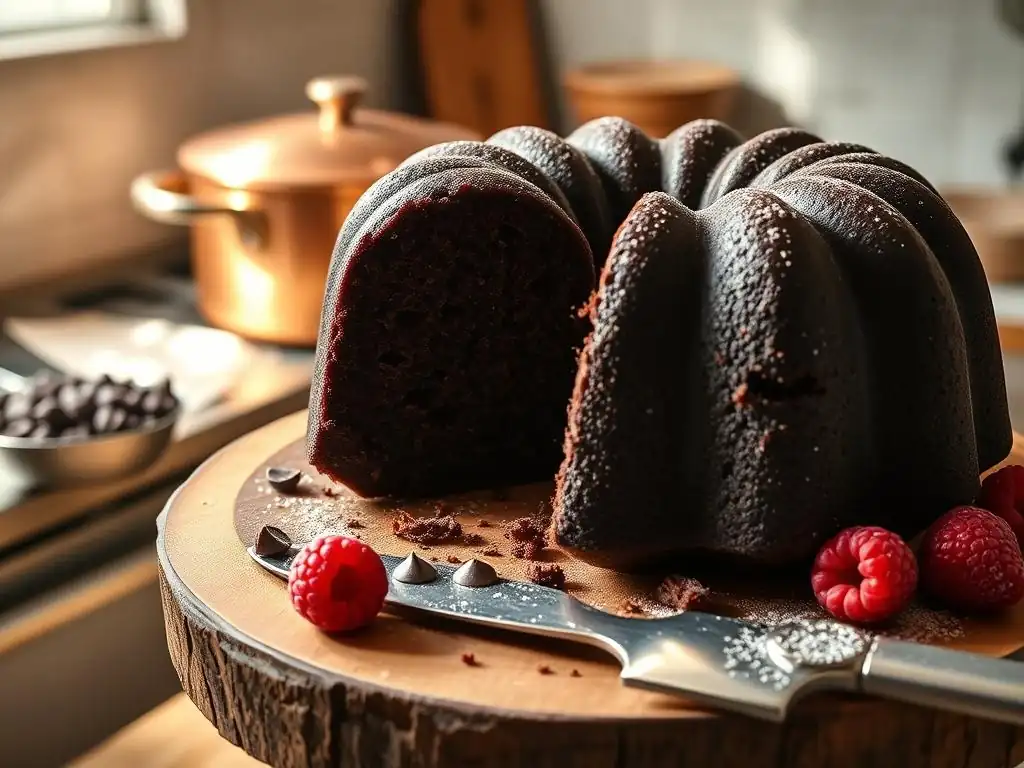
A classic dark chocolate brownie is a cornerstone of many bittersweet chocolate baking recipes. The key to achieving that perfect fudgy interior and crackly top lies in the balance of ingredients and the quality of the dark chocolate used. Typically, a successful recipe uses a significant amount of high-quality dark chocolate (often 60-75% cocoa) melted with butter, combined with eggs, sugar, flour, and cocoa powder for an extra layer of depth.
The ratio of fat (butter, chocolate) to flour is often higher than in cake recipes, contributing to the dense, moist texture. Baking time is critical; slightly underbaking ensures a gooey center, whereas overbaking leads to a drier, more cake-like texture.
Many recipes call for melting around 8-12 ounces (225-340 grams) of dark chocolate with 1 cup (225 grams) of butter, creating a rich base. Adding about 1 ½ - 2 cups (300-400 grams) of sugar provides sweetness, balancing the bitterness of the dark chocolate. Using both melted dark chocolate and cocoa powder intensifies the flavor profile, creating a truly decadent experience. Incorporating nuts like walnuts or pecans, or chocolate chips (using a slightly lower percentage dark chocolate chip works well here), adds delightful texture and bursts of chocolatey goodness to these beloved dark chocolate baking recipes.
Decadent Dark Chocolate Cake Recipe: Perfect for Special Occasions
A decadent dark chocolate cake is a showstopper, ideal for birthdays, holidays, or simply elevating an ordinary day. Unlike brownies, chocolate cakes typically rely on leavening agents like baking powder or baking soda to create a lighter, airy crumb, although some recipes aim for a denser, loaf-like texture.
The intensity of the chocolate flavor comes from a combination of melted dark chocolate and cocoa powder, often bloomed with hot liquid (like coffee or hot water) to enhance its depth. Using a dark chocolate with 60-70% cocoa solids ensures a pronounced chocolate flavor that isn't overly sweet, providing a perfect canvas for frostings like dark chocolate ganache or cream cheese frosting.
A common method involves creaming butter and sugar, then adding eggs, followed by the dry ingredients (flour, cocoa powder, leavening) alternating with a liquid (milk, buttermilk, or coffee) and the melted dark chocolate. For a standard 9-inch cake, recipes might use 4-6 ounces (113-170 grams) of melted dark chocolate alongside ½ to ¾ cup (45-65 grams) of cocoa powder.
The hot liquid step, often using 1 cup (240 ml) of hot coffee, not only dissolves the cocoa powder but also deepens the chocolate flavor significantly. These dark chocolate baking recipes require careful mixing to avoid overdeveloping the gluten, which can result in a tough cake.
Elevating the classic chocolate chip cookie involves swapping out or supplementing standard semisweet chips with high-quality dark chocolate. Using chopped dark chocolate (60-75% cocoa) from a bar instead of or in addition to chips provides pockets of intensely flavored, melty chocolate throughout the cookie. The higher cocoa butter content in bar chocolate melts more smoothly than the stabilized chocolate chips, resulting in satisfying pools of rich, bittersweet chocolate within the chewy cookie dough. A good recipe balances butter, sugar (often a mix of brown and granulated for chewiness and spread), eggs, flour, and a leavening agent.
Many recipes for chewy dark chocolate chip cookies use about 1 to 1 ½ cups (175-250 grams) of chopped dark chocolate or dark chocolate chips per batch of dough made with 1 cup (225 grams) of butter and 1 ½ cups (300 grams) of sugar. Allowing the dough to rest in the refrigerator for at least 24-48 hours can significantly improve the flavor and texture, allowing the ingredients to meld and the gluten to relax.
This chilling step is particularly beneficial when using dark chocolate, as it allows the complex flavors to deepen. Baking at a relatively high temperature (around 375°F or 190°C) for a short time helps achieve that desirable chewy center and slightly crisp edge, making these bittersweet chocolate baking recipes a favorite.
Flourless Dark Chocolate Torte Recipe: Gluten-Free Indulgence
A flourless dark chocolate torte is the epitome of rich, dense, and intensely chocolatey indulgence, naturally gluten-free. Its structure relies entirely on the combination of high-quality dark chocolate, butter, eggs, and sugar, with no flour whatsoever. This results in a dessert with a texture akin to a rich, dense fudge or a solidified mousse.
The flavor is purely that of the dark chocolate, so using a premium bar with at least 65-75% cocoa solids is crucial for the best results in these dark chocolate baking recipes. The simplicity of the ingredients allows the quality of the dark chocolate to truly shine.
Recipes for a flourless dark chocolate torte often involve melting a significant amount of dark chocolate and butter together (e.g., 1 pound or 450 grams of chocolate with 1 cup or 225 grams of butter), then whisking in sugar and egg yolks, and finally folding in stiffly beaten egg whites. The egg whites provide the necessary lift and structure without flour.
Baking is typically done in a water bath (bain-marie) at a moderate temperature (around 325°F or 160°C) to ensure even cooking and prevent the edges from drying out before the center is set. The torte is intentionally underbaked slightly to maintain its moist, fudgy texture upon cooling, offering a truly decadent bittersweet chocolate baking experience.
Dark Chocolate Lava Cakes Recipe: Molten Center Perfection
Dark chocolate lava cakes, also known as molten chocolate cakes, are celebrated for their dramatic presentation and intensely rich, flowing chocolate center. These individual desserts are relatively quick to make but require precise timing to achieve the signature molten core.
The batter is essentially a simple mixture of melted dark chocolate, butter, eggs, sugar, and a small amount of flour (or sometimes no flour for an even gooier center). The magic happens during baking: the outside cooks like a standard cake or brownie, while the center remains liquid because it doesn't reach a high enough temperature to set completely within the short baking time.
A typical recipe for two lava cakes might use about 4 ounces (113 grams) of dark chocolate (60-75% cocoa) melted with 4 tablespoons (56 grams) of butter, combined with 1-2 eggs, a couple tablespoons of sugar, and just 1-2 tablespoons of flour. The key is baking them in preheated ramekins at a high temperature (around 400-425°F or 200-220°C) for a short duration, usually only 8-12 minutes, until the edges are set but the center is still soft.
Inverting the ramekin immediately after baking reveals the molten dark chocolate center, making these dark chocolate baking recipes a favorite for impressing guests.
Enhancing Dark Chocolate Flavor in Baking
Pairing Dark Chocolate with Other Flavors: A Guide
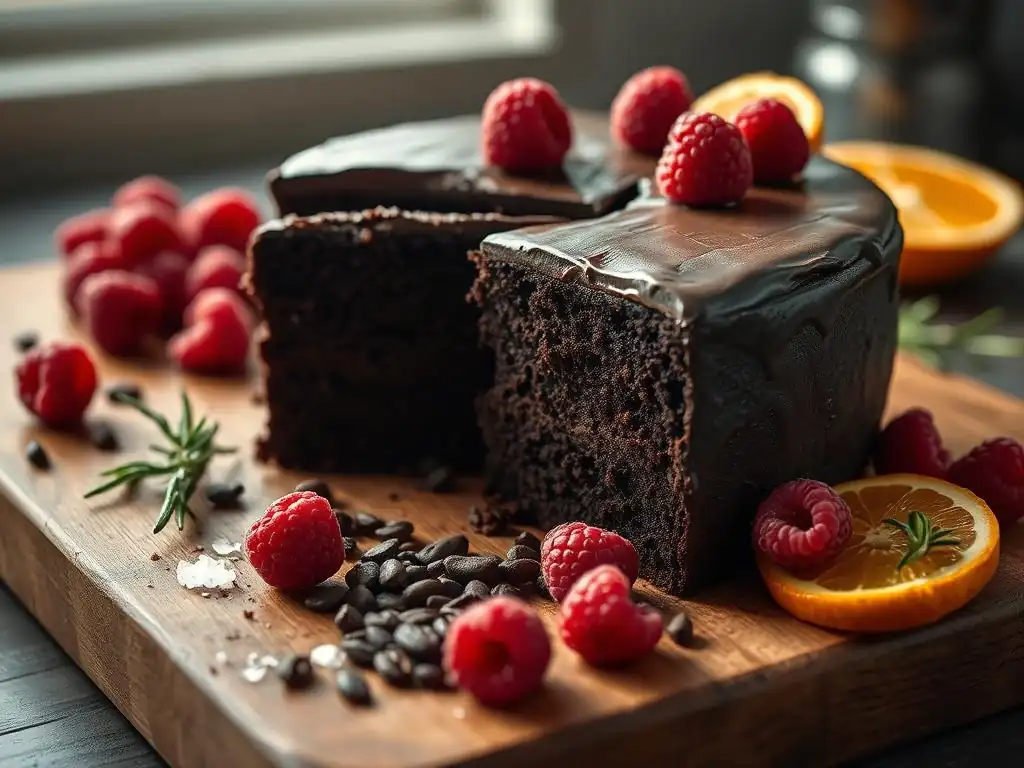
Pairing dark chocolate with complementary flavors can elevate dark chocolate baking recipes from delicious to unforgettable. The complex profile of dark chocolate allows it to harmonize with a wide range of ingredients, enhancing its inherent richness and introducing new dimensions. Think about balancing the bitterness and intensity of the chocolate with elements that provide sweetness, acidity, warmth, or texture. Successful pairings often play on contrasts or similarities in flavor molecules.
-
Dark Chocolate and Coffee: A Match Made in Heaven
Coffee, particularly espresso powder or strong brewed coffee, is a classic pairing for dark chocolate. The robust, slightly bitter notes of coffee amplify the depth of the chocolate flavor without overpowering it. Adding a teaspoon or two of espresso powder to dark chocolate cake batter or brownie mix can significantly intensify the chocolate taste, making it taste "more chocolatey." Using hot coffee as the liquid component in a chocolate cake recipe, as mentioned previously, also serves this purpose beautifully. This combination works wonderfully in dark chocolate baking recipes like tiramisu-inspired cakes or mocha brownies.
-
Dark Chocolate and Nuts: Adding Texture and Depth
Nuts provide a delightful textural contrast and often nutty or earthy undertones that complement dark chocolate's richness. Walnuts and pecans are traditional choices for brownies and cookies, their slightly bitter and earthy flavors pairing well with bittersweet chocolate. Hazelnuts have a sweet, toasted flavor that is famously paired with chocolate (think gianduja), working well in tarts or cakes. Almonds offer a more delicate crunch and subtle sweetness, perfect for dark chocolate bark or biscotti. Toasting nuts before adding them to your dark chocolate baking recipes enhances their flavor and crunch.
-
Dark Chocolate and Citrus: A Sweet and Tangy Combination
The bright, zesty notes of citrus fruits, particularly orange and sometimes lemon or lime, provide a refreshing counterpoint to the intensity of dark chocolate. Orange zest or extract brings a fragrant, slightly sweet aroma and a subtle tang that cuts through the richness. This pairing is popular in cakes, tarts, and even simple dark chocolate bark. A dark chocolate orange cake, for instance, combines the deep cocoa flavor with the vibrant notes of orange, creating a sophisticated dessert. Using just the zest provides flavor without adding excess liquid or acidity that could curdle a batter.
Using Extracts to Complement Dark Chocolate's Richness
Beyond flavor pairings with other ingredients, extracts offer a simple yet effective way to enhance or complement the flavor of dark chocolate in baking. Vanilla extract is almost ubiquitous in chocolate recipes, and for good reason – it rounds out the chocolate flavor and adds a subtle sweetness and aroma that makes the chocolate taste richer and more nuanced. Even in intensely chocolatey dark chocolate baking recipes, a good quality vanilla extract is essential.
Other extracts can also be used to introduce specific flavor notes that pair well with dark chocolate. Almond extract, used sparingly, can add a delicate nutty background that complements the chocolate, especially when nuts are also present. Peppermint extract is a classic partner for dark chocolate, creating the popular mint-chocolate combination found in cookies, cakes, and candies. A touch of coffee extract can further deepen the chocolate flavor, similar to using espresso powder. Using extracts allows bakers to fine-tune the flavor profile of their bittersweet chocolate baking recipes with just a few drops.
Storing and Handling Dark Chocolate for Optimal Baking Results
Proper Storage Techniques to Preserve Dark Chocolate's Quality
Properly storing dark chocolate is essential to maintain its quality, flavor, and texture for optimal results in your dark chocolate baking recipes. Dark chocolate is sensitive to temperature fluctuations, moisture, and strong odors. The ideal storage conditions are cool, dark, and dry, with a consistent temperature, typically between 60-70°F (15-21°C). Avoid refrigerating or freezing dark chocolate unless absolutely necessary, as condensation can cause sugar bloom (white, powdery streaks) and exposure to moisture can alter its texture and melting properties.
Store dark chocolate in its original packaging or wrap it tightly in plastic wrap and then foil or place it in an airtight container. This protects it from light, air, and absorbing odors from other foods. Stored correctly, high-quality dark chocolate can last for a year or more, although its peak flavor is often within the first few months. Using chocolate that has been properly stored ensures that its rich, complex flavor is fully realized in your bittersweet chocolate baking recipes.
Melting Dark Chocolate: Best Practices for Smooth Results
Melting dark chocolate requires care and patience to achieve a smooth, usable consistency without burning or seizing it. The two most common methods are using a double boiler or a microwave. For the double boiler method, place chopped dark chocolate in a heatproof bowl set over a pot of simmering (not boiling) water, ensuring the bottom of the bowl does not touch the water. Stir frequently until the chocolate is almost completely melted, then remove from the heat and stir until smooth using residual heat. This gentle method is less likely to burn the chocolate.
Using the microwave is faster but requires more attention. Place chopped dark chocolate in a microwave-safe bowl and heat on 50% power in 15-30 second intervals, stirring thoroughly after each interval. Continue until the chocolate is mostly melted, then stir until completely smooth. The residual heat will melt the remaining pieces. Avoid high power settings or heating for too long, as dark chocolate can burn quickly in the microwave. Always start with finely chopped chocolate for more even melting, crucial for incorporating it smoothly into your dark chocolate baking recipes.
Troubleshooting Dark Chocolate Baking Issues
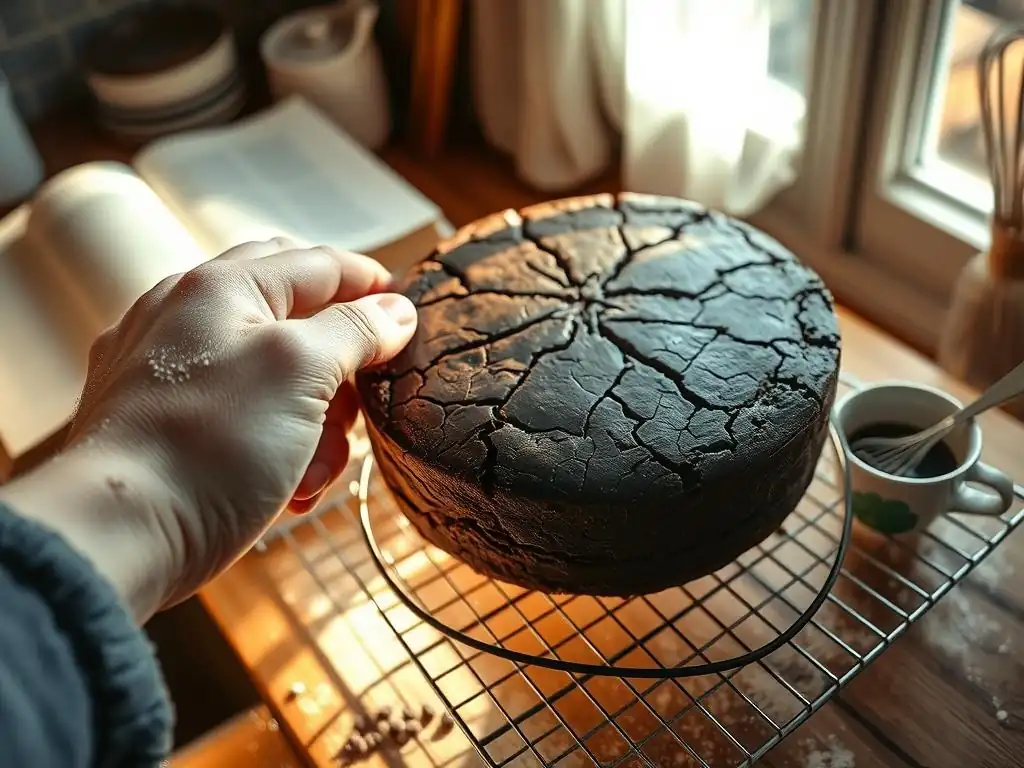
Why is My Dark Chocolate Bitter in My Baked Goods?
If your dark chocolate baked goods taste excessively bitter, several factors could be at play. The most common reason is using dark chocolate with too high a cocoa percentage for the specific recipe or your personal preference. A recipe designed for bittersweet chocolate (around 60-70%) will yield a much more bitter result if you substitute 85% dark chocolate without adjusting the sugar content of the recipe. The higher the cocoa percentage, the lower the sugar content and the more pronounced the natural bitterness of the cocoa solids will be.
Another possibility is that the dark chocolate was overheated or burned during the melting process. Burnt chocolate develops a harsh, acrid bitterness that cannot be masked. Ensure you are using gentle heat and stirring frequently when melting. Finally, sometimes the perceived bitterness can be due to a lack of balancing flavors. Dark chocolate baking recipes often benefit from a touch of salt, vanilla, or even a bit of instant coffee or espresso powder, which paradoxically can make the chocolate taste less bitter and more intensely chocolatey by enhancing its other flavor notes.
How to Fix Seized Dark Chocolate in Baking
Seized dark chocolate is thick, lumpy, and unusable for most applications. This typically happens when it comes into contact with even a tiny amount of water or is exposed to sudden temperature changes or excessive heat. While it's difficult to fully recover seized chocolate for delicate uses like tempering or coating, you can often rescue it for use in batters or ganache. The most common method to attempt to fix seized dark chocolate is by stirring in a small amount of hot liquid, usually 1-2 teaspoons at a time, until it loosens up and becomes smooth again.
Hot water, hot milk, melted butter, or hot cream can be used. The key is to use hot liquid, as cold liquid will only make the seizing worse. Stir vigorously after adding each small amount of liquid. While this won't restore the chocolate to a temperable state, it can make it smooth enough to incorporate into a cake batter, brownie mix, or to make a rustic ganache. Prevention is key: ensure your melting equipment is completely dry, avoid steam directly contacting the chocolate, and melt gently.
Troubleshooting: Preventing Chocolate Bloom
Chocolate bloom is the appearance of grayish streaks or a powdery film on the surface of dark chocolate. There are two types: fat bloom and sugar bloom. Fat bloom occurs when cocoa butter separates and crystallizes on the surface, usually due to temperature fluctuations or improper tempering. Sugar bloom happens when moisture condenses on the surface, dissolves sugar crystals, and leaves them behind as a white, powdery layer after the water evaporates. Neither type of bloom affects the safety of the chocolate, but they negatively impact its appearance and texture, particularly its melting properties.
Preventing bloom in your dark chocolate baking ingredients starts with proper storage: keep chocolate in a cool, dark, and dry place with stable temperatures, away from humidity. Avoid refrigerating or freezing unless sealed airtight to prevent condensation.
If you are tempering chocolate for coatings or decorations, follow the temperature guidelines precisely to ensure proper crystal formation and prevent fat bloom. While bloomed chocolate isn't ideal for everything, it can often still be used successfully in dark chocolate baking recipes where the chocolate is melted and mixed into a batter, like brownies or cakes, as the bloom will disappear upon melting.
Elevate Your Baking with Dark Chocolate: A Conclusion
Unleashing the Potential of Dark Chocolate in Your Kitchen
Dark chocolate is a truly magical ingredient in the world of baking, offering a spectrum of flavors and textures that can transform simple treats into extraordinary desserts. From the deep, fudgy intensity of a classic brownie made with 70% dark chocolate to the elegant richness of a flourless torte, exploring dark chocolate baking recipes opens up a world of delicious possibilities. Understanding the nuances of different cocoa percentages, mastering gentle melting techniques, and learning how to pair dark chocolate with complementary flavors allows you to control the outcome and create baked goods that are perfectly tailored to your taste.
Whether you're new to working with higher cocoa percentages or looking to refine your favorite bittersweet chocolate baking recipes, embracing dark chocolate is a rewarding journey. It challenges you to consider flavor balance, texture, and technique in new ways. Don't hesitate to experiment with different brands and percentages of dark chocolate to discover your favorites and see how they impact your results. Each bar offers a unique profile, waiting to be unleashed in your next baking adventure.
Further Exploration: Advanced Dark Chocolate Baking Techniques
Once you've mastered the basics of incorporating dark chocolate into standard recipes like cookies, cakes, and brownies, you might want to explore more advanced dark chocolate baking techniques. Working with dark chocolate ganache, for instance, involves creating a smooth emulsion of dark chocolate and hot cream, which can be used as a rich frosting, filling, or base for truffles.
Understanding the ratio of chocolate to cream is key, with higher chocolate content yielding a firmer ganache suitable for truffles (often 2 parts chocolate to 1 part cream) and lower chocolate content (like 1:1 or 1:2) creating a pourable or softer ganache.
Creating dark chocolate mousse requires careful handling of melted chocolate, often combined with egg yolks, sugar, and whipped cream or egg whites to create a light, airy, yet intensely flavored dessert. Tempering dark chocolate for professional-looking decorations, as discussed earlier, is another advanced skill that allows you to create glossy, snappy chocolate elements for garnishing your baked goods. Exploring these techniques further expands your repertoire of dark chocolate baking recipes and allows you to create truly sophisticated chocolate desserts.
Frequently Asked Questions
What exactly is bittersweet chocolate, and how does it differ from other types of chocolate?
Bittersweet chocolate is characterized by its high cocoa content, typically ranging from 60% to 85%. This results in a less sweet and more intense chocolate flavor compared to milk or semi-sweet chocolate.
Can I substitute another type of chocolate for bittersweet in a recipe?
While you can substitute, the results will vary. Using semi-sweet chocolate will make the recipe sweeter and less intensely chocolatey. Adjusting the sugar content may be necessary.
What are some of the best recipes to use bittersweet chocolate in?
Bittersweet chocolate shines in recipes where its rich flavor can be appreciated, such as chocolate lava cakes, flourless chocolate cakes, and decadent chocolate brownies. It also complements coffee and nuts beautifully.
How should I properly melt bittersweet chocolate for baking?
The best methods are using a double boiler or microwaving in short intervals, stirring frequently to prevent burning. Ensure the bowl and utensils are completely dry to avoid seizing.
What are some common mistakes to avoid when baking with bittersweet chocolate?
Overbaking is a key mistake, as it can make the chocolate dry and crumbly. Also, ensure your bittersweet chocolate is fresh and high quality for the best flavor and texture in your baked goods.
Final Reflection: The Enduring Allure of Bittersweet Chocolate
The bittersweet complexity of chocolate, far from being a mere culinary detail, reflects the intricate tapestry of human experience. Its rich, nuanced flavor profile mirrors the bittersweet moments in our lives – the joys and sorrows, the triumphs and failures that shape us. This exploration of bittersweet chocolate baking, therefore, is more than just a collection of recipes; it's a journey into the heart of flavor and the emotions it evokes.
The enduring appeal of bittersweet chocolate lies not only in its taste but in its ability to evoke memories and emotions. It's a flavor that whispers of comfort, of indulgence, of shared moments around a warm oven. The subtle bitterness, balanced by the deep sweetness, speaks to the inherent duality of life itself. As the renowned chef, Julia Child, once said, Find something you're passionate about and keep tremendously interested in it.
For me, that passion is found in the alchemy of transforming simple ingredients into something extraordinary, and bittersweet chocolate is the perfect canvas for this creative process.
Now, I invite you to step into your own kitchen and embrace the magic. Don't be afraid to experiment, to adjust the recipes to your own taste, to let the bittersweet notes inspire your creativity. Each batch you bake is an opportunity to explore the depth of flavor, to connect with the artistry of baking, and to savor the bittersweet symphony of life itself. Let the aroma of baking chocolate fill your home, and may it bring you joy, comfort, and a deeper appreciation for the simple pleasures.
Unleash Your Inner Chocolatier!
Thanks for joining us on this delicious journey into the world of bittersweet chocolate! We hope you've discovered new ways to elevate your baking and appreciate the nuanced flavors this incredible ingredient offers. Ready to put your newfound knowledge to the test?
- Craft your signature bittersweet chocolate creation: Try one of the recipes mentioned in the article, or let your imagination run wild and experiment with your own unique twist! This is where the real magic happens.
- Share your baking triumphs (and challenges!): We'd love to see what you create! Post photos of your masterpieces on social media using #BakeWithEaseBittersweet.
- Explore the vast world of chocolate: Dive deeper into the world of cocoa percentages and discover which bittersweet chocolate best suits your palate.
What surprising flavor combinations will you experiment with next? Let's discuss in the comments below!