
The Art of the Perfect Set: Controlling Gelatin and AgarAgar Firmness

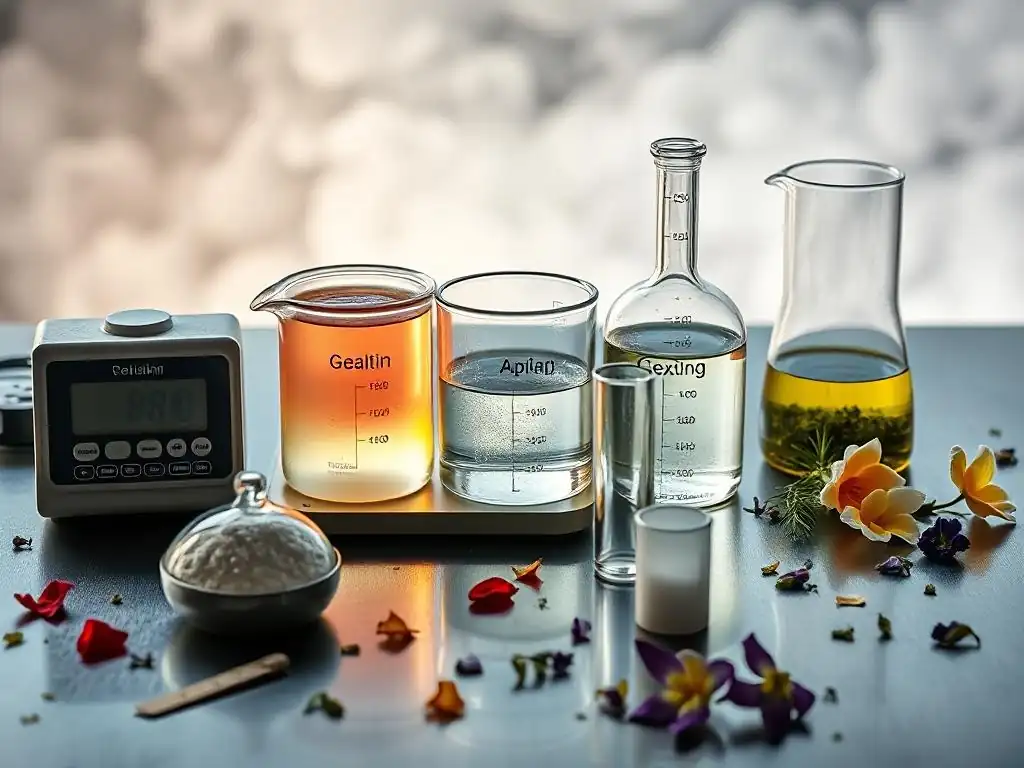
Welcome to BakeWithEase, where we unlock the secrets to baking brilliance! Ever wondered how to achieve that perfect jiggle in your desserts? Dive into the science behind setting agents as we explore Gelatin and Agar Agar Firmness. Discover the art of controlling textures and creating stunning, structurally sound baked goods. Ready to master the nuances of the perfect set? Let's get started!
- Mastering Gelling Agents: Controlling Gelatin and Agar-Agar Firmness
- Introduction to Gelatin and Agar-Agar in Baking
- Demystifying Gelatin: Achieving Desired Texture
- Agar-Agar Explained: A Vegetarian Gelling Alternative
- Comparing and Contrasting Gelatin and Agar-Agar Firmness
- Tips and Tricks for Consistent Gelatin and Agar-Agar Results
- Conclusion: Mastering Gelling Agents for Baking Excellence
-
Frequently Asked Questions
- What is the primary difference between gelatin and agar-agar in baking?
- How does the concentration of gelatin or agar-agar affect the firmness of a dessert?
- What other ingredients can impact the setting strength of gelatin or agar-agar?
- What is the best way to test the firmness of a gelatin or agar-agar dessert before it fully sets?
- Can I substitute gelatin for agar-agar in any recipe, and if so, what adjustments might be needed?
- Final Reflection: Mastering the Jelly: A Culinary Journey Beyond Firmness
- Unlock Your Gelatin & Agar-Agar Mastery!
Mastering Gelling Agents: Controlling Gelatin and Agar-Agar Firmness
Introduction to Gelatin and Agar-Agar in Baking
Understanding the Role of Gelling Agents in Dessert Recipes
Gelling agents are unsung heroes in the world of baking and dessert making. They are the ingredients responsible for transforming liquids into delightful, structured textures, from silky smooth panna cotta to vibrant, wobbly fruit jellies. Without them, many classic desserts would simply be runny puddles. These agents work by forming a network within the liquid, trapping the water and creating a semi-solid or solid structure that holds its shape. Mastering their use is fundamental to achieving professional-quality results in your home kitchen.
Their function goes beyond just setting; gelling agents contribute significantly to the overall mouthfeel and visual appeal of a dessert. A perfectly set dessert should have a texture that is neither too rubbery nor too weak, providing a pleasant eating experience. For instance, a well-made chocolate mousse might use gelatin to give it a light, airy structure that still holds its form, while a fruit tart filling might rely on a gelling agent to create a sliceable consistency. Understanding how these agents behave is key to unlocking a new level of control in your dessert creations.
Why Gelatin and Agar-Agar Firmness Matters for Dessert Quality
The firmness of a dessert set with a gelling agent is absolutely critical to its success. Imagine a panna cotta that's too stiff – it loses its signature delicate wobble and creamy texture. Conversely, a fruit jelly that doesn't set properly is just flavored syrup. Achieving the right Gelatin agar agar firmness ensures the dessert has the intended structure, texture, and mouthfeel, fulfilling the recipe's promise. This precision in controlling the set allows bakers to create a wide range of textures, from soft and melting to firm and sliceable.
Controlling Gelatin agar agar firmness also impacts how a dessert holds up during serving and storage. A dessert that is too soft might collapse when unmolded or sliced, ruining the presentation. One that is too firm might be unpleasantly chewy or dense. Getting the firmness just right is a mark of skill and attention to detail in baking. It allows you to confidently prepare desserts that not only taste fantastic but also look beautiful and perform as expected, whether it's a layered terrine or a simple set cream.
Demystifying Gelatin: Achieving Desired Texture
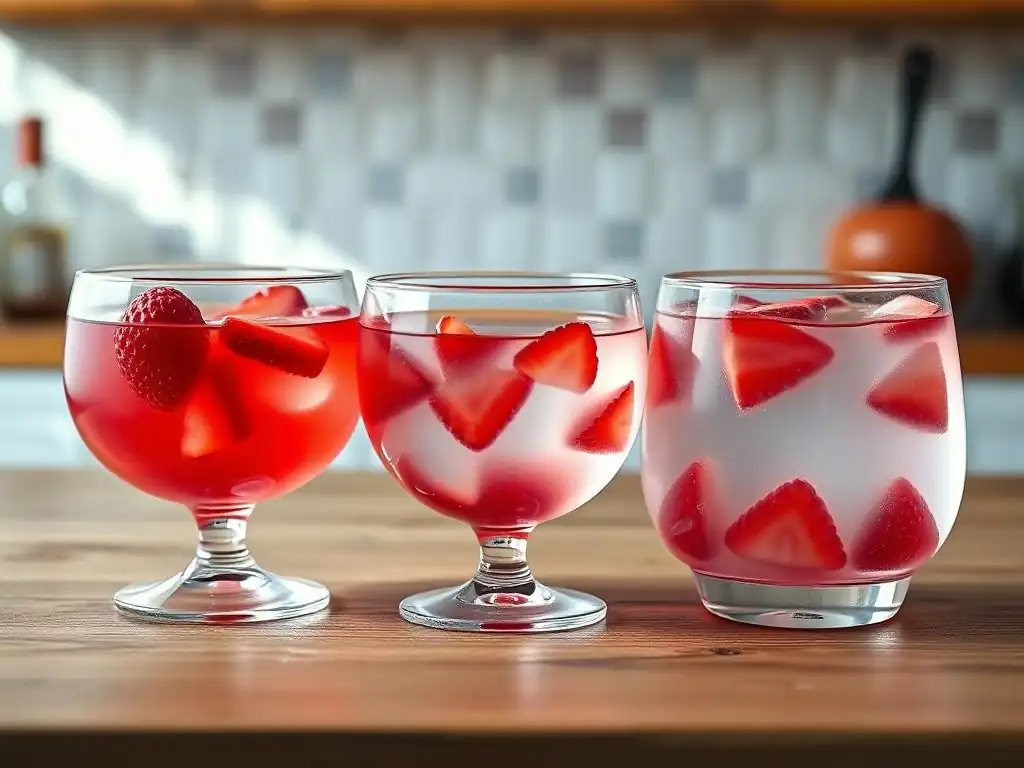
What is Gelatin and How Does It Work?
Gelatin is a protein derived from animal collagen, typically sourced from pork or beef hides and bones. It's one of the most common gelling agents used in traditional baking and confectionery. It's available in various forms, including powder, granules, and sheets (also known as leaves). To activate its gelling properties, gelatin must first be hydrated in a cold liquid (a process called "blooming") and then dissolved in a warm liquid. As this mixture cools, the protein molecules form a complex 3D network that traps the liquid, resulting in a gel structure.
The magic of gelatin lies in its thermoreversible nature. This means that a gelatin set can be melted by heating and will set again upon cooling. This property is incredibly useful in baking, allowing for techniques like remelting and layering. However, it also means that gelatin-based desserts will melt if left at room temperature for too long, particularly in warm environments. Understanding this behavior is crucial for handling and serving gelatin desserts effectively, ensuring they maintain their desired Gelatin agar agar firmness.
Factors Affecting Gelatin Firmness: A Baker's Guide
Achieving the perfect Gelatin agar agar firmness with gelatin requires understanding several key factors. The strength of the gelatin itself, the ratio of gelatin to liquid, the acidity of the mixture, the sugar content, and the temperature at which it sets all play significant roles. Manipulating these variables allows you to fine-tune the final texture of your dessert, ensuring it's exactly as intended. Ignoring any of these factors can lead to disappointing results, like a weak set or a rubbery texture.
Mastering these factors gives you control over the outcome. For example, knowing how acid affects the set means you can confidently make a lemon jelly that sets properly, perhaps by slightly increasing the gelatin. Similarly, understanding the impact of temperature helps you know why your panna cotta might take longer to set in a warmer refrigerator or might melt quickly if left out. Precision in measuring and temperature control is paramount when working with gelatin.
Gelatin Bloom Strength: Understanding the Scale
Gelatin strength is measured using the "Bloom" scale, a standardized test developed by O.T. Bloom. Bloom strength indicates the gel rigidity; a higher Bloom number signifies stronger gelatin, meaning you need less of it to set a given amount of liquid. Standard powdered gelatin typically falls into the range of 120-250 Bloom. Common consumer gelatin powder is often around 200-220 Bloom (Medium to High Bloom). Gelatin sheets come in different "grades" or "strengths" like Bronze (approx. 125 Bloom), Silver (approx. 160 Bloom), Gold (approx. 200 Bloom), and Platinum (approx. 250 Bloom).
Using a higher Bloom gelatin allows you to use less protein to achieve the same firmness, which can result in a clearer gel with a more delicate melt-in-your-mouth texture, avoiding a rubbery feel. For example, if a recipe calls for 1 tablespoon of 220 Bloom powdered gelatin to set 2 cups of liquid, you might only need about 0.8 tablespoons of a 250 Bloom gelatin to achieve a similar Gelatin agar agar firmness. Always check the packaging for Bloom strength if possible, or follow recipe specifications closely, as substituting different strengths without adjustment will impact the final set.
Gelatin to Liquid Ratio: Mastering the Balance
The most direct way to control Gelatin agar agar firmness is by adjusting the ratio of gelatin to liquid. More gelatin per volume of liquid results in a firmer set, while less gelatin leads to a softer set. This ratio is critical and must be measured accurately. As a general guideline, to set 2 cups (about 475ml) of liquid:
- For a very soft, delicate set (like a light mousse or barely set cream): Use about 1 to 1.5 teaspoons (3-4.5g) of standard 200-220 Bloom powdered gelatin, bloomed and dissolved.
- For a standard jelly or panna cotta set (wobbly but holds shape): Use about 2 teaspoons (6g) of standard powdered gelatin.
- For a firm, sliceable set (like a terrine or firm jelly): Use about 3 teaspoons (9g) or more of standard powdered gelatin.
These are just starting points, and the ideal ratio will depend on the specific recipe, other ingredients present (like acid or sugar), and the desired final texture. It's often helpful to test small batches if you're developing a new recipe or adjusting an existing one significantly. Remember that using too much gelatin can result in an unpleasantly rubbery texture, detracting from the dessert's appeal.
Acidity's Impact on Gelatin Set: Setting Jellies with Lemon Juice
Acidity can significantly weaken the gelling power of gelatin. Acids, such as those found in citrus juices (lemon, lime, orange), vinegars, and some fruits (like pineapple, kiwi, and papaya, which also contain enzymes that break down protein), can hydrolyze the protein chains in gelatin, preventing them from forming a strong network. This is why recipes with high acid content might require a higher amount of gelatin to achieve the same level of Gelatin agar agar firmness as a neutral liquid.
For example, if you're making a lemon jelly, you might need to increase the standard amount of gelatin by 10-20% compared to a recipe using plain water or milk. It's also important to add acidic ingredients after the gelatin has been dissolved in the warm liquid, rather than blooming the gelatin directly in a highly acidic juice.
For fruits like fresh pineapple or kiwi, which contain protein-digesting enzymes (bromelain and actinidin, respectively), you must cook the fruit first to deactivate these enzymes before adding them to a gelatin mixture, otherwise, the gelatin will not set at all. Canned pineapple is usually safe because the canning process involves heat that deactivates the enzymes.
Sugar Content and Gelatin Firmness: The Sweetness-Firmness Relationship
Sugar's effect on gelatin firmness is less dramatic than acidity, but it is still a factor to consider. Sugar can slightly inhibit the formation of the gelatin network, potentially resulting in a slightly softer set compared to an unsweetened mixture with the same gelatin ratio. The higher the sugar concentration, the more noticeable this effect might be. For typical dessert recipes, this effect is often minor, but in recipes with very high sugar content, such as concentrated syrups or candies, it can become more significant.
While sugar might slightly soften the initial set, it also contributes to the overall texture and mouthfeel, often making the gel seem smoother and less likely to weep liquid (syneresis) over time. If you are significantly reducing the sugar in a recipe, you might find the set becomes slightly firmer than expected, or conversely, if you are adding extra sugar, you might need a tiny bit more gelatin to achieve the target Gelatin agar agar firmness. Always consider the total composition of your liquid when determining the appropriate gelatin amount.
Temperature Control: The Key to Proper Gelatin Setting
Temperature is paramount for successful gelatin setting. Gelatin must first be bloomed in cold liquid. Using warm or hot liquid for blooming can cause the gelatin granules to clump together, leading to uneven hydration and a grainy texture, and potentially preventing a proper set. After blooming, the bloomed gelatin is dissolved in a warm liquid (typically heated to around 100-140°F or 40-60°C). Overheating the gelatin mixture can degrade the protein and weaken the final set, especially if boiled.
Once dissolved, the mixture needs to be cooled to set. Gelatin begins to set as it cools below approximately 60-70°F (15-20°C) and achieves its full Gelatin agar agar firmness when chilled, ideally below 50°F (10°C), typically in a refrigerator. The time required for a full set depends on the concentration of gelatin, the volume of the mixture, and the refrigerator temperature, but often takes at least 4-6 hours, or preferably overnight for the firmest set. Rapid chilling (like in a freezer briefly) can sometimes lead to a less uniform set compared to slow chilling in the refrigerator.
Techniques for Adjusting Gelatin Firmness
Adjusting Gelatin agar agar firmness after the fact is difficult, so it's best to get the ratio right from the start. However, if you've made a mixture that you suspect will be too soft or too firm before it sets, you can sometimes make minor corrections.
If it's too soft, you could potentially warm it gently (being careful not to boil), dissolve a small amount of additional bloomed gelatin in a separate warm liquid, and then whisk it into the main mixture. If it's too firm, you could potentially warm it gently and stir in a small amount of the base liquid, though this is less reliable and can affect flavor and texture.
The best technique is preventative: follow recipes accurately, measure ingredients precisely, and understand the factors discussed above. If you're creating a new recipe, start with a standard ratio and make a small test batch. Once the test batch sets, you can assess the firmness and adjust the gelatin amount for the full recipe. For example, if your test batch using 2 teaspoons per 2 cups is too soft, you know to increase it to 2.5 or 3 teaspoons for the main batch to achieve the desired Gelatin agar agar firmness.
Soft Set Gelatin: Achieving a Delicate Texture
A soft gelatin set is desired for desserts like panna cotta, Bavarian creams, or some types of mousse, where a gentle, melting texture is key. This is achieved by using a lower ratio of gelatin to liquid. For instance, for a classic panna cotta using heavy cream and milk, you might use around 1.5 to 1.75 teaspoons (approx. 4.5-5g) of standard powdered gelatin per 2 cups (475ml) of dairy. This ratio creates a set that holds its shape when chilled but yields easily to a spoon and melts smoothly in the mouth.
Achieving a soft set also requires careful temperature management. The mixture should be chilled until just set, but not over-chilled to the point of becoming overly firm. Serving temperature also plays a role; a soft-set dessert served slightly warmer than refrigerator temperature will have a more delicate texture than one served straight from a cold fridge. Using high-quality gelatin (like Gold or Platinum sheet gelatin) can also contribute to a smoother, more delicate melt compared to some lower-Bloom powder gelatins, even at the same firmness level.
Firm Set Gelatin: Creating a Solid Structure
A firm gelatin set is necessary for desserts that need to be sliced, molded into intricate shapes, or stand up in layers, such as layered jellies, terrines, or gummy candies. This requires a higher ratio of gelatin to liquid. As a guideline, for a firm fruit jelly that can be cut into cubes, you might use 3 to 4 teaspoons (approx. 9-12g) of standard powdered gelatin per 2 cups (475ml) of juice or liquid. This creates a robust gel structure that maintains its form even when handled.
Achieving a firm set also relies on sufficient chilling time. While a soft set might be ready in 4-6 hours, a truly firm set often benefits from chilling overnight to allow the gelatin network to fully strengthen. Ensure the liquid base is compatible with gelatin (low acidity, no raw proteolytic enzymes) to allow the maximum gelling power of the higher gelatin concentration to be realized. A firm set is crucial for desserts where structural integrity is key to presentation, such as stained-glass jellies or layered molded desserts.
Troubleshooting Common Gelatin Problems: Solutions for Soft or Rubbery Sets
Encountering issues with Gelatin agar agar firmness is common. If your gelatin dessert is too soft or hasn't set at all, the culprits are usually insufficient gelatin, improper blooming (gelatin wasn't fully hydrated), not dissolving the bloomed gelatin properly (liquid wasn't warm enough), adding raw acidic fruits without cooking, overheating the gelatin mixture, or insufficient chilling time/temperature. To potentially fix a soft set before it's fully chilled, you can gently reheat the mixture (avoiding boiling), dissolve a small amount of extra bloomed gelatin in a separate warm liquid, and whisk it in. Then, rechill thoroughly.
If your gelatin dessert is too rubbery or bouncy, you likely used too much gelatin for the amount of liquid, or the Bloom strength of your gelatin was higher than expected for the recipe. Unfortunately, fixing an overly firm set after it has fully chilled is very difficult.
You cannot easily break down the excess gelatin structure without significantly altering the dessert's composition. Prevention is key here: measure gelatin accurately, use kitchen scales for precision (1 teaspoon of gelatin powder isn't always exactly 3g), and if using sheet gelatin, ensure you are using the correct weight or number of sheets specified for the Bloom strength indicated in the recipe.
Agar-Agar Explained: A Vegetarian Gelling Alternative
What is Agar-Agar and How Does It Set?
Agar-agar is a plant-based gelling agent derived from red algae. It is a popular vegetarian and vegan alternative to gelatin. It is available in powder, flakes, and bar forms, with powder being the most common and potent form for baking. Unlike gelatin, agar-agar must be brought to a boil in the liquid it is setting to activate its gelling properties. Once dissolved and boiled, it sets as it cools.
Agar-agar creates a firmer, more brittle gel compared to gelatin's elastic, wobbly texture. It is not thermoreversible in the same way as gelatin; once set, it will not melt at room temperature and requires reheating to a high temperature (around 185°F or 85°C) to dissolve again. This makes it ideal for desserts that need to hold their shape in warmer conditions. Understanding these unique properties is essential when substituting agar-agar for gelatin or when working with it specifically to achieve the desired Gelatin agar agar firmness.
Agar-Agar vs. Gelatin: Key Differences for Baking Applications
While both gelatin and agar-agar are used to create set desserts, their properties lead to significant differences in how they are used and the final texture they produce. Agar-agar is much stronger than gelatin; typically, you need significantly less agar-agar powder than gelatin powder to set the same amount of liquid. For example, while 2 teaspoons of gelatin might set 2 cups of liquid to a standard jelly consistency, you might only need 1 teaspoon of agar-agar powder to set 1 cup of liquid to a firm gel.
Another crucial difference lies in their setting and melting points. Agar-agar sets at a much higher temperature than gelatin, typically between 95-104°F (35-40°C), meaning it can set even at room temperature in many climates. Gelatin, as noted, requires chilling below approximately 50°F (10°C). This higher setting temperature of agar-agar allows for quicker setting outside of refrigeration, which can be advantageous in some recipes. However, gelatin's lower melting point results in that desirable melt-in-your-mouth quality that agar-agar lacks.
Setting Temperature and Time: Agar-Agar's Unique Properties
Agar-agar's higher setting temperature is one of its defining characteristics. After being boiled and dissolved, a liquid containing agar-agar will begin to set as it cools to around 95-104°F (35-40°C). This means that desserts made with agar-agar can often set up at room temperature within an hour or two, although chilling will speed up the process and result in a firmer set. This rapid setting can be beneficial when you need a dessert to set quickly or hold its shape outside of the refrigerator.
In contrast, gelatin requires chilling below 50°F (10°C) and typically takes several hours in the refrigerator to set properly. The time difference impacts recipe planning; an agar-agar dessert might be ready in 1-2 hours, while a gelatin dessert might need 4-6 hours or overnight. This unique setting property of agar-agar also means it can be used in layered desserts where subsequent layers are poured at slightly warmer temperatures without melting the layer below, which would be impossible with gelatin.
Texture Differences: Gelatin's Smoothness vs. Agar-Agar's Crispness
The texture produced by gelatin and agar-agar is perhaps the most significant difference from a sensory perspective. Gelatin creates a smooth, elastic, wobbly, and melt-in-your-mouth texture. It has a characteristic "jiggle" and dissolves creamily on the tongue because it melts at body temperature. This is the texture desired in classic panna cotta, jelly, and many mousses.
Agar-agar, on the other hand, produces a firmer, more brittle, and sometimes slightly grainy texture. It sets more rigidly and does not melt at body temperature, so it doesn't have the same melt-in-your-mouth feel as gelatin. It can be sliced cleanly and holds sharp edges, making it suitable for firm jellies, vegan cheesecakes, or asian-style desserts like youkan. The difference in texture means that simply substituting agar-agar for gelatin 1:1 by weight or volume will not yield the same result; you must adjust the amount and expect a different mouthfeel, impacting the final Gelatin agar agar firmness perception.
Acidity's Effect on Agar-Agar: Considerations for Fruit-Based Desserts
Like gelatin, agar-agar's gelling power can be affected by acidity, although generally less severely. Highly acidic liquids, such as strong citrus juices, can weaken the set of agar-agar. If using very acidic ingredients, you might need to increase the amount of agar-agar slightly to achieve the desired Gelatin agar agar firmness. It's recommended to dissolve and boil the agar-agar in the non-acidic liquid first, then add the acidic component towards the end of the boiling process or after removing from the heat, just before pouring to set.
Boiling agar-agar in a highly acidic solution for an extended period can sometimes break down its gelling ability. For instance, making a firm jelly with pure lemon juice might require significantly more agar-agar than using water or a less acidic fruit juice. Adding fruit purées or juices after the agar-agar has boiled and dissolved in water or another liquid base is often a safer approach to ensure a proper set, allowing you to still control the final Gelatin agar agar firmness.
Mastering Agar-Agar Firmness: A Culinary Approach
Mastering agar-agar firmness involves controlling the concentration, ensuring proper hydration and boiling, and managing the cooling process. Agar-agar powder is the most potent form and is generally the easiest to measure accurately for consistent results. Flakes and bars are less concentrated and require larger amounts, which can sometimes result in a cloudier or less smooth texture. Always check the specific instructions on the agar-agar packaging, as strength can vary between brands and forms.
The process differs from gelatin: agar-agar powder (or flakes/bars) is typically whisked into a cold or room temperature liquid, then the mixture is brought to a rolling boil and simmered for a specified time (usually 1-5 minutes, depending on the form and quantity) to ensure the agar-agar fully dissolves and activates. Simply heating it without boiling is not sufficient for a proper set.
Agar-Agar Powder Concentration: Achieving the Right Strength
The concentration of agar-agar powder relative to the liquid volume is the primary factor determining the final Gelatin agar agar firmness. Agar-agar is significantly stronger than gelatin, so you use much less. A common starting ratio for a firm, sliceable gel is about 1 teaspoon (approx. 2g) of agar-agar powder per 1 cup (240ml) of liquid. For a softer gel, you might use 0.5 to 0.75 teaspoons per cup.
It's important to note that these are general guidelines, and the exact amount needed can vary based on the specific brand of agar-agar powder, the acidity of the liquid, and other ingredients present (like sugar or fats, which can slightly soften the set). Always measure agar-agar powder precisely, preferably by weight using a digital scale for the most consistent Gelatin agar agar firmness results. For reference, 1 teaspoon of agar-agar powder is approximately 2 grams, whereas 1 teaspoon of gelatin powder is approximately 3 grams, highlighting agar-agar's greater strength per gram.
Hydration is Key: Properly Blooming Agar-Agar
While gelatin requires "blooming" in cold water to hydrate before heating, agar-agar powder doesn't technically bloom in the same way. However, it does need to be dispersed in the liquid before heating to prevent clumping. Whisking the powder into a cold or room temperature liquid ensures it is evenly distributed. Agar-agar flakes and bars require soaking in liquid for 5-10 minutes before heating to soften them, which is similar to blooming gelatin sheets.
Regardless of the form, the crucial step for agar-agar is boiling. Dispersing it in cold liquid first helps ensure that when you bring the mixture to a boil, the agar-agar dissolves smoothly without lumps. Failure to fully dissolve the agar-agar through boiling will result in a weak or uneven set, regardless of the concentration used. Aim for a rolling boil and simmer for the recommended time to guarantee activation and dissolution for optimal Gelatin agar agar firmness.
Cooling Techniques for Optimal Agar-Agar Set
Agar-agar sets relatively quickly as it cools, particularly as it drops below 104°F (40°C). For many simple agar-agar gels, letting them sit at room temperature is sufficient for them to set within 30-60 minutes, although chilling in the refrigerator will result in a firmer gel and speed up the process. Unlike gelatin, rapid cooling (like placing the mold in an ice bath) doesn't negatively impact the texture; in fact, it can help achieve a very firm set quickly.
Once set, agar-agar gels are stable at room temperature, which is a major advantage over gelatin for certain applications or in warm climates. However, they can release liquid (syneresis) more readily than gelatin, especially if the concentration is too low or if they are cut and stored for too long. Proper concentration and cooling help minimize syneresis, contributing to better Gelatin agar agar firmness retention.
Adjusting Agar-Agar Firmness: Tips for Achieving Desired Texture
Adjusting agar-agar firmness is primarily done by controlling the powder concentration and ensuring proper boiling. If a recipe yields a set that is too soft, it means you need to use more agar-agar powder next time. If it's too firm or brittle, you need to use less. Since agar-agar sets quickly, you can perform a quick test: take a small spoonful of the hot liquid mixture and place it in the refrigerator or freezer for a few minutes. It should set rapidly, allowing you to test the firmness before setting the entire batch.
If your mixture hasn't set after cooling, the most likely reasons are not using enough agar-agar, not boiling the mixture sufficiently or long enough, or high acidity interfering with the set. To attempt to fix a failed agar-agar set, you can return the mixture to the saucepan, add a little more agar-agar powder that has been whisked into a small amount of extra liquid, bring it back to a boil, and simmer for a few minutes to dissolve the new agar-agar.
Then, pour and cool again. This reheating and re-setting is possible with agar-agar, unlike gelatin which can be degraded by repeated heating.
Comparing and Contrasting Gelatin and Agar-Agar Firmness
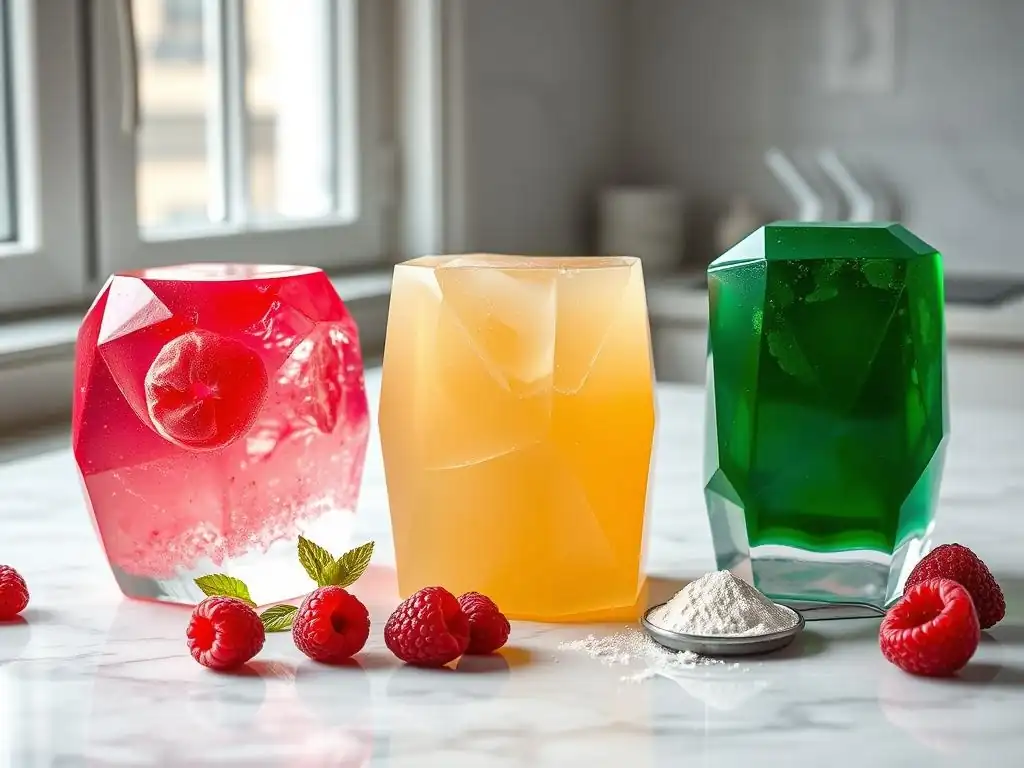
Head-to-Head: Gelatin vs. Agar-Agar Firmness Control
When comparing Gelatin agar agar firmness control, they behave quite differently. Gelatin provides a range of textures from very soft to firm, all with an elastic, wobbly quality and a melt-in-your-mouth feel. Its firmness is affected by Bloom strength, ratio, acidity, sugar, and chilling temperature. It is thermoreversible at relatively low temperatures (around 85-95°F or 30-35°C).
Agar-agar typically produces a firmer, more brittle, and less elastic texture. Its firmness is primarily controlled by the concentration of powder and ensuring it is properly boiled. It is less affected by acidity than gelatin but can still be weakened by it. Agar-agar sets at a higher temperature (95-104°F or 35-40°C) and requires a higher temperature to melt again (around 185°F or 85°C), making it stable at room temperature. This difference in setting and melting points, along with the textural difference, makes them suitable for different types of desserts and applications requiring specific Gelatin agar agar firmness.
Choosing the Right Gelling Agent for Your Baking Project
The choice between gelatin and agar-agar depends entirely on the desired final texture, dietary requirements (vegetarian/vegan), and the specific application. If you want a classic, wobbly jelly, a creamy, melting panna cotta, or a light, airy mousse that holds its shape, gelatin is the agent of choice. Its unique melt-in-your-mouth property is irreplaceable for these textures. Gelatin is also preferred when layering desserts where subsequent layers are poured at relatively low temperatures.
If you need a firm, sliceable gel that is stable at room temperature, or if you are making a vegan or vegetarian dessert, agar-agar is the appropriate choice. It works well for firm fruit jellies, vegan cheesecakes where it helps provide structure, or layered desserts where rapid setting and stability are needed. While you can make a vegan "panna cotta" with agar-agar, its texture will be different – firmer and less creamy than the gelatin version. Consider the specific Gelatin agar agar firmness and mouthfeel you are aiming for before selecting your gelling agent.
Panna Cotta: Gelatin-Based Dessert and Firmness Considerations
Panna Cotta, meaning "cooked cream" in Italian, is a prime example of a dessert where Gelatin agar agar firmness is paramount and gelatin is the traditional and preferred gelling agent. A classic panna cotta should have a delicate, creamy texture that just holds its shape when unmolded (if unmolded) and has a beautiful wobble. It should melt smoothly on the tongue. This texture is achieved by using a relatively low concentration of gelatin, typically around 1.5 to 2 teaspoons of standard powder per 2 cups of liquid dairy.
Using too little gelatin will result in a panna cotta that doesn't set properly or collapses when unmolded. Using too much gelatin will yield a rubbery, bouncy, and unpleasant texture that lacks the signature creaminess. The fat content of the cream also plays a role; a higher fat content contributes to a richer, smoother texture, which complements the gelatin's melt. Achieving the perfect Panna Cotta Gelatin agar agar firmness requires careful measurement and chilling.
Vegan Jelly: Agar-Agar-Based Dessert and Firmness Considerations
Creating a vegan jelly requires a plant-based gelling agent, and agar-agar is an excellent choice for this application. Unlike gelatin jelly which is wobbly and melts, an agar-agar jelly will be firmer and more brittle. This is ideal if you want a jelly that can be cut into clean shapes or cubes that hold up well at room temperature, perhaps for a fruit salad or a layered dessert.
To make a vegan jelly with agar-agar, you would typically dissolve agar-agar powder in fruit juice or a flavored liquid, bring it to a boil, simmer to activate, and then pour into molds to cool and set. The concentration of agar-agar will determine the firmness; for a standard firm jelly, about 1 teaspoon of agar-agar powder per cup of liquid is a good starting point. Adjusting this ratio allows you to control the Gelatin agar agar firmness, making it softer or firmer depending on your preference, though it will always retain that characteristic agar-agar texture.
Tips and Tricks for Consistent Gelatin and Agar-Agar Results
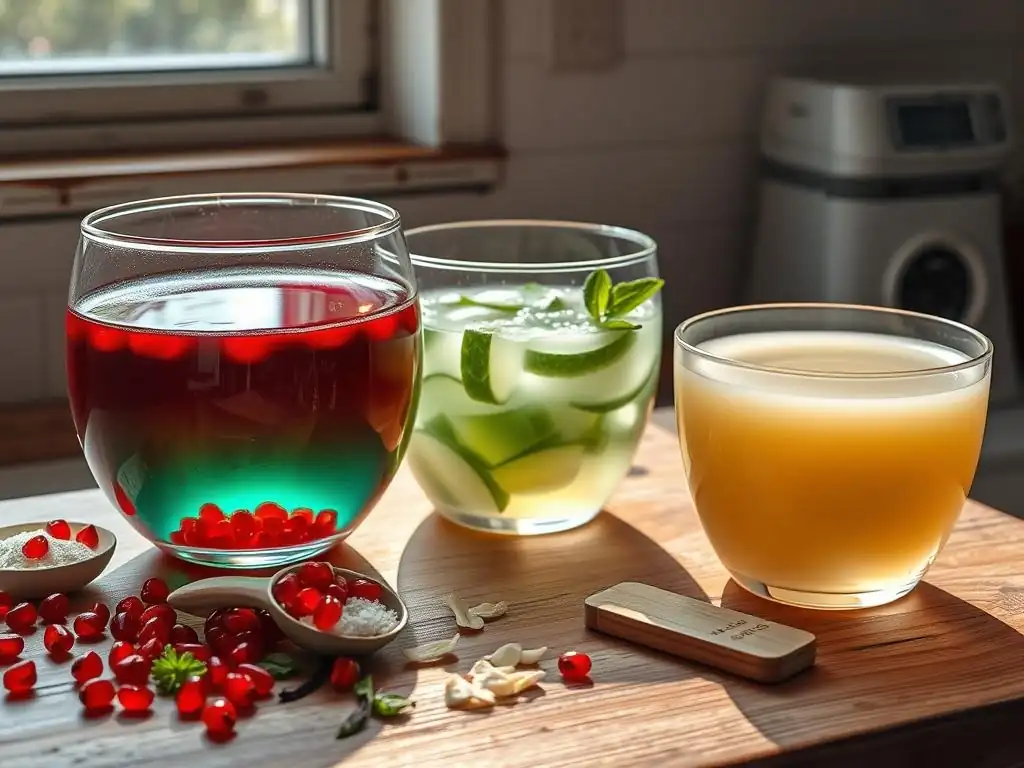
Achieving consistent Gelatin agar agar firmness batch after batch requires attention to detail and mastering fundamental techniques. Precision in measurement, understanding how other ingredients interact with your gelling agent, and proper temperature control are key. Don't be afraid to experiment in small batches when trying a new recipe or making adjustments, as this is the best way to learn how different factors influence the final set.
Always refer to the specific instructions on your gelling agent packaging, as potency can vary between brands. Store gelatin and agar-agar in airtight containers in a cool, dry place to maintain their efficacy. Freshness matters; old gelling agents may lose some of their setting power. By following best practices and paying attention to the science behind how these agents work, you can consistently achieve beautiful, perfectly set desserts.
Measuring Accurately: Essential Tools for Baking Success
Accurate measurement is non-negotiable when working with gelling agents to control Gelatin agar agar firmness. While volume measurements (teaspoons, tablespoons) are common in home recipes, they can be inconsistent, especially for powders which can be packed differently. Using a digital kitchen scale to weigh your gelling agent is the most accurate method for reproducible results. For example, consistently measuring 3 grams of gelatin powder or 2 grams of agar-agar powder ensures you are using the exact amount intended.
Measuring the liquid volume precisely is equally important. Use liquid measuring cups at eye level for accuracy. For larger batches or critical recipes, weighing the liquid can also provide greater precision (e.g., 1 cup of water is approximately 237 grams or milliliters). Precise measurement eliminates a major variable, allowing you to confidently adjust ratios based on the desired Gelatin agar agar firmness rather than compensating for inaccurate initial measurements.
Testing the Set: Knowing When Your Dessert is Ready
Knowing when your gelatin or agar-agar based dessert has achieved its final Gelatin agar agar firmness is important. For gelatin, gently nudge the mold or container; a set dessert will be firm to the touch and the surface will resist ripples. For unmolded desserts like panna cotta, the edges will pull away slightly from the mold when fully set. Gelatin desserts achieve their firmest set after several hours or overnight in the refrigerator.
For agar-agar, the setting is faster and firmer. You can often tell it's set when the liquid is no longer fluid and resists tilting the container after cooling for a relatively short time (30-60 minutes at room temperature, faster in the fridge). A small test batch cooled quickly can also give you an indication of the final Gelatin agar agar firmness before the main batch is ready. Avoid disturbing gelling desserts while they are setting, as this can disrupt the network formation and result in a weaker or uneven set.
Storing Gelatin and Agar-Agar Based Desserts for Optimal Firmness
Proper storage is essential for maintaining the desired Gelatin agar agar firmness of your finished desserts. Gelatin-based desserts must be stored in the refrigerator because gelatin melts at temperatures above approximately 85-95°F (30-35°C). They should be covered to prevent the surface from drying out or absorbing odors from the refrigerator. While they are stable when chilled, prolonged storage (more than a few days) can sometimes lead to syneresis (weeping of liquid).
Agar-agar based desserts are more stable at room temperature once set, but they also benefit from refrigeration for longer storage to maintain optimal Gelatin agar agar firmness and prevent spoilage, especially if they contain dairy or fruit. Covering agar-agar desserts in the refrigerator is also important to prevent drying, which can affect the texture. Agar-agar gels tend to hold their shape well, but their texture can change slightly over several days, sometimes becoming firmer or more brittle.
Advanced Techniques: Layering and Combining Textures with Gelling Agents
Once you've mastered basic Gelatin agar agar firmness control, you can explore advanced techniques like layering and combining different textures. Layering different colored or flavored gelatin or agar-agar mixtures requires careful timing and temperature control. For gelatin layers, each layer must be partially set before adding the next, but not so firm that the layers won't adhere; they also need to be relatively cool to avoid melting the layer below.
Agar-agar's higher setting temperature makes layering easier as subsequent layers can be poured warmer. You can also combine gelling agents with other ingredients to create complex textures, such as incorporating whipped cream or egg whites into a gelatin base for a mousse, or adding fruit pieces or suspensions into a set jelly. Understanding how to achieve specific Gelatin agar agar firmness levels allows you to build multi-component desserts with varied and appealing textures.
Conclusion: Mastering Gelling Agents for Baking Excellence
Achieving Perfect Texture in Every Dessert Recipe
Mastering the art of controlling Gelatin agar agar firmness is a fundamental skill that elevates your dessert making from good to great. Whether you're aiming for a delicate, wobbly panna cotta or a firm, sliceable fruit jelly, understanding the properties of gelatin and agar-agar and the factors that influence their set is key. Precision in measurement, awareness of temperature, and consideration of other ingredients like acidity and sugar are all crucial components of success.
By paying attention to these details and perhaps practicing with simple recipes, you will gain confidence in your ability to achieve the perfect texture every time. This control allows you to faithfully execute classic recipes and confidently adapt them or create your own, ensuring your desserts not only look beautiful but also have the ideal mouthfeel that delights everyone who tastes them.
Further Exploration: Expanding Your Gelling Agent Knowledge
The world of gelling agents extends beyond gelatin and agar-agar. Other agents like pectin (used for jams and fruit gelees), carrageenan (derived from seaweed, used in dairy products), and gellan gum offer different textures and properties. Exploring these can open up even more possibilities in your baking journey, allowing you to create an even wider range of textures and desserts.
Continue experimenting with different concentrations of gelatin and agar-agar to see how the Gelatin agar agar firmness changes. Try incorporating them into different types of liquids – dairy, fruit juices, purées. The more you work with these versatile ingredients, the more intuitive their behavior will become, allowing you to confidently tackle any recipe calling for a set texture and achieve baking excellence.
Frequently Asked Questions
What is the primary difference between gelatin and agar-agar in baking?
Gelatin is derived from animal collagen, while agar-agar is a plant-based alternative extracted from seaweed. This difference affects the final texture and suitability for vegan diets.
How does the concentration of gelatin or agar-agar affect the firmness of a dessert?
A higher concentration of either gelatin or agar-agar will generally result in a firmer set. Conversely, a lower concentration yields a softer, more delicate texture.
What other ingredients can impact the setting strength of gelatin or agar-agar?
Acidity from ingredients like lemon juice or pineapple can inhibit the setting of gelatin. Sugars and other solids can also affect the overall texture and perceived firmness.
What is the best way to test the firmness of a gelatin or agar-agar dessert before it fully sets?
The "jiggle test" is a common method. A slight wobble indicates a properly set dessert, while excessive movement suggests it needs more time or a higher concentration of the gelling agent.
Can I substitute gelatin for agar-agar in any recipe, and if so, what adjustments might be needed?
While substitution is possible, the ratio isn't always 1:1. Agar-agar typically has a stronger setting power than gelatin, so you'll likely need less agar-agar and might need to experiment to achieve the desired firmness.
Final Reflection: Mastering the Jelly: A Culinary Journey Beyond Firmness
The pursuit of the perfect set, whether with gelatin or agar-agar, transcends mere culinary technique; it's a journey into precision, understanding, and ultimately, creative expression. The subtle nuances of bloom strength, hydration levels, and even the ambient temperature significantly impact the final texture, proving that mastering these seemingly simple ingredients requires a deep understanding of their properties. This knowledge isn't just about achieving a jiggly dessert; it's about unlocking a world of culinary possibilities.
The exploration of gelatin and agar-agar's unique characteristics has profoundly impacted my own approach to cooking. It's taught me the importance of patience, attention to detail, and the beauty of experimentation. The most beautiful thing we can experience is the mysterious. It is the source of all true art and science.
- Albert Einstein. This quote resonates deeply because the seemingly simple act of setting a jelly reveals a complex interplay of scientific principles and artistic intuition, a mystery that continues to fascinate and inspire.
Now, it's your turn to embark on this journey. Don't be afraid to experiment with different ratios, temperatures, and even flavor combinations. Each failed attempt brings you closer to mastering the art of the perfect set. Observe, adapt, and most importantly, enjoy the process of transforming simple ingredients into elegant and delicious creations. The possibilities are as boundless as your imagination.
Unlock Your Gelatin & Agar-Agar Mastery!
Thanks for diving into the world of perfect textures! You've now got the knowledge to create flawlessly set treats every time. Ready to put your new skills to the test?
- Whip up your dream dessert: Use your newfound understanding of bloom strength and hydration ratios to create that perfectly jiggly panna cotta or firm-set jelly you've always envisioned. Think outside the box – what unique creation can you craft?
- Share your success (or challenges!): Post a picture of your creation on social media and tag #BakeWithEase. We’d love to see what you come up with!
- Explore further: Dive into our recipe archives for more inspiration – you might discover a new favourite!
What unexpected flavour combinations will you explore with your perfectly set creations?