
Choosing the Right Sugar: Granulated vs. Superfine for Optimal Meringue Structure

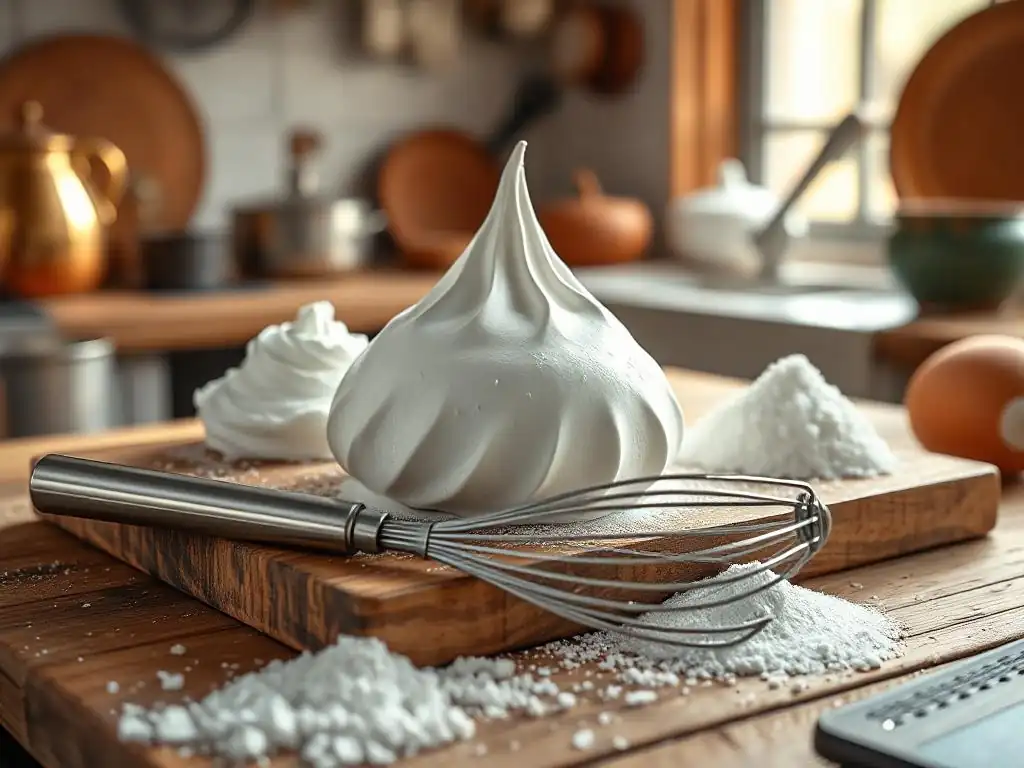
Welcome to BakeWithEase, your trusted guide to unlocking baking brilliance! Ever wondered how seemingly simple granulated sugar can dramatically impact your meringue's stability and texture? Discover the secrets behind achieving that perfect, pillowy structure as we delve into the fascinating science of sugar and its role in creating baking masterpieces. Prepare to elevate your skills and bid farewell to flat, weeping meringues!
- Bake With Ease: Mastering Meringue with Sugar Selection
- Understanding Sugar's Role in Meringue
- Granulated Sugar for Meringue: Pros and Cons
- Caster Sugar for Meringue: Pros and Cons
- Meringue Types and Sugar Choice
- Troubleshooting Meringue Issues Based on Sugar
- Side-by-Side Meringue Comparison
- Expert Meringue Tips
- Meringue Structure: Final Verdict on Sugar
-
Frequently Asked Questions
- What is the key difference between granulated sugar and superfine sugar when making meringue?
- How does the type of sugar used affect the stability of a meringue?
- Can I use granulated sugar for meringue if I don't have superfine sugar?
- What are the visual signs that I've used the wrong type of sugar in my meringue?
- Does the type of meringue (Italian, Swiss, French) influence which sugar is best?
- Final Reflection: The Sweet Science of Meringue Perfection
- Unlock the Secret to Perfect Meringues!
Bake With Ease: Mastering Meringue with Sugar Selection
Creating light, airy, and stable meringue is a cornerstone of many delightful desserts, from lemon meringue pies to delicate cookies and impressive cake toppings. While egg whites and proper whisking technique are crucial, the often-underestimated hero in achieving that perfect cloud-like texture and robust structure is sugar. The type of sugar you choose significantly impacts the final outcome, affecting everything from stability and volume to texture and gloss. Understanding the subtle differences between sugars, particularly granulated and superfine (also known as caster) sugar, is essential for any baker looking to elevate their meringue game.
This guide will delve into the science behind how sugar interacts with egg whites, comparing the properties of granulated and superfine sugar specifically for meringue making. We'll explore the pros and cons of using each, discuss their suitability for different meringue types (French, Swiss, Italian), and offer practical tips for troubleshooting common issues. By the end, you'll have the knowledge to confidently select the right sugar for your desired meringue outcome, ensuring stable, beautiful results every time.
Understanding Sugar's Role in Meringue
Sugar isn't just for sweetness in meringue; it's a structural engineer. When sugar is added to whisked egg whites, it plays several critical roles that contribute to the meringue's stability, volume, and texture. As the egg whites are whipped, their proteins unfold and trap air bubbles. Sugar then integrates into this protein foam, strengthening the structure and preventing the proteins from collapsing. It also helps to stabilize the air bubbles, allowing the meringue to hold its shape and achieve significant volume.
Furthermore, sugar contributes to the glossiness and smooth texture of meringue. As it dissolves, it creates a syrup that coats the protein network, resulting in a shiny appearance. Undissolved sugar, however, can lead to a grainy, unstable meringue. The rate at which sugar dissolves is heavily influenced by its crystal size, which is where the distinction between granulated and superfine sugar becomes particularly important when aiming for optimal meringue structure.
Sugar's Impact on Meringue Stability and Texture
Sugar significantly enhances the stability of the protein foam created by whisking egg whites. Think of the protein network as a delicate scaffolding; sugar acts like glue and reinforcing bars, making the structure much stronger and less prone to collapse. Without sufficient sugar, or if the sugar isn't properly dissolved, the protein bonds can break down, causing the meringue to weep (expel liquid) or deflate. This is particularly noticeable in uncooked meringues like French meringue used for soft toppings or mousses.
The amount and type of sugar also dictate the final texture. A higher sugar ratio generally results in a denser, chewier meringue, while a lower ratio yields a lighter, more brittle texture. The smoothness of the meringue is directly linked to how completely the sugar crystals dissolve. Larger crystals, like those in granulated sugar, take longer to dissolve, increasing the risk of a grainy texture. Finer crystals, characteristic of superfine sugar, dissolve more readily, leading to a smoother, silkier meringue finish, crucial for achieving that coveted glossy appearance and stable meringue structure.
Granulated vs. Caster Sugar: Key Differences in Meringue
The primary difference between granulated sugar and caster (superfine) sugar lies in their crystal size. Granulated sugar has relatively large, uniform crystals, typically measuring around 0.5 millimeters. Caster sugar, on the other hand, is ground more finely, with crystals averaging closer to 0.3 millimeters. This seemingly small difference has a profound impact when making meringue.
Because of its smaller crystal size, caster sugar dissolves much faster and more easily into the egg whites compared to granulated sugar. This rapid dissolution is key to developing a smooth, stable meringue structure without the risk of graininess. Granulated sugar requires more time and effort to dissolve completely, often needing gentle heat or prolonged whisking, which can sometimes over-aerate or warm the egg whites more than desired for certain techniques. The ease of dissolution makes superfine sugar the preferred choice for many bakers aiming for a consistently smooth and glossy meringue.
Granulated Sugar for Meringue: Pros and Cons
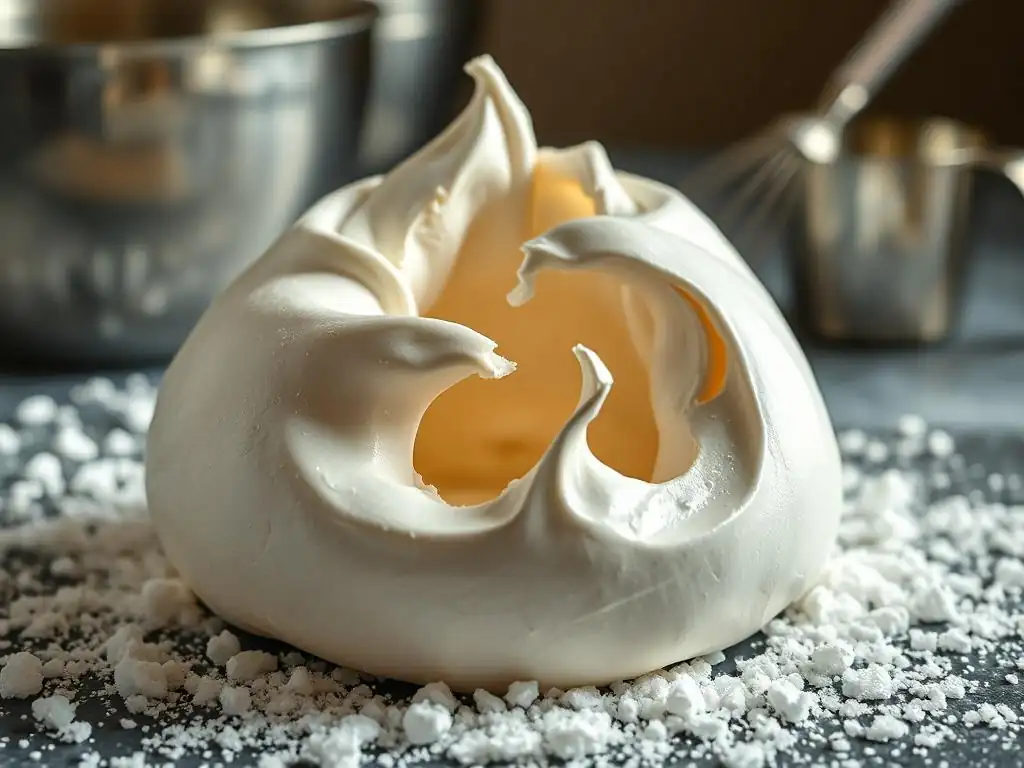
Using granulated sugar in meringue recipes is common, primarily because it's the most readily available type of sugar in many kitchens. Its lower cost compared to superfine sugar also makes it an attractive option for larger batches. When used correctly, granulated sugar can certainly produce a stable and voluminous meringue. The key challenge lies in ensuring those larger crystals fully dissolve into the egg white foam before the meringue is complete.
However, the larger crystal size of granulated sugar presents potential drawbacks. If the sugar isn't given enough time or agitation to dissolve, you can end up with a meringue that feels gritty on the tongue. This graininess detracts from the pleasant eating experience and can also compromise the meringue's stability over time, potentially leading to weeping. Achieving a perfectly smooth, glossy finish with granulated sugar requires more careful technique and patience compared to using superfine sugar.
Achieving Meringue Volume with Granulated Sugar
Despite the dissolution challenge, granulated sugar can help achieve impressive volume in meringue. As granulated sugar slowly dissolves and integrates into the protein structure of the whipped egg whites, it contributes to strengthening the walls of the air bubbles. This reinforcement allows the meringue to capture and hold a significant amount of air, leading to a lofty, voluminous result. The process is slower than with superfine sugar, but with sufficient whisking time – often 5-10 minutes or even longer depending on the quantity and mixer – the proteins can build a robust network capable of supporting a large volume.
The rate at which you add the granulated sugar also plays a role in volume. Adding it slowly, one or two tablespoons at a time, while the mixer is running allows each addition to begin dissolving and integrating before the next is added. This gradual process helps prevent the egg whites from collapsing under the weight of too much sugar added too quickly. It also gives the larger granulated sugar crystals more opportunity to dissolve fully, contributing to both volume and a smoother texture, enhancing the overall granulated sugar meringue structure.
Challenges of Granulated Sugar in Meringue
The primary challenge when using granulated sugar in meringue is achieving complete dissolution of the crystals. Undissolved sugar crystals act like tiny shards within the delicate protein foam. They disrupt the smooth structure, leading to a grainy texture that is unpleasant to eat. More critically, these undissolved crystals can attract moisture from the air or the meringue itself, which can cause the meringue to "weep" and become unstable, especially in humid conditions or when stored.
Another potential issue is that achieving full dissolution often requires extended whisking time. While whisking builds volume, prolonged whipping can sometimes lead to over-whipping, resulting in a dry, brittle meringue that is difficult to pipe or spread without breaking. In techniques like French meringue, which is whipped cold, dissolving granulated sugar can be particularly challenging without the aid of heat, making it harder to guarantee a consistently smooth and stable granulated sugar meringue structure.
Tips for Dissolving Granulated Sugar
Successfully dissolving granulated sugar for a smooth meringue requires patience and technique. One effective method is to add the sugar very slowly to the egg whites after they have reached soft peaks. Add the sugar a tablespoon at a time, allowing about 30-60 seconds of whisking between each addition. Listen for the sound of the sugar scraping against the bowl; you want that sound to diminish as the sugar dissolves.
For greater certainty, especially in French meringue, some bakers pulse the granulated sugar in a food processor or blender briefly to make it slightly finer, effectively creating a homemade superfine sugar substitute. While not as consistently fine as commercial caster sugar, this can significantly speed up dissolution. Alternatively, for techniques like Swiss or Italian meringue, the heat applied inherently helps dissolve the sugar, making granulated sugar a more viable option in those contexts. Ensuring the egg whites are at room temperature also aids in sugar dissolution.
Caster Sugar for Meringue: Pros and Cons
Caster sugar, or superfine sugar, is widely regarded as the superior choice for many meringue applications, particularly those where a smooth, glossy finish and reliable stability are paramount. Its key advantage is its smaller crystal size, which dissolves rapidly and completely into egg whites. This ease of dissolution makes it much simpler to achieve a perfectly smooth texture without the risk of graininess that can plague meringues made with granulated sugar.
However, caster sugar is typically more expensive than granulated sugar and may not be as readily available in all grocery stores. While it excels in dissolution and smoothness, some bakers find that granulated sugar, when properly dissolved, can sometimes contribute to a slightly firmer, more resilient granulated sugar meringue structure after baking, particularly in large baked meringues. Despite this, the benefits of rapid dissolution and guaranteed smoothness often outweigh the cost and availability considerations for many meringue recipes.
Caster Sugar's Impact on Meringue Texture and Gloss
The most noticeable benefit of using caster sugar is the resulting texture and gloss. Because its fine crystals dissolve almost instantly upon contact with the whisked egg whites, caster sugar creates a very smooth, satiny foam. This rapid dissolution prevents the gritty texture associated with undissolved sugar. The complete dissolution also helps to create a uniform syrup that coats the protein network, reflecting light beautifully and giving the meringue that characteristic high gloss.
This smooth, glossy texture is highly desirable for decorative meringues, pie toppings, and light cookies. It makes the meringue easier to pipe cleanly and spread evenly. The fine nature of the sugar also integrates seamlessly into the protein structure, contributing to a delicate yet stable foam that holds its shape well before and during baking. Achieving this level of smoothness and gloss is significantly easier with caster sugar compared to the effort required to fully dissolve granulated sugar.
Meringue Structure and Stability with Caster Sugar
Caster sugar contributes excellent stability to meringue structure. As the fine crystals dissolve quickly, they are able to immediately begin interacting with the egg white proteins, strengthening the foam from the early stages of sugar incorporation. This rapid stabilization helps prevent the protein structure from collapsing as more sugar is added, leading to a more reliable and consistent result.
The ease of dissolution also reduces the need for excessive whisking solely for the purpose of dissolving sugar. This means you are less likely to over-whip the egg whites, which can lead to a brittle or dry meringue.
A well-whipped meringue with fully dissolved caster sugar forms a strong, resilient structure that is less prone to weeping after baking or sitting, making it ideal for applications where the meringue needs to hold its shape and texture for a period of time. While granulated sugar meringue structure can be stable, caster sugar often provides a more consistent path to achieving that stability.
When to Use Caster Sugar for Meringue
Caster sugar is the ideal choice for recipes where a perfectly smooth, non-grainy texture is paramount. This includes delicate meringue cookies baked at low temperatures, glossy meringue toppings for pies (like lemon meringue pie), and light mousses or fillings where raw meringue is incorporated. It is also highly recommended for French meringue, as the cold whisking method makes dissolving larger sugar crystals more challenging.
For beginners, caster sugar offers a more forgiving experience in meringue making, significantly reducing the risk of grainy or weeping meringue due to undissolved sugar. Its ease of use makes the process smoother and increases the likelihood of a successful, stable, and beautiful meringue on the first try. While you can make meringue with granulated sugar, caster sugar often provides a more reliable path to achieving optimal texture and stability.
Meringue Types and Sugar Choice
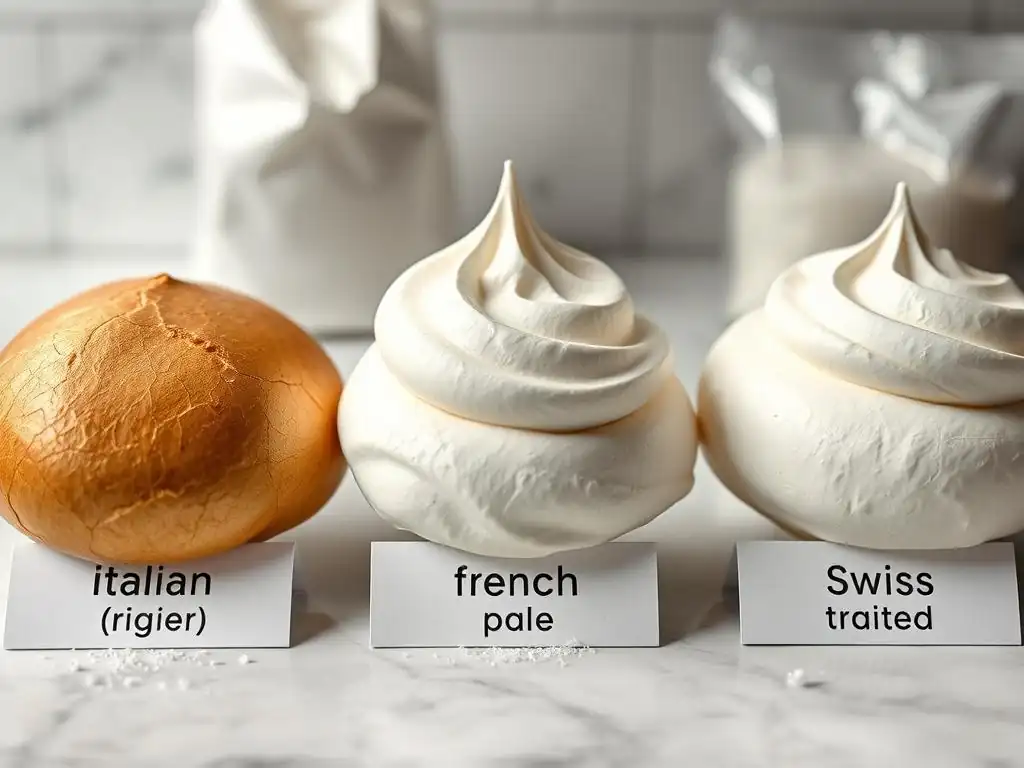
The three main types of meringue – French, Swiss, and Italian – differ primarily in how the sugar is incorporated and whether heat is applied. The method used significantly influences which type of sugar is most suitable for achieving the desired texture, stability, and overall granulated sugar meringue structure or caster sugar meringue structure. Understanding these differences helps you make the best sugar choice for your specific recipe.
French meringue is the simplest, made by whisking cold egg whites and gradually adding sugar. Swiss meringue involves whisking egg whites and sugar together over a hot water bath until warm, then whipping. Italian meringue is made by pouring hot sugar syrup into already whipped egg whites. Each method interacts with sugar differently, making the sugar's dissolution rate and crystal size more or less critical depending on the technique.
Italian Meringue: Granulated or Caster?
For Italian meringue, where a hot sugar syrup (typically heated to 240°F or 115°C) is streamed into already whipped egg whites, granulated sugar is often the preferred and perfectly suitable choice. The high temperature of the syrup guarantees that the granulated sugar crystals are completely dissolved before they even touch the egg whites. This eliminates the primary challenge of using granulated sugar – dissolution – and ensures a perfectly smooth meringue texture.
Because the sugar is dissolved in liquid and heated to a high temperature, the initial crystal size of the sugar is less critical than in cold or warm-whipped meringues. Granulated sugar is cost-effective and dissolves readily in hot liquid, making it an excellent candidate for creating the stable, glossy structure characteristic of Italian meringue, which is often used for buttercream, soufflé bases, and stable toppings. The high sugar concentration in the syrup also contributes significantly to the meringue's exceptional stability.
Swiss Meringue: Selecting the Right Sugar
Swiss meringue is made by whisking egg whites and sugar together over a double boiler until the mixture reaches about 140-160°F (60-70°C). The gentle heat helps to dissolve the sugar crystals and pasteurize the egg whites. While both granulated and caster sugar can be used, caster sugar is often recommended for Swiss meringue, especially for beginners or when aiming for the smoothest possible texture.
The heat helps dissolve granulated sugar, but the process is faster and more foolproof with finer caster sugar. Using caster sugar minimizes the time needed over the heat just to dissolve the sugar, allowing you to focus on reaching the correct temperature and then whipping to stiff peaks. If using granulated sugar for Swiss meringue, ensure the mixture is heated until no graininess is felt when rubbed between your fingers before you start whipping off the heat. This extra step is less critical with caster sugar, making it slightly easier to achieve a consistently smooth and stable meringue structure.
French Meringue: Sugar and Stability
French meringue, the simplest but least stable type, is made by whipping cold or room-temperature egg whites and gradually adding sugar. Because no heat is applied, dissolving the sugar relies solely on the mechanical action of the whisking. This is where the choice between granulated and caster sugar is most critical for achieving a smooth, stable French meringue structure.
Caster sugar is highly recommended for French meringue. Its fine crystals dissolve quickly during whisking, drastically reducing the risk of graininess and promoting a stable foam. If using granulated sugar for French meringue, you must add it very slowly, allowing ample time for dissolution between additions, and be prepared for longer whisking times.
Even with careful technique, achieving a perfectly smooth, non-grainy French meringue with granulated sugar can be challenging. For delicate cookies or toppings where texture is key, caster sugar provides a much more reliable path to success. The resulting granulated sugar meringue structure in French meringue can be less stable and more prone to weeping if the sugar isn't fully dissolved.
Troubleshooting Meringue Issues Based on Sugar
Even with the right sugar, meringue can sometimes present challenges. Many common issues, such as graininess, weeping, or failure to reach stiff peaks, can often be traced back to how the sugar was handled or incorporated. Understanding how sugar influences these problems is key to troubleshooting and improving your meringue technique.
Issues like grainy texture are almost always directly related to undissolved sugar. Weeping, while potentially caused by other factors, is often exacerbated by sugar problems, particularly incomplete dissolution or adding sugar too quickly. The sugar's interaction with the egg white proteins is fundamental to forming stiff peaks, so issues here can also involve sugar quantity or incorporation method.
Grainy Meringue: Sugar Issues?
A grainy meringue is a tell-tale sign of undissolved sugar crystals. This is most common when using granulated sugar, especially in cold-whipped meringues like French meringue. The larger crystals simply haven't had enough time or agitation to fully dissolve into the egg white foam.
To avoid grainy meringue, ensure you add the sugar slowly, a tablespoon or two at a time, while the mixer is running at medium-high speed. Listen for the sound of the sugar crystals; continue whisking until the mixture feels smooth when rubbed between your fingers. If using granulated sugar in French meringue, consider using the double boiler method (Swiss meringue) or making Italian meringue to guarantee dissolution. Alternatively, briefly pulsing granulated sugar into a finer consistency can help. Using caster sugar is the most straightforward solution to prevent graininess in any meringue type.
Weeping Meringue: Sugar Dissolving Problems
Weeping, where clear syrup leaks from the meringue, often indicates an unstable protein structure. While factors like humidity or under-baking can contribute, incomplete sugar dissolution is a major culprit. Undissolved sugar crystals attract moisture, causing the meringue to break down and expel liquid. Adding sugar too quickly can also disrupt the protein network before it's strong enough to handle the load, leading to instability and weeping.
To minimize weeping related to sugar, ensure the sugar is fully dissolved before you stop whisking. Add sugar gradually, allowing each addition to incorporate. For French meringue, make sure the sugar is dissolved before reaching stiff peaks. For Swiss and Italian meringues, ensure the sugar is fully dissolved by heat before whipping. Using the correct sugar-to-egg white ratio (often 1:1 or 2:1 by weight is recommended for stability) also helps create a robust structure that resists weeping, contributing to a stable granulated sugar meringue structure or caster sugar meringue structure.
Stiff Peaks: Sugar's Role in Meringue Strength
Sugar plays a crucial role in helping egg whites reach and maintain stiff peaks. Initially, whisking egg whites creates a loose foam. Adding sugar strengthens this foam by stabilizing the protein structure and preventing it from collapsing. As more sugar is added and dissolved, the meringue becomes denser and more stable, allowing it to hold sharp peaks that don't droop.
If your meringue isn't reaching stiff peaks, consider the sugar: Was enough sugar added? Too little sugar won't provide enough stability. Was the sugar added too quickly? This can deflate the foam before it's strong enough. Was the sugar fully dissolved? Undissolved sugar hinders the formation of a strong, uniform network. Ensure you're using the correct sugar ratio for the recipe and adding it gradually, allowing the egg whites to build structure with each addition. Proper sugar incorporation is fundamental to achieving a strong, stable meringue structure capable of holding stiff peaks.
Side-by-Side Meringue Comparison
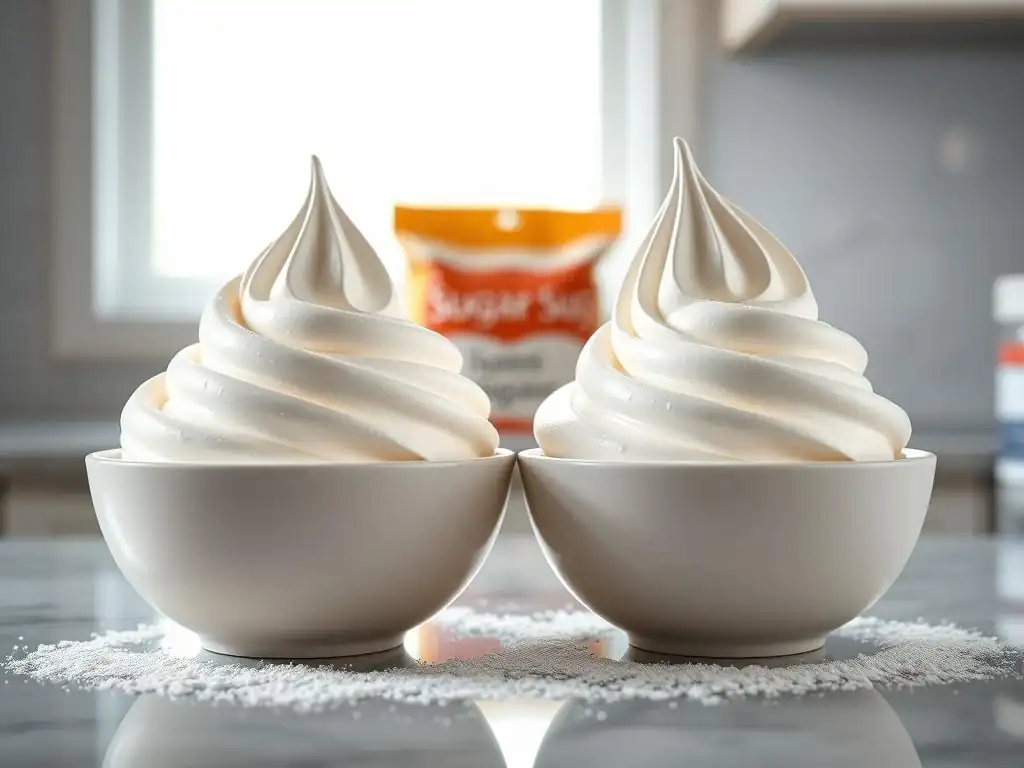
To truly appreciate the difference sugar makes, consider a side-by-side comparison. Imagine making two batches of simple French meringue cookies using the exact same recipe and method, varying only the type of sugar: one with standard granulated sugar and one with superfine caster sugar. Let's assume a basic ratio like 100g egg whites to 200g sugar. The method involves whisking egg whites to soft peaks, then gradually adding the sugar while continuing to whisk to stiff peaks.
After whisking each batch, you'd immediately notice differences in texture and appearance. The granulated sugar meringue might feel slightly gritty when rubbed between your fingers, even after significant whisking, and might appear slightly less glossy. The caster sugar meringue, however, would feel perfectly smooth and look incredibly shiny and satiny. After piping and baking at a low temperature (around 225°F or 110°C) for a prolonged period (perhaps 60-90 minutes), the baked results would likely show variations in texture, crispness, and potentially stability over time.
Recipe and Method for Sugar Comparison
Here's a simple outline for a comparative experiment:
- Ingredients:
- 100g large egg whites (room temperature)
- 200g granulated sugar (Batch 1)
- 200g caster sugar (Batch 2)
- Pinch of cream of tartar (optional, but helpful for stability)
- Method (identical for both batches):
- Preheat oven to 225°F (110°C). Line two baking sheets with parchment paper.
- Ensure bowl and whisk are spotlessly clean and dry.
- Place egg whites (and cream of tartar, if using) in the bowl. Whisk on medium speed until soft peaks form.
- Gradually add the sugar, 1 tablespoon at a time, allowing 30-60 seconds of whisking between additions.
- Continue whisking on medium-high speed until stiff, glossy peaks form and the sugar is completely dissolved (test by rubbing a tiny amount between fingers). This step is where the time difference will be most apparent.
- Pipe or spoon meringue onto prepared baking sheets.
- Bake for 60-90 minutes, or until meringues are dry and crisp throughout. Turn off the oven and leave meringues inside to cool completely.
This controlled experiment allows you to directly observe the impact of sugar crystal size on whisking time, texture before baking, and the final baked result. Pay close attention during step 5 to see how much longer it takes the granulated sugar to dissolve compared to the caster sugar.
Meringue Texture and Volume Analysis
Upon completion of the whisking stage in the side-by-side comparison, the texture difference would be the most striking. The granulated sugar meringue, even after careful whisking, might still retain a slight grittiness. This subtle graininess is a direct result of the larger crystals taking longer to fully integrate into the protein structure. The caster sugar meringue, conversely, would feel incredibly smooth and silky to the touch, a testament to the rapid and complete dissolution of the finer crystals.
In terms of volume, both meringues should achieve significant loft if properly whisked to stiff peaks with sufficient sugar. However, the caster sugar meringue might reach peak volume slightly faster due to the ease of sugar incorporation and stabilization. After baking, the granulated sugar meringues, if any sugar remained undissolved, might show signs of slight weeping at the base or have a less consistently crisp texture. The caster sugar meringues should be uniformly crisp and dry, holding their piped shape beautifully, demonstrating the reliable granulated sugar meringue structure or caster sugar meringue structure achievable with the right sugar choice.
Expert Meringue Tips
Beyond sugar choice, several factors contribute to perfect meringue every time. Paying attention to seemingly small details can make a big difference in achieving that stable, glossy, and voluminous result. These tips cover key elements like accurate measurement, temperature control, and proper storage, all of which interact with the sugar's role in forming the meringue structure.
Accuracy in ingredients, particularly sugar and egg whites, is paramount. Temperature also plays a significant role, both the temperature of the egg whites and, in some methods, the sugar itself or the environment. Finally, how you handle and store the finished meringue is critical for maintaining its delicate structure and preventing issues like weeping or becoming sticky.
Accurate Sugar Measurement for Consistency
Precision in measuring sugar is non-negotiable for consistent meringue results. Baking, especially meringue making, is often more science than art, and the ratio of sugar to egg whites significantly impacts the outcome. Too little sugar can result in an unstable, brittle meringue that is prone to weeping. Too much sugar can make the meringue overly dense, sticky, or difficult to whip to full volume.
Using a kitchen scale to weigh both your egg whites and sugar is the most accurate method. Volume measurements (cups) can vary depending on how densely the sugar is packed, leading to inconsistent results. For many stable meringues, a sugar-to-egg white ratio of 1.5:1 or 2:1 by weight is common (e.g., 150g or 200g sugar per 100g egg whites). Stick to the ratio specified in your recipe, and use a scale to ensure you nail it every time, contributing to a reliable granulated sugar meringue structure or caster sugar meringue structure.
Sugar Temperature in Meringue
While the temperature of the egg whites is frequently discussed (room temperature is generally preferred for volume), the temperature of the sugar itself can also play a role, particularly in specific meringue methods. In French meringue, using room temperature sugar can help it dissolve slightly faster than cold sugar.
In Swiss meringue, the sugar is heated with the egg whites over a double boiler, actively ensuring dissolution through temperature. In Italian meringue, the sugar is heated into a hot syrup (often exceeding 240°F or 115°C), where dissolution is completely guaranteed by the high temperature. For cold-whipped meringues like French, ensuring both egg whites and sugar are at room temperature can give the granulated sugar a slightly better chance of dissolving, although caster sugar remains the easiest option for achieving a smooth texture in this method regardless of temperature.
Storing Meringue for Structure
Proper storage is essential for maintaining the delicate structure of baked meringues. Meringues are highly susceptible to moisture, which can cause them to become sticky, soft, or weep. Once baked and cooled completely inside the oven (which helps draw out moisture), store meringues in an airtight container at room temperature.
Avoid storing meringues in the refrigerator, as the humid environment can quickly degrade their crisp texture and stability. If you live in a very humid climate, storing meringues with a desiccant packet (like the small silica gel packets found in packaging) can help absorb excess moisture in the container. Proper storage helps preserve the hard-earned stable meringue structure you achieved during baking.
Meringue Structure: Final Verdict on Sugar
Choosing the right sugar is a fundamental step in mastering meringue. While both granulated and superfine (caster) sugar can be used, their differing crystal sizes have a significant impact on the process and the final result. For techniques involving heat, such as Swiss or Italian meringue, granulated sugar is a perfectly viable and often economical choice, as the heat ensures complete dissolution and thus a smooth, stable outcome.
However, for cold-whipped French meringue or any application where a guaranteed smooth texture and easy dissolution are priorities, superfine caster sugar is the clear winner. It dissolves rapidly, minimizes the risk of graininess and weeping, and simplifies the process of achieving a glossy, stable meringue structure. Understanding these differences allows you to make an informed decision based on the specific meringue type you are making and your desired outcome.
Choosing Sugar for Baking Needs
Ultimately, the best sugar for your meringue depends on the specific recipe and your comfort level.
- For Italian Meringue: Granulated sugar is ideal and cost-effective.
- For Swiss Meringue: Caster sugar is easier, but granulated can work with careful heating to ensure dissolution.
- For French Meringue: Caster sugar is highly recommended for smoothness and reliability. Granulated sugar requires extra effort and carries a higher risk of graininess.
Consider the final application: a rustic baked Alaska topping might be forgiving of slight texture variation from granulated sugar, but a delicate meringue cookie or a smooth pie topping benefits immensely from the silkiness provided by caster sugar. Factor in cost and availability, but prioritize the sugar that best suits the meringue method to ensure the best possible texture and granulated sugar meringue structure or caster sugar meringue structure.
Experimentation and Preference
Baking is also about experimentation and finding what works best for you in your kitchen environment. Don't be afraid to try making the same meringue recipe with both granulated and caster sugar (perhaps doing the side-by-side comparison outlined earlier) to see and feel the difference for yourself. Your preference for texture and your specific baking goals will guide your choice.
Remember that factors like whisking speed, bowl cleanliness, and humidity also play roles. By understanding sugar's function and practicing your technique, you'll gain confidence in creating beautiful, stable meringues consistently. Whether you opt for the readily available granulated sugar or the finer caster sugar, mastering its incorporation is key to achieving perfect meringue structure.
Frequently Asked Questions
What is the key difference between granulated sugar and superfine sugar when making meringue?
The key difference lies in their dissolving rate. Superfine sugar dissolves quicker, leading to a smoother meringue texture, while granulated sugar can result in a grainier texture if not dissolved properly.
How does the type of sugar used affect the stability of a meringue?
Using superfine sugar contributes to a more stable meringue because it dissolves more readily, creating a stronger protein network. Granulated sugar may not fully dissolve, impacting the overall meringue structure.
Can I use granulated sugar for meringue if I don't have superfine sugar?
Yes, you can, but you'll need to ensure it's completely dissolved. Use a longer whipping time or gently warm the egg whites and sugar mixture over a double boiler until the sugar is dissolved before whipping to achieve a stable and smooth meringue.
What are the visual signs that I've used the wrong type of sugar in my meringue?
If you used granulated sugar and it didn't fully dissolve, you might notice a grainy texture or see undissolved sugar crystals in the finished meringue. This can also lead to weeping or a less stable structure.
Does the type of meringue (Italian, Swiss, French) influence which sugar is best?
Yes, slightly. Italian and Swiss meringues, which involve heating the sugar and egg whites, are more forgiving and can handle granulated sugar better because the heat aids in dissolving the sugar. French meringue benefits greatly from superfine sugar for achieving a smooth and stable structure due to the cold whipping method.
Final Reflection: The Sweet Science of Meringue Perfection
The seemingly simple choice between granulated and superfine sugar dramatically impacts the final structure of a meringue, a fact that holds true not only in the kitchen but also in the broader context of precision and detail. A seemingly minor ingredient substitution can yield vastly different results, highlighting the importance of understanding the nuances of even the most basic components in any endeavor. This extends beyond baking; paying attention to the "small things" often leads to significant improvements in any field.
The exploration of sugar's impact on meringue structure has been a fascinating journey, revealing the delicate balance between science and art in baking. The subtle differences in crystal size directly translate to texture and stability, a lesson applicable far beyond the kitchen. The details are not the details. They make the design.
- Charles Eames. This quote perfectly encapsulates the importance of understanding the seemingly insignificant details, like sugar type, in achieving a superior outcome. The pursuit of meringue perfection mirrors the pursuit of excellence in any field – attention to detail is paramount.
Consider the implications of this exploration. You now possess the knowledge to elevate your baking, to understand the why behind the how. But more than that, you've learned the value of meticulousness and the power of understanding the fundamental components of any process. Take this knowledge and apply it to your own life. What seemingly small details are you overlooking? What areas of your life could benefit from the same level of precision and attention to detail that perfect meringue demands? The pursuit of excellence, like the creation of a flawless meringue, begins with understanding the fundamentals.
Unlock the Secret to Perfect Meringues!
Thanks for taking the time to explore the fascinating world of sugar and its impact on meringue structure! You've now learned how choosing the right sugar can transform your baking. Ready to put your newfound knowledge into practice?
- Whip up a batch of meringues today! Experiment with both granulated and superfine sugar to see the difference firsthand. Note the texture and stability of each.
- Share your meringue masterpiece on social media using #BakeWithEase and tag us! Let's see your perfect peaks!
- Leave a comment below sharing your preferred sugar type and any tips you discovered along the way.
What unexpected texture differences did you notice between using granulated and superfine sugar in your meringue?