
Adding Flavor & Color: Elevate Your Meringue Creations with Creative Ideas

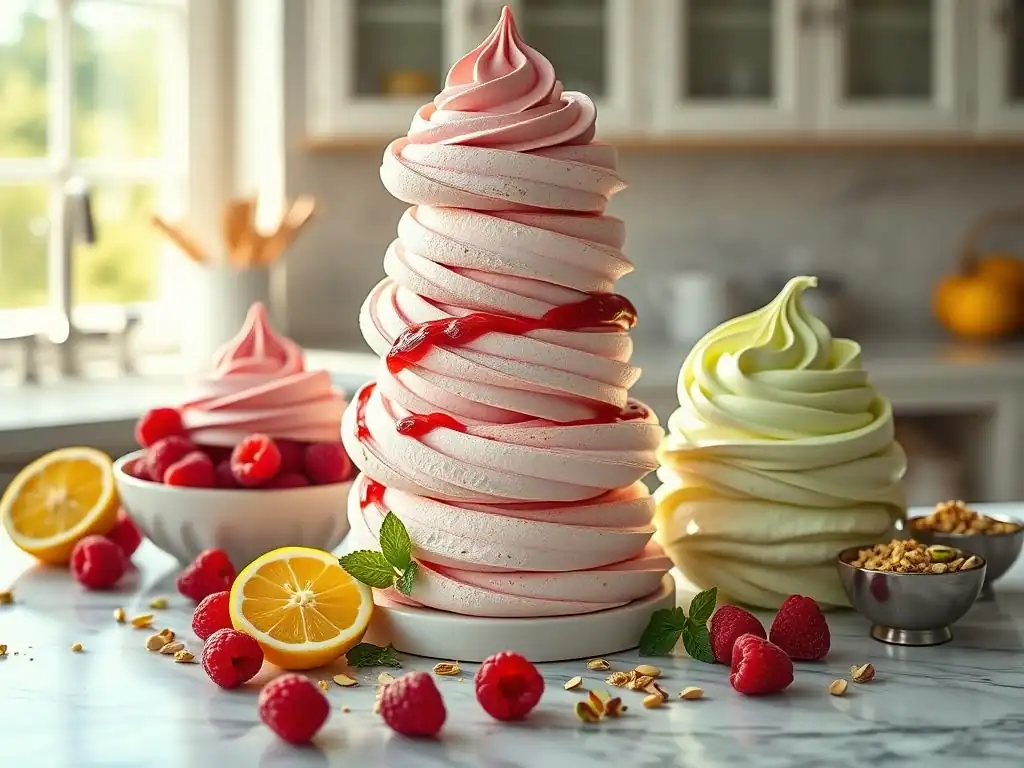
Welcome to BakeWithEase, your partner in baking perfection! Ever wondered how to take your meringue creations to the next level? This week, we're diving deep into the art of easy meringue flavor combinations. Prepare to unlock a world of delicious possibilities, from subtle infusions to bold, vibrant tastes, that will transform your meringues from simple sweets into show-stopping desserts. Ready to elevate your baking game? Let's get started!
- Easy Meringue Flavor Combinations: A Baker's Guide
-
Frequently Asked Questions
- What are some easy ways to add flavor to meringue?
- Can I use food coloring to change the color of my meringue, and if so, what type is best?
- How do different extracts affect the texture of meringue?
- Besides extracts, what other flavorings can I add to meringue for a more complex taste?
- What's the best way to incorporate flavoring into meringue without deflating it?
- Final Reflection: The Sweet Symphony of Flavor and Imagination
- Unleash Your Inner Meringue Maestro!
Easy Meringue Flavor Combinations: A Baker's Guide
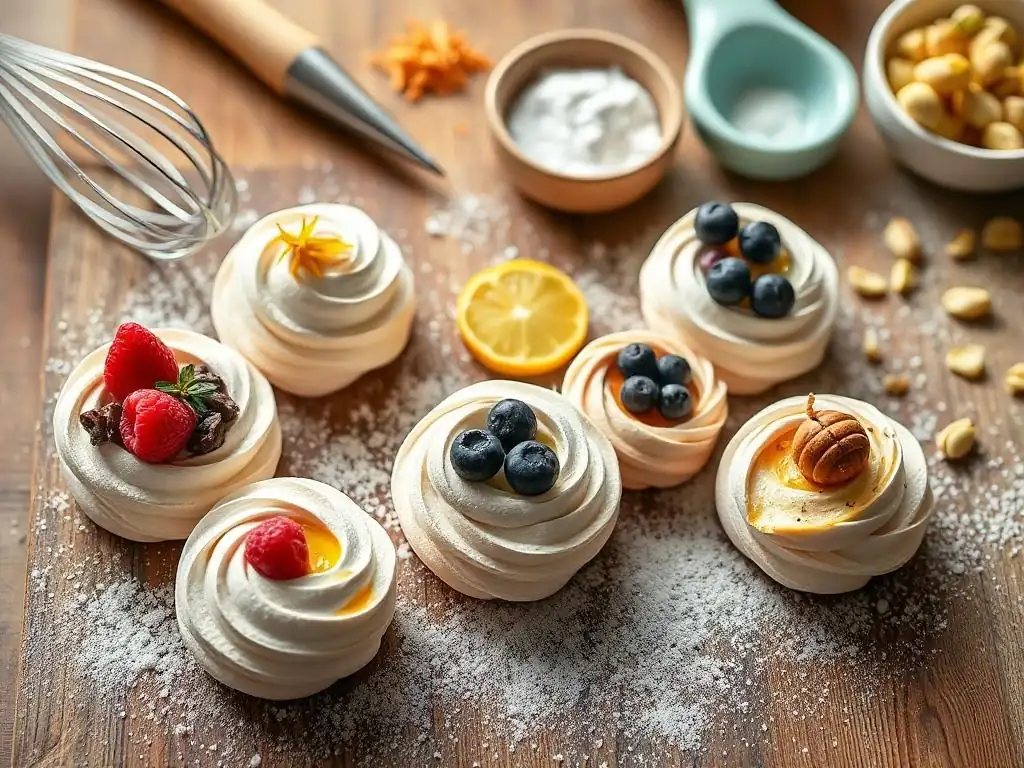
Creating delicious and visually appealing meringue is a rewarding part of baking, and mastering easy meringue flavor combinations is key to elevating your creations. While classic vanilla is always a hit, exploring various flavors can transform simple meringue kisses or cookies into extraordinary treats. Understanding how different flavoring agents interact with the delicate structure of meringue is the first step towards success, ensuring your flavors are vibrant without compromising texture.
The goal is to infuse flavor without adding too much liquid, which can destabilize the egg white foam. This section will guide you through the best practices for adding flavor, helping you develop your own signature easy meringue flavor combinations that impress friends and family. From subtle hints to bold statements, the possibilities are vast when you know how to properly incorporate flavorings into this airy confection.
Key Considerations for Flavoring Meringue
When adding flavor to meringue, the amount of liquid introduced is critical. Egg whites are primarily water, and adding significant amounts of liquid flavoring can prevent the meringue from achieving its full volume and stable peaks. Extracts, being alcohol-based, contain liquid, while emulsions, which are oil-based, often have less liquid. Therefore, using concentrated flavorings is generally preferred to minimize liquid content. A small amount of a potent extract or emulsion goes a long way in achieving robust flavor without risking the meringue's structure.
Timing is another crucial factor. Flavorings are typically added once the meringue has reached stiff peaks. Adding them earlier can interfere with the protein bonds forming as the egg whites are whipped.
Gently folding in the flavoring at the end ensures even distribution without deflating the carefully whipped meringue. For some applications, like incorporating zest or finely ground spices, adding them slightly earlier after soft peaks are formed but before stiff peaks can help them disperse more evenly, but caution is still needed regarding the amount. Achieving delicious easy meringue flavor combinations is about balancing flavor intensity with structural integrity.
Choosing the Right Extracts and Emulsions for Meringue
Extracts are common in baking and provide a wide range of flavors, from classic vanilla and almond to more adventurous options like peppermint or orange. However, because they are alcohol-based, using too much can introduce excess liquid and potentially an alcoholic aftertaste if not fully baked out. For easy meringue flavor combinations, start with a small amount, typically ¼ to ½ teaspoon per batch made with 3-4 egg whites, and adjust based on the specific extract's potency. High-quality pure extracts tend to offer better flavor than artificial ones.
Emulsions are a fantastic alternative to extracts for meringue because the flavor is suspended in oil or water, making them less prone to evaporation during baking and often more potent. Examples include bakery emulsions in flavors like lemon, butter vanilla, or almond. They tend to provide a richer, more true-to-flavor profile compared to extracts, and because they contain less or no alcohol, they introduce less disruptive liquid. When exploring easy meringue flavor combinations, experimenting with emulsions can lead to more intense and consistent flavors in your final product.
Incorporating Spices for Warmth and Depth in Meringue
Ground spices can add wonderful warmth and complexity to easy meringue flavor combinations. Spices like cinnamon, ginger, nutmeg, or even a pinch of cardamom can be incorporated into meringue. The key is to use very finely ground spices to avoid a gritty texture. Powdered spices are best, and they should be added carefully to ensure they don't weigh down the meringue. A common approach is to whisk them into the sugar before gradually adding the sugar to the whipping egg whites, or to gently fold them in at the stiff peak stage.
Adding spices not only enhances the flavor profile but can also add subtle visual cues, like the flecks of cinnamon in a spiced meringue cookie. For a batch made with 3 egg whites, starting with ¼ to ½ teaspoon of a finely ground spice is usually sufficient to impart flavor without affecting texture. Be mindful that some spices, like cloves, can be quite strong, so start with a tiny pinch and taste a small amount of the meringue base (before baking, obviously!)
if you're unsure. Exploring spice combinations opens up a new dimension for creating unique and easy meringue flavor combinations.
Frequently Asked Questions
What are some easy ways to add flavor to meringue?
You can easily add flavor with extracts like vanilla or almond. Another simple method is using flavored sugars, like lemon or orange zest infused sugar. Finally, instant coffee powder can provide a mocha twist.
Can I use food coloring to change the color of my meringue, and if so, what type is best?
Yes, you can! Gel food coloring is recommended because it's highly concentrated and won't add excess liquid. Liquid food coloring can work but use it sparingly.
How do different extracts affect the texture of meringue?
Most extracts won't significantly affect the texture if used in small quantities. However, be mindful of the alcohol content in some extracts, as too much can prevent proper stiff peaks from forming. Stick to teaspoons, not tablespoons.
Besides extracts, what other flavorings can I add to meringue for a more complex taste?
Consider using finely ground spices like cinnamon or cardamom for a warm flavor. You can also incorporate citrus zest for a bright and refreshing taste. Remember to add these in small amounts.
What's the best way to incorporate flavoring into meringue without deflating it?
Add flavorings after the meringue has reached stiff peaks. Gently fold in the flavoring to avoid deflating the meringue. Overmixing is the enemy.
Final Reflection: The Sweet Symphony of Flavor and Imagination
The art of meringue-making, once perceived as a delicate and challenging endeavor, is now within everyone's reach, opening a world of delicious possibilities. This article has explored simple yet effective techniques to transform basic meringue into a vibrant spectrum of flavors and colors, proving that culinary creativity doesn't require complex recipes or extensive experience. The ease of experimentation, as highlighted throughout, empowers even novice bakers to confidently explore the delightful world of meringue.
The impact of accessible recipes and readily available ingredients on the home baking landscape is undeniable. Meringue, once a dessert reserved for special occasions, is now finding its place in everyday baking, thanks to the increasing availability of information and the democratization of culinary knowledge. This shift reflects a broader cultural trend towards personalized culinary experiences. The best things in life are simple,
a sentiment perfectly encapsulates the joy of creating beautiful and flavorful meringues with minimal effort.
Now, it's your turn to embark on this sweet adventure. Don't be afraid to experiment with different flavor combinations, colors, and textures. Let your imagination be your guide, and remember that even the smallest deviation from a recipe can lead to a unique and delightful creation. The journey of culinary exploration is a personal one; embrace the process, savor the results, and share the joy of your meringue masterpieces with those you love.
Unleash Your Inner Meringue Maestro!
Thanks for joining us on this delicious journey into the world of meringues! We hope you've discovered new ways to add flair and flavor to your baking. Ready to put your newfound knowledge into practice?
- Master the perfect meringue: Try out one (or all!) of the recipes mentioned in the article and share your results – we'd love to see your stunning creations!
- Experiment with exciting flavors: Think beyond vanilla – what unexpected flavor combinations will you try next? Perhaps lavender and honey, or even spicy chili and chocolate?
- Share your meringue masterpieces on social media using #BakeWithEaseMeringues – let's inspire each other!
What innovative flavor or color will you add to your next meringue creation?