
Italian Meringue Buttercream: Your Guide to a Stable, Delicious Cake Frosting

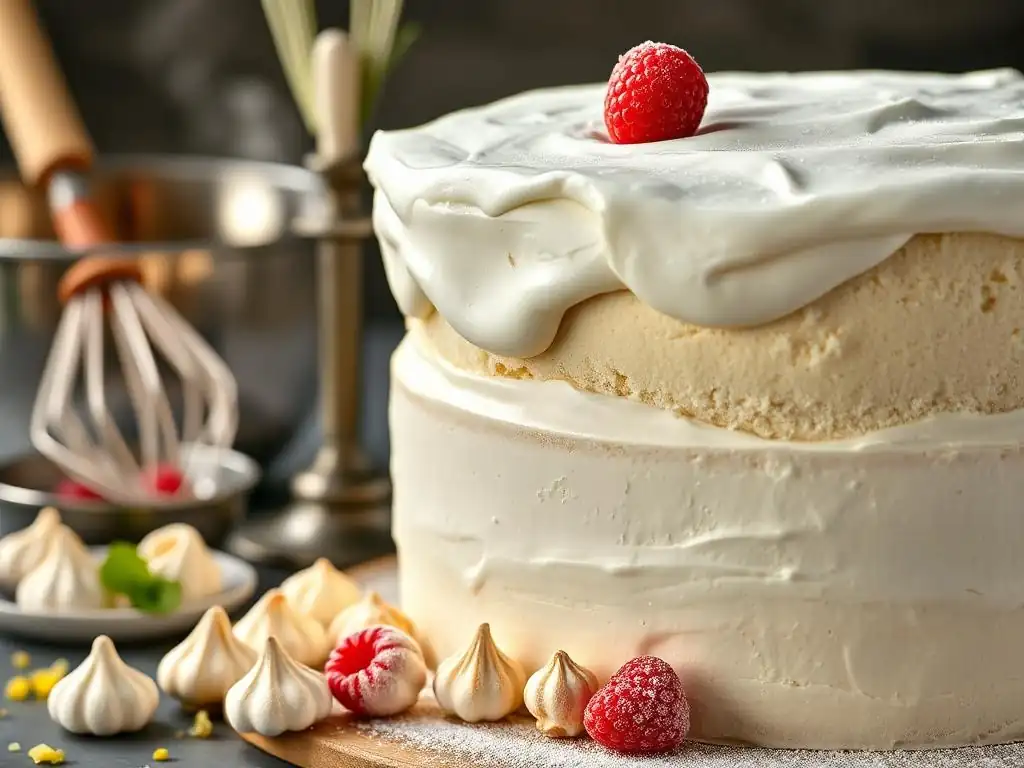
Welcome to BakeWithEase, your partner in baking brilliance! Ever dreamed of a cake frosting that's both incredibly smooth and structurally sound? Dive into our guide to mastering the art of stable Italian meringue buttercream – a technique that elevates your desserts from simple to spectacular. Prepare to unlock the secrets to a perfectly emulsified, melt-in-your-mouth buttercream that holds its shape and tastes divine. Ready to transform your cakes? Let's get baking!
- Understanding Stable Italian Meringue Buttercream: A Comprehensive Recipe Guide
- Essential Ingredients for a Stable Italian Meringue Buttercream Recipe
- Step-by-Step Guide to Making Stable Italian Meringue Buttercream
- Techniques to Enhance Stability and Texture in Italian Meringue Buttercream
- Flavor Variations and Customizations for Italian Meringue Buttercream
- Applying Stable Italian Meringue Buttercream on Cakes
- Troubleshooting and Fixes for Common Italian Meringue Buttercream Problems
- Why BakeWithEase Recommends This Stable Italian Meringue Buttercream Recipe
- Frequently Asked Questions
- Final Reflection: The Enduring Allure of a Perfectly Stable Frosting
- Unlock Your Inner Pastry Chef: Master Italian Meringue Buttercream!
Understanding Stable Italian Meringue Buttercream: A Comprehensive Recipe Guide
What Is Italian Meringue Buttercream and Why Choose It for Cake Frosting?
Italian meringue buttercream is a sophisticated yet achievable frosting made from a base of Italian meringue (cooked sugar syrup whipped into egg whites) combined with softened butter. Unlike simpler buttercreams that rely on powdered sugar for structure, this type derives its stability and smooth texture from the emulsification of butter into a sturdy meringue. It's widely favored by professional bakers and enthusiastic home cooks alike for its silky mouthfeel and not-too-sweet flavor profile, which allows the cake's flavor to shine.
Choosing a stable Italian meringue buttercream recipe for your cake frosting offers significant advantages. Its inherent structure means it holds up exceptionally well, even in warmer environments where other buttercreams might melt or sag. This makes it ideal for tiered cakes, detailed piping work, and desserts that need to withstand display time. The process, while requiring careful temperature control, results in a frosting that is far less grainy and cloyingly sweet than traditional American buttercream, providing a truly luxurious finish to any baked creation.
Key Characteristics of a Stable Italian Meringue Buttercream Recipe
The hallmark of a reliable stable Italian meringue buttercream recipe is its ability to maintain form and texture over time and temperature fluctuations. A properly made batch will be incredibly smooth and spreadable when worked, yet firm enough to hold sharp edges and intricate piped designs without collapsing. This dual nature comes from the precise ratio of sugar syrup, egg whites, and butter, combined with the technique of whipping until the meringue is cool before adding the butter.
Furthermore, a stable Italian meringue buttercream recipe should result in a frosting that is not overly greasy or heavy. The butter is fully emulsified, creating a light, airy structure despite its richness. You'll notice it has a beautiful sheen and a consistency similar to soft-serve ice cream when freshly made. When chilled, it firms up significantly, but should return to a workable consistency after being brought back to room temperature and re-whipped briefly, demonstrating its robustness.
Differences Between Italian Meringue Buttercream and Other Buttercream Types
Italian meringue buttercream stands apart from other popular frostings primarily due to its cooking process and resulting texture. American buttercream, perhaps the simplest, is made by creaming butter with powdered sugar and a liquid; it's very sweet, dense, and less stable in heat compared to Italian meringue buttercream. Swiss meringue buttercream involves heating egg whites and sugar over a water bath before whipping into a meringue and adding butter; it's smoother and less sweet than American, but often slightly less stable than its Italian counterpart due to the different meringue method.
French buttercream, while also using a cooked sugar syrup, whips it into egg yolks instead of whites, resulting in a rich, custard-like, and typically less stable frosting that is best suited for fillings rather than structural decoration. The unique method of pouring hot sugar syrup directly into whipping egg whites in the Italian method creates a particularly strong, elastic meringue base that contributes significantly to the superior stability and smooth consistency characteristic of a good stable Italian meringue buttercream recipe.
Essential Ingredients for a Stable Italian Meringue Buttercream Recipe
Selecting the Right Sugar and Egg Whites for Italian Meringue
For a successful stable Italian meringue buttercream recipe, the quality and type of sugar and egg whites are paramount. Use fine granulated sugar (also known as castor sugar in some regions) for the sugar syrup. Its consistent granule size ensures it dissolves evenly in water and reaches the correct temperature without crystallizing easily. The amount of sugar relative to the egg whites is crucial; a common ratio might be around 1 cup (approx. 200g) of sugar to 4-5 large egg whites (approx. 120-150g), providing the necessary structure for the meringue base.
The egg whites should be fresh and ideally at room temperature. Room temperature egg whites whip up to a greater volume than cold ones, resulting in a lighter, fluffier meringue. While carton egg whites can work, fresh eggs often yield a more robust meringue. Ensure no trace of yolk is present, as fat can prevent the egg whites from whipping properly, compromising the stability of your Italian meringue base and ultimately the buttercream.
Choosing Quality Butter and Flavorings for Superior Taste and Texture
The butter is the other major component of a stable Italian meringue buttercream recipe, making up a significant portion of the volume. Using high-quality unsalted butter is essential. Unsalted butter allows you to control the overall saltiness of the frosting, and quality butter generally has a better flavor and texture. The temperature of the butter is critical; it should be soft enough to easily dent with your finger but not greasy or melted. This "room temperature" is often cooler than many people think, perhaps around 65-70°F (18-21°C).
Flavorings, like vanilla extract, should also be of good quality. Pure vanilla extract offers a much richer flavor than imitation vanilla. Other flavorings like almond extract, lemon zest, or cocoa powder should be added after the butter has been fully incorporated and the buttercream is smooth. Adding liquids or flavors too early can sometimes interfere with the emulsification process or the meringue structure, potentially impacting the final stability and texture of your stable Italian meringue buttercream.
The Role of Temperature and Ingredient Freshness in Stability
Temperature control is arguably the most critical factor in achieving a stable Italian meringue buttercream recipe. The sugar syrup must reach the correct temperature (typically 240-245°F or 115-118°C, known as the soft ball stage) to properly cook the egg whites and create a stable meringue structure. Pouring hot syrup into whipping egg whites creates a pasteurized, strong meringue that forms the backbone of the buttercream's stability.
Equally important is ensuring the meringue cools down significantly before adding the butter. If the meringue is too warm, the butter will melt, resulting in a runny, unusable frosting. The butter itself must be at the correct temperature as mentioned earlier – soft but not melted – to emulsify correctly with the cooled meringue. Freshness of ingredients, particularly the egg whites, also contributes to stability by allowing for a stronger, more voluminous meringue to form.
Step-by-Step Guide to Making Stable Italian Meringue Buttercream
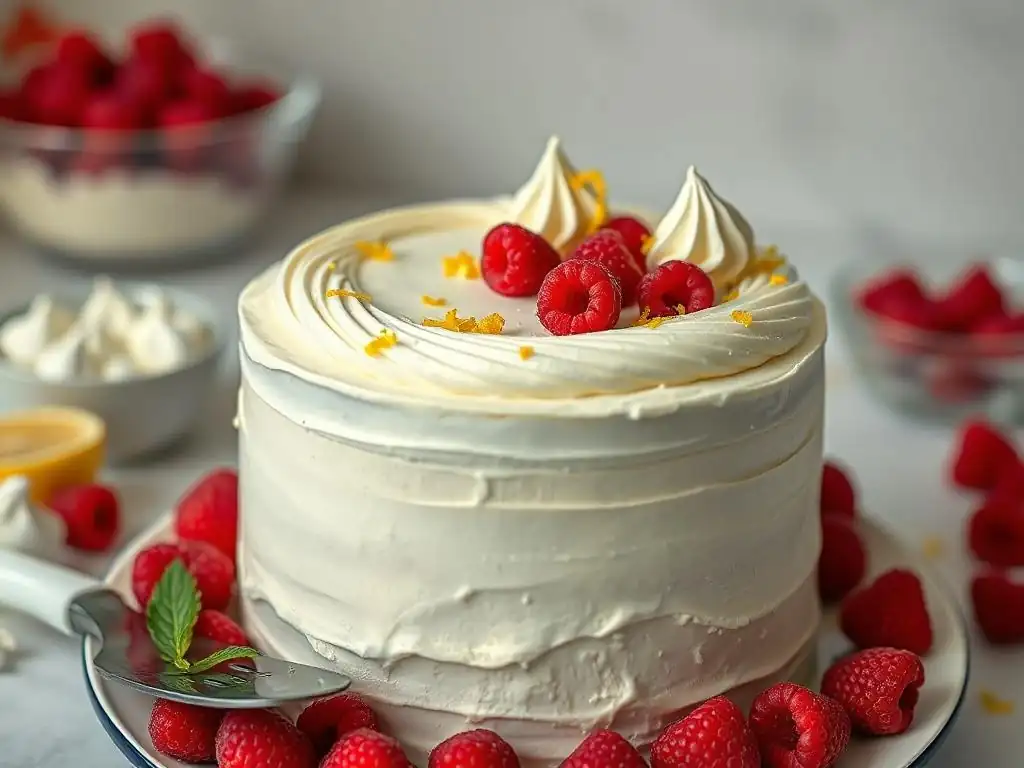
Preparing the Sugar Syrup to the Perfect Soft Ball Stage
Making the sugar syrup is the first crucial step in any stable Italian meringue buttercream recipe. Combine your granulated sugar with just enough water to moisten it in a small saucepan. Stir gently before heating to ensure all sugar is wet, then avoid stirring once it's on the heat to prevent crystallization. Heat the mixture over medium-high heat, using a candy thermometer clipped to the side of the pan to monitor the temperature accurately.
The target temperature for the soft ball stage is typically between 240°F and 245°F (115°C to 118°C). As the syrup boils, sugar concentration increases, raising the boiling point. Reaching this specific temperature range ensures the sugar is cooked to a point where it will create a stable, pliable structure when cooled, which is exactly what you need for a robust Italian meringue base. Having your egg whites ready to whip when the syrup is nearing this temperature is key for timing.
Whipping Egg Whites to Achieve the Ideal Italian Meringue Base
While your sugar syrup is heating and approaching the soft ball stage, begin whipping your room temperature egg whites in the bowl of a stand mixer fitted with the whisk attachment. Start on medium speed until they become foamy, then increase to medium-high speed. Continue whipping until they reach stiff peaks – the peaks should stand straight up when the whisk is lifted. Do not over-whip to dry peaks, as this can make the meringue brittle.
Once the sugar syrup reaches 240-245°F (115-118°C), remove it from the heat. With the mixer running on medium-low speed, carefully and slowly pour the hot sugar syrup in a thin, steady stream down the side of the mixing bowl, avoiding the whisk itself to prevent the syrup from splattering. Once all the syrup is incorporated, increase the mixer speed to high and whip the meringue until the bowl is cool to the touch.
This cooling process can take 10-15 minutes or even longer, depending on the mixer and ambient temperature. An adequately cooled meringue is vital for a stable Italian meringue buttercream recipe.
Incorporating Butter Slowly for a Smooth, Stable Frosting
Once the meringue has cooled completely (the bowl should feel cool, not warm), reduce the mixer speed to low and begin adding your softened, room temperature butter, one tablespoon or small piece at a time. Add the next piece only after the previous one has been incorporated. The mixture will likely look curdled, broken, or even like cottage cheese at this stage – this is completely normal! Do not panic.
Continue adding butter until it's all incorporated. Then, increase the mixer speed to medium-high and continue beating. The mixture will go through various stages: curdled, then possibly very liquidy, before finally coming together into a smooth, fluffy, and stable Italian meringue buttercream. This transformation might take several minutes of continuous beating (5-10 minutes or more). Keep beating until the frosting is light, airy, and has a beautiful sheen, indicating a successful emulsion and a truly stable Italian meringue buttercream recipe result.
Troubleshooting Common Issues During Buttercream Preparation
Making a stable Italian meringue buttercream recipe can sometimes present challenges, but most common issues are fixable. If your buttercream looks curdled even after adding all the butter and beating for several minutes, the most likely cause is that the meringue or butter (or both) were not at the correct temperature.
If it's too cold, gently warm the bottom of the mixing bowl with a warm towel or a quick pass with a blow dryer while beating on low speed until it comes together. If it's too warm and appears soupy, place the bowl in the refrigerator for 10-20 minutes, then return to the mixer and beat on medium-high speed until it emulsifies and thickens.
Another issue can be a grainy texture, often due to sugar crystallization in the syrup or not heating the syrup to the correct temperature. Ensure you don't stir the syrup while it boils and use a reliable thermometer. If the finished buttercream is slightly grainy, sometimes allowing it to sit at room temperature for a bit and then re-whipping can help smooth it out. Persistence and understanding the temperature dynamics are key to mastering a stable Italian meringue buttercream recipe.
Techniques to Enhance Stability and Texture in Italian Meringue Buttercream
Tips for Achieving a Consistently Stable and Spreadable Buttercream
Consistency is key when aiming for a stable Italian meringue buttercream recipe every time. One of the most important tips is ensuring your meringue is fully cooled before adding the butter. A warm meringue will melt the butter, leading to a soupy mess. Use a thermometer to check the meringue temperature if unsure; it should be close to room temperature, ideally below 80°F (27°C). Another tip is to use butter that is properly softened but not greasy. If your kitchen is warm, your "room temperature" butter might be too soft; chilling it slightly before use can help.
Don't rush the process, especially the butter incorporation and subsequent whipping. The transformation from a curdled mess to smooth buttercream takes time and vigorous beating. Patience here is rewarded with a perfectly stable and spreadable consistency. If, after beating for a while, it still seems a bit loose, chilling the bowl briefly (10-15 minutes) and then re-whipping on high speed often firms it up beautifully, helping you achieve that desired stable Italian meringue buttercream result.
Adjusting Buttercream Consistency for Different Cake Decorating Needs
A great advantage of a stable Italian meringue buttercream recipe is its versatility in terms of consistency. For smooth frosting on the sides of a cake, you want it to be easily spreadable. If your buttercream is too stiff after resting or chilling, simply beat it again for a few minutes on low speed to aerate and soften it slightly. If it's too soft for piping intricate details, place the bowl in the refrigerator for 10-20 minutes to allow the butter to firm up slightly, then re-whip briefly until it reaches the desired piping consistency.
For very detailed piping work, a slightly firmer buttercream is preferable. Chilling and re-whipping is the standard method to achieve this. Conversely, if you need a softer consistency for a rustic look or easy spreading, letting the buttercream sit at room temperature for a bit and giving it a quick whip will loosen it up. Mastering these simple adjustments allows you to use your stable Italian meringue buttercream recipe for a wide range of decorating techniques, from smooth finishes to delicate rosettes.
Storing and Handling Italian Meringue Buttercream to Maintain Stability
Proper storage is crucial for maintaining the stability of your Italian meringue buttercream. Freshly made buttercream can sit at cool room temperature (around 70°F or 21°C) for up to two days, covered tightly. This is often the ideal temperature for working with it. For longer storage, it should be refrigerated in an airtight container for up to a week.
When ready to use refrigerated buttercream, let it come to room temperature (this can take several hours depending on the quantity) and then re-whip it in your mixer for several minutes until it becomes smooth, fluffy, and stable again. It will likely be very firm straight from the fridge. Italian meringue buttercream freezes exceptionally well; store it in an airtight container for up to three months.
Thaw it in the refrigerator overnight, then let it come to room temperature and re-whip until smooth and stable, just like refrigerated buttercream. This makes a stable Italian meringue buttercream recipe excellent for making ahead.
Flavor Variations and Customizations for Italian Meringue Buttercream
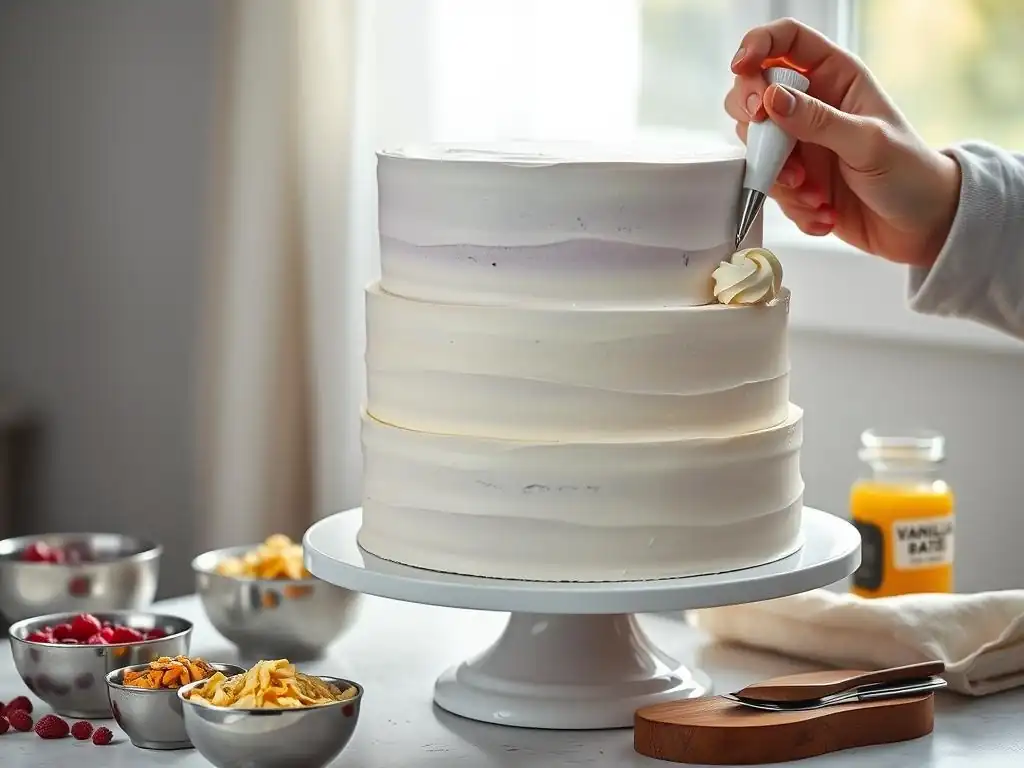
Infusing Natural Extracts and Zests Without Compromising Stability
Once your stable Italian meringue buttercream recipe is complete and perfectly smooth, you can introduce various flavors. Natural extracts like pure vanilla extract, almond extract, lemon extract, or even peppermint extract should be added after the butter has been fully incorporated and the buttercream has come together. Start with a small amount, perhaps 1-2 teaspoons per batch made with 4-5 egg whites, and add more to taste. Adding extracts too early or in excessive liquid amounts can sometimes interfere with the emulsion.
Citrus zests, such as lemon, orange, or lime zest, can also be folded in at the end. The oils in the zest provide a bright, natural flavor. Ensure the zest is finely grated to avoid large pieces. Gentle folding or mixing on low speed after the buttercream is finished is usually best for incorporating zests or extracts without overmixing. This allows you to create a range of delicious variations while keeping the inherent stability of your Italian meringue buttercream recipe intact.
Using Chocolate and Other Mix-ins in a Stable Italian Meringue Buttercream Recipe
Incorporating chocolate or other mix-ins requires a bit more care to maintain the stable structure of Italian meringue buttercream. For chocolate, melt high-quality chocolate (bittersweet, semi-sweet, or milk) and let it cool to lukewarm or room temperature. You can even make a ganache first (melted chocolate mixed with warm cream) and let that cool. Fold the cooled melted chocolate or ganache into the finished buttercream on low speed until just combined. Adding warm or hot chocolate will melt the butter and ruin the consistency. A typical ratio might be 4-6 ounces (113-170g) of melted chocolate per batch.
Other mix-ins like fruit purées, coffee paste, or nut pastes can also be added, but often in smaller quantities (a few tablespoons) to avoid compromising the emulsion and stability. Ensure any added components are concentrated in flavor and not overly liquidy. Sifted cocoa powder can be added for chocolate flavor without extra liquid. Always taste and adjust as you go, adding mix-ins to the finished stable Italian meringue buttercream recipe base.
Applying Stable Italian Meringue Buttercream on Cakes
Best Practices for Frosting Layer Cakes and Cupcakes
Applying stable Italian meringue buttercream to cakes and cupcakes is a joy because of its smooth texture and workability. For layer cakes, start with a crumb coat – a thin layer of buttercream applied all over the cake to trap loose crumbs. Chill the cake in the refrigerator for 15-30 minutes until the crumb coat is firm. This creates a clean surface for the final frosting layer.
Apply the final, thicker layer of buttercream using an offset spatula or piping bag. Use a bench scraper held against the side and top of the cake to smooth the frosting for a professional finish. Because this buttercream is so stable, it holds its shape well, allowing for easy smoothing and sharp edges. For cupcakes, use a piping bag fitted with your desired tip to create swirls, rosettes, or other designs; the buttercream's stability ensures they hold their form beautifully. Working with a stable Italian meringue buttercream recipe makes frosting a much less frustrating process.
Decorating Techniques Compatible with Italian Meringue Buttercream
The inherent stability and smooth texture of Italian meringue buttercream make it compatible with a wide array of cake decorating techniques. It pipes exceptionally well, producing crisp, defined shapes ranging from simple stars and shells to intricate lacework and floral designs. The buttercream's ability to hold its form means piped elements won't droop or lose definition easily, even in moderate room temperatures.
Beyond piping, this buttercream is perfect for achieving a smooth finish on cakes, whether using a bench scraper for sharp edges or an offset spatula for a more rustic look. It can be easily colored using gel food coloring (avoid liquid colors, which can affect consistency). Techniques like palette knife painting, stenciling, and creating texture with various tools also work wonderfully with a stable Italian meringue buttercream recipe. Its versatility truly enhances decorating possibilities.
Troubleshooting and Fixes for Common Italian Meringue Buttercream Problems
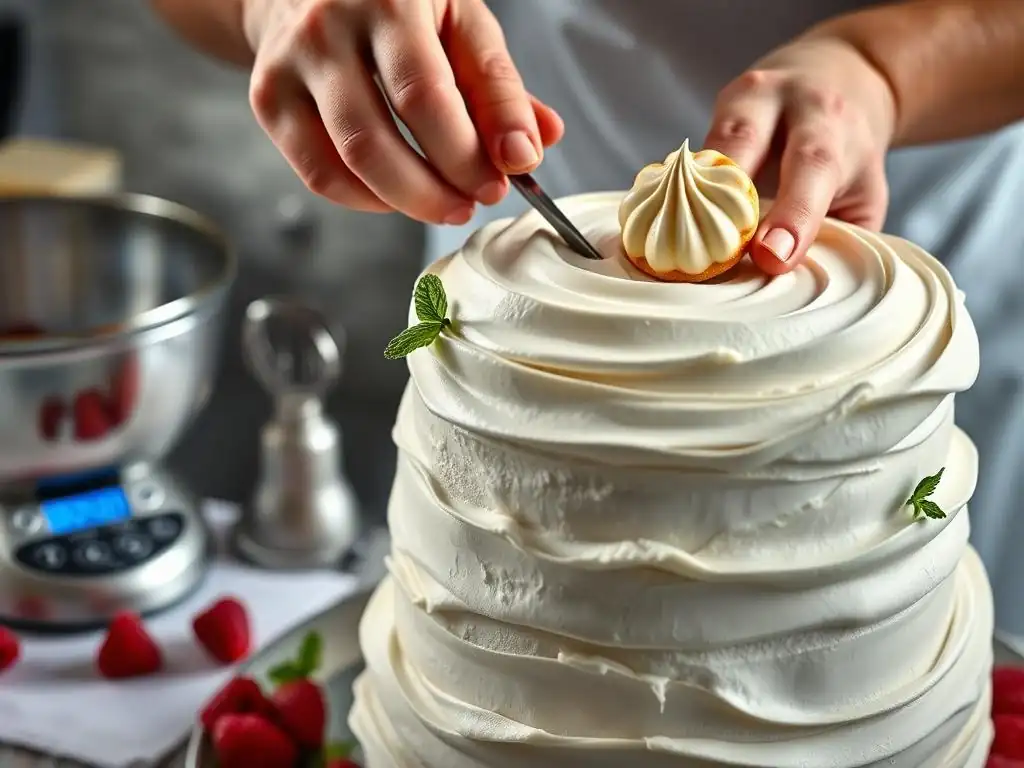
How to Rescue a Broken or Curdled Buttercream
One of the most common and alarming sights when making Italian meringue buttercream is when it looks like a separated, curdled mess, often resembling cottage cheese or even soup. As mentioned earlier, this is usually due to temperature issues – either the meringue was too warm when the butter was added, or the butter was too cold or too warm itself. The good news is, it's almost always fixable!
The first step is often just to keep beating it on medium-high speed for several minutes. Sometimes, it just needs more time to emulsify properly. If it persists in looking curdled, you likely need to adjust the temperature.
If it's too cold and looks curdled, gently warm the bottom of the mixing bowl over a warm water bath or with a quick pass of a heat gun or blow dryer while mixing on low, just until the edges start to look slightly melted, then increase speed to medium-high. If it's too warm and soupy, place the entire bowl in the refrigerator for 10-20 minutes, then return to the mixer and beat on medium-high speed. Be patient and persistent; a stable Italian meringue buttercream recipe is remarkably resilient and can usually be brought back to life.
Preventing and Fixing Overheated or Runny Buttercream
Preventing overheated or runny buttercream starts with ensuring the meringue is completely cool before you even think about adding the butter. This is the most frequent cause of a soupy outcome. Your mixing bowl should feel neutral or cool to the touch, not warm from the meringue whipping. Also, ensure your butter is the correct temperature – soft and pliable, but not greasy or melted.
If your stable Italian meringue buttercream recipe does end up too warm and runny after adding the butter, the fix is simple: chill it down. Place the entire mixing bowl (or transfer the contents to another bowl) into the refrigerator. Chill it for 10 to 20 minutes, checking periodically. The goal is for the butter to firm up slightly.
Once chilled, return the bowl to the mixer and beat on medium-high speed. It might look curdled again initially, but keep beating, and it should emulsify into a smooth, stable consistency. Repeat the chilling and beating process if necessary until the desired texture is achieved.
Why BakeWithEase Recommends This Stable Italian Meringue Buttercream Recipe
Benefits for Advanced Bakers and Beginners in Meringue Mastery
At BakeWithEase, we champion techniques that elevate your baking, and mastering a stable Italian meringue buttercream recipe is a significant step in meringue mastery. For advanced bakers, this recipe offers a reliable foundation for complex cake designs and challenging environments. It provides a consistent, high-quality result that is less prone to the pitfalls of less stable frostings, allowing for greater confidence in tackling ambitious projects like multi-tiered wedding cakes or intricate sugar flower arrangements on a smooth canvas.
For beginners, while the technique of working with hot sugar syrup might seem intimidating initially, this recipe provides a structured, step-by-step process that builds fundamental skills. Learning to make this stable buttercream teaches crucial lessons in temperature control, meringue formation, and emulsion – skills applicable to many other advanced baking techniques. Success with this recipe is incredibly rewarding and opens the door to a new level of frosting perfection, making it a highly recommended starting point in your journey of meringue mastery on BakeWithEase.com.
How This Recipe Supports Your Journey in Advanced Baking Techniques
Incorporating a stable Italian meringue buttercream recipe into your repertoire is more than just learning a frosting; it's about developing core skills essential for advanced baking. Working with sugar syrups at specific temperatures is a technique used in candies, nougats, and other confections. Understanding how to create a stable meringue is fundamental for soufflés, macarons, and other delicate desserts. This recipe integrates both, providing practical experience with these crucial elements.
Furthermore, mastering the emulsion of butter into a meringue teaches you about fat-in-water emulsions, a concept vital in many sauces, batters, and doughs. The troubleshooting involved, like fixing a broken buttercream, builds problem-solving skills applicable across all baking challenges. By providing a comprehensive guide to a stable Italian meringue buttercream recipe, BakeWithEase aims to equip you with not just a great frosting but also foundational knowledge that supports your growth in tackling increasingly complex and rewarding baking techniques.
Frequently Asked Questions
What is Italian meringue buttercream?
Italian meringue buttercream is a luxurious frosting made by combining whipped egg whites with a hot sugar syrup, resulting in a smooth, stable, and creamy texture that is perfect for cakes.
How do I ensure my Italian meringue buttercream is stable?
To ensure stability, it's crucial to whip the egg whites to stiff peaks and incorporate the sugar syrup gradually, allowing for a well-emulsified mixture that holds its shape even in warm conditions.
Can I flavor my Italian meringue buttercream?
Yes! You can easily customize the flavor of your Italian meringue buttercream by adding extracts, purees, or melted chocolate after the butter has been fully incorporated for a delightful twist.
How do I store Italian meringue buttercream?
Store Italian meringue buttercream in an airtight container at room temperature for up to 2 days, or refrigerate it for up to a week. Remember to re-whip before using if it becomes too firm.
What cakes pair well with Italian meringue buttercream?
Italian meringue buttercream pairs wonderfully with a variety of cakes, including chocolate, vanilla, and red velvet. Its rich texture complements many flavors, making it a versatile choice for frosting.
Final Reflection: The Enduring Allure of a Perfectly Stable Frosting
The pursuit of the perfect buttercream is a testament to our desire for both beauty and stability in the culinary arts. A flawlessly smooth, intensely flavorful frosting isn't just a topping; it's the culmination of precision, patience, and a deep understanding of the ingredients' interplay. This article explored the intricacies of Italian meringue buttercream, a technique that delivers on both fronts, providing a stable, luxurious frosting that elevates any cake.
The impact of mastering a technique like Italian meringue buttercream extends beyond the simple act of frosting a cake. It's a journey into the world of culinary precision, demanding attention to detail and a willingness to experiment. It's about understanding the science behind the sweetness, the delicate balance of egg whites, sugar, and butter. This process mirrors life in many ways – requiring careful attention, precise measurements, and a willingness to learn from mistakes. The best things in life are worth the wait,
a sentiment that rings especially true when achieving that perfect, glossy peak in your Italian meringue buttercream.
Now, I invite you to consider the lessons learned here. Don't be afraid to embrace the challenge of creating something beautiful and delicious. The journey of mastering Italian meringue buttercream is a rewarding one, teaching you not only a valuable baking skill but also the importance of patience, precision, and the satisfaction of creating something truly special. So, gather your ingredients, embrace the process, and experience the joy of crafting a cake as stunning as it is delicious. The perfectly stable, flawlessly smooth frosting awaits.
Unlock Your Inner Pastry Chef: Master Italian Meringue Buttercream!
Thanks for taking the time to explore the world of Italian meringue buttercream with us! We hope you now feel confident in creating this incredibly stable and delicious frosting. Ready to put your new skills to the test?
- Bake a show-stopping cake: This is your chance to impress! Use your newfound knowledge to create a cake masterpiece worthy of sharing (and maybe even entering in a contest! ).
- Try a flavor variation: Experiment with different extracts, spices, or even fruit purees to personalize your buttercream. Think lavender, cardamom, or even a hint of espresso!
- Share your creation: Show us your buttercream-frosted creations by posting a picture on social media and tagging #BakeWithEaseButtercream – we'd love to see your baking brilliance!
What innovative flavor combinations will you explore with your newfound buttercream expertise?