
The Art of Substituting Multiple Ingredients Vegans

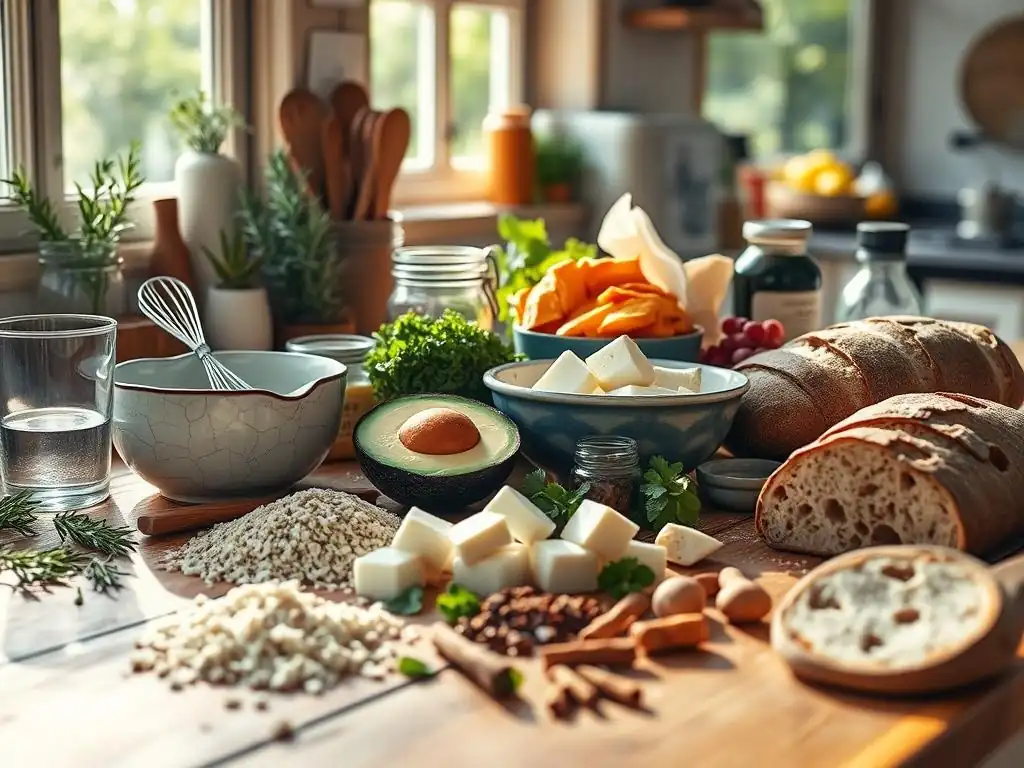
Welcome to BakeWithEase, your haven for stress-free baking adventures! Ever wondered how to transform your favorite recipes into plant-based delights? Our Vegan Ingredient Substitution Guide unlocks a world of possibilities, showing you how to adapt classic bakes with surprisingly simple swaps. Discover the secrets to creating delicious vegan treats that are just as satisfying as the originals, and dive into a baking experience that’s both compassionate and incredibly tasty. Ready to revolutionize your baking?
- Mastering Vegan Baking: Ingredient Substitutions for Success
- Understanding Vegan Ingredient Substitution: A Baker's Guide
- Mastering the Vegan Ingredient Substitution Guide: Essential Replacements
- Combining Substitutions: Advanced Vegan Baking Techniques
- Vegan Baking Ingredient Substitution Chart: A Quick Reference
- Case Studies: Successful Vegan Baking Ingredient Combinations
- Tips and Tricks for Perfect Vegan Ingredient Substitutions
- Elevate Your Vegan Baking with Confident Ingredient Swaps
-
Frequently Asked Questions
- How do I substitute eggs in a vegan baking recipe?
- What are some good vegan alternatives to dairy milk in baking?
- How can I replace butter in a vegan baking recipe?
- Is there a vegan substitute for honey that maintains a similar sweetness and texture?
- What can I use to replace gelatin in vegan desserts?
- Final Reflection: Mastering the Art of Vegan Substitution
- Unleash Your Vegan Baking Genius!
Mastering Vegan Baking: Ingredient Substitutions for Success
Understanding Vegan Ingredient Substitution: A Baker's Guide
Why Vegan Ingredient Substitutions are Essential
Adopting a vegan lifestyle or baking for friends and family with dietary restrictions often necessitates understanding how to replace common animal-derived ingredients like eggs, dairy milk, and butter. This isn't just about adhering to ethical choices; it's crucial for accommodating allergies to dairy or eggs, which are among the most common food sensitivities. Mastering these swaps allows bakers to create delicious treats that everyone can enjoy, significantly expanding the possibilities within your kitchen. A comprehensive vegan ingredient substitution guide becomes an invaluable tool for navigating these changes successfully.
Beyond dietary needs, exploring vegan ingredient substitutions can also lead to exciting new textures and flavors in your baking. Ingredients like aquafaba (the liquid from canned chickpeas) can create surprisingly stable meringues, while various plant milks offer subtle flavor nuances that can enhance a recipe. Learning the functions of traditional ingredients and their vegan counterparts empowers you to adapt almost any recipe, making your baking more versatile and inclusive. This practical knowledge is the first step in becoming proficient in vegan baking.
Key Considerations Before Substituting Ingredients
Before diving into replacements, it's vital to understand the role each ingredient plays in the original recipe. Eggs, for instance, can act as binders, leaveners, or sources of moisture and richness, sometimes performing multiple functions simultaneously. Substituting an egg with applesauce might work well for moisture and some binding in a dense muffin, but it won't provide the lift needed for a light sponge cake. Consulting a reliable vegan ingredient substitution guide can help clarify these functions.
Furthermore, consider how substitutions might interact with each other and affect the overall balance of the recipe. Swapping butter for a liquid oil adds fat but changes the creaming properties essential for some cookies or cakes. Replacing white sugar with a liquid sweetener like maple syrup adds moisture, which might require reducing other liquids in the recipe. Paying attention to the original ratios, the desired texture, and potential flavor impacts of your chosen substitutes is key to achieving successful results.
Mastering the Vegan Ingredient Substitution Guide: Essential Replacements
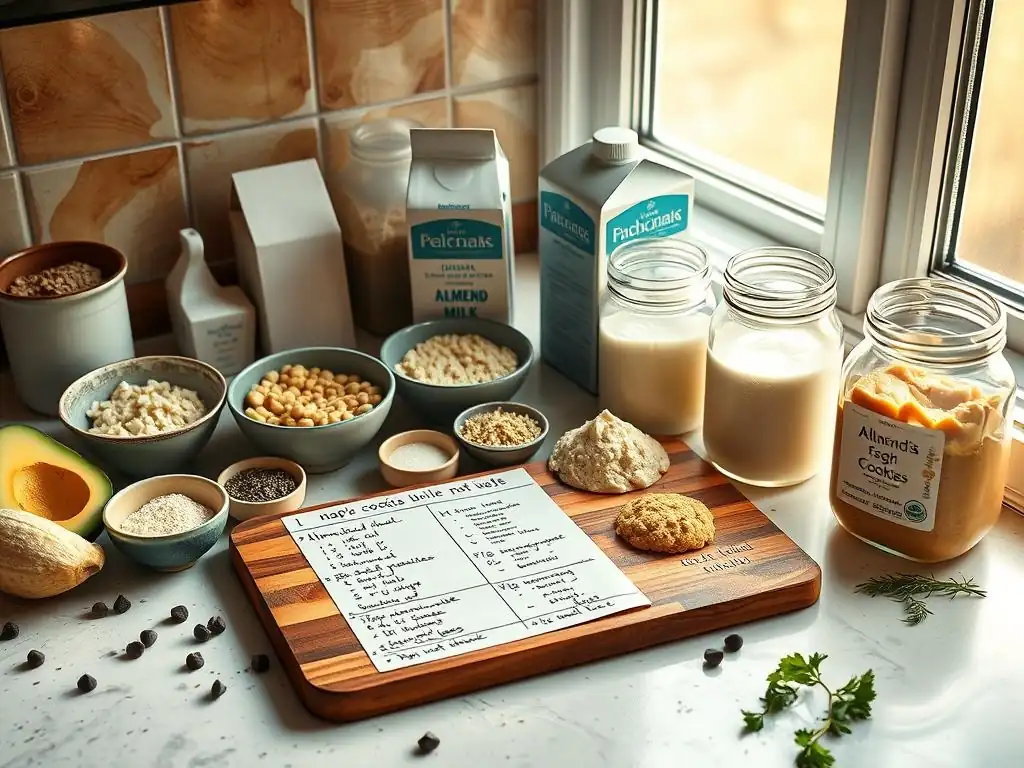
Replacing Eggs in Vegan Baking: Options and Techniques
Eggs are one of the most challenging ingredients to replace in baking due to their multifaceted roles. They bind ingredients together, help baked goods rise through aeration and reaction with leavening agents, provide moisture and richness, and contribute to structure and color. A successful vegan ingredient substitution for eggs depends heavily on what function the egg serves in the specific recipe you are attempting to veganize.
Fortunately, there are several effective vegan alternatives, each suited to different baking applications. Understanding their strengths and limitations is crucial. For instance, some substitutes are excellent binders but offer no leavening, while others primarily add moisture. Often, combining different substitutes or adjusting leavening agents (like baking powder or soda) might be necessary to replicate the egg's full effect.
Flaxseed Eggs: Preparation and Application
A flaxseed egg, often simply called a "flax egg," is a popular and easy-to-make vegan binder. To prepare one flax egg (equivalent to approximately one chicken egg), simply whisk together 1 tablespoon of ground flaxseed meal with 3 tablespoons of water. Allow the mixture to sit for about 5-10 minutes; it will thicken into a gel-like consistency similar to a raw egg. This gel is primarily effective as a binder, helping to hold ingredients together in recipes where the egg's primary role is structure.
Flax eggs work particularly well in recipes like cookies, muffins, quick breads (like banana bread), and pancakes, where strong binding is needed and significant leavening isn't solely reliant on the egg. They add a slightly nutty flavor and can contribute to a chewier texture. However, they are not suitable for recipes requiring significant lift or aeration, such as meringues or light sponge cakes, as they do not whip up or create air pockets like eggs do.
Applesauce as an Egg Substitute: Best Uses
Unsweetened applesauce is another common vegan egg substitute, particularly valued for the moisture it adds to baked goods. A general guideline is to use about 1/4 cup of applesauce to replace one egg in a recipe. This substitution works best in recipes that are already quite moist or dense, such as brownies, muffins, and some quick breads. The applesauce provides binding properties due to its pectin content and helps keep baked goods tender and moist.
While applesauce is great for adding moisture and acting as a binder, it can also make baked goods quite dense or even gummy if used in large quantities or in recipes that require a lighter texture. It also adds a subtle sweetness and flavor, so it's best used in recipes where an apple flavor is complementary or can be masked by other strong flavors like chocolate or spice. Always opt for unsweetened applesauce to avoid making your baked goods overly sweet.
Commercial Egg Replacers: Brands and Applications
For consistent results and versatility, commercial vegan egg replacers are a convenient option. These products are typically made from a blend of starches (like potato or tapioca starch) and leavening agents. Popular brands include Ener-G Egg Replacer, Bob's Red Mill Egg Replacer, and King Arthur Baking Vegan Egg Replacer. Each product will have specific instructions on its packaging, but they usually involve whisking the powder with water to create a slurry.
Commercial egg replacers are designed to mimic some of the binding and leavening properties of eggs and can be used in a wider range of recipes than some single-ingredient substitutes. They often work well in cakes, cookies, and muffins, providing structure and helping with rise. However, they generally cannot replicate the specific functions needed for recipes like custards, quiches, or meringues, which rely heavily on the unique protein structure of eggs. Always follow the manufacturer's recommended ratio for the best results.
Dairy-Free Alternatives: Milk and Butter Substitutions
Replacing dairy milk and butter is often more straightforward than replacing eggs, as there is a wide variety of plant-based options readily available that closely mimic their dairy counterparts in function. Dairy milk provides moisture, contributes to browning, and helps activate leavening agents. Dairy butter adds fat, flavor, contributes to flakiness (in pastries), and helps create tender crumbs in cakes and cookies.
Choosing the right plant-based milk or butter alternative depends on the desired flavor profile and texture of your final product. While a simple 1:1 swap often works for milk, the fat content and flavor can vary significantly between different plant milks. Similarly, not all vegan butter alternatives perform identically in baking, especially when it comes to creaming or creating flaky layers. Consulting a vegan ingredient substitution guide specifically for dairy swaps can be helpful here.
Vegan Milk Options: Soy, Almond, Oat, Coconut
When substituting dairy milk, a general rule is a 1:1 replacement with plant-based milk. However, the type of plant milk you choose can subtly impact the outcome. Soy milk is often considered one of the most versatile due to its relatively neutral flavor and protein content, which can contribute to structure. Almond milk is lower in fat and calories and has a mild flavor, making it a good all-purpose option, though it can sometimes lead to a slightly less rich result.
Oat milk has gained popularity for its creamy texture and slight sweetness, which works well in many baked goods, adding moisture and richness. Coconut milk (from the carton, not canned) is also quite creamy but has a distinct flavor that might not be suitable for all recipes, though it excels in tropical or rich desserts. Always choose unsweetened, plain varieties unless the recipe specifically calls for sweetened or flavored milk, to avoid unwanted sweetness or conflicting flavors.
Dairy-Free Butter Alternatives: Coconut Oil, Vegan Butter Sticks, Olive Oil
Replacing dairy butter requires considering its state (solid, softened, melted) and function in the recipe. Solid coconut oil, especially refined coconut oil (which has a neutral flavor), can often be used as a 1:1 replacement for solid or melted butter in recipes where its fat content is key for richness and moisture, like certain cookies or quick breads. It behaves similarly to butter in terms of melting and solidifying.
Vegan butter sticks, specifically formulated for baking, are designed to mimic dairy butter's properties, including its ability to be creamed with sugar for aeration (essential in many cakes and cookies) and its melting point for creating flaky layers in pastries. Brands like Miyoko's Kitchen, Melt Organic, and Country Crock Plant Butter are popular choices. Liquid oils like olive oil or vegetable oil can replace melted butter in some recipes (often at a slightly reduced amount, like 3/4 cup oil for 1 cup butter), adding moisture but not contributing to structure or flakiness in the same way.
Substituting Honey and Refined Sugar in Vegan Baking
Honey, being produced by bees, is not considered vegan by most. Refined white sugar, while plant-derived, is sometimes processed using bone char filters, leading many vegans to seek alternatives. Sweeteners don't just provide sweetness; they also impact moisture, tenderness, browning, and can even interact with leavening agents. Finding appropriate vegan swaps that perform these functions is key.
The best vegan sweetener substitute depends on the desired sweetness level, flavor profile, and texture of the final product. Liquid sweeteners will add more moisture than granular ones, requiring recipe adjustments. Less refined sugars can add deeper, more complex flavors compared to white sugar. A good vegan ingredient substitution guide for sweeteners will detail these differences.
Natural Sweeteners: Maple Syrup, Agave, Date Syrup
Liquid natural sweeteners like maple syrup, agave nectar, and date syrup are popular vegan alternatives to honey and refined sugar. Maple syrup offers a distinct flavor and adds significant moisture. It's often used at a ratio of about 3/4 cup to replace 1 cup of granular sugar, and you may need to reduce other liquids in the recipe by 2-4 tablespoons to compensate. Agave nectar is very sweet and has a more neutral flavor than maple syrup, also requiring liquid adjustments.
Date syrup or date paste, made from blended dates and water, offers a rich, caramel-like flavor and adds considerable moisture and chewiness. It's less sweet than maple syrup or agave and works well in items like brownies, energy bars, or darker-flavored cakes. When using any liquid sweetener, be mindful that they contribute to moisture and can affect the final texture and spread of baked goods like cookies.
Less Refined Sugar Options: Coconut Sugar, Muscovado Sugar
For bakers seeking alternatives closer in texture to white or brown sugar, less refined options like coconut sugar and muscovado sugar are excellent vegan choices (ensure the brand confirms no bone char processing if this is a concern). Coconut sugar has a granular texture similar to brown sugar and offers a subtle caramel flavor. It can often be substituted 1:1 for brown sugar in recipes and sometimes for white sugar, though it will result in a slightly darker color and richer taste.
Muscovado sugar is another less refined cane sugar with a strong molasses flavor and a moist, sticky texture. It's particularly good in recipes where a deep, rich flavor is desired, like gingerbread or rich chocolate cakes. Like brown sugar, it adds moisture and chewiness. Both coconut sugar and muscovado sugar provide a different flavor dimension than white sugar and can contribute to a moister crumb compared to using only white sugar substitutes.
Combining Substitutions: Advanced Vegan Baking Techniques
Substituting Multiple Ingredients: Maintaining Texture and Flavor
Veganizing a recipe often involves substituting more than one ingredient simultaneously – for instance, replacing eggs, butter, and milk in a cake. This is where baking becomes a bit more complex, as the substitutes' properties must work together harmoniously. If you replace eggs (which bind and leaven) with flax eggs (which only bind) and also replace butter (which adds fat and helps with structure) with applesauce (which adds moisture but not fat), your result could be dense and gummy.
Successful multiple substitutions require a deep understanding of how each original ingredient functions and how your chosen substitutes will perform individually and collectively. For example, in a cake, you might use a combination of aquafaba (for lift) and applesauce (for moisture and binding) to replace eggs, alongside a vegan butter stick for fat and structure, and plant milk for liquid. Balancing these elements is key to maintaining the desired texture, rise, and flavor profile of the original recipe. Consulting a detailed vegan ingredient substitution guide that offers insights into combining swaps is highly beneficial.
Troubleshooting Common Issues When Combining Vegan Substitutions
Even with a solid vegan ingredient substitution guide, combining multiple swaps can sometimes lead to unexpected results. Common issues include baked goods turning out too dry, lacking sufficient binding, or having unbalanced flavors. Recognizing these problems and knowing how to adjust is part of mastering vegan baking. Patience and willingness to experiment are valuable traits.
Troubleshooting often involves making small adjustments to liquid ratios, adding additional binders, or tweaking flavorings. Keep detailed notes when you try a new combination so you can replicate successes and learn from attempts that didn't go as planned. Don't be discouraged by initial failures; they are a normal part of the learning process in advanced vegan baking.
Dryness: Adjusting Liquid Ratios and Adding Moisture
One frequent issue when using a vegan ingredient substitution guide for complex recipes is dryness. This can happen if your egg substitute doesn't add enough moisture, your fat substitute changes the moisture balance, or your flour absorbs more liquid than anticipated. If your dough or batter seems too dry, gradually add small amounts of extra liquid – perhaps a tablespoon or two of your chosen plant milk, a neutral-flavored vegetable oil, or even a bit more applesauce or mashed banana if the flavor profile allows.
Adding ingredients known for high moisture content can also help prevent dryness. Mashed banana, pumpkin puree, or unsweetened applesauce can contribute significant moisture and tenderness when used as part of the egg or fat substitution. Ensure you're measuring accurately, especially with flour (spooning into a cup rather than scooping directly can prevent over-measuring), as too much flour is a common cause of dry baked goods.
Lack of Binding: Strengthening with Flaxseed, Chia Seeds, or Tapioca Starch
If your vegan baked goods are crumbly or fall apart easily, it's likely due to insufficient binding, especially when replacing eggs or gluten. While your primary egg substitute might offer some binding, it might not be enough when combined with other swaps. To strengthen the structure, you can add an extra binder. A small amount of flaxseed meal or chia seeds (soaked in water to form a gel) can significantly improve binding.
Another effective strategy is incorporating starches. A tablespoon or two of tapioca starch, cornstarch, or arrowroot starch mixed with a bit of liquid and added to the batter or dough can act as a powerful binder. For yeasted breads that might lack the binding of gluten, adding psyllium husk powder (often mixed with water beforehand) is a common technique to provide structure and prevent crumbling.
Flavor Imbalances: Balancing Sweetness, Acidity, and Spice
Sometimes, vegan substitutes can alter the flavor profile of a recipe. Plant milks have different tastes, some vegan butters have distinct flavors, and certain egg substitutes (like banana or applesauce) add their own sweetness and notes. If your final product tastes flat, too sweet, or has an off-flavor, you might need to adjust the balance of flavors.
Adding a pinch of salt (even in sweet recipes) can enhance sweetness and overall flavor. Acidity is also crucial; a teaspoon of apple cider vinegar or lemon juice (especially when combined with baking soda) can react to provide lift and also brighten flavors, counteracting potential dullness from some substitutes. Incorporating spices like cinnamon, nutmeg, or cardamom, or using vanilla extract generously, can help mask subtle off-notes from substitutes and deepen the overall flavor complexity.
Vegan Baking Ingredient Substitution Chart: A Quick Reference
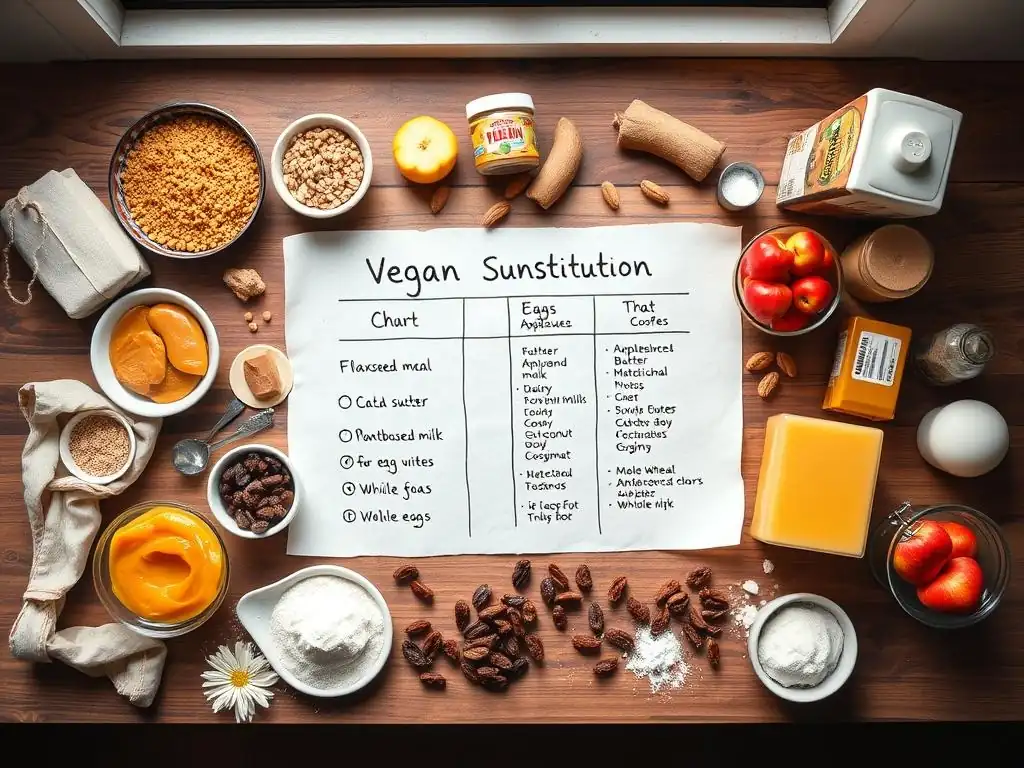
Navigating the many options can be daunting, especially when starting out. A quick reference chart serves as a handy vegan ingredient substitution guide, providing common swaps and their typical ratios. While these are starting points and may need adjustment based on the specific recipe and desired outcome, they offer a solid foundation for your vegan baking endeavors.
Remember that the success of a substitution also depends on the recipe's overall composition. A swap that works perfectly in a dense brownie might not work in a delicate meringue. Use this chart as a guide, but always consider the context of the recipe you're adapting.
Egg Substitutes: Usage and Ratios
Here are some common vegan egg substitutes and their approximate equivalents for one large chicken egg:
- Flax Egg: 1 tbsp ground flaxseed meal + 3 tbsp water. Whisk, let sit 5-10 mins until gelled. Best for binding in cookies, muffins, quick breads.
- Chia Egg: 1 tbsp chia seeds + 3 tbsp water. Whisk, let sit 5-10 mins until gelled. Similar to flax egg, good binder.
- Applesauce (unsweetened): 1/4 cup. Adds moisture and binding. Can make things dense.
- Mashed Banana: 1/4 cup (about half a medium banana). Adds moisture, binding, and banana flavor. Good for muffins, quick breads.
- Pumpkin Puree (unsweetened): 1/4 cup. Adds moisture, binding, and slight pumpkin flavor. Good for spiced goods.
- Silken Tofu (blended smooth): 1/4 cup. Good for richness and moisture in dense cakes, brownies, custards.
- Aquafaba (chickpea liquid): 3 tbsp. Can be whipped for aeration/lightness in meringues, macarons, or used unwhipped for binding in some recipes.
- Commercial Egg Replacer: Follow package directions (typically 1-2 tbsp powder + water). Versatile binder for various recipes.
Dairy Substitutes: Usage and Ratios
Replacing dairy milk and butter is often a straightforward volume-for-volume swap, but consider the fat content and flavor.
- Dairy Milk: 1 cup = 1 cup Plant Milk (Soy, Almond, Oat, Cashew, Coconut - from carton). Choose based on desired flavor and richness. Soy and Oat are often good all-purpose options.
- Dairy Butter (Solid/Softened): 1 cup = 1 cup Vegan Butter Stick. Look for sticks formulated for baking for best results in creaming and flakiness.
- Dairy Butter (Solid/Melted): 1 cup = 1 cup Solid Coconut Oil (refined for neutral flavor). Good for richness and moisture, behaves similarly when melted.
- Dairy Butter (Melted): 1 cup = ~3/4 cup Liquid Vegetable Oil (Canola, Sunflower, Grapeseed) or Olive Oil (adds flavor). Adds moisture but not structure or flakiness.
- Dairy Buttermilk: 1 cup = 1 cup Plant Milk + 1 tbsp Lemon Juice or Apple Cider Vinegar. Stir and let sit 5-10 mins until curdled. Provides acidity for leavening reactions.
Sweetener Substitutes: Usage and Ratios
Substituting honey and refined sugar involves considering sweetness level, moisture, and flavor.
- Granulated White Sugar:
- 1 cup = 1 cup Coconut Sugar or Muscovado Sugar. Adds color and richer flavor.
- 1 cup = ~3/4 cup Maple Syrup or Agave Nectar. Adds significant moisture; reduce other liquids by 2-4 tbsp.
- 1 cup = ~3/4 cup Date Syrup/Paste. Adds moisture, rich flavor, and chewiness; reduce other liquids.
- Brown Sugar:
- 1 cup = 1 cup Coconut Sugar or Muscovado Sugar. Very similar texture and flavor profiles.
- 1 cup = ~3/4 cup Maple Syrup + 1/4 cup Molasses (ensure molasses is vegan). Mimics brown sugar flavor and moisture.
- Honey:
- 1 cup = 1 cup Maple Syrup, Agave Nectar, or Date Syrup. Choose based on desired flavor and adjust liquid as needed.
Case Studies: Successful Vegan Baking Ingredient Combinations
Understanding how different substitutions work together in real recipes is crucial. Here are a few examples illustrating how combined vegan ingredient substitution can lead to delicious results. These are not precise recipes but rather examples of effective ingredient pairings.
These examples highlight the versatility of vegan baking and how combining substitutes strategically allows you to recreate classic treats without animal products. The key is often using a combination of substitutes to fulfill the multiple roles of ingredients like eggs and dairy.
Vegan Chocolate Cake: Using Aquafaba and Oat Milk
A classic chocolate cake relies on eggs for structure and moisture and dairy for richness and tenderness. In a vegan version, aquafaba can be strategically used to replace some of the egg's leavening function, especially if whipped to soft peaks and gently folded into the batter, providing a lighter crumb than relying solely on chemical leaveners. For instance, replacing two eggs with a combination of 1/2 cup of unwhipped aquafaba (for binding and moisture) and boosting the baking powder slightly can work well.
Oat milk is an excellent choice for the liquid component in vegan chocolate cake. Its natural creaminess and slight sweetness contribute to a moist and tender crumb, complementing the richness of the cocoa. Using oat milk at a 1:1 ratio for the original dairy milk, combined with a good quality vegan butter stick for the fat, ensures the cake remains rich and decadent. The combination of aquafaba for lift, oat milk for moisture, and vegan butter for richness creates a well-structured, flavorful vegan chocolate cake.
Vegan Sourdough Bread: Enhancing Flavor with Malt Syrup and Olive Oil
Traditional sourdough bread is often naturally vegan, relying on a starter made of flour and water for leavening. However, some recipes might include dairy or honey. For a purely vegan sourdough, ensuring the starter is only flour and water is the first step. If a recipe calls for dairy milk, simply swapping it 1:1 with water or a neutral plant milk like soy or oat milk works perfectly, maintaining hydration levels.
To enhance flavor and browning without using honey, vegan bakers often turn to ingredients like malt syrup or agave nectar. Adding a tablespoon or two of vegan malt syrup to the dough provides food for the yeast, aids in fermentation, and contributes to a beautiful golden-brown crust and a subtle, appealing sweetness. Instead of butter or other fats sometimes added for tenderness, a drizzle of olive oil can be incorporated into the dough or used to grease the bowl, adding a pleasant subtle flavor and improving the crust texture without using animal products.
Creating vegan and gluten-free baked goods presents a unique challenge, as you're replacing both animal products and gluten (a primary binder and structure provider). In vegan gluten-free cookies, almond flour is a popular choice for its flavor and moisture, but it lacks the binding properties of wheat flour. This is where a strong vegan binder is essential. Combining almond flour with a flax egg or chia egg provides the necessary structure to prevent the cookies from crumbling. For example, using 1 cup of almond flour with one flax egg works well in many cookie recipes.
Maple syrup is an excellent vegan and gluten-free sweetener option that also adds moisture, which is beneficial when working with drier gluten-free flours like almond flour. Using maple syrup instead of granular sugar means you get sweetness and help keep the cookies moist and chewy. A typical ratio might involve replacing 1 cup of sugar with about 3/4 cup of maple syrup and slightly reducing other liquids. This combination of almond flour, a flax/chia egg, and maple syrup creates delicious, moist, and well-bound vegan gluten-free cookies.
Tips and Tricks for Perfect Vegan Ingredient Substitutions
Mastering the art of vegan ingredient substitution goes beyond simply knowing what to swap. Implementing best practices can significantly improve your results and help you bake with confidence. These tips, alongside a reliable vegan ingredient substitution guide, will set you up for success in adapting recipes.
Remember that baking is a precise science, but it also allows for creativity and experimentation. Start with small changes if you're adapting a complex recipe for the first time, and don't be afraid to try again if something doesn't turn out perfectly.
Measuring Accurately for Optimal Results
Accurate measurement is paramount in baking, and it becomes even more critical when performing vegan ingredient substitutions, as the properties of substitutes can vary. For dry ingredients like flour, sugar, and ground flaxseed, using a kitchen scale for measurement by weight is highly recommended. Volume measurements (using cups) can be inconsistent, especially for flour, where scooping directly from the bag versus spooning into the cup can result in significantly different amounts.
For liquid ingredients like plant milk, water, and liquid sweeteners, use clear liquid measuring cups at eye level to ensure precision. When using substitutes like applesauce or mashed banana that are measured by volume, try to level them off carefully. Precision in measuring your substitutes, just like your original ingredients, is a key factor in achieving the desired texture and consistency in your vegan baked goods.
Understanding Ingredient Properties for Informed Substitutions
The most effective way to make successful vegan ingredient substitutions is to understand why the original ingredient is in the recipe and what function it serves. Is the egg primarily for binding, leavening, or moisture? Does the butter contribute fat, flakiness, or structure through creaming? Once you understand the role, you can select a vegan substitute (or combination of substitutes) that best fulfills that specific function. A comprehensive vegan ingredient substitution guide often includes details on these functions.
For example, if a recipe for a light cake relies heavily on whipped egg whites for volume, substituting with applesauce won't work; you would need a substitute capable of aeration, like whipped aquafaba. If butter is creamed with sugar to create air pockets in a cookie dough, liquid oil won't provide that structure; a solid vegan butter stick designed for creaming is the better choice. Focusing on the function rather than just a simple swap is the secret to informed and successful substitutions.
Experimenting and Adjusting for Personalized Recipes
Even with a detailed vegan ingredient substitution guide, every recipe is unique, and sometimes substitutions require slight adjustments. Factors like the humidity in your kitchen, the specific brand of plant milk or vegan butter you use, and even how finely your flaxseed meal is ground can impact the outcome. Don't be afraid to view recipes and substitution guides as starting points rather than rigid rules.
If a dough seems too dry, add a touch more liquid. If cookies spread too much, try slightly reducing the fat or adding a bit more flour or binder next time. Keep a baking journal to note down the original recipe, the substitutions you made, any adjustments, and the final result. This practice will help you learn what works, build confidence, and eventually develop your own personalized vegan recipes based on successful vegan ingredient substitution.
Elevate Your Vegan Baking with Confident Ingredient Swaps
Mastering the art of vegan ingredient substitution opens up a world of possibilities in your kitchen. With a solid understanding of ingredient functions, a reliable vegan ingredient substitution guide, and a willingness to experiment, you can confidently adapt almost any recipe to be entirely plant-based. From fluffy cakes using aquafaba to chewy cookies made with flax eggs and almond flour, the possibilities are endless.
Embrace the journey of learning and discovery that comes with vegan baking. Each successful swap is a step towards becoming a more versatile and skilled baker, capable of creating delicious, inclusive treats for everyone to enjoy. Use this guide as your starting point, experiment with different substitutes, and soon you'll be making confident ingredient swaps like a seasoned pro.
Frequently Asked Questions
How do I substitute eggs in a vegan baking recipe?
Eggs can be replaced with several options. Common substitutes include applesauce (1/4 cup per egg), mashed banana (1/2 banana per egg), or flaxseed meal mixed with water (1 tablespoon flaxseed + 3 tablespoons water per egg). Experiment to see what works best for your specific recipe.
What are some good vegan alternatives to dairy milk in baking?
Many plant-based milks work well. Almond milk, soy milk, and oat milk are popular choices. Consider the flavor profile, as some milks have a more pronounced taste than others.
How can I replace butter in a vegan baking recipe?
Vegan butter sticks, coconut oil, or even avocado oil can be used to replace butter. The best choice depends on the desired texture and flavor of your baked goods.
Is there a vegan substitute for honey that maintains a similar sweetness and texture?
Maple syrup, agave nectar, and brown rice syrup are all good vegan alternatives to honey. They offer similar sweetness levels and can be used in most recipes.
What can I use to replace gelatin in vegan desserts?
Agar-agar powder is a plant-based alternative derived from seaweed. It needs to be dissolved in water and then heated to activate its gelling properties. It's a great vegan alternative to gelatin.
Final Reflection: Mastering the Art of Vegan Substitution
The ability to creatively substitute ingredients is not merely a skill for vegans; it's a gateway to culinary freedom and sustainability. This guide has explored the diverse world of vegan cooking, highlighting the ingenuity required to replicate familiar flavors and textures without relying on animal products. The sheer number of options available, from simple swaps to complex recreations, underscores the dynamism and ever-evolving nature of vegan cuisine.
This journey into the world of vegan ingredient substitution has profoundly impacted my own approach to cooking. I've discovered a newfound appreciation for the versatility of plant-based ingredients and the satisfaction of creating delicious and ethical meals. The process of experimentation and adaptation has been incredibly rewarding, and I've learned that limitations often breed creativity. The best way to find yourself is to lose yourself in the service of others.
– Mahatma Gandhi. This quote, while not directly about vegan cooking, speaks to the broader principle of embracing challenges and finding fulfillment in the process of learning and growth, a sentiment perfectly mirrored in mastering the art of vegan substitution.
Now, it's your turn. Don't be afraid to experiment! Embrace the challenge of finding your own perfect substitutions, and let your creativity flourish in the kitchen. Each successful swap is a testament to your culinary ingenuity and a step towards a more sustainable and compassionate food system. The possibilities are endless – go forth and create your own delicious vegan masterpieces!
Unleash Your Vegan Baking Genius!
Thanks for diving into the world of versatile vegan baking! You've now unlocked the secrets to effortlessly substituting multiple ingredients – making delicious, cruelty-free treats a breeze. Ready to put your newfound knowledge into action?
- Master a new vegan recipe: Choose one of your favorite non-vegan recipes and try substituting the ingredients using the techniques outlined above. It's your chance to experiment and create something truly unique!
- Share your creations: Post a picture of your vegan masterpiece on social media and tag us @BakeWithEase – we'd love to see your baking triumphs!
- Explore our recipe archive: Dive deeper into our collection of delicious vegan recipes, specifically designed for easy ingredient substitutions. You might just discover your new signature dish!
What exciting vegan creation will you bake first?