
Common Vegan Substitution Mistakes (And How to Fix Them Fast)


Welcome to BakeWithEase, your partner in creating delicious baked goods! Ever felt frustrated when your vegan baking substitutions just don't work? This guide tackles those common pitfalls head-on, offering simple solutions and clever hacks. Discover how to navigate the world of plant-based baking with confidence and achieve perfect results every time – let's unlock the secrets together!
- Common Vegan Baking Substitution Mistakes (And How to Fix Them Fast)
- Introduction to Vegan Baking and Common Substitution Challenges
- Mistake #1: Using the Wrong Type of Vegan Milk
- Mistake #2: Incorrectly Substituting Eggs in Vegan Baking
- Mistake #3: Overlooking Gluten-Free Flour Blends
- Mistake #4: Neglecting the Role of Fats in Vegan Baking
- Mistake #5: Sweetener Substitutions Gone Wrong
- Mistake #6: Ignoring the Importance of Binding Agents
- General Tips for Successful Vegan Baking Substitutions
- Troubleshooting Common Vegan Baking Substitution Problems
- Conclusion: Mastering Vegan Baking Through Careful Substitution
-
Frequently Asked Questions
- What are some common vegan baking substitution problems that beginners often encounter?
- How can I effectively substitute eggs in vegan baking to avoid density and dryness?
- What's the best way to replace dairy milk in baking without compromising flavor or texture?
- What are the potential issues when substituting butter with vegan alternatives, and how can I prevent them?
- How do I ensure my vegan baked goods have enough structure and don't fall apart easily?
- Final Reflection: Baking Freedom: Mastering Vegan Substitutions
- Unleash Your Inner Vegan Baking Pro!
Common Vegan Baking Substitution Mistakes (And How to Fix Them Fast)
Introduction to Vegan Baking and Common Substitution Challenges
Why Vegan Baking Substitutions Can Be Tricky
Embarking on the journey of vegan baking can be incredibly rewarding, but it often comes with a unique set of challenges, particularly when it comes to substituting traditional ingredients like eggs, dairy milk, and butter. These ingredients play crucial roles in the structure, moisture, and leavening of baked goods.
Simply swapping them out one-for-one without understanding their function can lead to disappointing results, which is where many common vegan baking substitution problems arise. Unlike conventional baking where ingredients like eggs provide both binding and leavening, vegan alternatives often specialize in just one or the other, requiring a more thoughtful approach to balancing the recipe.
The complexity isn't just about replacing a single ingredient; it's about how the combination of substitutes interacts. For instance, a recipe relying heavily on butter for structure might fail if replaced with a liquid oil substitute without other adjustments. Similarly, using a binder that adds too much moisture can throw off the delicate balance needed for a light and airy crumb. Navigating these vegan baking challenges requires not just knowing what to substitute, but how different substitutes behave and react within the baking process to avoid those frustrating vegan baking substitution problems.
The Importance of Understanding Vegan Ingredient Functions in Baking
Successful vegan baking hinges on a deep understanding of what each original ingredient contributes to the final product and finding vegan alternatives that replicate those functions. Eggs, for example, provide binding, leavening, richness, and moisture. A single flax egg might bind well, but it won't provide the lift needed in a fluffy cake. Dairy milk adds protein and fat for structure and richness, while also interacting with leavening agents; different vegan milks offer varying levels of these components. Fats like butter contribute flavor, tenderness, flakiness, and help with leavening by trapping air.
Knowing the role of each ingredient allows you to make informed decisions about substitutions. If a recipe needs lift, you might need a leavener like baking soda activated by an acid (lemon juice, vinegar) in addition to a binder. If richness is key, a higher-fat vegan milk or a solid vegan butter substitute might be necessary. This functional understanding is the key to preventing the most frequent vegan baking substitution problems and achieving results that are not just edible, but truly delicious.
Mistake #1: Using the Wrong Type of Vegan Milk
Problem: Not Considering Fat Content in Vegan Milk
One of the most overlooked aspects when choosing a vegan milk substitute is its fat content. Dairy milk, particularly whole milk, contains about 3-4% fat, which contributes significantly to the richness, tenderness, and moisture of baked goods. Many popular vegan milks, such as almond or rice milk, have a much lower fat percentage, often less than 1%.
Substituting these low-fat options directly into recipes designed for higher-fat dairy or vegan milks can lead to a less tender crumb, reduced richness, and a drier texture. The fat coats flour particles, inhibiting gluten development and resulting in a softer, more delicate structure. Without sufficient fat, baked goods can become tough or crumbly.
Beyond just fat, protein content also varies widely among vegan milks. Soy milk, for example, has a protein content similar to dairy milk (around 7-8 grams per cup), which can contribute to structure and browning. Oat milk typically has moderate fat (around 2-2.5%) and some protein (around 2-3 grams per cup), offering a good balance for many applications. Almond and rice milk are generally lower in both fat and protein. Using a low-protein, low-fat milk where a recipe relies on milk for some structure or richness is a common source of vegan baking substitution problems.
Solution: Choosing the Right Vegan Milk Based on Recipe Needs (e.g., Oat Milk for Richness)
To avoid issues stemming from incorrect milk choices, consider the primary function of the milk in the original recipe. For recipes where richness and moisture are key, like cakes, muffins, or quick breads, a higher-fat, creamier milk is often best. Unsweetened soy milk or oat milk (especially 'barista' or 'full-fat' versions) are excellent choices as they provide a good balance of fat and protein. Cashew milk can also work well if it's on the creamier side. These milks contribute to a more tender crumb and better browning.
For lighter baked goods or recipes where milk is primarily used to activate leavening (like baking soda), a lower-fat milk like almond or rice milk might suffice, provided the recipe doesn't heavily rely on the milk for structure or richness. However, even in these cases, opting for soy or oat milk often yields a better texture and flavor. Pay attention to whether the milk is sweetened or unsweetened; unsweetened is generally preferred unless the recipe accounts for the added sugar, helping to avoid unexpected sweetness or changes in moisture balance.
Identifying Vegan Milk Baking Problems: Dense Texture
One tell-tale sign that you might have used the wrong vegan milk, or one that's too low in fat or protein for the recipe's needs, is a dense or heavy texture in your baked goods. If your cake doesn't rise as expected or has a tight, unyielding crumb, the milk substitute could be a culprit. Low-fat, low-protein milks don't contribute enough structure or richness to support the leavening process and create a tender crumb. Instead of trapping air and expanding gracefully, the batter can become heavy and compact during baking.
This issue is particularly noticeable in recipes like pound cake or butter cakes, which rely heavily on fat and protein for their characteristic tender, fine crumb. Substituting whole dairy milk or a rich vegan milk with a watery almond milk can result in a significantly different, often undesirable, texture. Recognizing this dense texture as a potential vegan baking substitution problem related to milk choice is the first step towards adjusting your ingredient selection for future baking endeavors.
Mistake #2: Incorrectly Substituting Eggs in Vegan Baking
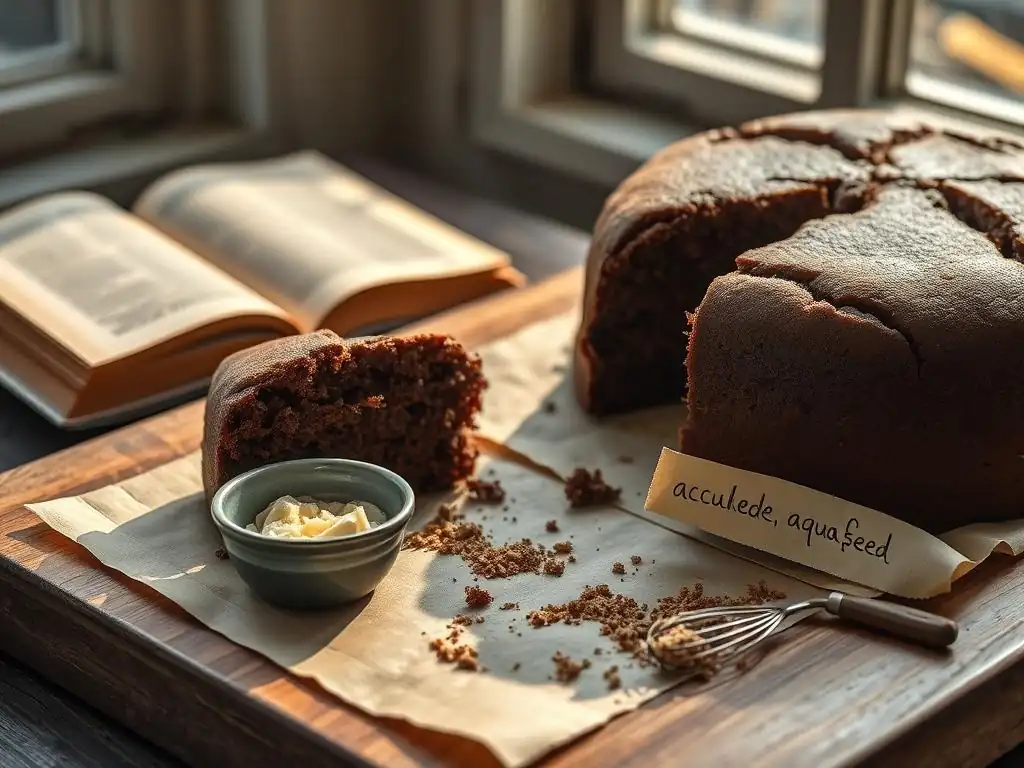
Problem: Relying Solely on Flax Eggs for Every Recipe
Flax eggs (ground flaxseed mixed with water) are a popular and effective vegan egg substitute, great for binding ingredients together in recipes like cookies, muffins, and quick breads. However, a common mistake in vegan baking is assuming a flax egg can replace a chicken egg in any recipe. Chicken eggs perform multiple functions: binding, leavening, adding moisture, fat for richness, and contributing to structure and color. A flax egg primarily excels at binding due to the mucilage formed when flaxseed interacts with water. It offers minimal leavening and doesn't add much richness or contribute to a light structure.
Attempting to use flax eggs in recipes that rely heavily on eggs for lift (like sponge cakes, meringues, or soufflés) will inevitably lead to failure. The baked goods will be dense, flat, and potentially gummy because the binding power is there, but the necessary aeration and structural support are missing. This over-reliance on a single type of binder is a frequent source of vegan baking substitution problems, highlighting the need for a more versatile approach to egg replacement.
Solution: Understanding Different Vegan Egg Replacers and Their Uses (e.g., Aquafaba for Meringue)
Successfully replacing eggs in vegan baking requires a toolkit of different substitutes, each suited to specific tasks. For recipes needing lift and binding, a commercial egg replacer blend (often starch-based) or a combination of ingredients might be necessary. For moisture and binding in denser items like brownies or muffins, mashed banana (about 1/4 cup per egg) or unsweetened applesauce (about 1/4 cup per egg) work well, though they can impart flavor and add significant moisture, requiring potential adjustments elsewhere.
Where aeration and structure for light textures are paramount, such as in meringues, macarons, or some cakes, aquafaba (the liquid from canned chickpeas) is the star. It can be whipped into stiff peaks much like egg whites. For richness and binding in cheesecakes or quiches, silken tofu or a blend of cashew cream can mimic the creamy texture of eggs. Understanding why you're using an egg in a conventional recipe helps you choose the best vegan alternative – focusing on the specific function needed (binding, leavening, richness, moisture) is key to solving vegan baking substitution problems related to eggs.
Vegan Egg Substitution Chart: Flaxseed Meal vs. Applesauce vs. Commercial Egg Replacer
Here's a quick guide to some common vegan egg replacers and their best uses:
- Flax Egg (1 tbsp flax meal + 3 tbsp water, rest 5-10 min):
- Function: Excellent binder.
- Best For: Cookies, muffins, quick breads, pancakes, as a binder in veggie burgers.
- Limitations: Minimal leavening, adds minor nutty flavor, can make things slightly dense if overused.
- Applesauce (1/4 cup unsweetened):
- Function: Adds moisture and some binding.
- Best For: Muffins, cakes, quick breads (adds tenderness).
- Limitations: Adds sweetness and apple flavor, can make baked goods gummy or dense if too much liquid isn't adjusted.
- Commercial Egg Replacer (e.g., Bob's Red Mill, Ener-G):
- Function: General binding and some leavening depending on blend composition (often starch/leavener based).
- Best For: Cakes, muffins, cookies, brownies - general all-purpose replacement in many recipes needing binding and modest lift.
- Limitations: Results vary by brand, doesn't replicate the richness of yolks or the significant leavening of whipped whites.
Understanding these differences helps you pick the right tool for the job and avoid common vegan baking substitution problems.
Mistake #3: Overlooking Gluten-Free Flour Blends
Problem: Assuming All Gluten-Free Flours are Created Equal
When adapting a recipe to be both vegan and gluten-free, a common error is substituting wheat flour with a single type of gluten-free flour, like almond flour, rice flour, or oat flour. Unlike wheat flour, which contains gluten that provides structure and elasticity when developed, single gluten-free flours lack this inherent structure. Almond flour is high in fat and protein but doesn't absorb liquid like wheat flour. Rice flour can be gritty and dense on its own. Oat flour can be heavy and absorb a lot of moisture.
Simply swapping 1:1 with one of these flours will result in baked goods that are often crumbly, dense, dry, or don't hold their shape because the necessary structural network isn't present. Gluten-free baking, especially when combined with the challenges of vegan substitutions, requires a different approach to flour composition. Relying on a single flour type is a significant contributor to texture-related vegan baking substitution problems in gluten-free recipes.
Solution: Creating or Using a Balanced Gluten-Free Flour Blend for Vegan Baking
Successful gluten-free baking, particularly in a vegan context, relies on using a blend of flours and starches. A well-balanced blend typically combines:
- Whole Grain Flours: (e.g., brown rice flour, sorghum flour, oat flour) provide structure, protein, and nutrients.
- Starchy Flours: (e.g., white rice flour, tapioca starch, potato starch, cornstarch) provide binding, lightness, and help create a tender crumb.
- Optional: Nut flours (almond flour), seed flours (sunflower seed flour) for flavor and richness, or binders like xanthan gum or psyllium husk to mimic gluten's elasticity.
Using a carefully formulated commercial gluten-free blend or creating your own ensures that you have the right balance of protein, starch, and fiber to provide structure, absorb moisture correctly, and achieve a desirable texture. A common ratio for a basic blend is around 60% starch to 40% flour, although this varies greatly depending on the specific flours used and the desired outcome. This strategic blending is crucial for overcoming the structural vegan baking substitution problems encountered when going gluten-free.
Best Gluten-Free Flour Combinations for Vegan Baking: Brown Rice Flour, Tapioca Starch, and Almond Flour
A common and effective combination for a basic gluten-free vegan baking blend often includes brown rice flour, tapioca starch, and sometimes almond flour, potentially with other starches or flours. Brown rice flour provides a good base with some protein and structure, though it can be a bit coarse. Tapioca starch is a fantastic binder and provides chewiness and lightness, helping to prevent that dense, crumbly texture often seen in gluten-free vegan baked goods. It becomes slightly gummy when heated, helping to hold things together.
Adding a smaller proportion of almond flour can contribute richness, flavor, and tenderness due to its fat content. A simple blend might look something like 3 parts brown rice flour, 1 part tapioca starch, and 1 part potato starch.
For recipes where a nutty flavor is welcome, substituting some brown rice flour with almond flour (e.g., 2 parts brown rice, 1 part almond, 1 part tapioca, 1 part potato starch) can work. Remember that gluten-free flours absorb liquids differently than wheat flour, so you might need minor adjustments to liquid content in recipes adapted for these blends, which is a typical part of solving vegan baking substitution problems.
Mistake #4: Neglecting the Role of Fats in Vegan Baking
Problem: Replacing Butter or Oil with Unsuitable Alternatives
Fats are fundamental in baking, contributing to moisture, tenderness, flavor, leavening (by trapping air during creaming), and browning. Replacing traditional butter or oil with alternatives that don't perform the same function is a frequent source of vegan baking substitution problems.
For instance, trying to use a low-fat, watery spread in a recipe that relies on solid fat for structure (like pie crusts or cut-out cookies) will result in a dough that is difficult to work with and a final product lacking flakiness and tenderness. Similarly, replacing solid butter with a liquid oil in certain recipes can alter the texture significantly, leading to flatter cookies or denser cakes.
The composition of fat matters. Butter is about 80-82% fat and contains water and milk solids, which contribute to browning and flavor. Coconut oil is nearly 100% fat and mostly saturated, making it solid at room temperature but melting quickly. Vegetable oils are liquid at room temperature and mostly unsaturated. Choosing a substitute without considering its fat percentage, state (solid vs. liquid), and composition will lead to predictable vegan baking substitution problems like greasy textures, lack of spread, or dense crumb.
Solution: Using Vegan Butter, Coconut Oil, or Other Fats Appropriately
The key to successful fat substitution is matching the properties of the original fat. For recipes where creaming is essential for leavening and structure, or where a solid fat is needed for flakiness (like biscuits, scones, or certain cookies), a high-quality stick vegan butter is usually the best choice. Look for brands that mimic the fat content and behavior of dairy butter (around 80% fat). These can be creamed with sugar to incorporate air, contributing to lift and tenderness.
For recipes where melted butter or liquid oil is used primarily for moisture and tenderness (like muffins, quick breads, or some cakes), liquid vegetable oils (canola, sunflower, grapeseed) or melted coconut oil (which behaves like a liquid oil once melted) are good alternatives. Coconut oil adds a subtle flavor and can contribute to a slightly different texture than vegetable oil due to its high saturated fat content, but it works well for moisture.
Understanding which type of fat the recipe calls for – solid or liquid – guides your choice of vegan substitute to avoid common vegan baking substitution problems.
Understanding the Impact of Different Fats on Vegan Baking Texture
The type of fat used has a profound impact on the final texture of vegan baked goods. Solid fats, like chilled vegan butter or shortening, are essential for creating flaky textures in pastries, pie crusts, and biscuits. When cut into flour, these fats create pockets. As the fat melts during baking, these pockets steam, pushing the layers apart and resulting in flakiness. Using liquid oil in these recipes would simply coat the flour, resulting in a more uniform, less flaky texture.
Liquid fats, like vegetable oils or melted coconut oil, contribute primarily to tenderness and moisture. They coat the flour particles, inhibiting gluten development and creating a soft, moist crumb, ideal for cakes, muffins, and brownies. Unlike solid fats, they don't trap air during creaming, so leavening must come from other sources (baking powder/soda, aquafaba, etc.). Recognizing the textural goal of the original recipe helps you select the appropriate vegan fat substitute and prevent common vegan baking substitution problems.
Mistake #5: Sweetener Substitutions Gone Wrong
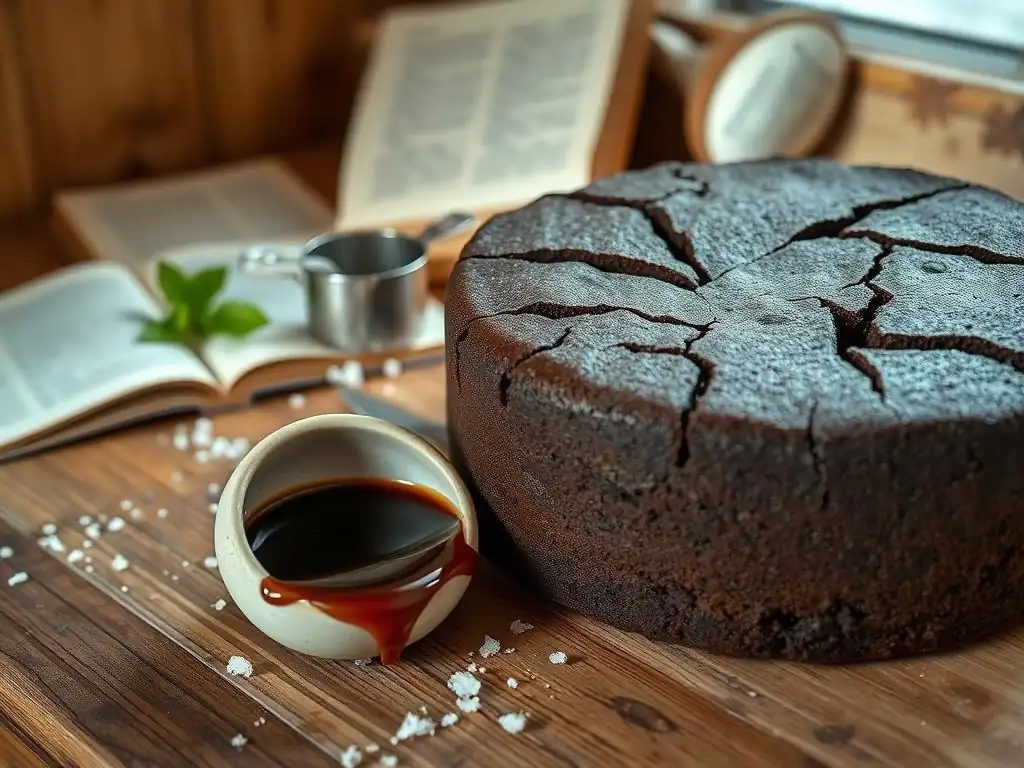
Problem: Using the Wrong Sweetener and Affecting Texture and Moisture
Sweeteners do more than just add sweetness; they contribute to moisture, tenderness, browning, and can affect the structure of baked goods. Substituting granular sugar (like white or brown sugar) with a liquid sweetener (like maple syrup, agave nectar, or liquid stevia) without adjusting the recipe is a frequent cause of vegan baking substitution problems. Granular sugars absorb moisture and provide bulk and structure, especially when creamed with fat. Liquid sweeteners, conversely, add significant moisture and can dilute the batter, leading to a denser, sometimes gummy texture, and can also affect how the baked good spreads or sets.
Furthermore, different sweeteners have varying levels of sweetness and different chemical properties that affect browning and how they interact with other ingredients, particularly leavening agents. Substituting brown sugar (which is acidic and moist) with white sugar (neutral and dry) in a recipe relying on brown sugar's acidity to activate baking soda will result in less lift. Ignoring these properties when swapping sweeteners leads to unpredictable results, from flat cookies to overly moist or dry cakes.
Solution: Adjusting Liquid Content When Using Liquid Sweeteners Like Maple Syrup or Agave
When substituting granular sugar with a liquid sweetener like maple syrup, agave, or brown rice syrup, it's crucial to reduce the other liquids in the recipe to maintain the correct moisture balance. Liquid sweeteners add moisture, and failing to compensate for this will result in a batter that is too wet, leading to dense or gummy baked goods. A general guideline is to reduce the total liquid from other sources (like milk or water) by about 1/4 cup for every cup of liquid sweetener used.
This adjustment helps prevent the batter from being oversaturated, allowing the structure to set properly during baking. Additionally, liquid sweeteners can sometimes cause baked goods to brown faster, so you might need to reduce the oven temperature slightly (e.g., by 25°F or 15°C) or tent the top with foil if you notice excessive browning before the interior is cooked through. Making these adjustments is essential for successfully navigating sweetener-related vegan baking substitution problems.
Vegan Sweetener Conversion Guide: Sugar to Maple Syrup Ratio
Here is an approximate conversion guide for substituting granulated sugar with maple syrup, keeping in mind that adjustments to other liquids are necessary:
- 1 cup Granulated Sugar ≈ 3/4 cup Maple Syrup
- Important Note: When using 3/4 cup maple syrup to replace 1 cup of granulated sugar, reduce the other liquids in the recipe by approximately 1/4 cup.
- Considerations: Maple syrup will add moisture, a distinct flavor, and contribute to faster browning. This substitution works best in recipes where the texture isn't heavily reliant on creaming sugar and fat, like muffins, quick breads, or granola.
This conversion is a starting point, and results can vary based on the specific recipe and other ingredients. Experimentation is often needed to fine-tune the balance and avoid common vegan baking substitution problems related to sweetness and moisture.
Mistake #6: Ignoring the Importance of Binding Agents
Problem: Crumbling or Dry Vegan Baked Goods
Vegan baked goods, especially those that are also gluten-free, can sometimes suffer from a lack of cohesion, resulting in a crumbly, dry texture that falls apart easily. This is often due to the absence of eggs and gluten, which are primary binding agents in traditional baking. Eggs provide proteins that coagulate and help hold the structure together, while gluten forms an elastic network.
Without effective vegan substitutes for these functions, the dry and wet ingredients don't bind sufficiently, leading to a fragile structure that crumbles rather than holds its shape. This is a common vegan baking substitution problem that needs targeted solutions.
Simply removing eggs or using a binder that isn't potent enough for the recipe's needs leaves a void in the structural integrity. While fats and moisture contribute to tenderness, they don't necessarily bind. Leavening agents create lift, but they can exacerbate crumbling if there isn't a strong enough structure to contain the air pockets. Addressing this requires intentionally adding ingredients whose primary role is to act as a glue, holding the batter or dough together through the baking process.
Solution: Adding Binding Agents Like Tapioca Starch or Cornstarch
To combat crumbling and dryness, incorporating effective vegan binding agents is crucial. Starches like tapioca starch, cornstarch, or potato starch are excellent options. When heated, they absorb liquid and form a gel-like structure that helps to bind ingredients together and contribute to a tender, slightly chewy texture. Using a tablespoon or two of starch per cup of flour in certain recipes (especially gluten-free ones) can significantly improve cohesion.
Other powerful binders include psyllium husk (whole or powder) and xanthan gum. Psyllium husk absorbs a large amount of water and forms a gel that mimics some of the binding properties of gluten. Xanthan gum, often used in gluten-free baking, provides elasticity and helps prevent crumbling. Commercial vegan egg replacers often contain a blend of starches and gums for this purpose. Choosing the right binder depends on the recipe type and desired texture – starches for general binding, psyllium or xanthan for mimicking gluten structure.
How to Properly Use Binding Agents in Vegan Baking Recipes
The method of incorporating binding agents can affect their efficacy. Starches like cornstarch or tapioca starch are often best whisked into the dry ingredients to ensure even distribution before wet ingredients are added. Alternatively, they can be mixed with a small amount of liquid first to form a slurry, then added to the batter, preventing clumps. A common ratio in vegan recipes is around 1-2 tablespoons of starch per cup of flour, especially in recipes that need extra help holding together, like cookies or scones.
For psyllium husk, it's typically mixed with a small amount of liquid (often water or milk substitute) and allowed to sit for a few minutes until it forms a gel before being added to the batter. A common substitution is 1-2 teaspoons of psyllium husk powder mixed with 2-3 tablespoons of water per egg replaced, particularly effective in bread or recipes needing significant structure.
Xanthan gum is usually added directly to the dry ingredients, typically in small amounts (e.g., 1/4 to 1 teaspoon per cup of gluten-free flour blend), as too much can result in a gummy texture. Following these usage guidelines helps prevent vegan baking substitution problems related to structure.
General Tips for Successful Vegan Baking Substitutions
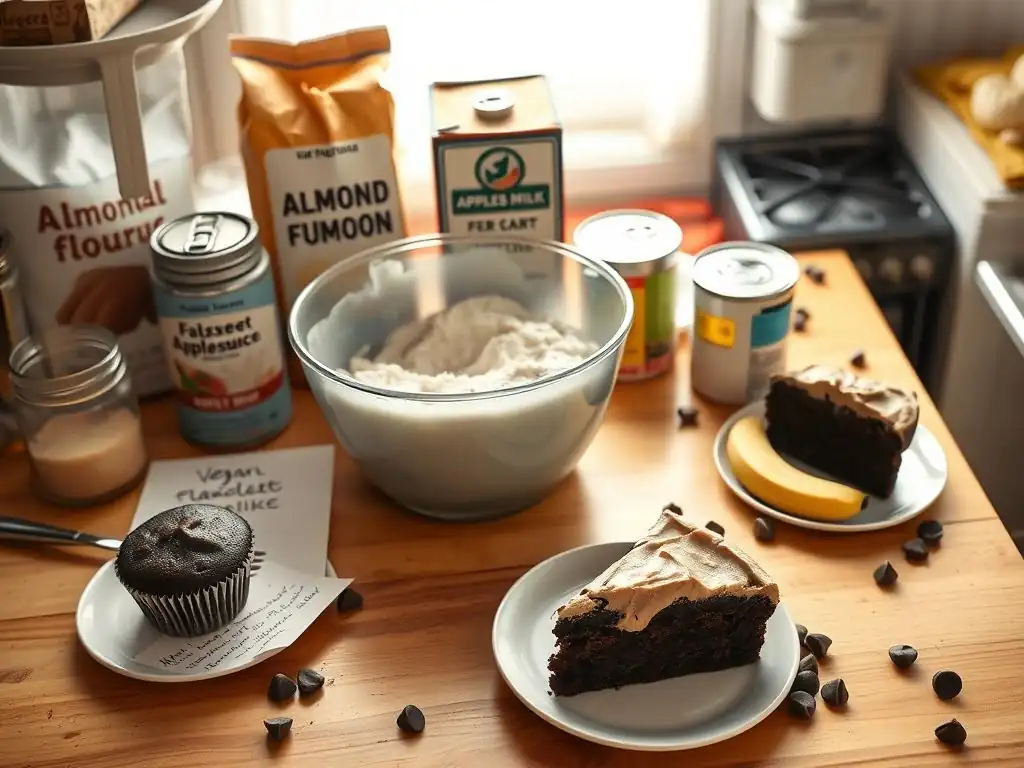
Measuring Ingredients Accurately for Consistent Results
Precision is paramount in baking, and even more so when dealing with the nuanced world of vegan substitutions. Small inaccuracies in measuring can significantly impact the final outcome, leading to many common vegan baking substitution problems. For instance, scooping flour directly from the bag with a measuring cup can pack it down, resulting in up to 25% more flour than intended, leading to a dry, dense product. Similarly, inaccurately measuring liquid sweeteners or fats can throw off the delicate moisture balance.
For the most consistent results, especially with flours and fats, measuring by weight using a kitchen scale is highly recommended. Volume measurements can vary depending on how ingredients are packed or whether they are sifted. If using volume measurements, use the 'spoon and level' method for dry ingredients like flour (gently spoon flour into the cup and level off with a straight edge) and liquid measuring cups placed on a flat surface for liquids. Accurate measurement minimizes variables and helps diagnose vegan baking substitution problems more effectively.
Understanding Ingredient Ratios for Optimal Baking
Baking is often based on fundamental ratios (e.g., the classic cake ratio: 1 part fat, 2 parts sugar, 3 parts flour, 4 parts egg by weight, roughly). While vegan baking alters these specific numbers due to ingredient differences, understanding the concept of ratios is incredibly helpful. It's about the balance between structural ingredients (flour, protein), tenderizers (fat, sugar, moisture), and leaveners. If you significantly increase a tenderizer (like using a very moist egg replacer) without adjusting structural components or reducing other liquids, you'll likely end up with a dense or gummy result.
Learning basic ratios for different types of baked goods (cookies, muffins, cakes, breads) provides a framework for understanding how ingredient swaps will affect the overall composition. It helps you anticipate potential vegan baking substitution problems and proactively adjust multiple ingredients, not just the one being substituted. For example, if using a liquid sweetener, you know it's not just a sweetness swap but also a moisture addition that impacts the liquid-to-dry ratio.
Adjusting Baking Time and Temperature for Vegan Recipes
Vegan baked goods often behave slightly differently in the oven compared to their conventional counterparts. Due to differences in fat, protein, and sugar content, they might brown faster or slower, or take longer to set in the center. A common issue is that the outside appears done, but the inside is still raw or gummy, a classic vegan baking substitution problem. This can be due to the different moisture levels and how vegan ingredients react to heat.
It's often wise to start checking for doneness a few minutes earlier than the recipe suggests. Use visual cues (golden brown edges, cracked tops on muffins, pulling away from the sides of the pan) and physical tests (a skewer inserted into the center comes out clean for cakes/muffins, gentle pressure springs back). If the top is browning too quickly, loosely tenting the baked good with foil can help. Sometimes, slightly reducing the oven temperature (e.g., by 10-15°F or 5-10°C) and increasing the baking time can help ensure the inside cooks through without the outside burning.
Troubleshooting Common Vegan Baking Substitution Problems
Here are some quick solutions for frequent issues:
My Vegan Cake is Too Dense: Overmixing, too much liquid, not enough leavening agent
- Possible Causes:
- Using a low-fat, low-protein milk substitute where richness was needed.
- Using a binder (like flax egg) without sufficient leavening.
- Too much liquid from egg replacers or sweetener substitutions.
- Overmixing the batter (develops toughness).
- Expired baking powder or soda.
- Fixes:
- Ensure you're using an appropriate egg replacer for lift and binding.
- Check leavening agents' freshness (test baking powder in hot water, baking soda in vinegar).
- Reduce liquid slightly if using moist binders or liquid sweeteners.
- Mix batter just until combined.
- Consider adding a bit more leavening or an acid (like apple cider vinegar) to activate baking soda.
- Possible Causes:
- Using a fat substitute with a lower melting point or too much liquid fat.
- Over-creaming fat and sugar (incorporates too much air that collapses).
- Not chilling the dough (helps solidify fat).
- Oven temperature is too low (fat melts before structure sets).
- Using a liquid sweetener or overly moist egg replacer.
- Fixes:
- Use a stick vegan butter designed for baking, not a soft tub margarine.
- Ensure fat is cold if cutting into dry ingredients (for flaky cookies).
- Chill cookie dough for at least 30-60 minutes before baking.
- Verify oven temperature with an oven thermometer.
- Slightly increase flour or reduce liquid/fat in the recipe.
My Vegan Bread is Not Rising: Expired yeast, water temperature incorrect, not enough gluten development
- Possible Causes:
- Expired yeast (check date, proof in warm water first).
- Water temperature too hot (kills yeast) or too cold (inhibits activation). Ideal is usually 105-115°F (40-46°C).
- Not enough sugar to feed the yeast.
- Not enough kneading/mixing (for gluten breads) or insufficient binder (for gluten-free).
- Drafty or cold proofing environment.
- Fixes:
- Always proof yeast first to ensure it's active.
- Use a thermometer for water temperature.
- Ensure enough sugar is present (even a little helps).
- Knead dough adequately or ensure gluten-free binders (like psyllium husk) are used correctly.
- Find a warm, draft-free spot for rising (e.g., slightly warm oven).
Conclusion: Mastering Vegan Baking Through Careful Substitution
The Journey to Vegan Baking Success: Practice and Experimentation
Mastering vegan baking substitutions is less about finding a single magic bullet and more about understanding the science behind baking and how different ingredients function. While initial attempts might present frustrating vegan baking substitution problems like dense cakes or crumbly cookies, each experiment provides valuable lessons. Learning the properties of various vegan milks, the specific roles of different egg replacers, the necessity of balanced gluten-free flour blends, the impact of fats, and the need for proper binders are all steps on this rewarding journey.
Don't be discouraged by initial setbacks. Keep track of what worked and what didn't, and don't be afraid to slightly adjust recipes based on your understanding of ingredient functions and common vegan baking substitution problems. The wealth of resources available, including detailed guides on sites like BakeWithEase.com, can help you make informed choices. With practice, patience, and a willingness to experiment, you'll gain the intuition needed to tackle almost any recipe, confidently making vegan substitutions and consistently producing delicious results.
Frequently Asked Questions
What are some common vegan baking substitution problems that beginners often encounter?
Many beginners struggle with replacing eggs and dairy. Often, the substitutions lack the same binding or moisturizing properties, resulting in dry or crumbly baked goods.
How can I effectively substitute eggs in vegan baking to avoid density and dryness?
Use ingredients like applesauce, flax eggs, or aquafaba. These offer different levels of binding and moisture, so choose the right one for your recipe.
What's the best way to replace dairy milk in baking without compromising flavor or texture?
Opt for plant-based milks like oat milk or soy milk, as they have a creamy texture similar to dairy. Almond milk is another option, but it can be thinner.
What are the potential issues when substituting butter with vegan alternatives, and how can I prevent them?
Some vegan butters can be high in water content, affecting the final texture. Use high-quality vegan butter that's specifically formulated for baking, or try coconut oil.
How do I ensure my vegan baked goods have enough structure and don't fall apart easily?
Use a combination of binding agents like flaxseed meal and tapioca starch. Also, avoid overmixing the batter, as this can develop too much gluten.
Final Reflection: Baking Freedom: Mastering Vegan Substitutions
The quest for delicious vegan baked goods often hinges on understanding the nuances of ingredient substitution. Many aspiring vegan bakers face frustrating failures, but mastering these substitutions unlocks a world of creative culinary possibilities. It's not just about replacing eggs with flaxseed—it's about understanding the why behind each swap and achieving consistent, delightful results.
The impact of readily available vegan alternatives on our food culture is profound. It's not just about dietary choices; it's about accessibility and inclusivity. More and more people are exploring plant-based diets, and understanding the intricacies of vegan baking empowers them to participate fully in this culinary evolution. Food is symbolic of love when words are inadequate.
- Alan D. Wolfelt. This sentiment rings true for vegan baking; it's a way to share love and connection through delicious, compassionate creations.
So, what's next? Don't be discouraged by initial setbacks. Embrace the learning process, experiment fearlessly, and most importantly, enjoy the journey! Each successful vegan bake, each perfectly risen loaf, is a testament to your dedication and growing expertise. The next time you face a vegan baking challenge, remember the lessons learned here, and approach it with confidence and creativity. You have the power to transform simple ingredients into extraordinary vegan delights.
Unleash Your Inner Vegan Baking Pro!
Thanks for diving into the world of vegan baking with us! We hope you've gained valuable insights into common substitution pitfalls and discovered new ways to create delicious, plant-based treats. Now it's time to put your newfound knowledge into practice.
- Bake your dream vegan recipe: Grab that recipe you've been eyeing and make it vegan! Use the tips from this article to ensure a successful bake. This is your chance to shine!
- Share your baking triumph: Snap a picture of your delicious creation and share it on social media—tag us, we'd love to see it!
- Explore our other vegan baking guides for even more inspiration.
Ready to create your next vegan masterpiece? What delicious plant-based treat will you bake first?