
Beyond Basic Focaccia: Explore Intriguing Toppings and Techniques


Welcome to BakeWithEase, your culinary haven for all things baking! Ever wondered how to elevate your focaccia game beyond the ordinary? Prepare to be inspired! This week, we're diving deep into the world of focaccia toppings and techniques, uncovering secrets to create truly unforgettable flavors and textures. Discover innovative combinations and expert methods that will transform your next bake into a masterpiece. Intrigued? Let's get started!
- Beyond Basic Focaccia: Explore Intriguing Flavors and Techniques
- Elevate Your Focaccia: Introduction to Flavor Combinations and Baking Methods
- Mastering Focaccia Dough: The Foundation for Creative Flavors
- Exploring Savory Focaccia Flavor Combinations
- Sweet Focaccia: Unexpected and Delicious Flavor Ideas
- Advanced Focaccia Baking Techniques for Enhanced Flavor
- Focaccia Flavor Application: Tips for Success
- Troubleshooting Common Focaccia Issues
- Focaccia Serving Suggestions and Pairing Ideas
- Conclusion: Unleash Your Creativity with Focaccia Flavors and Techniques
- Frequently Asked Questions
- Final Reflection: The Enduring Allure of Focaccia
- Unleash Your Inner Focaccia Artist!
Beyond Basic Focaccia: Explore Intriguing Flavors and Techniques
Elevate Your Focaccia: Introduction to Flavor Combinations and Baking Methods
Focaccia, the beloved Italian flatbread, is a canvas for culinary creativity. While a simple olive oil and sea salt topping is classic, delving into unique focaccia toppings and techniques can transform this humble bread into something extraordinary. From vibrant savory combinations to surprisingly delicious sweet variations, mastering advanced focaccia techniques allows you to explore a spectrum of flavors and textures.
This article will guide you through enhancing your focaccia baking, starting with the fundamental dough and moving into exciting flavor pairings and specialized methods. We'll cover everything from incorporating fresh herbs and roasted vegetables to exploring unexpected sweet additions. Get ready to unlock the full potential of your focaccia, moving beyond the basics to craft loaves that are truly memorable.
Mastering Focaccia Dough: The Foundation for Creative Flavors
The magic of amazing focaccia toppings and techniques begins with a stellar dough. A well-made focaccia dough is characterized by a high hydration level, typically ranging from 70% to 85% water to flour ratio. This hydration is key to achieving the characteristic airy crumb and crispy crust that makes focaccia so delightful. Using a strong bread flour with a protein content around 12-13% provides the necessary structure to support this high hydration, resulting in a dough that is wet and sticky but ultimately yields a light texture.
Fermentation is another critical step in developing deep flavor and a desirable texture. A long, slow fermentation, often involving an overnight rest in the refrigerator (12-24 hours), allows yeast to work slowly, producing complex flavors. This cold fermentation also makes the high-hydration dough easier to handle when it's time to shape and add your chosen focaccia toppings. Proper dough development through gentle folding during fermentation builds strength without sacrificing tenderness.
The Perfect Focaccia Dough Recipe for Flavorful Additions
Creating the ideal base for your focaccia toppings starts with precise measurements and quality ingredients. A standard recipe might call for 500g strong bread flour, 400g water (80% hydration), 10g fine sea salt (2%), and 5g instant yeast (1%). The high water content is crucial; it might feel counterintuitive if you're used to drier doughs, but it's what makes focaccia uniquely airy. Mixing these ingredients until just combined, followed by a rest period (autolyse) of 20-30 minutes, helps the flour absorb the water and gluten development begin naturally.
After the initial mix and rest, gentle stretching and folding over the next 1-2 hours, performed every 20-30 minutes, will build strength in the dough. Transferring the dough to a well-oiled container and refrigerating it for at least 12 hours, or up to 48 hours, significantly improves both flavor and texture. This slow fermentation process is arguably the most important step in achieving a truly exceptional focaccia base that can handle a variety of focaccia toppings and techniques without becoming dense.
Essential Techniques for a Light and Airy Focaccia Crumb
Achieving that signature light and airy crumb structure in focaccia relies on a few key techniques beyond just the high hydration and long fermentation. Once the dough is ready from its cold rest, allowing it to come to room temperature for 2-4 hours is vital. This period, known as the final proofing, lets the yeast become active again and the dough relax, making it pliable for shaping and dimpling. The dough should double in size during this time and be visibly bubbly.
Transferring the proofed dough gently into a generously oiled baking pan (often a 9x13 inch or 10x15 inch pan) is next. Instead of kneading or pushing aggressively, gently stretch and coax the dough to fill the pan over 20-30 minutes, allowing it to relax between stretches.
The most iconic technique is dimpling: using your fingertips coated in olive oil, press firmly down through the dough to the bottom of the pan. This creates pockets that fill with olive oil and steam during baking, contributing to the airy texture and crispy crust, while also providing perfect little reservoirs for your focaccia toppings.
Exploring Savory Focaccia Flavor Combinations
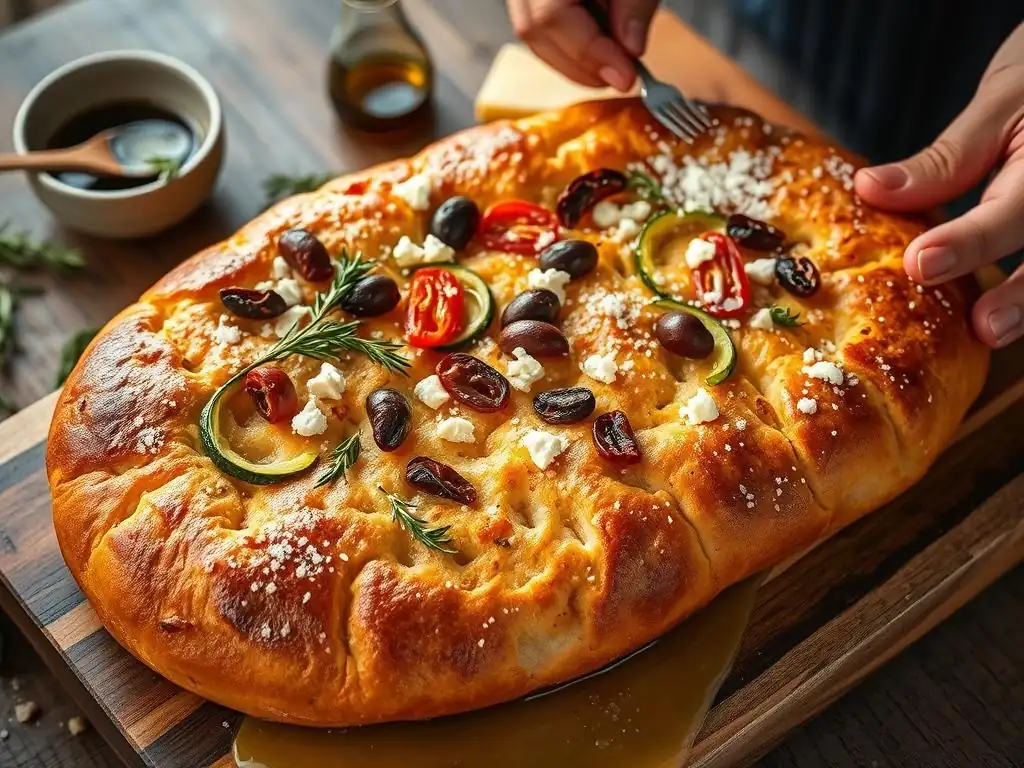
Savory focaccia toppings are the most traditional and offer endless possibilities for delicious variations. The key is often to combine aromatic herbs, flavorful vegetables, and sometimes cheese or cured meats. These combinations leverage the rich olive oil base and the bread's texture to create satisfying bites.
When planning your savory focaccia toppings, consider balancing flavors and textures. For instance, pairing the saltiness of olives with the sweetness of roasted garlic or the richness of cheese with the brightness of fresh herbs creates a more complex and enjoyable experience. Don't be afraid to pre-roast some vegetables, like onions or peppers, to deepen their flavor before adding them to the dough.
Mediterranean Inspiration: Sun-Dried Tomatoes, Olives, Feta, and Oregano
This classic combination brings the vibrant tastes of the Mediterranean to your focaccia. Approximately 1/2 cup of chopped sun-dried tomatoes (oil-packed work well), 1/2 cup of pitted Kalamata or Castelvetrano olives, and 1/4 cup crumbled feta cheese are scattered over the dimpled dough. The oil from the sun-dried tomatoes also adds extra richness.
Before baking, a generous sprinkle of dried oregano (about 1-2 teaspoons) or fresh oregano leaves enhances the aromatic profile. The saltiness of the olives and feta contrasts beautifully with the slightly sweet, chewy sun-dried tomatoes, while the oregano provides an earthy, slightly peppery note. This combination is particularly good served alongside grilled meats or as part of a mezze platter.
Earthy Delights: Roasted Garlic, Rosemary, and Parmesan Focaccia
A perennial favorite, this combination highlights the earthy and aromatic qualities of roasted garlic and fresh rosemary. Roasting a head of garlic involves slicing off the top, drizzling with olive oil, wrapping in foil, and baking at around 400°F (200°C) for 45-60 minutes until soft and sweet. Squeeze the soft cloves out and dot them generously over the dimpled dough (using about 10-15 cloves).
Finely chopped fresh rosemary (about 2 tablespoons) is then sprinkled over the garlic. Just before baking, or about 10 minutes before the end of baking, sprinkle about 1/4 cup of grated Parmesan cheese over the top. The sweet, mellow roasted garlic pairs wonderfully with the pungent, piney rosemary, and the Parmesan adds a salty, umami crust. This focaccia is fantastic dipped in extra olive oil or served with soups.
Spicy Kick: Jalapeño, Cheddar, and Cilantro Focaccia
For those who enjoy a bit of heat, this combination offers a flavorful kick. Thinly sliced fresh jalapeños (about 1-2 medium peppers, seeds removed for less heat) are distributed over the dough. Be mindful of the spice level and adjust the quantity accordingly. Approximately 1/2 to 3/4 cup of shredded sharp cheddar cheese is then sprinkled over the jalapeños.
After baking, or during the last few minutes, a generous handful of chopped fresh cilantro (about 1/4 cup) is scattered over the warm focaccia. The sharpness of the cheddar melts into the bread, providing a creamy contrast to the crisp jalapeños. The fresh, bright cilantro added at the end provides a refreshing counterpoint to the heat. This spicy focaccia makes a great base for sandwiches or served alongside chili or tacos.
Caramelized Onion, Gruyere, and Thyme Focaccia
This sophisticated combination offers deep, savory flavors. Caramelizing onions involves slowly cooking thinly sliced onions in butter or olive oil over low heat for 30-45 minutes until deeply browned and sweet. Use about 1-2 large onions for a standard pan. Once caramelized, distribute them evenly over the dimpled dough.
Approximately 1/2 cup of grated Gruyere cheese, known for its nutty, complex flavor and excellent melting properties, is scattered over the onions. Fresh thyme leaves (about 1-2 tablespoons) are then sprinkled over the cheese. The rich sweetness of the caramelized onions, combined with the nutty, slightly tangy Gruyere and the earthy thyme, creates a truly gourmet focaccia. This pairs beautifully with roasted meats or a glass of wine.
Sweet Focaccia: Unexpected and Delicious Flavor Ideas
While focaccia is traditionally savory, exploring sweet focaccia toppings can lead to delightful and surprising results. The slightly salty, olive oil-rich base provides an intriguing contrast to sweet fruits, spices, and sugar.
When creating sweet focaccia, consider using a slightly less salty dough if preferred, though the sweet-and-salty contrast is part of the charm. Ensure fruits are not excessively wet, which can make the dough soggy, and consider pre-cooking or macerating some fruits.
Apple Cinnamon Focaccia with Streusel Topping
This autumnal variation brings the comforting flavors of apple pie to focaccia. Thinly sliced apples (about 1-2 medium apples, like Honeycrisp or Gala) are arranged over the dimpled dough. A sprinkle of cinnamon (about 1 teaspoon) and perhaps a touch of nutmeg can be added over the apples.
A simple streusel topping, made from combining 1/4 cup flour, 2 tablespoons sugar, 1/4 teaspoon cinnamon, and 2 tablespoons cold butter cut into crumbles, is then scattered over the apples. The apples soften and sweeten during baking, the cinnamon permeates the bread, and the streusel provides a delightful crumbly texture and buttery sweetness. This is wonderful served warm with a dollop of whipped cream or a scoop of vanilla ice cream.
Blueberry Lemon Focaccia with Powdered Sugar
A bright and zesty option, this sweet focaccia uses fresh blueberries and lemon. Scatter about 1/2 to 3/4 cup of fresh blueberries over the dimpled dough. Zest from one large lemon is then sprinkled over the blueberries. A light sprinkle of sugar (1-2 tablespoons) can also be added over the fruit.
After baking and while still warm, a dusting of powdered sugar adds a final touch of sweetness and presentation. The blueberries burst and create little pockets of jammy sweetness, the lemon zest adds a fragrant brightness, and the slight saltiness of the focaccia dough provides a wonderful balance. This is perfect for brunch or as a light dessert.
Chocolate Chip Focaccia with Sea Salt
An unexpectedly addictive combination, this sweet focaccia leverages the classic pairing of chocolate and salt. Scatter about 1/2 to 3/4 cup of good quality chocolate chips (semisweet or dark) over the dimpled dough. The chocolate will melt into gooey puddles during baking.
Crucially, a final sprinkle of flaky sea salt (like Maldon) over the chocolate chips before or immediately after baking enhances the flavor profile dramatically. The bittersweet chocolate melts into the olive oil-rich bread, and the pockets of sea salt provide bursts of flavor that elevate the chocolate. This is surprisingly delicious and makes a great afternoon snack or simple dessert.
Advanced Focaccia Baking Techniques for Enhanced Flavor
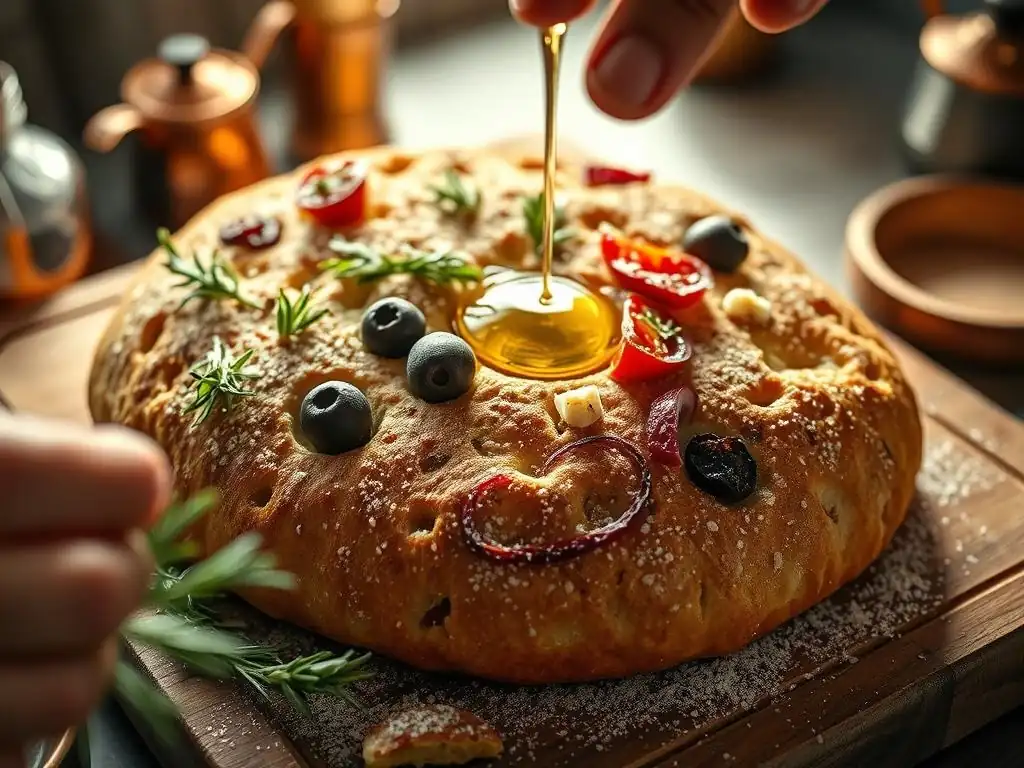
Beyond basic mixing and baking, several techniques can elevate your focaccia toppings and techniques game, adding layers of flavor and improving texture. These methods focus on how ingredients are incorporated and how the bread is handled during baking.
Understanding how different fats and additions interact with the dough and toppings is key to achieving the best results. Experimenting with these techniques can significantly impact the final taste and mouthfeel of your focaccia.
Utilizing Olive Oil Infusions: Garlic, Herb, and Chili
Infusing the olive oil used in the focaccia is a simple yet powerful way to add flavor throughout the bread, not just on the surface. To make a garlic-infused oil, gently heat about 1 cup of olive oil with 4-5 crushed garlic cloves over low heat for 10-15 minutes until fragrant (do not burn the garlic). Strain out the garlic. Similarly, you can infuse oil with rosemary sprigs or red pepper flakes for chili oil.
This flavored oil can be used in the dough itself (replacing some or all of the standard olive oil), for greasing the pan, for coating your fingers during dimpling, and most importantly, for drizzling generously over the top before adding your focaccia toppings. The infusion permeates the dough and pockets, adding subtle but distinct flavor notes in every bite.
Incorporating Seeds and Grains: Sesame, Poppy, and Sunflower
Adding seeds and grains can provide textural contrast and nutty flavors to focaccia. Seeds like sesame, poppy, or sunflower can be sprinkled generously over the dimpled dough along with or instead of other focaccia toppings. For a deeper flavor, lightly toast the seeds in a dry pan before using them.
Alternatively, some seeds or cooked grains (like a small amount of cooked farro or spelt) can be folded into the dough during the initial mixing or during the stretch and fold stages. This adds density and chewiness throughout the crumb. Using seeds as a crust on the bottom of the pan before adding the dough also creates a lovely nutty base and prevents sticking.
The Importance of Dimpling: Creating Pockets for Flavor
Dimpling is perhaps the most characteristic technique for focaccia and is essential for both texture and flavor distribution. As mentioned earlier, using olive oil-coated fingertips to press deep into the dough creates those iconic indentations. These indentations serve several crucial purposes.
Firstly, they prevent the dough from rising too much and becoming overly bread-like; they encourage a flatter, chewier texture. Secondly, and importantly for focaccia toppings and techniques, the dimples collect the generous amount of olive oil drizzled on top, ensuring that oil permeates the bread during baking, contributing to its rich flavor and moist crumb. Thirdly, the dimples act as perfect little wells for your chosen toppings, holding them in place and allowing their flavors to meld with the olive oil and bread.
Focaccia Flavor Application: Tips for Success
Applying your chosen focaccia toppings effectively is key to a delicious and visually appealing result. Proper distribution and timing of additions can prevent issues like burning or uneven flavor.
Think about the texture and moisture content of your toppings. Wet toppings like fresh tomatoes might need to be drained or placed strategically, while dry toppings like herbs or cheese can be sprinkled more freely.
Evenly Distributing Ingredients for Balanced Flavor
One of the most common mistakes when adding focaccia toppings is clumping. To ensure every bite is flavorful, distribute your ingredients as evenly as possible across the dimpled surface. For smaller items like herbs, seeds, or small vegetables, scattering them broadly works well. For larger items like sun-dried tomatoes, olives, or roasted garlic cloves, try to place them somewhat uniformly in the dimples.
If using multiple toppings, consider layering them. For example, you might scatter a base layer of herbs and garlic, then add larger pieces like olives or tomatoes, and finish with cheese if using. This ensures that flavors are integrated throughout the bread, not just concentrated in certain areas.
Preventing Burning: Adjusting Oven Rack and Using Foil
Some focaccia toppings, particularly fresh herbs (like rosemary or thyme) or thinly sliced garlic, can be prone to burning during the relatively long, hot bake. To prevent this, consider adding these more delicate toppings partway through the baking process (e.g., during the last 10-15 minutes) rather than at the very beginning.
Another effective technique is to loosely tent the focaccia with aluminum foil if you notice the toppings or the crust browning too quickly. This is especially useful if your oven has hot spots or if you are using toppings with a high sugar content, like caramelized onions or some sweet fruits. Baking on the middle or lower-middle rack can also help prevent the top from browning too fast before the bottom is cooked through.
Enhancing Flavors: Marinating and Roasting Ingredients
Pre-treating certain focaccia toppings can significantly enhance their flavor before they even hit the dough. Marinating ingredients like olives, artichoke hearts, or sun-dried tomatoes in extra olive oil with herbs and garlic for a few hours or overnight can deepen their taste and keep them moist during baking.
Roasting vegetables like bell peppers, onions, or cherry tomatoes before adding them to the focaccia concentrates their sweetness and adds a smoky depth. For example, roasting cherry tomatoes at 350°F (175°C) for 20-30 minutes before adding them reduces their moisture content and intensifies their flavor, preventing a soggy top and adding a burst of sweetness to the focaccia.
Troubleshooting Common Focaccia Issues
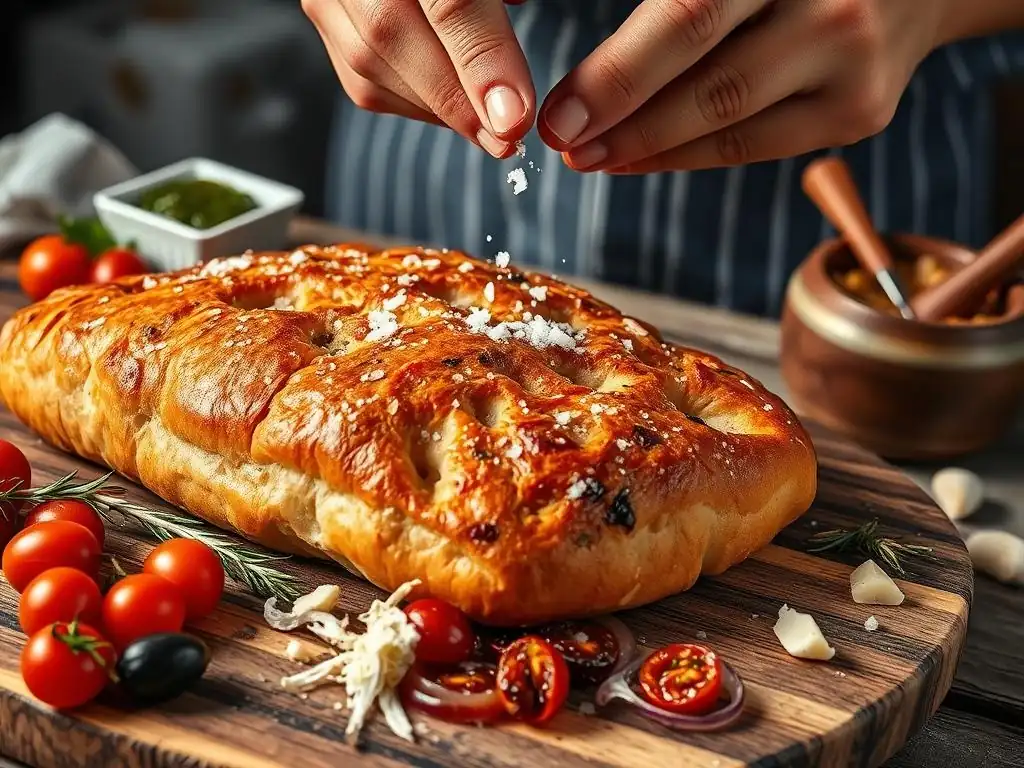
Even with the best focaccia toppings and techniques, sometimes things don't go exactly as planned. Understanding common issues and their solutions can help you refine your baking skills and achieve perfect results consistently.
Identifying the cause of a problem is the first step. Is the dough too wet, too dry, or not properly proofed? Is the oven temperature accurate? Are you using enough olive oil?
Soggy Focaccia Bottom: Causes and Solutions
A soggy bottom is a frustrating issue, often caused by insufficient heat reaching the base of the pan or too much moisture in the pan or toppings. One common culprit is not preheating your oven and pan sufficiently. Focaccia bakes best in a hot oven, usually between 400°F and 450°F (200°C to 230°C), and starting with a hot pan helps create a crispy bottom crust immediately.
Ensuring your dough is properly proofed and not undercooked is also vital. If the dough is too dense or baked at too low a temperature, it won't cook through properly. Using enough olive oil in the pan is also crucial; the oil helps fry the bottom crust, making it crisp. If using very wet focaccia toppings, consider reducing their quantity or pre-cooking them to remove excess moisture. Baking on a pizza stone or steel placed on the bottom rack can also provide a burst of heat to the base of the pan.
Uneven Baking: Rotating the Focaccia
Ovens rarely heat perfectly evenly, leading to some parts of the focaccia browning faster than others. This is a common issue when exploring various focaccia toppings and techniques across the surface. One side might be perfectly golden while the other is still pale.
The simplest solution is to rotate the pan halfway through the baking time. For example, if baking for 25 minutes, rotate the pan 180 degrees after 12-13 minutes. This exposes all sides of the focaccia to the hotter and cooler spots in your oven, promoting more even browning and cooking throughout the loaf and ensuring all your focaccia toppings are perfectly cooked.
Dough Sticking to the Pan: Proper Greasing and Flour
Focaccia dough is inherently sticky due to its high hydration, making pan preparation critical to prevent sticking. The most important step is generously greasing your baking pan with olive oil. Don't be shy with the oil – a thick layer (several tablespoons, enough to pool slightly) is necessary. The oil not only prevents sticking but also contributes significantly to the crispy bottom crust and rich flavor.
Some bakers also lightly flour the pan after oiling, especially if using a non-stick pan that might not hold oil as well as a traditional metal pan. Ensure the oil covers all corners and sides where the dough will touch. If you're still experiencing sticking, you might need to increase the amount of oil used or switch to a different pan material (darker metal pans tend to conduct heat better and promote crisping).
Focaccia Serving Suggestions and Pairing Ideas
Focaccia is incredibly versatile and can be served in numerous ways, from a simple side dish to the star of the meal. The variety of focaccia toppings and techniques you use will influence the best serving methods.
Consider the flavor profile of your focaccia when deciding how to serve it. A savory herb and garlic focaccia pairs differently than a sweet apple cinnamon version.
Focaccia with Charcuterie: A Perfect Pairing
A simple, well-made focaccia, especially one with classic savory focaccia toppings like rosemary and sea salt or olives, is an ideal accompaniment to a charcuterie board. The soft, oily bread provides a wonderful textural contrast to cured meats like prosciutto or salami and complements the richness of cheeses.
Arrange slices or torn pieces of focaccia alongside a selection of cured meats, cheeses, olives, pickles, and perhaps some fruit or preserves. The focaccia acts as a delicious vehicle for the other items on the board and adds a satisfying carbohydrate element.
Focaccia as a Pizza Base: A Unique Twist
While not a traditional pizza dough, focaccia makes an excellent, thick, and chewy base for a unique style of pizza. The dimpled surface holds sauce and cheese beautifully, and the olive oil-rich crust provides a different texture than standard pizza crust.
Spread a thin layer of tomato sauce over a baked or par-baked focaccia base, then add your favorite pizza toppings and cheese. Bake until the cheese is melted and bubbly. This results in a substantial, flavorful pizza with a wonderfully soft and slightly crisp crust. Adjust baking time as needed depending on whether the focaccia is fully baked or par-baked.
Focaccia Croutons: Adding Flavor to Salads and Soups
Leftover focaccia, particularly pieces with savory focaccia toppings like garlic, herbs, or cheese, can be transformed into incredibly flavorful croutons. The oily, porous texture of focaccia makes for exceptionally crisp and delicious croutons.
Tear or cut the focaccia into bite-sized cubes. Toss them with a little extra olive oil (optional, as focaccia is already oily) and any desired seasonings (like garlic powder, onion powder, or dried herbs). Spread on a baking sheet and bake at around 350°F (175°C) for 10-15 minutes, or until golden brown and crisp, stirring occasionally. These croutons are perfect for adding texture and a burst of flavor to salads or floating on top of soups.
Conclusion: Unleash Your Creativity with Focaccia Flavors and Techniques
Exploring the world of focaccia toppings and techniques opens up a realm of delicious possibilities beyond the basic loaf. By understanding the fundamentals of a high-hydration dough and mastering techniques like dimpling and proper proofing, you create the perfect base for innovation.
Whether you prefer classic savory combinations like rosemary and garlic, venture into Mediterranean flavors with olives and feta, or dare to try sweet variations with fruit and chocolate, the versatility of focaccia is truly astounding. Don't be afraid to experiment with different ingredients, oil infusions, and baking methods. Each loaf is an opportunity to learn and discover new favorite focaccia flavors and techniques. So go ahead, get your hands a little oily, and start creating your own signature focaccia masterpieces!
Frequently Asked Questions
What are some popular focaccia toppings?
Popular focaccia toppings include rosemary, sea salt, olives, and caramelized onions. These ingredients enhance the flavor and texture, making your focaccia more exciting.
How do I achieve the perfect focaccia texture?
To achieve the perfect focaccia texture, ensure you use high-quality flour and let the dough rise adequately. A good olive oil coating before baking also contributes to a crispy crust.
Can I experiment with non-traditional toppings?
Absolutely! Feel free to experiment with non-traditional toppings like figs, goat cheese, or even seasonal vegetables. This allows you to personalize your focaccia and discover new flavors.
What techniques can I use to enhance my focaccia?
Techniques like dimpling the dough, allowing for a good second rise, and using a hot baking stone can enhance your focaccia. These methods help create a light and airy bread.
Are there specific baking times for focaccia?
Yes, baking times can vary based on your oven and the thickness of your focaccia. Typically, it should bake at 425°F for about 20-25 minutes, or until golden brown.
Final Reflection: The Enduring Allure of Focaccia
The humble focaccia, a canvas of flavor and texture, has transcended its simple origins to become a culinary star. Its adaptability, showcased throughout this exploration of diverse toppings and techniques, reflects our own desire for creativity and self-expression in the kitchen. From the simplest rosemary sprig to the most elaborate arrangement of vegetables and cheeses, focaccia offers endless possibilities for both the seasoned baker and the enthusiastic novice.
The journey through various focaccia recipes has underscored the power of simple ingredients elevated by thoughtful preparation. The act of creating focaccia, from kneading the dough to arranging the toppings, becomes a meditative process, a connection to both tradition and personal innovation. Cooking is at once child's play and adult joy. And cooking done with care is an act of love.
– Craig Claiborne. This quote perfectly encapsulates the essence of focaccia baking – a playful exploration that yields deeply satisfying results.
Now, I invite you to step beyond the confines of this article and into your own kitchen. Experiment with the techniques and topping combinations discussed, but don't be afraid to deviate, to innovate, to make the focaccia your own. Let the aroma of baking bread fill your home, and share the joy of creation with those you love. The possibilities are as limitless as your imagination, and the reward? A delicious slice of focaccia, imbued with your personal touch.
Unleash Your Inner Focaccia Artist!
Thanks for joining us on this focaccia adventure! We hope you've discovered some delicious inspiration and new techniques to elevate your baking game. Ready to transform your kitchen into a focaccia paradise?
- Master a new topping combination: Experiment with the flavor profiles we explored, or create your own unique masterpiece! Think beyond the basics – what unexpected ingredients will you use?
- Share your creations: Tag us on social media with your focaccia photos – we'd love to see your baking brilliance! Use #BakeWithEaseFocaccia to connect with other passionate bakers.
- Dive deeper into focaccia techniques: Explore the resources and links we mentioned (you can find them in the related articles section) to perfect your dough handling and baking skills.
What unexpected flavor combination will you try first on your next focaccia?