
Cold Fermentation: Elevating Your Sourdough Rye Flavor

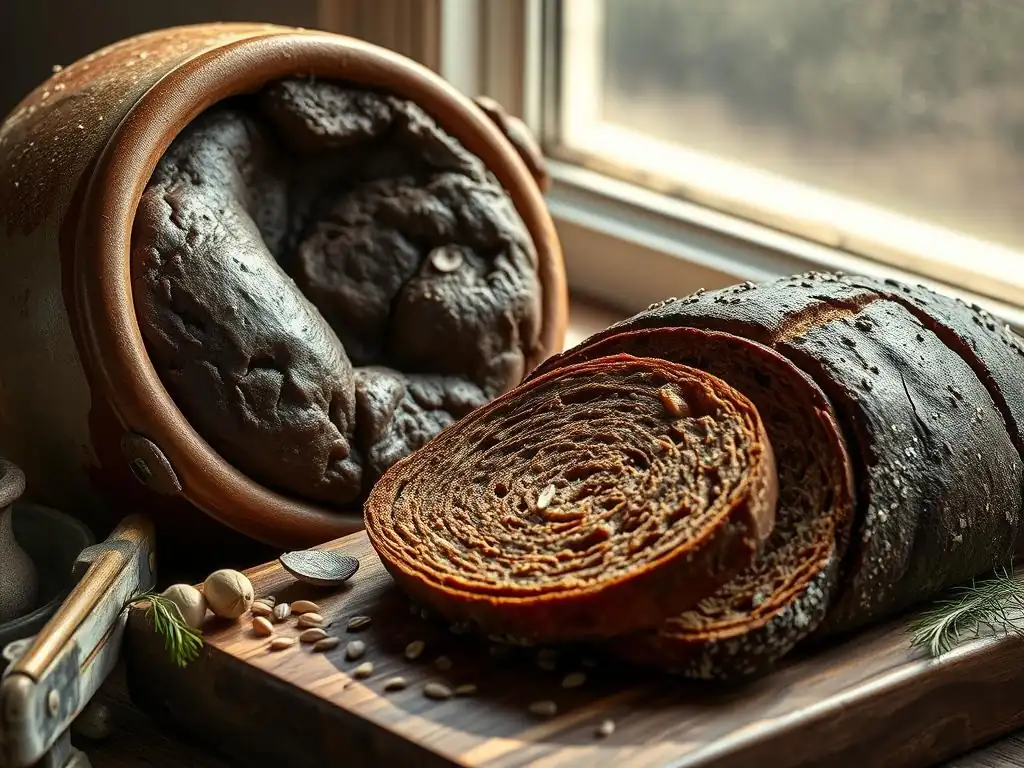
Welcome to BakeWithEase, where baking becomes a joy! Ever wondered how to unlock the deepest, most complex flavors in your sourdough rye? This week, we dive into the fascinating world of sourdough rye fermentation techniques, specifically exploring the transformative power of cold fermentation. Get ready to elevate your baking game and discover how a little chill can make a world of difference. Intrigued? Let's get baking!
- Cold Fermentation: Enhancing Sourdough Rye Bread
- Introduction to Cold Fermentation for Sourdough Rye
- Understanding Rye Flour and Sourdough Fermentation
- The Science of Cold Fermentation and Flavor Development
- Step-by-Step Guide to Cold Fermenting Sourdough Rye
- Tips and Tricks for Perfecting Cold-Fermented Sourdough Rye
- Cold vs. Room Temperature Fermentation for Rye Bread
- Exploring Different Rye Flour Types and Cold Fermentation
- Recipes for Cold-Fermented Sourdough Rye Bread
- Mastering Sourdough Rye Fermentation
- Conclusion: Unlock Sourdough Rye Potential with Cold Fermentation
-
Frequently Asked Questions
- What is cold fermentation, and why is it particularly beneficial for sourdough rye bread?
- How long should I cold ferment my sourdough rye dough for optimal flavor?
- What temperature is ideal for cold fermenting sourdough rye?
- Does cold fermentation affect the rise time of my sourdough rye after it's removed from the refrigerator?
- Can I over-ferment sourdough rye dough in the refrigerator?
- Final Reflection: The Enduring Allure of Cold Fermentation
- Unlock the Secrets of Superior Sourdough Rye
Cold Fermentation: Enhancing Sourdough Rye Bread
Introduction to Cold Fermentation for Sourdough Rye
The Benefits of Cold Fermentation for Rye Bread Flavor
Cold fermentation, often referred to as proofing or retarding dough in the refrigerator, offers significant advantages when baking sourdough rye bread. Unlike a rapid fermentation at room temperature, slowing the process down in a cool environment, typically between 3°C and 5°C (37°F to 41°F), allows for a more complex development of flavors.
The cooler temperatures temper the yeast activity while allowing lactic acid bacteria (LAB) in the sourdough starter to work more slowly and consistently, producing a richer array of organic acids like lactic and acetic acid. This results in a deeper, more nuanced tanginess and aromatic profile that is highly desirable in authentic sourdough rye.
Furthermore, this extended, slow fermentation contributes to better gluten structure development, even in rye dough which has less gluten than wheat. The enzymes have more time to break down complex starches into simpler sugars, which not only feeds the microbes but also contributes to a more caramelized crust during baking. Many bakers report a noticeable improvement in the overall depth and subtlety of flavor when using cold fermentation for 12 to 48 hours compared to a 4-6 hour room temperature ferment. This makes cold fermentation a cornerstone technique for elevating sourdough rye fermentation techniques.
A Guide to Improved Sourdough Rye Baking
Mastering sourdough rye fermentation techniques, particularly incorporating cold fermentation, can dramatically improve your bread. This guide will walk you through the process, explaining the science behind it and providing practical steps. Cold fermentation fits seamlessly into a baking schedule, allowing bakers to prepare dough ahead of time and bake fresh loaves when convenient.
By understanding how temperature affects the unique characteristics of rye flour and its interaction with sourdough starter, you can achieve superior results. We'll cover everything from preparing your starter specifically for rye to troubleshooting common issues that arise during the extended cold proofing period. Embracing these sourdough rye fermentation techniques can transform your baking and yield loaves with exceptional crust, crumb, and flavor.
Understanding Rye Flour and Sourdough Fermentation
Characteristics of Rye Flour in Baking
Rye flour is distinct from wheat flour primarily due to its lower gluten content and higher levels of pentosans, which are complex carbohydrates. While wheat gluten forms an elastic network that traps gases and provides structure, rye's pentosans absorb a significant amount of water and become quite viscous. This high water absorption capacity means rye doughs are often stickier and denser than wheat doughs. For instance, a recipe using 100% rye flour might require hydration levels upwards of 80-90% relative to the flour weight, compared to 60-70% for many wheat breads.
The presence of amylase enzymes in rye flour is also higher than in wheat. These enzymes break down starch into sugars. Without proper pH control, often provided by the acidity of a sourdough culture, these enzymes can be overly active during fermentation, leading to a gummy crumb structure. The unique composition of rye necessitates specific handling and fermentation strategies, making the control offered by cold sourdough rye fermentation techniques particularly valuable.
Fermentation's Role in Rye Sourdough Development
Fermentation is crucial for developing flavor, leavening, and structure in rye sourdough. The sourdough starter, a symbiotic culture of wild yeasts and lactic acid bacteria (LAB), ferments the sugars present in the rye flour. Yeasts produce carbon dioxide gas, which causes the dough to rise, while LAB produce lactic and acetic acids. These acids contribute the characteristic tang and improve the dough's handling properties by lowering the pH, thus inhibiting excessive amylase activity.
In rye dough, fermentation also impacts the pentosan structure. The acidic environment helps to partially break down the pentosans, which can improve the crumb texture and reduce gumminess. A well-managed fermentation, utilizing specific sourdough rye fermentation techniques like controlled temperature and time, is essential for transforming dense, sticky rye dough into a light, airy, and flavorful loaf. Achieving the right balance of yeast activity (for lift) and LAB activity (for flavor and texture) is key.
Rye Sourdough Fermentation Techniques
Sourdough rye fermentation techniques vary widely, but they all revolve around managing the activity of the starter within the dough. Room temperature fermentation is faster, often taking 4-8 hours for the initial bulk ferment, depending on ambient temperature and starter strength. This can be suitable for quick baking but may not develop the deepest flavors.
Cold fermentation, on the other hand, slows everything down significantly. After an initial period at room temperature (perhaps 1-3 hours) to kickstart fermentation, the dough is placed in a refrigerator for 12-72 hours or even longer. This extended cold period allows for a slower, more controlled release of gases and a greater accumulation of complex flavor compounds. Other techniques include varying hydration, using different feeding ratios for the starter, or incorporating preferments like a rye poolish or sponge, each influencing the rate and outcome of sourdough rye fermentation.
The Science of Cold Fermentation and Flavor Development
Impact of Cold on Sourdough Rye Yeast Activity
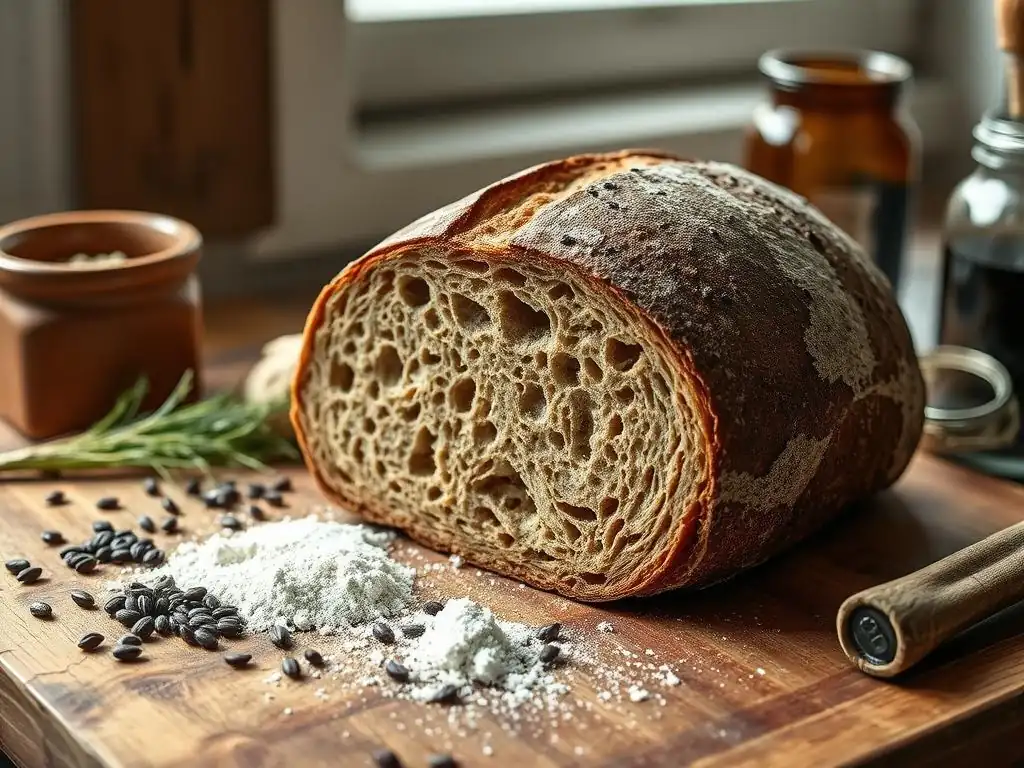
The primary impact of cold temperatures (3-5°C) on sourdough rye fermentation is a significant slowing of microbial activity, particularly the yeast. Wild yeasts in a sourdough starter, like Saccharomyces cerevisiae, are most active at warmer temperatures, peaking around 25-30°C (77-86°F). When dough is moved to a refrigerator, their metabolic rate drops dramatically. While they don't stop completely, gas production slows to a crawl.
This reduced yeast activity is beneficial in several ways. It prevents the dough from overproofing too quickly, which is a common issue with rye dough due to its faster fermentation potential at room temperature. More importantly, it allows the lactic acid bacteria (LAB) to continue their work at a relatively higher rate compared to the yeast in the cold environment. This differential activity is crucial for flavor development, shifting the balance towards acid production over gas production and setting cold fermentation apart from other sourdough rye fermentation techniques.
Enzyme Activity and Sugar Production During Cold Fermentation
Cold temperatures also influence enzyme activity within the rye dough. Amylase enzymes, which break down starch into fermentable sugars, are less active at cold temperatures than at warmer ones. However, the extended duration of cold fermentation provides more time for these enzymes to work. Over 12-48 hours in the cold, even at a slower rate, a considerable amount of complex starches can be broken down into simple sugars.
These newly produced sugars are then available to the yeasts and LAB for fermentation, contributing to sustained activity over the long cold proof. Furthermore, these sugars contribute to better crust browning and flavor development during baking through the Maillard reaction and caramelization. The controlled environment of cold fermentation allows for this enzymatic breakdown to occur gradually without the dough overproofing, leading to a sweeter, more complex flavor profile in the final sourdough rye loaf.
Acidity and Flavor Complexity in Rye Sourdough
The development of acidity is a cornerstone of sourdough rye fermentation, and cold fermentation excels in promoting complex acid profiles. Lactic acid bacteria produce two primary types of acid: lactic acid, which provides a milder, yogurt-like tang, and acetic acid, which gives a sharper, vinegar-like bite. The ratio of these acids is heavily influenced by temperature. Warmer temperatures favor lactic acid production, while cooler temperatures, like those used in cold fermentation, favor acetic acid production.
By slowing down fermentation in the cold, bakers encourage a higher proportion of acetic acid relative to lactic acid. This results in the pronounced, sometimes pungent, tang often desired in traditional rye breads. The extended time also allows for the creation of numerous other volatile organic compounds by both yeasts and LAB, contributing to the bread's complex aroma and depth of flavor. This controlled acid development is a key benefit of using cold sourdough rye fermentation techniques.
Step-by-Step Guide to Cold Fermenting Sourdough Rye
Preparing Your Sourdough Rye Starter
A strong, active starter is fundamental for successful sourdough rye fermentation. For rye bread, it's beneficial to feed your starter with at least some rye flour in the days leading up to baking. A typical feeding ratio might be 1:2:2 (1 part starter, 2 parts water, 2 parts rye flour) or even 1:3:3 if you need to build up more volume. Ensure your starter is active and bubbly, ideally peaking 4-8 hours after feeding at room temperature, indicating it's ready to leaven the dough.
For cold fermentation, some bakers prefer using a starter that is slightly past its peak when mixing the dough. This can help manage the initial rapid rise at room temperature before the cold slows things down. Regardless, using a healthy, established starter is non-negotiable for effective sourdough rye fermentation techniques.
Mixing and Kneading the Sourdough Rye Dough
Mixing rye dough is different from wheat dough due to its stickiness and lower gluten. Start by combining your starter, water, and rye flour (and any other flours or ingredients like salt, seeds, etc.). Rye dough doesn't require intensive kneading to develop gluten; instead, focus on hydration and homogeneity. A gentle mix until all ingredients are incorporated, followed by a few minutes of sticky kneading or stretch-and-folds over the first hour or two, is usually sufficient.
Due to the high pentosan content, rye dough becomes very sticky when wet. Resist the urge to add excessive amounts of flour during mixing and kneading. Embrace the stickiness, perhaps using wet hands or a dough scraper. Proper mixing sets the stage for effective sourdough rye fermentation techniques, ensuring the starter is evenly distributed throughout the dough.
Bulk Fermentation: Introducing the Cold
Bulk fermentation (the first rise) for cold-fermented sourdough rye typically starts at room temperature. Allow the dough to rest for 1-3 hours at room temperature, ideally around 20-24°C (68-75°F). This initial warm period allows the yeast and LAB to become active and begin producing gas and acid. You might see some initial signs of rising, though it might be less dramatic than with a wheat dough.
After this initial warm period, transfer the dough into a lightly oiled container and place it in the refrigerator (3-5°C). This is where the cold fermentation truly begins. The dough will continue to ferment slowly over the next 12 to 72 hours or even longer, depending on your desired flavor intensity and schedule. This extended cold phase is the core of these sourdough rye fermentation techniques.
Shaping and Proofing Your Cold-Fermented Rye Loaf
After cold fermentation, the dough will have increased in volume, perhaps by 50-100%, and will feel aerated. Gently turn the dough out onto a lightly floured surface. Rye dough is less elastic than wheat, so handle it gently to avoid degassing it completely. Shape the dough into your desired form, usually a boule or a batard. Due to rye's weak structure, shaping should be swift and confident.
Once shaped, the dough needs a final proof. For cold-fermented rye, this final proof is often done cold as well, directly from the refrigerator into a proofing basket (banneton). This helps the sticky rye dough hold its shape better and prevents overproofing at room temperature. The dough can be proofed in the refrigerator for another 1-4 hours, or even baked directly from the cold if it has already proofed sufficiently during the bulk ferment. Using a well-floured banneton (rice flour works well) is crucial for preventing sticking with sticky rye dough.
Baking Your Sourdough Rye Bread
Baking cold-fermented sourdough rye bread often involves baking from a cold state, directly from the refrigerator into a hot oven. Preheat your oven, ideally with a Dutch oven or baking stone, to a high temperature, typically 230-250°C (450-480°F). Baking cold dough helps achieve a better oven spring because the cold internal temperature delays the setting of the crust, allowing the dough to expand more before the structure solidifies.
Bake in a covered Dutch oven or with steam for the first 15-20 minutes to create a moist environment, which promotes crust expansion and prevents it from hardening too soon. Then, remove the lid (or steam source) and continue baking at a slightly lower temperature (around 200-220°C / 400-430°F) for another 20-30 minutes until the crust is deep brown and the internal temperature reaches approximately 96-99°C (205-210°F). Cooling the bread completely on a wire rack before slicing is essential for rye bread, allowing the crumb to set and flavors to fully develop.
Tips and Tricks for Perfecting Cold-Fermented Sourdough Rye
Troubleshooting Common Issues
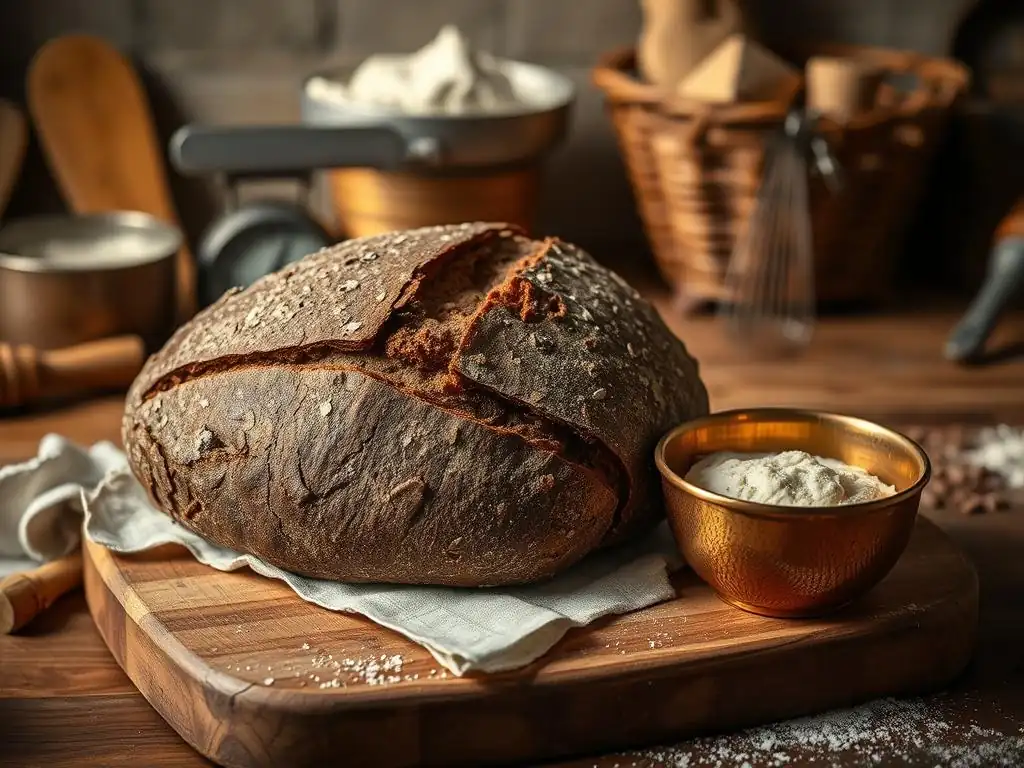
- Gummy Crumb: This is a frequent problem with rye. It often indicates insufficient acidity from the sourdough culture or underbaking, which allows excessive amylase activity. Ensure your starter is very active and acidic, consider a longer cold fermentation to increase acid production, and make sure the bread is baked thoroughly to an internal temperature of at least 96°C (205°F). Adjusting hydration slightly lower can also help manage stickiness.
- Dense Loaf: A dense crumb can result from an inactive starter, underproofing (not enough gas production), or overproofing (gas escaped). Cold fermentation helps prevent overproofing, but ensure your starter is active before mixing. Handling the dough gently during shaping is also key to retaining gas.
- Check starter activity before mixing.
- Ensure adequate cold fermentation time.
- Handle dough gently during shaping.
- Bake to correct internal temperature.
Adjusting Fermentation Time Based on Temperature
The specific temperature of your refrigerator significantly impacts the cold fermentation time. A refrigerator kept precisely at 3°C (37°F) will ferment dough much slower than one closer to 5°C (41°F). Ambient room temperature during the initial bulk ferment also plays a role; a longer initial warm period means less time might be needed in the cold.
Observe your dough's activity. While it won't double in the cold like it might at room temperature, it should increase in volume by at least 50% and feel airy. A cold fermentation of 12-24 hours is a good starting point, but don't hesitate to extend it to 48 or even 72 hours for more intense flavor. Experimentation with your specific refrigerator temperature and starter strength is necessary to find the ideal duration for your sourdough rye fermentation techniques.
Achieving the Ideal Texture and Flavor
Achieving the perfect texture and flavor in cold-fermented sourdough rye is a balance of managing fermentation time, hydration, and baking. For a moist, open crumb (relative to rye), ensure sufficient hydration and a strong, active starter. For a more pronounced tang, push the cold fermentation time towards 48 hours or more.
Incorporating ingredients like caraway seeds not only adds traditional rye flavor but can also slightly influence fermentation dynamics. Using different types of rye flour (light vs. dark) will also impact texture and flavor, requiring slight adjustments in hydration and fermentation time. Mastering these sourdough rye fermentation techniques involves consistent practice and attention to the subtle cues the dough provides throughout the process.
Cold vs. Room Temperature Fermentation for Rye Bread
Flavor Profiles: Cold vs. Room Temperature
The most significant difference between cold and room temperature sourdough rye fermentation is the flavor profile. Room temperature fermentation, typically completed in 4-8 hours, tends to produce a milder, more lactic tang. The yeast is very active, leading to faster rising and less time for complex acid development by the LAB, particularly acetic acid.
Cold fermentation, over 12-72 hours, drastically shifts the flavor balance. The slow, cool environment favors acetic acid production, resulting in a sharper, more pronounced sourness. This extended time also allows for the breakdown of more complex compounds, leading to a richer, more nuanced aroma and deeper flavor complexity. If you desire a classic, tangy rye sourdough, cold fermentation is generally preferred among sourdough rye fermentation techniques.
Texture and Crumb Structure Differences
Texture and crumb structure are also influenced by fermentation temperature. Room temperature fermentation in rye can sometimes lead to a slightly more open crumb if managed perfectly, as the faster rise creates bubbles quickly. However, it also carries a higher risk of overproofing, which can collapse the structure and result in a dense, gummy crumb.
Cold fermentation, while often resulting in a slightly tighter crumb compared to a high-hydration wheat loaf, offers better control and consistency for rye. The slow rise allows the structure to develop more evenly. Baking directly from the cold also contributes to better oven spring and a less sticky crumb by delaying crust formation. Many bakers find that cold fermentation results in a more reliable and pleasant texture for rye bread, reducing the likelihood of a gummy interior.
Time Management and Convenience
From a practical perspective, cold fermentation offers significant advantages for time management. Room temperature fermentation requires constant monitoring and a rigid schedule. You must mix, ferment, shape, and bake within a relatively short window, often 6-10 hours total.
Cold fermentation provides flexibility. You can mix the dough one evening, cold ferment it for 24-48 hours while you go about your week, and then shape and bake it whenever convenient. This allows you to fit baking into a busy schedule and ensures you can bake a fresh loaf without being tied to your kitchen for a full day. This convenience makes cold fermentation a popular choice among sourdough rye fermentation techniques for home bakers.
Exploring Different Rye Flour Types and Cold Fermentation
Light vs. Dark Rye: Fermentation
The type of rye flour used significantly impacts sourdough rye fermentation. Light rye flour (also known as white rye) is milled from the inner part of the rye berry, has less bran and germ, and contains less pentosans and amylase than dark rye flour (also known as whole rye). Dough made with light rye tends to be less sticky and ferments slightly differently.
Dark rye flour, milled from the whole grain, contains more fiber, pentosans, and enzymes. It absorbs more water and results in a stickier, denser dough. Fermentation may proceed slightly faster due to the higher sugar content from enzymatic activity if not controlled by acidity. Cold fermentation is particularly beneficial for dark rye, as the acidity developed helps manage the higher amylase activity and pentosan content, leading to a better crumb structure and less gumminess. Adjusting hydration and fermentation time based on the specific rye flour type is crucial for successful sourdough rye fermentation techniques.
Using Rye Berries in Cold-Fermented Sourdough
Incorporating whole or cracked rye berries adds texture, flavor, and nutritional value to cold-fermented sourdough rye. Rye berries are hard and require softening before being added to dough, typically by soaking them overnight or boiling them briefly. Soaking helps prevent them from absorbing water from the dough during fermentation and baking, which could otherwise result in a dry crumb around the berries.
When adding soaked or cooked rye berries (often called a soaker), they contribute extra moisture and nutrients to the dough, which can influence fermentation speed and hydration needs. Cold fermentation allows these additions to integrate slowly with the dough matrix without disrupting the overall structure too much. The extended time also allows the flavors from the berries to meld with the fermented dough, enhancing the complexity of the final loaf.
Hydration Levels for Different Rye Flour Types
Hydration is a critical factor in sourdough rye fermentation, and it varies depending on the type of rye flour. Light rye flour typically requires less water than dark rye flour. A 100% light rye loaf might be hydrated at 75-85%, while a 100% dark rye loaf might require 85-100% hydration to achieve a workable dough consistency.
When baking with a blend of rye and wheat flour, the hydration level will fall somewhere in between, depending on the proportion of each flour. For example, a loaf with 50% dark rye and 50% strong wheat flour might work well at 70-75% hydration. Proper hydration is essential for allowing the starter's yeasts and bacteria to move freely and access sugars, facilitating effective sourdough rye fermentation techniques. Too low hydration can result in a dense, dry crumb; too high can lead to a gummy, unmanageable dough.
Recipes for Cold-Fermented Sourdough Rye Bread
Beginner's Cold-Fermented Sourdough Rye Recipe
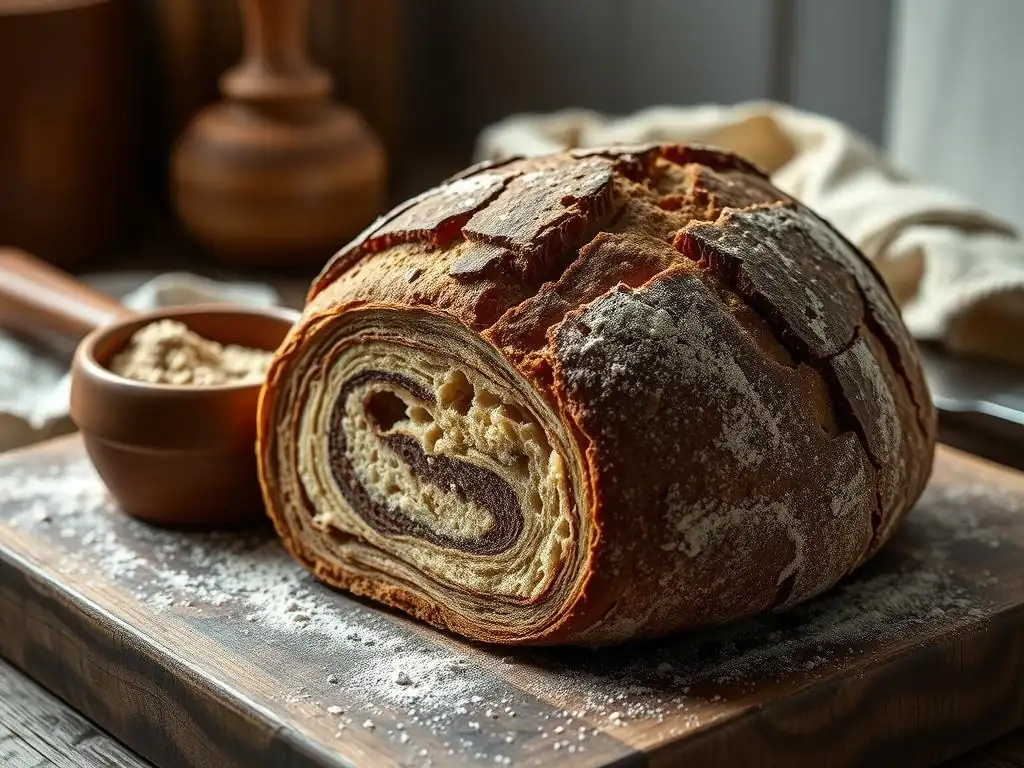
A basic cold-fermented sourdough rye often uses a mix of rye and strong wheat flour to make handling easier. A common starting point might be 40% dark rye flour and 60% strong bread flour, hydrated at around 72%. The process would involve mixing ingredients, a short 1-2 hour bulk ferment at room temperature, followed by a long cold ferment (12-24 hours) in the refrigerator.
After the cold ferment, the dough is shaped gently and proofed cold for another 1-3 hours before baking. This approach simplifies handling compared to 100% rye and provides a great introduction to cold sourdough rye fermentation techniques.
Cold-Fermented Sourdough Rye with Caraway Seeds
Adding caraway seeds is a classic enhancement for rye bread. Typically, caraway seeds (around 1-2% of the total flour weight) are added during the initial mixing phase. They should be evenly distributed throughout the dough.
The presence of caraway seeds doesn't drastically alter the fermentation process itself, but their flavor is enhanced by the extended cold fermentation, allowing their aromatic compounds to infuse more deeply into the dough. This specific application of sourdough rye fermentation techniques highlights how additions can interact with the slow fermentation process.
Dark Rye Sourdough with Cold Fermentation
Baking with 100% dark rye flour and cold fermentation presents a greater challenge but yields an intensely flavored loaf. Hydration levels are typically high (85-100%). The dough is much stickier and requires minimal handling. After mixing, a brief room temperature rest (perhaps 30-60 minutes) is followed by a long cold ferment (24-72 hours) to maximize acidity and manage the high pentosan content.
Shaping 100% rye dough is often done directly into a well-floured banneton. Baking from cold is essential for structure. This advanced application of sourdough rye fermentation techniques requires understanding the unique properties of dark rye and how cold temperatures mitigate some of its challenges.
Mastering Sourdough Rye Fermentation
Achieving Tangy Flavor in Sourdough Rye
Achieving a pronounced tangy flavor in sourdough rye primarily relies on encouraging the production of acetic acid by the lactic acid bacteria in your starter. The most effective way to do this is through extended cold fermentation. As mentioned earlier, cooler temperatures favor acetic acid production over lactic acid.
Other factors include using a starter that is fed with a higher proportion of rye flour, as rye contains compounds that can support specific LAB strains. Using a stiffer starter (lower hydration) can also favor acetic acid production. Combining these elements with prolonged cold fermentation is the surest path to mastering the tangy profile associated with classic sourdough rye fermentation techniques.
Viscous Dough: A Key Indicator
Understanding the nature of rye dough is key to mastering its fermentation. Unlike elastic wheat dough, rye dough is characterized by its viscosity and stickiness due to the high pentosan content. During fermentation, the dough will become more aerated and slightly less dense, but it will never develop the strong gluten network or windowpane effect seen in wheat dough.
Recognizing the correct feel of fermented rye dough – airy yet still viscous and slightly sticky – is crucial. Over-fermentation (especially at room temperature) can cause it to become overly soft and soupy, while under-fermentation leaves it dense and heavy. Learning to read the subtle signs of fermentation in viscous rye dough is a fundamental skill in mastering sourdough rye fermentation techniques.
Improving Shelf Life
Sourdough fermentation, particularly the production of organic acids like lactic and acetic acid, naturally improves the shelf life of bread. The lower pH creates an environment less hospitable to mold and spoilage-causing bacteria. Rye bread, with its typically higher acidity from sourdough fermentation compared to wheat, often has a longer shelf life.
Cold fermentation, by promoting higher acidity (especially acetic acid), further enhances this effect. A cold-fermented sourdough rye loaf will often stay fresh and mold-free for several days longer than a commercially yeasted bread or even a less acidic sourdough. This extended freshness is a practical benefit derived from employing effective sourdough rye fermentation techniques.
Conclusion: Unlock Sourdough Rye Potential with Cold Fermentation
Slow Fermentation for Superior Rye Bread
Cold fermentation stands out among sourdough rye fermentation techniques for its ability to transform simple ingredients into complex, flavorful bread. By slowing down the microbial activity in the dough and extending the fermentation time, you unlock a depth of flavor, aroma, and texture that is difficult to achieve with faster methods. The controlled development of acidity, the gradual breakdown of starches, and the convenience it offers make cold fermentation an invaluable tool for any baker looking to elevate their sourdough rye.
Whether you are baking a light rye blend or a hearty 100% dark rye, embracing the principles of cold fermentation will lead to superior results. It requires patience and attention to detail, but the reward is a loaf with a beautiful crust, a moist, flavorful crumb, and the characteristic tang that defines great sourdough rye bread.
Continue Your Baking Journey
Mastering sourdough rye fermentation techniques is a continuous journey of learning and experimentation. Don't be discouraged if your first cold-fermented rye isn't perfect. Each loaf provides valuable lessons about your starter, your flour, and your process.
Keep experimenting with different fermentation times, hydration levels, and flour blends. Explore adding seeds or other inclusions. By consistently applying and refining these sourdough rye fermentation techniques, you will gain confidence and skill, leading to increasingly delicious and satisfying loaves of cold-fermented sourdough rye bread. Happy baking!
Frequently Asked Questions
What is cold fermentation, and why is it particularly beneficial for sourdough rye bread?
Cold fermentation is the process of slowing down fermentation by refrigerating the dough. It's beneficial for sourdough rye because it allows for a more complex flavor development and enhances the tang of the bread.
How long should I cold ferment my sourdough rye dough for optimal flavor?
The ideal cold fermentation time varies, but generally, 12-24 hours is recommended for sourdough rye. Longer fermentations, up to 48 hours, can further enhance flavor.
What temperature is ideal for cold fermenting sourdough rye?
The ideal temperature for cold fermentation is typically between 35-40°F (2-4°C). This slows down yeast activity while allowing flavor-developing enzymes to continue working.
Does cold fermentation affect the rise time of my sourdough rye after it's removed from the refrigerator?
Yes, cold fermentation will slow down the initial rise. Allow the dough to warm up slightly at room temperature before shaping and performing the final proof. This ensures a proper rise before baking.
Can I over-ferment sourdough rye dough in the refrigerator?
Yes, it is possible to over-ferment, even in the refrigerator. Look for signs like a collapsed dough, excessive sour smell, or a weak gluten structure. Monitoring the dough's volume and texture is crucial.
Final Reflection: The Enduring Allure of Cold Fermentation
The meticulous art of cold fermentation in sourdough rye baking is not merely a technique; it's a journey of flavor discovery that resonates deeply with today's discerning palate. The pursuit of nuanced, complex flavors in bread-making has never been stronger, and understanding the subtle power of temperature control during fermentation is key to unlocking the full potential of this ancient craft.
The impact of cold fermentation extends far beyond the kitchen; it speaks to a broader cultural shift towards mindful food production and appreciation for artisanal processes. We are increasingly valuing the time and care invested in creating something truly special, something that transcends mere sustenance. Slow food is good food, but it is also good for you, good for the community, and good for the planet.
– Carlo Petrini. This quote perfectly encapsulates the ethos behind cold fermentation – a commitment to quality that benefits both the baker and the consumer.
Now, consider your own baking journey. Will you embrace the challenge of mastering cold fermentation, patiently nurturing your sourdough rye starter to unlock its deepest flavor profiles? The rewards are immense: a richer, more complex loaf that reflects your dedication and skill. Don't just bake bread; craft an experience. Experiment with different temperatures, observe the subtle changes in your dough, and savor the unique character of each loaf. The journey of discovery is as rewarding as the final product.
Unlock the Secrets of Superior Sourdough Rye
Thanks for joining us on this flavorful journey into the world of cold fermentation! You've now learned how this technique can dramatically improve your sourdough rye's depth and complexity. Ready to put your new knowledge into practice?
- Embrace the chill: Start your next sourdough rye loaf with a long, cold fermentation. Note the subtle changes in flavor profile.
- Share your sourdough success: Post a picture of your improved loaf on social media and tag us #BakeWithEaseColdFerment! We’d love to see your results.
- Explore variations: Experiment with different flours and hydration levels to discover your perfect cold fermentation sourdough rye recipe.
So, what unique flavor twist will you add to your next cold-fermented rye? Let's hear your ideas in the comments!