
Cold Fermentation Secrets for Unbeatable Pizza Crust Flavor


Welcome to BakeWithEase, your trusted companion in the delicious world of baking! Ever wondered how to unlock unparalleled flavor and texture in your homemade pizza? Dive into our latest exploration and discover the secrets of Cold Fermentation Pizza Crust. Prepare to be amazed as we reveal techniques that elevate your pizza game to restaurant-quality results. What if the key to pizza perfection was simply a matter of patience? Let's explore!
- Introduction to Cold Fermentation for Pizza Dough
- Understanding the Science Behind Cold Fermentation
- The Cold Fermentation Pizza Dough Recipe: Step-by-Step
- Troubleshooting Common Cold Fermentation Issues
- Tips and Tricks for Optimizing Cold Fermentation Pizza Crust
- Cold Fermentation vs. Room Temperature Fermentation: A Comparison
- Advanced Techniques for Cold Fermented Pizza Dough
- Storing and Using Cold Fermented Pizza Dough
- Conclusion: Unleash the Flavor Potential of Cold Fermented Pizza Crust
-
Frequently Asked Questions
- What exactly is cold fermentation in the context of pizza crust?
- Why is cold fermentation recommended for pizza crust?
- How long should I cold ferment my pizza dough for optimal results?
- Can I over-ferment my pizza dough in the refrigerator?
- Do I need to adjust the amount of yeast I use when cold fermenting pizza dough?
- Final Reflection: Unveiling the Magic of Cold Fermentation
- Unlock Your Pizzaiolo Potential: Craft the Perfect Crust!
Introduction to Cold Fermentation for Pizza Dough
Why Cold Fermentation Elevates Your Pizza Crust
Cold fermentation is a transformative technique for pizza dough, moving beyond simple rising to unlock profound depths of flavor and structure. Unlike rapid, room-temperature fermentation, the slow, cool environment of a refrigerator allows yeast activity to proceed at a significantly reduced pace, typically between 35-40°F (1.5-4°C). This extended timeline, often spanning 24 to 72 hours or even longer, provides ample opportunity for complex enzymatic reactions to occur.
Enzymes naturally present in the flour, particularly amylase, work diligently to break down complex starches into simpler sugars, which are then available for the yeast to consume. This process doesn't just produce carbon dioxide for rise; it generates a richer array of metabolic byproducts, including organic acids and alcohols, contributing significantly to the dough's aroma and taste profile. The resulting crust from a cold fermentation pizza crust dough is far more nuanced and flavorful than one fermented quickly.
Beyond flavor, cold fermentation dramatically improves the dough's texture and handling. The slow fermentation allows the gluten network to relax and develop more fully over time. Gluten, formed by the proteins gliadin and glutenin when hydrated and mixed, becomes more extensible yet remains strong in a cold environment.
This results in a dough that is incredibly pliable and easy to stretch thinly without tearing, a hallmark of great pizza crusts. The slow production of gas also leads to a more even distribution of bubbles within the dough, contributing to an open, airy crumb structure with characteristic large pockets when baked. Furthermore, dough fermented slowly is often easier to digest for some people, as the yeast and enzymatic action pre-process some of the starches and proteins.
BakeWithEase: Mastering Advanced Pizza Dough Techniques
At BakeWithEase, we believe that mastering the art of baking comes from understanding the nuances of techniques like cold fermentation. While simple recipes are a great starting point, exploring advanced methods like cold fermentation for your pizza dough can truly elevate your results from good to extraordinary. Our resources are designed to guide you through these processes, providing the knowledge and confidence needed to tackle techniques that might seem intimidating at first glance. We break down the science, the steps, and the troubleshooting, ensuring that bakers of all levels can achieve professional-quality outcomes in their home kitchens.
Incorporating cold fermentation into your pizza-making routine is a perfect example of how a simple change in process can yield dramatic improvements. BakeWithEase provides detailed guides not only on cold fermentation pizza crust but also on related topics such as using pre-ferments like poolish or biga, understanding flour types, and optimizing baking temperatures. We aim to be your comprehensive resource for all things baking, helping you expand your skills and consistently produce delicious baked goods, whether you're perfecting your sourdough or crafting the ultimate cold fermentation pizza crust.
Understanding the Science Behind Cold Fermentation
The Role of Yeast in Cold Fermentation
Yeast, the living organism responsible for leavening dough, behaves differently at cold temperatures compared to room temperature. While yeast activity is significantly slowed below 50°F (10°C), it doesn't stop entirely within typical refrigerator temperatures (35-40°F / 1.5-4°C). At these cooler temperatures, the yeast metabolizes sugars much more slowly, producing carbon dioxide (for rise) and ethanol (which contributes to flavor) at a leisurely pace.
This slow activity is key; it prevents the dough from over-proofing rapidly, which can happen quickly at warmer temperatures, especially with standard yeast amounts. Using a smaller amount of yeast than you would for a quick, same-day dough is common practice for cold fermentation pizza crust, often as little as 0.1% to 0.5% relative to the flour weight, to ensure the dough doesn't become excessively gassy or acidic over its extended fermentation period.
Moreover, the slow pace of yeast metabolism in the cold allows other beneficial processes to catch up. Enzymes in the flour, particularly amylase, are highly active in cooler, hydrated environments. Amylase breaks down complex starch molecules into simpler sugars like maltose.
These sugars become food for the yeast, fueling the slow fermentation and contributing to crust browning during baking through the Maillard reaction and caramelization. Without sufficient time for this enzymatic breakdown, a quickly fermented dough might lack the depth of flavor and achieve less desirable browning. The extended, slow work of the yeast and enzymes together during cold fermentation is fundamental to developing the characteristic complex flavor and beautiful crust of a cold fermentation pizza crust.
Gluten Development During Extended Cold Fermentation
Gluten development is a crucial aspect of dough structure, and cold fermentation offers a superior environment for this process compared to rapid methods. Gluten forms when the proteins gliadin and glutenin in flour interact with water and are worked (through mixing or kneading). At room temperature, gluten develops relatively quickly but can become tight. Extended room-temperature fermentation can also lead to the gluten network breaking down due to excessive enzymatic activity or acidity from rapid fermentation. In contrast, cold temperatures slow down many enzymatic processes, including those that could degrade gluten.
During the extended cold fermentation period, the gluten network continues to hydrate and align slowly. The coolness allows the gluten strands to relax over time, resulting in a dough that is incredibly extensible and pliable. This means you can stretch the dough very thinly to form the pizza base without it snapping back or tearing, which is essential for a classic thin-crust pizza.
The slow, steady production of carbon dioxide gas within this well-developed, relaxed gluten network also contributes to the dough's structure. The gluten effectively traps these gas bubbles, leading to a more open, irregular crumb structure with desirable large air pockets (cornicione) in the baked cold fermentation pizza crust. This combination of extensibility and strength is difficult to achieve with shorter, warmer fermentation methods.
Flavor Development: How Cold Fermentation Enhances Taste
The primary reason many bakers swear by cold fermentation for pizza dough is the profound impact it has on flavor development. As discussed, the slow breakdown of starches into sugars by amylase enzymes provides more fuel for the yeast and contributes directly to flavor and color during baking. These sugars caramelize at high temperatures, creating sweet, toasted notes in the crust.
Additionally, the slower yeast metabolism produces a wider range of volatile organic compounds compared to fast fermentation. These compounds include various alcohols, esters, and organic acids (like lactic and acetic acids, though these are more prominent with sourdough cultures, commercial yeast still produces some).
These metabolic byproducts contribute to the complex, nuanced flavor profile associated with artisan bread and pizza. You'll often detect subtle nutty, malty, or even slightly tangy notes in a cold fermentation pizza crust that are absent in a quickly made dough.
For example, a dough fermented for 48-72 hours in the fridge will typically have a significantly deeper, more satisfying flavor than one fermented for just 4 hours at room temperature, even if both achieve a similar level of rise. This slow maturation allows the flavors to build and integrate, resulting in a crust that is not merely a vehicle for toppings but a delicious component of the pizza itself.
The Cold Fermentation Pizza Dough Recipe: Step-by-Step
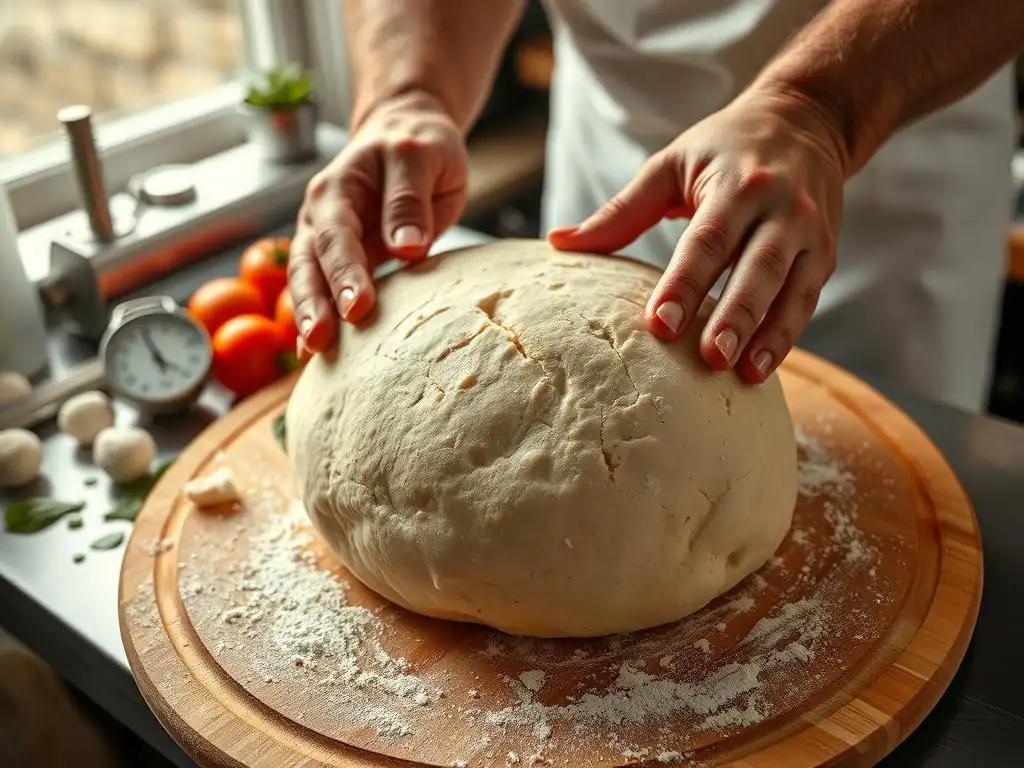
Ingredients for the Perfect Cold Fermented Pizza Dough
Crafting the ideal cold fermentation pizza dough starts with a few simple, high-quality ingredients. The foundational components typically include bread flour or Italian '00' flour, water, salt, and yeast. The type of flour is important; using a flour with a relatively high protein content, such as bread flour (often 12-13% protein) or a strong '00' flour (which can vary but is finely milled), provides the necessary gluten structure to support the long fermentation.
Water hydration levels for pizza dough typically range from 60% to 70% relative to the flour weight, affecting the dough's handleability and the final crust's texture. For example, using 1000 grams of flour might require 600-700 grams of water.
The amount of yeast needed for cold fermentation is significantly less than for same-day dough. Using too much yeast will cause the dough to over-proof too quickly in the fridge. A common starting point is around 0.1% to 0.5% of instant dry yeast relative to the flour weight.
So, for 1000 grams of flour, you might use just 1-5 grams of yeast. Salt is crucial for flavor, controlling fermentation speed, and strengthening gluten; it's typically used at 2% to 2.5% of the flour weight (e.g., 20-25 grams for 1000 grams of flour). Some recipes also include a small amount of olive oil (1-3%), which can soften the crust and add flavor, though it's not strictly necessary for a classic cold fermentation pizza crust.
Mixing the Dough: Achieving the Right Consistency
Mixing the dough for cold fermentation aims to hydrate the ingredients and begin gluten development without overworking it, especially if you plan for a very long fermentation. Start by combining the water, yeast, and most of the flour in a bowl. Mix until a shaggy mass forms and no dry flour remains. This initial mixing phase allows the flour to absorb water, beginning the gluten formation process (autolyse). You can let the dough rest for 20-30 minutes at this stage before adding salt and any oil, which helps with hydration and makes the dough easier to mix.
After the rest (if using), add the salt and oil (if using). Then, continue mixing or kneading. If using a stand mixer, mix on a low speed for 5-10 minutes until the dough starts to become smooth and elastic and pulls away from the sides of the bowl. By hand, this might take 10-15 minutes of kneading.
The goal is a dough that is somewhat developed but not fully smooth and elastic yet; the cold fermentation will continue to develop the gluten structure. A good test is the windowpane test: pull a small piece of dough; if you can stretch it thin enough to see light through it without tearing, the gluten is well-developed. For cold fermentation pizza crust, achieving this level isn't strictly necessary before the cold rest, as time will do much of the work.
Bulk Fermentation: The Cold Fermentation Process Explained
Bulk fermentation, often referred to as the first rise, is where the magic of cold fermentation truly happens. After mixing, transfer the dough to a lightly oiled airtight container or a bowl covered tightly with plastic wrap. The container should be large enough to allow the dough to expand, potentially doubling or tripling in volume depending on the duration and temperature. Place the sealed container directly into your refrigerator, maintained at a consistent temperature between 35-40°F (1.5-4°C).
The duration of this cold fermentation phase is flexible and impacts the final flavor. A minimum of 24 hours is generally recommended to start seeing significant flavor development. Fermenting for 48 or 72 hours will yield even deeper, more complex flavors and a more extensible dough.
Some recipes push this to 5-7 days or longer, using minimal yeast. During this time, the dough will slowly rise, develop small bubbles on the surface, and become increasingly relaxed and pliable. The visual change might be less dramatic than a warm rise, but the internal transformation regarding flavor compounds and gluten structure is profound, leading to an exceptional cold fermentation pizza crust.
Shaping and Proofing Your Cold Fermented Pizza Dough
After the desired cold fermentation period, remove the dough from the refrigerator. The dough will be cold and likely quite firm initially. Gently turn the dough out onto a lightly floured surface. Divide the dough into individual portions for your desired pizza size (e.g., 200-300 grams per pizza is common). Shape each portion into a tight ball. This step creates surface tension and prepares the dough for stretching. Avoid using excessive flour, as it can make the crust tough.
Place the shaped dough balls on a tray lightly dusted with flour or covered with a clean kitchen towel. Cover the dough balls loosely with plastic wrap or a damp towel to prevent them from drying out. Allow the dough balls to rest at room temperature for 1-2 hours before shaping and baking.
This resting period, often called the secondary proof or bench rest, allows the dough to warm up, the gluten to relax further, and the yeast to become more active at room temperature, making the dough much easier to stretch into a pizza round. It also ensures good oven spring when the cold fermentation pizza crust hits the heat.
Baking Your Pizza: Achieving the Perfect Crust
Baking is the final crucial step to transforming your cold fermentation pizza dough into a spectacular crust. High heat is essential for achieving a crispy exterior, an airy interior, and beautiful browning. Preheat your oven to its highest setting, ideally 500°F (260°C) or higher. For best results, use a pizza stone or steel, which should be placed in the oven during preheating and allowed to heat up for at least 30-60 minutes to ensure it's scorching hot. This direct heat transfer from the stone/steel is key to achieving rapid oven spring and a properly cooked base.
Once your oven and stone/steel are preheated and your dough balls have rested at room temperature, gently stretch a dough ball into your desired pizza shape on a lightly floured peel (or parchment paper). Top the pizza quickly to avoid soaking the dough. Slide the pizza onto the hot stone or steel in the oven.
Baking time will be relatively short due to the high heat, typically ranging from 8 to 15 minutes, depending on your oven's temperature and your preference for crust crispness. The sugars developed during cold fermentation will caramelize beautifully, giving your cold fermentation pizza crust a rich color and irresistible flavor.
Troubleshooting Common Cold Fermentation Issues
Over-Proofing: Identifying and Preventing It
Over-proofing is a common issue when dealing with extended fermentation, especially with cold fermentation pizza crust. You can identify over-proofed dough by several signs: it might appear overly gassy and possibly collapse when handled, it may have a very strong, overly alcoholic or sour smell, and its structure might seem weak or sticky, making it difficult to stretch without tearing. The main cause of over-proofing during cold fermentation is either using too much yeast for the duration or the refrigerator temperature being too warm, allowing fermentation to proceed too rapidly.
Preventing over-proofing requires careful control of yeast quantity and temperature. Always use a small amount of yeast appropriate for the planned fermentation time (e.g., 0.1-0.5% instant dry yeast relative to flour weight for 24-72 hours). Ensure your refrigerator is consistently maintained between 35-40°F (1.5-4°C).
Using a refrigerator thermometer can help verify the temperature. If you suspect your dough might over-proof before you're ready to bake (e.g., it looks excessively bubbly after only 18 hours when planning for 48), you can sometimes gently punch it down (though this isn't ideal for maintaining airy structure) or simply bake it sooner than planned.
Dough Stickiness: Handling a Difficult Dough
Cold fermentation dough is generally less sticky when cold, but it can become sticky as it warms up to room temperature before shaping. Excessive stickiness can make handling and shaping difficult. Potential causes include a very high hydration level in the recipe, insufficient initial gluten development during mixing, or simply the natural behavior of dough as it relaxes and warms.
When handling sticky cold fermentation pizza crust dough, minimize the amount of flour you use on your work surface and hands; too much added flour can make the crust tough. A bench scraper is an invaluable tool for manipulating and moving sticky dough. If the dough is sticking excessively to your hands, try lightly wetting or oiling your hands instead of flouring them.
If the dough seems too sticky to shape after its room-temperature rest, gently fold it over on itself a couple of times and let it rest for another 15-20 minutes; this brief rest can help the gluten relax and make it more manageable. Remember that a slightly sticky dough often yields a more open, airy crust, so don't be afraid of a little tackiness.
Achieving the Right Crust Color and Texture
Problems with the final crust's color (too pale or too dark) or texture (gummy, dense, or not airy) can occur even with cold fermented dough. A pale crust often indicates insufficient sugar development during fermentation or insufficient baking temperature. If the dough didn't ferment long enough or if the flour didn't have enough enzymatic activity, there might not be enough simple sugars available for the Maillard reaction and caramelization during baking. Low oven temperature or a baking surface that wasn't sufficiently preheated are also common culprits.
Texture issues can stem from various points in the process. A gummy or dense crust might result from under-proofing (not enough fermentation time, cold or warm), insufficient gluten development, or baking at too low a temperature which causes the dough to dry out before it can achieve good oven spring.
Conversely, a crust that isn't airy might be due to over-mixing initially (damaging gluten), not allowing enough room-temperature rest before baking, or improper shaping that degasses the dough too much. Ensure your cold fermentation pizza crust has adequate time (at least 24 hours is a good starting point) in the fridge, your oven is preheated to its highest setting, and you use a hot baking surface like a stone or steel.
Tips and Tricks for Optimizing Cold Fermentation Pizza Crust
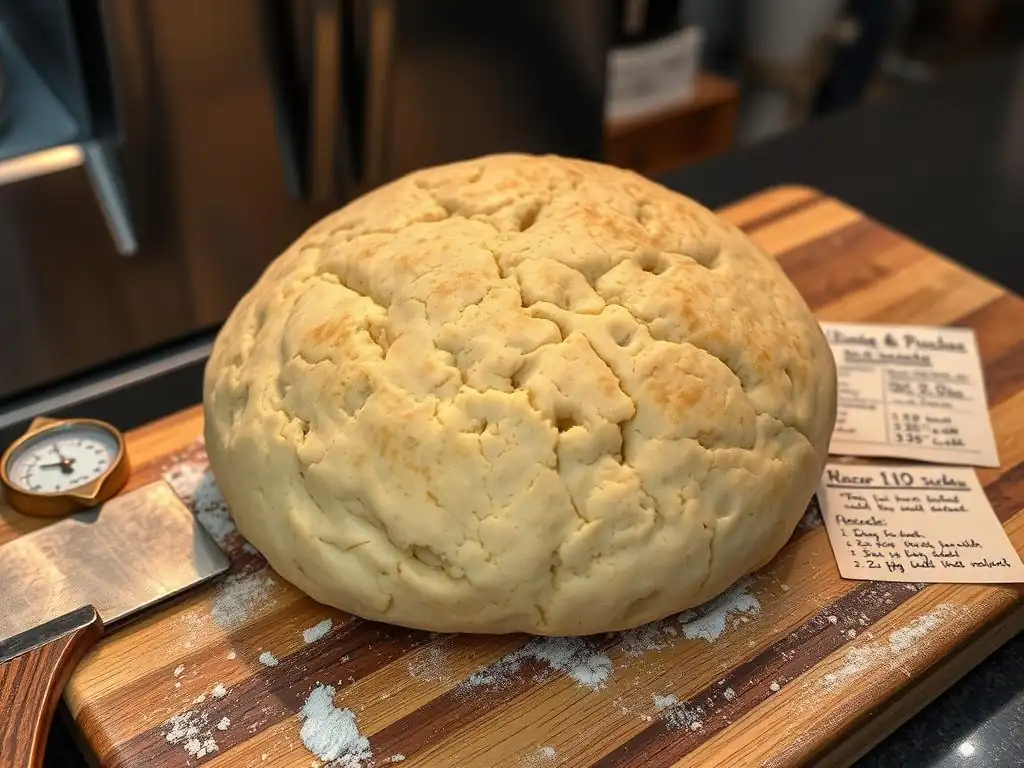
Choosing the Right Flour for Cold Fermentation
The type of flour you use has a significant impact on the outcome of your cold fermentation pizza crust. For extended cold fermentation, you need a flour with sufficient protein content to build a strong gluten network that can withstand the long fermentation time without collapsing. Bread flour, with a protein content typically between 12-13%, is an excellent choice as it provides the necessary structure and elasticity. Italian '00' flour is also popular, particularly for Neapolitan-style pizza; while its protein content can vary, its fine milling creates a very smooth, extensible dough.
Experimenting with different flours can yield varied results. For example, adding a small percentage (e.g., 10-20%) of whole wheat or rye flour can introduce nutty flavors and additional complexity, though these flours absorb more water and their bran can interfere with gluten development, potentially requiring slight adjustments to hydration or fermentation time. Using a high-quality, unbleached flour is generally recommended, as bleaching agents can affect gluten structure. Ultimately, the "right" flour depends on your desired cold fermentation pizza crust style and characteristics, but prioritizing flours with adequate protein for gluten development is key for this technique.
Controlling Temperature for Consistent Results
Consistency is paramount in baking, and controlling temperature is one of the most critical factors for successful cold fermentation pizza crust. The refrigerator temperature needs to be stable and within the ideal range of 35-40°F (1.5-4°C). Fluctuations in temperature can significantly alter the rate of fermentation; a fridge that's too warm will cause the dough to ferment too quickly and risk over-proofing, while one that's too cold might slow fermentation excessively, potentially impacting flavor development. Using a simple refrigerator thermometer is a worthwhile investment to monitor and ensure your fridge maintains the correct temperature range.
Beyond the refrigerator, ambient temperature during mixing and the initial rest before chilling can also play a role. Using cold water for mixing can help keep the dough temperature down initially, slowing down the yeast activity before it even enters the fridge. Ensuring your kitchen isn't excessively warm when mixing and shaping can also help maintain better control over the dough's temperature and subsequent handling. Consistent temperature control throughout the entire process, from mixing to cold storage to the final room-temperature rest, is vital for reliable results with your cold fermentation pizza crust.
Experimenting with Different Fermentation Times
One of the great advantages of cold fermentation is the flexibility it offers in terms of timing and the ability to experiment with flavor development. While a 24-hour cold fermentation will produce a significantly better crust than a same-day dough, extending the fermentation time to 48, 72 hours, or even longer (up to 5-7 days with minimal yeast) can further enhance the complexity of the flavor and improve the dough's handling characteristics.
As the fermentation time increases, the enzymatic breakdown of starches into sugars becomes more complete, and the slow production of organic acids becomes more pronounced, resulting in a deeper, more nuanced flavor profile, sometimes with a pleasant tang.
Experimenting with different fermentation durations is highly recommended to find what you prefer for your cold fermentation pizza crust. Try making a batch and baking one pizza after 24 hours, another after 48 hours, and perhaps a third after 72 hours. Observe how the dough changes over time – it will likely become more bubbly, softer, and easier to stretch. Taste the difference in the baked crusts. This hands-on experimentation is the best way to understand how time impacts flavor and texture and to dial in your preferred cold fermentation schedule.
Cold Fermentation vs. Room Temperature Fermentation: A Comparison
Flavor Profiles: Cold vs. Room Temperature
The most striking difference between cold fermentation and room temperature fermentation lies in the flavor profiles they produce. Room temperature fermentation is fast and efficient at producing carbon dioxide, leading to a quick rise. However, this rapid activity doesn't allow sufficient time for the complex enzymatic reactions and slow production of desirable metabolic byproducts that build flavor. A quickly fermented dough often has a simpler, more overtly yeasty flavor and can sometimes taste relatively bland compared to dough that has undergone a longer, slower fermentation.
Cold fermentation, by drastically slowing yeast activity and extending the fermentation period, allows enzymes in the flour more time to break down starches into sugars and enables the yeast to produce a wider range of flavor compounds. The result is a crust with a significantly more complex and developed flavor. You'll find notes that are nutty, malty, sometimes subtly tangy (due to organic acid production), and generally much deeper and more satisfying. This enhanced flavor integration is a hallmark of artisan bread and pizza, making the cold fermentation pizza crust a more flavorful component of the final dish.
Texture and Structure: Key Differences
Texture and structure are also profoundly affected by the fermentation method. Dough fermented quickly at room temperature can develop gluten, but it often remains tighter and less extensible. The rapid gas production might lead to a relatively uniform crumb structure, but it's less likely to produce the large, irregular air pockets characteristic of artisan crusts. The dough might be more prone to tearing when stretched thinly.
Cold fermentation, on the other hand, promotes superior gluten development and relaxation over an extended period. The resulting dough is much more extensible and pliable, making it easier to stretch very thin without resistance. The slow, steady production of gas within this strong, relaxed gluten network leads to a more open crumb structure with desirable large bubbles in the cornicione (edge of the crust). The combination of a thin, crispy base and an airy, chewy edge is a signature of a well-executed cold fermentation pizza crust, offering a more satisfying textural experience compared to a quickly fermented alternative.
Convenience and Planning: Which Method Suits You Best?
When considering which fermentation method to use, convenience and planning are important factors. Room temperature fermentation is ideal for spontaneous pizza nights. If you decide you want pizza in a few hours, a recipe designed for rapid room-temperature fermentation (often using more yeast) is the way to go. It requires less foresight but demands closer monitoring, as the dough can over-proof quickly if not watched.
Cold fermentation requires planning, as you need to start the dough at least 24 hours (and often 48-72 hours) before you plan to bake. However, once the dough is in the refrigerator, it is quite forgiving. The slow pace of fermentation means you have a wider window of time during which the dough is at its peak.
This makes cold fermentation incredibly convenient for meal prep; you can make a batch of dough on the weekend and have it ready to bake anytime during the week. If you value superior flavor and texture and don't mind planning ahead, cold fermentation is likely the better choice for your pizza dough.
Advanced Techniques for Cold Fermented Pizza Dough
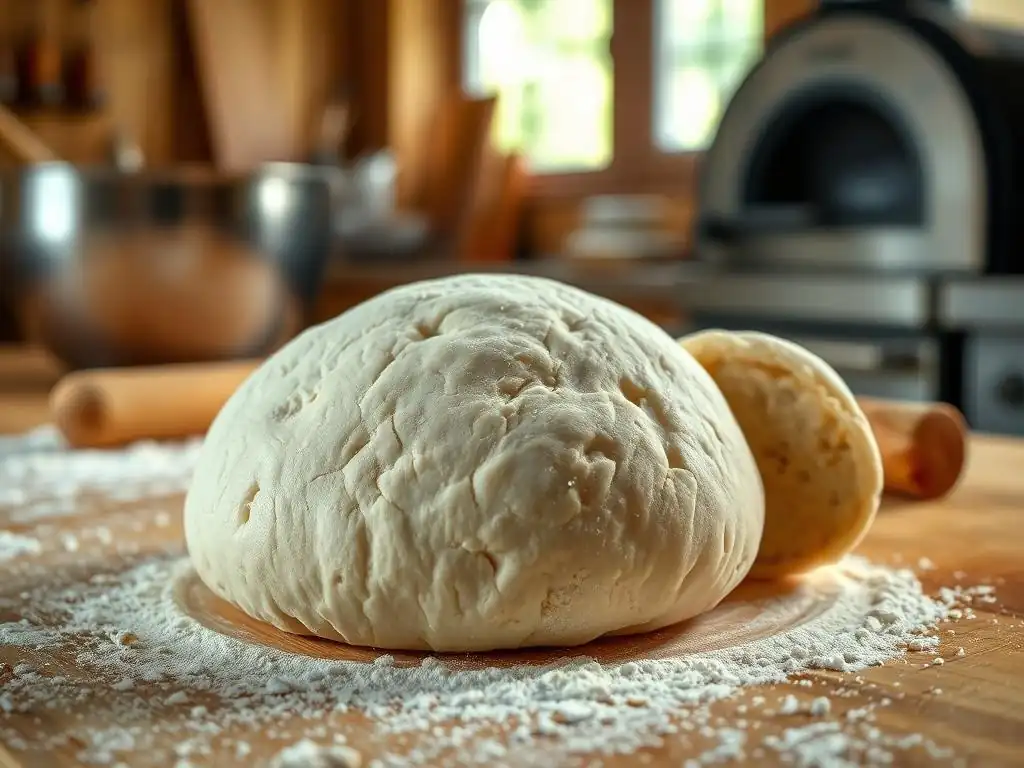
Utilizing a Poolish or Biga for Enhanced Flavor
Taking your cold fermentation pizza crust to the next level often involves incorporating a pre-ferment, such as a poolish or a biga, into your dough recipe. A poolish is a wet pre-ferment, typically made with equal parts flour and water by weight, plus a tiny amount of yeast, fermented for 12-16 hours at room temperature or longer in the fridge before being added to the final dough mix. A biga is a stiffer pre-ferment, using a lower hydration (around 50-60% water to flour), also fermented for a similar duration.
Adding a pre-ferment contributes significantly to the overall flavor complexity. The pre-ferment itself undergoes fermentation, developing its own unique set of flavor compounds before being incorporated into the main dough. When this dough then undergoes cold fermentation, the result is an even deeper, more layered flavor profile than achieved with cold fermentation alone. Pre-ferments also contribute to gluten development and can improve the dough's structure and oven spring, making them a valuable addition for those seeking truly artisanal cold fermentation pizza crust.
Incorporating Whole Wheat Flour into Your Cold Fermented Dough
While classic pizza dough often uses white flour, incorporating a percentage of whole wheat flour into your cold fermented dough can add nutty flavor, fiber, and nutritional value. However, whole wheat flour behaves differently due to the presence of bran and germ, which can interfere with gluten development and absorb more water. When adding whole wheat, start with a small percentage, perhaps 10-20% of the total flour weight. For instance, in a dough with 1000 grams of flour, you might use 800-900 grams of white flour and 100-200 grams of whole wheat.
You may need to slightly increase the overall hydration of your dough when using whole wheat, as it absorbs more liquid than white flour. Be mindful that the presence of bran can make the dough slightly less extensible, so gentle handling is key during shaping. Whole wheat cold fermentation pizza crust will have a slightly denser crumb and a more pronounced, earthy flavor compared to a pure white flour crust, offering a different but equally delicious experience.
Adding Herbs and Spices for Unique Flavor Combinations
Infusing your cold fermented pizza dough with herbs and spices is a simple yet effective way to add unique flavor dimensions to your cold fermentation pizza crust. Dried herbs like oregano, basil, rosemary, or thyme can be mixed directly into the dry flour before adding water. Spices such as garlic powder, onion powder, red pepper flakes, or black pepper can also be incorporated. The slow, extended cold fermentation allows these flavors to meld and infuse throughout the dough.
Start with conservative amounts, perhaps 1-2 teaspoons of dried herbs or spices per 500 grams of flour, and adjust in future batches based on your preference. Be aware that some additions, like large flakes of dried herbs, might slightly affect the dough's smoothness or tear if not finely ground. The subtle background notes provided by these additions can complement your chosen toppings and elevate the overall taste experience of your cold fermentation pizza crust.
Storing and Using Cold Fermented Pizza Dough
How to Properly Store Your Dough in the Refrigerator
Proper storage is essential to successfully execute cold fermentation and keep your dough in good condition. After mixing and any initial short rest, the dough should be placed in an airtight container. Plastic or glass containers with secure lids work well. Lightly oiling the container or the surface of the dough ball before placing it inside prevents sticking. Ensure the container is large enough to accommodate the dough's expansion; it may double or even triple in volume depending on the fermentation time and yeast amount.
Keep the container sealed tightly to prevent the dough from drying out and forming a skin. Store the dough in the main compartment of your refrigerator, ensuring the temperature remains consistently between 35-40°F (1.5-4°C). While cold fermentation is often planned for 24-72 hours, well-made dough can often be stored for up to 5-7 days in the fridge, slowly developing flavor. Beyond this point, the dough may start to degrade or become excessively acidic, but it often remains usable for a few extra days for a cold fermentation pizza crust.
Freezing Cold Fermented Pizza Dough for Later Use
Freezing is an excellent option if you've made a large batch of cold fermented dough or won't be able to use it within its refrigerated lifespan. You can freeze the dough after its initial cold fermentation period or after shaping it into individual balls. To freeze, wrap each individual dough ball tightly in plastic wrap, pressing out as much air as possible. Then, place the wrapped dough balls into a freezer-safe bag or container to provide an extra layer of protection against freezer burn.
Frozen cold fermentation pizza crust dough can typically be stored in the freezer for 1-3 months. Freezing effectively pauses the yeast activity and fermentation process. This allows you to enjoy the benefits of making a large batch of flavorful, cold fermented dough without the pressure of using it all within a few days. Clearly label the bags with the date to keep track of how long they've been frozen.
Thawing and Preparing Frozen Dough
Thawing frozen cold fermented pizza dough requires patience to maintain the dough's structure and yeast viability. The best method is slow thawing in the refrigerator. Transfer the wrapped dough ball from the freezer to the refrigerator and let it thaw slowly overnight, which usually takes 12-24 hours depending on the size of the dough ball. Avoid thawing dough rapidly at room temperature, as this can lead to uneven thawing, a gummy texture, and can shock the yeast, potentially affecting its ability to rise properly.
Once thawed in the refrigerator, remove the dough from its wrapping and place it on a lightly floured surface or in a lightly oiled bowl. Cover it loosely and let it rest at room temperature for 1-2 hours before shaping and baking. This room-temperature rest allows the dough to warm up, relax, and become pliable, making it easy to stretch into a pizza round and ensuring good oven spring during baking, just like dough coming directly from cold fermentation. Your frozen and thawed cold fermentation pizza crust dough should perform very similarly to fresh cold fermented dough.
Conclusion: Unleash the Flavor Potential of Cold Fermented Pizza Crust
Elevate Your Pizza Baking with BakeWithEase
Cold fermentation is more than just a technique; it's a pathway to unlocking the true potential of your homemade pizza crust. By embracing the slow, cool process, you allow time to work its magic, transforming simple ingredients into a dough with unparalleled depth of flavor, incredible texture, and superior handling properties.
The resulting cold fermentation pizza crust boasts a complex taste profile, a delightful chew, and an airy structure that elevates your pizza from a simple meal to a culinary experience. While it requires planning, the minimal effort during the fermentation period and the superior outcome make it a worthwhile endeavor for any home baker serious about pizza.
Ready to transform your pizza nights? BakeWithEase is here to guide you every step of the way in mastering the art of cold fermentation pizza crust and beyond. Our detailed articles, tips, and troubleshooting guides provide the knowledge you need to confidently tackle this advanced technique and achieve consistently amazing results. Explore our resources to deepen your understanding of dough science, experiment with different flours and techniques, and continue your journey towards becoming a truly accomplished baker. With cold fermentation and BakeWithEase, you're well on your way to crafting the best pizza crusts you've ever tasted.
Frequently Asked Questions
What exactly is cold fermentation in the context of pizza crust?
Cold fermentation is a process where pizza dough is allowed to rise slowly in the refrigerator for an extended period, typically between 24 and 72 hours. This slow fermentation allows for the development of complex flavors and a better texture.
Why is cold fermentation recommended for pizza crust?
Cold fermentation enhances flavor by allowing the yeast to slowly break down starches into complex sugars and acids. It also strengthens the gluten structure, resulting in a chewier, more extensible dough that's easier to handle and creates a superior crust.
How long should I cold ferment my pizza dough for optimal results?
While the ideal time can vary, a minimum of 24 hours is generally recommended for noticeable flavor development. Many bakers find that 48 to 72 hours yields the best balance of flavor and texture.
Can I over-ferment my pizza dough in the refrigerator?
Yes, it's possible. Over-fermentation can result in a weak, sour, and unpleasant-tasting dough. Monitor your dough and look for signs like excessive bubbling or a collapsed structure.
Do I need to adjust the amount of yeast I use when cold fermenting pizza dough?
Yes, you should reduce the amount of yeast compared to a room-temperature fermentation. The cold temperature slows down yeast activity, so using too much yeast can lead to over-fermentation even in the refrigerator.
Final Reflection: Unveiling the Magic of Cold Fermentation
The secrets to crafting an exceptional pizza crust lie not in speed, but in patience; cold fermentation isn't just a technique, it's a transformative journey that elevates the humble pizza to an art form. The subtle nuances of flavor, the airy texture, and the satisfying chew—all are unlocked through the slow, deliberate process of allowing time and temperature to work their magic on the dough. This isn't just a trend; it's a rediscovery of traditional methods that yield unparalleled results.
The impact of cold fermentation extends beyond the simple act of making pizza. It represents a return to mindful food preparation, a celebration of slow food principles, and a deeper connection to the ingredients themselves. The process allows for a more profound understanding of the interplay between flour, water, and time, fostering a sense of appreciation for the artistry involved. As the renowned chef, Dan Barber, once said, Food is not just fuel; it's a story, a culture, a connection to the land.
Cold fermentation, in its deliberate pace, allows us to fully appreciate this story, to savor each step of the process, and to truly connect with the final product.
Now, consider your own kitchen. Imagine the possibilities: the aroma of slowly fermenting dough filling your home, the anticipation building as you shape the crust, the pride you'll feel in presenting a pizza crafted with such care and attention. Don't just read about cold fermentation; embrace it.
Experiment with different flours, explore variations in time and temperature, and discover the unique flavor profile that resonates with your palate. The journey of mastering cold fermentation is a rewarding one, offering not only delicious pizza but also a deeper appreciation for the art of cooking and the simple pleasure of savoring truly exceptional food.
Unlock Your Pizzaiolo Potential: Craft the Perfect Crust!
Thanks for taking the time to explore the world of cold fermentation with us! You've just learned how to elevate your pizza game with incredible flavor and texture. Now, it's time to put your newfound knowledge into practice.
- Bake your dream pizza tonight! Use the techniques you've learned to create a crust that will impress your family and friends. Remember to pay attention to the details – the longer fermentation is key!
- Share your cold-fermentation success (or even your struggles!) with the BakeWithEase community in the comments below. We love hearing about your baking journey.
- Try experimenting with different flours or added ingredients to see how they affect your cold-fermented crust. The possibilities are endless!
Ready to transform your pizza nights? What unique ingredient will you add to your next cold-fermented masterpiece?