
Understanding Different GlutenFree Starches for Bread

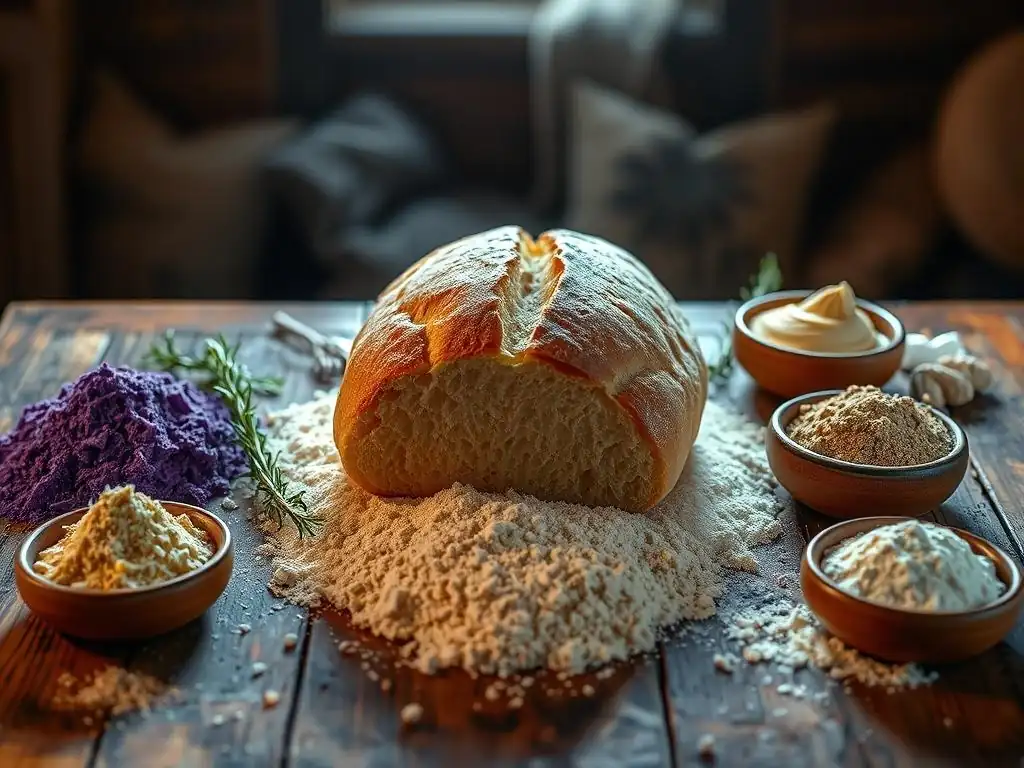
Welcome to BakeWithEase, your partner in creating delicious baked goods! Ever wondered which gluten-free bread starch options will truly elevate your bread baking? Unlock the secrets to achieving the perfect texture and flavor in your gluten-free loaves as we delve into the fascinating world of starches and their impact on your favorite recipes. Prepare to be amazed by the difference the right starch can make!
- Understanding Gluten-Free Starches for Bread: A Comprehensive Guide
- Introduction to Gluten-Free Bread Baking and Starches
-
Exploring Common Gluten-Free Bread Starch Options
- Tapioca Starch: Properties and Uses in Gluten-Free Bread
- Potato Starch: Characteristics and Application in Gluten-Free Bread Recipes
- Cornstarch: How it Performs in Gluten-Free Bread
- Rice Flour (White and Brown): A Gluten-Free Starch Staple?
- Arrowroot Starch: A Versatile Gluten-Free Starch for Baking
- Less Common Gluten-Free Bread Starches
- Blending Gluten-Free Starches for Optimal Bread Texture
- Tips for Working with Gluten-Free Starches in Bread
- Troubleshooting Gluten-Free Bread with Different Starches
- Choosing the Right Gluten-Free Starch for Your Baking Needs
- Conclusion: Mastering Gluten-Free Bread Baking with the Right Starches
-
Frequently Asked Questions
- What are some common gluten-free starches used in bread making?
- Why are starches important in gluten-free bread recipes?
- Can I substitute one gluten-free starch for another in a bread recipe?
- How do I store gluten-free bread made with different starches?
- Where can I find gluten-free starch options to bake bread?
- Final Reflection: The Flour Power of Choice: Navigating the Gluten-Free Starch Landscape
- Unleash Your Inner Gluten-Free Baker!
Understanding Gluten-Free Starches for Bread: A Comprehensive Guide
Introduction to Gluten-Free Bread Baking and Starches
Baking gluten-free bread presents unique challenges compared to traditional wheat-based baking. Without the elastic protein network that gluten provides, doughs can be dense, crumbly, or gummy. Achieving a light, airy texture with a pleasant crust requires a careful balance of different flours, binders, and crucially, starches. Understanding the role of various glutenfree bread starch options is fundamental to successful gluten-free bread making.
This guide will explore the science behind how starches function in gluten-free baking and delve into the characteristics of common and less common gluten-free bread starch options. We'll discuss their benefits, drawbacks, and how to effectively blend them to create delicious loaves that rival their gluten-containing counterparts. Whether you're new to gluten-free baking or looking to refine your recipes, mastering starches is a game-changer.
The Role of Starches in Gluten-Free Bread Making
Starches play several vital roles in gluten-free bread. Primarily, they provide structure and volume. When heated in the presence of moisture, starch granules absorb water and swell, a process called gelatinization. This creates a gel-like network that helps trap gases produced by yeast, allowing the bread to rise and maintain its shape during baking. Different starches gelatinize at different temperatures and absorb varying amounts of water, impacting the final crumb structure and texture.
Beyond providing structure, starches also contribute to the softness and tenderness of the crumb. They help to prevent the bread from becoming too dry or brittle. Furthermore, starches can influence the crust development and browning during baking due to the Maillard reaction and caramelization of residual sugars. A well-chosen blend of glutenfree bread starch options is essential for achieving a desirable balance of structure, tenderness, and crust quality.
Why Gluten-Free Bread Needs Starch Alternatives
Traditional wheat flour contains both starch and gluten protein. Gluten forms a viscoelastic network when mixed with water, providing the strength and elasticity needed for bread dough to rise significantly and hold its structure. In gluten-free baking, this network is absent. Relying solely on gluten-free flours like rice or oat flour often results in a dense, heavy loaf because these flours lack the necessary binding and structure-building properties on their own.
Adding starches provides the missing structural support and improves the texture significantly. They act as binders, helping the flour particles stick together, and contribute to the rise and softness that gluten would typically provide. Without adequate starch or a blend of appropriate gluten-free bread starch options, gluten-free bread tends to be dense, crumbly, and less palatable. They are a necessary component to mimic the desirable characteristics of wheat bread.
Exploring Common Gluten-Free Bread Starch Options
Tapioca Starch: Properties and Uses in Gluten-Free Bread
Tapioca starch, derived from the cassava root, is a very fine, white powder. It's one of the most commonly used glutenfree bread starch options due to its excellent binding properties and ability to create a chewy texture. It gelatinizes at a relatively low temperature compared to some other starches, typically between 50-60°C (122-140°F), which helps set the structure early in the baking process.
Its neutral flavor makes it versatile, not overpowering other ingredients. Tapioca starch contributes to a crispy crust and helps achieve a desirable elasticity in gluten-free doughs. It's often used in conjunction with other flours and starches in gluten-free blends to provide stretch and prevent the bread from being too crumbly.
Benefits of Using Tapioca Starch in Gluten-Free Bread
Tapioca starch is particularly good at providing chewiness and elasticity, which are often lacking in gluten-free bread. It helps bind ingredients together, reducing crumbling, and contributes to a lovely, slightly crispy crust when baked. Its low gelatinization temperature means it starts working early in the oven, helping to set the loaf's structure.
It also gives gluten-free bread a pleasant glossiness and helps with browning. Many bakers find that including tapioca starch improves the overall texture, making the crumb less dry and more appealing. A typical gluten-free bread blend might use tapioca starch for about 20-30% of the total starch/flour mix.
Potential Drawbacks of Tapioca Starch in Gluten-Free Bread
While beneficial, using too much tapioca starch can lead to a gummy or overly chewy texture, especially in the center of the loaf. Because it absorbs a significant amount of water and creates a strong gel, it needs to be balanced with other flours and starches.
Additionally, tapioca starch doesn't add much nutritional value in terms of protein or fiber. It's primarily a source of carbohydrates. Balancing it with whole-grain gluten-free flours and other starches is key to both texture and nutritional profile.
Potato Starch: Characteristics and Application in Gluten-Free Bread Recipes
Potato starch, extracted from potatoes, is another popular glutenfree bread starch option. It's a very fine, white powder known for its excellent thickening properties and ability to create a light, fluffy texture. Potato starch gelatinizes at a slightly higher temperature than tapioca starch, usually around 60-65°C (140-149°F).
It contributes significantly to the soft, tender crumb structure of gluten-free bread. Unlike potato flour (which is made from whole dried potatoes), potato starch is pure starch and has a very neutral flavor. It helps retain moisture in the bread, preventing it from drying out quickly.
Advantages of Potato Starch for Gluten-Free Bread
Potato starch excels at creating a soft, airy crumb. It helps the bread achieve a good rise and prevents it from becoming dense. Its ability to absorb and hold moisture contributes to a more tender texture and helps extend the shelf life of gluten-free bread by keeping it from becoming stale too quickly.
It's often used in combination with tapioca starch and rice flour in all-purpose gluten-free blends. A typical ratio might include potato starch making up 10-20% of the starch component in a blend, contributing to that desirable soft interior texture.
Disadvantages of Potato Starch for Gluten-Free Bread
One potential drawback of potato starch is that it can sometimes result in a slightly dry or crumbly texture if used in isolation or in too high a proportion without sufficient binders. It doesn't offer the same chewiness or elasticity as tapioca starch.
Like tapioca starch, potato starch is low in nutrients compared to whole-grain flours. It's primarily used for its textural benefits. Achieving the best result usually requires blending it with other flours and starches.
Cornstarch: How it Performs in Gluten-Free Bread
Cornstarch, derived from the endosperm of corn kernels, is a widely available and inexpensive glutenfree bread starch option. It's a fine, white powder often used as a thickener in sauces and gravies, but it also has applications in gluten-free baking. Cornstarch gelatinizes at a relatively high temperature, typically 62-80°C (144-176°F), which means it provides structure later in the baking process than tapioca or potato starch.
It contributes to a tender, slightly crumbly texture in baked goods. While less common as a primary starch in yeast-leavened gluten-free bread compared to tapioca or potato starch, it can be used in blends, particularly in recipes for cakes, muffins, or quick breads where a softer, more delicate crumb is desired.
The Pros of Using Cornstarch in Gluten-Free Bread
Cornstarch is excellent at creating a very fine, soft, and tender crumb structure. It can help reduce the density of gluten-free bread and contributes to a smooth texture. Its neutral flavor makes it easy to incorporate into various recipes without affecting the taste.
It's also a very affordable and accessible gluten-free bread starch option, making it a convenient choice for many home bakers. When used in appropriate proportions, it helps achieve a desirable softness in the final product.
The Cons of Using Cornstarch in Gluten-Free Bread
Cornstarch doesn't offer the same binding capabilities as tapioca starch, and using too much can lead to a dry, crumbly, or even brittle texture in yeast-leavened bread. Its high gelatinization temperature means it might not provide structure as effectively early in the rise and bake cycle as lower-temperature starches.
It can also sometimes contribute to a slightly powdery mouthfeel if not properly hydrated and baked. For robust, chewy bread structures, it's generally less preferred than tapioca or potato starch and is best used in smaller quantities in blends.
Rice Flour (White and Brown): A Gluten-Free Starch Staple?
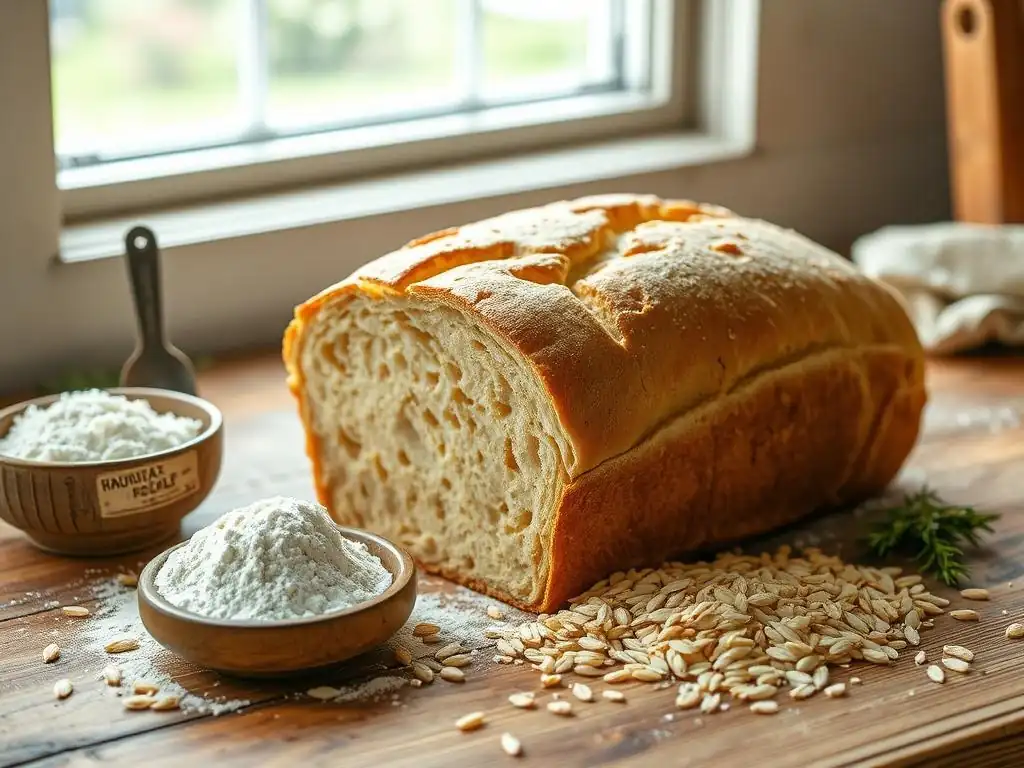
Rice flour, made from ground rice, is a foundational ingredient in many gluten-free baking blends. It comes in white and brown varieties. While technically a flour containing protein and fiber in addition to starch, its high starch content (typically 70-80% for white rice flour, slightly less for brown) means it often functions similarly to a starch in terms of structure and texture contribution in gluten-free baking.
Rice flour provides bulk and structure to gluten-free bread. White rice flour, being more refined, results in a lighter, softer texture, while brown rice flour adds nutrients, fiber, and a slightly denser, nutty texture. They are almost always part of a multi-flour, multi-starch blend when baking gluten-free bread.
Using White Rice Flour in Gluten-Free Bread
White rice flour is a staple glutenfree bread starch option (functioning as a flour/starch). It's finely ground and has a neutral flavor, making it very versatile. It contributes to the overall structure of the loaf and helps create a relatively light texture.
It's often the primary component in many commercial and homemade gluten-free flour blends. However, using only white rice flour without other starches or binders typically results in a dense, dry, and crumbly bread because it lacks the elasticity and binding power needed for a good rise and cohesive crumb.
Using Brown Rice Flour in Gluten-Free Bread
Brown rice flour is a whole-grain option, retaining the bran and germ. This gives it a higher fiber and nutrient content than white rice flour, along with a nuttier flavor and slightly coarser texture. It also functions as a key gluten-free bread starch option within a blend.
Including brown rice flour adds nutritional value and contributes to a heartier texture. However, its higher fiber content can sometimes inhibit rise and result in a denser loaf if used in large quantities. It's best used in combination with lighter flours and starches to balance texture and nutrition.
Arrowroot Starch: A Versatile Gluten-Free Starch for Baking
Arrowroot starch, extracted from the root of the arrowroot plant, is a fine, white powder similar in appearance to tapioca starch. It's a highly digestible glutenfree bread starch option known for its excellent thickening properties, even at lower temperatures than cornstarch. It gelatinizes around 65-70°C (149-158°F).
In gluten-free baking, arrowroot starch can function similarly to tapioca starch, providing binding and contributing to a light, delicate texture. It's often used in smaller quantities in blends or as a thickener in fillings or sauces used in conjunction with bread recipes.
Arrowroot Starch Benefits in Gluten-Free Bread
Arrowroot starch creates a very clear gel when cooked, which isn't always relevant for opaque bread, but it signifies its strong binding power. It can help create a light and tender crumb texture in gluten-free bread and contributes to binding ingredients effectively.
It's considered easily digestible and has a neutral flavor. It can be a good substitute for cornstarch or used in combination with other gluten-free bread starch options to achieve specific textural goals, particularly in quick breads or softer rolls.
Arrowroot Starch Drawbacks in Gluten-Free Bread
Arrowroot starch can become somewhat slimy if overheated or overmixed after thickening. While less likely in bread baking than in sauces, it's something to be mindful of. It also doesn't provide the same level of chewiness or elasticity as tapioca starch.
Like other pure starches, it lacks significant nutritional value. Its relatively higher cost compared to cornstarch or even tapioca starch can also be a consideration for bakers using large quantities. It's often best used in moderation within a blend.
Less Common Gluten-Free Bread Starches
Sweet Potato Starch: An Alternative Gluten-Free Starch Option
Sweet potato starch is extracted from sweet potatoes and is less common in mainstream gluten-free baking than tapioca or potato starch. It has a fine texture and can range in color from white to slightly off-white. Its properties are somewhat similar to potato starch, offering thickening and contributing to a tender crumb.
Using sweet potato starch can potentially add a subtle sweetness and color to bread, depending on the variety of sweet potato used and the processing method. It can be explored as an alternative gluten-free bread starch option for those looking to experiment with different textures and flavors, though finding it readily available might be a challenge for some.
Cassava Flour: A Gluten-Free Starch Derived from Cassava Root
Cassava flour, while often used like a flour, is primarily starch derived from the whole cassava root, including the fiber. This differs from tapioca starch, which is just the extracted starch. Cassava flour is a very fine, powdery ingredient that has excellent binding properties and can be used in higher proportions than pure starches in some recipes.
It's known for creating a soft, slightly chewy texture and has a relatively neutral flavor, though some detect a subtle earthiness. Because it contains fiber from the whole root, it can absorb more liquid than pure starches. It's a versatile glutenfree bread starch option that can sometimes replace a significant portion of other flours and starches in a blend, offering good structure and moisture retention.
Blending Gluten-Free Starches for Optimal Bread Texture
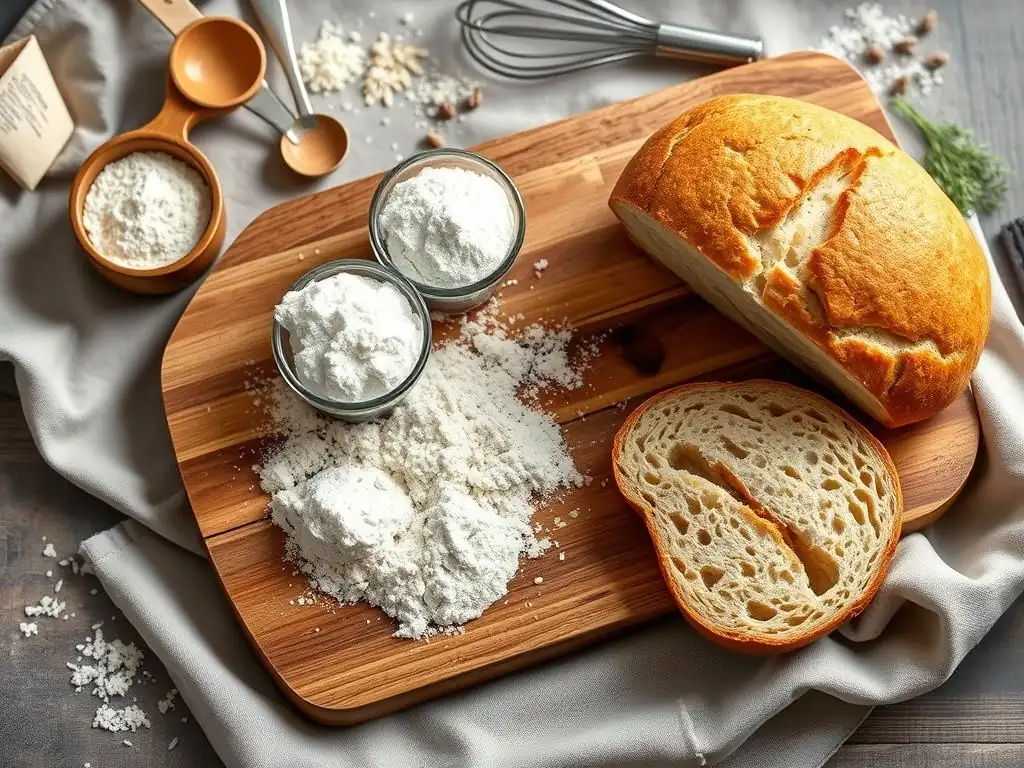
Achieving the ideal texture in gluten-free bread rarely involves using just one starch or flour. The magic happens in the blend. Different starches and flours contribute unique properties – some provide structure, some softness, some chewiness, and others nutrition and flavor. Combining them leverages their strengths while mitigating their weaknesses.
A well-formulated gluten-free flour and starch blend is designed to mimic the functional properties of wheat flour as closely as possible. This typically involves a mix of whole-grain gluten-free flours (like brown rice, sorghum, or millet), lighter flours (like white rice), and starches (like tapioca and potato) to provide binding, elasticity, softness, and volume. The specific ratios of these glutenfree bread starch options and flours are critical for success.
Why Blend Gluten-Free Starches?
Blending starches, along with different gluten-free flours, is essential because no single gluten-free ingredient can replicate the complex behavior of wheat gluten. A blend allows you to combine the elasticity and chewiness of tapioca starch with the softness and tenderness of potato starch, for example. This creates a more balanced texture that is less likely to be dense, crumbly, or gummy.
Different starches also interact differently with moisture and heat. A blend ensures that structure develops throughout the baking process as starches gelatinize at varying temperatures. This layered approach to structure building is key to achieving a light, airy crumb and good loaf volume, utilizing the best of various gluten-free bread starch options.
Effective Gluten-Free Starch Blends for Bread Baking
Many effective gluten-free bread recipes use a combination of flours and starches. A common approach is to have a blend where roughly 60-70% is flour (like rice, sorghum, or millet) and 30-40% is starch. Within the starch portion, a mix of tapioca and potato starch is very popular.
Here are examples of common blend types, highlighting the starch components:
All-Purpose Gluten-Free Blend: White Rice Flour, Tapioca Starch, Potato Starch
A widely used blend often consists of approximately 60% white rice flour, 20% tapioca starch, and 20% potato starch. This combination leverages the neutral flavor and bulk of white rice flour with the binding and chewiness of tapioca starch and the softness of potato starch.
This ratio provides a good balance for many standard bread recipes, resulting in a relatively light and tender loaf. It's a versatile glutenfree bread starch option blend that works well for sandwich bread and rolls, offering a texture that is familiar and pleasant.
High-Fiber Gluten-Free Blend: Brown Rice Flour, Oat Flour, Tapioca Starch
For a more nutritious, heartier loaf, a blend might incorporate whole-grain gluten-free flours. An example could be 40% brown rice flour, 30% oat flour, and 30% tapioca starch (or a mix of tapioca and potato starch).
In this blend, the brown rice and oat flours contribute fiber, nutrients, and a robust flavor, while the tapioca starch (and potentially potato starch) provides the necessary binding and structure to counteract the density that whole grains can sometimes cause. This blend of gluten-free bread starch options and flours results in a bread with more character and nutritional density.
Tips for Working with Gluten-Free Starches in Bread
Working with glutenfree bread starch options requires attention to detail, particularly regarding measurement and hydration. Because starches absorb moisture differently than flours, precise measurements are crucial for consistent results.
Measuring Gluten-Free Starches Accurately
Using a digital kitchen scale for measuring gluten-free flours and starches by weight (grams) is highly recommended over volume (cups). Different starches have different densities; for example, a cup of tapioca starch weighs differently than a cup of potato starch. Measuring by weight ensures you are using the exact proportions specified in a recipe, leading to more predictable outcomes.
Even a small difference in the amount of a high-absorption starch like tapioca can significantly impact the final texture, potentially leading to gumminess or dryness. Consistent measurement is the first step to mastering gluten-free bread starch options.
Hydration Considerations for Different Starches
Gluten-free doughs typically require significantly more hydration than wheat doughs. Starches need sufficient liquid to gelatinize properly during baking. However, different starches absorb water at different rates. Tapioca starch, for instance, absorbs a lot of water and forms a viscous gel. Potato starch also absorbs well and retains moisture.
It's important to follow the liquid amounts specified in a recipe carefully, as it's formulated based on the specific blend of flours and glutenfree bread starch options used. Sometimes, allowing the dough to rest for a period (autolyse equivalent) before kneading can help the starches and flours absorb the liquid more effectively.
Storage Tips to Maintain Starch Quality
Proper storage is key to keeping your glutenfree bread starch options fresh and functional. Starches should be stored in airtight containers in a cool, dry, dark place, such as a pantry or cupboard. This protects them from moisture, light, and potential pantry pests.
While pure starches like tapioca, potato, and cornstarch have a relatively long shelf life (often a year or more if stored correctly), it's always best to check the expiration date. Stale starches can affect the texture and rise of your bread. Buying from a supplier with good turnover ensures freshness.
Troubleshooting Gluten-Free Bread with Different Starches
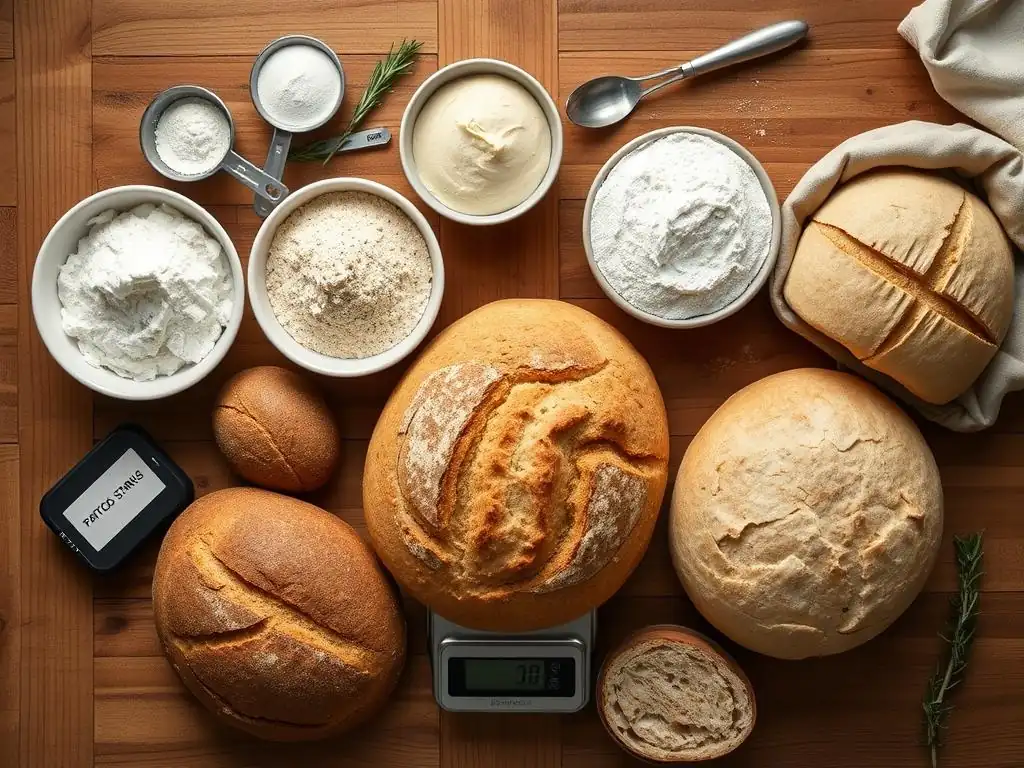
Even with the right blend of glutenfree bread starch options, gluten-free baking can sometimes be tricky. Understanding common issues and how to address them will help you refine your technique and achieve better results.
Common Issues and How to Solve Them
Here are a few common problems encountered when baking gluten-free bread and their potential causes related to starches and dough handling:
Dense Bread: Insufficient Hydration or Yeast Activity
If your gluten-free bread turns out dense and heavy, it could be due to too little liquid in the dough. Starches need adequate hydration to gelatinize and support the rise. It could also indicate insufficient yeast activity – check your yeast's expiration date and ensure your liquid is at the correct temperature.
- Checklist for Dense Bread:
- [ ] Did I measure ingredients by weight?
- [ ] Was the liquid amount exactly as specified?
- [ ] Is my yeast fresh and active?
- [ ] Was the dough mixed enough to activate binders?
- [ ] Was the proofing environment warm enough?
Gummy Texture: Too Much Tapioca Starch or Insufficient Baking Time
A gummy texture is often a sign of too much tapioca starch in the blend or that the bread hasn't been baked through completely. Tapioca starch contributes chewiness, but excess can make the crumb sticky or gluey. Underbaking prevents the starches from fully gelatinizing and setting.
- Checklist for Gummy Texture:
- [ ] Is the ratio of tapioca starch appropriate for the blend?
- [ ] Did I bake the bread for the full recommended time?
- [ ] Did the internal temperature reach 93-100°C (200-210°F)?
- [ ] Did I allow the bread to cool completely before slicing? (Crucial for structure setting)
Crumbly Bread: Lack of Binding Agents or Over-Mixing
If your bread falls apart easily, it might lack sufficient binding, which glutenfree bread starch options like tapioca and potato starch help provide. It could also mean you didn't use a binder like xanthan gum or psyllium husk, which are essential in gluten-free bread. Over-mixing can sometimes break down the fragile structure formed by binders and starches.
- Checklist for Crumbly Bread:
- [ ] Does my recipe include a binder (xanthan gum, psyllium husk)?
- [ ] Is the proportion of binding starches (like tapioca) sufficient?
- [ ] Did I mix the dough only until just combined/developed?
- [ ] Was the hydration level correct? (Too dry can cause crumbling)
Choosing the Right Gluten-Free Starch for Your Baking Needs
Selecting the best glutenfree bread starch options depends on the type of bread you want to bake and the desired texture. Understanding the properties of each starch allows you to make informed choices when following or creating recipes.
Factors to Consider When Selecting Gluten-Free Starches
Consider the textural contribution you need: Do you want chewiness (tapioca)? Softness (potato, corn)? Lightness (arrowroot)? Also, think about the desired crumb structure – some starches create a fine crumb, while others can contribute to a more open one when used correctly.
Cost and availability are also practical factors. Cornstarch and potato starch are often more widely available and less expensive than arrowroot or some less common starches. Finally, consider any dietary needs beyond gluten-free, as some individuals may have sensitivities to corn or potato, requiring alternative gluten-free bread starch options.
Matching Starch to Bread Type: Sandwich Bread vs. Rustic Loaf
For a soft, sliceable sandwich bread, a blend featuring potato starch and tapioca starch alongside rice flour is often ideal. The potato starch provides softness, while the tapioca adds just enough chewiness for structure without being overly dense.
For a more rustic loaf with a chewier crust and interior, you might increase the proportion of tapioca starch slightly or incorporate cassava flour, which offers both binding and a unique texture. Using whole-grain gluten-free flours alongside these gluten-free bread starch options will also contribute to a heartier, more rustic feel.
Conclusion: Mastering Gluten-Free Bread Baking with the Right Starches
Navigating the world of gluten-free bread baking can seem daunting, but understanding the fundamental role of starches makes it much more approachable. From providing structure and helping with the rise to ensuring a tender crumb and appealing crust, glutenfree bread starch options are indispensable tools in the gluten-free baker's pantry.
By learning the unique properties of starches like tapioca, potato, cornstarch, and others, and how they interact within a blend, you gain the power to troubleshoot common issues and tailor recipes to achieve your desired results. Experimenting with different combinations of flours and starches is part of the journey, and with practice, you'll master the art of baking delicious, well-textured gluten-free bread every time. Happy baking!
Frequently Asked Questions
What are some common gluten-free starches used in bread making?
Common gluten-free starches include tapioca starch, potato starch, and cornstarch. These starches help to bind and provide structure in the absence of gluten.
Why are starches important in gluten-free bread recipes?
Starches are crucial for gluten-free bread because they mimic some of the functions of gluten, such as providing structure, elasticity, and chewiness. They help create a more desirable texture.
Can I substitute one gluten-free starch for another in a bread recipe?
It's generally not recommended to directly substitute starches 1:1. Different starches have varying absorption rates and textural properties. Recipes are formulated with specific starches in mind.
How do I store gluten-free bread made with different starches?
Store gluten-free bread in an airtight container at room temperature for a few days, or freeze for longer storage. Gluten-free bread tends to dry out quickly, so proper storage is essential for freshness.
Where can I find gluten-free starch options to bake bread?
You can find gluten-free starches at most grocery stores in the baking or gluten-free section. Specialty health food stores and online retailers also offer a wide variety of options.
Understanding the nuances of gluten-free starches is no longer a niche pursuit; it's a crucial skill for millions navigating dietary restrictions and seeking delicious, nutritious bread. The rise in gluten-free diets necessitates a deeper understanding of the diverse starches available, their unique properties, and how they impact the final product. This knowledge empowers individuals to make informed choices and achieve baking success.
The journey through the world of gluten-free starches has been a fascinating one, revealing not only the scientific complexities of baking but also the creative ingenuity of those adapting to dietary needs. The sheer variety of starches, each with its own strengths and weaknesses, highlights the ongoing evolution of gluten-free baking. The best bread is the bread you bake with love and understanding of its ingredients,
a sentiment that rings especially true in the gluten-free world. This exploration has underscored the importance of experimentation and the rewarding feeling of mastering a technique that allows for greater control over one's diet and culinary experience.
Now, it's your turn. Consider the information presented in this article, and experiment with different gluten-free starches. Don't be afraid to try new combinations, to adjust recipes, and to discover your own perfect gluten-free bread. The journey of culinary exploration is a personal one, and the satisfaction of creating a delicious and healthy loaf from scratch is a reward in itself. Embrace the challenge, and enjoy the delicious results!
Here's a CTA tailored for an article on gluten-free starches for bread, on BakeWithEase.com:
Unleash Your Inner Gluten-Free Baker!
Thanks for diving into the world of gluten-free starches! We hope you now feel more confident in choosing the perfect blend for your next loaf. Ready to put your new knowledge into practice?
- Bake your dream gluten-free bread: Experiment with the starch combinations discussed, and share your results with us! We'd love to hear about your baking adventures.
- Explore alternative flours: Go beyond the starches and delve into other gluten-free flour options like almond or tapioca flour.
- Challenge yourself: Try a new gluten-free bread recipe this week, incorporating your newfound starch expertise.
What unique starch combination will you try first to create your perfect gluten-free bread? Let us know in the comments below!